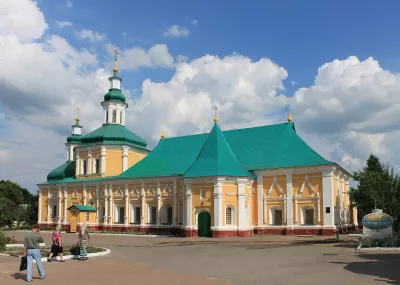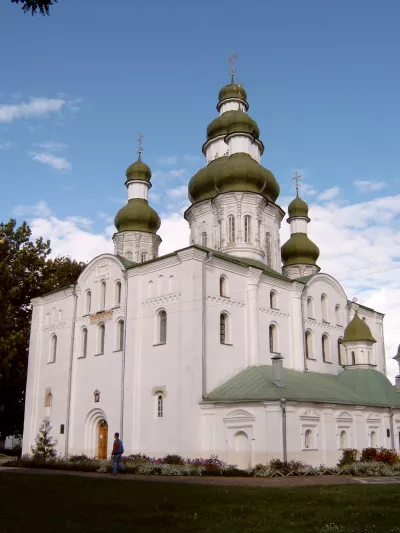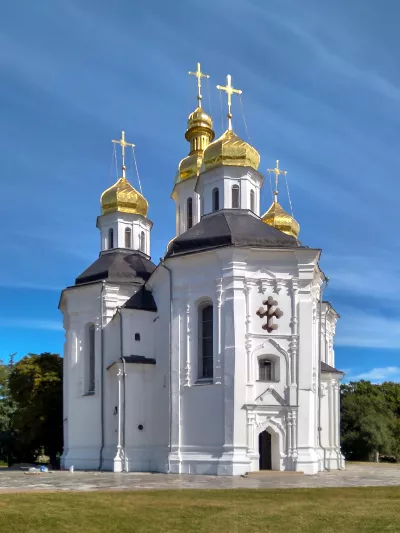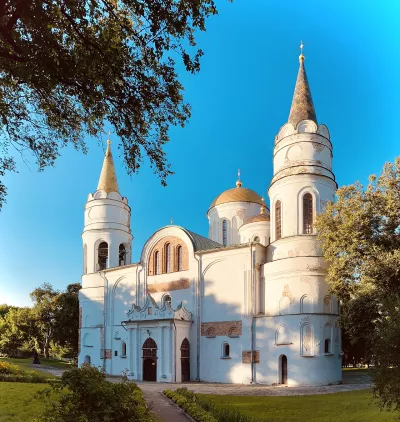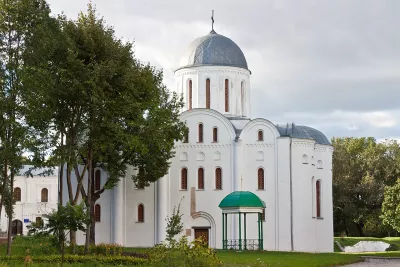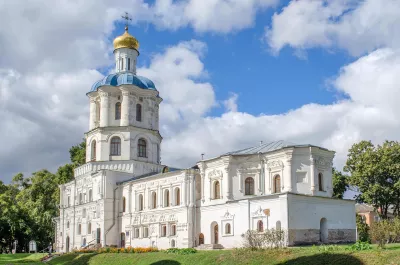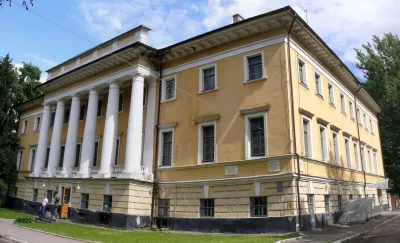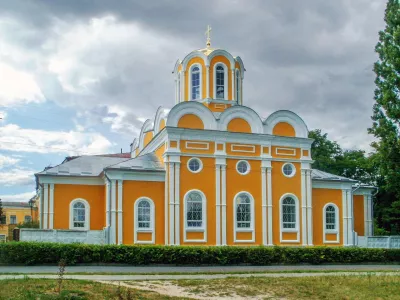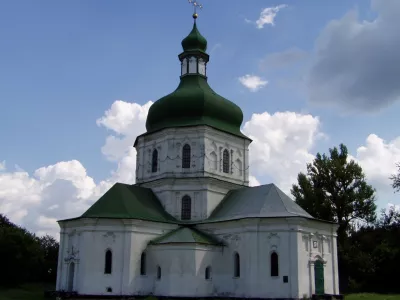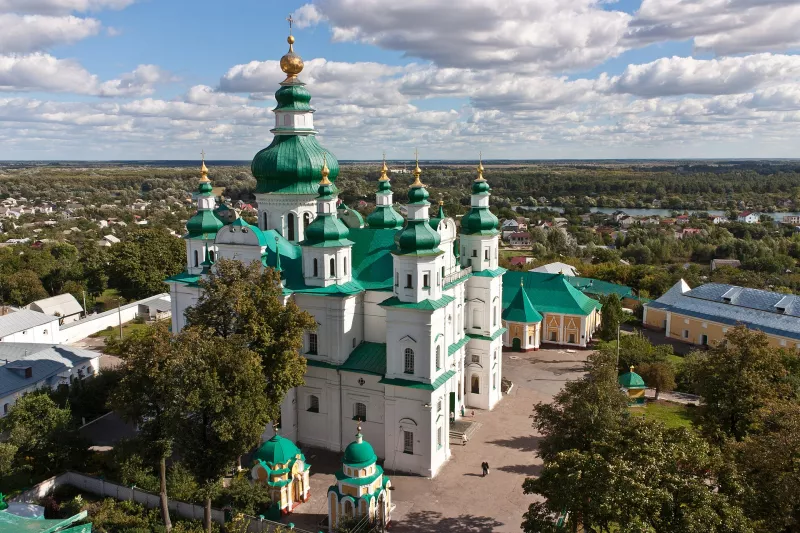
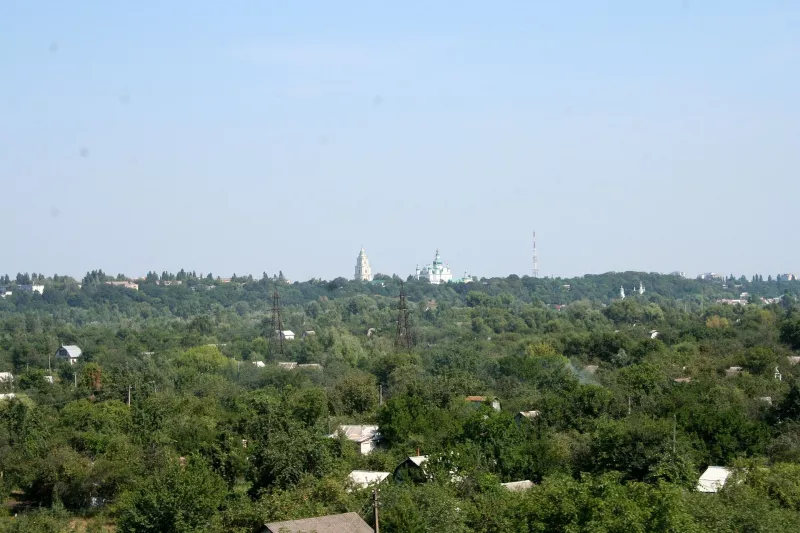
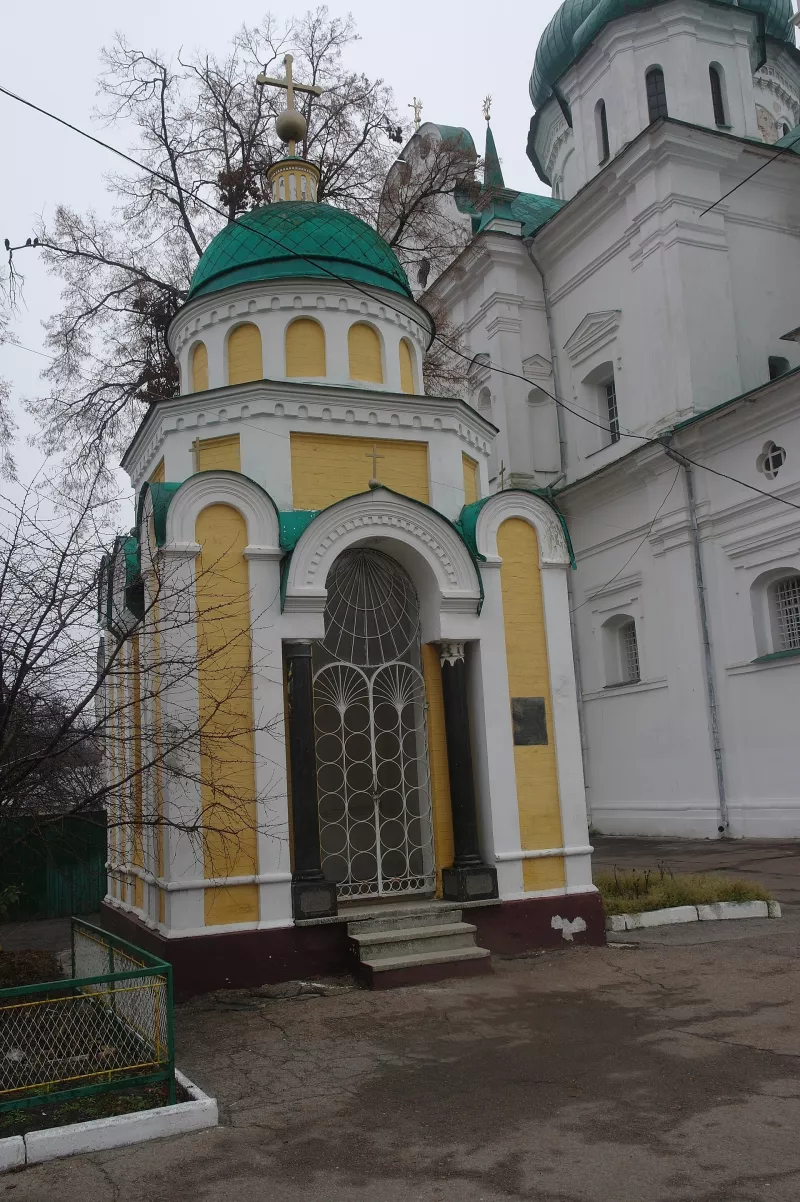
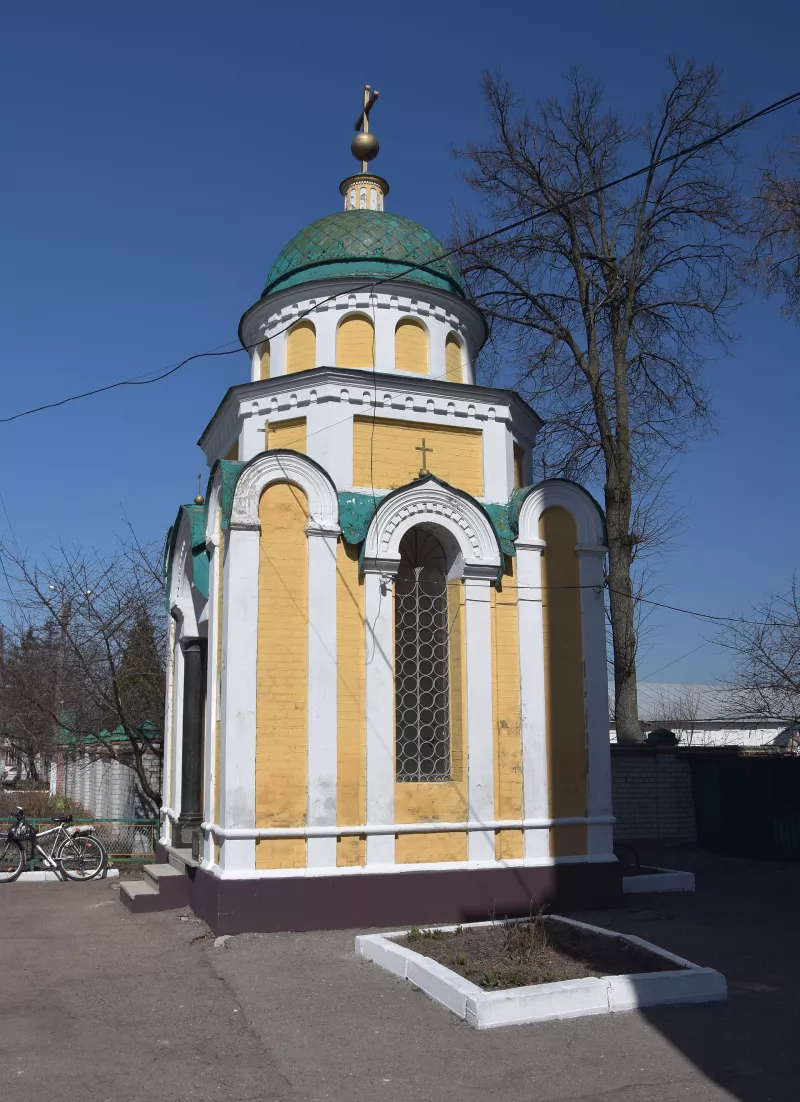
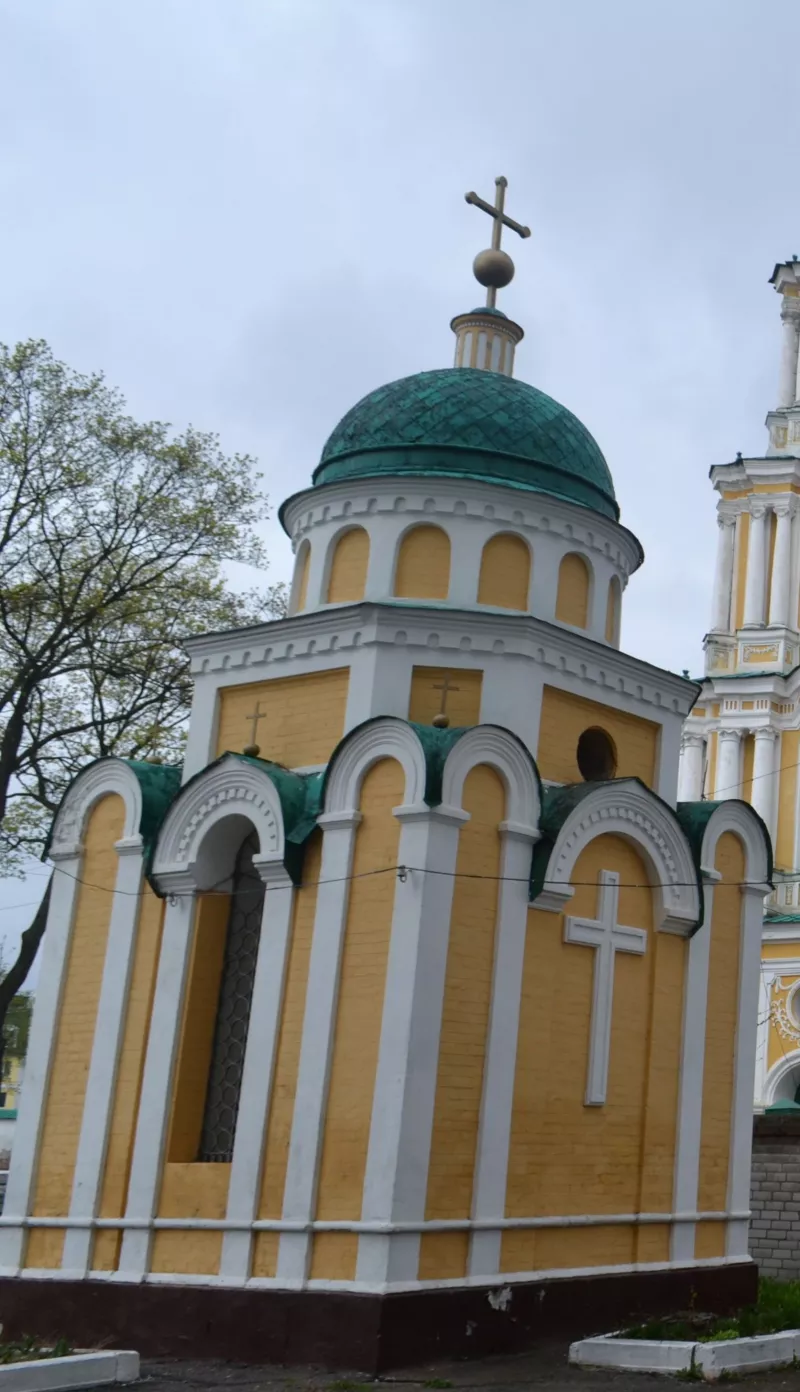

The Trinity-Ilinsky Monastery stands on Boldyny Hory — picturesque hills above the Desna River on the outskirts of Chernihiv. Its history begins with a cave dug here by Anthony of Pechersk, the founder of monasticism in Rus. Today, the complex combines the ancient St. Elijah Church, the Baroque Trinity Cathedral with its tall bell tower, and Anthony's Caves, which house a museum.
From Anthony's Cave to the Monastery
In 1069, Prince Sviatoslav Yaroslavych erected a wooden church of the Prophet Elijah over Anthony's cave, and thus the monastery was born. In the mid-12th century, Chernihiv master builders erected a masonry single-domed St. Elijah Church on its site, which still stands today. After the Mongol devastation of 1237–1239, the cloister fell into decay, and some of the passageways became blocked with earth.
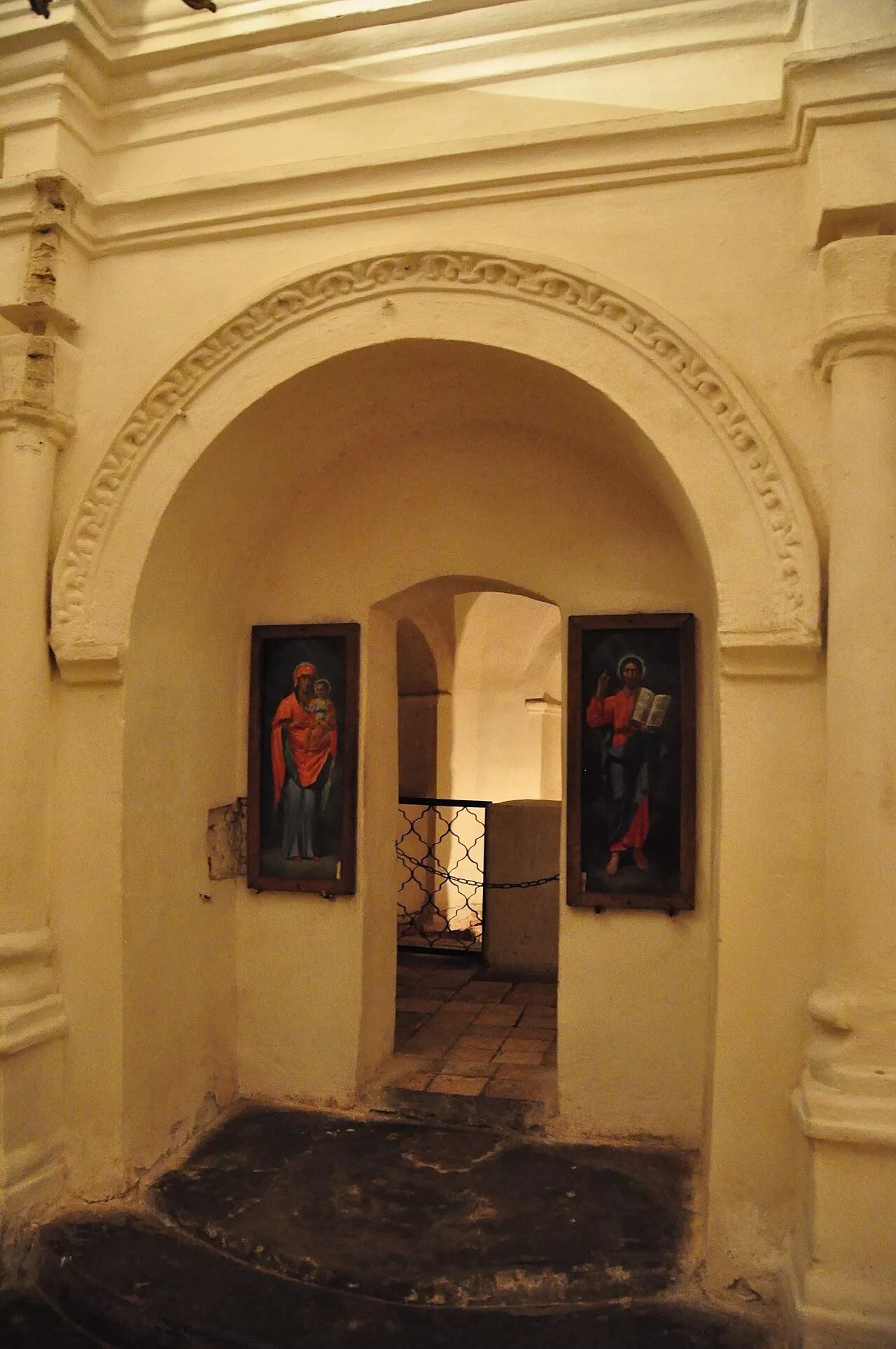
The monastery was revived in 1649 by Chernihiv colonel Stepan Pobodailo. He died in battle near Stary Bykhov in 1654 and was buried in the St. Elijah Church, which he had restored. At the same time, hieromonk Hennadii Dubenskyi painted the icon of the Mother of God here — one of the most prominent works of 17th-century Ukrainian icon painting.
The Trinity Cathedral and the Printing House
At the initiative of Archbishop Lazar Baranovych, at the expense of Colonel Vasyl Dunin-Borkovskyi, and with the support of Hetman Ivan Mazepa, the majestic Cathedral of the Holy Trinity was built between 1679 and 1695. The design and construction were carried out by the architect Johann Baptist. Since then, the cloister has been called the Trinity-Ilinsky Monastery. The cathedral and the four-tiered bell tower from 1775 are built in the Baroque style and can be seen from afar from many points in the city.
In 1679, the printing house was moved here from Novhorod-Siverskyi. Between 1680 and 1721, the monastery printed over a hundred editions, and in terms of variety, the Chernihiv printing house was second only to the Kyiv one. It was here that hieromonk Leontii Bobolynskyi completed his Chronicle, a collection of chronicles and historical works.
Anthony's Caves
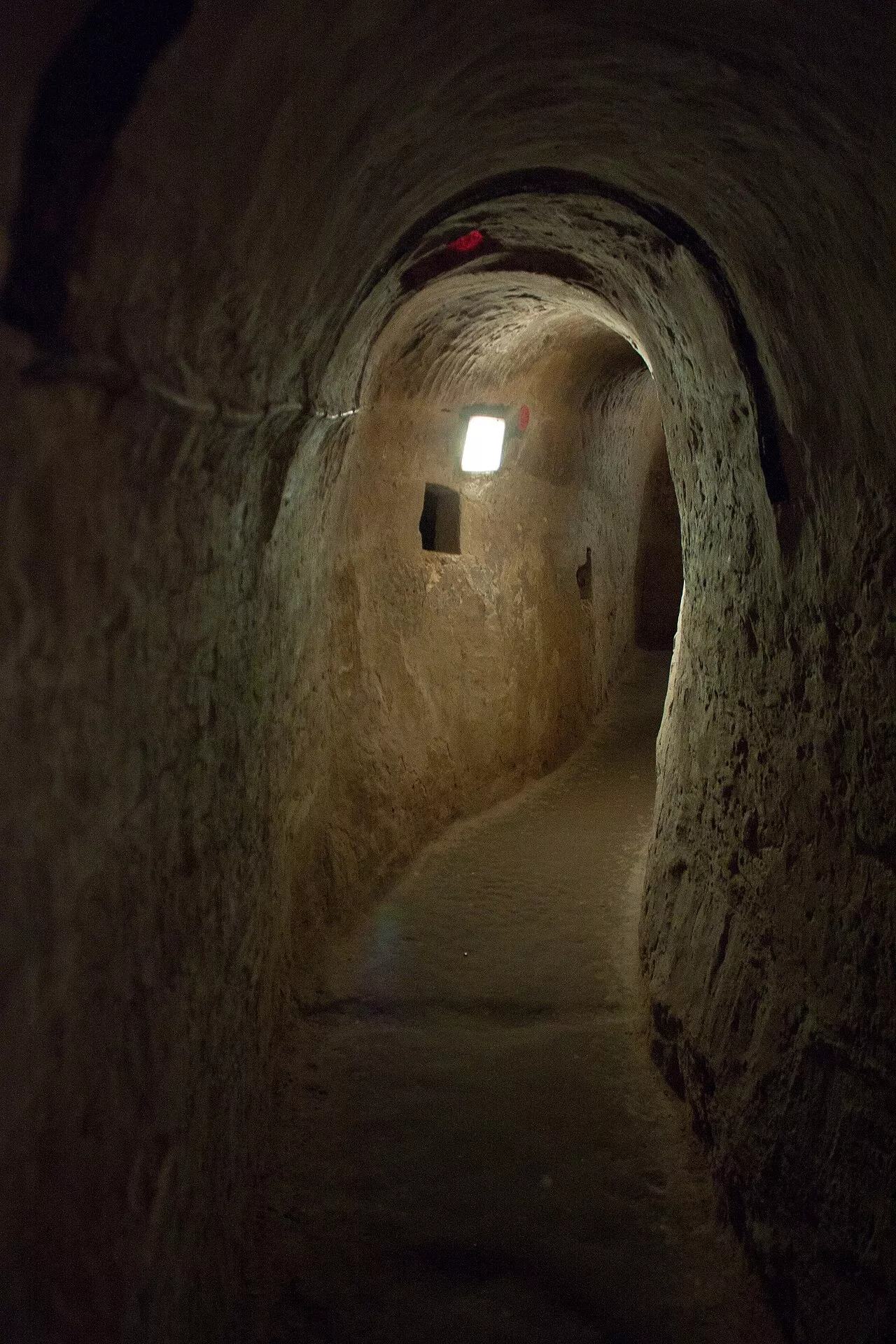
Several tiers of underground galleries stretch beneath the St. Elijah Church and the hill. They contain a chapel, cells, and three underground churches: Anthony, Theodosius, and Nicholas. Most of the complex was arranged in the 17th century when the monastery was revived. Today, the caves serve as a museum and can be visited on a guided tour. It is cool and narrow inside, so it is worth bringing warm clothing.
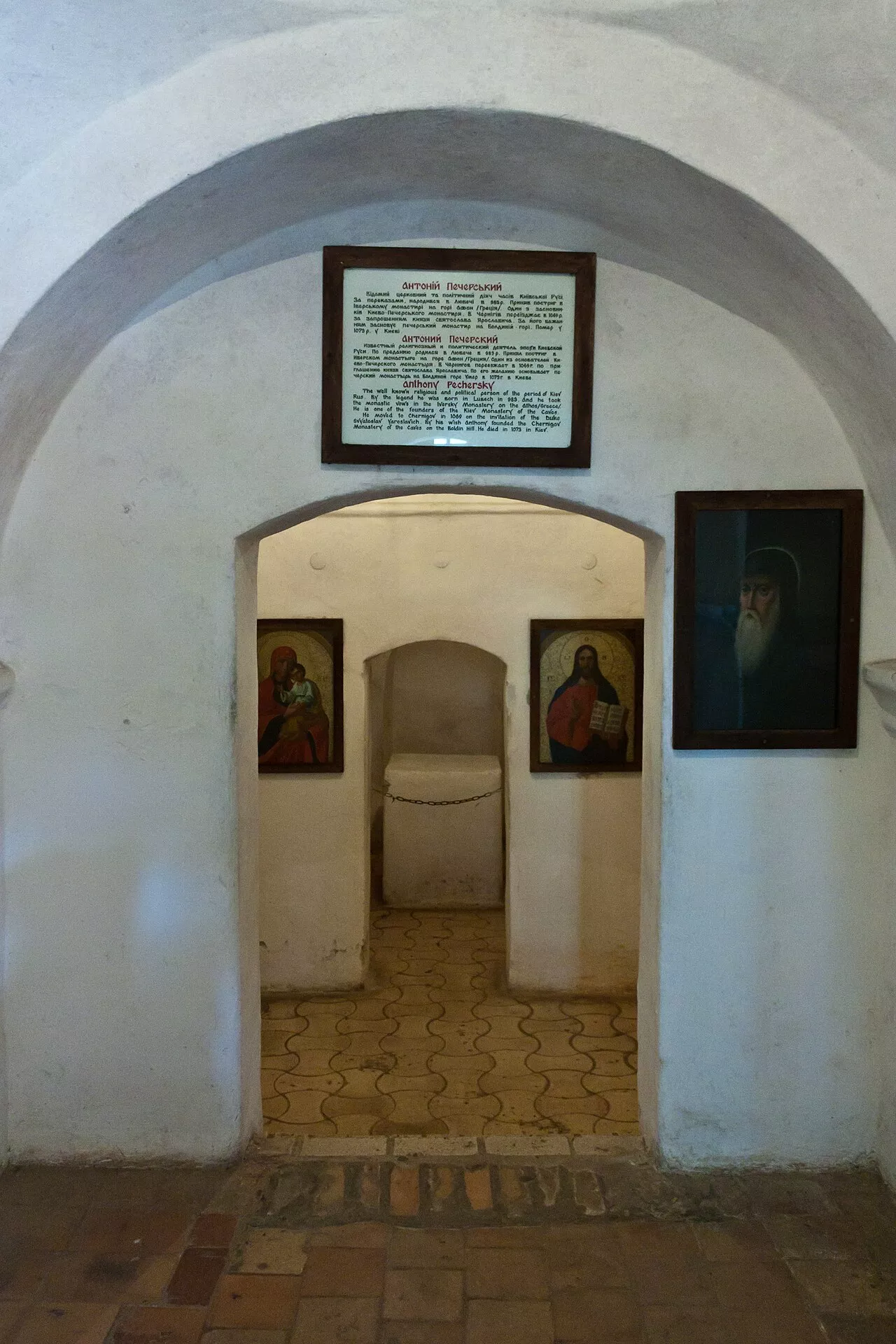
In 1786, the monastery was closed and turned into a bishop's residence; it was liquidated under Soviet rule. From 1942 to 1962, a women's religious community operated here, and starting in 1967, the complex became part of the reserve. In the 1970s and 1980s, the bell tower, the Trinity Cathedral, and the St. Elijah Church were restored. In 2025, monastic life was revived here once again.
How to get there
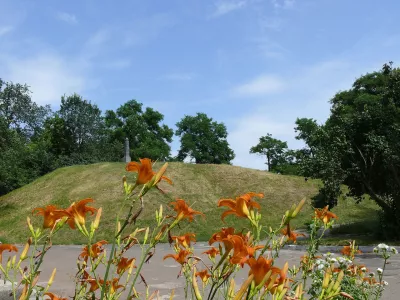
The monastery stands on Oleksandra Dovzhenka Street (Illinska Street) on Boldyna Hills, about 2 km from the center of Chernihiv. It is convenient to walk here via Illinska Street or take public transport. It is best to combine the visit with a walk through Boldyna Hills — past the mounds to the Trinity Monastery. Nearby is the Yelets Assumption Monastery.