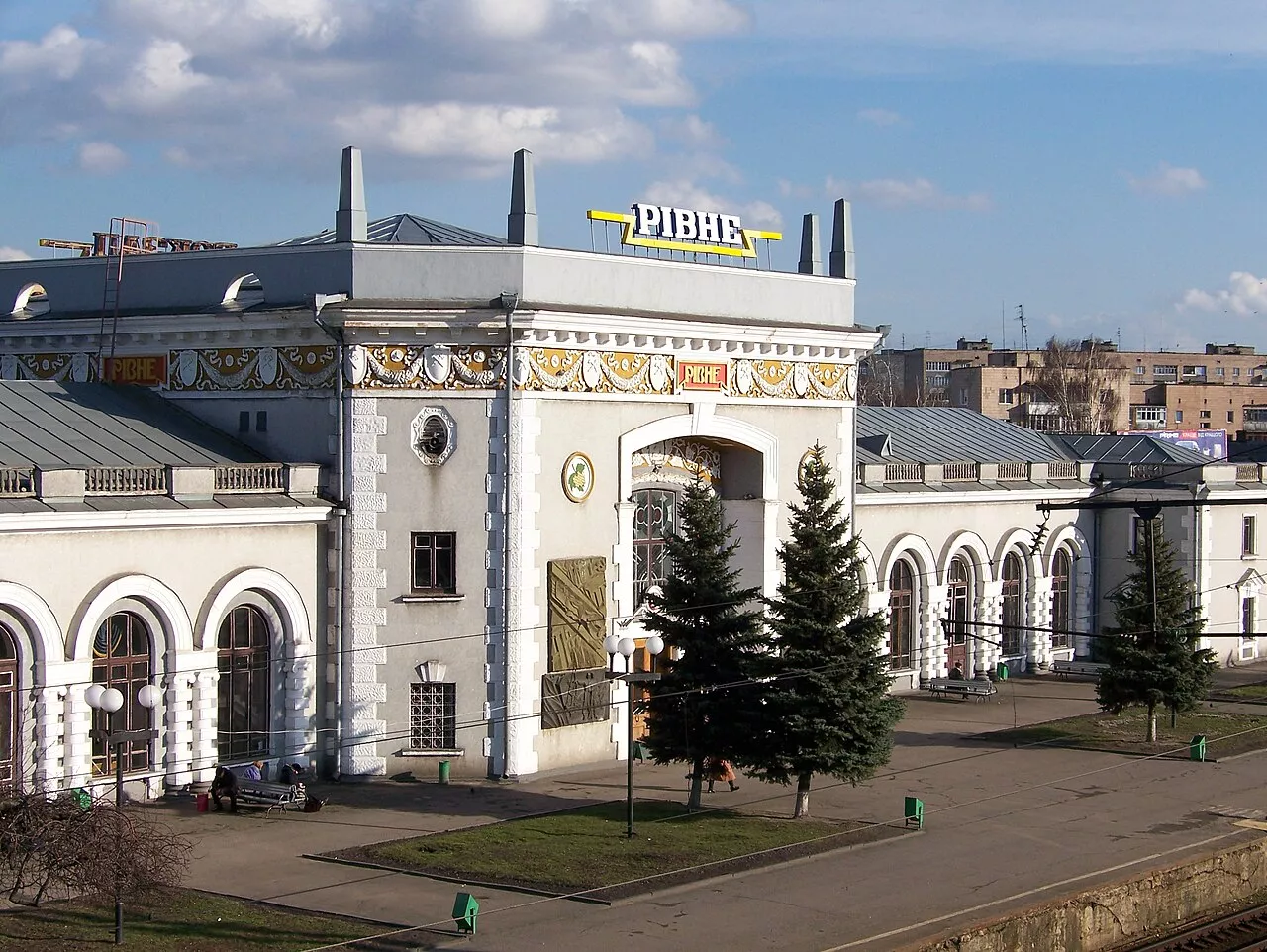

Rivne is the regional centre of Rivnenshchyna, a city on the Ustia River with a population of over 240,000. It lies on the border of Polissia and the Volhynian Upland: to the north of the city, the forests and swamps of Rivne Polissia begin, while to the south lie the hills featuring the castles of Ostroh and Dubno. Therefore, Rivne is a convenient base: visitors stay overnight here and travel out during the day to the tunnel, fortresses and national parks.
City of Princess Maria
Rivne was first mentioned in 1283 as a settlement of the Galicia-Volhynia Principality. The town received Magdeburg rights in 1492. Princess Maria Neschvytska, who called herself Rivnenska, is considered the true founder of the city: in 1481, she built a wooden castle surrounded by moats on an island in the middle of the Ustia.
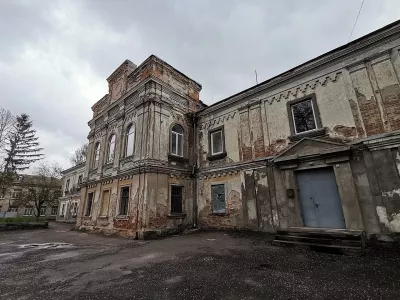
Later, Rivne passed from family to family — the Ostrozkis, the Zamoyskis, the Lubomirskis. In 1723, the city came into the possession of the Lubomirskis, the richest magnates of Volhynia. They erected a masonry castle-palace, which was rebuilt in the Rococo style in 1760. The palace has not survived and can only be seen in old photographs.
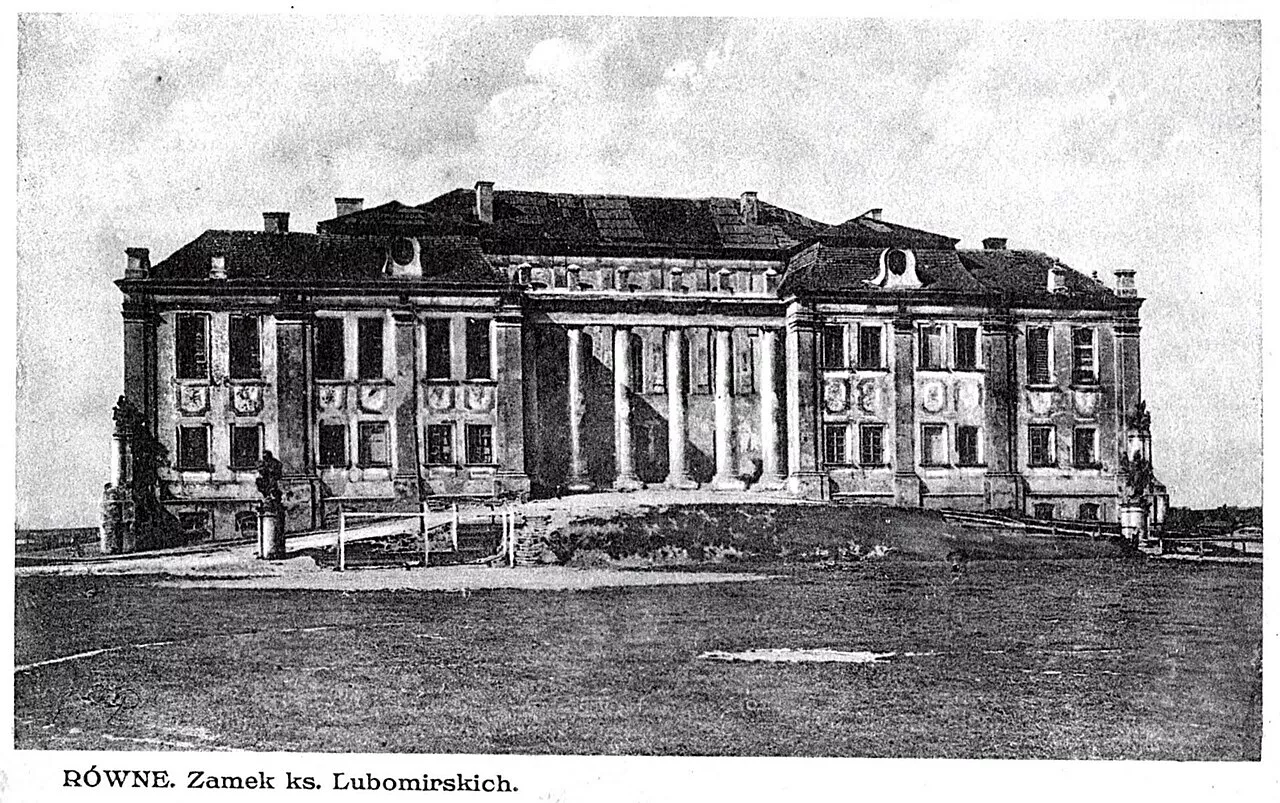
In 1793, Rivne was annexed by the Russian Empire and became a district town. In 1839, a gymnasium was transferred here from Klevan. The historian Mykola Kostomarov taught here, and the writer Volodymyr Korolenko studied here. In 1837, the Kyiv — Brest railway passed through the city, and Rivne began to grow rapidly. Between the world wars, it was part of Poland, and during the German occupation, it became the capital of the Reichskommissariat Ukraine.
What to see in the centre
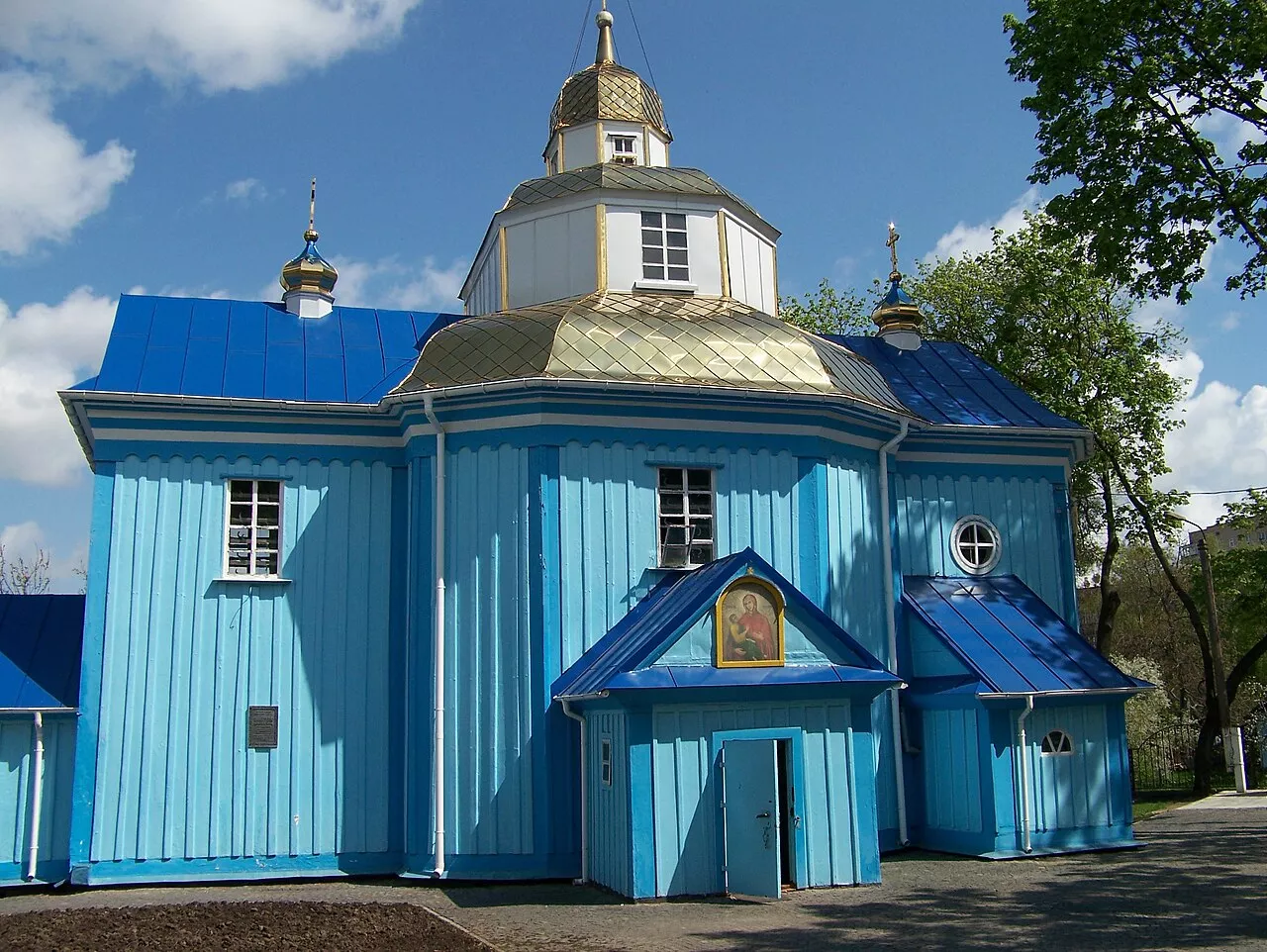
The Assumption Church is a wooden temple consecrated in 1756, one of the oldest buildings in the city. Legend has it that Ivan Honta prayed here.
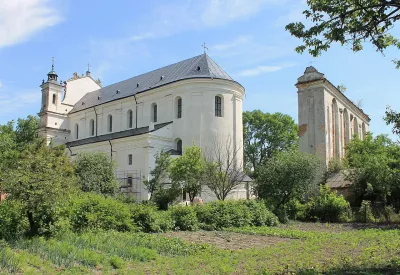
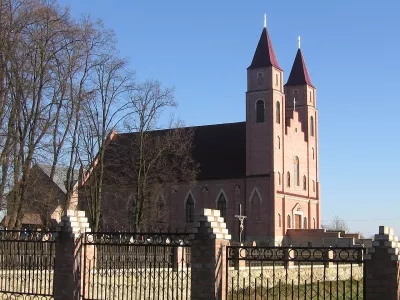
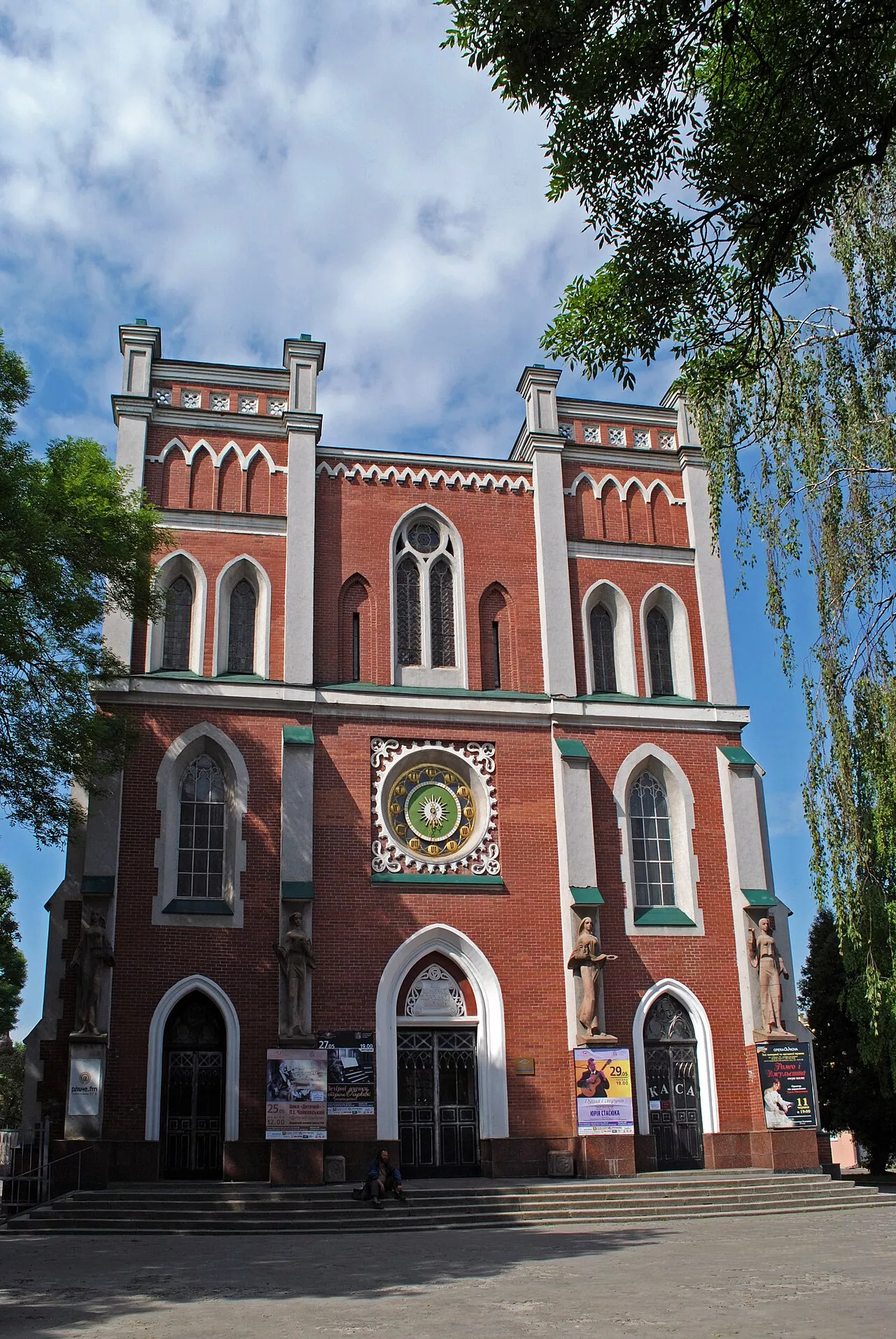
St. Anthony's Church is a Neo-Gothic structure with high towers. Today, it houses the regional chamber and organ music hall, so you can go inside for a concert.
The Local Lore Museum operates in the building of the former men's gymnasium dating from 1839, a monument of architecture of national significance. Korolenko and Kostomarov studied and taught here. This is the largest museum collection in the region, featuring over 140,000 items including archaeology, Polissia ethnography, old crafts and city history.
The Theatre — the Regional Academic Ukrainian Music and Drama Theatre — is the main stage of Rivnenshchyna. Its building on Theatre Square is one of the landmarks of the centre, making it a convenient place to start a walk. Nearby are the Resurrection Cathedral and Shevchenko Park, a favourite resting place for the residents of Rivne.
The Zoo
The Rivne Zoo, founded in 1982, has the status of national importance. Around 1,500 animals of over 200 species live on 13.5 hectares, including more than a hundred species from the international Red Data Book. This is the only zoo in Ukraine where you can see wildebeest, two-toed sloths and the southern three-banded armadillo. It is worth setting aside half a day to visit here with children.
In 2022, the zoo gave shelter to 63 animals evacuated from the Kyiv region, Kharkiv, and Dnipro. Most of them later returned home.
Basiv Kut and Ostvytsia
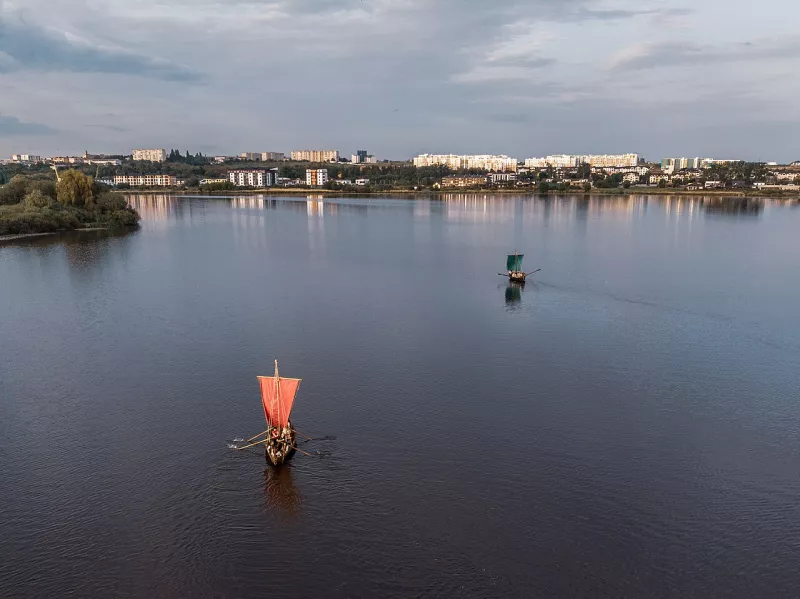
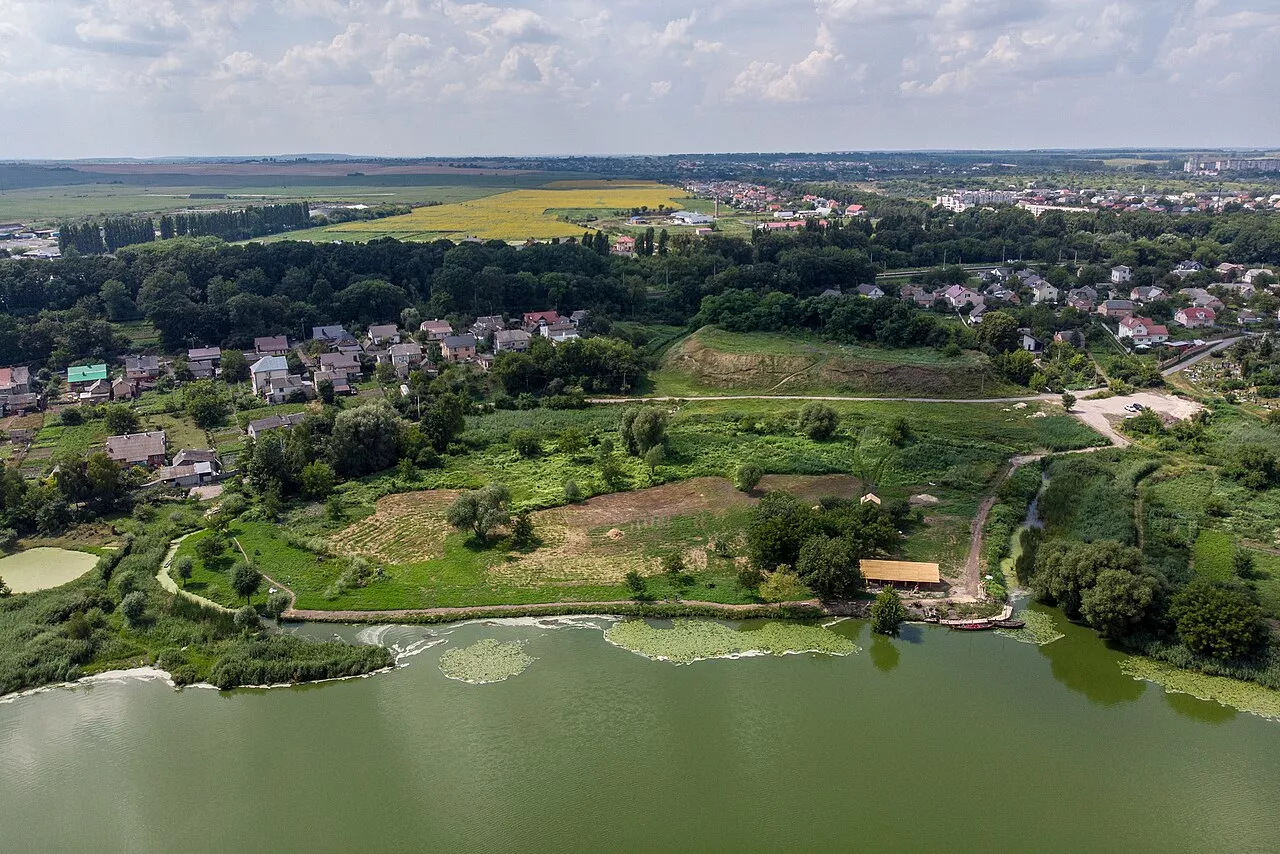
On the southern outskirts of the city lies the Basiv Kut Reservoir, which residents of Rivne simply call Basiv Kut. Here you will find beaches, an embankment, boat rentals, and in the summer, it is the main recreation spot by the water. Above the reservoir is the Ostvytsia historical site: people lived on the banks of the Ustia river as early as the 5th century BC, and a fortress stood here during the times of Kievan Rus.
Where to go from Rivne
- Tunnel of Love in Klevan — a green arch over the railway track, about half an hour to the west. There you will also find the ruins of Klevan Castle.
- Ostroh — the castle of the Ostrozky princes, the academy, and the city of the Ostroh Bible, south of Rivne. The route is described in the article Rivne — Ostroh.
- Hubkiv Fortress — ruins on a cliff above the Sluch River, one of the most picturesque places in the region. Knyaz-Hora cliff with its ruins is part of the Sokolyni Hory nature reserve — 510 hectares of rocky banks of the Sluch River between Bilchaky and Hubkiv.
- Korets Castle — fortress ruins above the Korchyk River, on the highway towards Kyiv.
- Derman-Ostroh National Nature Park — wetlands, lakes, and hills between Ostroh and Derman.
- The north of the region — a nature reserve, a narrow-gauge railway, and basalt columns. The route is in the article Rivne Polissia: Where to go and what to see.
Rivne on video
A walk through the city by the authors of the "Pakuiemo valizy" channel — the center, parks, Basiv Kut.
A separate episode by the same channel covers the surroundings: Ostvytsia, phosphate mountains, amber mines.
How to get there
Rivne is a major railway hub with trains from Kyiv, Lviv, Kovel, and Sarny. The Kyiv — Chop highway runs through the city, and roads to Lutsk and Sarny also start here. Options for traveling from the capital are described in the article how to get from Rivne to Kyiv, and suburban bus schedules can be found in the Chaika bus station schedule.