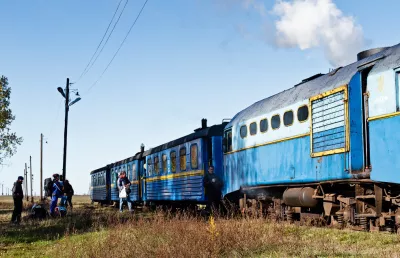
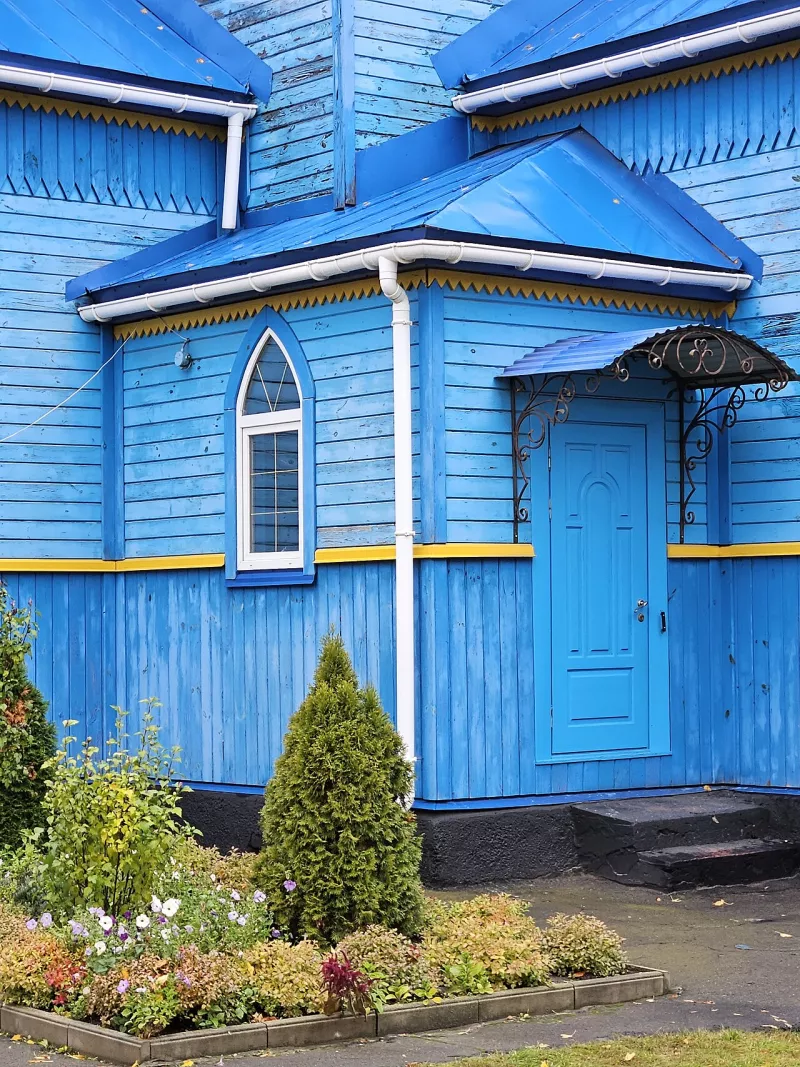

Volodymyrets is an urban-type settlement in the interfluve of the Styr and the Horyn, in the north of Rivne region, the centre of the Volodymyrets hromada of Varash district. Over nine thousand people live here. It is about one hundred kilometres to Rivne. Volodymyrets stands amidst Polissian forests, and the Antonivka — Zarichne narrow-gauge railway runs through it, which is one of the few narrow-gauge railways in Ukraine where passenger trains still run.
Ironworks and an ancient hillfort
When Volodymyrets emerged is not precisely known. Local legend says that the settlement was founded by a certain Volodymyrko, the owner of ironworks where metal was smelted from bog ore. The remains of an Old Rus hillfort have been preserved on the territory of the settlement. In the tax register of Lutsk county for 1570, Volodymyrets was already called an «ancient settlement». Back then, it belonged to Ivan Kyrdei-Mnyshynskyi, and later to the Princes Czartoryski, who sold the town to Voivode Kazimierz Pac for 400 thousand zlotys.
The Princes Czetwertyński and Magdeburg rights
In the first half of the 17th century, Volodymyrets was owned by the Princes Czetwertyński. Among them was Stefan Czetwertyński, a friend of Hetman Petro Sahaidachnyi and one of the leaders of the Orthodox gentry. In the middle of the century, there were 220 homesteads in the town, and a defensive castle was built here to protect against attacks.
On 4 June 1667, thanks to the efforts of Prince Stefan Stefanovych Czetwertyński, Volodymyrets received Magdeburg rights. The town stood devastated at the time: the residents had fled «due to the turmoil of present times». To bring people back, the townspeople were exempted from taxes and quartering for 12 years. Volodymyrets was granted three large fairs — on Saint Basil's Day, on the Feast of the Ascension and on the Dormition, each lasting for several weeks, and markets every Friday and Sunday. Merchants from Lutsk, Pinsk, Ostroh, Klevan and Rafalivka came here.
In the 17th century, a large iron-making enterprise operated in Volodymyrets. Ore was brought from the neighbouring village of Rudka, and smelted using charcoal. Bells were even cast here — a rare craft in Polissia that was subsequently forgotten.
Church of the Dormition
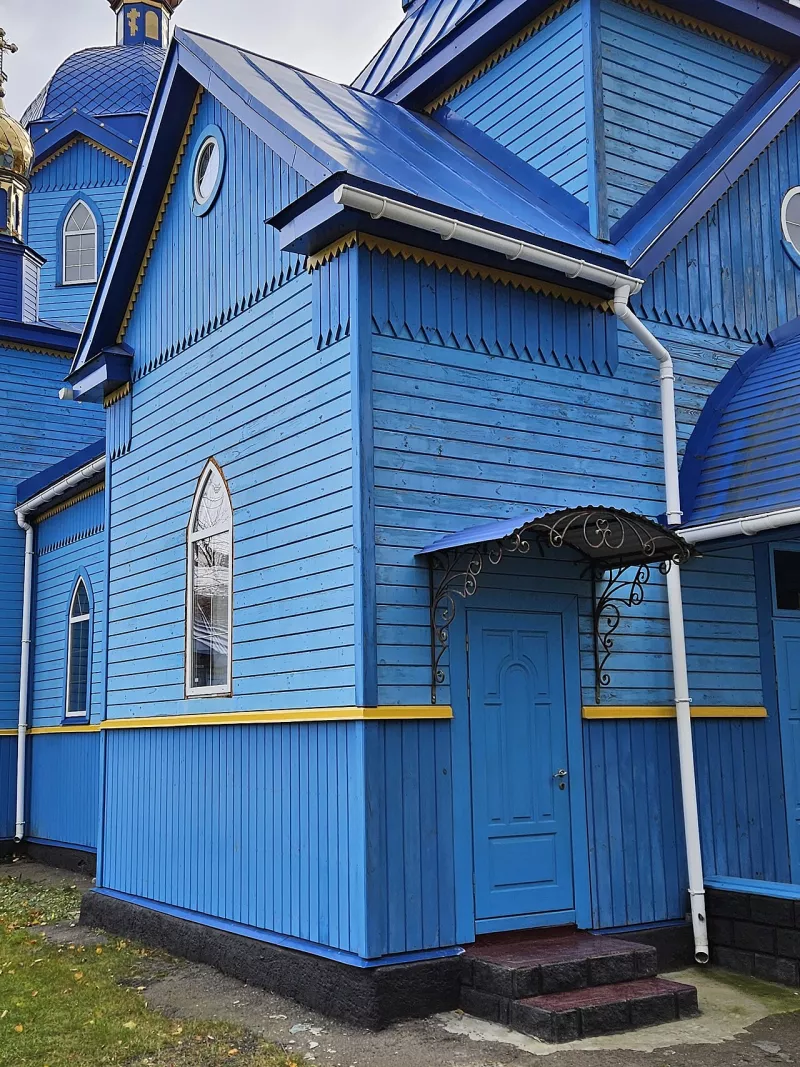
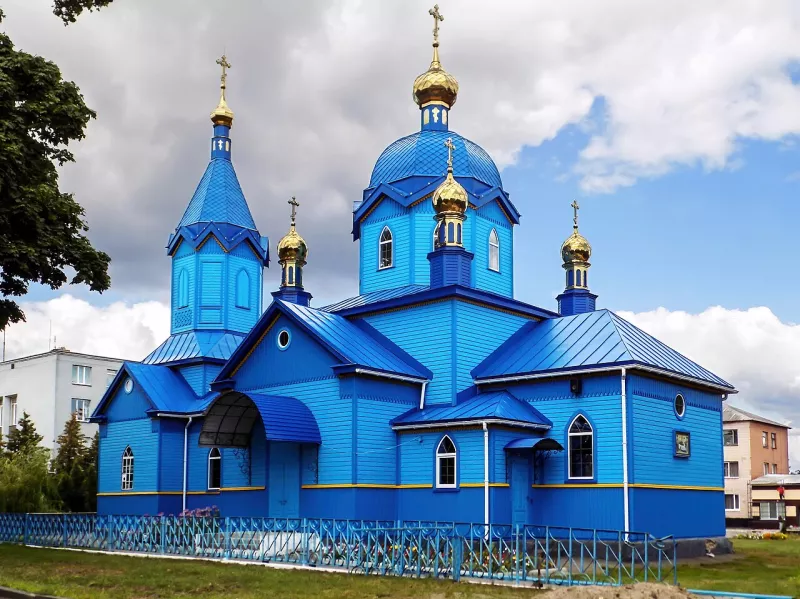
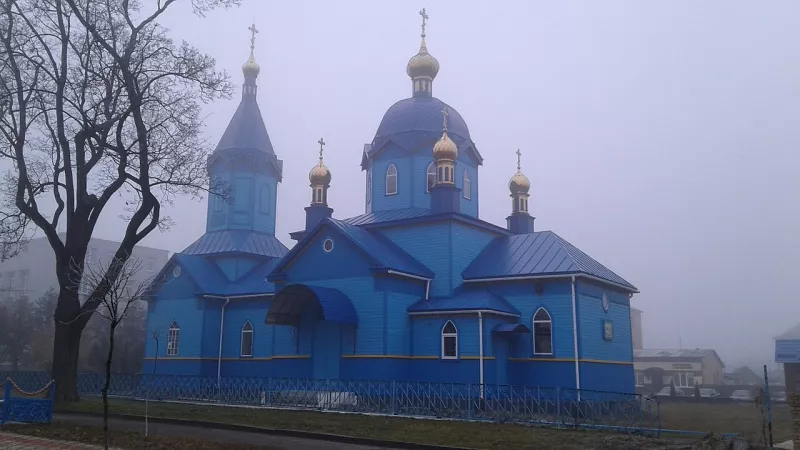
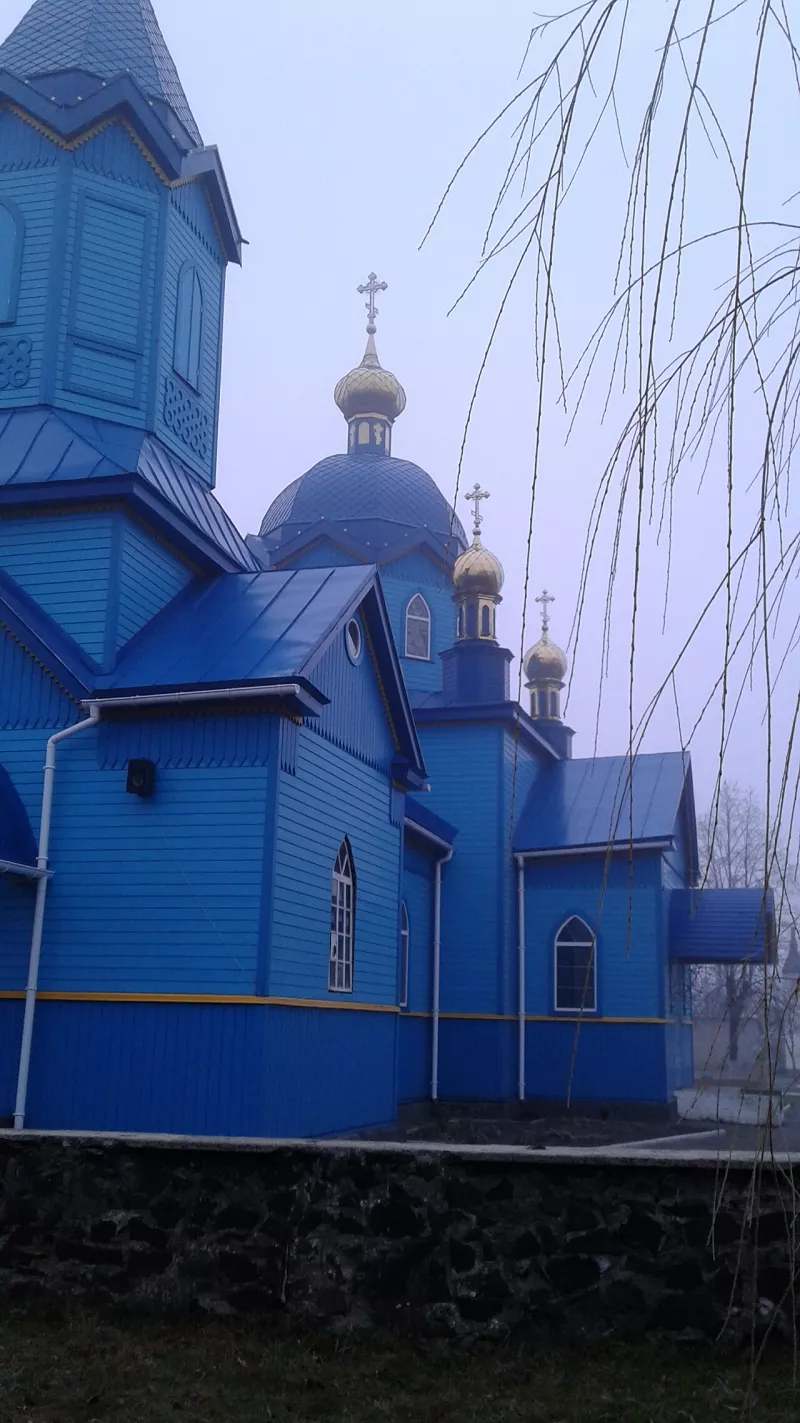
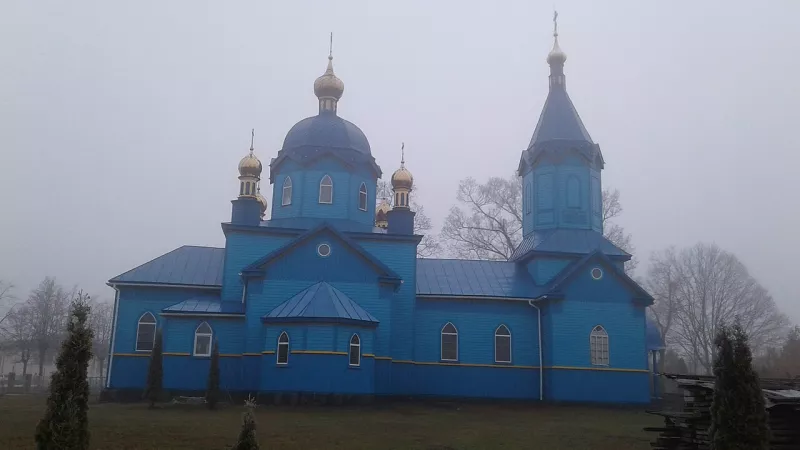
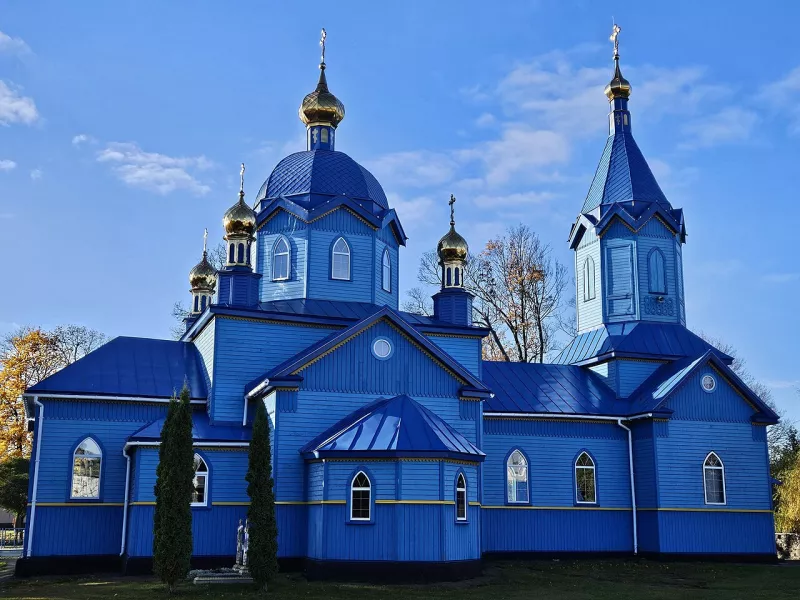
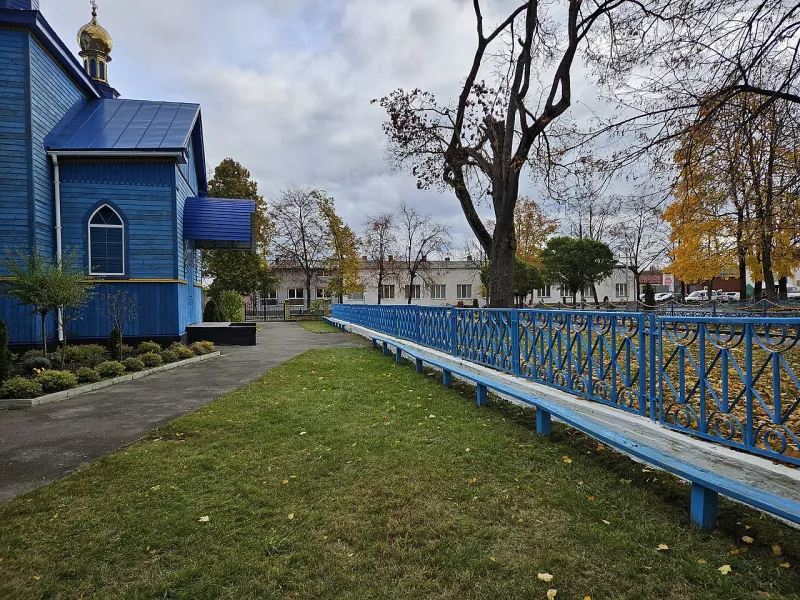
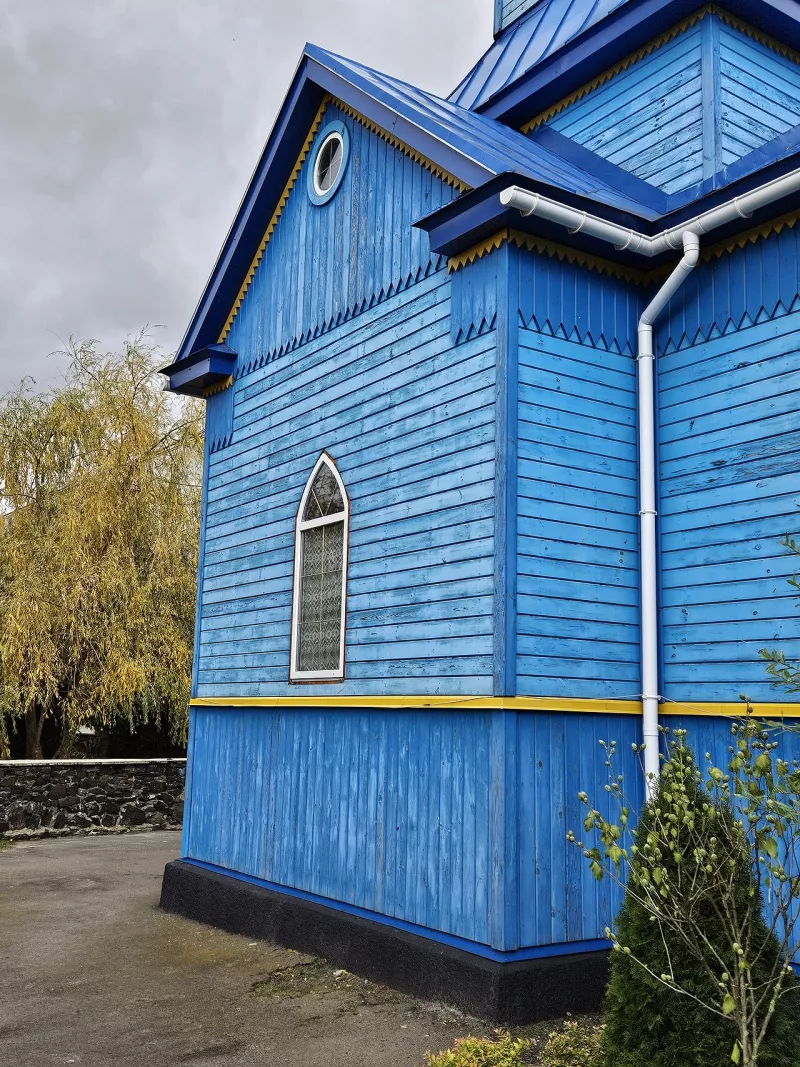
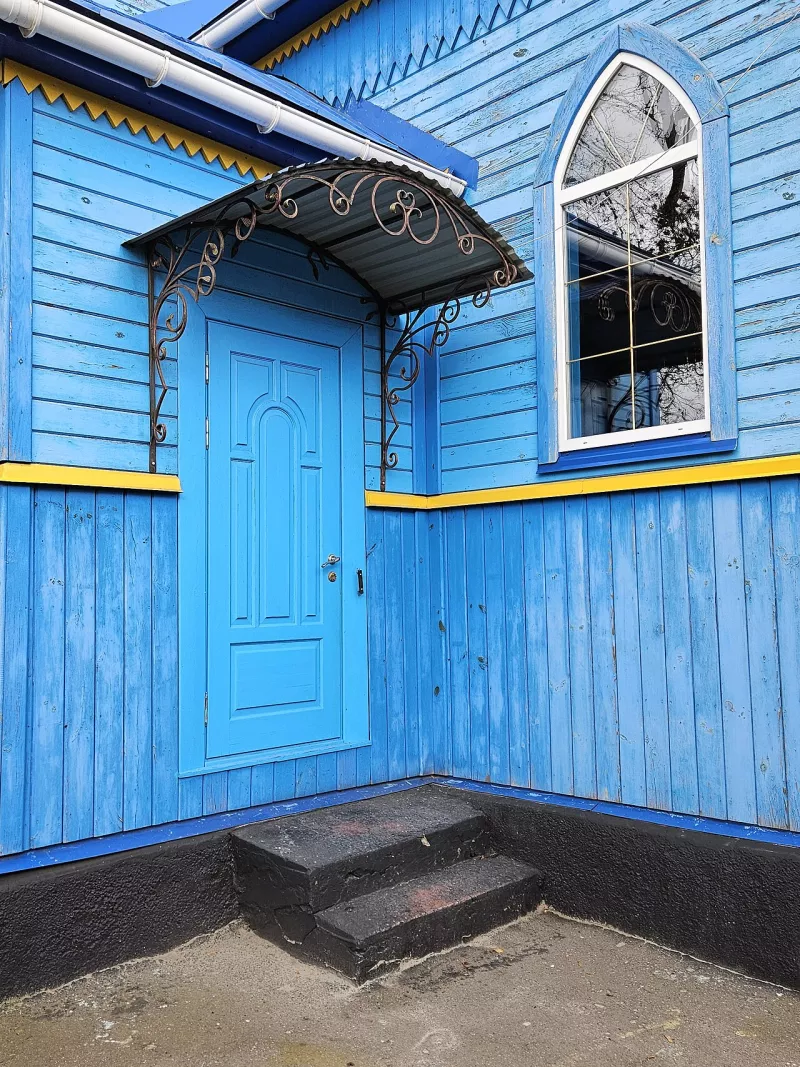
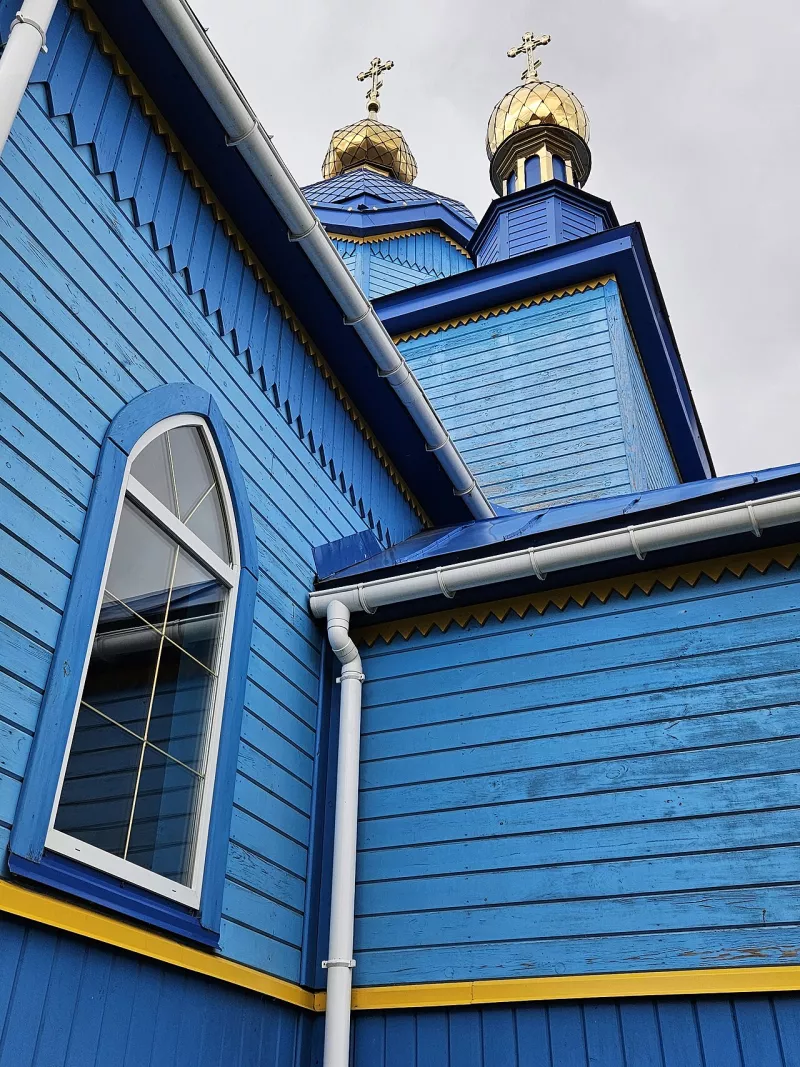
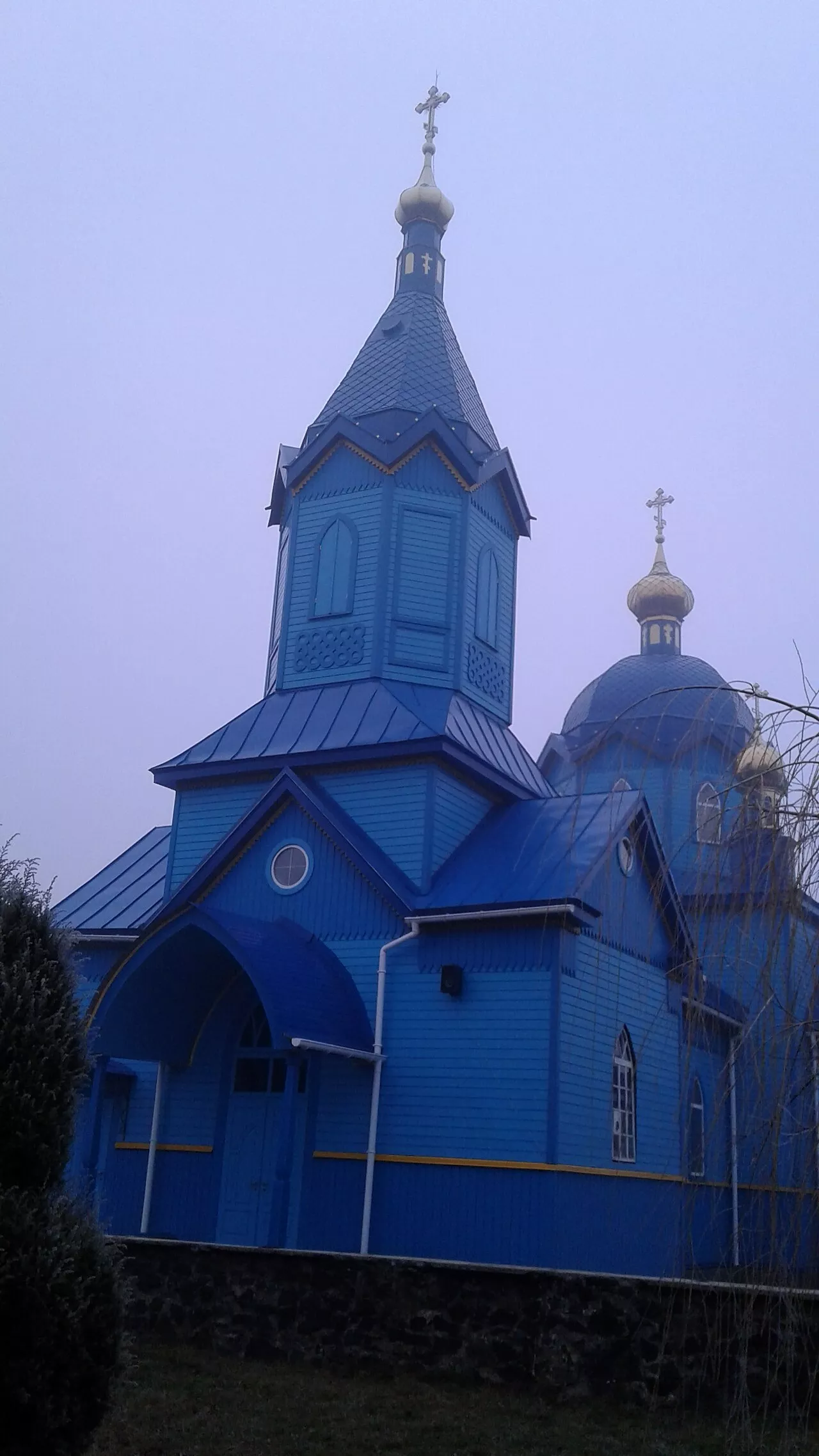
The main decoration of the settlement is the wooden Church of the Dormition built in 1894. This is a typical Polissian church made of dark wood, with a separate wooden bell tower. Fewer and fewer such churches remain in the north of Rivne region, so it is well worth stopping by.
Krasicki Palace
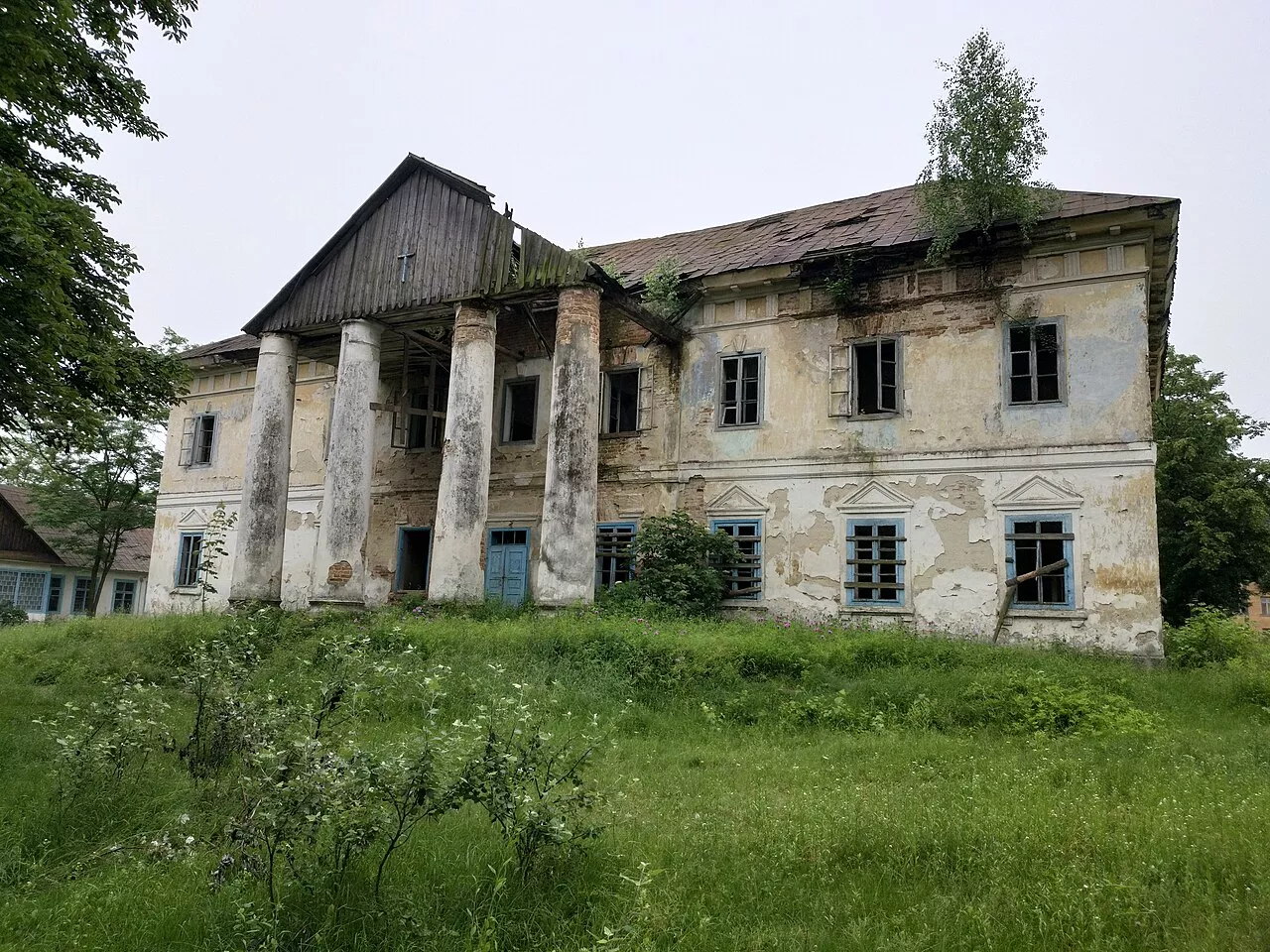
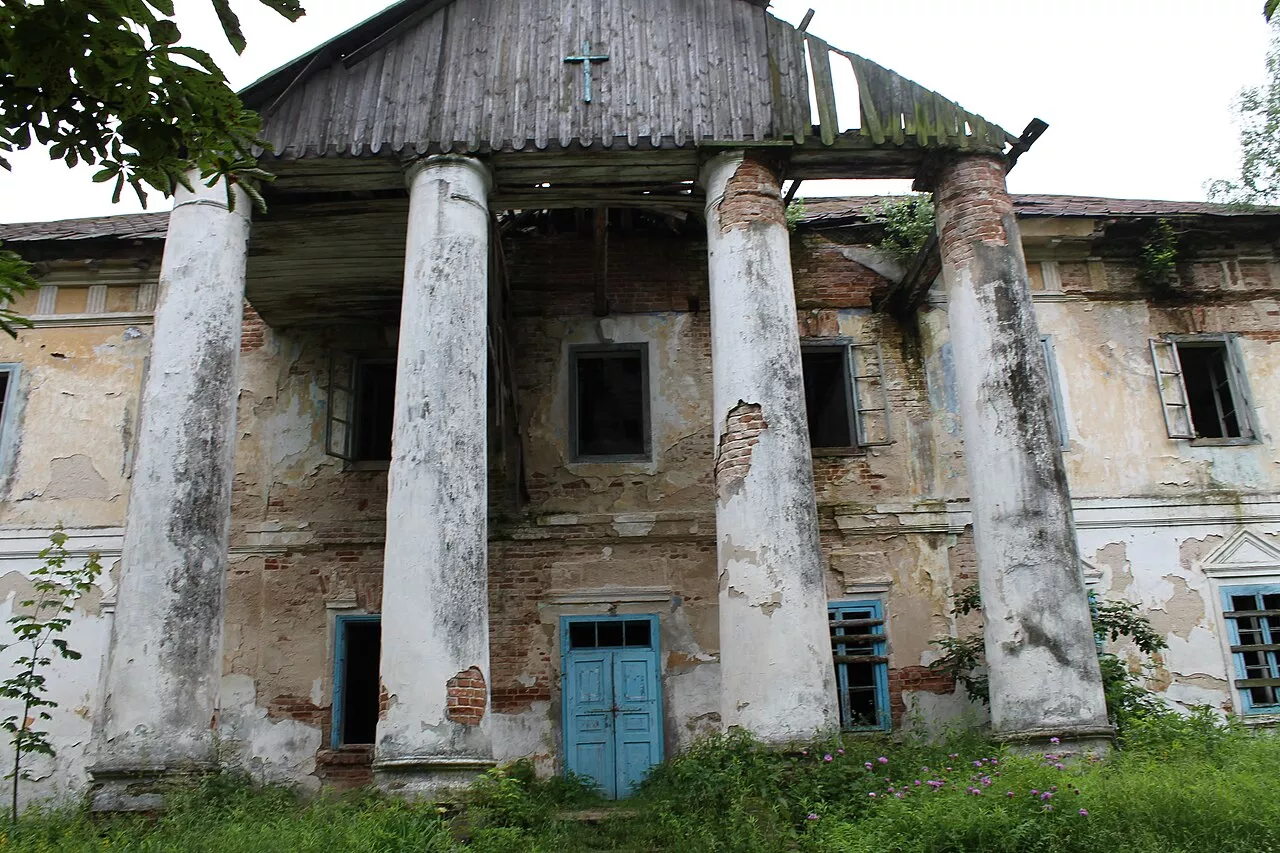
In the 19th century, Volodymyrets belonged to the Krasicki landowners. In 1847, 575 serfs were registered to their estate, and in 1913 the Krasicki family owned about 10 thousand desiatyns of land — whereas 245 peasant households together owned only 1,187. A palace with columns at the main entrance, which locals call the manor house, has survived from the estate. Today it is in ruins, but its former grandeur is still visible.
20th century
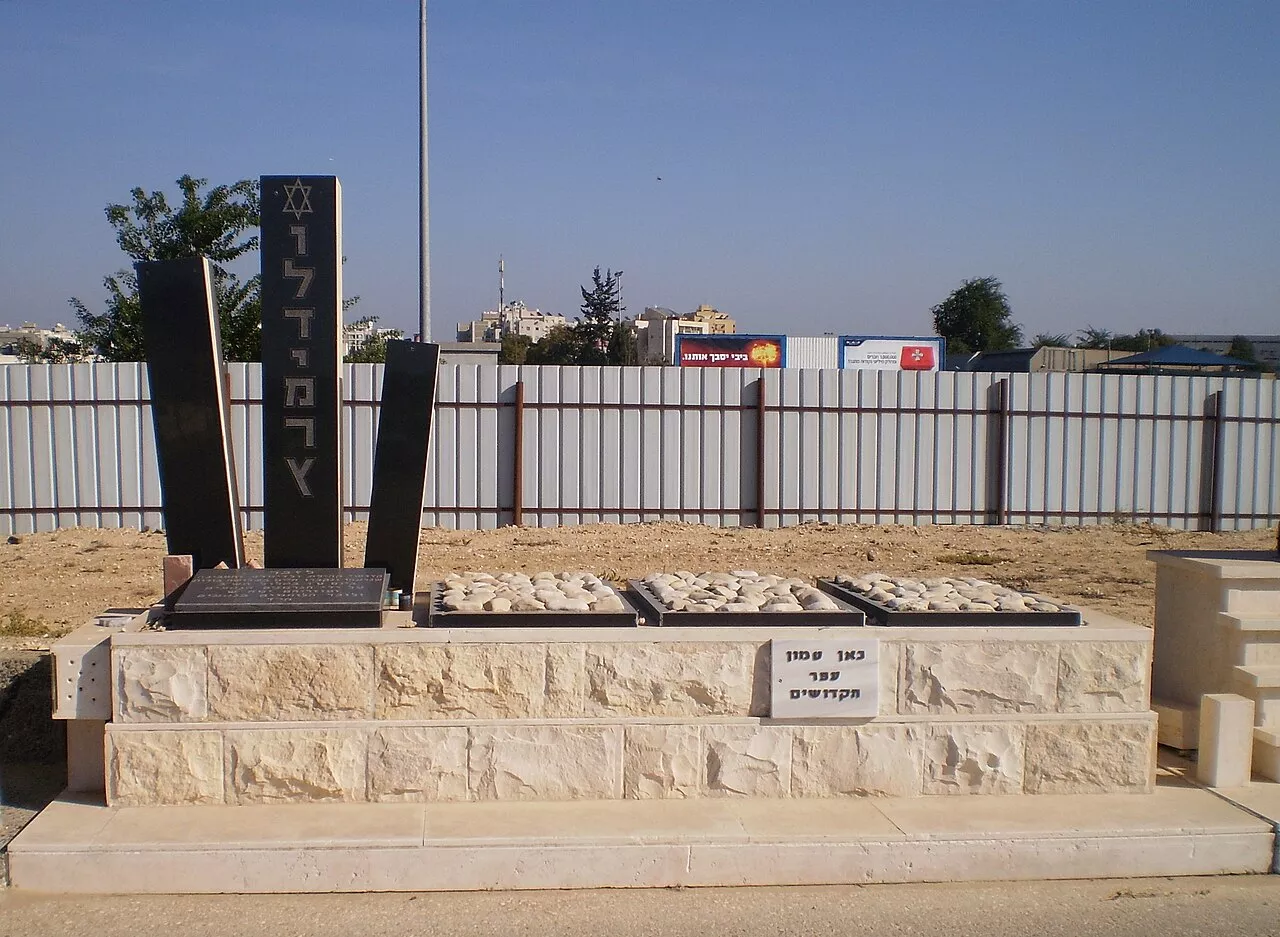
Between the wars, Volodymyrets belonged to Poland. In 1936, a peasant strike broke out here, lasting over three months and forcing the landowners to make concessions. During the Second World War, the Nazis shot about two thousand people in Volodymyrets, the majority of them being the town's Jews. On February 7, 1943, a UPA сотня (company) defeated the German garrison and gendarmerie. A memorial commemorates the victims of the Holocaust.
Nature
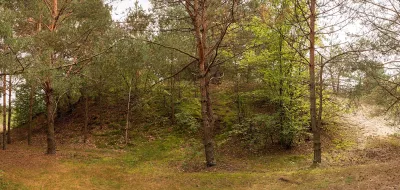
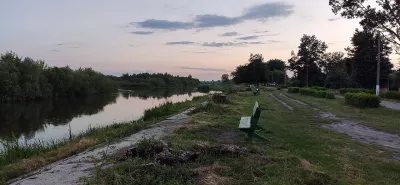
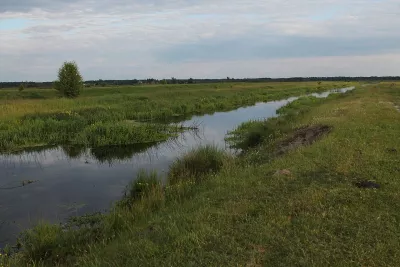
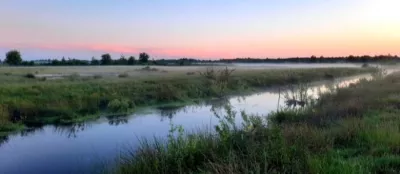
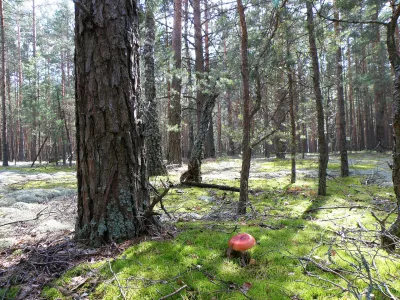
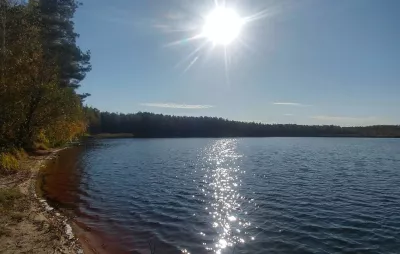
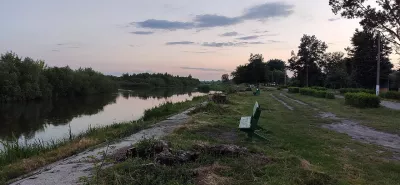
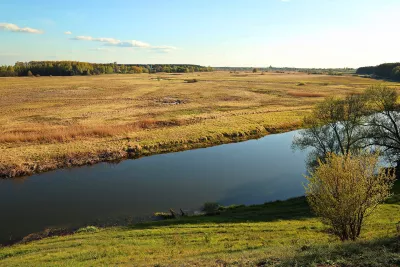
Around Volodymyrets are pine forests, swamps, and the floodplains of the Styr and Horyn rivers. In autumn, this is mushroom season, while in summer, blueberries and cranberries can be found in the bogs. In summer, people swim and fish in the rivers.
Volodymyrets on Video
When to Go
The best time is late summer and autumn, when there are mushrooms in the forests. Volodymyrets can be conveniently combined with a narrow-gauge railway trip to Zarichne.
Nearby
More about the surroundings can be found in the article Varash Raion.
How to Get There
Buses run from Rivne and Varash. The Antonivka broad-gauge railway station is 18 kilometres away, from where a narrow-gauge railway leads to Volodymyrets.