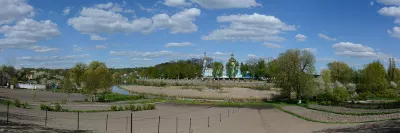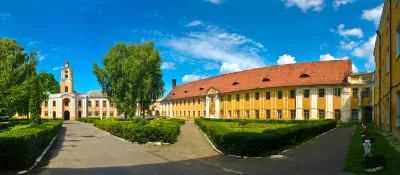
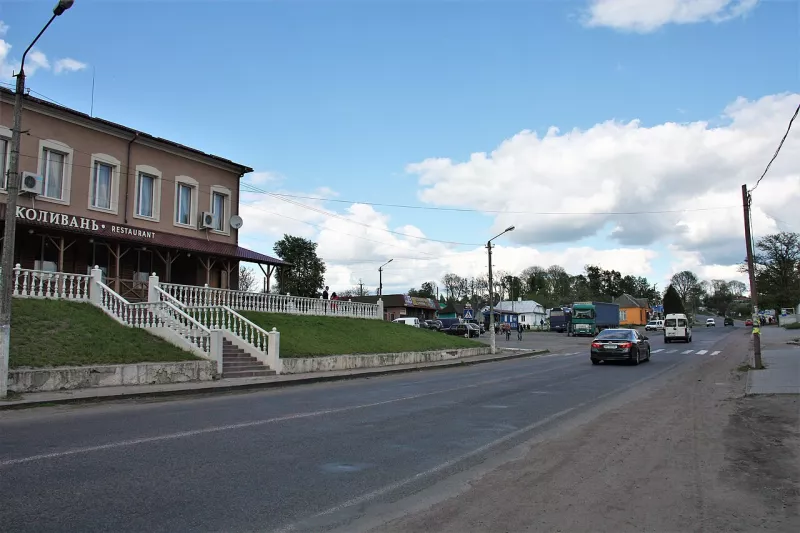
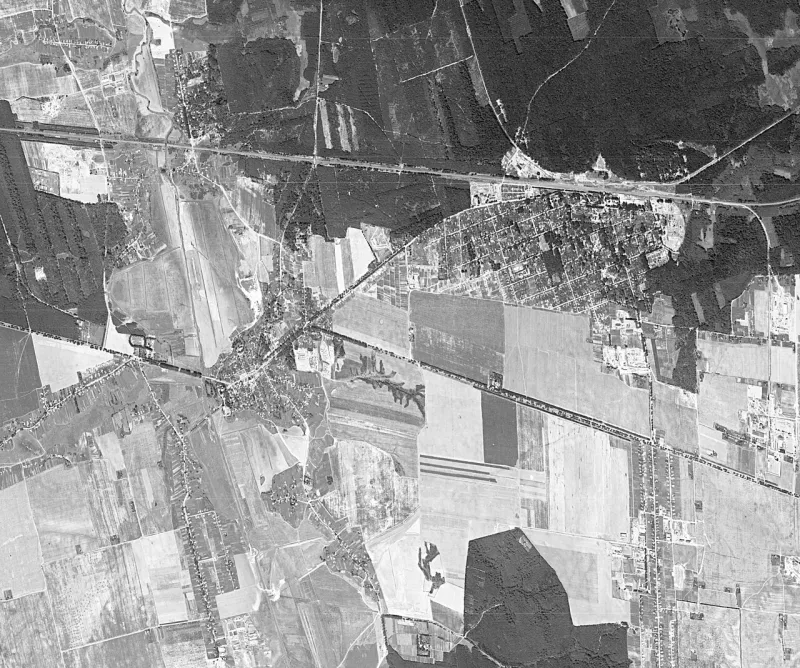
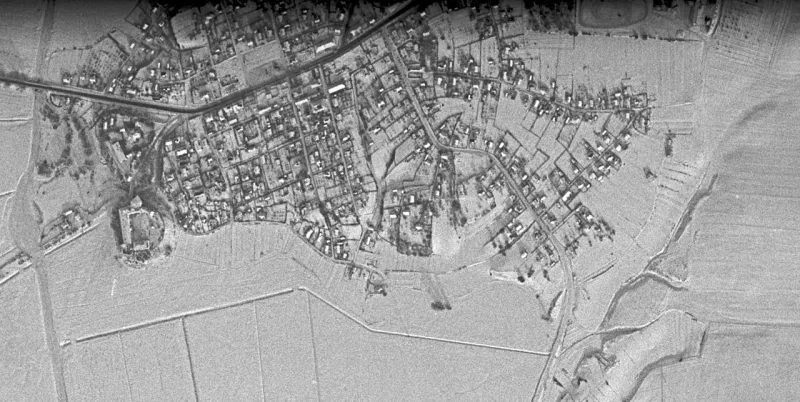
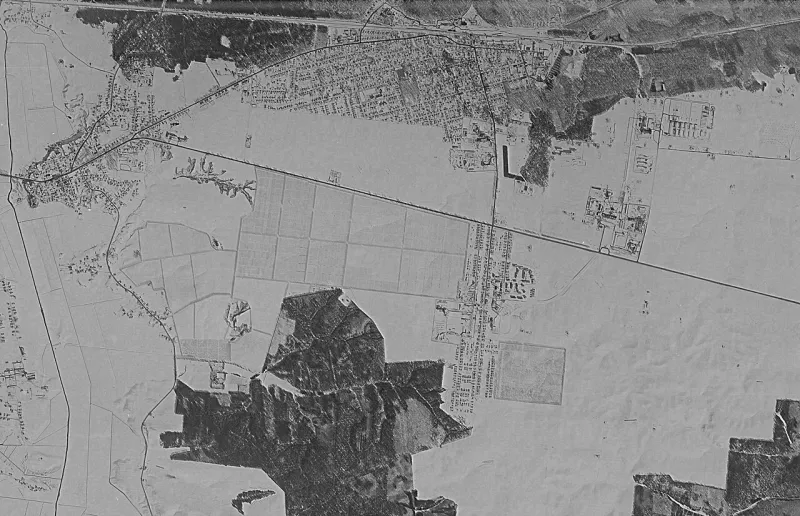

Klevan is a settlement on the high right bank of the Stubla River, 20 kilometres north-west of Rivne. The N22 highway and the Rivne — Kivertsi railway run through it. Tourists most often come here for the Tunnel of Love, but the settlement itself has an equally interesting history: the Czartoryski princes managed the estate here for over four centuries, and a castle, a church and another church remain from their time.
From Kolyvan to the Czartoryskis
Historians believe that the settlement already existed in the 12th century under the name Kolyvan. In written sources, Klevan is first mentioned in 1458 as the property of Prince Mykhailo Czartoryski. Since then, the fate of the town has been inextricably linked with this family — much like neighbouring Olyka is linked with the Radziwiłłs. Disputes over lands even took place between the two families: the Radziwiłłs filed a lawsuit because new settlers of Klevan occupied their lands, and the dispute continued until 1555, when the parties exchanged villages.
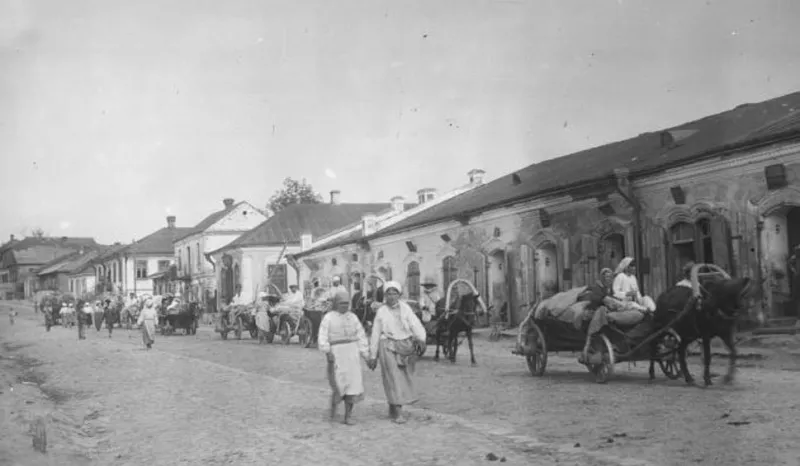
In 1654, Klevan received Magdeburg rights. This gave an impetus to trade, and the Polish and Jewish communities grew. A 1929 Polish guidebook called Klevan a "Jewish shtetl" — about 1,300 Jews lived here, and a brick Baroque synagogue stood in the centre.
The Castle over the Stubla
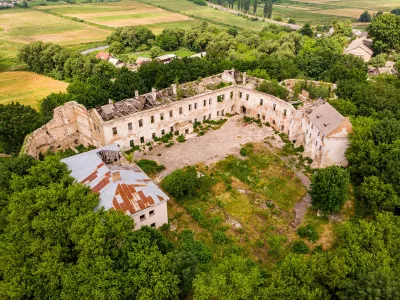
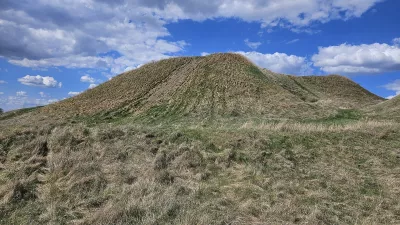
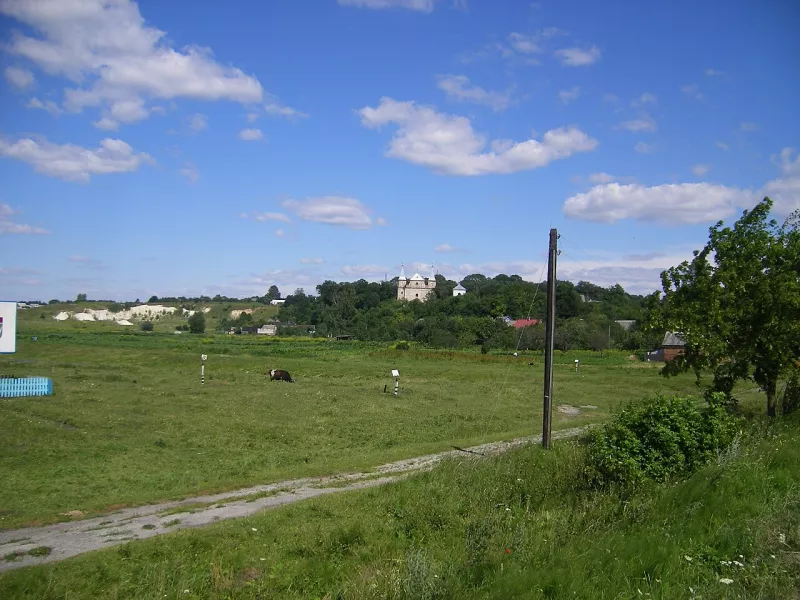
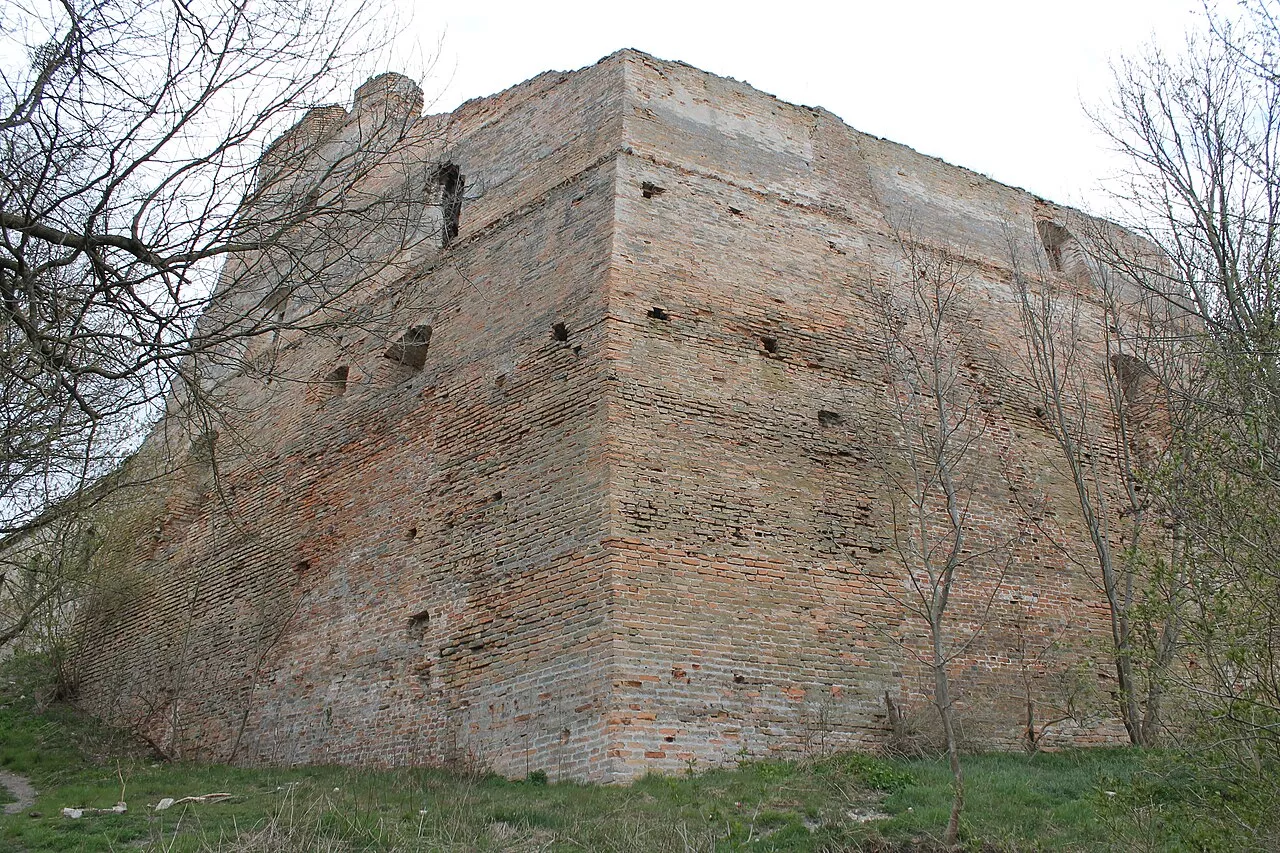
In 1475, Prince Mykhailo Czartoryski built a castle on a cape above the Stubla, which locals call Horodyshche. His son Fedir, the starosta of Lutsk, surrounded the castle with stone walls and a deep moat filled with water from the river. Two brick pentagonal towers stood at the corners: one protected the gate, the other the approaches from the river side. The thickness of the walls reached 3.8 metres in places. Construction was completed in 1561.
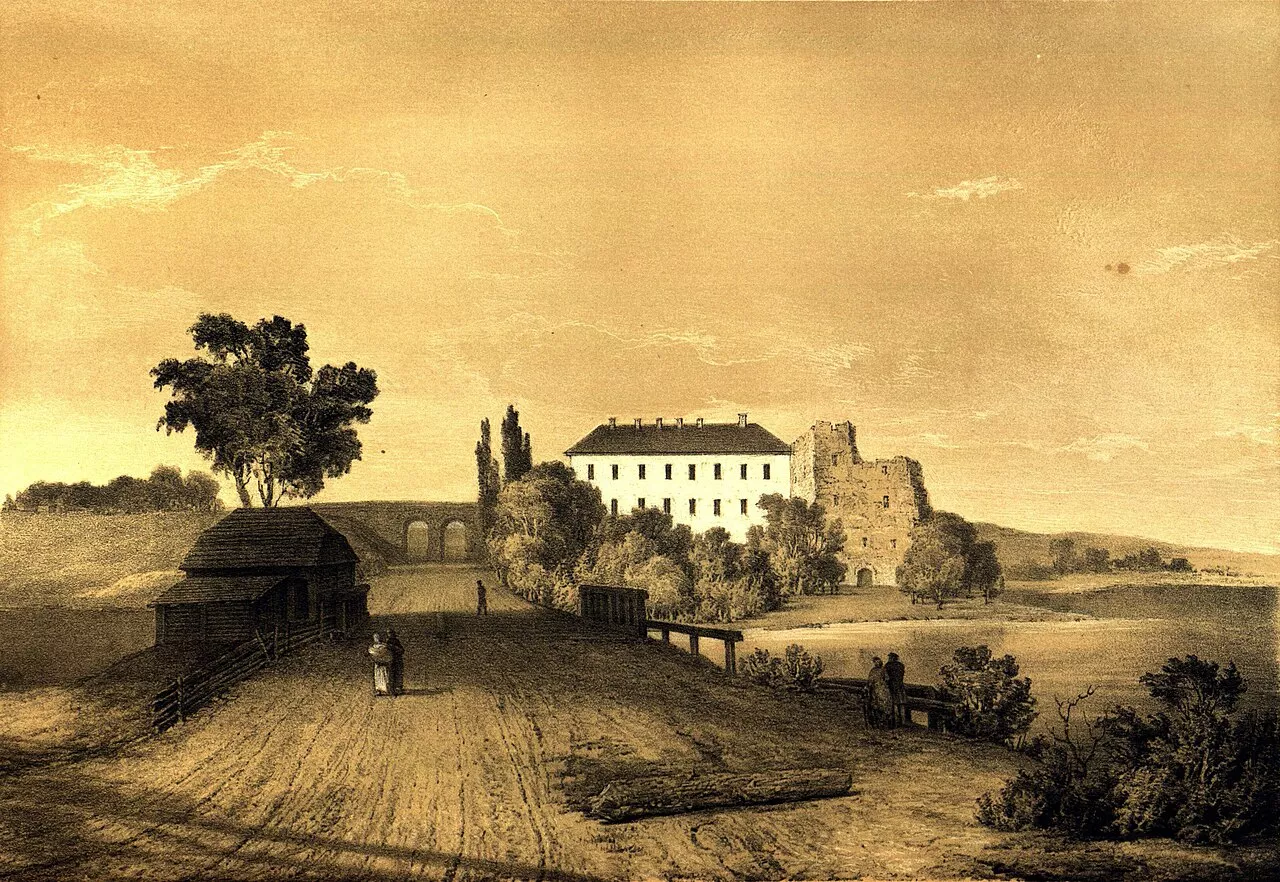
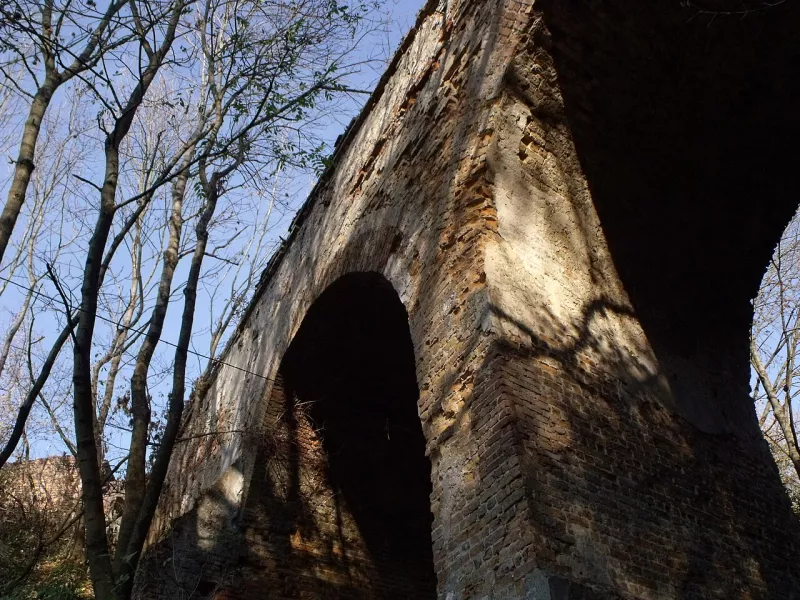
According to a 1609 description, about thirty cannons stood in the embrasures, and a four-arch bridge adorned with frescoes led across the moat. In 1617 and 1619, the castle repelled Tatar attacks three times, and in 1640 it withstood a week-long siege. Locals still retell a legend about an underground passage that allegedly connected Klevan with Olyka. In 1648, the castle was taken by Cossacks after a three-day battle.
Later, the castle was given to the Jesuits, after which it stood abandoned for a long time. In 1816, Prince Konstanty Czartoryski rebuilt it into a Polish gymnasium, which the Russian authorities closed in 1831. In 1877, the Czartoryskis sold the estate to the tsarist family. Today, two towers, a bridge and part of the walls remain from the castle — more details in the article Klevan Castle.
Church and Cathedral
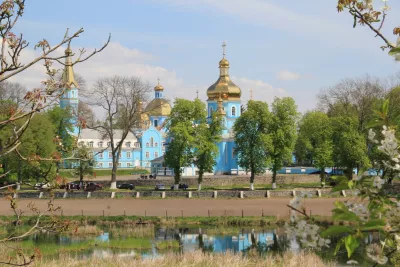
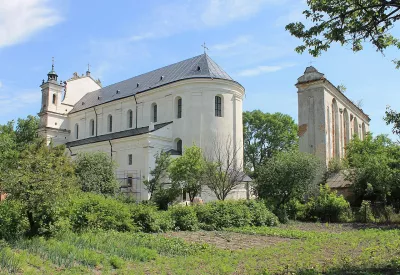
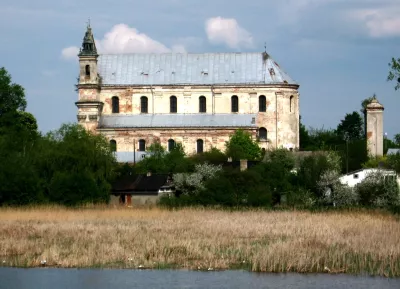
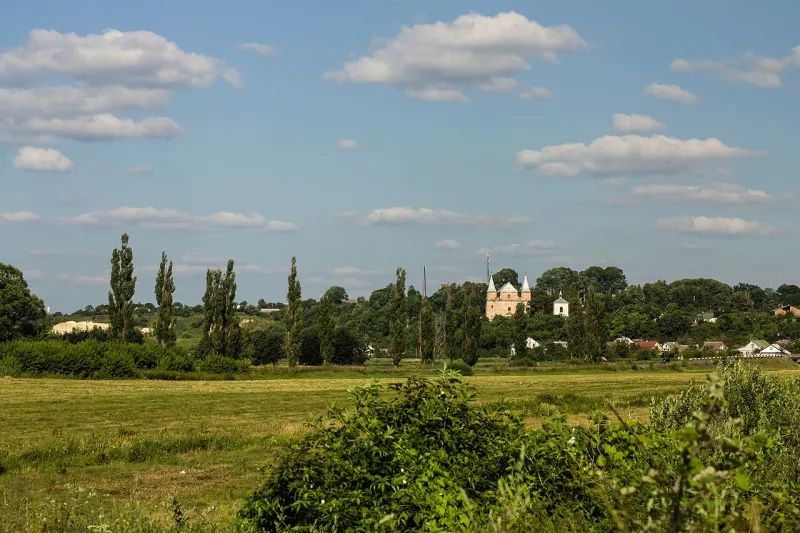
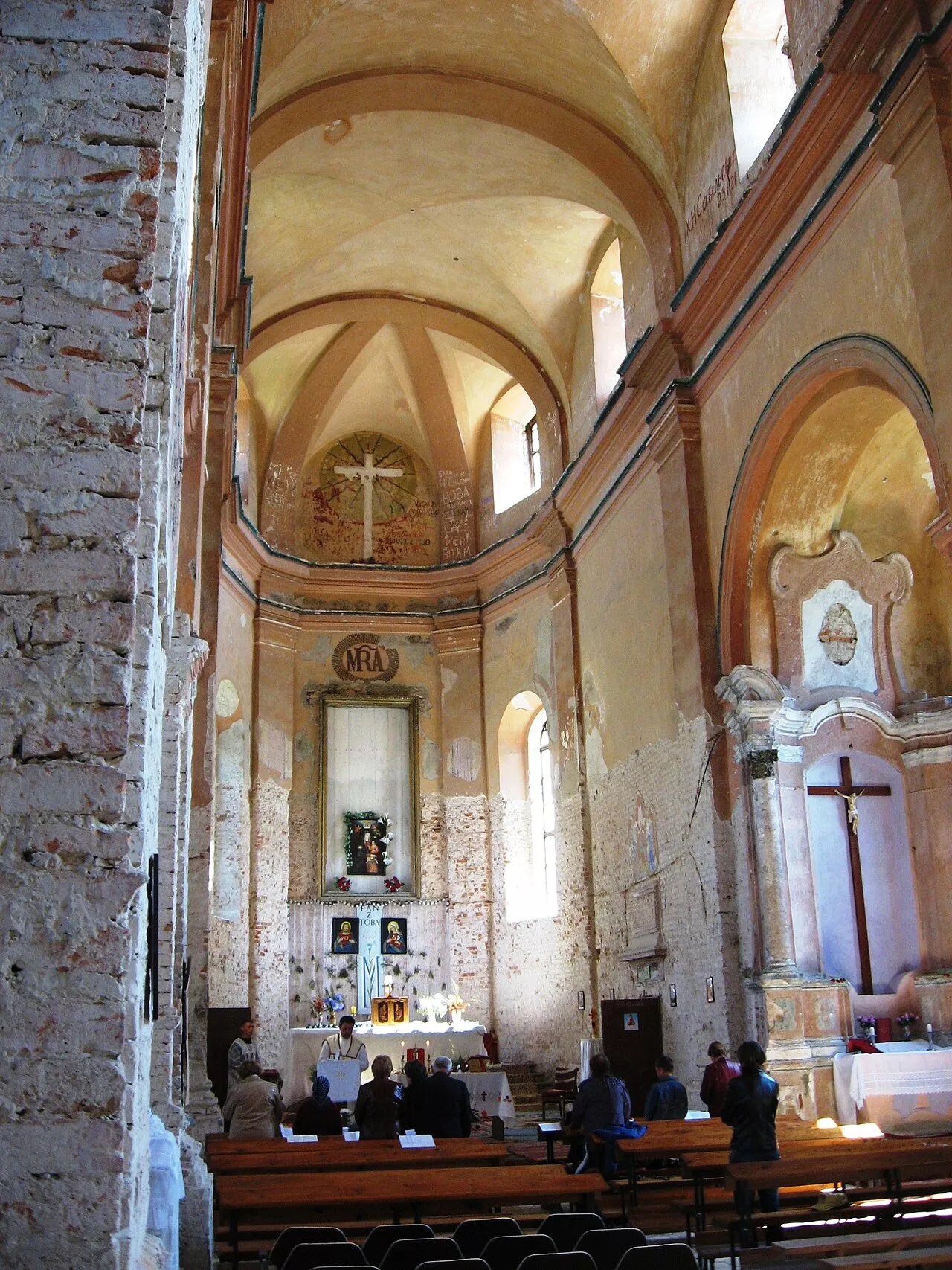
The Annunciation Church is visible from afar, even from the Lutsk — Rivne highway. It was founded by Jerzy Czartoryski — the first of this Orthodox family to convert to Catholicism. First, a wooden temple stood here in 1590, and in 1610 a brick early Baroque building was finished in its place, consecrated in 1637. Once, the altar was decorated with the image of the Mother of God of Klevan by the Bologna master Carlo Dolci. From 1947 to 1991, the church stood with boarded-up windows, and local children looked for the entrance to the legendary underground passage in it. The temple has been restored since 1991.
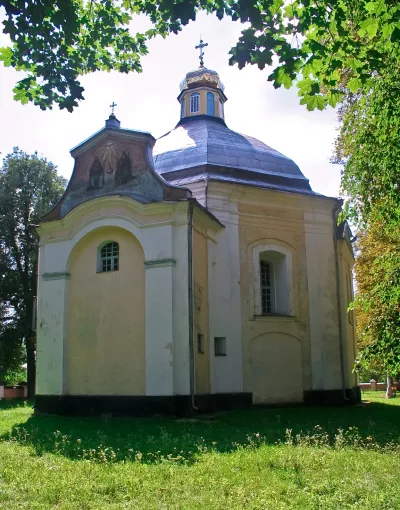
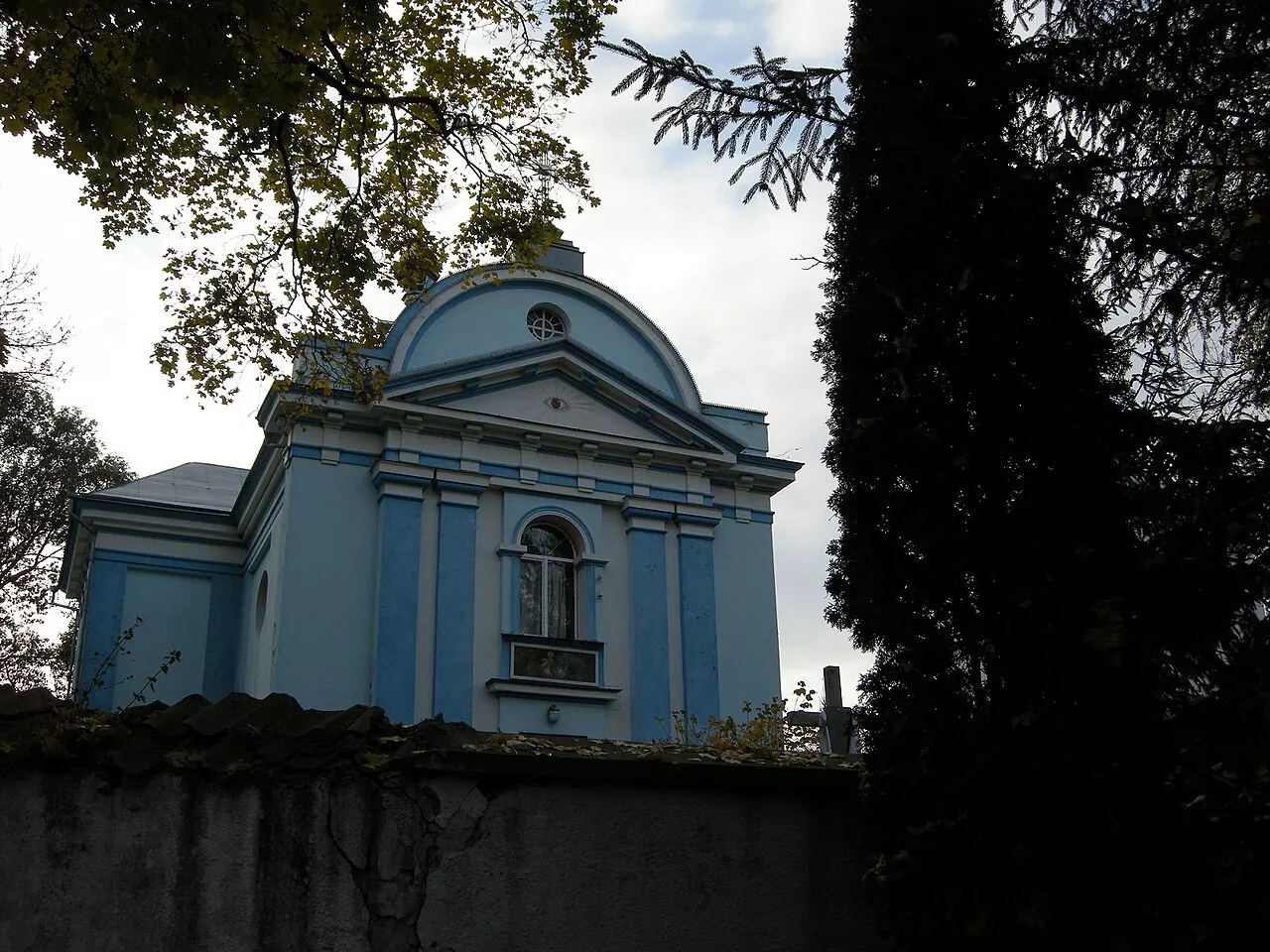
The Church of the Nativity of Christ dating back to 1777 stands right in the centre, next to the ancient hillfort and castle. It was built at the expense of the Czartoryski family as a Greek Catholic church. It is a brick building with a classicist facade and Tuscan pilasters, but featuring a traditional folk cross-shaped layout and a single dome. Nearby is a modest two-tier bell tower from 1844.
Another landmark is the railway station. The Kyiv – Brest railway line was laid in 1873, and around the same time, the new Klevan-Druhyi district grew up near it. The Klevan station is one of the oldest wooden railway stations in Ukraine that have survived to this day.
Tunnel of Love
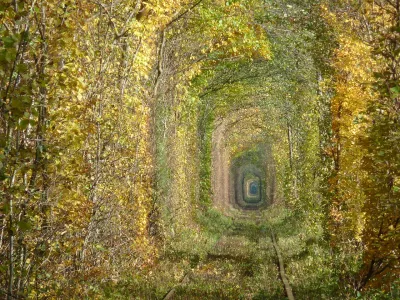
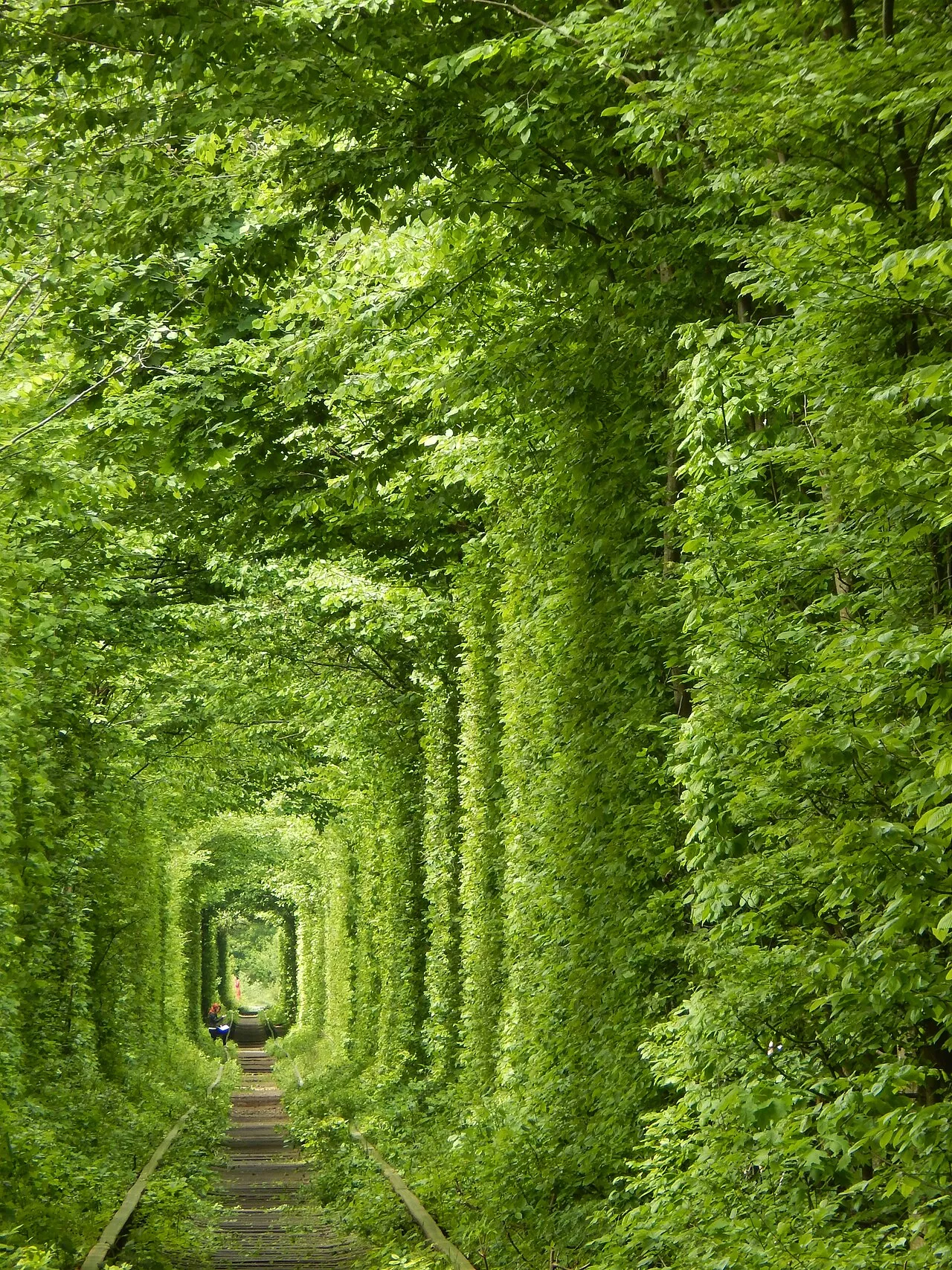
A few kilometres from the settlement, on the branch line leading to the woodworking plant, plants have formed a green tunnel over the railway track. It is photographed by both loving couples and wedding photographers from all over Ukraine. In summer the tunnel is at its densest, and in autumn it turns yellow. Read more in the article Tunnel of Love in Klevan.
Klevan Park
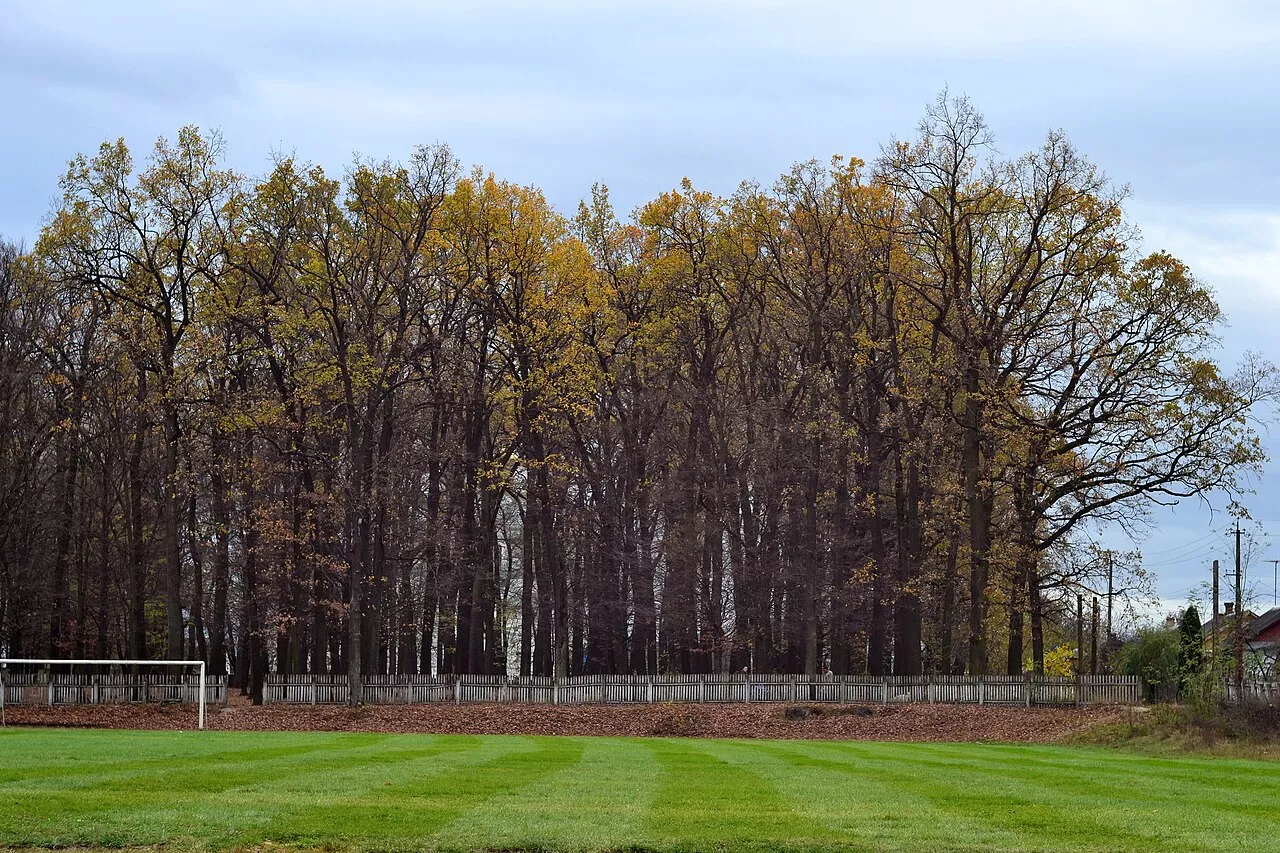
The settlement has an old park which is a monument of garden and park art. It is a pleasant place to walk after visiting the castle and the church, especially in spring and autumn.
Dark Pages of the 20th Century
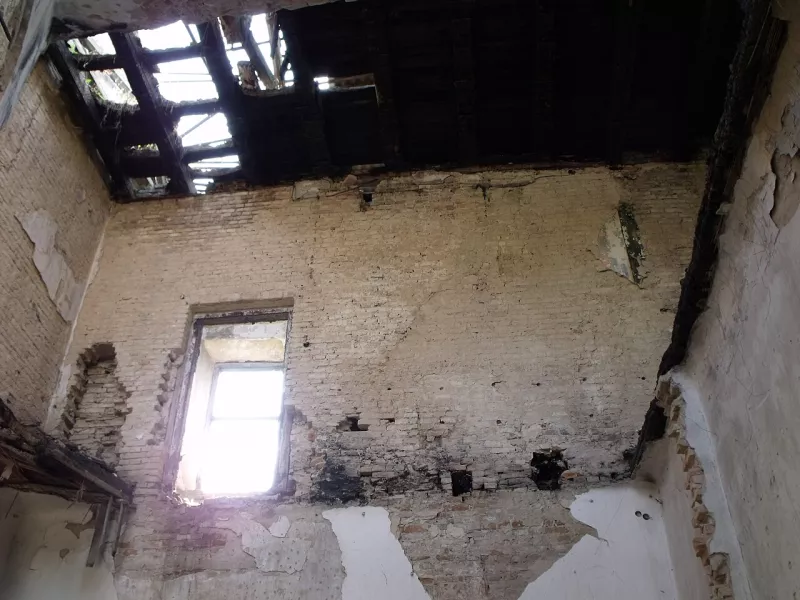
After 1921, Klevan belonged to Poland, and local Ukrainians, as across all of Volhynia, fought for their rights. In June 1941, battles took place near the Stubla River, and the settlement was bombed. After the Nazis arrived, over two hundred Jews were burned in the synagogue, and on 15 May 1942, about one and a half thousand people were shot. A memorial plaque has been installed on the remains of the synagogue.
Klevan on Video
When to Visit
The best time is from May to October. In summer, the Tunnel of Love is at its greenest, and in autumn, it is golden. Klevan is easy to combine in a single day trip with Rivne and Olyka.
Nearby
Rivne is half an hour to the southeast, Olyka with the Radziwiłł Castle is to the west, and Kivertsi and the Tsuman Primeval Forest are further to the northwest. Read more about the surroundings in the article Rivne Raion.
How to Get There
Prigorod buses and commuter trains run from Rivne to Klevan; by car, it takes about 25 minutes along the H22 highway. You can walk from the centre to the Tunnel of Love or take a taxi.