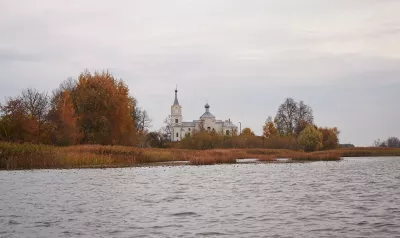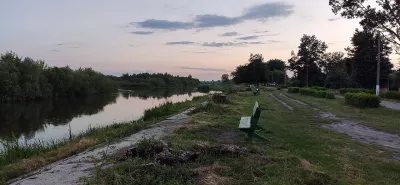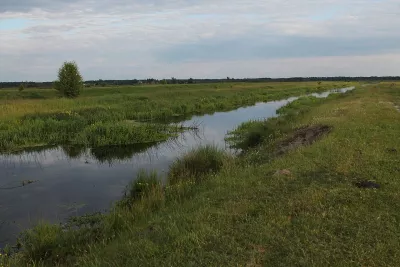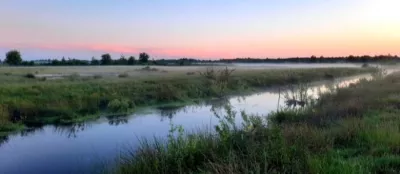
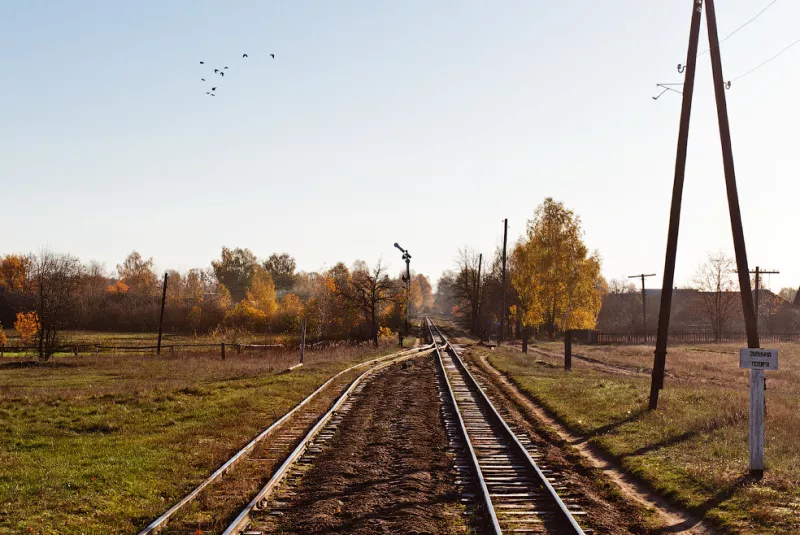
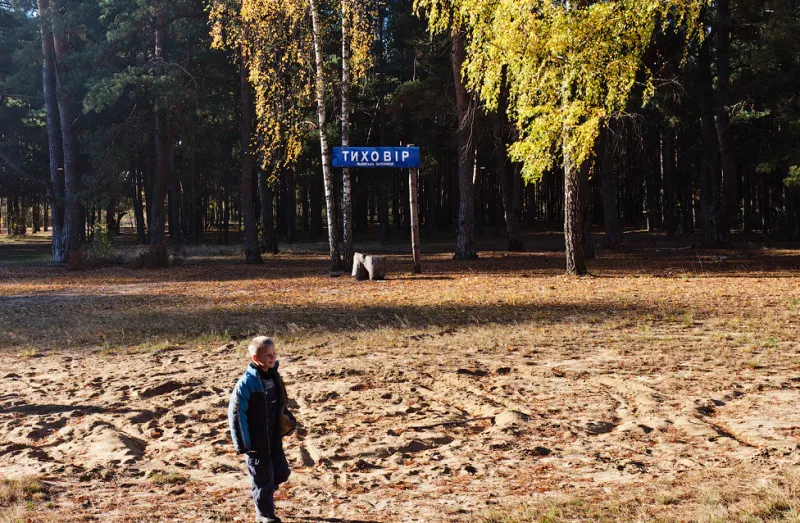
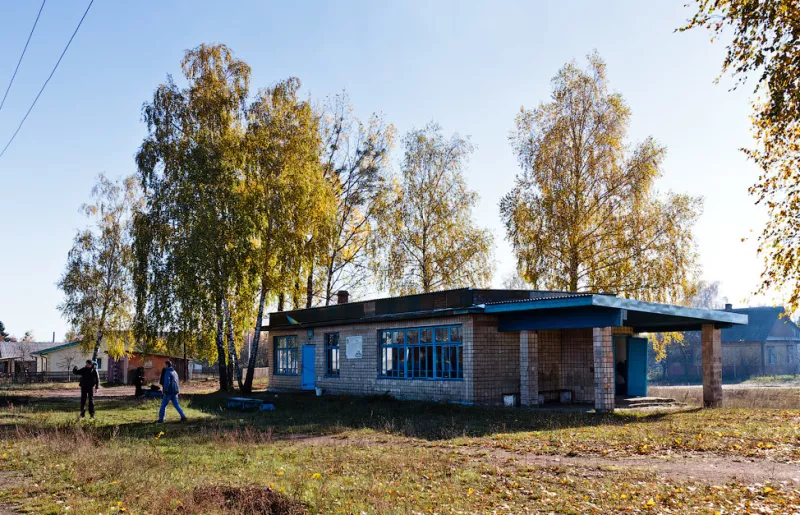

The Antonivka — Zarichne narrow-gauge railway is the most famous route in Rivne Polissia. Over one hundred kilometers of 750-millimeter-wide track run from Antonivka station on the Sarny — Kovel line through Volodymyrets to Zarichne on the Styr — through forests, swamps, and dozens of wooden bridges. Locally, it is called the “cuckoo” or the “little train,” and in newspapers — the “Polissia tram.” In 2007, in the “Seven Wonders of Rivne Region” project, the narrow-gauge railway took first place.
For a long time, this was one of the few narrow-gauge railways in Ukraine with a scheduled passenger train, and for many Polissian villages, it was the only connection to the outside world. Regular service stopped in 2020, and since then the “cuckoo” has been standing still. But the track, stations, and the bridge over the Styr remain, and they are worth knowing about.
A Road for the Forest
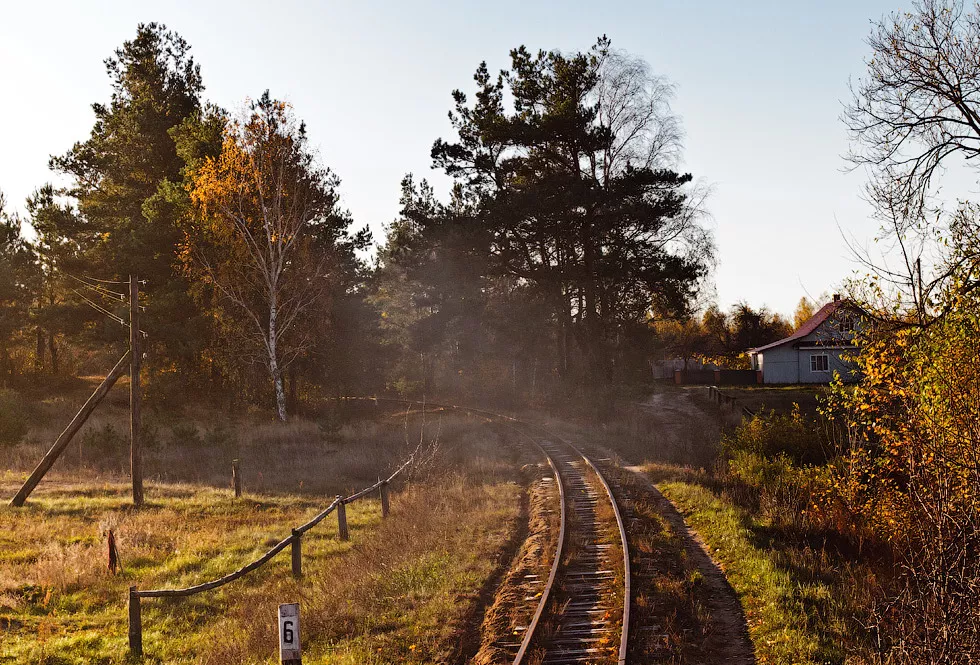
The exact date of the start of construction is unknown — most often cited is 1895. Initially, the track was laid to transport timber: from Antonivka to the station Kukhitska Volia. During World War I, the railway gained strategic importance, and a branch appeared from Khynochi — Dubrovytsia — Vysotsk. Between the wars, when the region belonged to Poland, the narrow-gauge railway was used to transport westward timber, tar, resin, and potato spirit.
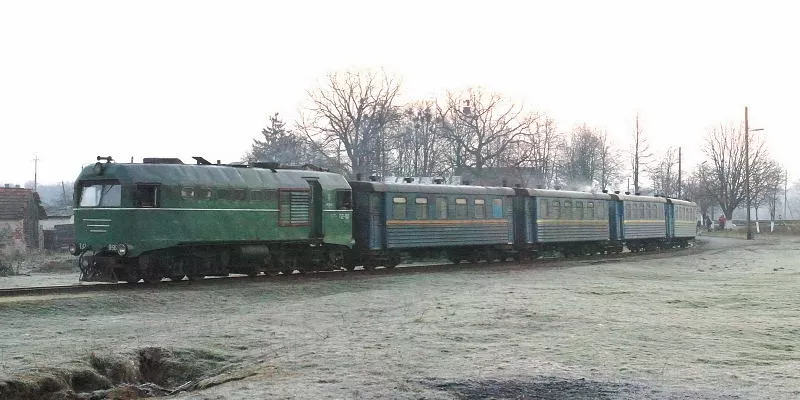
During World War II, the track was destroyed, and reconstruction began around 1946. Some old branches were never rebuilt; instead, a section from Tykhovyzh — Loknytsia was laid. The railway took its modern form in 1968, when the last 18 kilometers from Loknytsia to Zarichne were built. In the 1970s–1980s, steam locomotives were replaced by TU2 diesel locomotives, and a depot and a transshipment point from narrow to broad gauge were built in Antonivka. Freight traffic ended with the crisis of the 1990s, but the passenger train ran for another three decades.
The Longest Wooden Bridge
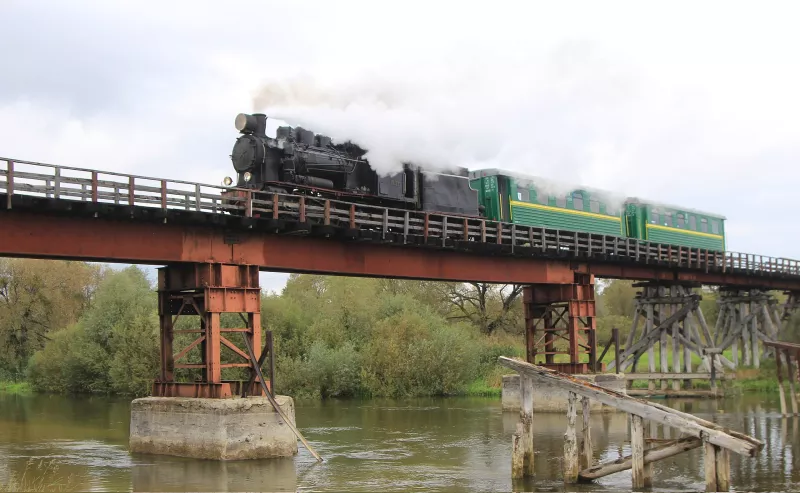
The most valuable structure on the line is the bridge over the Styr between Bile and Mlynok. At 153 meters long, on wooden supports, it is considered the longest wooden railway bridge in Europe and the only such large one in Ukraine. It was built in 1906 (according to other sources — 1908). The bridge connects the banks between which the Styr floods in spring, and during floods, crossing on foot to the other side was possible only via the bridge. When the train crossed the bridge, it was always met by a watchman.
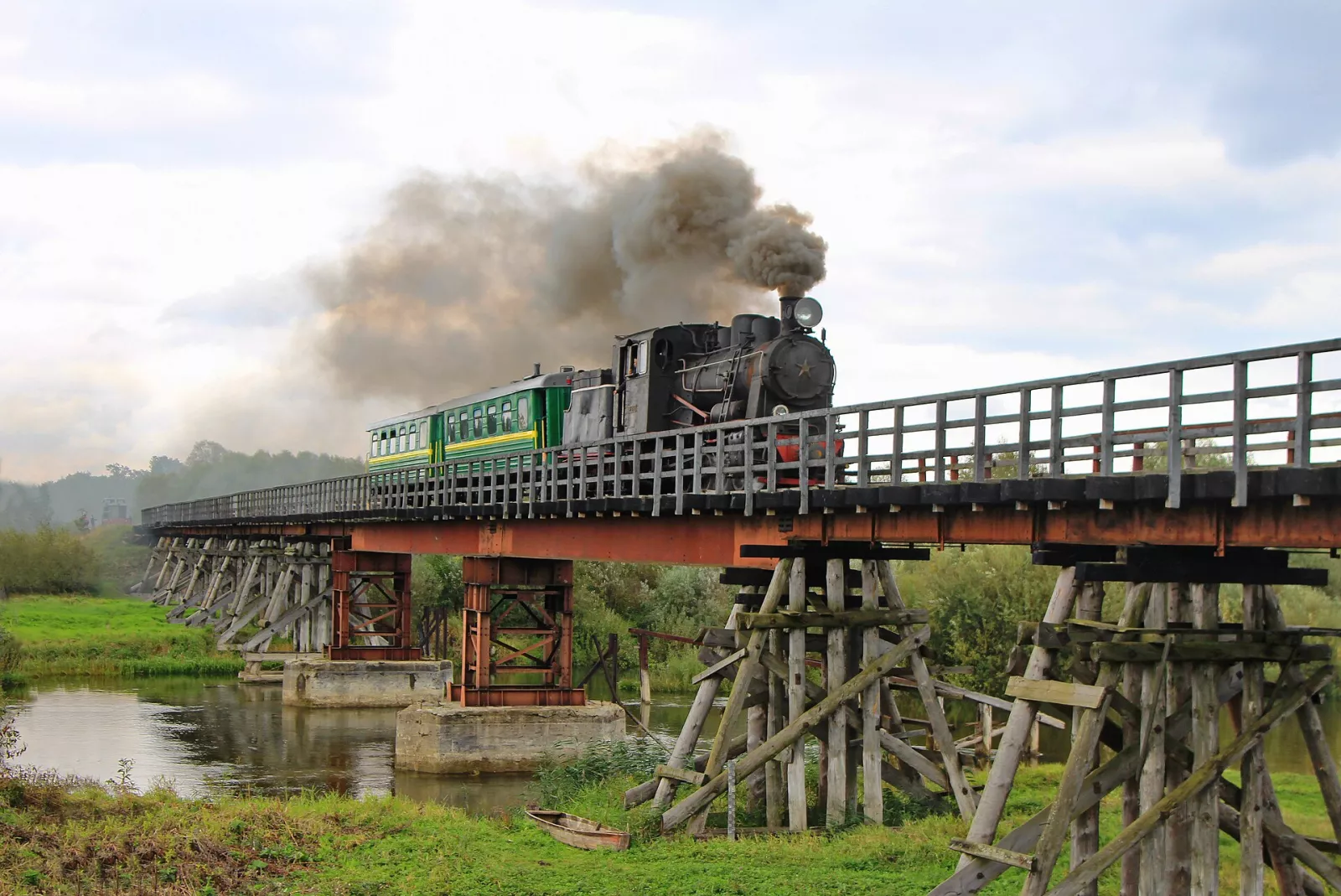
Besides this bridge, there are about thirty small wooden bridges on the narrow-gauge railway, and in total over eighty artificial structures along the route crossing rivers, ditches, and trenches.
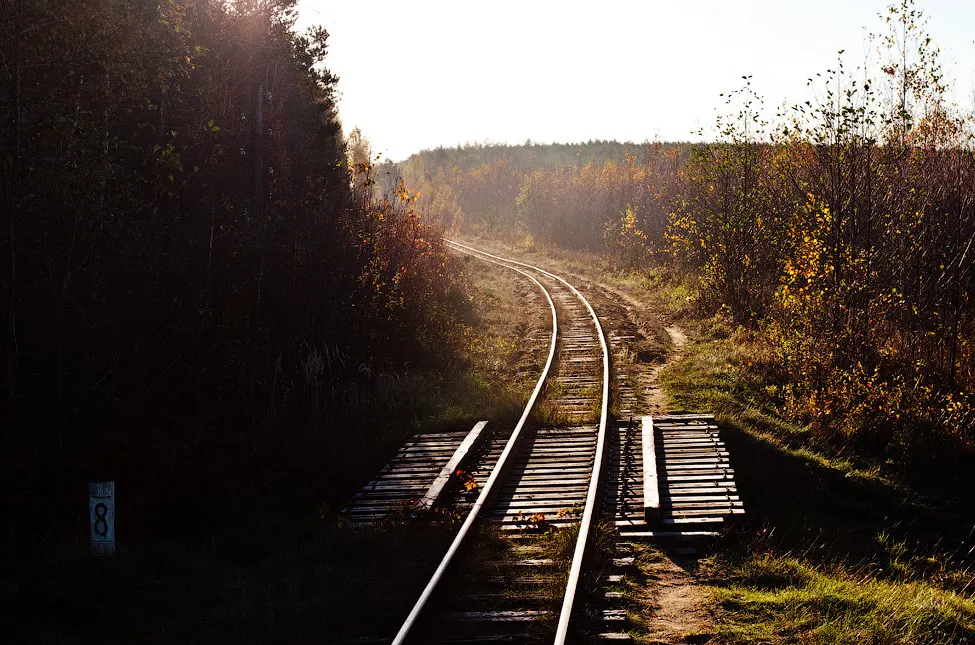
How the “Cuckoo” Ran
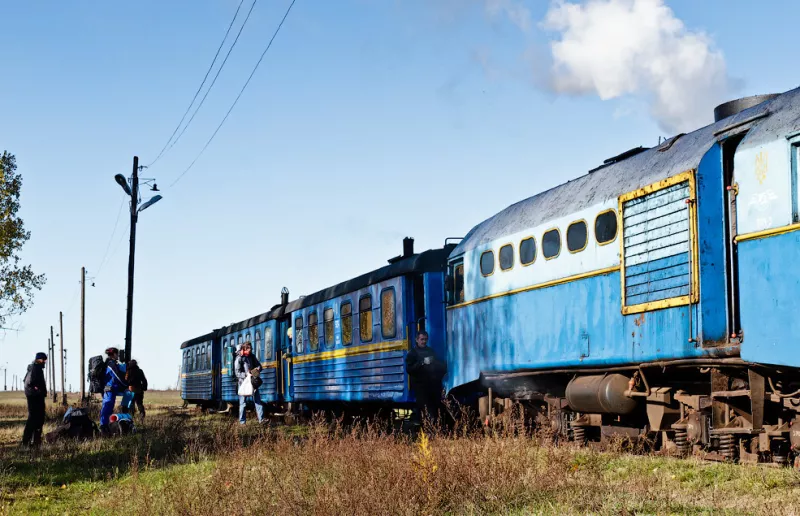
The train consisted of a small TU2 diesel locomotive and two to four PV-40 carriages. It departed from Antonivka in the morning and covered the route to Zarichne in about four hours — at an average speed of around 26 kilometers per hour, passing through 17 settlements. Tickets were sold by the conductor directly on the train, and the train could stop “on request.” On market day, every Wednesday, two additional carriages were attached to the train.
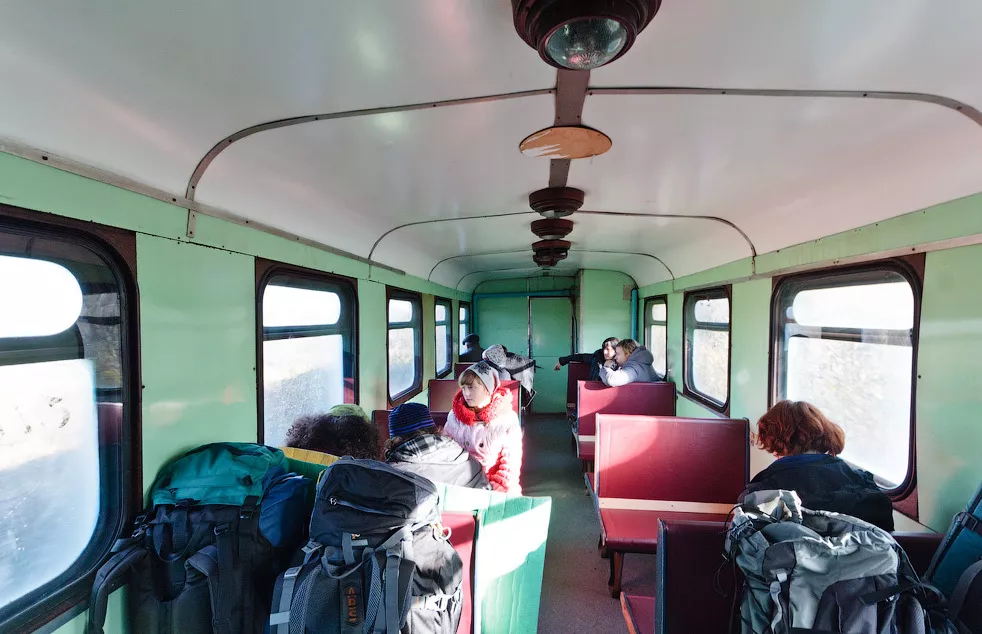
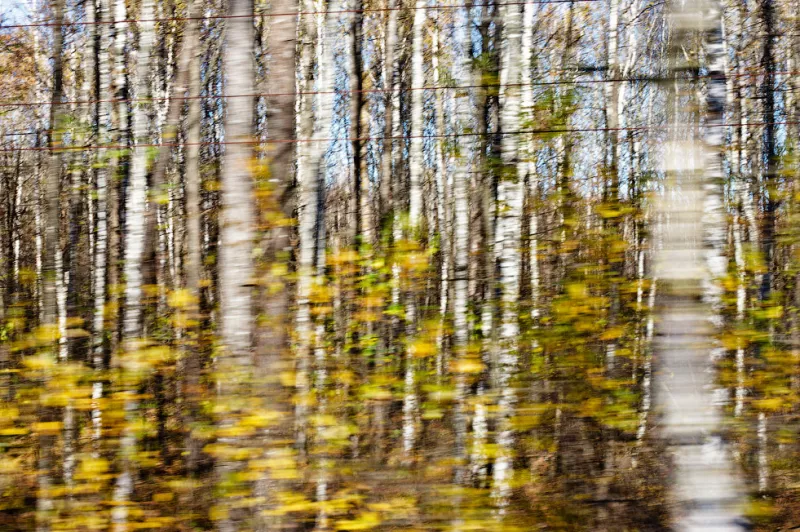
For travelers, the trip was a journey into the past: the carriages sway, pine trees, swamps, and meadows glide past the window, and at stops, you can step right into the forest. Foreign guests — Poles, Germans, Czechs, Dutch — came specially to ride the longest operating narrow-gauge railway in Europe. In Antonivka, they held the ethno-festival "Amber Road" and opened a narrow-gauge railway museum.
Why the train stopped
In spring 2020, during quarantine, Ukrzaliznytsia canceled all suburban trains, and the Antonivka — Zarichne train was not resumed after restrictions were eased due to unprofitability. According to the railway, most of the track requires complete reconstruction; the rails were laid at the beginning of the 20th century, and the wooden bridges are in an emergency condition. The rolling stock, which is over half a century old, has nowhere in Ukraine to undergo major repairs. In 2022, the diesel locomotives and carriages were removed from Polissia for safety reasons.
Activists and communities have repeatedly requested to resume service, and enthusiasts have even paid for individual one-time trips. Whether the train will run and when — check with Ukrzaliznytsia before your trip.
What you can see
- Antonivka station — a junction station on the Sarny — Kovel line, where the narrow-gauge platform is located immediately behind the main station building, with a depot and a transshipment point nearby.
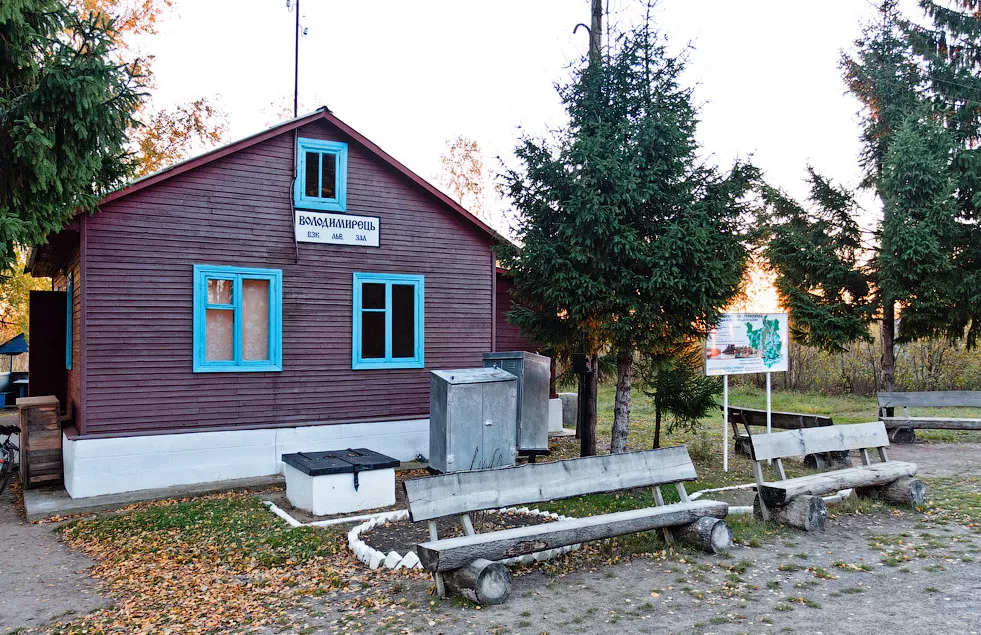
- Volodymyrets station — halfway along the route, in the district center with a wooden church.
- The bridge over the Styr near the villages of Bile and Mlynok — the main landmark of the line. Do not approach the tracks and bridges closely: the structures are old and in poor condition.
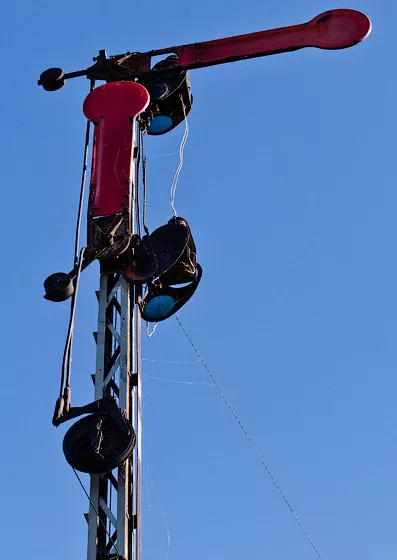
- Zarichne station with a pavilion and semaphores — the final point of the route near the Styr embankment.
How to get there
Antonivka is a junction station on the Sarny – Kovel line, 18 kilometers from the Mala Yazvynka track post and 23 kilometers from Rafalivka; for the broad-gauge train schedule, see the Ukrzaliznytsia website. Volodymyrets and Zarichne are connected to Rivne, Varash, and Sarny by buses, and by car it takes about an hour from Volodymyrets to Zarichne along a forest road. The north of Rivne region borders Belarus, so before traveling, check the State Border Guard Service announcements about restrictions in border communities.
Nearby
Near the terminus is the settlement of Zarichne, an old Pohost on the Styr River, and Chorne Lake near Vovchytsi. From Volodymyrets it is not far to Bile Lake and the Rivne Nature Reserve. More about the region can be found in the articles Rivne Polissia: Where to Go and What to See and Varash District.