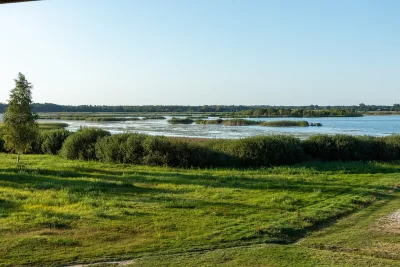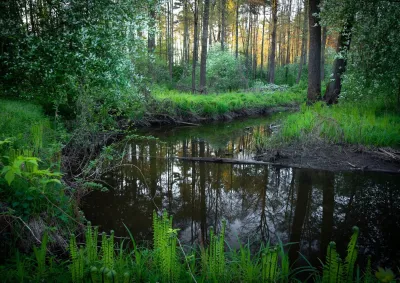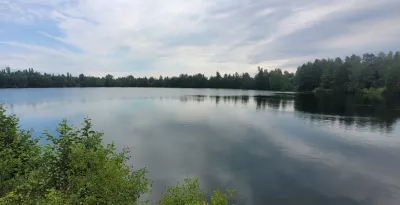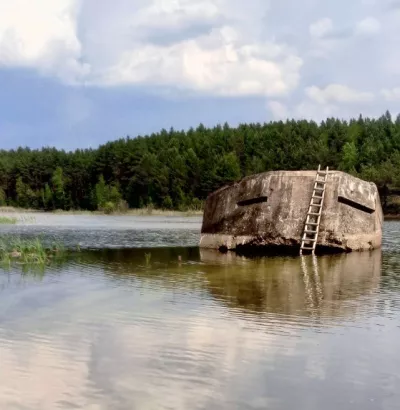

Rivne Polissia is the northern part of Rivne Oblast, a historical, ethnographic, and natural region within Ukrainian Polissia. This is where asphalt and haste end, and pine forests, endless bogs, quiet lakes, and villages begin—places where grave crosses are still adorned with embroidered towels (rushnyky), ancient songs are sung, and people ride the "cuckoo" narrow-gauge train through the forest. This is one of the most distinctive corners of Ukraine, and one of the least known.
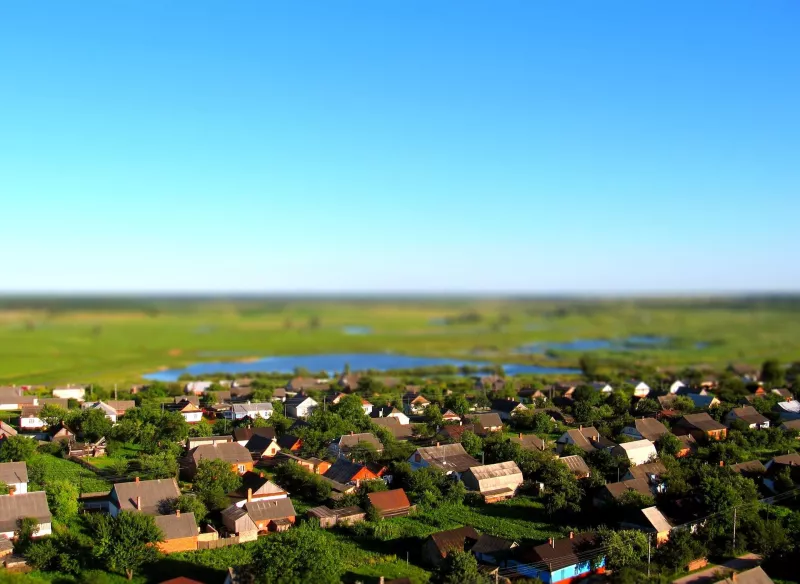
The region lies on the Polissian Lowland: Sarny region, Varash hromada, Zarichne region, Dubrovytsia region, Volodymyrets region, and Rokytne region. It borders Belarus to the north, and the local nature continues on both sides of the border—the bogs of the Rivne Nature Reserve transition into the Belarusian Olman Bogs.
Briefly
- Where: Northern Rivne region — Sarny and Varash districts, northern Rivne district.
- Nature: Rivne Nature Reserve, Nobel National Nature Park, White and Nobel lakes, Basalt Columns.
- Highlight: The Antonivka — Zarichne narrow-gauge railway, which still runs a passenger train.
- Culture: Adorning grave crosses with embroidered towels (intangible heritage of Ukraine), Polissian singing, wooden churches.
- Ancient towns: Dubrovytsia, Stepan, Volodymyrets.
- To taste: Deruny (potato pancakes), babka, fish soup, forest honey, cranberries, and blueberries.
"Kushka": The Antonivka — Zarichne Narrow-Gauge Railway
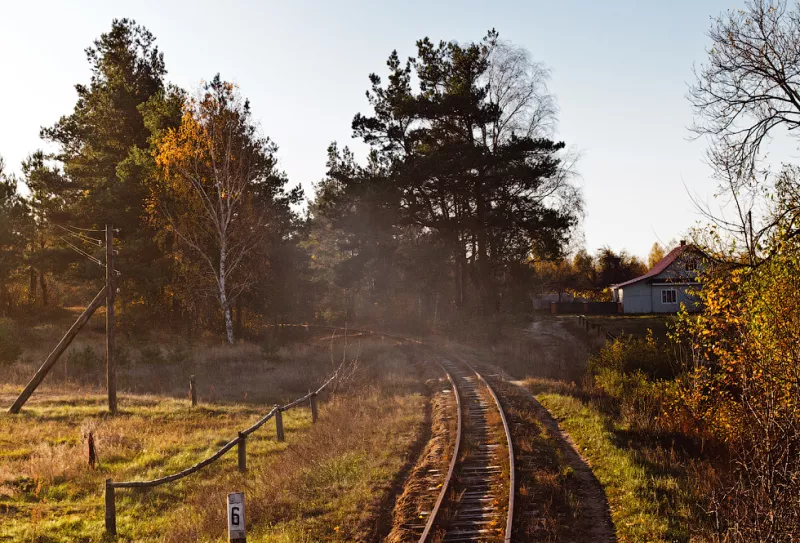
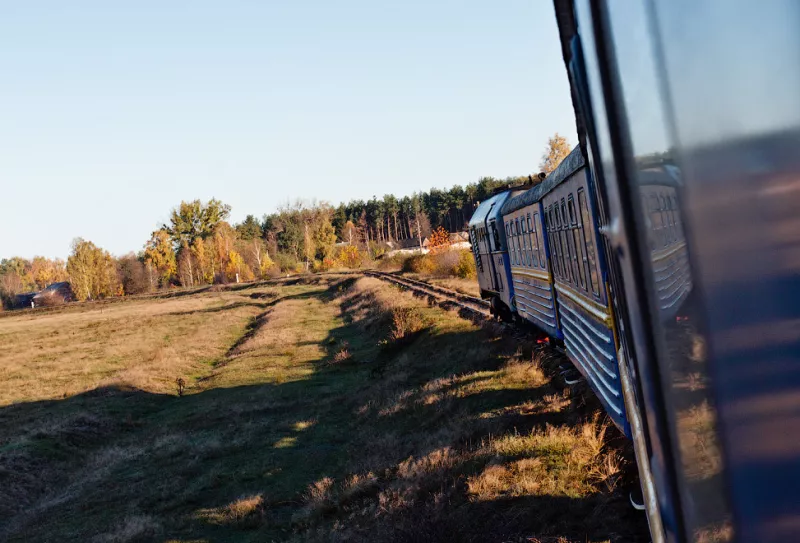
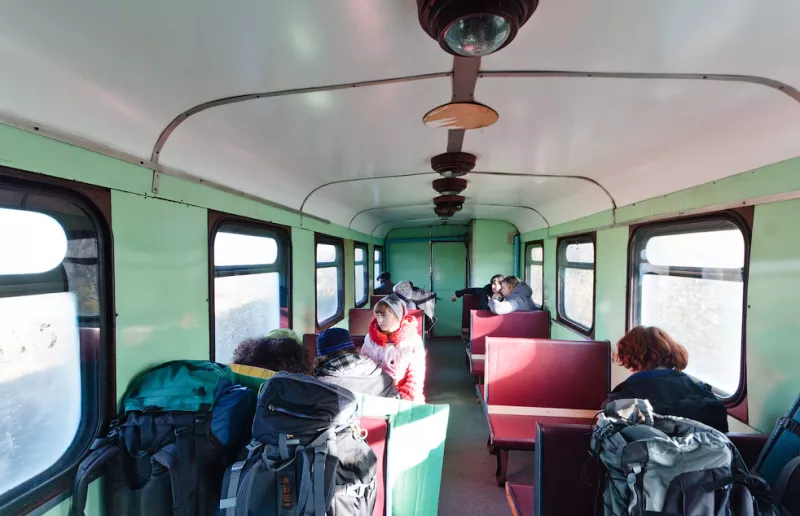
The main wonder of Rivne Polissia is the Antonivka — Zarichne narrow-gauge railway. Its track (750 mm) was laid over a hundred years ago for timber transport, and today it is one of the few narrow-gauge railways in Ukraine that still operates a scheduled passenger train. A small diesel locomotive pulls a few blue carriages for over a hundred kilometers through forests, bogs, and wooden bridges, stopping in villages that have almost no other road access.
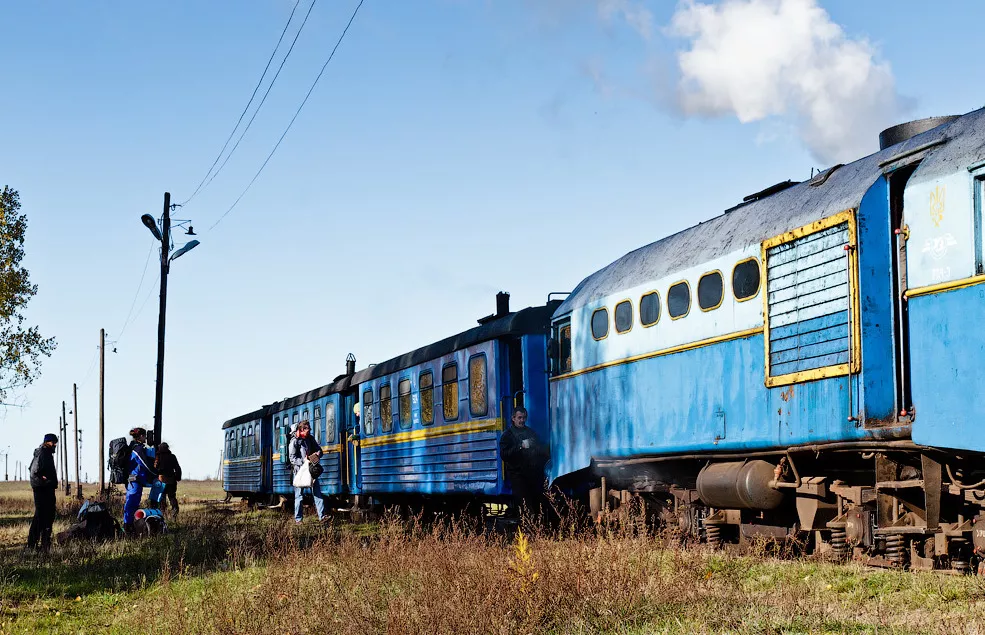
For locals, the "cuckoo" is a way to get to the district center, the market, or the doctor, while for travelers it is a journey into the past: the carriages sway, pine trees and marshy meadows float by outside the window, and at stops you can step right out into the forest. The schedule changes, so check it before your trip on the Ukrzaliznytsia website or at the Antonivka station.
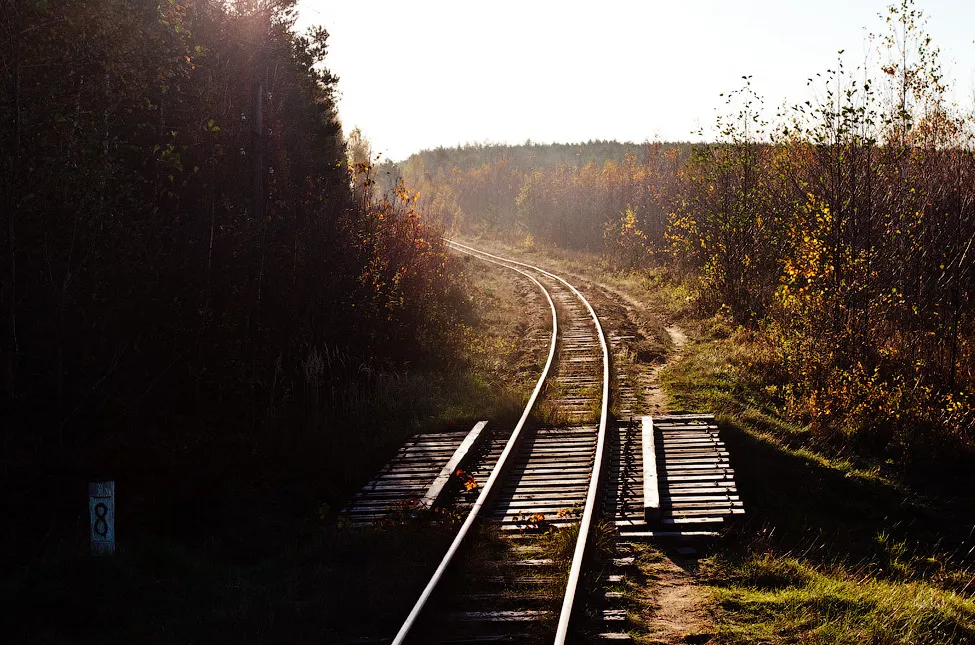
Video: "Flight of the 'cuckoo'", Radio Svoboda channel.
Rivne Nature Reserve: Kingdom of Bogs
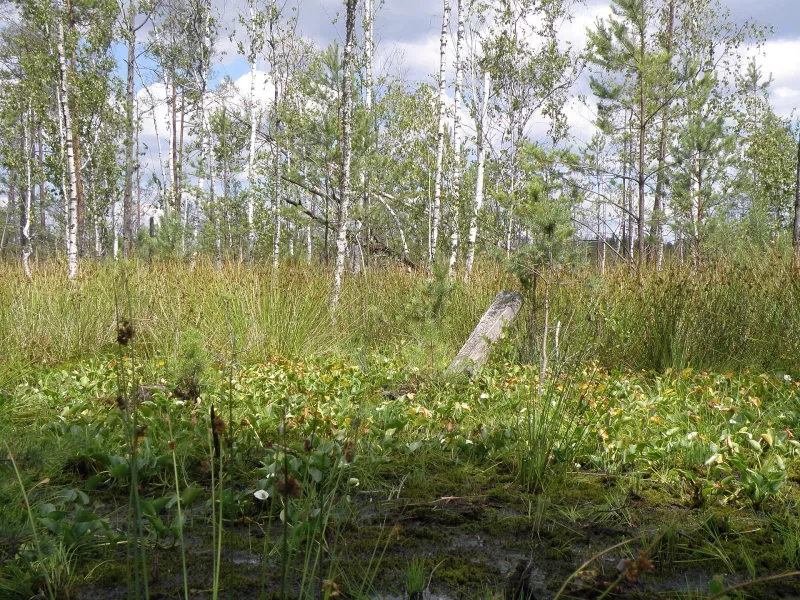
The Rivne Nature Reserve was established in 1999 in the Sarny, Dubrovytsia, Volodymyrets, and Rokytne regions. It consists of several sectors—Perebrody, Syra Pohonia, Somyne, and Bilooberezhzhia (White Lake)—and protects over 40,000 hectares of bogs, forests, and lakes. Perebrody Bog is one of the largest raised bogs in Europe: across the border, it continues as the Olman Bogs in Belarus.
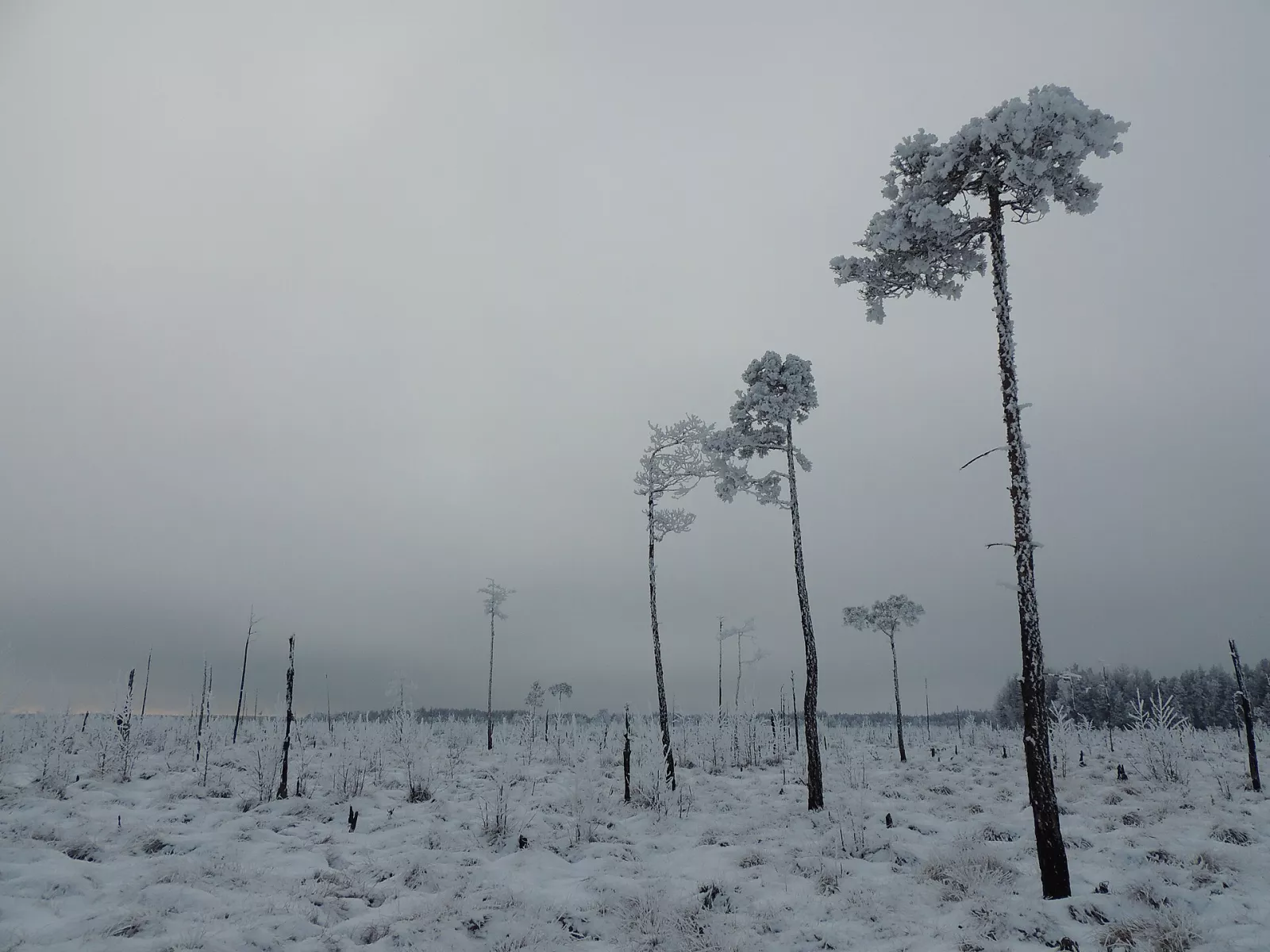
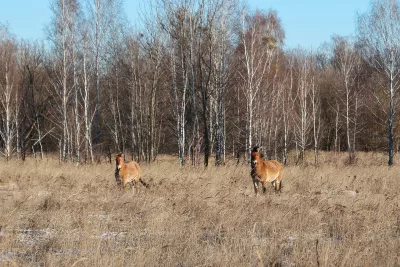
Raised bogs are a special world: a moss carpet, scattered low pine trees, cranberries and blueberries, and the carnivorous sundew plant that catches insects. Cranzees and black grouse nest here, and moose and wolves live here. Bogs accumulate water and carbon, so they are currently being restored — old drainage channels are being closed so that the peat can be saturated with water again and not burn.
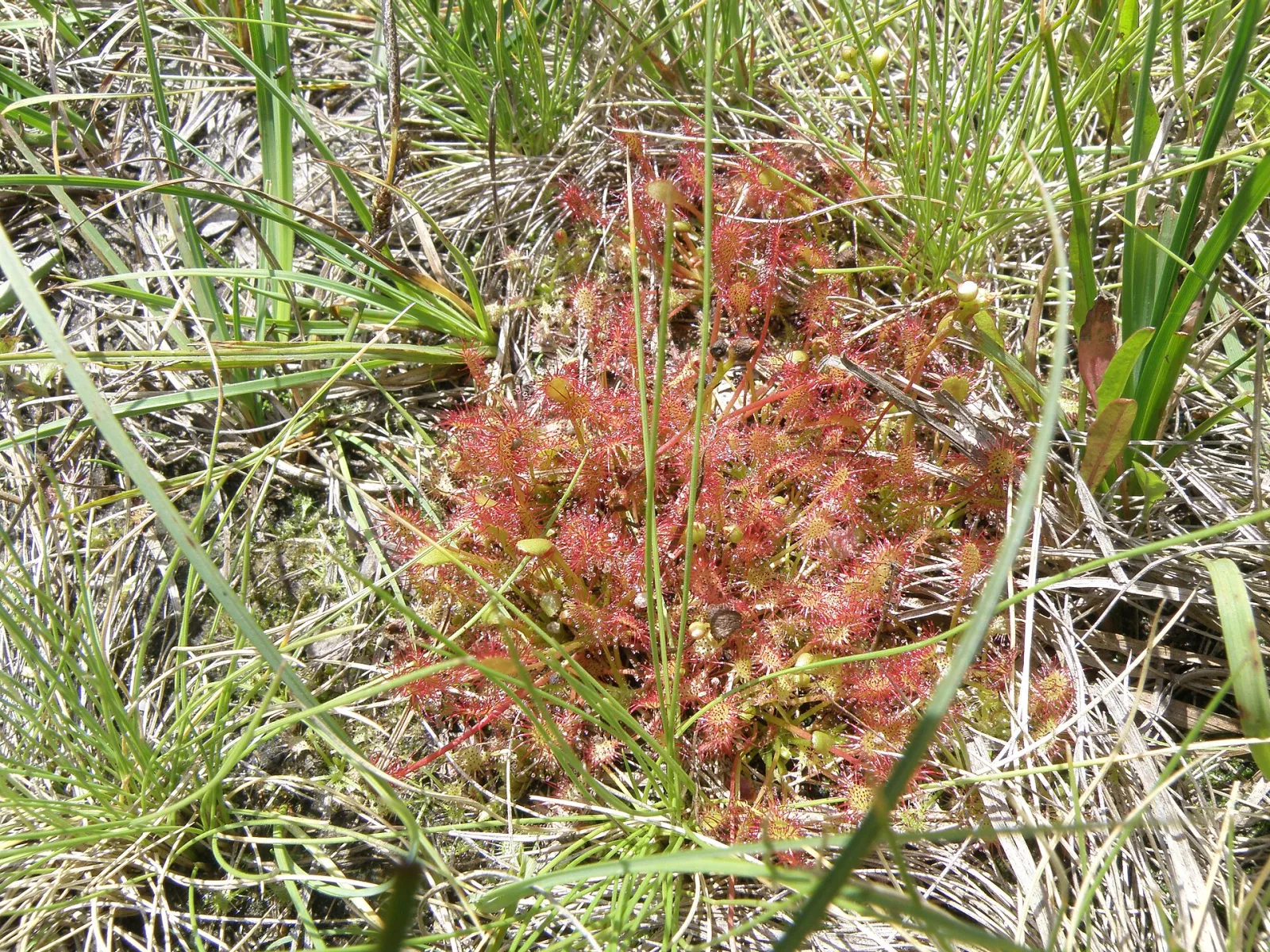
Visiting the nature reserve is only possible with the permission of the administration and along designated trails — this is not a park for casual walks.
Video: "Bogs that protected Ukraine for thousands of years — and are now burning", Paralyeli channel.
Lakes: Byle and Nobel
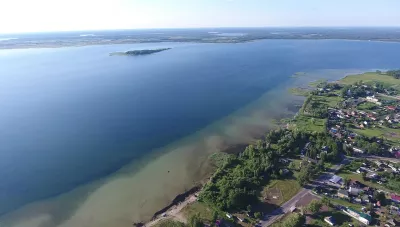
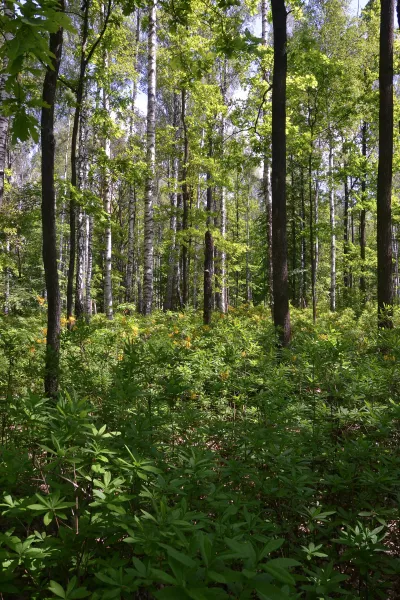
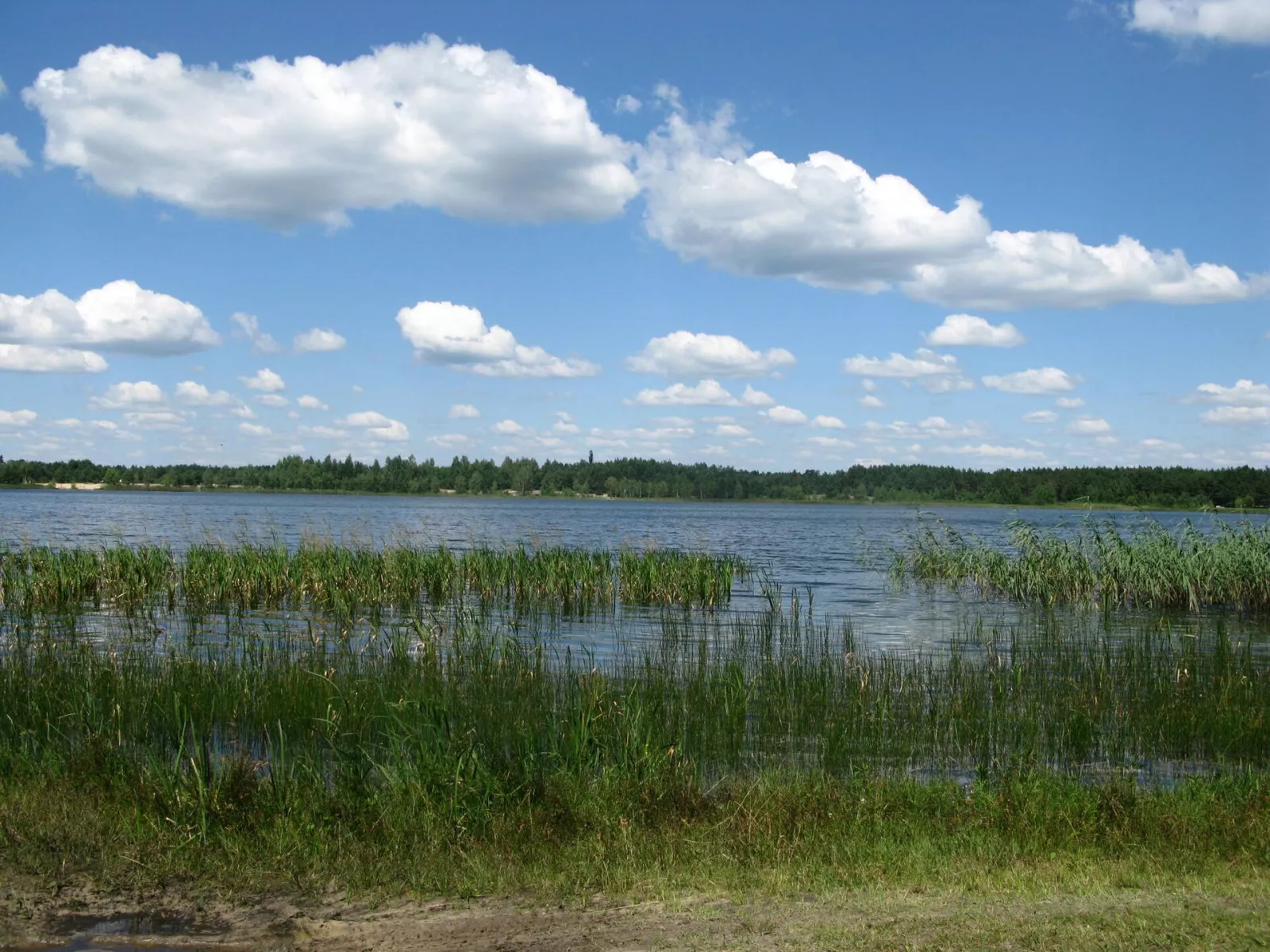
Lake Byle near the village of Rudka in the Volodymyrets region is one of the largest and purest karst lakes in Ukraine. The pine forest comes right up to the water, the bottom is sandy, and the water is transparent for several meters. Part of the coastline is included in the nature reserve, and recreation areas have been set up near the village.
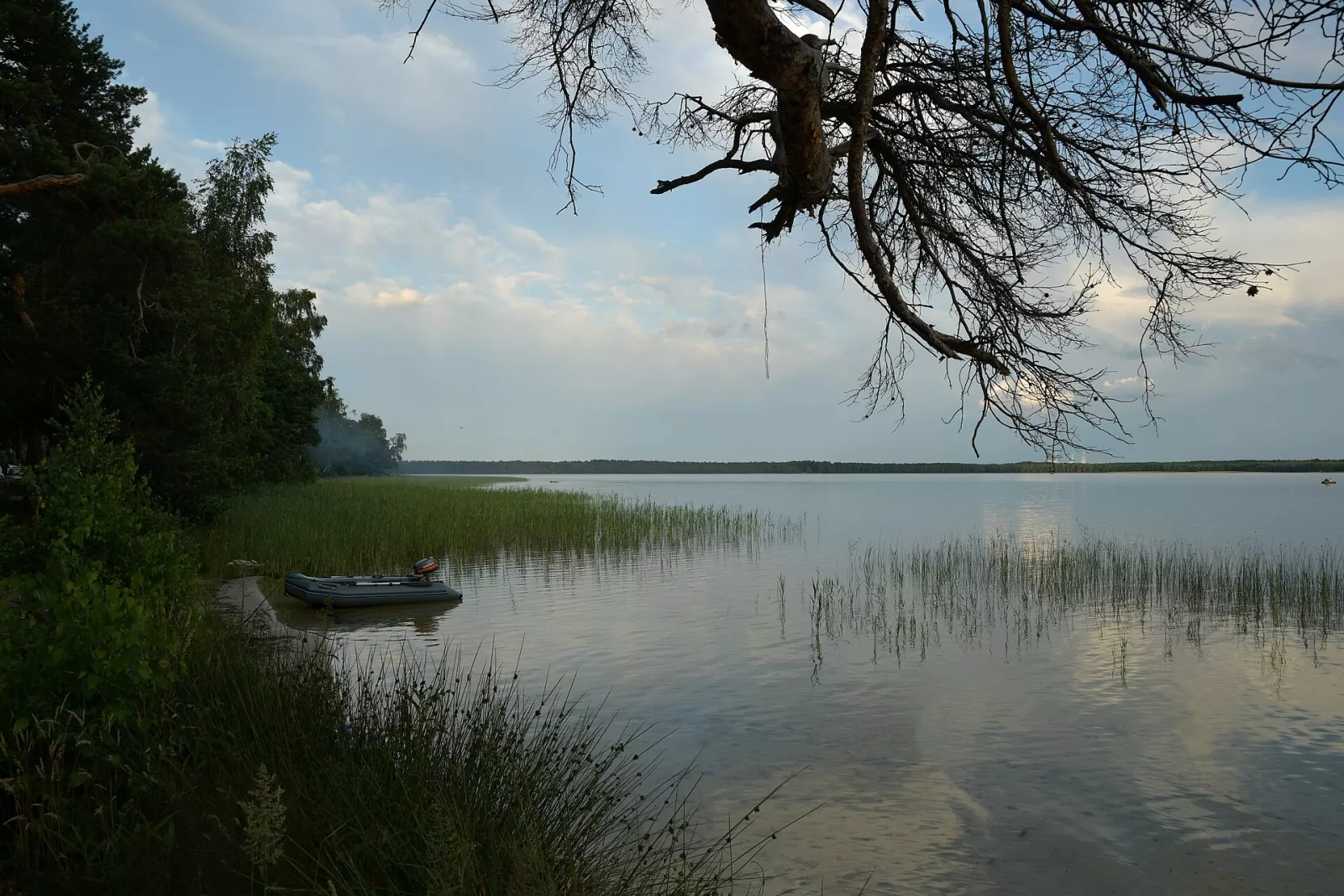
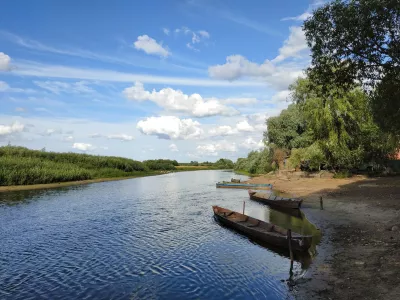
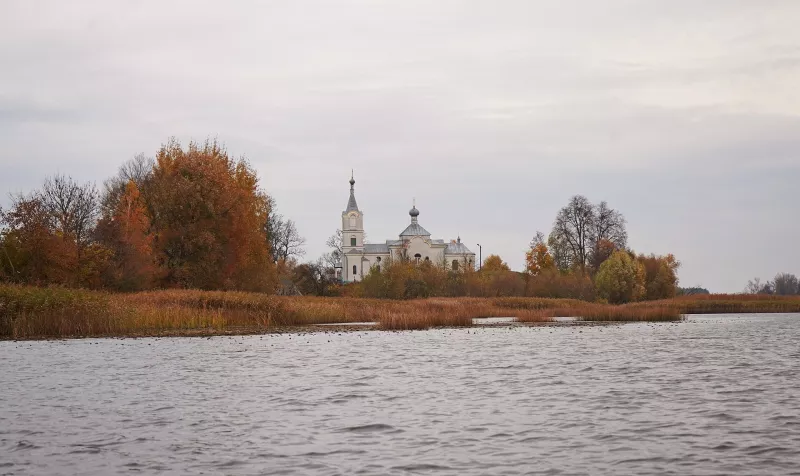
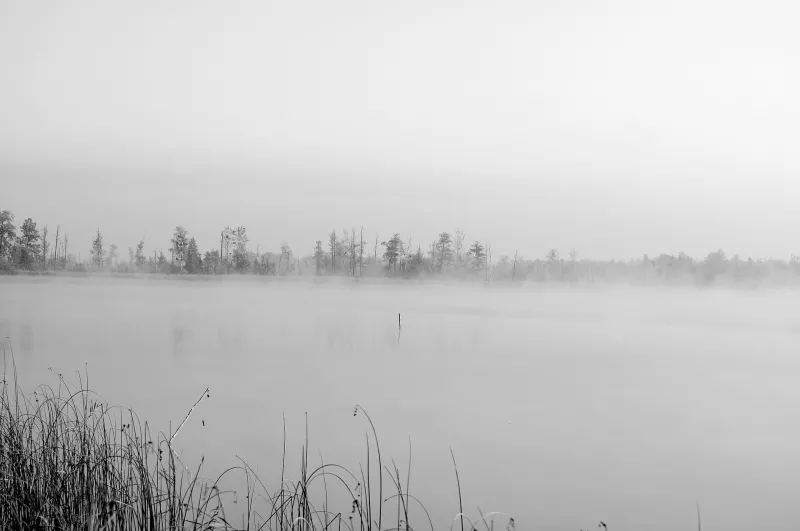
Nobel is a village on an island in the Varash land, surrounded by Lake Nobel, the Prypiat River, and bogs. Until recently, it could only be reached by boat, which is why Nobel is called the "end of the earth". In 2019, the Nobel National Nature Park was created here, which protects the Prypiat floodplain, lakes, and islands. The best way to see these places is from a boat at dawn when mist hangs over the water.
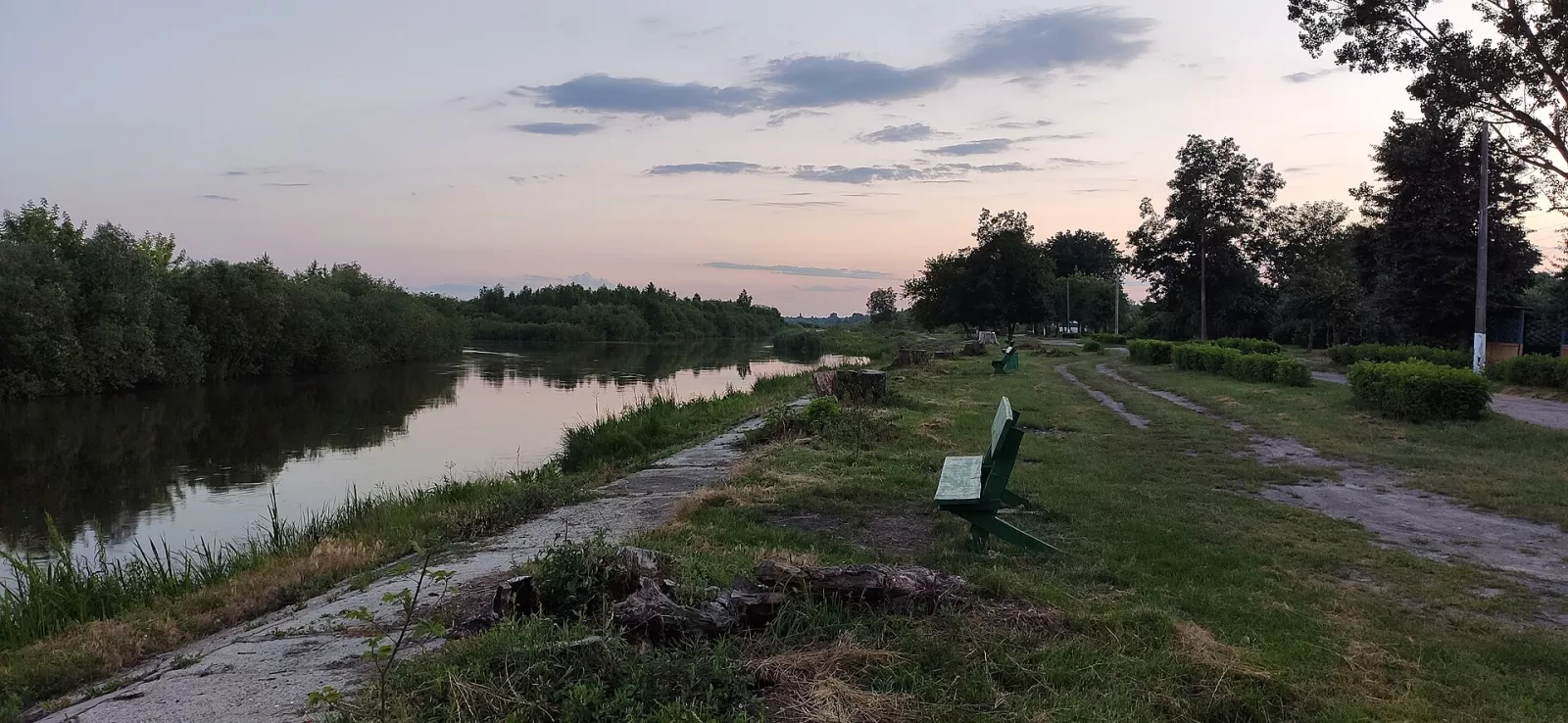
Nearby, in Zarichne, there is a quiet embankment along the Styr, and in neighboring Volyn, the Prypiat-Stokhid National Park with its river of "a hundred channels".
Dressed crosses and Polissian songs
The most touching feature of Rivne Polissia is dressed crosses. In rural cemeteries, wooden and metal crosses are adorned with embroidered ritual cloths (rushnyky), headscarves, and aprons — as if they are wearing festive garments. By the color and pattern of the fabric, one can tell to whom the cross was erected: a man or a woman, a young girl or an elderly person. The tradition of dressing grave crosses in Rivne Polissia has been inscribed on the National List of elements of the Intangible Cultural Heritage of Ukraine.
Video: "Dressing grave crosses in Rivne region: what this ancient tradition means", Suspilne Rivne channel.
The region is also famous for its musical and ritual culture: archaic spring, wedding, and Kupala songs, and the Polissia dialect, which has preserved many ancient words. Daily life is closely connected with the forest and water — fishing, gathering mushrooms, cranberries and blueberries, bee-keeping (bortnytstvo), and weaving. In the villages, sweep-well cranes (krynytsi-zhuravli) still stand, and in some places an entire village shares the same surname.
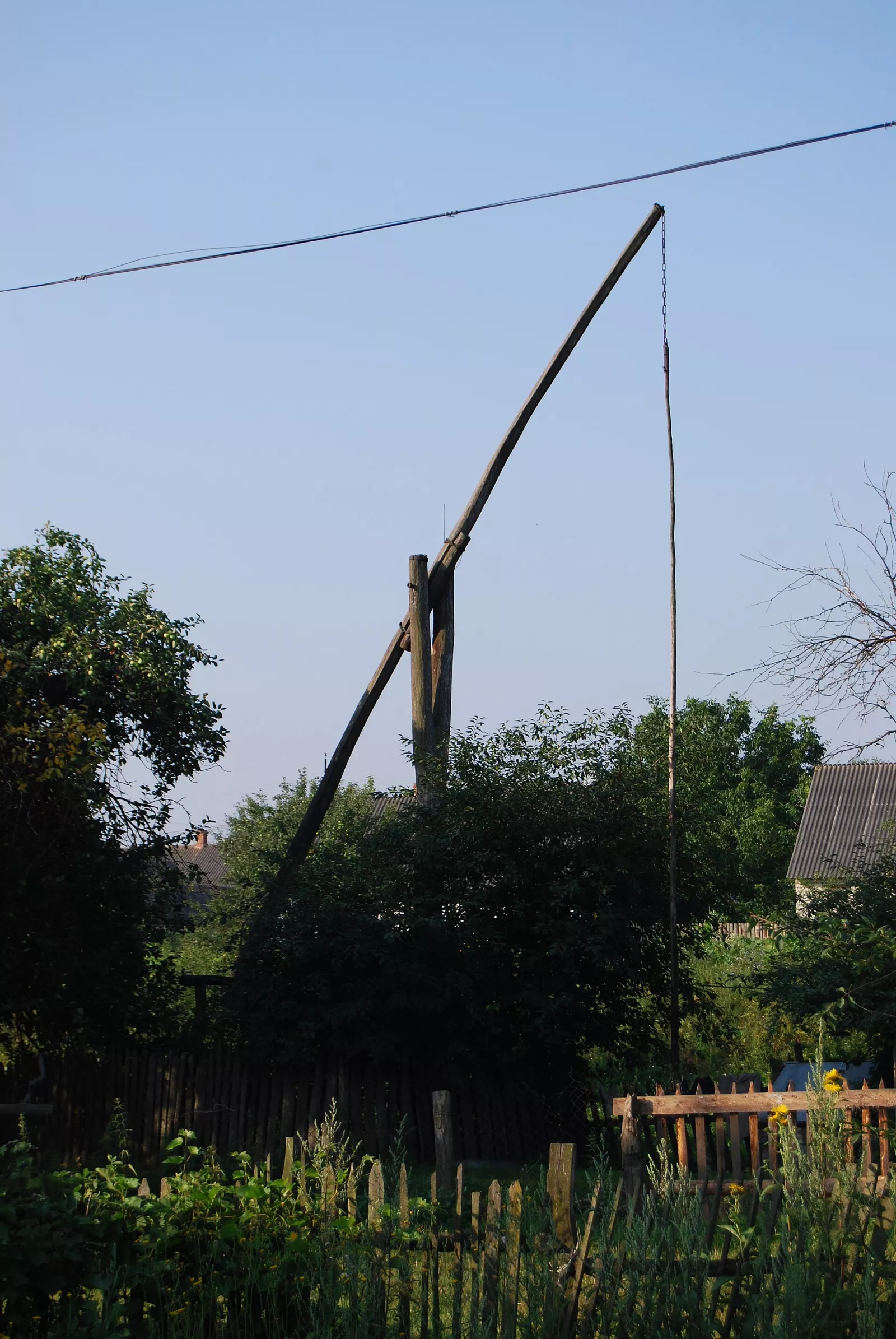
Video: "Rivne Polissia: a village with one surname", Suspilne Rivne channel.
Ancient towns: Dubrovytsia, Stepan, Volodymyrets
Dubrovytsia on the Horyn River is the oldest town in Rivne region: chronicles mention it under the year 1005. Once the center of an appanage principality, it now preserves the Baroque Church of St. John the Baptist of the former Piarist monastery, old churches, and a quiet town center by the river.
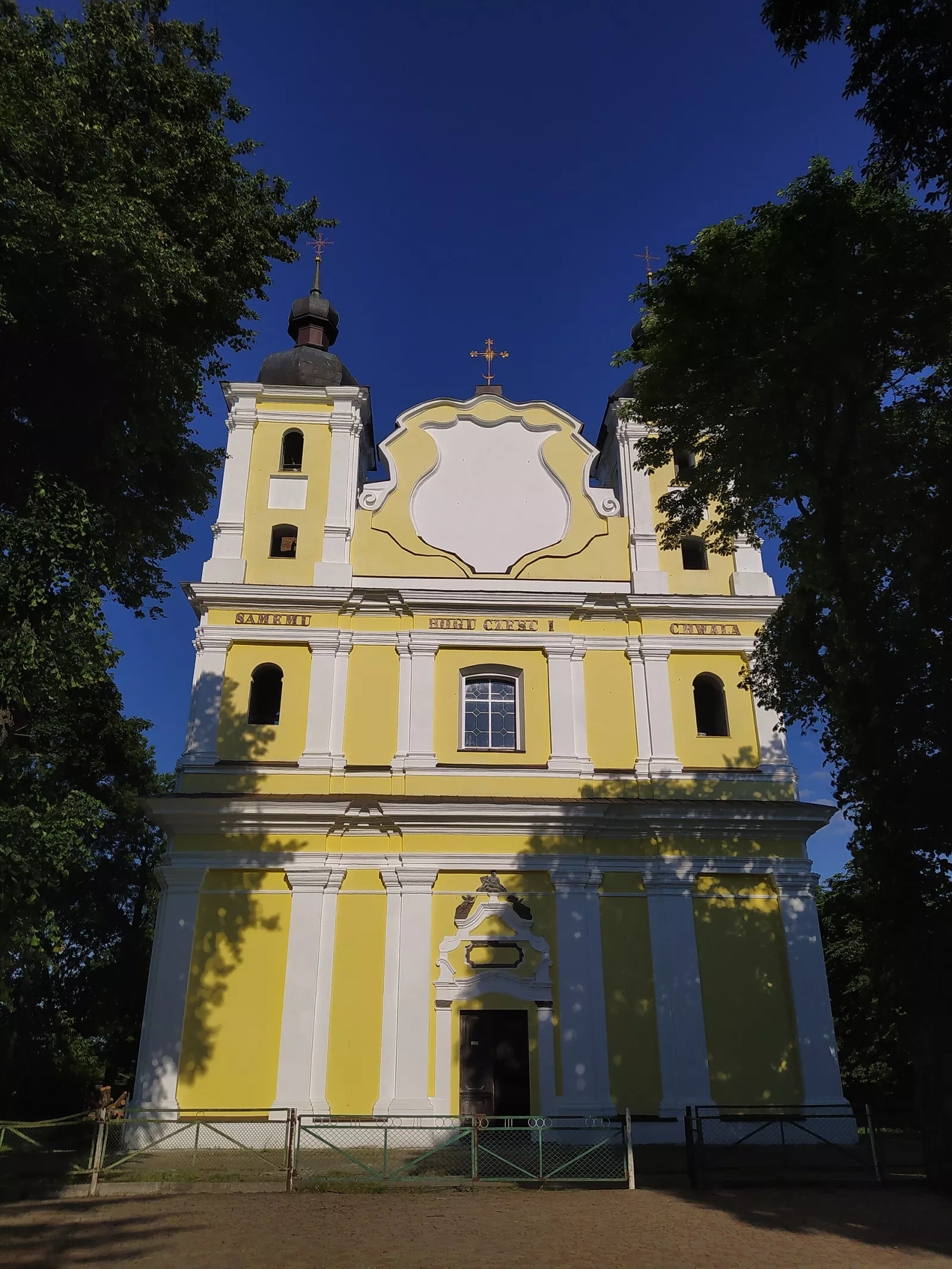
Video: "Dubrovytsia 1020 years", Dubrovytsia channel.
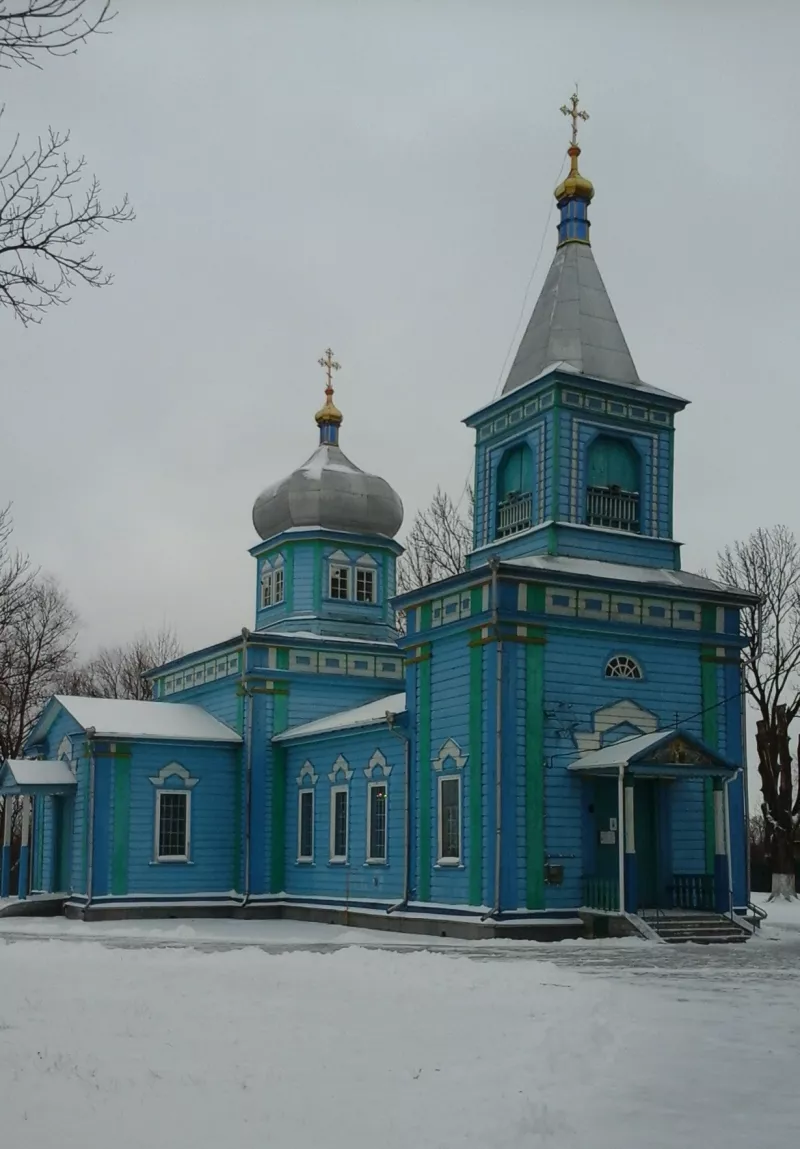
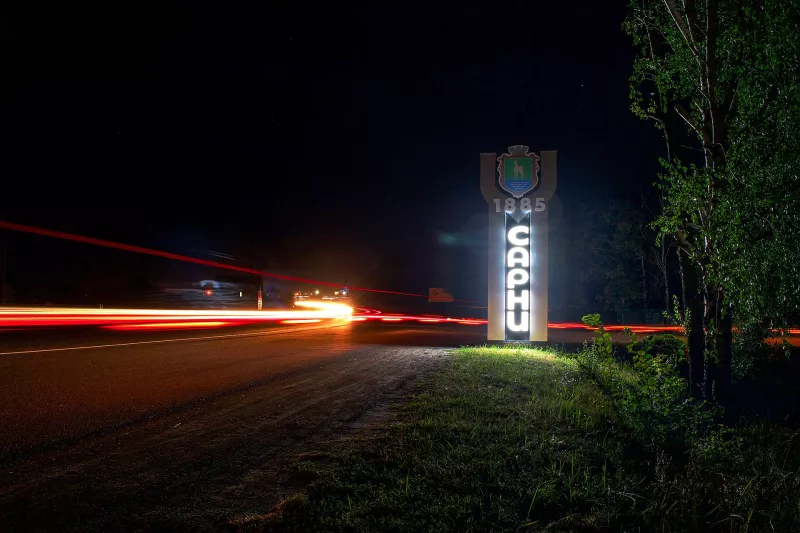
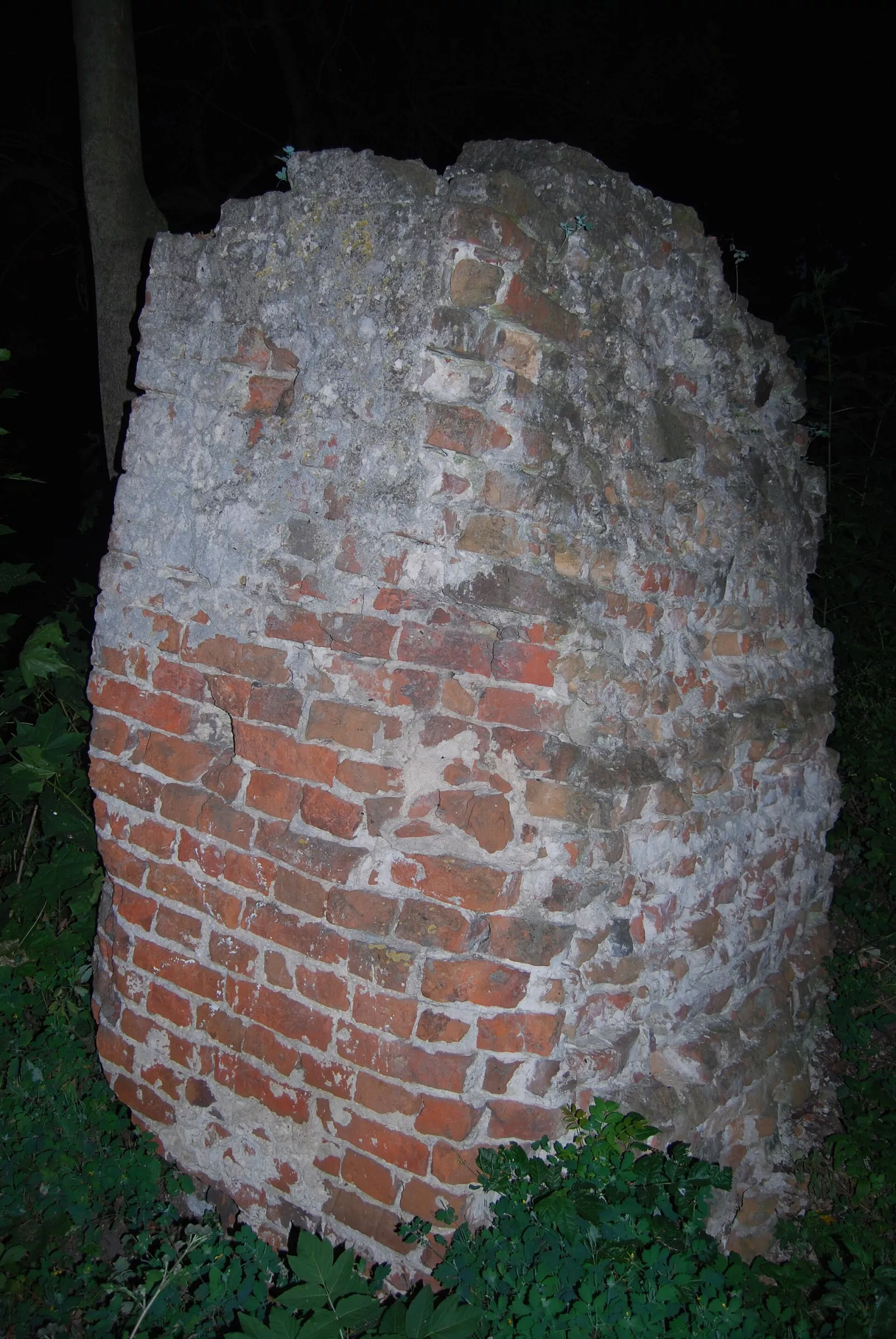
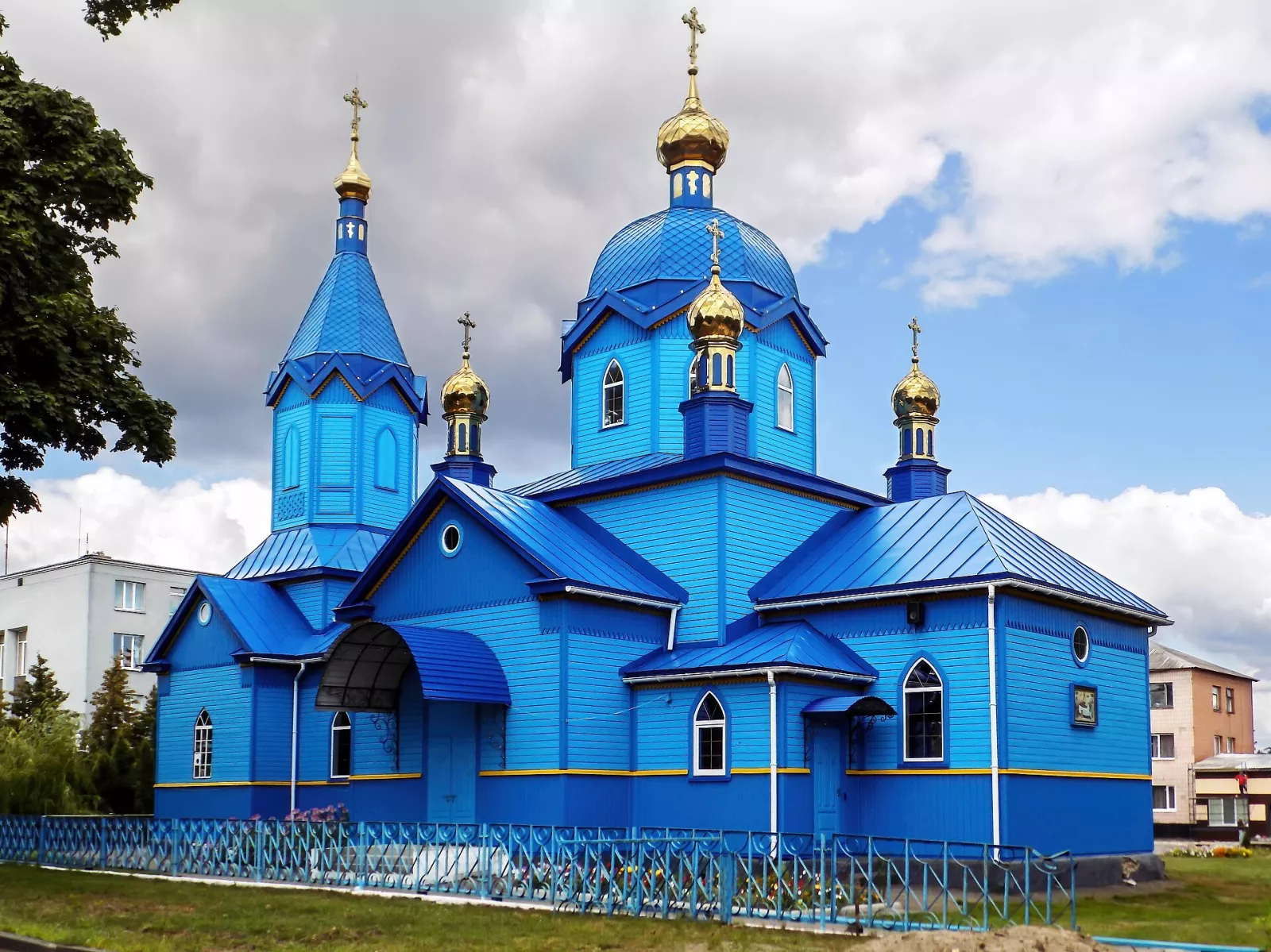
Stepan on the Horyn River is an ancient township with the remains of the 16th-century castle of the princes Ostrozky and sweeping views of the river valley. Volodymyrets is the gateway to White Lake (Bile Ozero), featuring a wooden church and traditional Polissian architecture. Sarny is a major railway hub and a convenient base for trips to the north of the region, while Varash is a young city of energy workers next to the Rivne NPP.
Amber and basalt
Rivne Polissia is a land of amber: the "sun stone" is found in the sands of the Rokytne, Sarny, and Dubrovytsia regions. Unfortunately, years of illegal mining have turned parts of the forests into a "moonscape" of pits and ruined soil. Buy amber products only from legal craftsmen and do not enter mining sites—it is dangerous.
Video: "Rivne region: a land of amber, wild honey, witchcraft, and ancient songs", Khashchi channel.
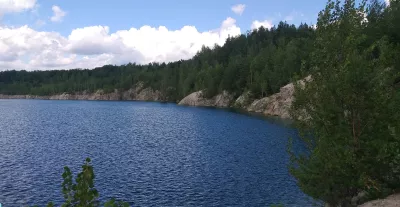
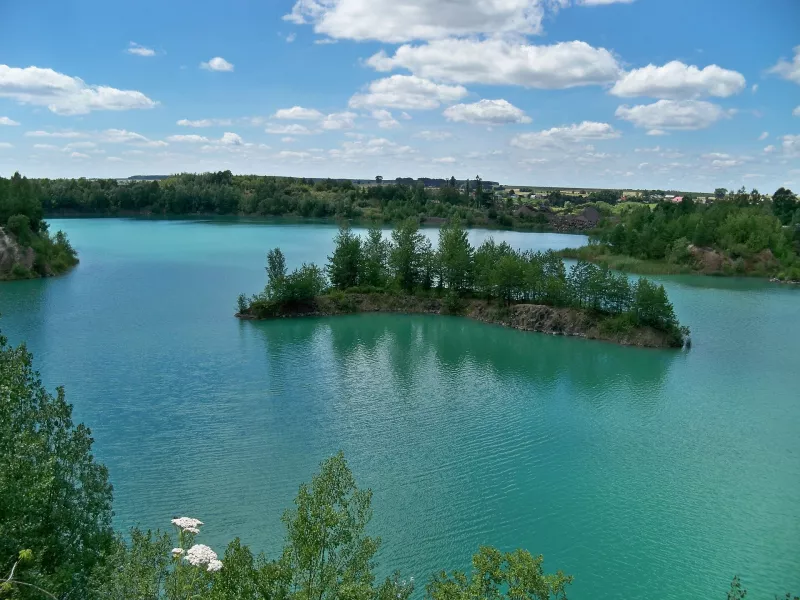
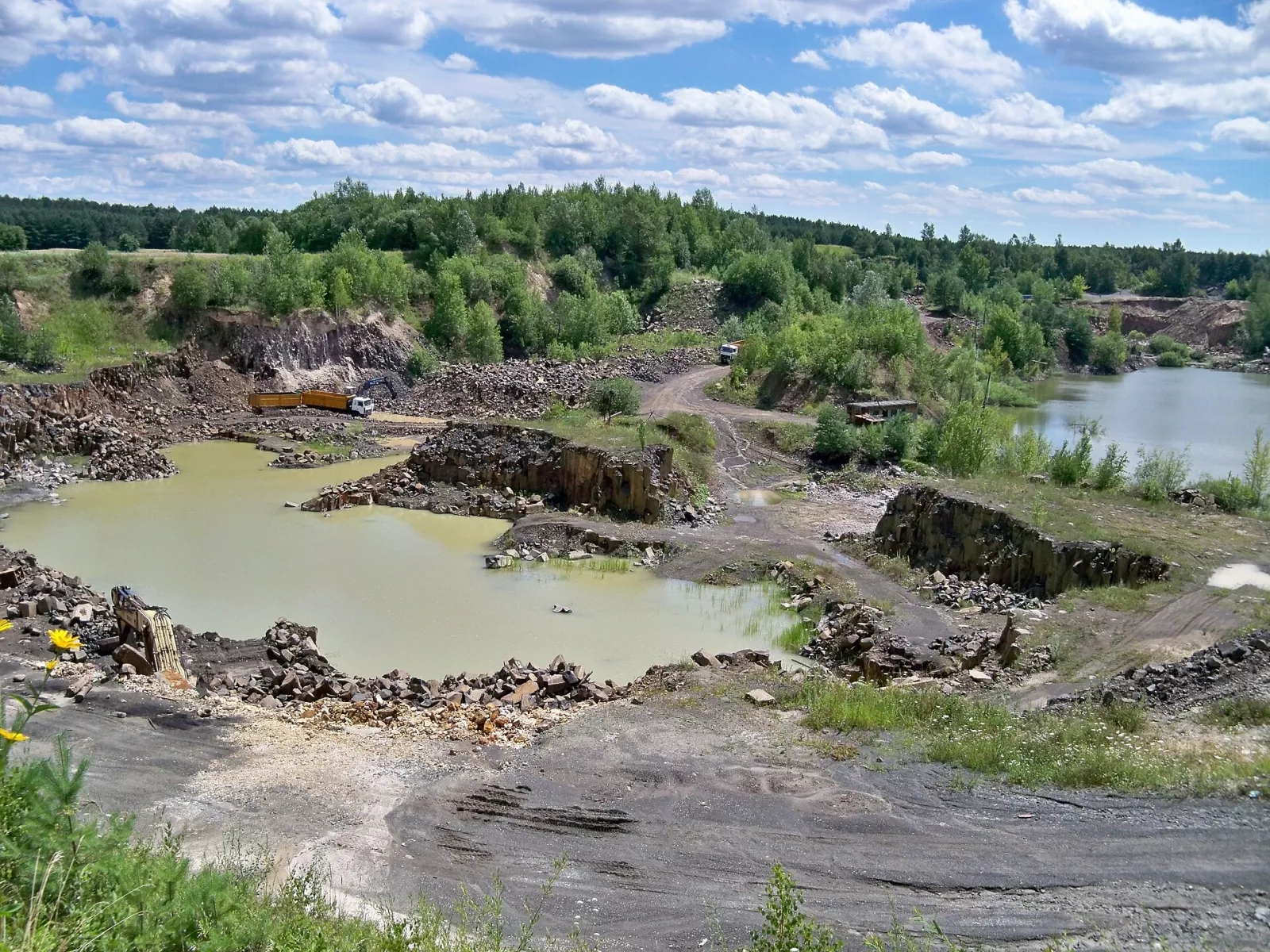
In the south of Polissia, near the village of Bazaltove in the Kostopil district, hexagonal basalt columns—the solidified lava of ancient volcanoes—are visible in the old quarries. The flooded quarries have turned into lakes with turquoise water.
2–3 day itinerary
Day 1. Sarny and White Lake. Morning in Sarny, then Volodymyrets and White Lake with swimming and a walk through the pine forest.
Day 2. The "Cuckoo" narrow-gauge train. A ride on the narrow-gauge railway from Antonivka to Zarichne (or part of the route) and a walk along the Styr embankment.
Day 3. Nobel or Dubrovytsia. A boat trip to Nobel and the lake, or Dubrovytsia and Stepan with its castle above the Horyn River; on the way back, the basalt columns.
Roads in the north of the region are sometimes poor and distances are long—allow extra time and refuel in advance.
When to go
- April–May: floods of the Prypyat and Horyn rivers, cranes over the marshes.
- June–August: lakes, blueberries, long evenings. Don't forget insect repellent.
- September–October: cranberries, mushrooms, golden pine forests, mists over the water.
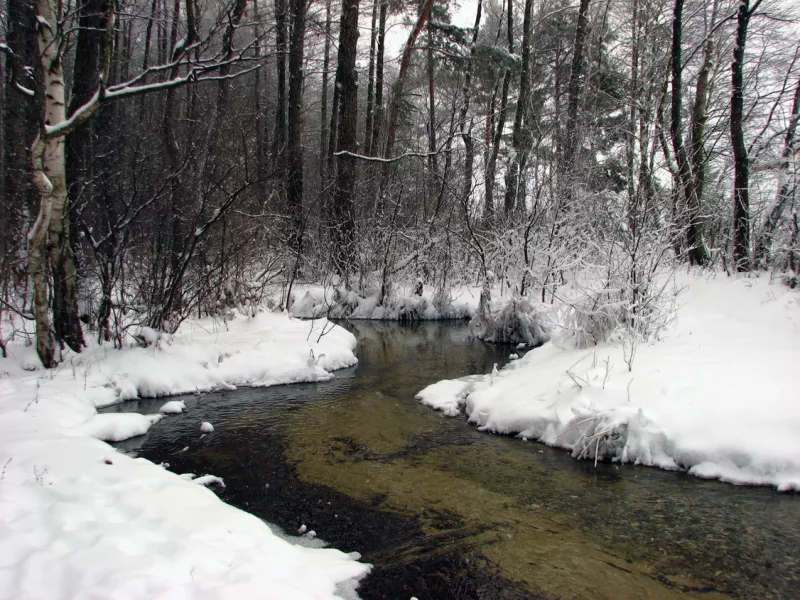
- Winter: snow-covered marshes and silence—for those who love frost.
Practical tips
- Border. The north of the region borders Belarus: restrictions on presence and movement apply in border communities, so follow the announcements of the regional administration and the State Border Guard Service.
- Nature Reserve. Visits are allowed only by arrangement with the administration and along permitted routes.
- Marshes and mining pits. Do not walk in the marshes without a guide and avoid amber mining sites.
- Fire. Do not light fires on peatlands—marshes burn for months.
- Connectivity. Mobile signal is weak in the forests: download offline maps and bring a power bank.
Conclusion
Rivne Polissia is not about postcard sights. It is about a train carrying you through the forest at bicycle speed, crosses draped in embroidered towels, a swamp that breathes beneath your feet, and songs older than any city. Come here slowly, and the region will reveal itself.
Read also: "Volyn Polissia: lakes, forests, and the river of a hundred moves" and "Belarusian Polissia: Prypiat, swamps, and ancient cities", and find more places in our guidebook.