
Rivne Polissia seems like a land of sand, peat, and water, but beneath it lies stone — and in some places it emerges right to the surface. Rivne region is the only area in Ukraine where basalt is mined; it is also home to one of the country’s main amber centers, and in the northeast and along the Sluch River, the granites of the Ukrainian Shield are exposed. Below is where you can see these stones and what you should know about them.
Basalt
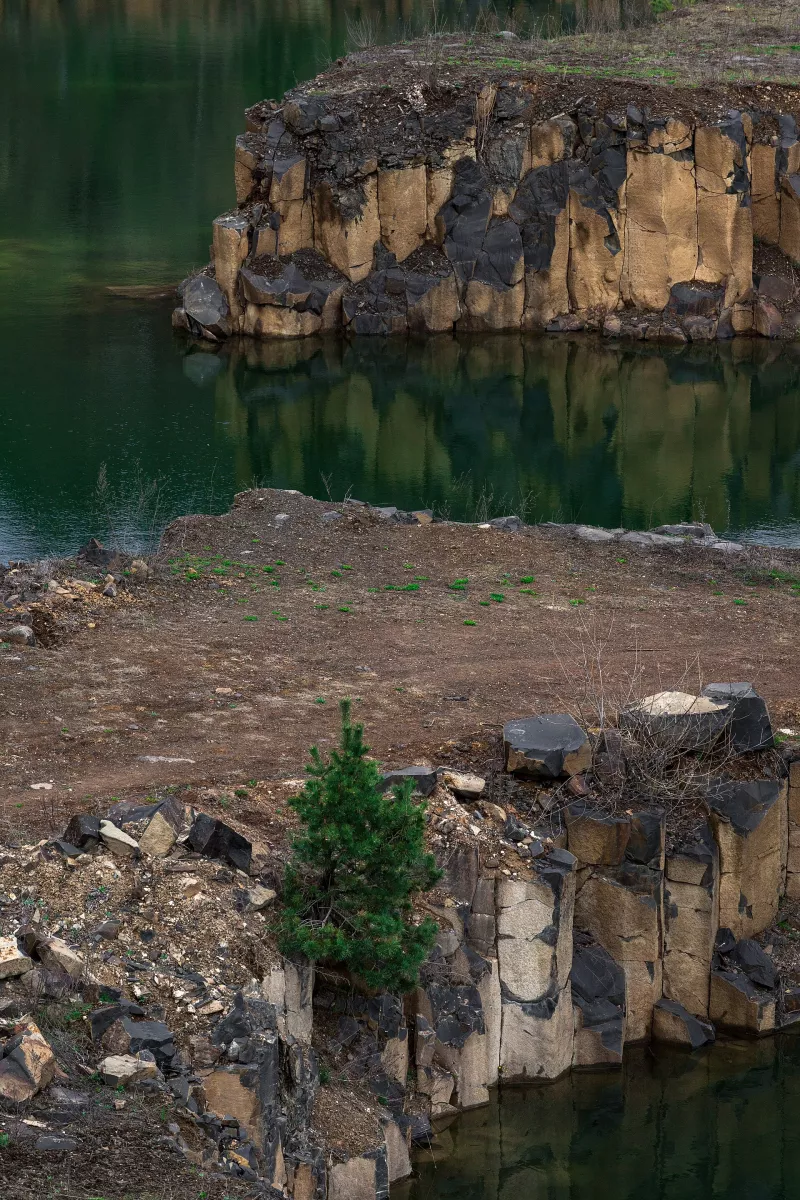
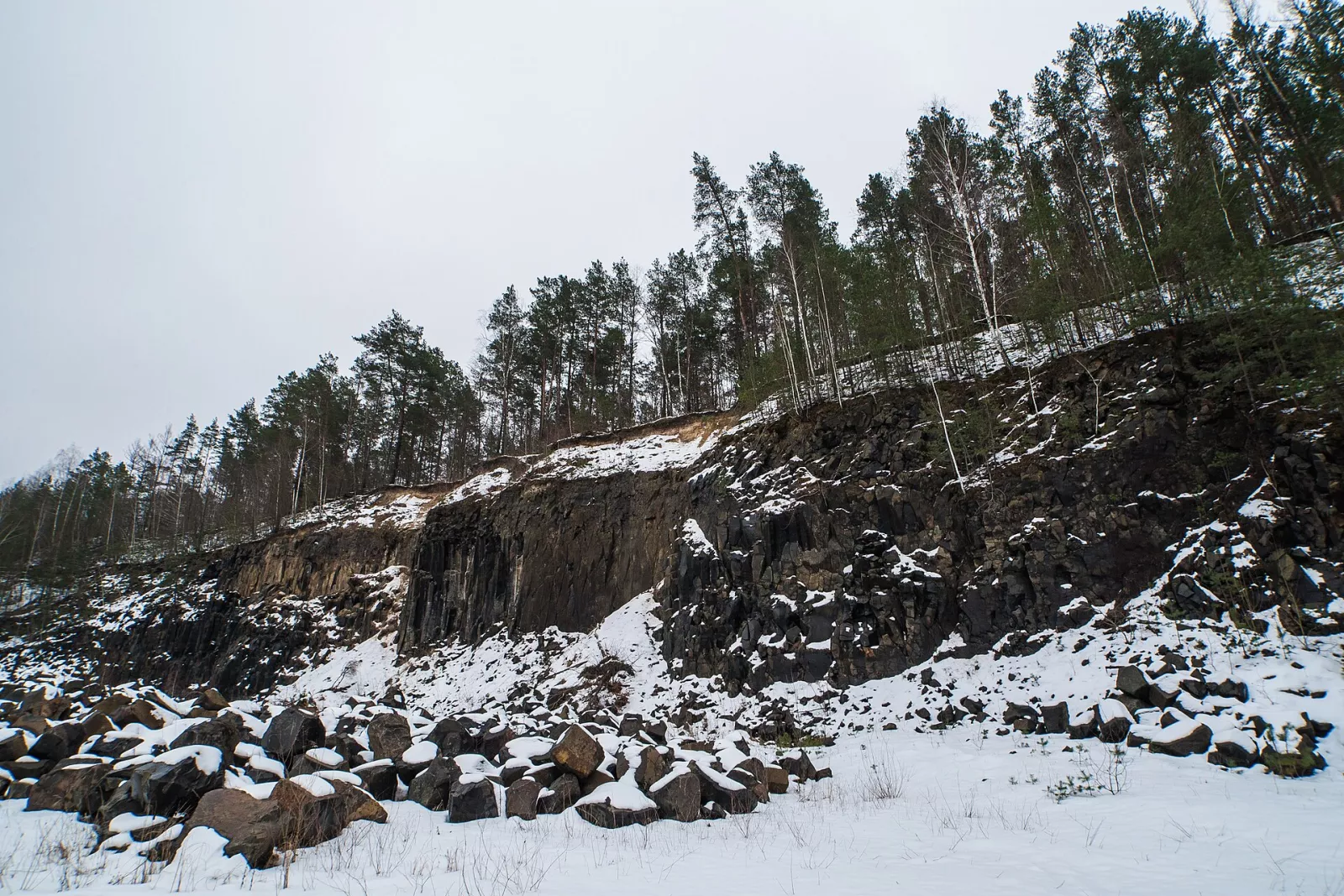
Near the villages of Bazaltove, Berestovets, and Novyi Berestovets in Rivne Raion, dense rows of black-gray columns stand above the water of flooded quarries. This is the solidified lava of ancient volcanoes: basalt that, as it cooled, cracked into pillars with four to seven faces, measuring from 0.6 to 1.2 meters thick and from three to thirty meters high. The natural monument Basalt Columns is considered one of the seven wonders of Ukraine.
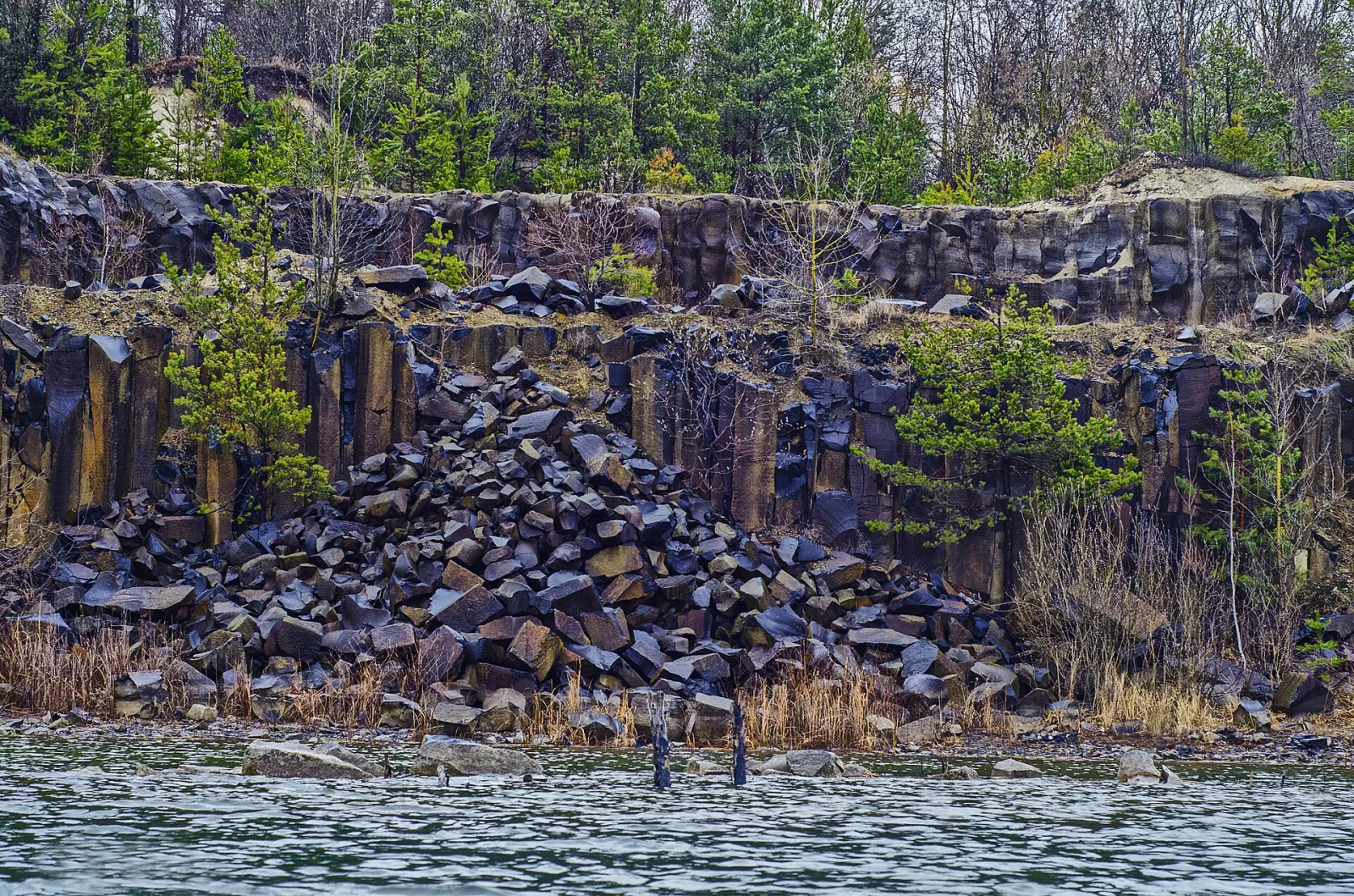
Basalt mining here began as early as 1861. The village of Bazaltove was once called Yanova Dolyna, and this name is still used for the Ivano-Dolynske deposit with an active quarry. In the 1930s, a model workers’ settlement with straight avenues through the forest, a school, a clinic, and a stadium was built near the quarries — it was burned down in 1943 and has never been revived since. Agates and amethysts are found in the basalts.
You can approach the columns via the flooded old quarries; entering the active quarry is prohibited, and caution is advised near cliffs and deep water.
Granite
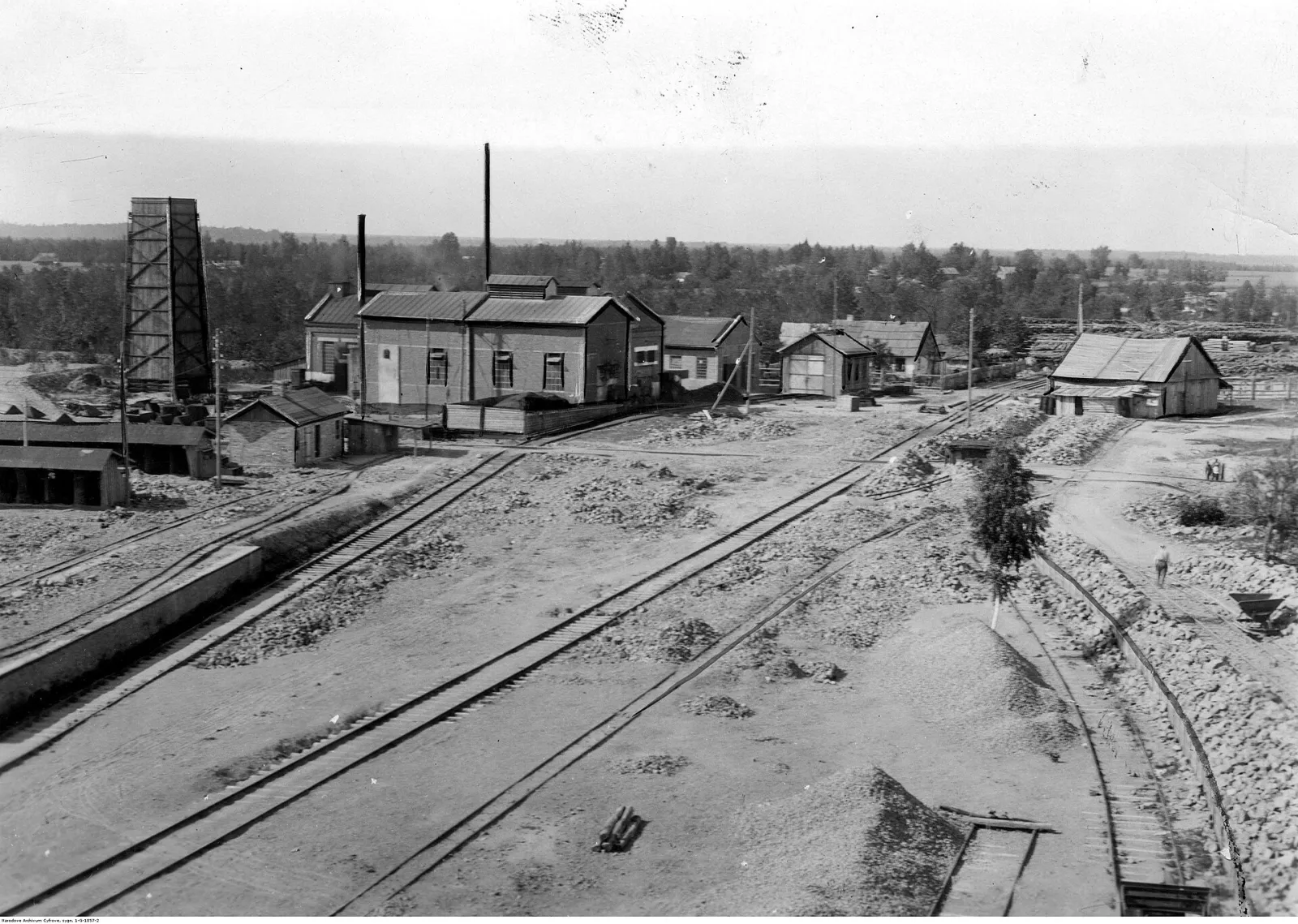
In the northeast of the region, near Klesiv and Tomashhorod, the crystalline basement comes very close to the surface. Klesiv grew at the beginning of the 20th century near the railway station and granite quarries: between the world wars, the quarries operated at full capacity, and granite was transported to the railway tracks in wagons. The neighboring Tomashhorod also developed around quarries that are still in operation. Old flooded quarries near these settlements are gradually becoming local “lakes” among the pines.
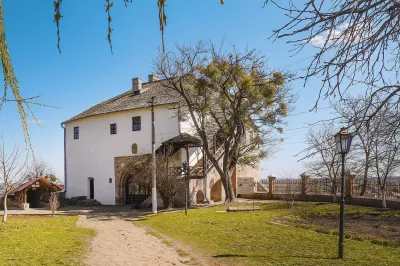
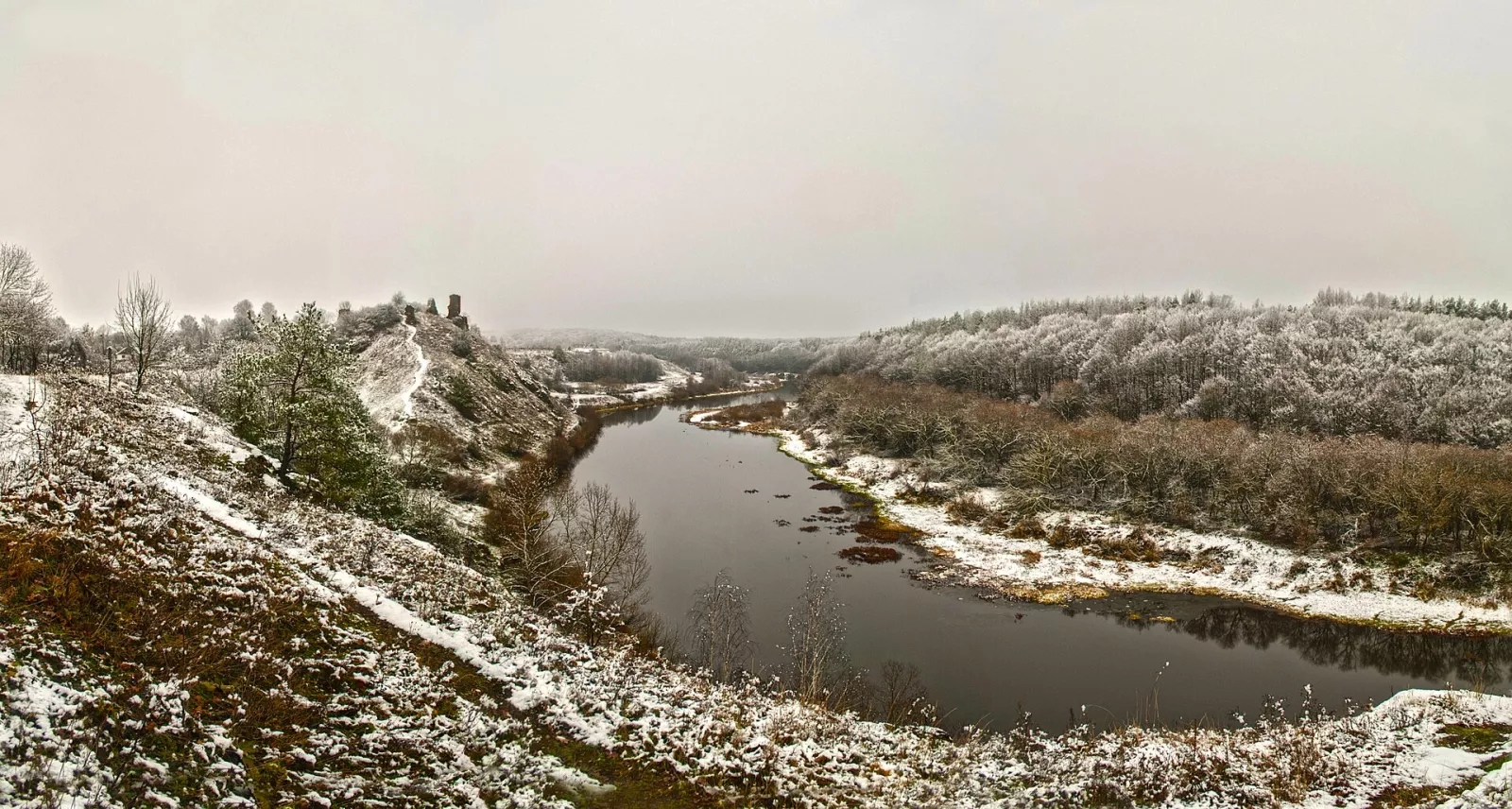
Granite looks even more impressive along the Sluch. Between Hubkiv, Bilchaky, and Marynyn, the river cuts through granites and gneisses about two billion years old, forming cliffs, rapids, and escarpments of the Sokolini Hory nature reserve. Nearby is the geological reserve “Marynynsko-Ustyansky Granites” protecting outcrops of gray, pink, and red granites and pegmatites, and on the summit of the granite Knyaz-Hora stand the ruins of the Hubkiv Fortress.
Amber
Rivne amber formed about forty million years ago, in the Eocene, from the resin of ancient forests. In composition, it is almost indistinguishable from Baltic amber, but craftsmen note its greenish tint and say it is easier to work with. The most famous deposits are Klesivske and Dubrovytske. Humans used Polissia amber as far back as the Stone Age: archaeologists find jewelry and amulets made from it.
For science, Rivne amber is a real treasure: it has trapped spiders, scorpions, mites, flies, wasps, and over sixty species of ants have been described. The scientific collection of such inclusions is gathered by the Schmalhausen Institute of Zoology in Kyiv.
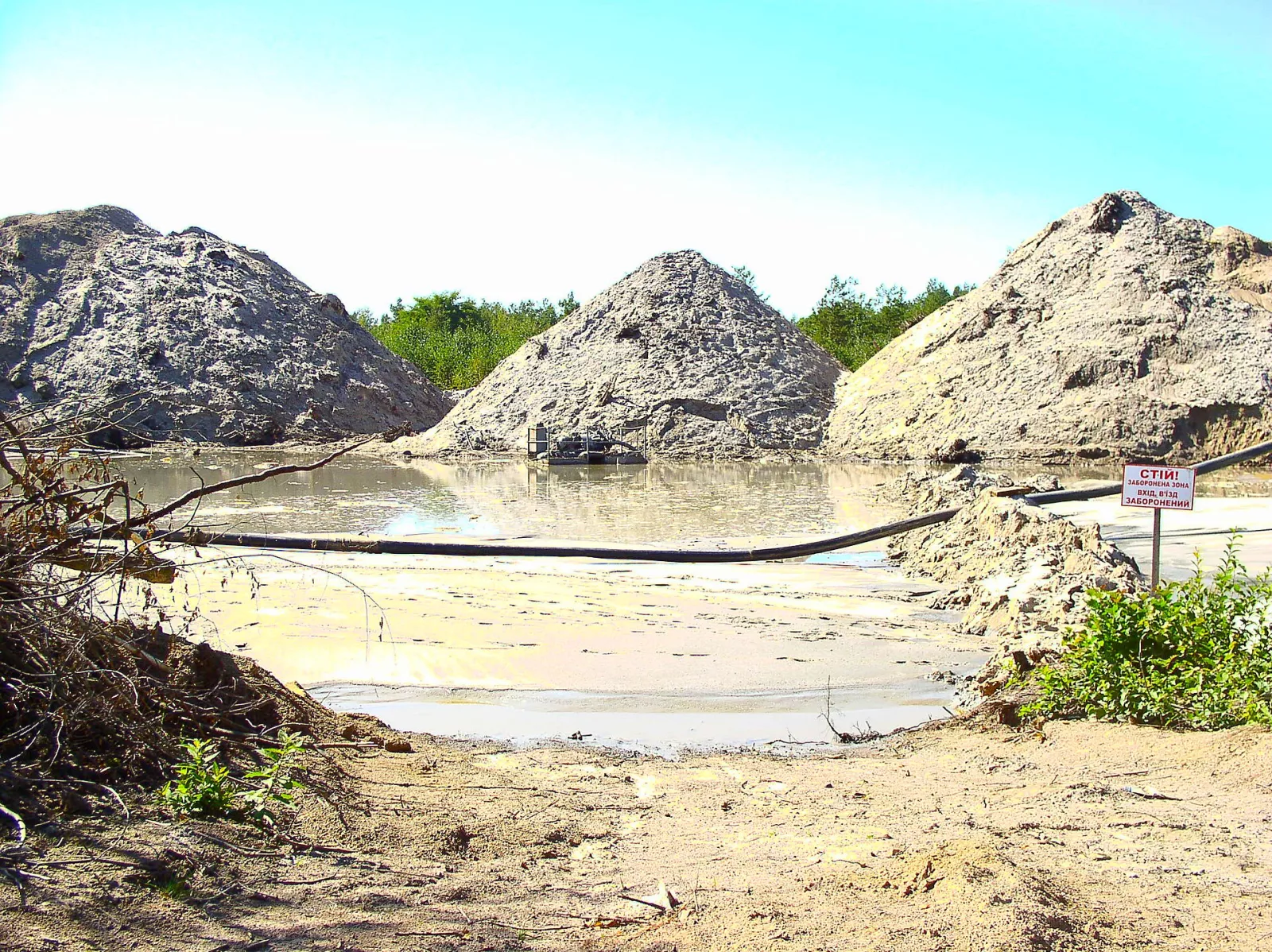
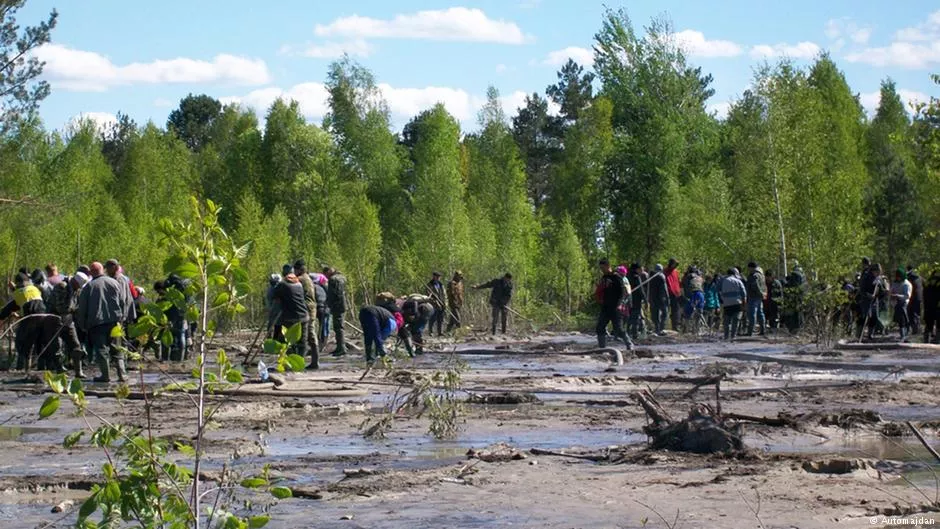
Industrial extraction was carried out by the state enterprise "Amber of Ukraine," founded in 1993. But since the mid-2010s, illegal mining has spread in the northern part of the region: forests have been dug up by illegal miners, soil washed away by water, and part of the area has turned into an environmental disaster zone. The mining pits are dangerous—pits, collapses, flooded holes—so it is best not to enter these places, and amber products are better bought only from legal craftsmen and stores.
Amber Museum in Rivne
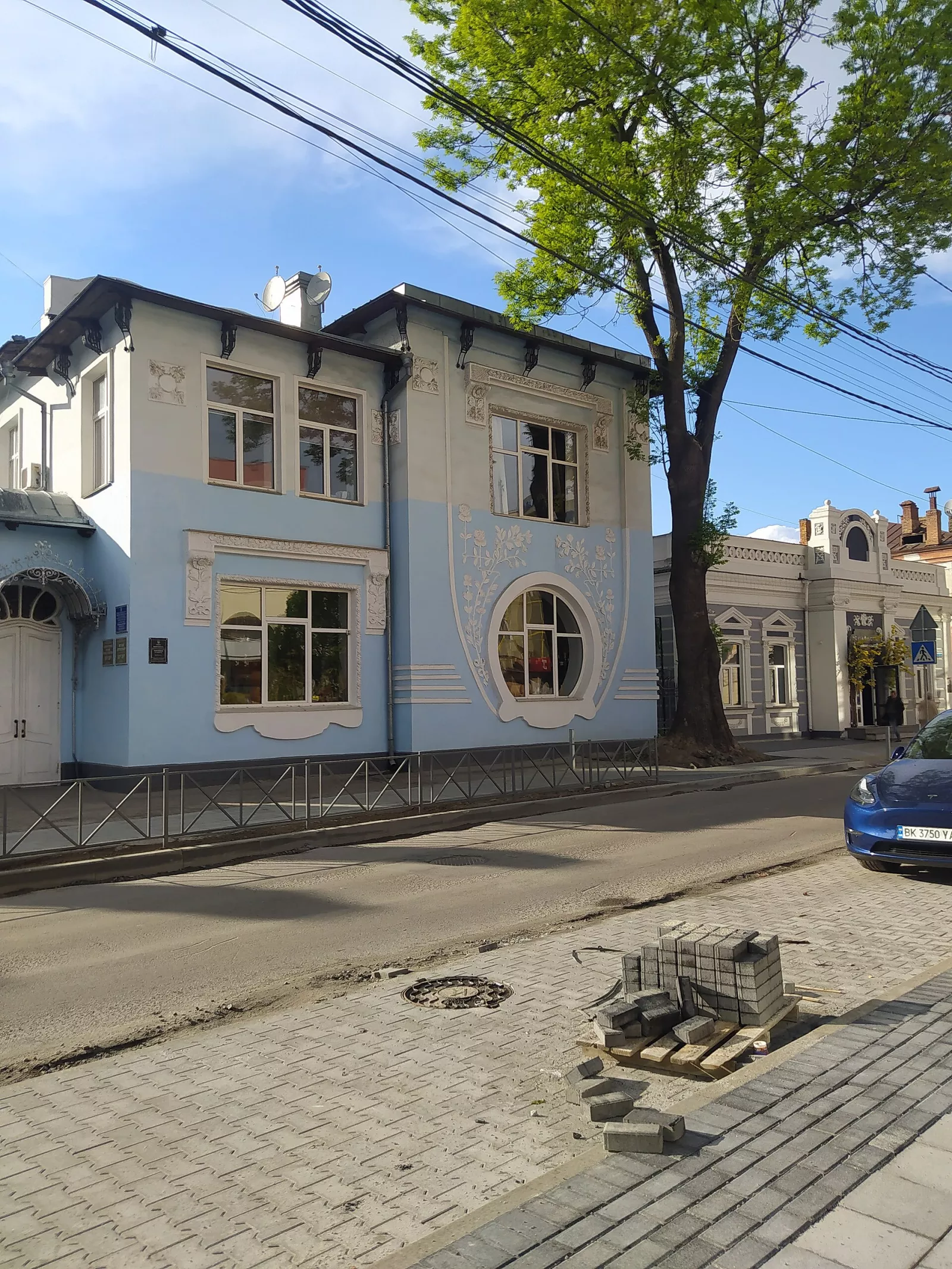
The best samples are easiest to see in the regional center. The Amber Museum was opened in 2010 on the basis of the Rivne amber factory; it is now a department of the regional local history museum on Symon Petliura Street. Here they display pieces of amber up to forty million years old, stones with insects inside, jewelry, and the Amber Crown of Ukraine. Check the museum’s website for opening hours.
Sand for Glass
A separate "stone" story is quartz sands. In Rokytne in 1888, Belgian glassmaker Rosenberg bought a plot of sand suitable for glassmaking and opened a small glassworks. Later, a large glass factory grew here, and the workers’ settlement became the community center. Glass was made from Rokytne sand for over a century.
Route through Stone Places
- Rivne — Bazaltove: Amber Museum in the city, then north — Basalt Columns; on the way — Kostopil.
- Sarny region: Klesiv with quarries and dendropark, Tomashhorod, Rokytne.
- Sluch: Hubkiv, Falcon Mountains and granites near Marynyn.
The northern part of the region borders Belarus, so before traveling to Rokytnivshchyna and Sarny region, check the State Border Guard Service announcements about restrictions in border communities. More about the area in the articles Rivne Polissia: where to go and what to see and Rivnenshchyna — is it Polissia or Volyn.