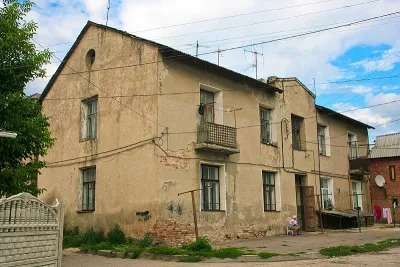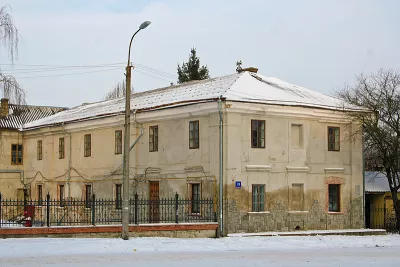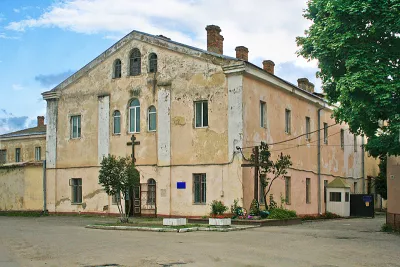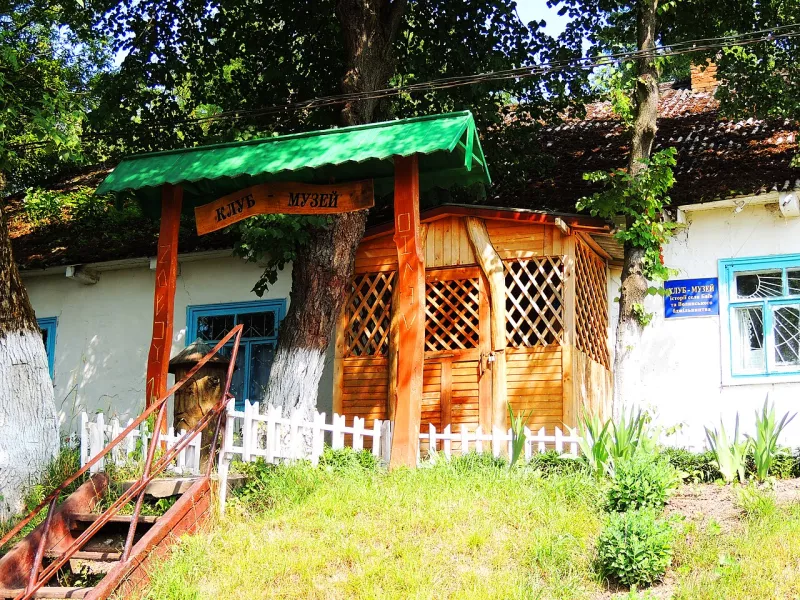
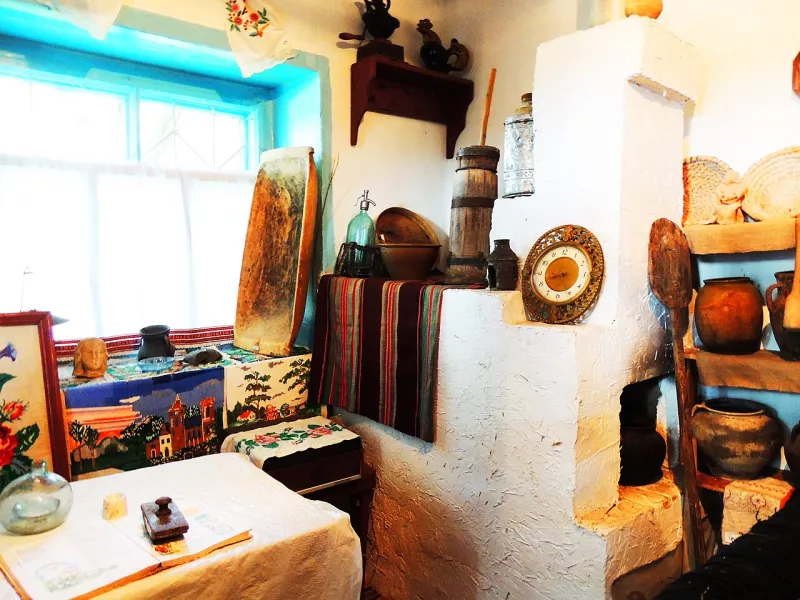

In Baiv near Lutsk, there is a beekeeping museum. It was founded in 2010 by the brotherhood of beekeepers of the Volyn Land "Roivyi Stan" in the village club, which was built immediately after the Second World War on a hill near the church. The club-museum of the history of the village of Baiv and Volyn beekeeping was opened in 2012.
Hives and Exhibition
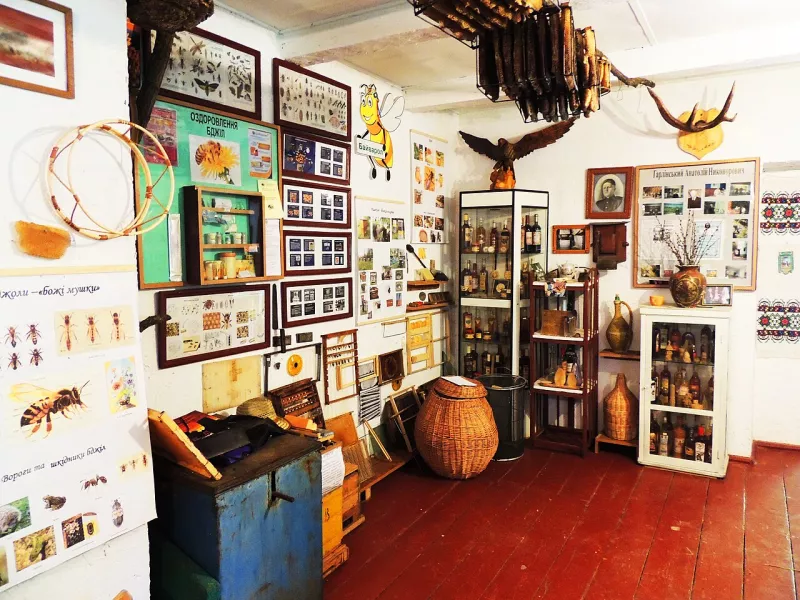
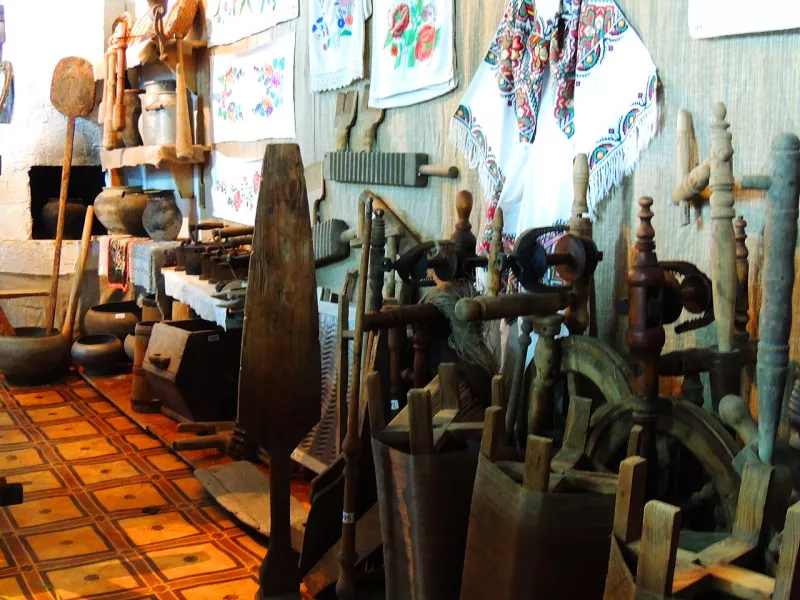
The collection includes over 2,500 items: household objects of Baiv villagers and beekeeping equipment. Around the building stand nearly a hundred hives brought from various parts of Volyn — wooden, clay, hollow trunks, borts, log hives, and frame hives. The oldest hive was brought from Kolodiazhne in Kovel district and is over two hundred years old. Some of the hives are inhabited by bees, and in a glass observation hive, you can see how a bee family works. The museum has samples of wax, honey ointments and balms, and several dozen varieties of honey, including buckwheat, acacia, and linden. In 2015, a monument to the bee was installed near the entrance — the first in Volyn.
Baiv Beekeepers
The museum runs a club for schoolchildren: children assemble frames, learn to open hives, feed bees, harvest honey and wax, and breed queens. In 2020, there were 25 beekeepers in Baiv. Over three decades, honey harvests here have noticeably declined: once one hive produced up to 50 liters of honey, now about ten.
The beekeeping season at the museum opens at the end of March, on Tepliy Oleksa, with the holiday "Palette of Baiv Beekeepers." On this day, ancestors would bring hives out of winter quarters and release bees for the first nectar flow, and Volyn beekeepers have been jointly celebrating it as the first ritual holiday of the year for over ten years. After the ritual, guests are taken to inspect the hives and old beekeeping tools.
Photo: Artur Alyoshyn / Wikimedia Commons.