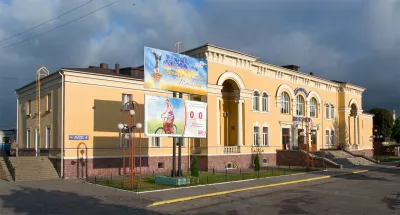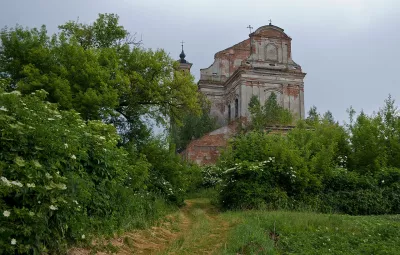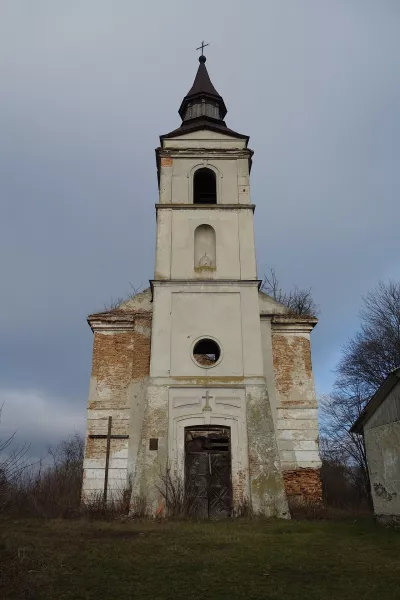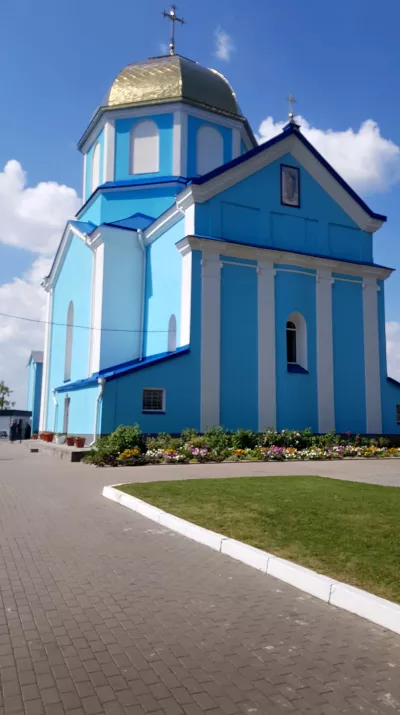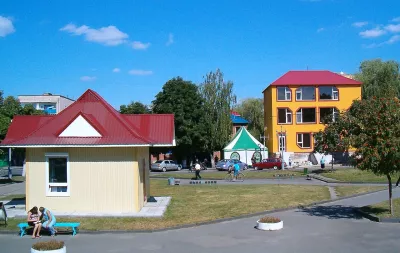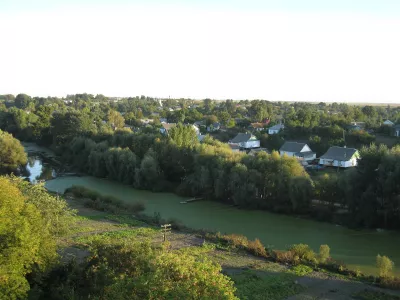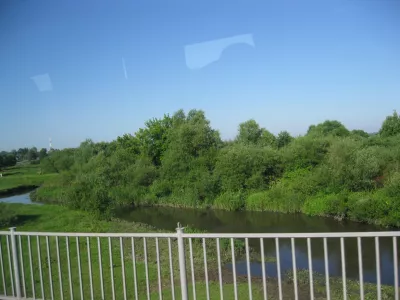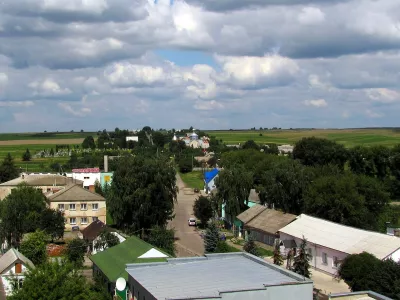
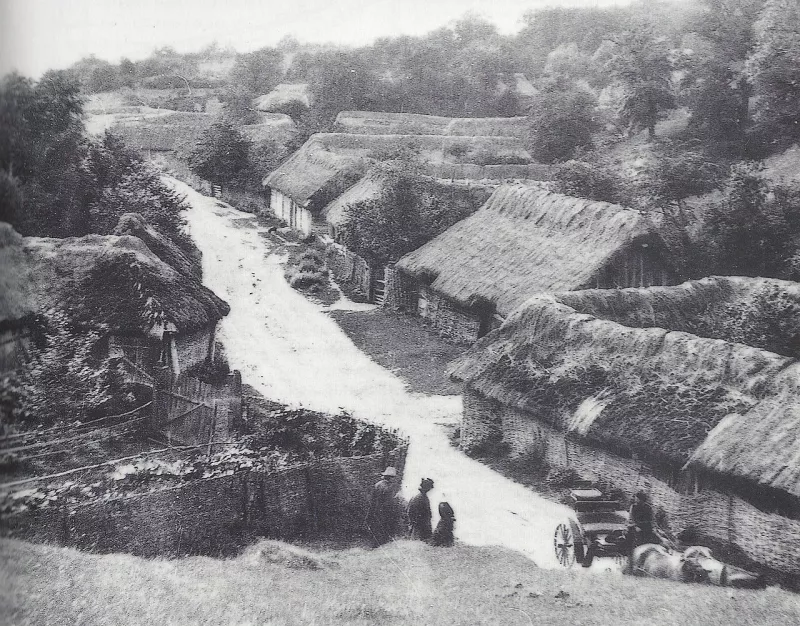
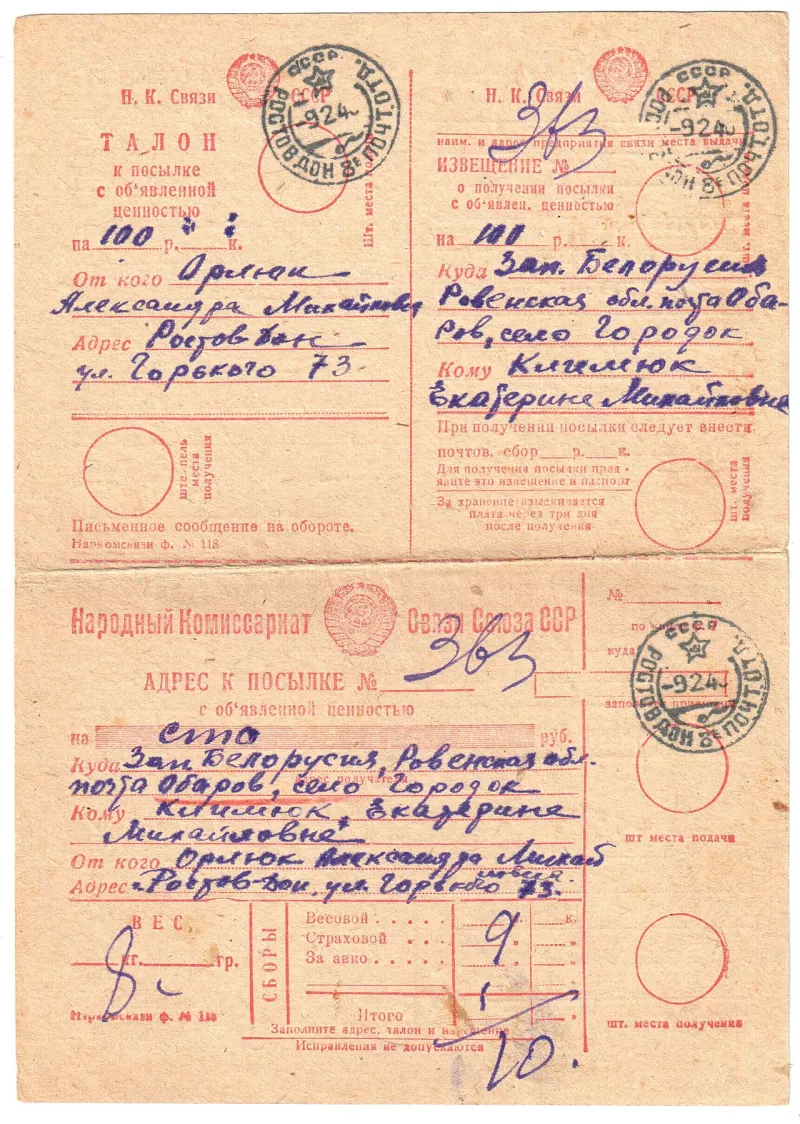
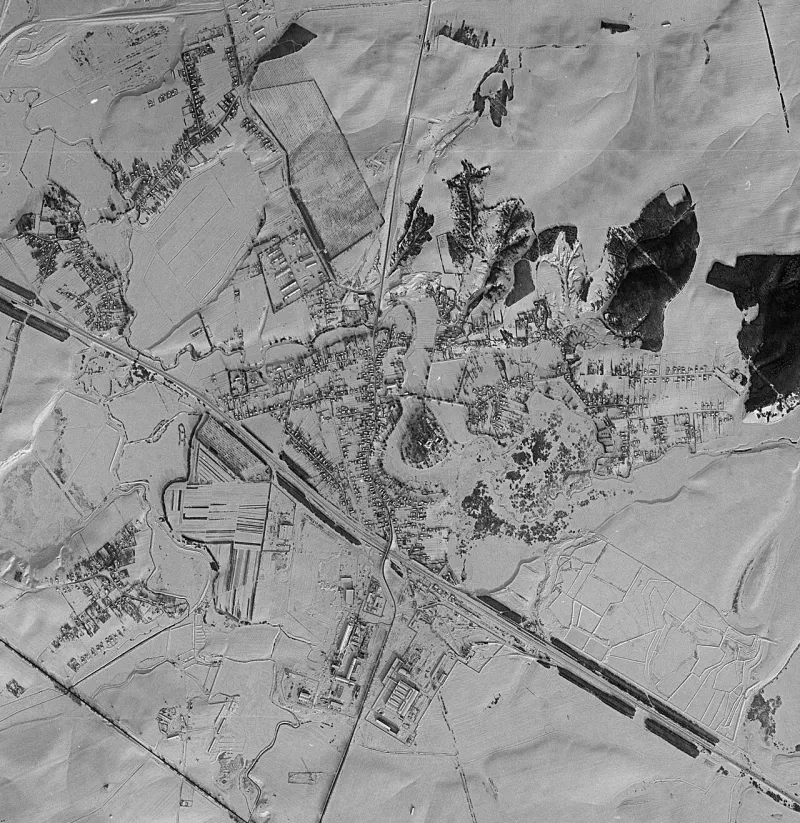
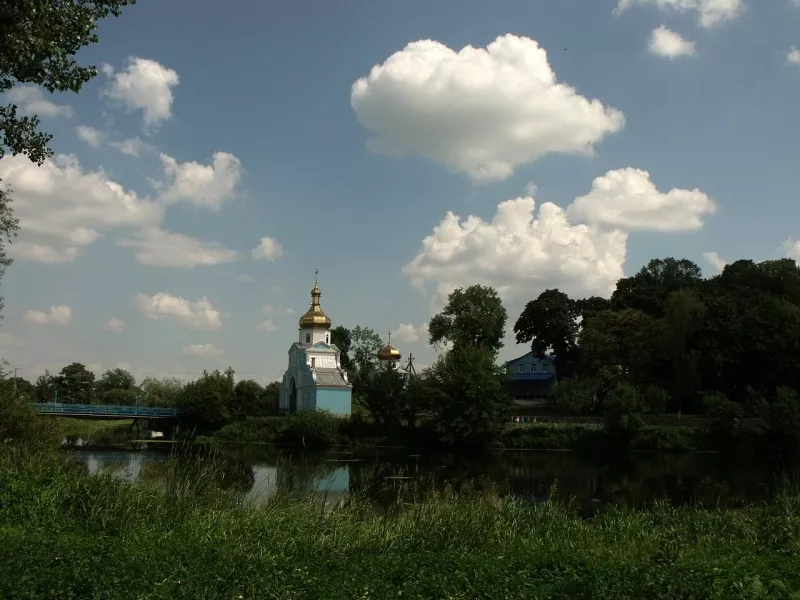
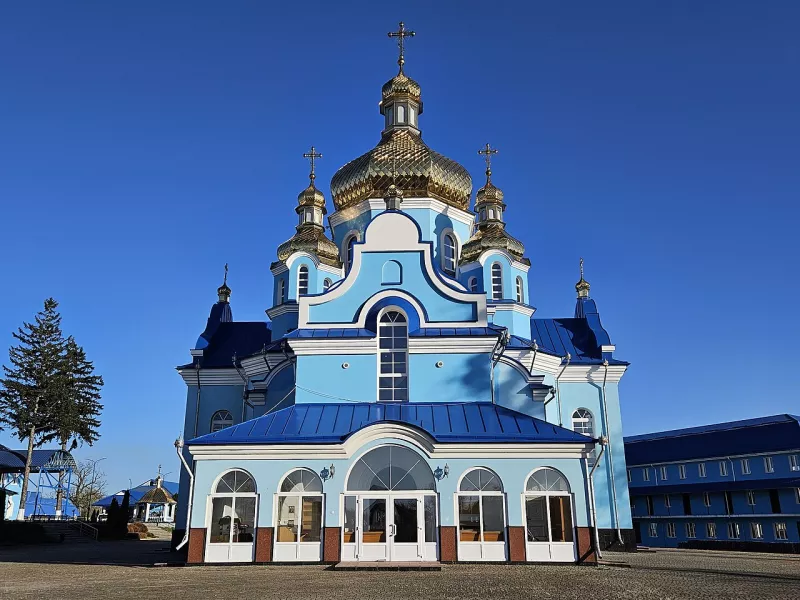
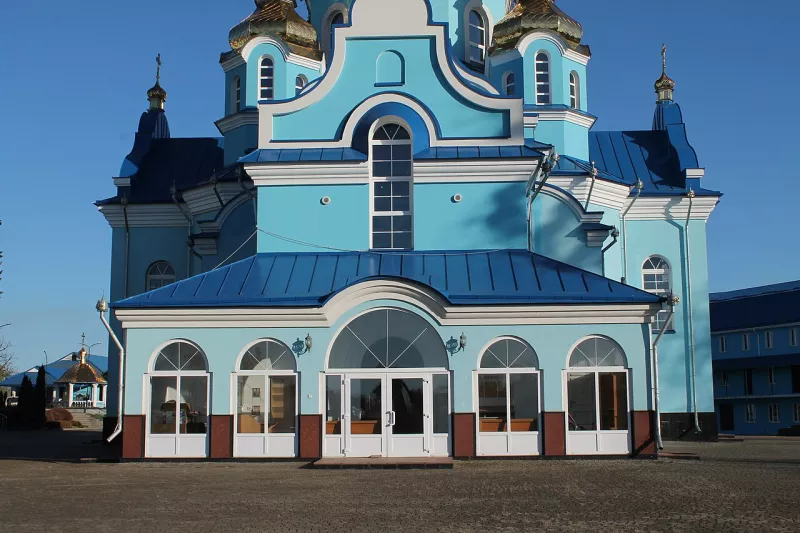

Horodok is a large village a few kilometres west of Rivne, and the centre of the Horodok hromada. Over 2,700 people live here. Horodok is famous for its women's monastery on an island amid ponds, its old park, and the Vyshneva Hora nature reserve, which becomes covered with a carpet of primroses in spring. Moreover, over a hundred years ago here, the archaeologist Mykola Biliashivskyi created one of the first local history museums of Volyn.
From the Bronze Age to the Zbarazkyi Princes
Archaeologists have excavated ten Bronze Age dwellings in Horodok, pits where flint was mined, and workshops for its processing. An archaeological culture — the Horodok-Zdolbuniv culture — was even named after these finds. The first written mention of Horodok dates to 9 July 1463: upon the division of property among the sons of Prince Vasyl Zbarazkyi, the village went to Prince Soltan. At that time, a castle built on an island stood here.
The Lavra Monastery
In 1516, Princess Anastasiia Holshanska donated Horodok to the Kyiv-Pechersk Lavra. A monastery, a branch of the Lavra, was founded here, and from the 16th century Horodok became the residence of bishops, metropolitans, and archimandrites. The lands of the monastery were disputed with the nobility for decades: in 1634, Lavra archimandrite Petro Mohyla complained to the court that the Chaplychs had seized church lands.
In 1730, Horodok was taken over by Greek Catholic Metropolitan Anastasii Sheptytskyi. Under him, in 1740, a church was built, and in 1772, a wooden gate-bell tower, which has survived to this day. In 1794, the monastery was liquidated, and Catherine II presented the estate to the Hungarian emigrant Count Esterházy.
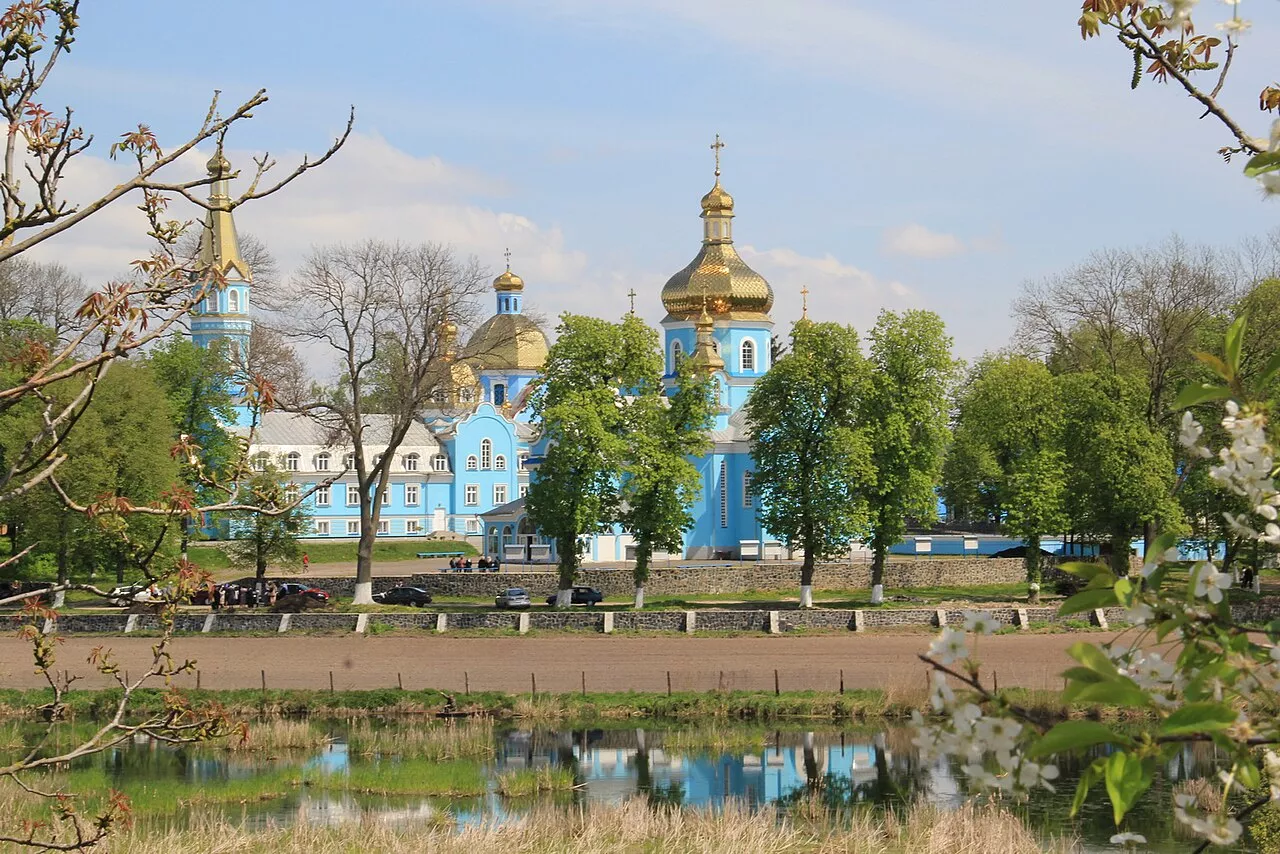
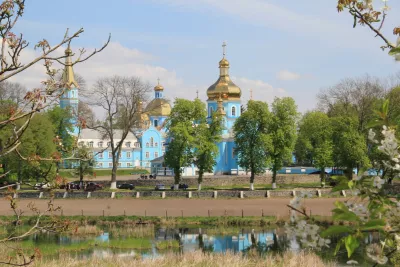
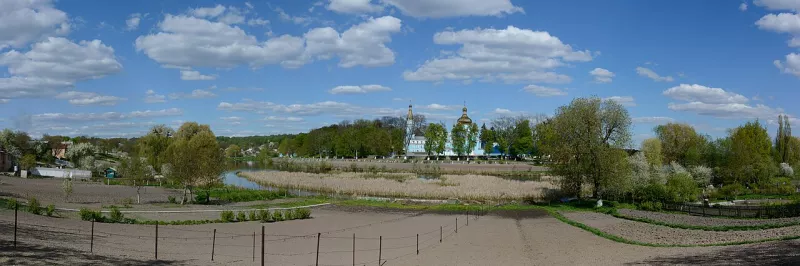
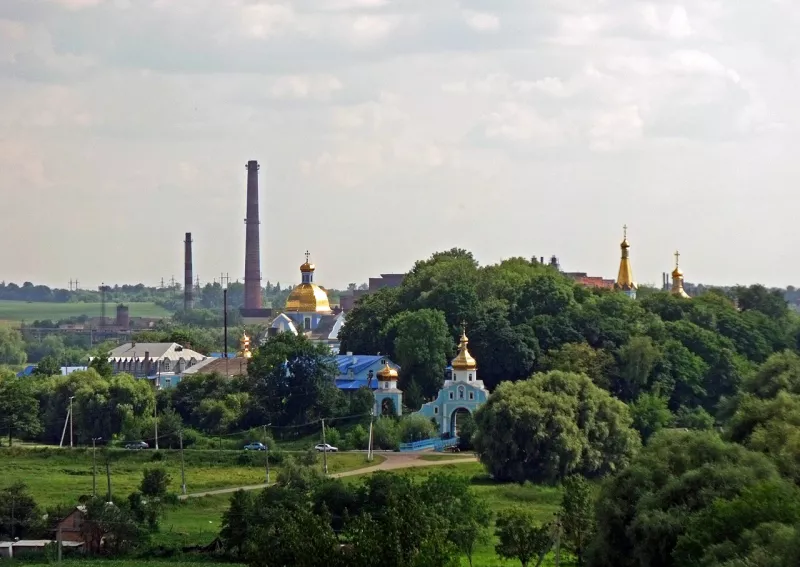
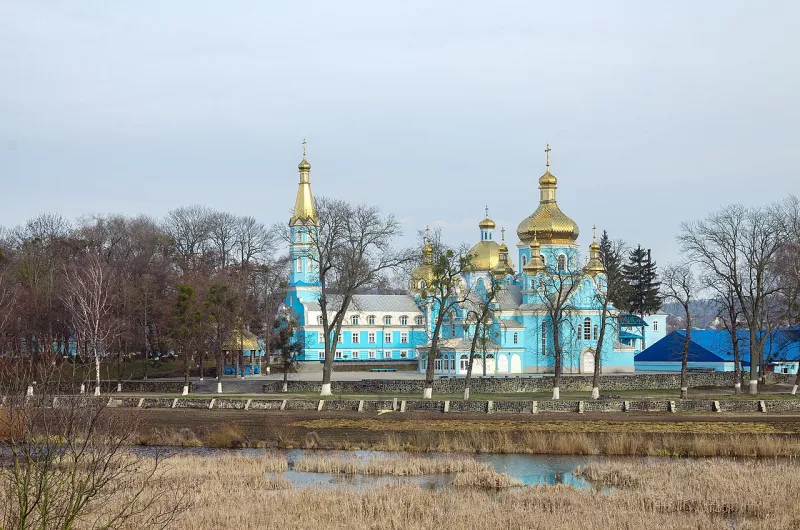
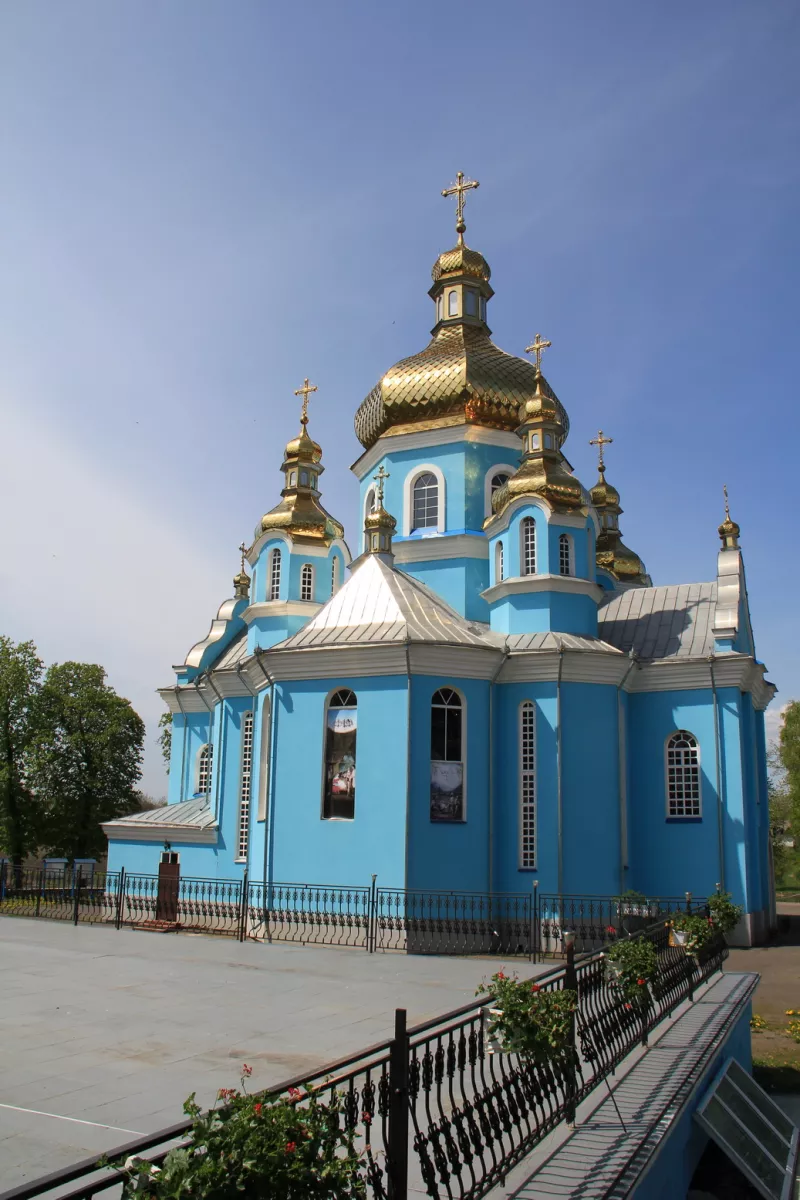
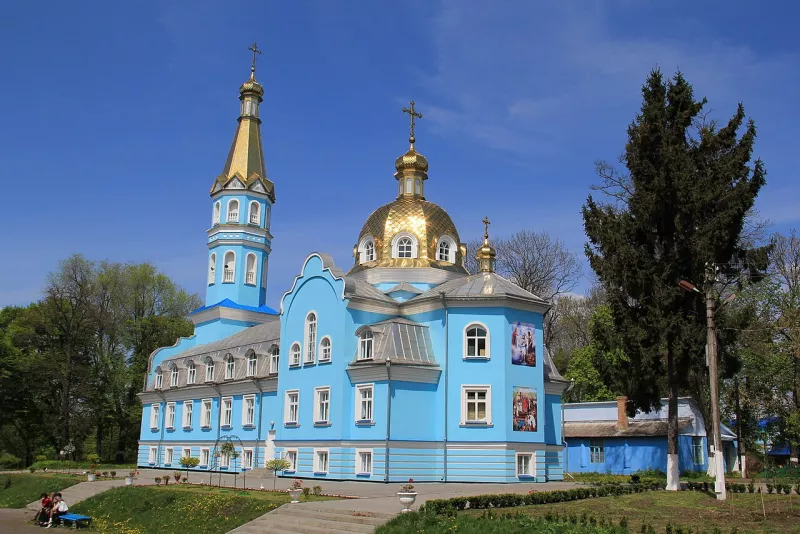
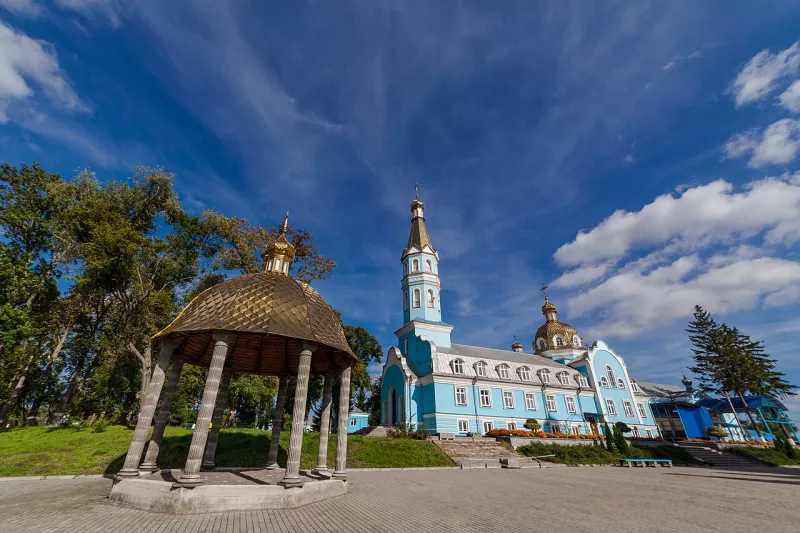
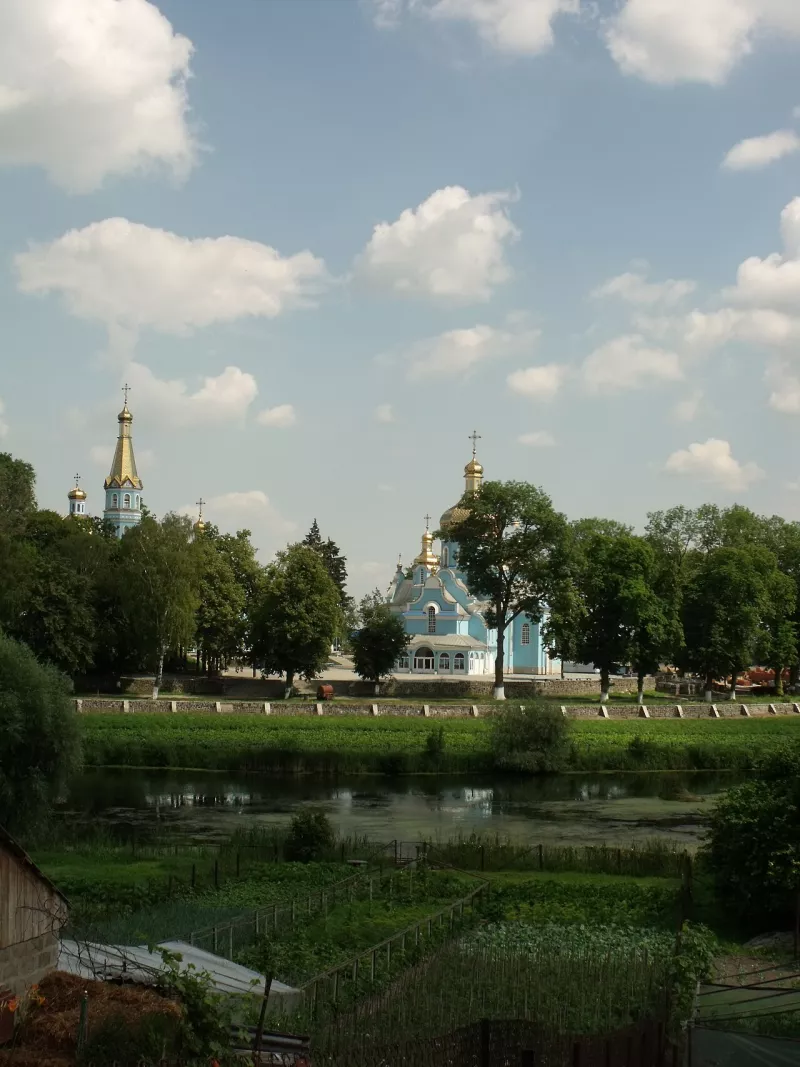
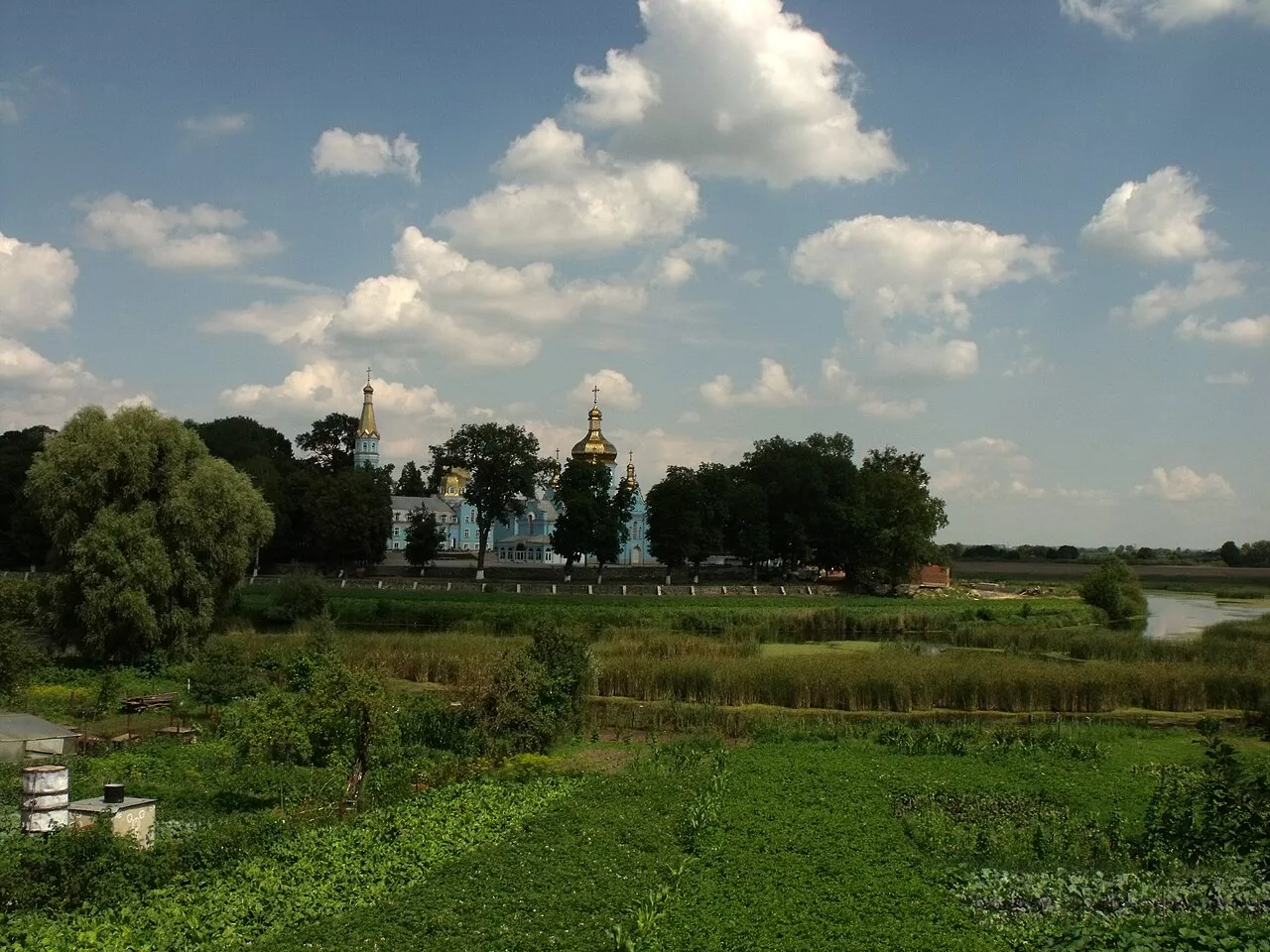
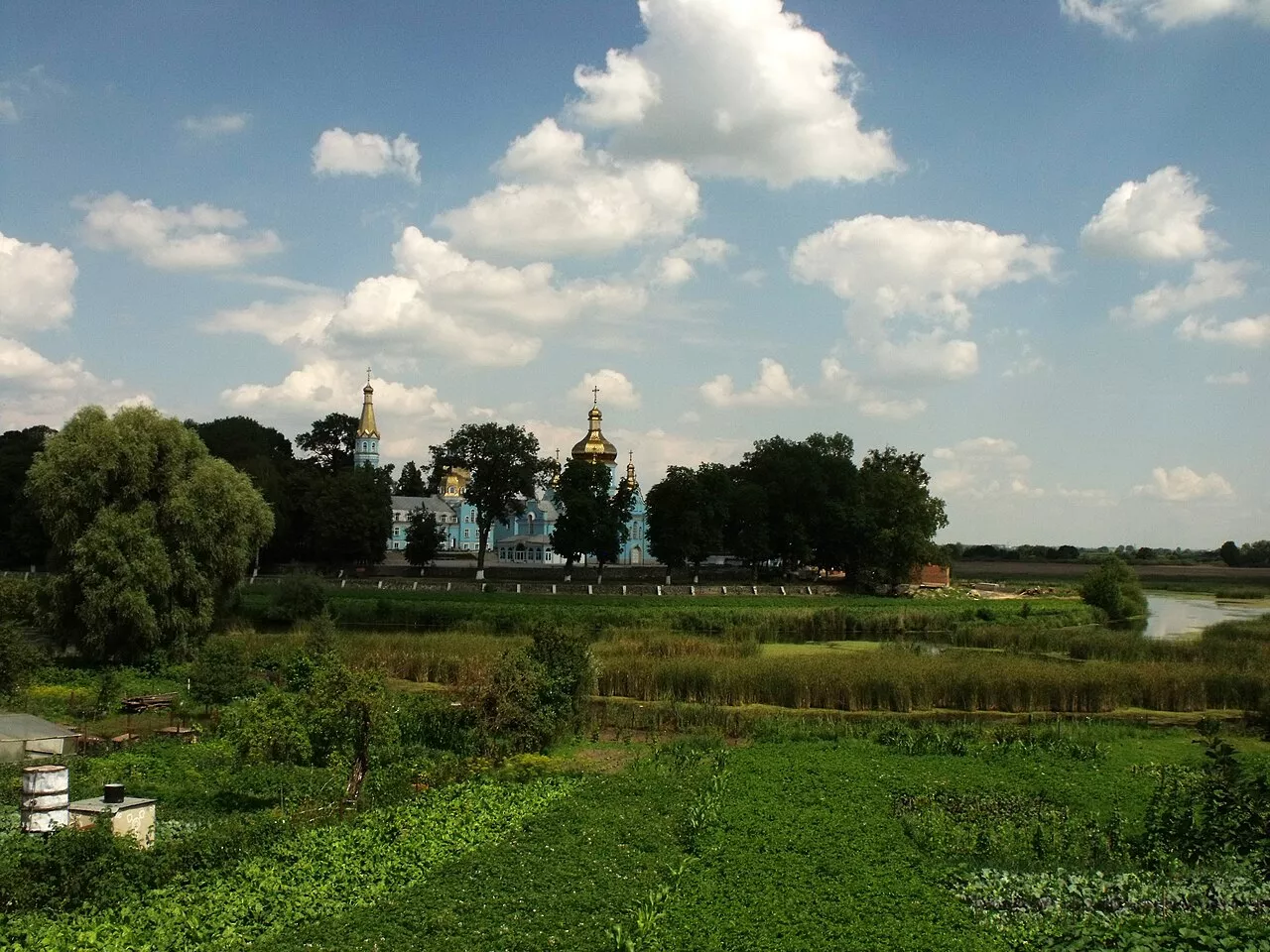
Today, the St. Nicholas Women's Monastery with the churches of the Nativity of Christ and the Praise of the Mother of God operates in Horodok. It stands on an island amidst the water, and the view of it from the shore is one of the most beautiful in the Rivne region. Read more in the article St. Nicholas Horodok Women's Monastery.
Biliashivskyi's Museum
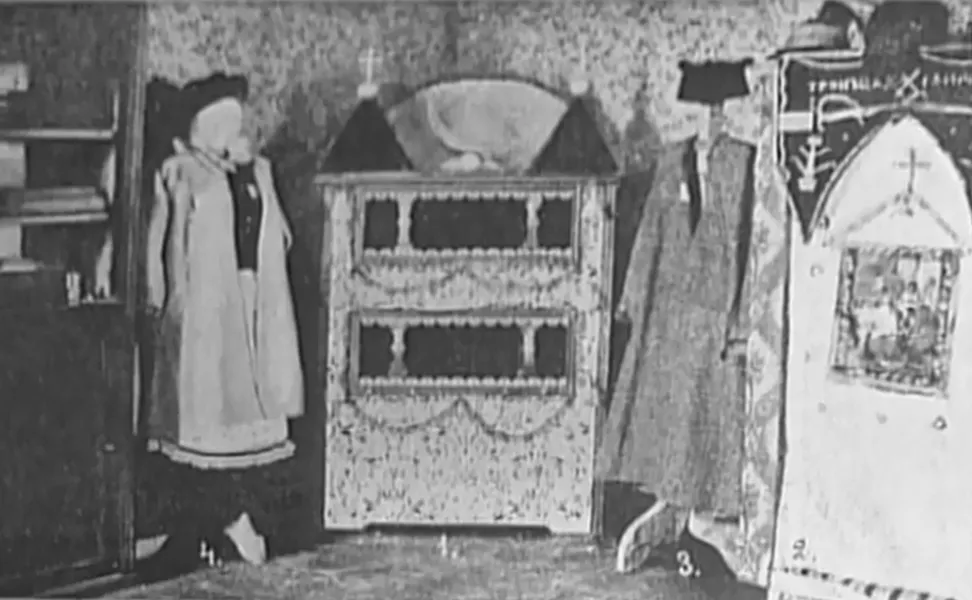
So many antiquities were found in Horodok that in 1896 the archaeologist and ethnographer Mykola Biliashivskyi created a museum here. It had natural history, geographical, anthropological, archaeological, and ethnographic departments, and attached to the museum was a library with manuscripts and ancient books. Part of the exhibits of the Horodok Museum is now kept in the Rivne Regional Museum of Local History.
Vyshneva Hora and the Island
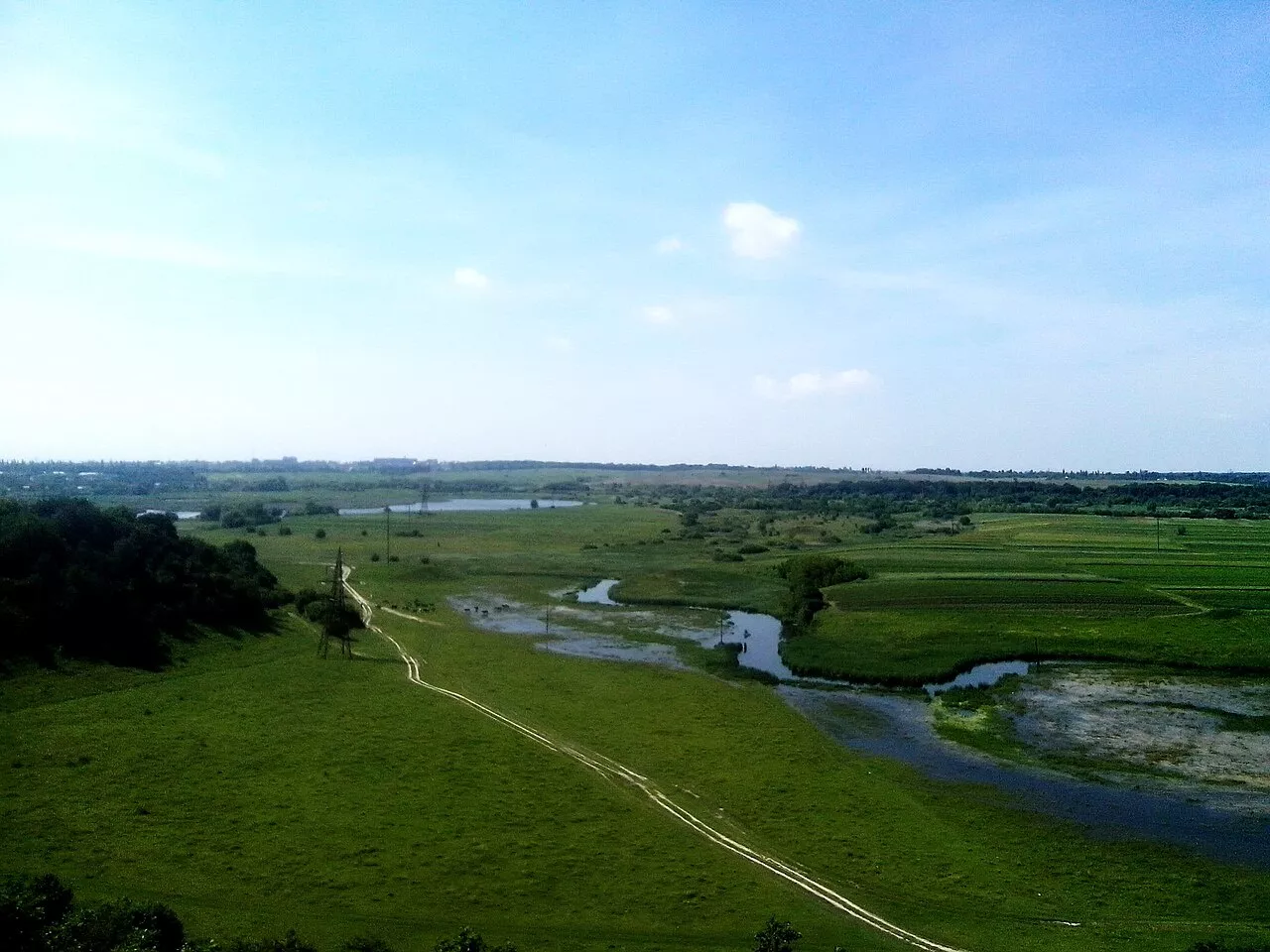
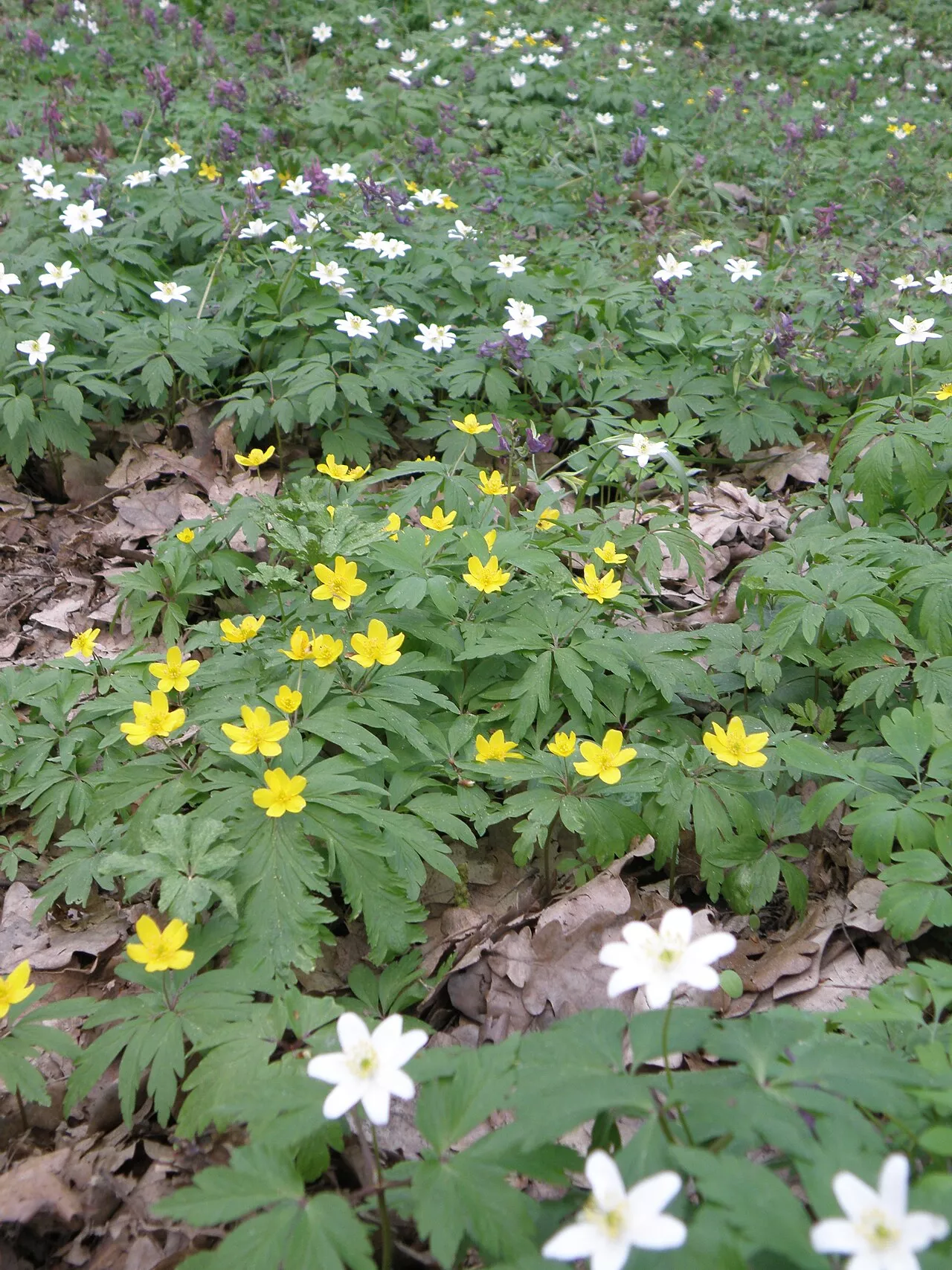
Next to the village is the Vyshneva Hora reserve: a hill with forest and glades, offering a wide view of the surroundings. In early spring, the slopes are covered with bird-in-a-bush and other primroses. And the island in Horodok is a natural landmark, part of an old architectural and park complex with alleys and bodies of water.
Horodok in Video
When to Go
The best time is in April, when the primroses bloom on Vyshneva Hora, or in summer, when the park around the monastery is green.
Nearby
Rivne is a 15-minute drive away, and Kvasyliv is to the south. Find more in the article Rivne Raion.
How to Get There
City and suburban marshrutkas run from Rivne to Horodok. By car, it takes about 15 minutes.