
Kochubei Park is located in the centre of the village of Dubovychi in the Krolevets region of Sumy Oblast. It is a local-importance landmark park of garden and landscape art covering an area of 22 hectares. It was established at the beginning of the 18th century around the estate of the Kochubei family.
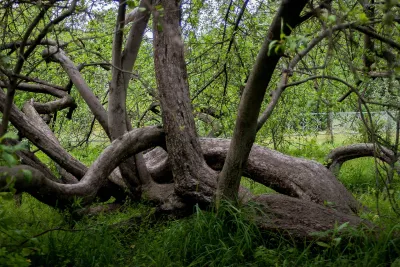
More than 30 species of trees and shrubs grow in the park. Among the oldest plantings are larches estimated to be around 200 years old. The area received protected status on 20 June 1972.
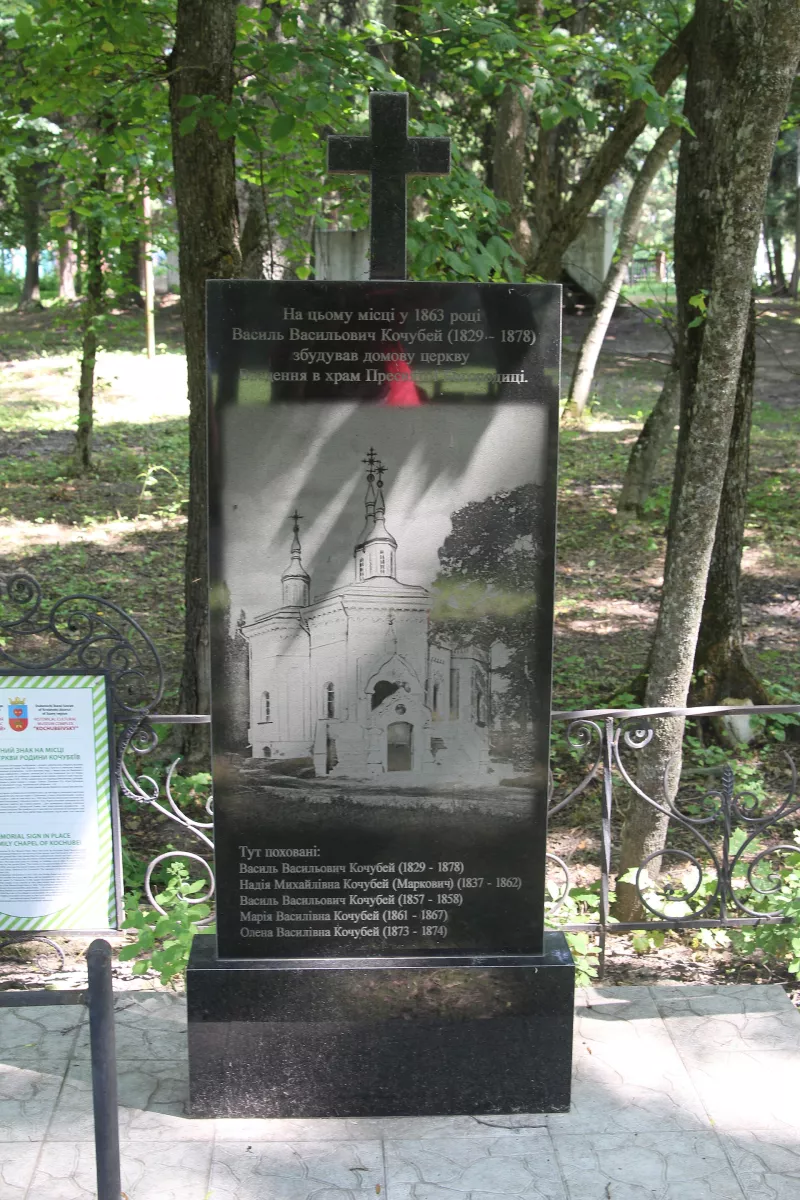
The history of the park is inextricably linked with the Kochubei family, who owned Dubovychi for over two centuries. A few structures and the family burial site have survived from the former estate.
Over Two Centuries of the Kochubeis in Dubovychi
At the end of 1689, the land in Dubovychi on the Retyk River was purchased by Vasyl Leontiiovych Kochubei (1669–1708), General Judge and Chancellor of the Zaporozhian Host. From then on, the village and its economic development were linked to several generations of this Cossack officer lineage.
After the death of Vasyl Leontiiovych, the estate was inherited by his family. Dubovychi passed from one member of the family to another, and for several generations in a row, the owners included men named Vasyl Vasylovych Kochubei.
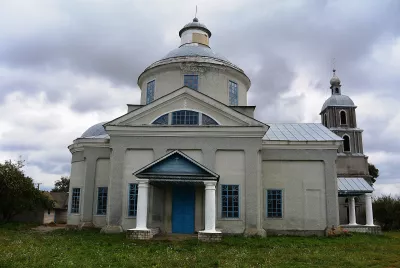
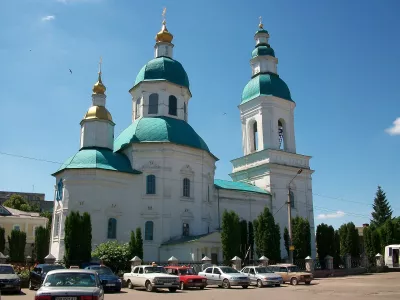
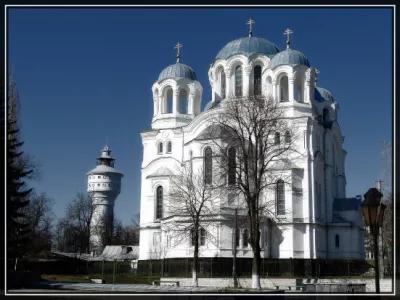
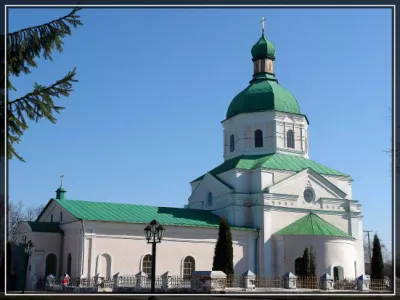
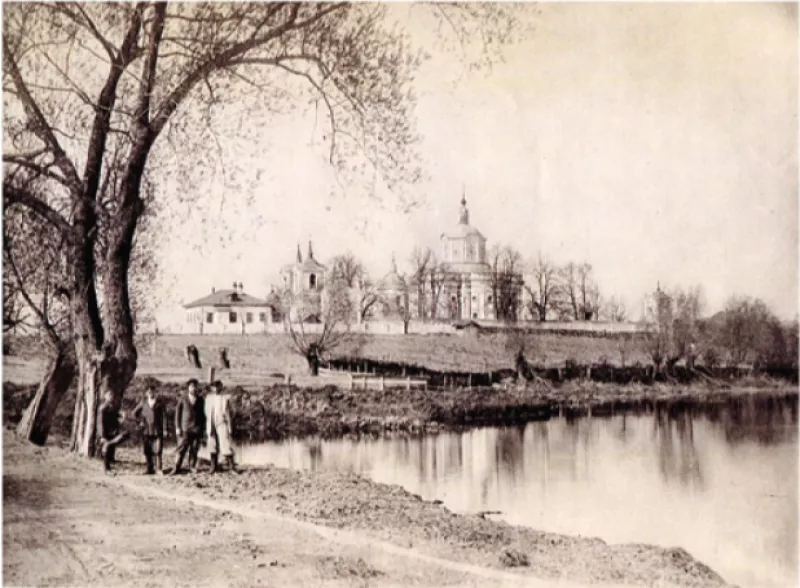
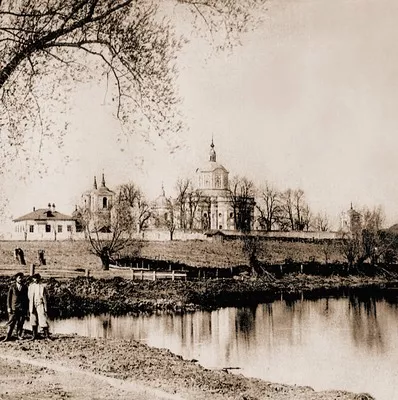
In 1777, with the support of Vasyl Vasylovych Kochubei (1750–1800), a stone Church of the Nativity of the Most Holy Mother of God was erected in the centre of the village on the site of an old wooden church. The building resembled a fortress. It was consecrated in 1783.
Valuable items donated by the Kochubei family were kept in the church. In particular, General Judge Vasyl Leontiiovych had presented silver church vessels to the local church back in the early 18th century. Some of these items later became part of museum collections.
The appearance of the stone church was preserved in an 1881 watercolour by M. Umanets. The church has not survived to this day.
A Sugar Refinery and a Paper Mill on the Retyk
In the first half of the 19th century, the Kochubei estate developed not only as an agricultural farm, but also as an industrial hub.
In the 1830s, a distillery and a bone-char mill operated on the outskirts of Dubovychi. In 1839, Vasyl Vasylovych Kochubei (1829–1878) built a direct-fire sugar refinery. Sugar beets grown on the estate were processed here.
The enterprise was quite large-scale for its time. In 1860–1861, the refinery produced up to 38 tonnes of granulated sugar. About 250 hired workers were employed. The plant also tested new technologies for refining beet syrup, including a method using stearic acid.
Near Dubovychi, in the sloboda of Retyk, a paper mill was active. It was built in 1842 by Demian Vasylovych Kochubei. The enterprise was equipped with machinery, steam engines, fans, and conveyors imported from England. Construction was managed by the English master craftsmen Jackson and Simer.
A workers' settlement with the necessary social infrastructure developed around the factory. Paper production became another important enterprise on the Kochubeis' estate on the Retyk.
The sugar refinery in Dubovychi operated until 1894. It was closed after steam-powered enterprises with newer equipment began to displace small direct-fire refineries.
How Dubovychi Became a Town
Dubovychi reached a period of special development under Vasyl Vasylovych Kochubei (1829–1878). He oversaw the estate's economy, education, and community life in the village.
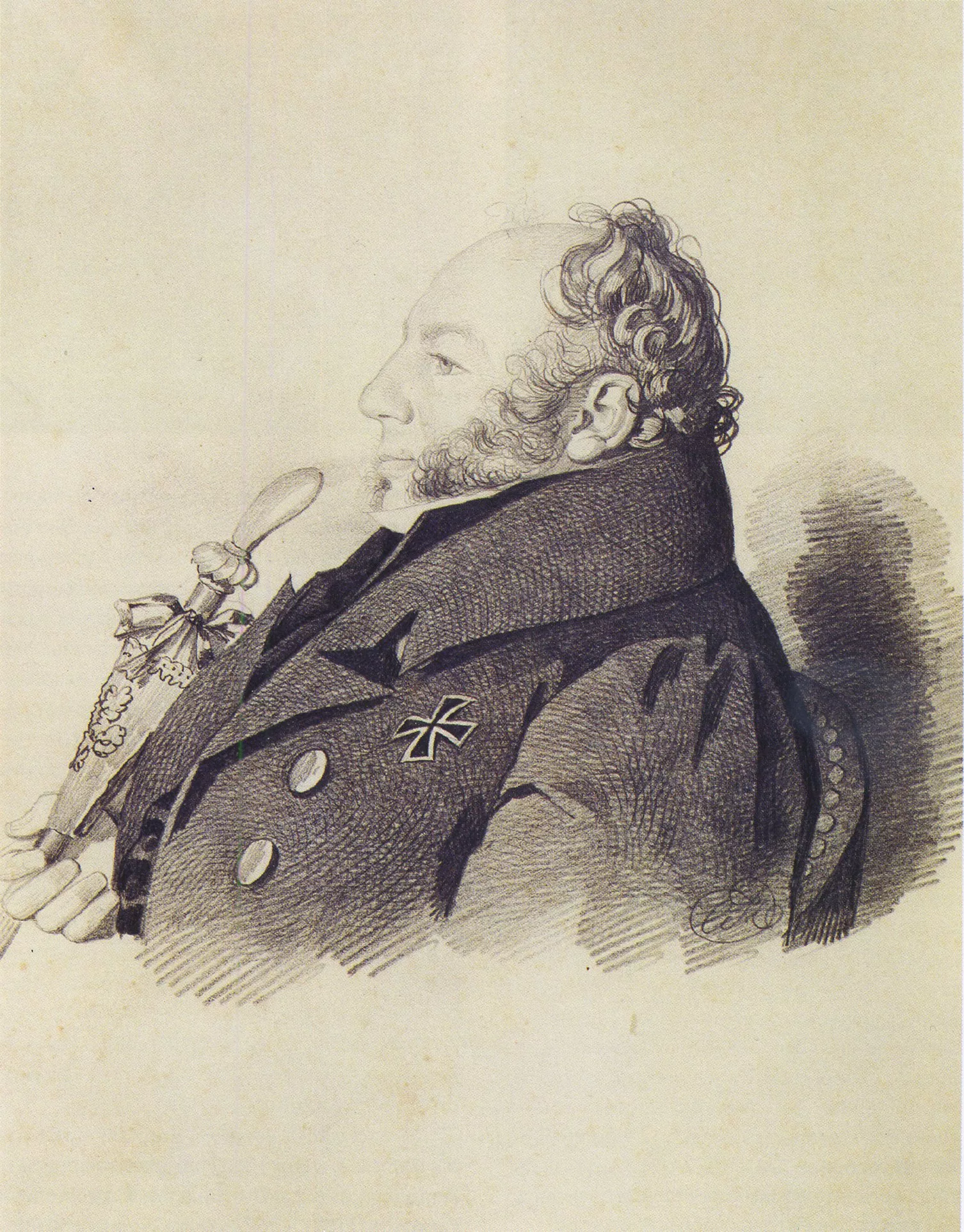
Author: Karl Karlovych Hampeln (1792(4) – after 1880), Public Domain,
In 1853, through his petition, Dubovychi was granted the status of a town. That same year, a public school for peasants' children was opened here, and two fairs were established. Earlier, in 1852, Kochubei had requested permission to allow trade so that local residents and inhabitants of surrounding villages could buy and sell essential goods.
In the mid-19th century, Dubovychi was an important center of the estate. Churches, a school, industrial enterprises, and fairs operated here. The estate covered the lands around the village and the hamlet of Retyk.
After the death of Vasyl Kochubei in 1878, the estates were managed by a board of trustees. In 1890, his daughter Varvara Vasylivna Kochubei (1869–1948) married her second cousin Vasyl Petrovych Kochubei (1868–1940).
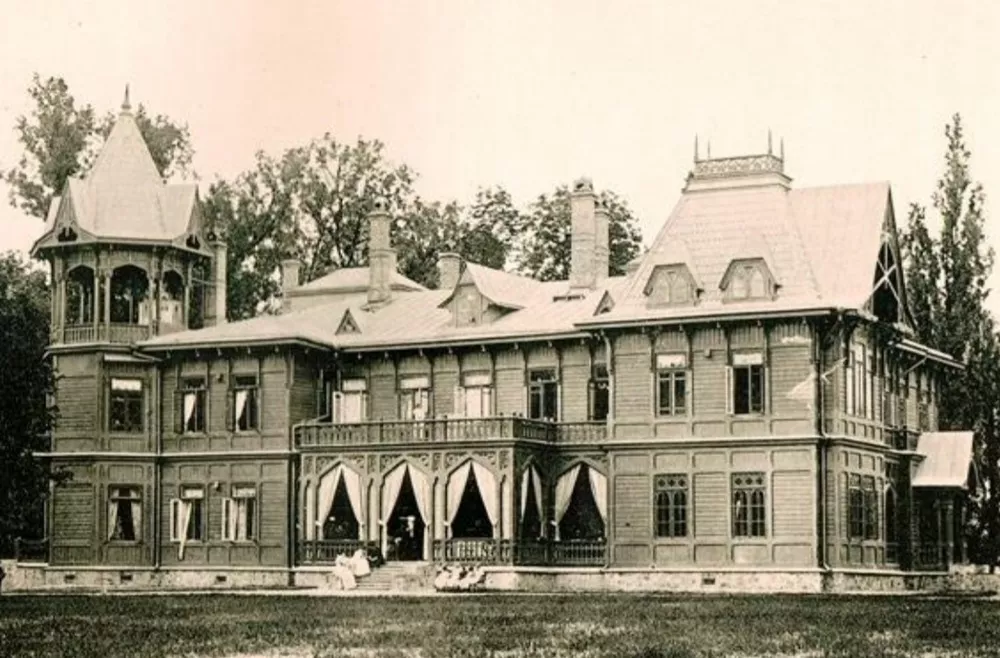
On September 2, 1896, after Varvara's younger brothers reached adulthood, she became the full owner of the lands in Dubovychi under a division act. The couple set about renewing the estate: they took inventory of the lands and forests, planted a fruit orchard, set up conservatories and greenhouses, and built a new manor house and a mill.
In 1898, the Kochubeis opened an outpatient medical clinic in Dubovychi. A fire station, a reading room, and an updated school also operated in the village.
In 1912, Vasyl Petrovych Kochubei was appointed Master of Ceremonies of the tsarist court, after which the family moved to Tsarske Selo. Following the revolutionary events, the Kochubeis left Ukraine. In the autumn of 1919, the family emigrated.
What remains of the Kochubei estate
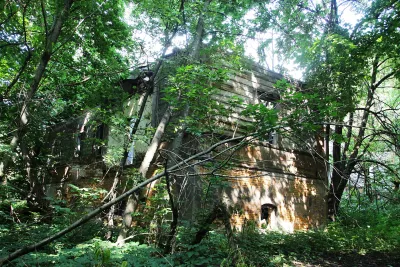
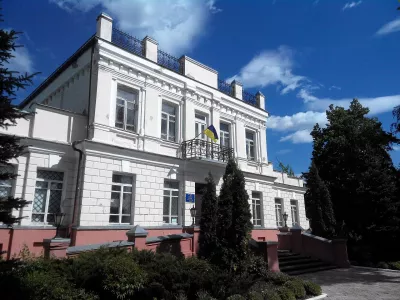
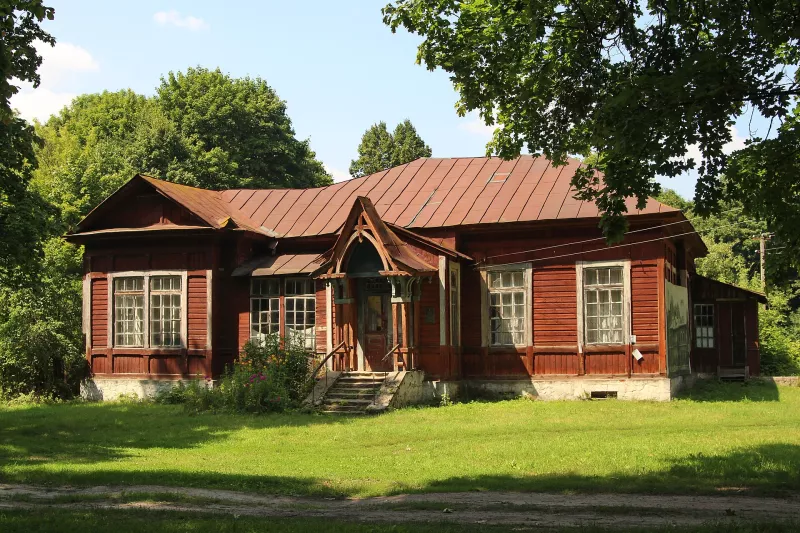
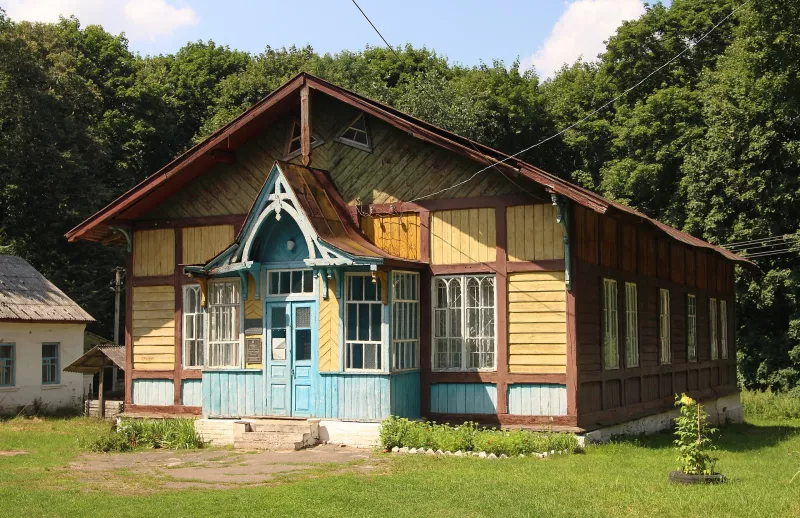
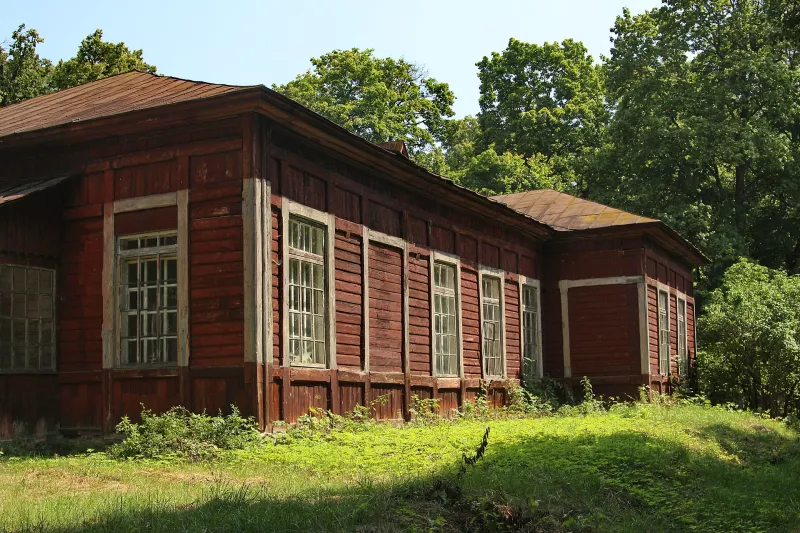
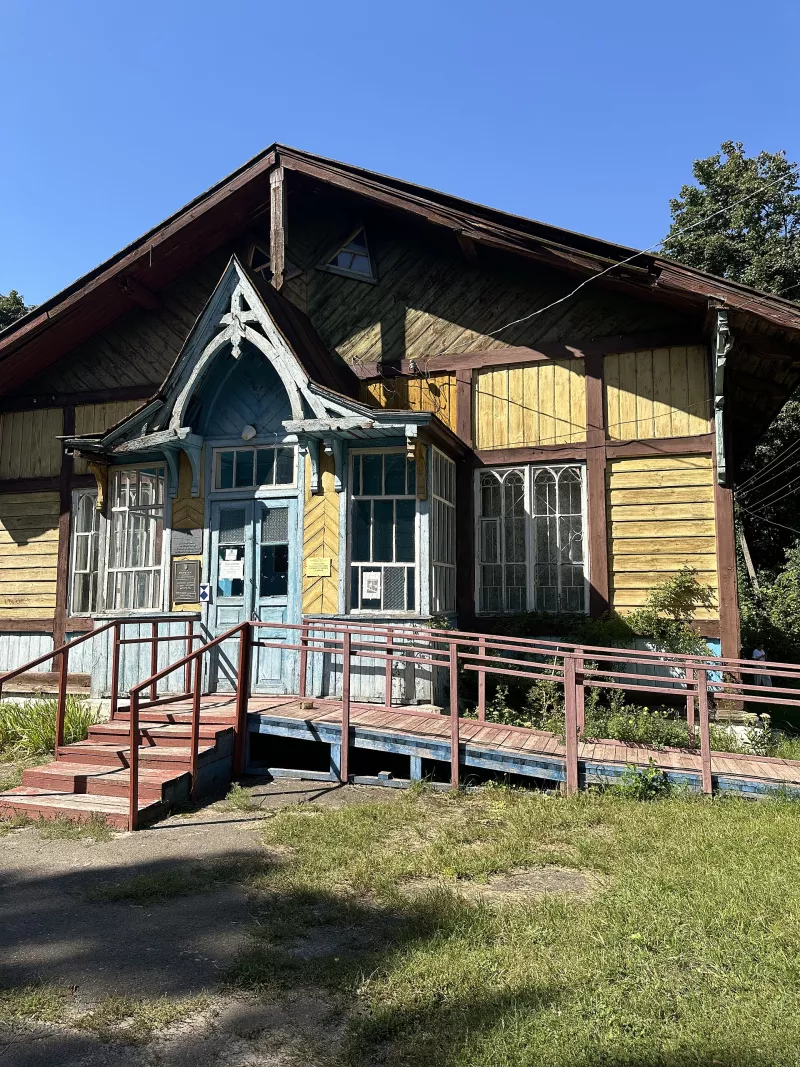
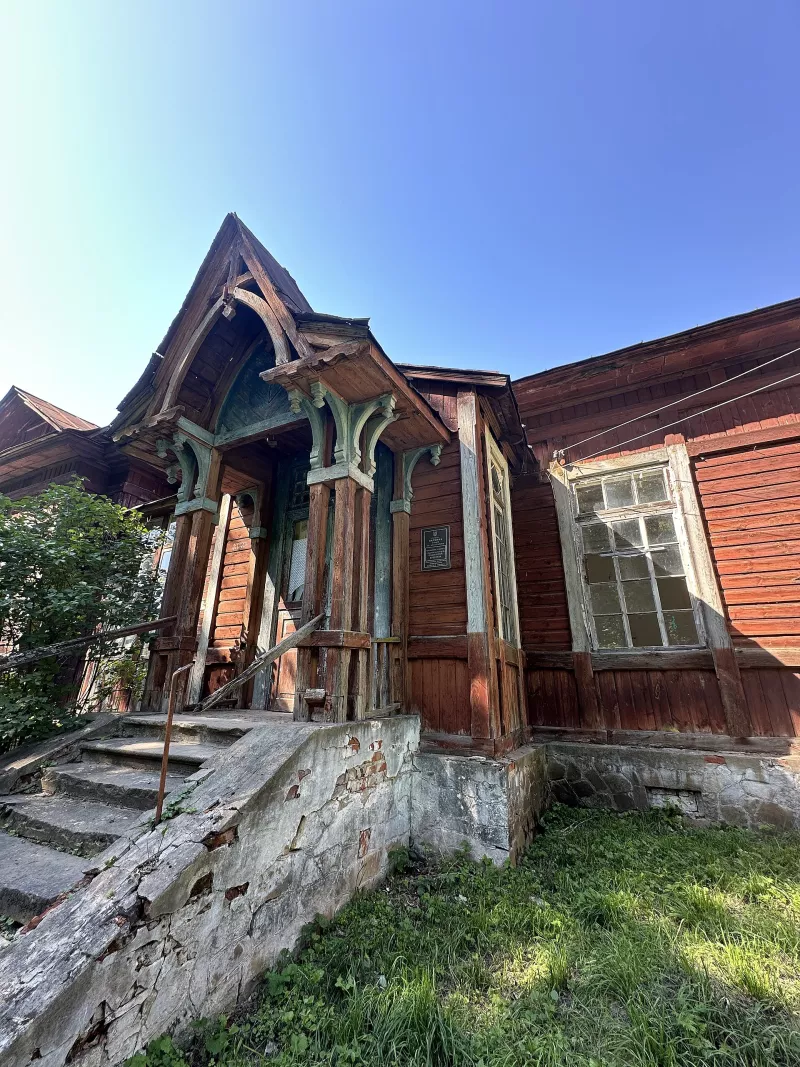
The former estate has not survived in its original form. A manor house, an outbuilding, and the Kochubei family burial site have endured to this day. The house itself was rebuilt: at the end of the 19th century, a new two-story wooden manor was erected on the site of an older building, with work completed in 1898.
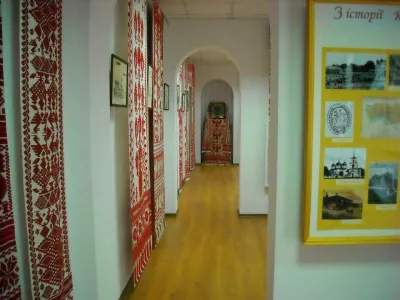
In 2012, the "Kochubeivskyi" historical and cultural museum complex was created in Dubovychi. It included the park, buildings of the former estate, the family grave, memorial sites associated with former churches, and a school museum of the village's history.
The park remains one of the main natural and historical landmarks of Dubovychi. Its old plantings are a reminder of the former estate ensemble that was formed over several centuries.
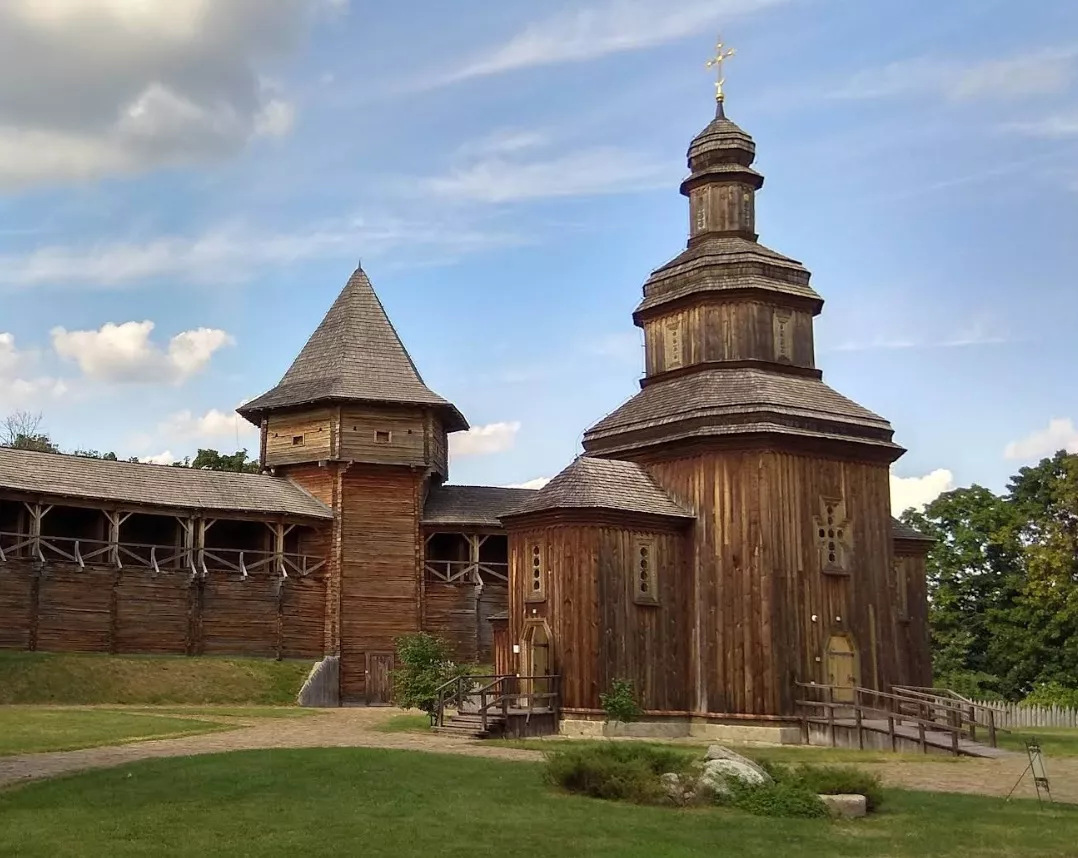
The Dubovychi Icon and well
A legend about the Dubovychi Icon of the Mother of God is connected with Dubovychi. According to church tradition, the miraculous icon was found in the second half of the 16th century on the banks of the Retyk River, near the village.
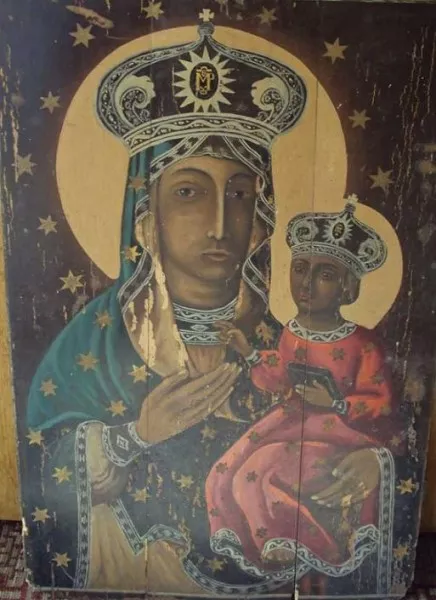
According to the legend, a shepherd saw the icon in the grass, and when he approached it, he was blinded by an unusual radiance. He told the priest about the event, after which the priest, together with the parishioners, went to the site of the discovery. The icon was initially placed in a chapel and later transferred to the Archangel Church in Dubovychi.
To commemorate the transfer of the icon, an annual celebration was established on the tenth Friday after Easter. Starting in 1861, with the permission of the Most Holy Synod, the miraculous icon was carried in a religious procession to Krolevets — to the town's main church, dedicated to the Nativity of Christ.
There is no reliable information about the fate of the original after 1917. According to local legend, it may have been buried near the site of its apparition. At the same time, two copies of the icon have survived. Today, they are located in the Church of the Transfiguration of the Lord in Krolevets.
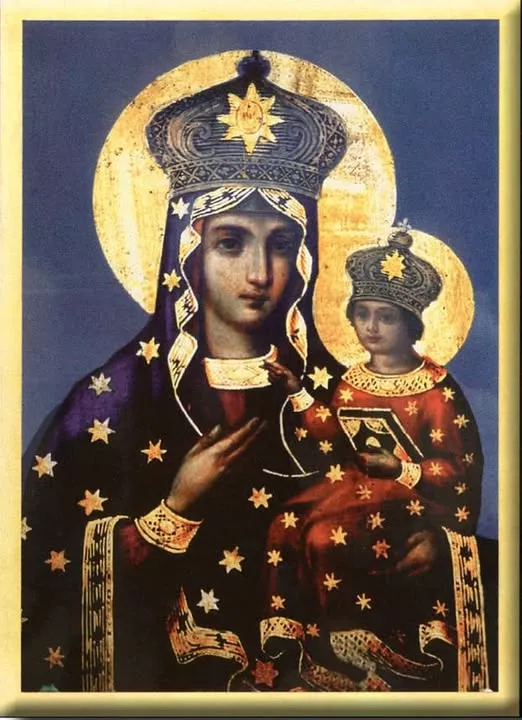
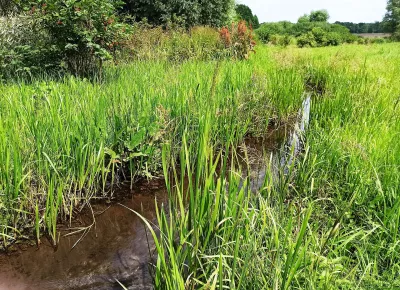
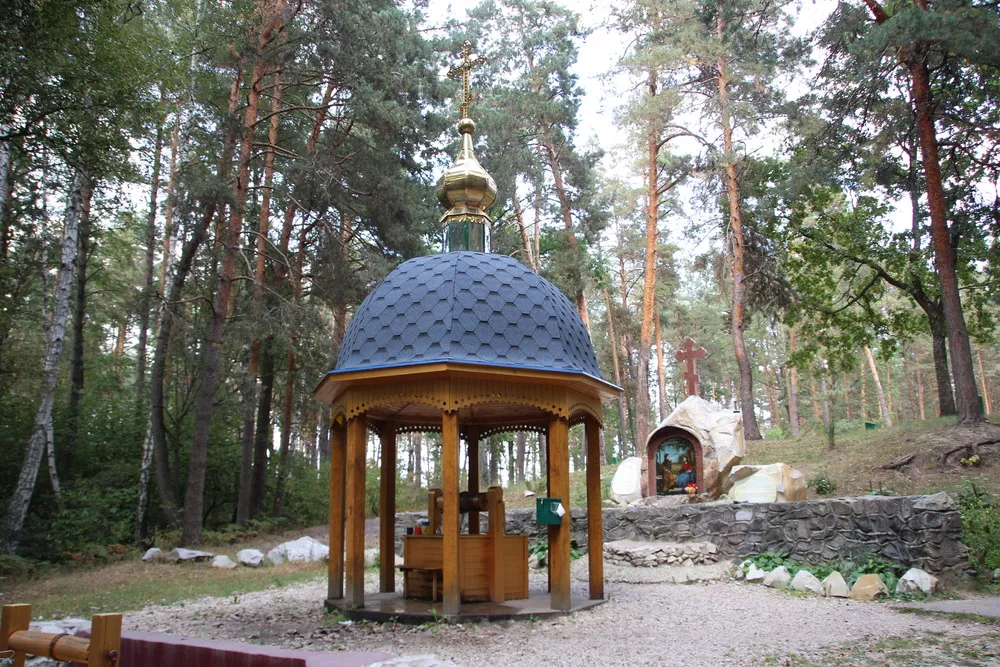
The history of the icon is linked to the Dubovytsia Well in the forest near the M02 highway, not far from the village. At the site of the icon's apparition, a spring has been preserved, beside which a chapel was built in 2002. The well has held the status of a hydrological natural monument since 1982. Every year on the tenth Friday after Easter, a procession of the cross takes place here from Krolevets.
photos by Ihor Dorozhko, Maksym Nazarenko, and Oleh Hodyna
Nearby
Yaroslavets Park — another estate of the same Kochubei family, Krolevets 18 kilometres away, the Apple Tree Colony, and the Museum of Krolevets Weaving.