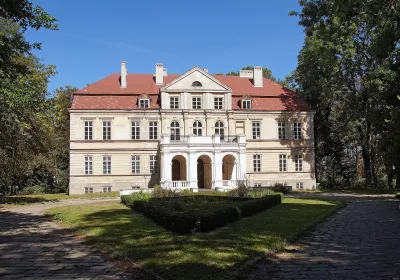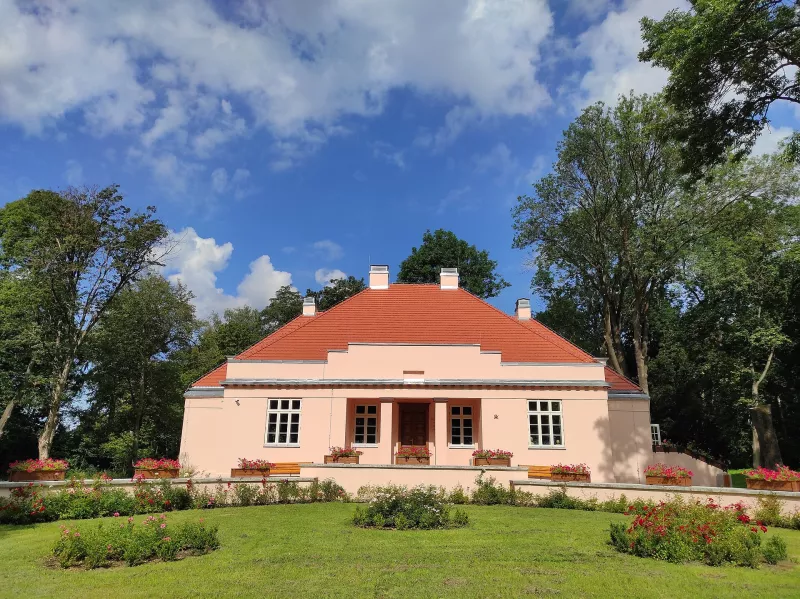
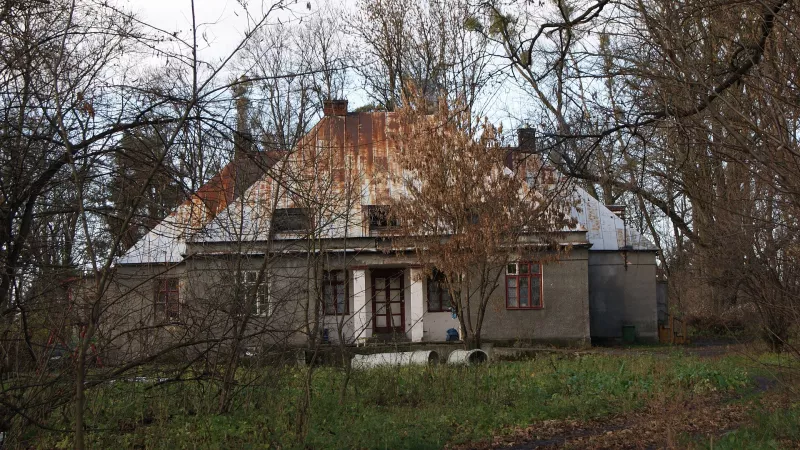
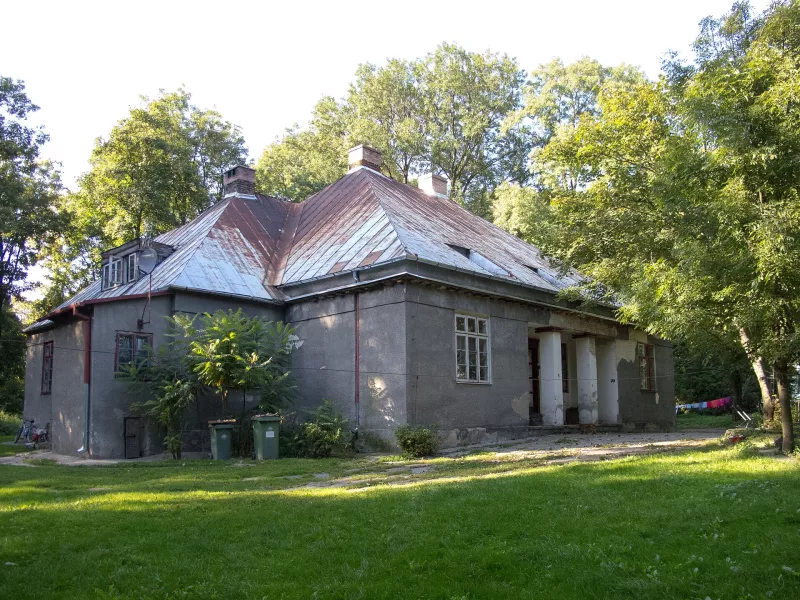
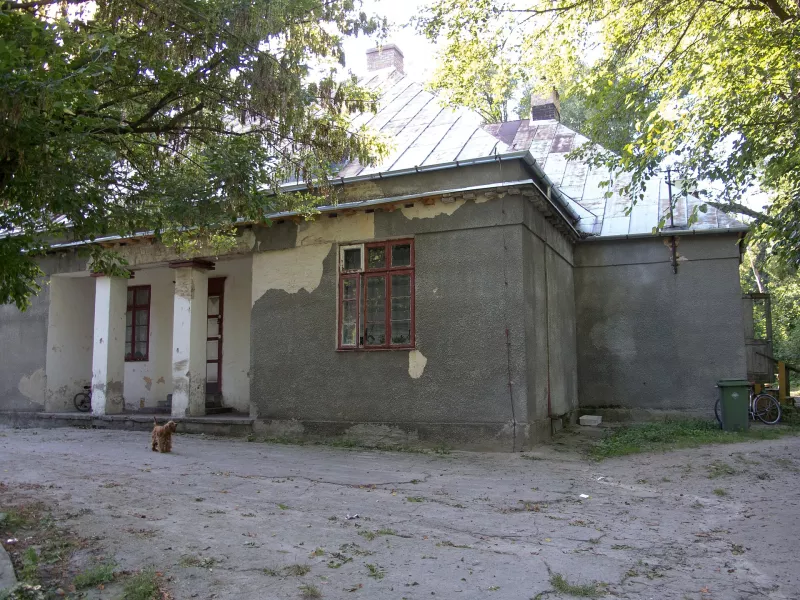
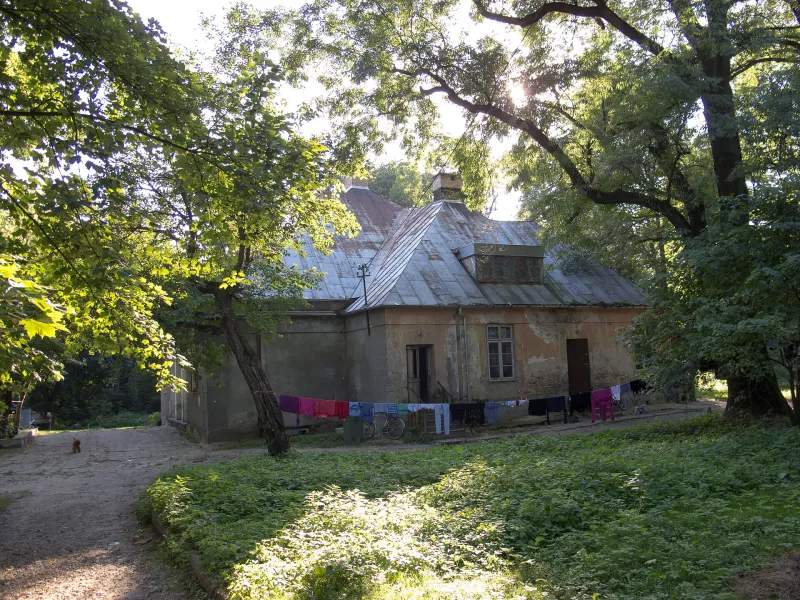

The Lachert Estate stands in Ciechanki in the Puchaczów commune of Łęczna County, a few kilometers southeast of Łęczna. It is a small family house from the 1920s, designed by Bohdan Lachert — later one of the most famous architects of Polish modernism. After decades of decline, the estate was restored, and now it houses the Center for Creative Work.
A Home for His Family
The estate in Ciechanki was owned from 1910 to 1944 by Wacław Lachert — manager of a large concern in Moscow that owned textile factories, mines, and oil wells. After the 1918 revolution, the family secretly left Moscow and moved here, to their estate in the Lublin region.
The eldest son, Bohdan Lachert (1900–1987), fought in the Polish-Soviet War, survived captivity, and in 1921 enrolled in the Faculty of Architecture at the Warsaw University of Technology. He designed the estate for his parents in 1924 while still a student; it was built in 1925–1926. Later, Lachert became one of the founders of the avant-garde group “Praesens,” won the grand prize for a pavilion at the 1937 Paris exhibition, and during the occupation, together with his wife, helped save children from the Warsaw Ghetto.
Architecture and Garden
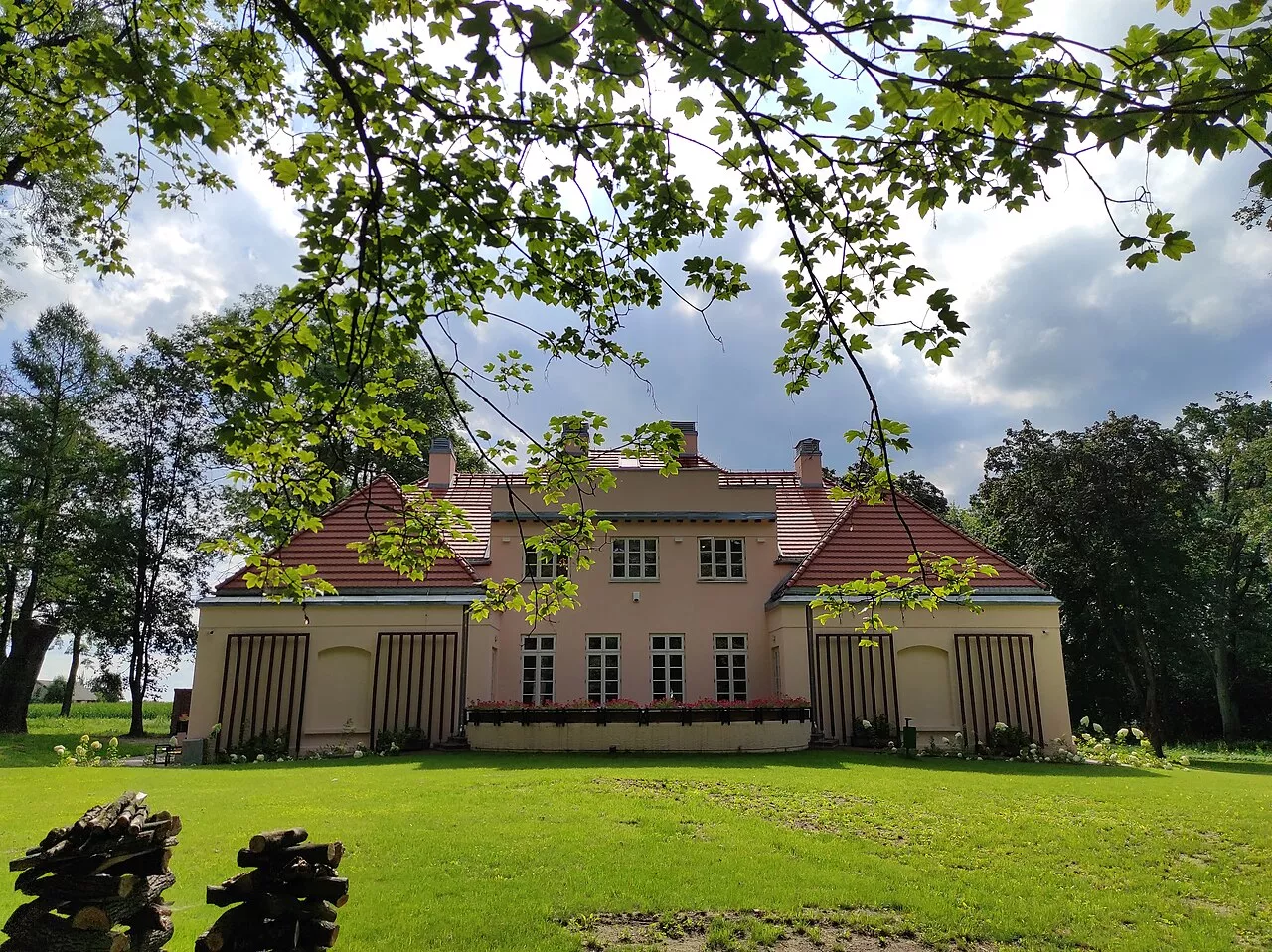
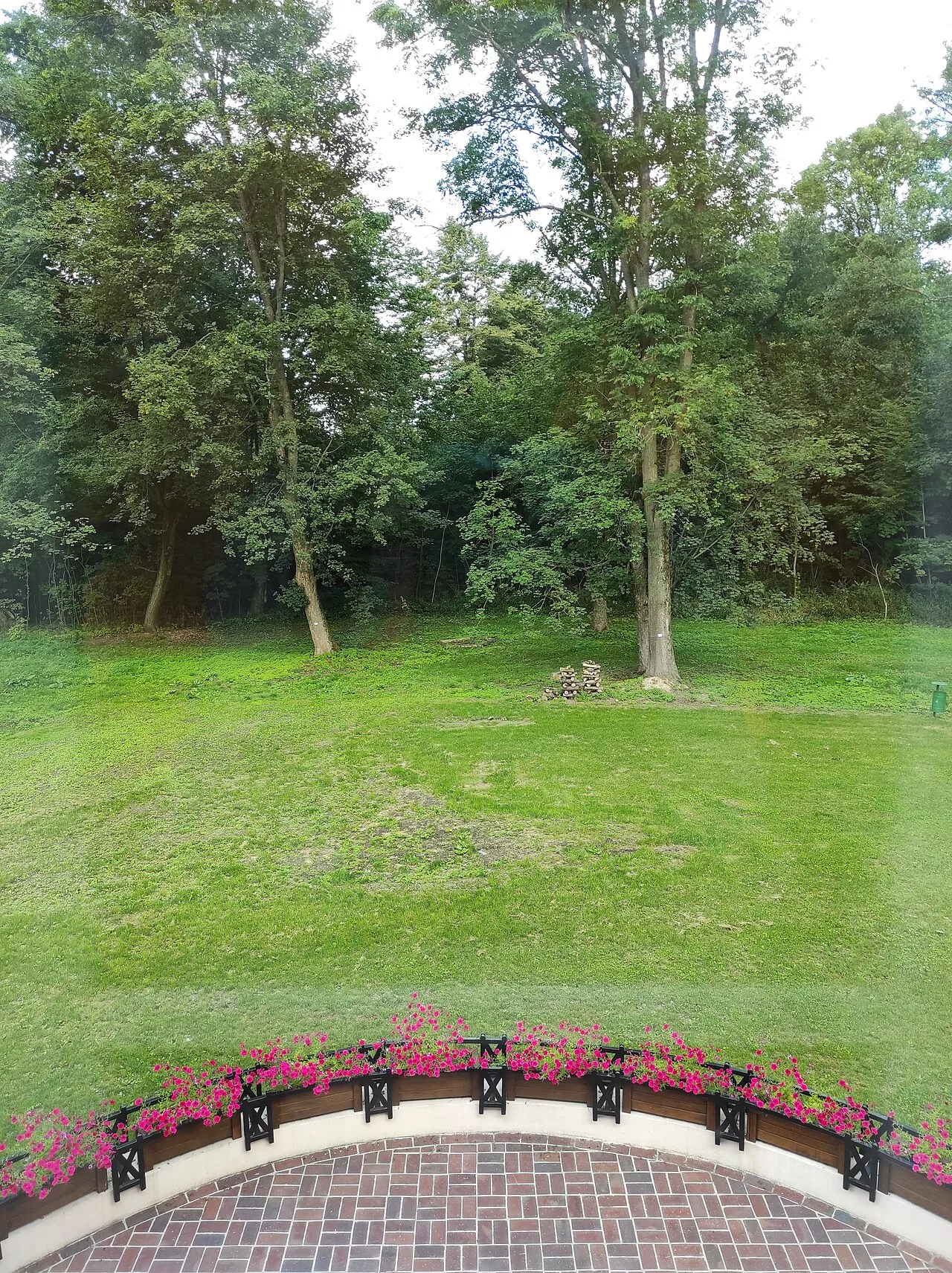
The house is distinguished by a high multi-pitched roof and a recessed portico with a stepped attic on two square columns. The facade is simple and thoughtful: the decoration is almost graphic, built on the play of planes. The heart of the house was the fireplace. On the first floor were the study, kitchen, living room, bathroom, bedrooms for the owners and guests; the attic housed the children’s rooms. Around it was a landscaped garden of several hectares with old trees, rare species, and a pond.
From the House of Creativity to Decline and Revival
After World War II, the communist authorities confiscated the estate from its owners. The estate was initially converted into a house of labour and rest for writers, then for postal workers. In the 1950s, a state machinery center operated on the estate grounds, and the workers with their families lived in the house itself. The house was rebuilt twice, and in the early 21st century it was abandoned and began to deteriorate.
In 2020–2021, the Puchaczów commune restored the estate with funds from the Poland–Belarus–Ukraine Cross-border Cooperation Programme 2014–2020. During the work, murals in the hall and corridor were found and conserved, and in the study — a sgraffito with the Madonna. Old tiles found in the attic were used for the roof, windows were recreated according to historical samples, and the first floor was partially arranged in the spirit of the era. In 2022, the Lublin Voivodeship Monument Conservator awarded the commune the “Conservator’s Laurel” for this work. Now the estate houses the Center for Creative Work, which focuses on culture, art, and local history.
How to Get There
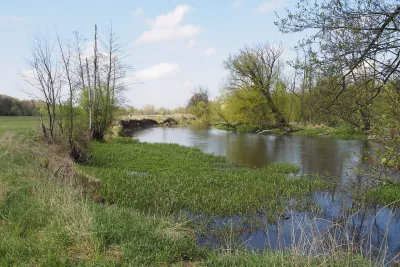
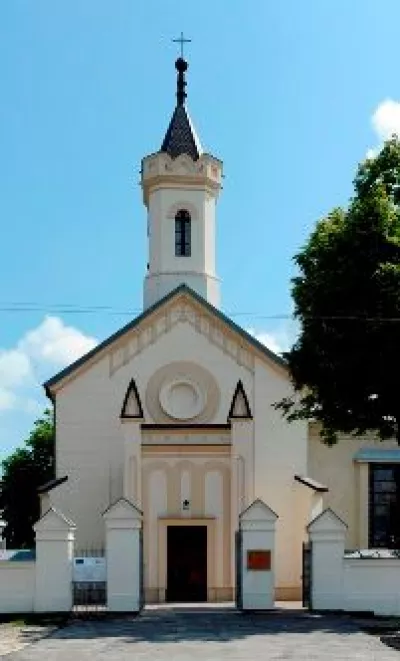
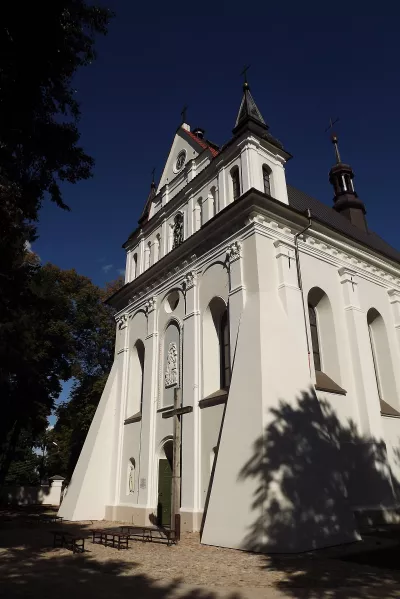
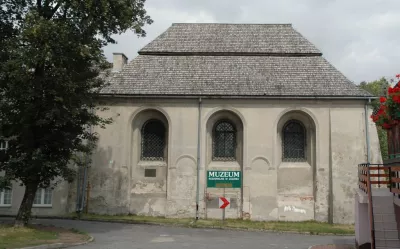
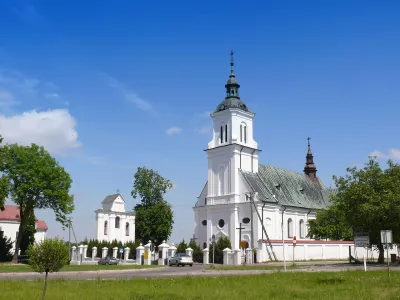
Czechanki lie south of Puchaczów, about 7 km southeast of Łęczna and 30 km east of Lublin. The most convenient way is by car through Łęczna. Nearby, it is worth visiting the Church of St. Mary Magdalene and the Great Synagogue in Łęczna, the church in Milejów, and the Veprz valley in the Nadwieprzański Landscape Park. The house belongs to the gmina; you can attend the center’s events by announcements from the Puchaczów gmina. For Ukrainian citizens, this is Poland: a foreign passport is required.