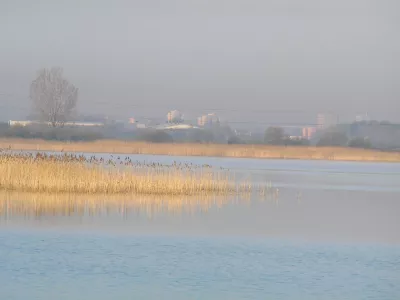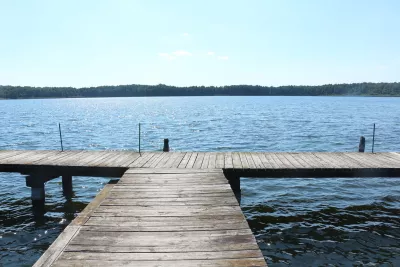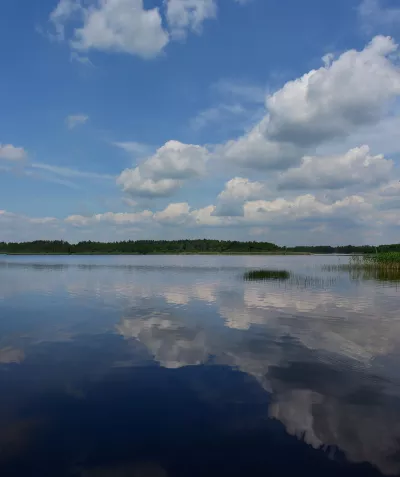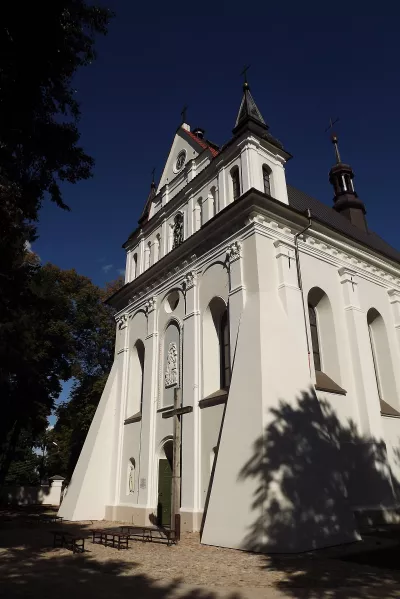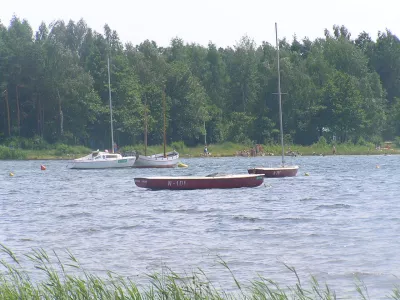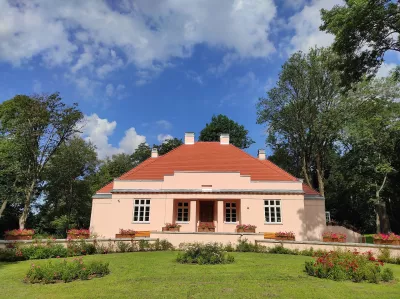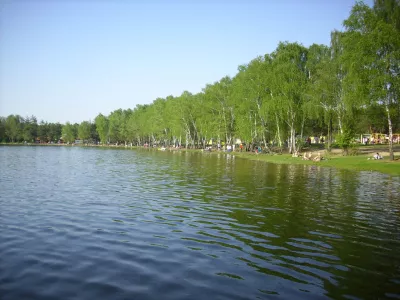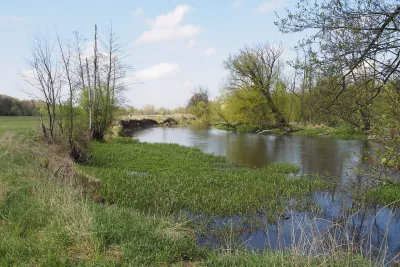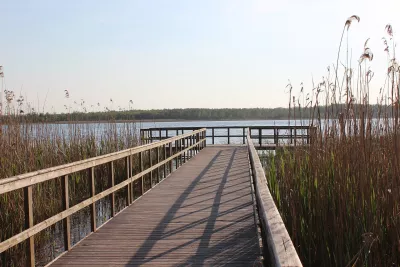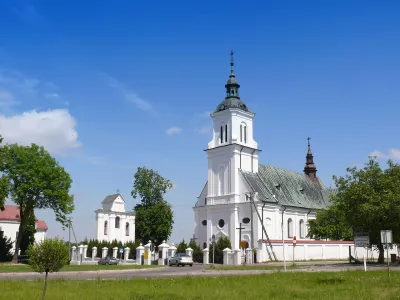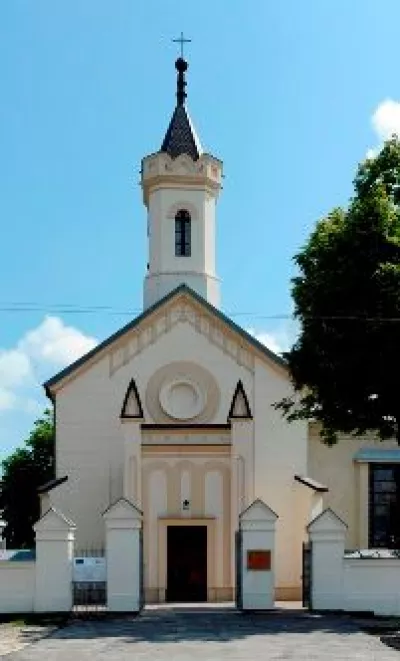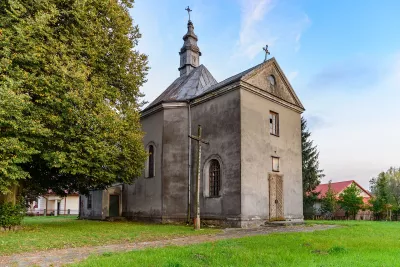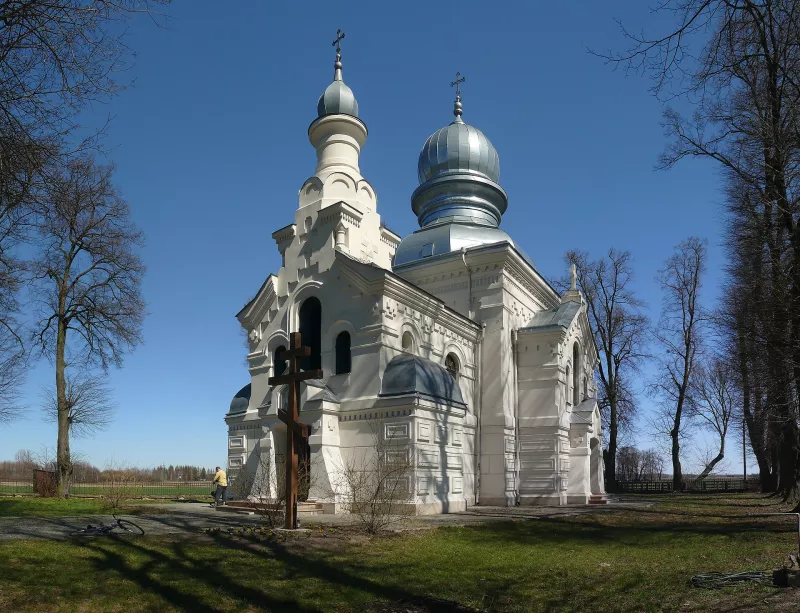
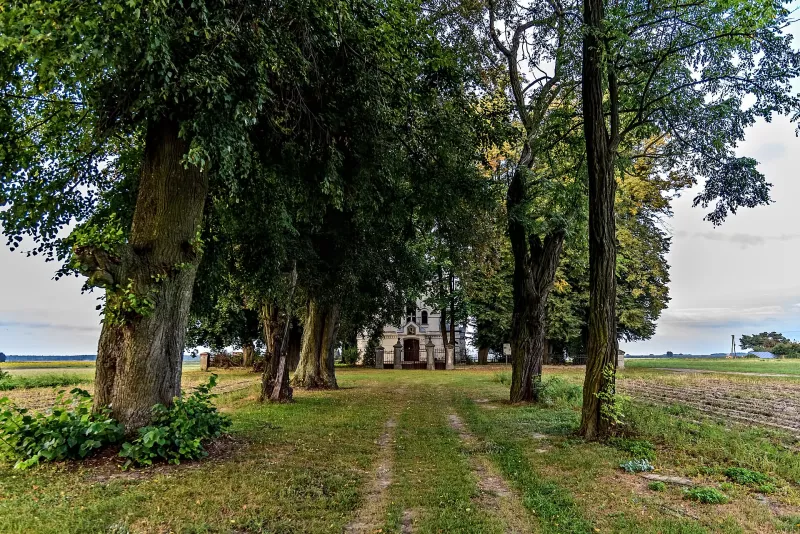
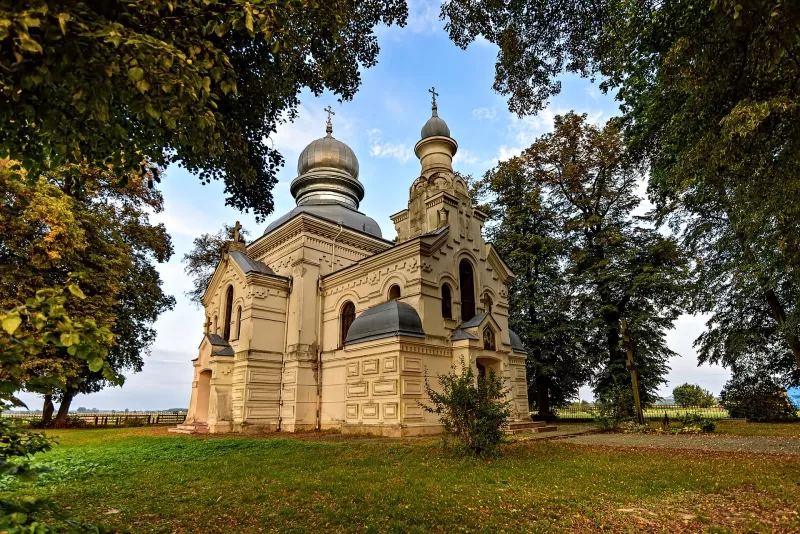
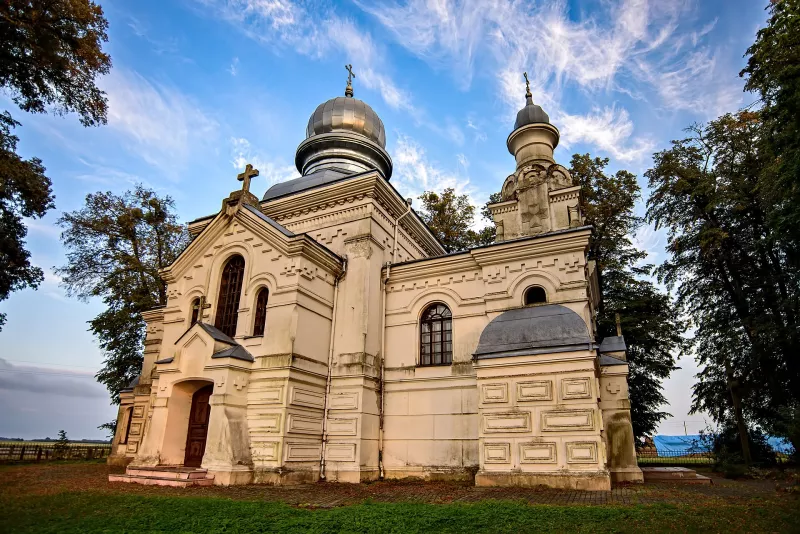
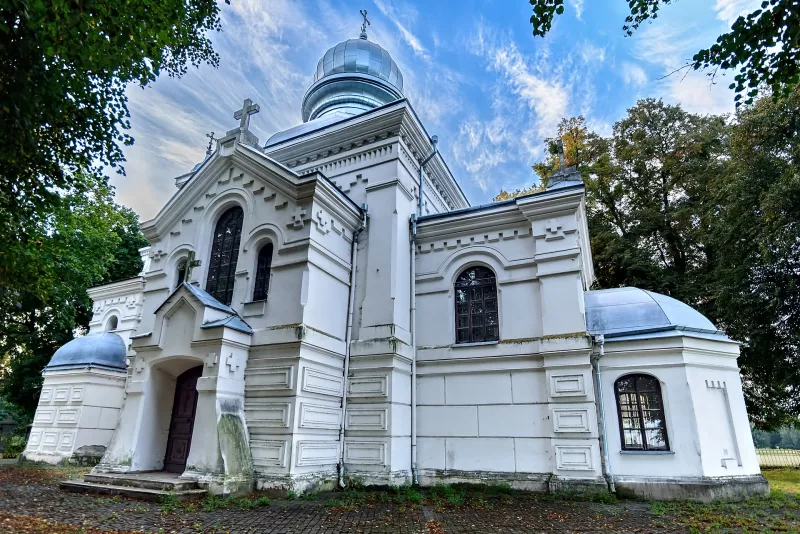

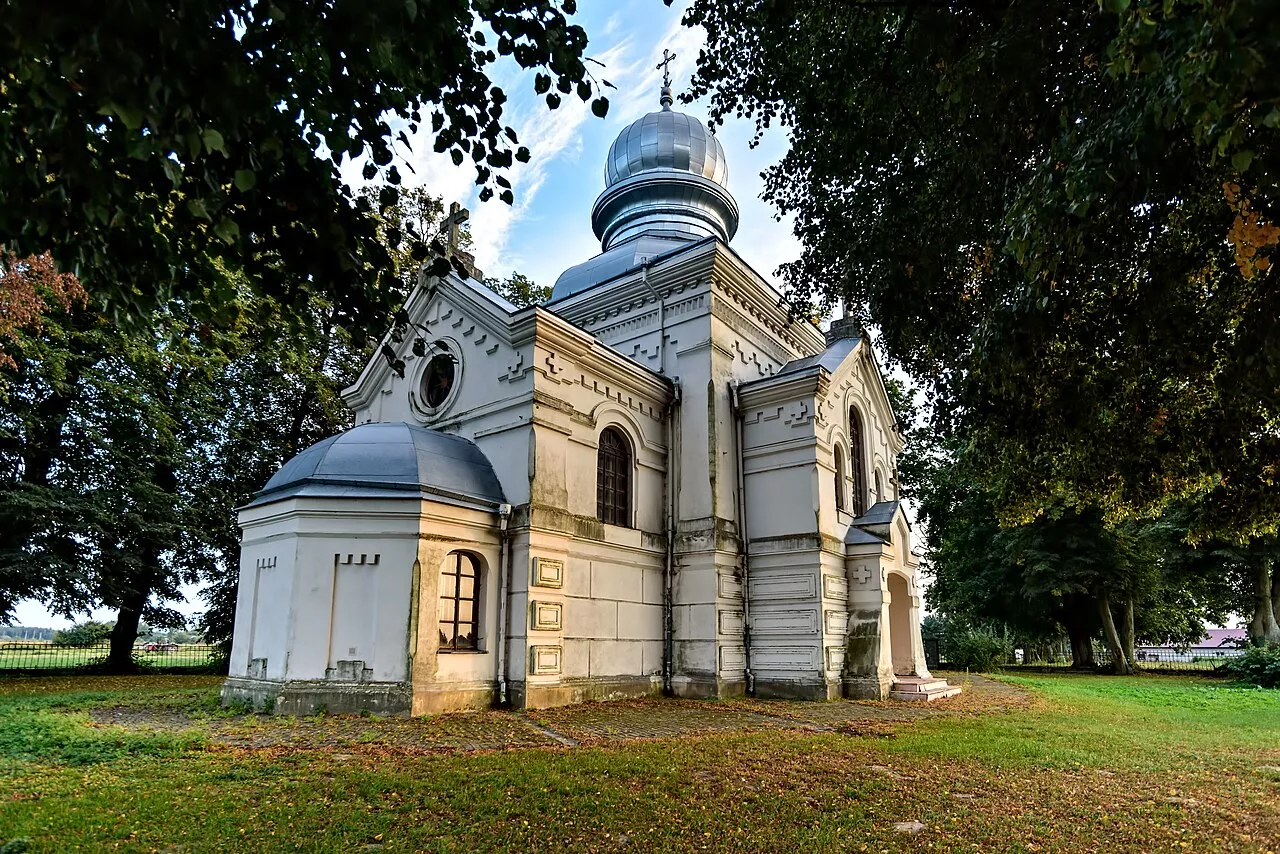
The Orthodox Church of St. Nicholas stands on the eastern outskirts of the village of Dratów in the Ludwin commune, about 7 km northeast of Łęczna, near the Dratów Lake. It is a parish church of the Lublin-Chełm Diocese of the Polish Autocephalous Orthodox Church — a brick church from the late 19th century, one of the most richly decorated among the Chełm churches designed by architect Viktor Sychuhov. An old linden alley leads to it.
From the Uniate Church to the Brick Church
The first church in Dratów existed before 1490 as a branch of the parish in Mohylnytsia, and in the 16th century a separate parish was established here. After the Union of Brest, it became Greek Catholic along with the entire Chełm Diocese. In the 18th and 19th centuries, two new wooden churches were built in the village because the old ones fell into disrepair. After the liquidation of the Union in 1875, the church became Orthodox.
The wooden church was damaged by a fire in 1886; according to some sources, icons, the iconostasis, and registry books burned down with it. The new brick church was built in 1888–1889 according to Viktor Sychuhov’s design for a parish of nearly a thousand faithful. It was consecrated in 1889 by the Lublin bishop Flavian, and the decoration continued until 1891.
Flight, Wars, and Closure
In 1915, the Orthodox inhabitants fled deeper into Russia as refugees. The front line passed nearby, and for some time the church served as a field hospital. The original decoration was taken away and never returned. Since 1923, the parish operated legally again. On August 15, 1942, the Gestapo shot the parish priest Stefan Malesha and his daughter Olga for hiding escapees from the forced labor camp in Chełm; both are buried in the parish cemetery.
In 1947, after the deportation of the Ukrainian Orthodox population during Operation Vistula, the church was closed. It was reopened in 1959; since then, it has been served by priests from the Lublin parish of the Transfiguration of the Lord, and services are held here every two weeks. Between 2002 and 2008, the church was thoroughly renovated, with the main sponsor being the Bogdanka mine.
Architecture and Surroundings
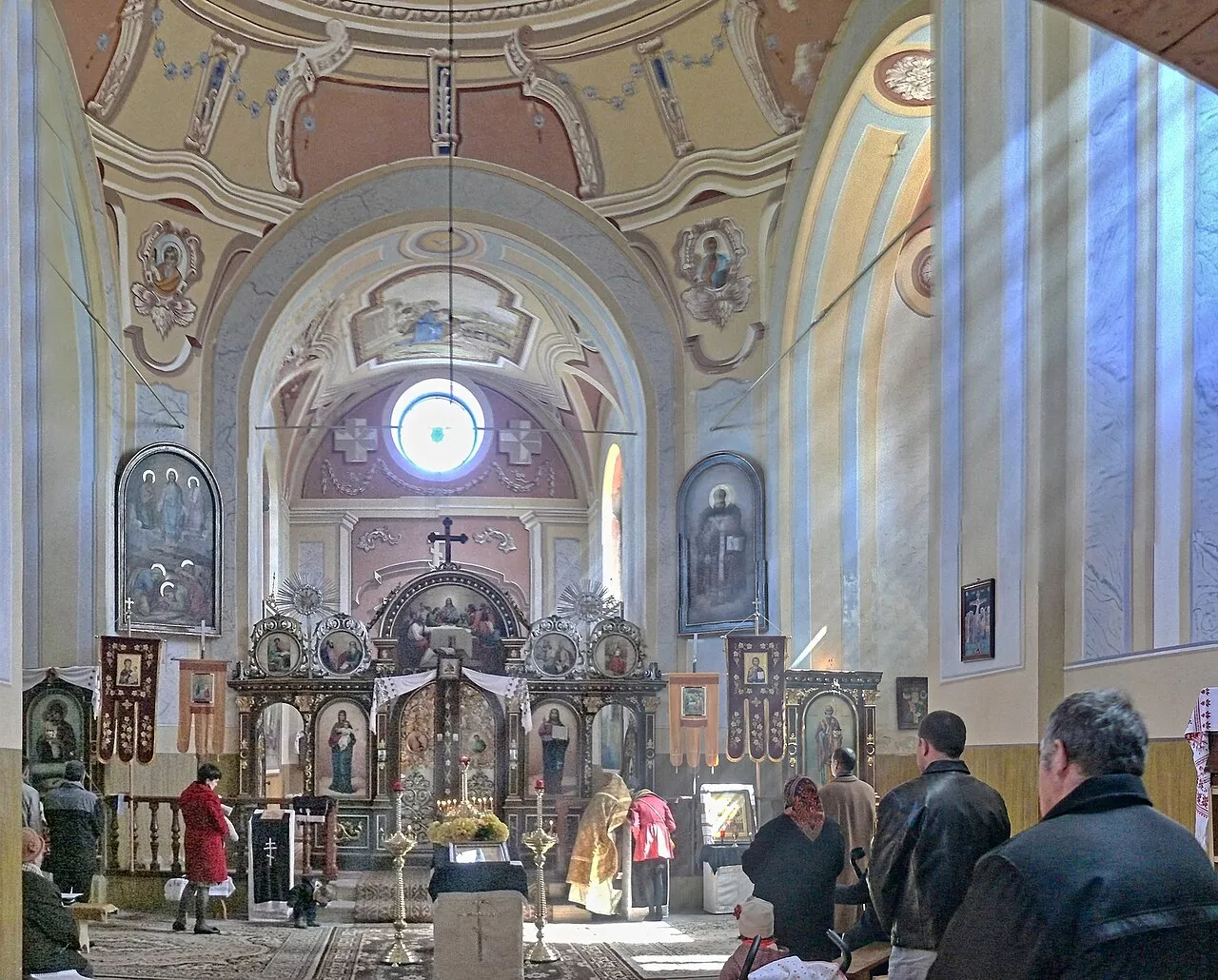
The church is built in the Russian-Byzantine style on a cruciform plan and is designed to hold approximately 700 people. Above the square nave is an onion dome on a cylindrical drum, and above the vestibule is a bell tower with a matching dome. The facades are covered with several rows of friezes and double window frames. The current two-tier iconostasis comes from a church near Przemyśl or Łańcut (according to other sources, from Sanok), and the 20th-century paintings were done by Julian Mizerski and Fr. Yurii Ihnatiuk. Above the altar area is a fresco depicting the parable of the prodigal son.
Nearby is a World War I military cemetery where Russian and German soldiers who died in August 1915 are buried, as well as an old Orthodox-Uniate cemetery with tombstones from the turn of the 18th and 19th centuries. Since 2009, “Meetings with Orthodoxy” have been held here every August.
How to Get There
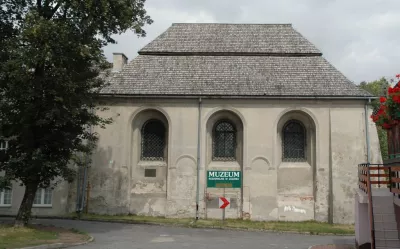
From Lublin — to Łęczna (about 25 km), then northeast towards Ludwin. Nearby is the Dratów Lake, and a little further north — Rogóźno, Łukcze, and Piasęczno. In Łęczna, it is worth seeing the Great Synagogue and the Church of St. Mary Magdalene. The easiest way to get inside is during Sunday service. For Ukrainian citizens, this is Poland: a foreign passport is required.