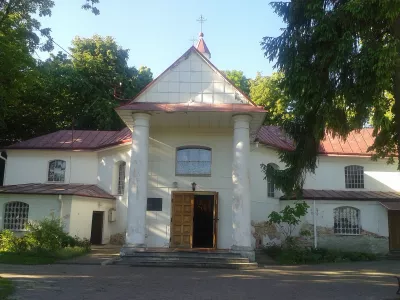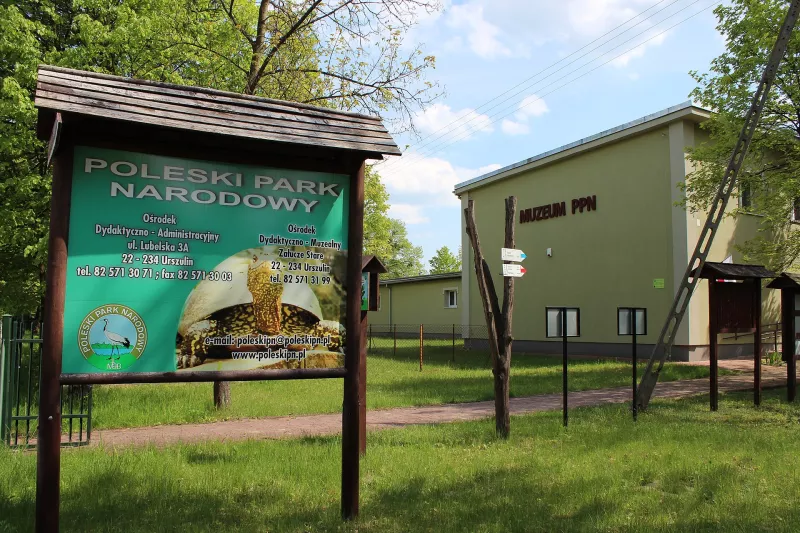

Poleski Park Narodowy is the westernmost protected patch of Polissia. It lies in the east of the Lublin Voivodeship, in the gmina of Urszulin within Włodawa County, between Łęczna and Włodawa, and protects what was mostly drained in Volhynia: peat bogs, swampy forests, and small, slowly overgrown lakes. The park's directorate operates in Urszulin, while its educational and museum center is located in the village of Stare Załucze. Read more about the region in the article "Polissian villages around Urszulin".
A park fought for over decades
The botanist Władysław Szafer first proposed establishing a reserve on a piece of Polish Polissia back in 1933. The modern idea was put forward by Lublin professor Dominik Fijałkowski. The region was being drained for the Wieprz–Krzna Canal at the time, and the large *Korow’yache bahno* (Cow Marsh) could not be saved. Fijałkowski managed to secure at least four nature reserves: *Durne bahno* (1966), Lake Moszne (1974), Lake Długie (1978), and the Orłów peat bog (1982). On their basis, a park with an area of 4.8 thousand hectares was created on May 1, 1990, and in 1994 it was enlarged almost twofold. Now it covers about 9.8 thousand hectares and has another 13.7 thousand hectares of buffer zone.
The park is a wetland of international importance under the Ramsar Convention and part of the UNESCO transboundary biosphere reserve "West Polissia", formed in 2012 along with the Shatsk Biosphere Reserve in Ukraine and the Belarusian "Bug River Polissia" (*Prybuzhskoye Polesye*).
Tundra on the edge of Europe
Dwarf birch, the Lapland willow, and other plants that remained here from the glacial periods grow in the park's peat bogs: this is the furthest southwestward extension in Europe where something resembling taiga-tundra can be found. In total, there are about a thousand species of vascular plants here, 81 of which are under protection. There are about two hundred bird species: the Eurasian bittern, the white-tailed eagle, the Eurasian eagle-owl, and the aquatic warbler. The symbol of the park is the crane.
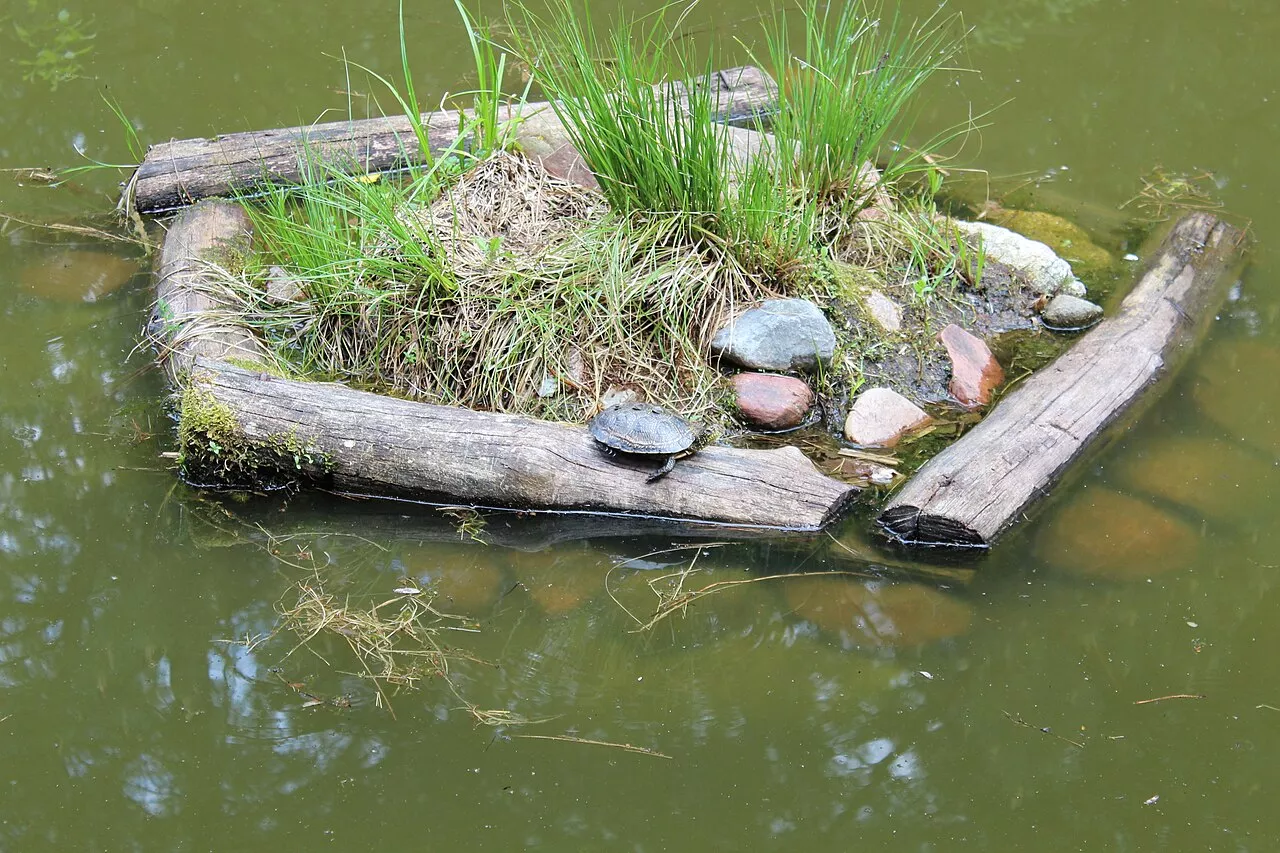
The most famous inhabitant is the European pond turtle. Since 1998, the park has protected its clutches, and eggs from cold summers are artificially incubated in Urszulin: about 21,000 little turtles have already been released into the wild.
The museum in Stare Załucze
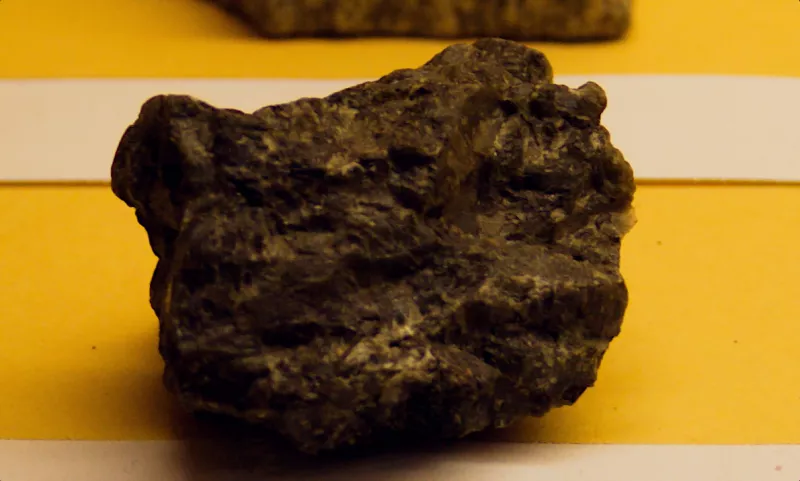
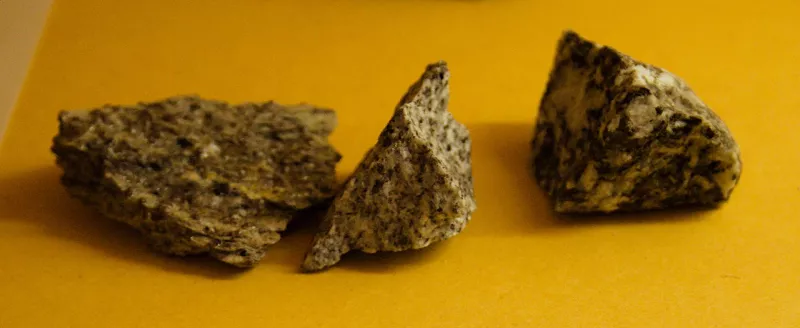
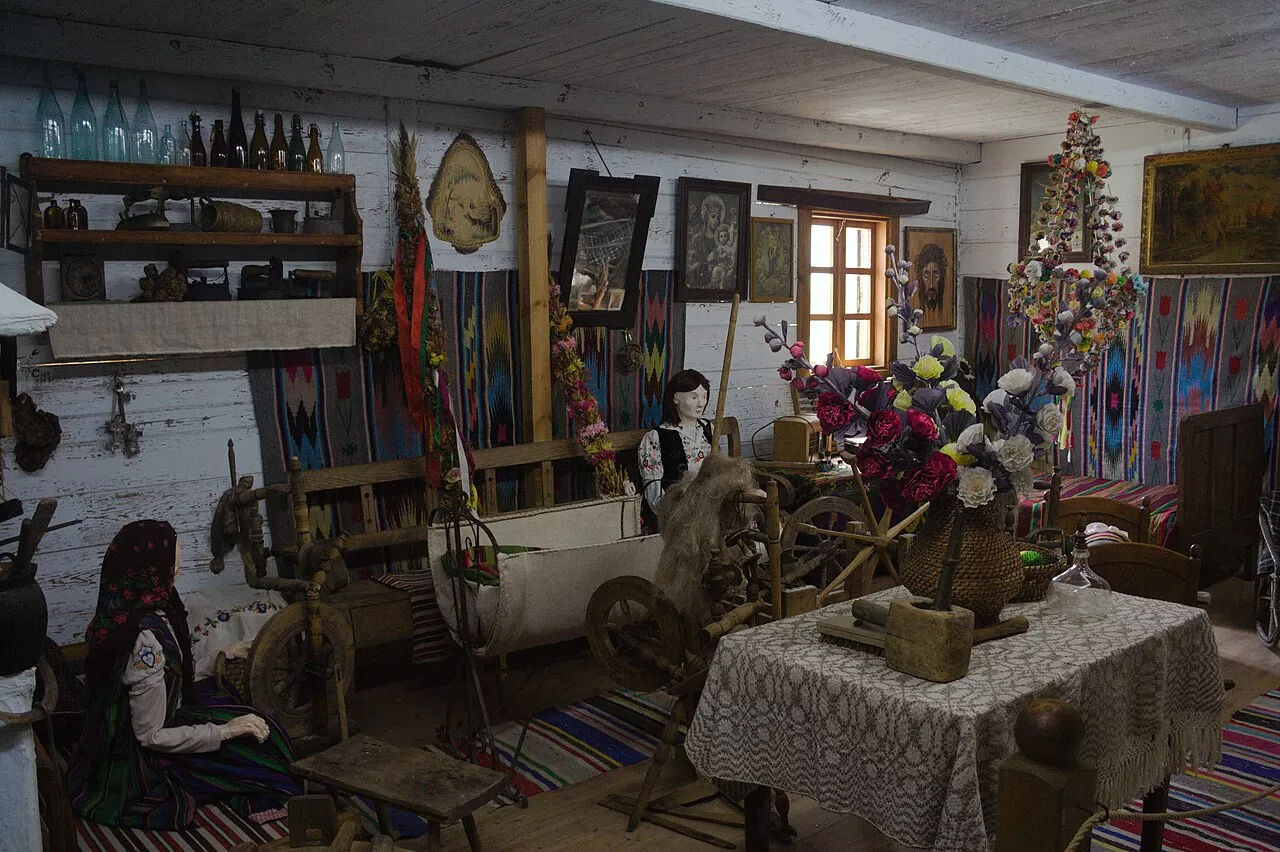
The educational and museum center in Stare Załucze has been operating since 1993. Its exposition has five sections: geographical, aquarium, historical, ethnographic, and natural history. Under a separate canopy stand large exhibits: a grain bin hollowed out from a single 250-year-old pine tree, as well as peasant carts and carriages once made right in Stare Załucze. Near the museum is the short children's trail "Żółwik" with a pond where a European pond turtle occasionally basks in the sun.
Important: as of November 2026, according to the park's announcement, the center is closed for renovations until further notice. The trails remain open, however, and the parking lot near the museum serves as a convenient starting point for the "Spławy" trail to Lake Łukie.
Park trails
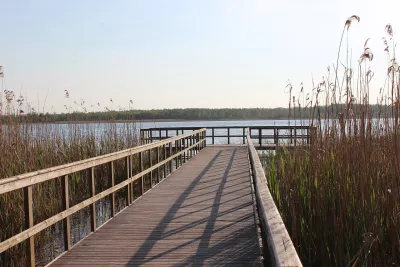
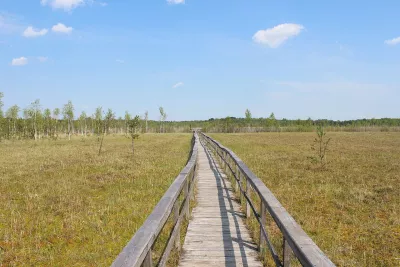
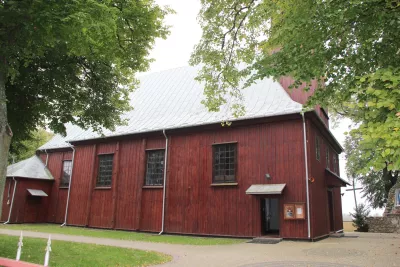
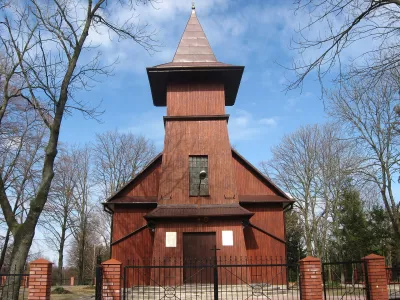
The park is best viewed from wooden boardwalks and observation towers. There are five paid trails: „Spławy” to the park's largest lake Łukie, „Dąb Dominik” to Lake Moszne, „Czahary” across the Bubniv bog, „Perehod” along the Pieszowola ponds, and „Obóz Powstańczy” near Lipniak. The park is crossed by the trail from Stare Załucze to Pieszowola. In Wytówno, near the Church of Saint Andrew Bobola, there is also the „Polissian Village” homestead — a reconstructed thatched Polissian farmstead.
How to get there
Urszulin lies on road No. 82 Lublin — Włodawa, it is about 35 km from Włodawa, and buses run from Lublin. Stare Załucze is about 6 km west of Urszulin. The park headquarters (Urszulin, 3a Lubelska St.) is open on weekdays from 7:00 to 15:00 from November to March, and daily from 8:00 to 20:00 from April to September; tickets for the trails are sold here, and from September to May in the turtle conservation centre you can see the hatchlings overwintering under supervision. The trails can be walked from dawn to dusk. The best time is April–May and September–October. This is Poland: Ukrainian citizens need a foreign passport.