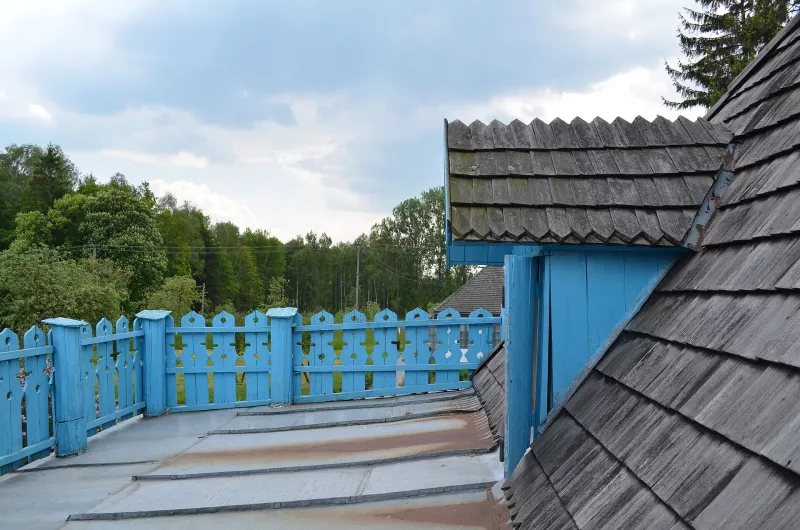
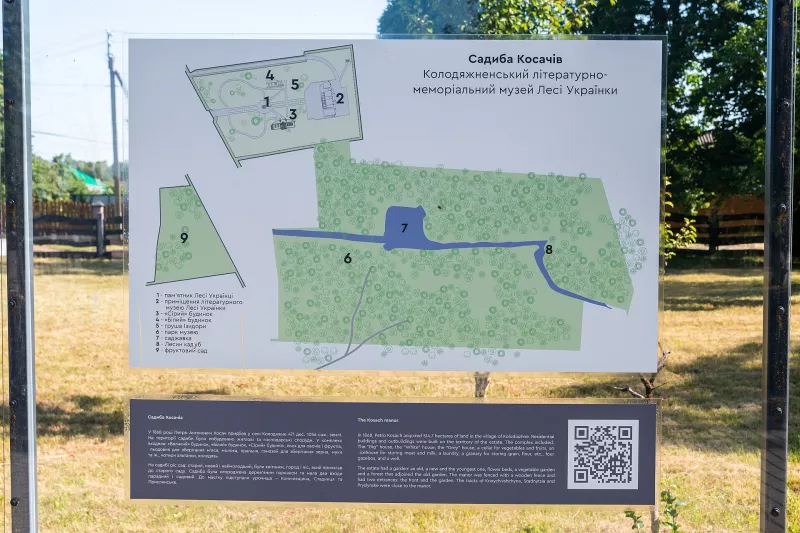
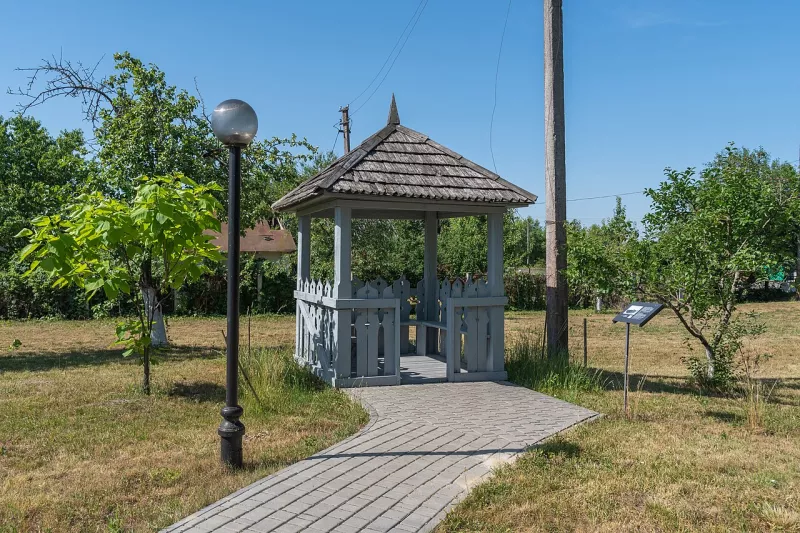
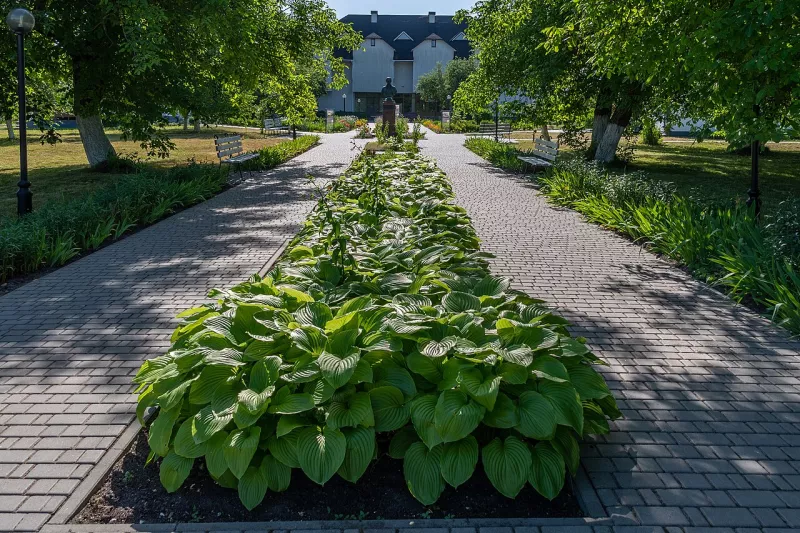
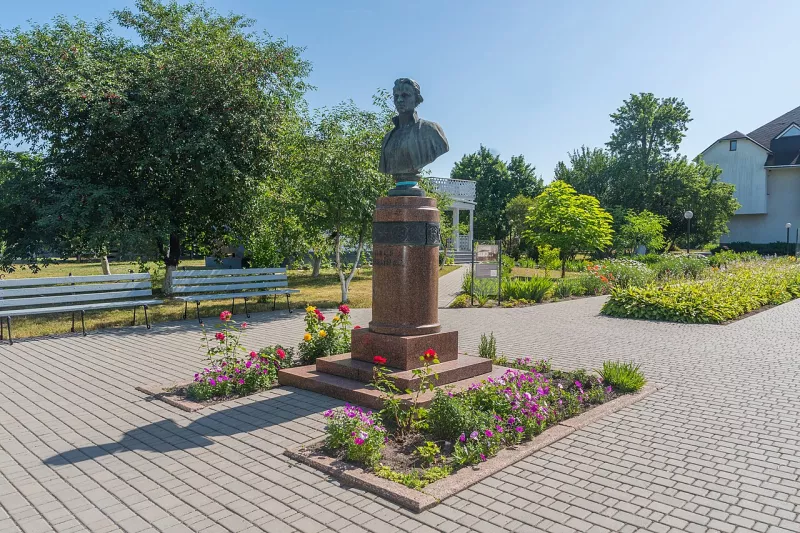
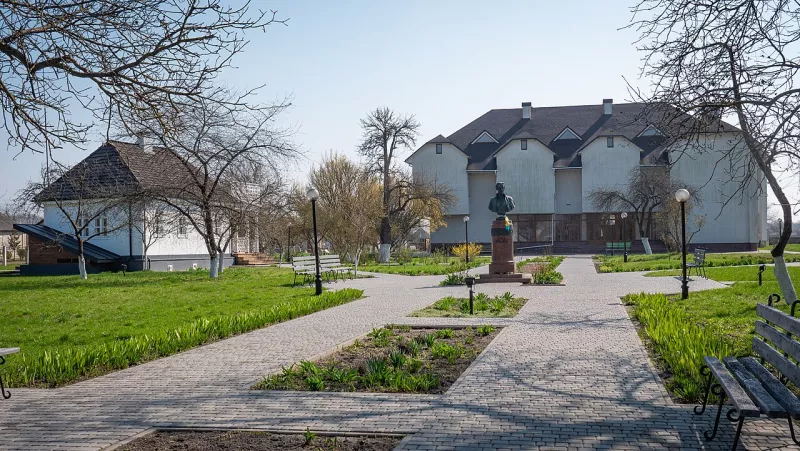
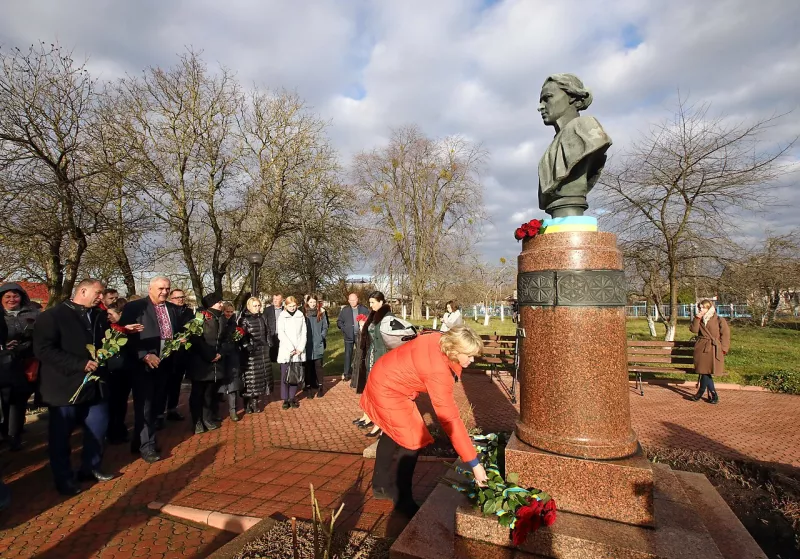

The Lesya Ukrainka Literary Memorial Museum-Estate in the village of Kolodiazhne near Kovel is the place where the poetess lived for many years and wrote many works. It is a branch of the Volyn Local History Museum and one of the main pilgrimage sites for fans of Lesya Ukrainka.
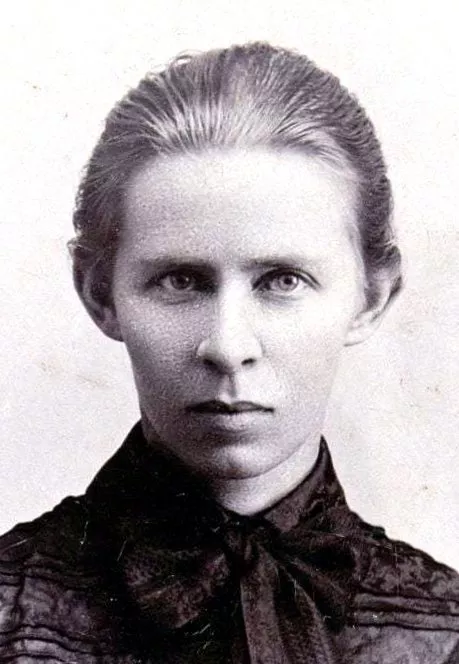
The Kosach Estate
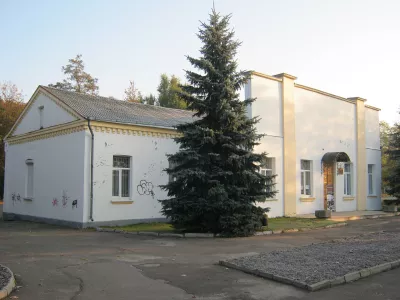
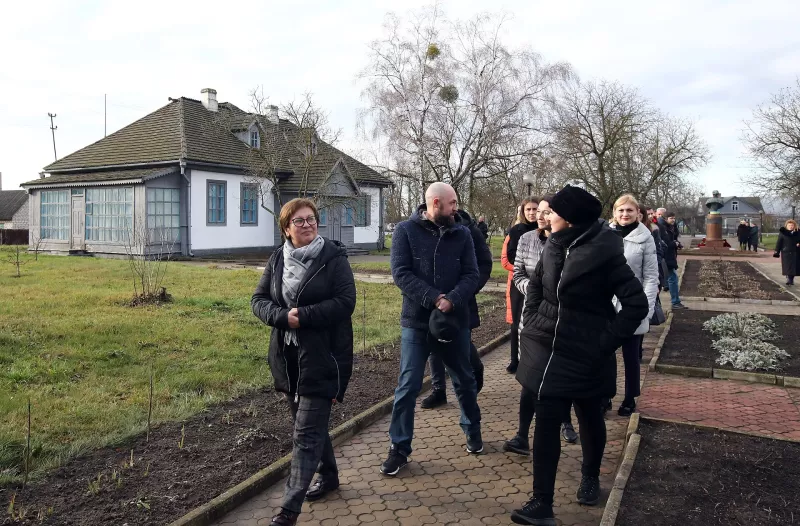
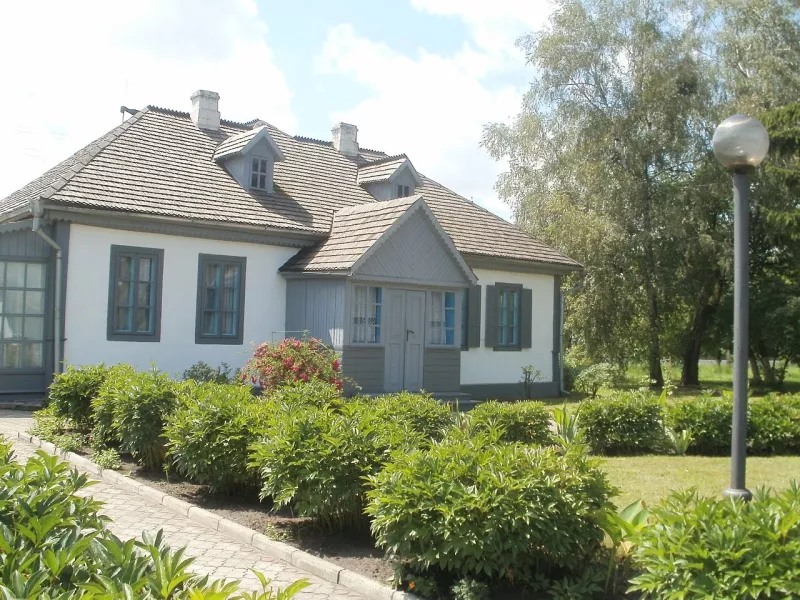
In May 1882, the Kosach family moved from Lutsk to Kolodiazhne and settled in an old house which the family called the “big” one. In 1890, a separate “white” house was built on the estate for Lesya, and in 1896 they began constructing the “grey” or parental house. Lesya Ukrainka spent a lot of time here, set off on travels from here, and worked on her writings here. Kolodiazhne is called the cradle of her talent, and the Volyn landscapes and legends later became the basis for The Forest Song.
The Museum
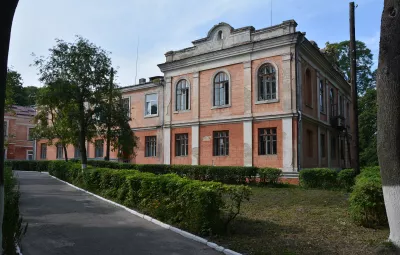
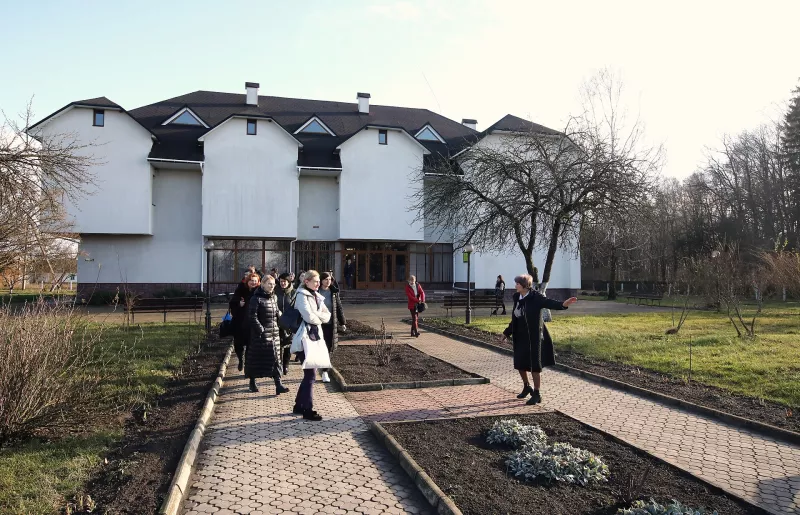
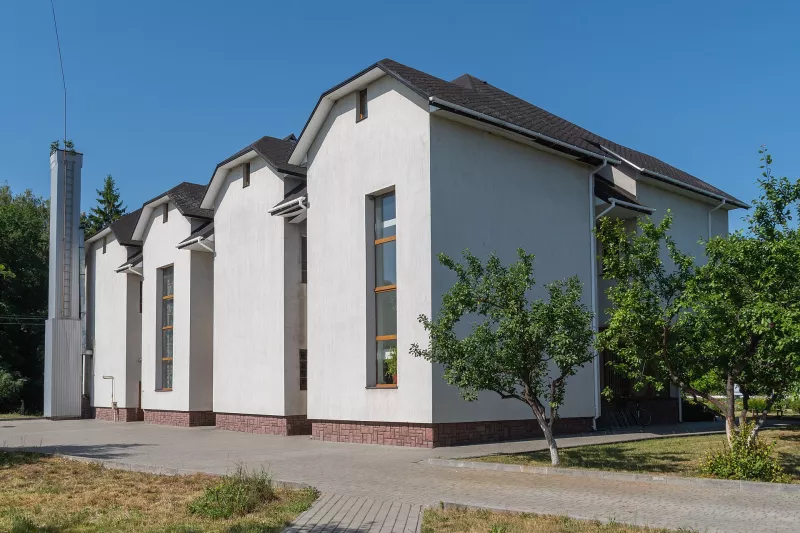
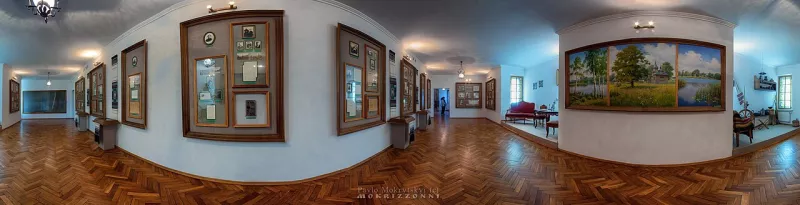
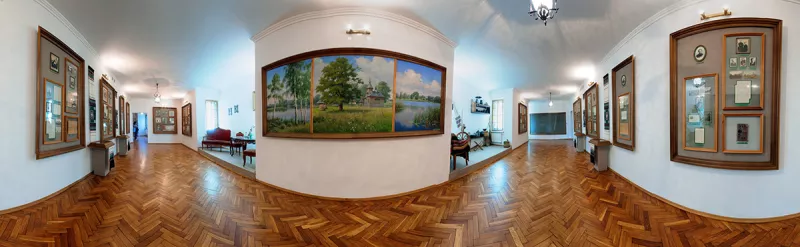
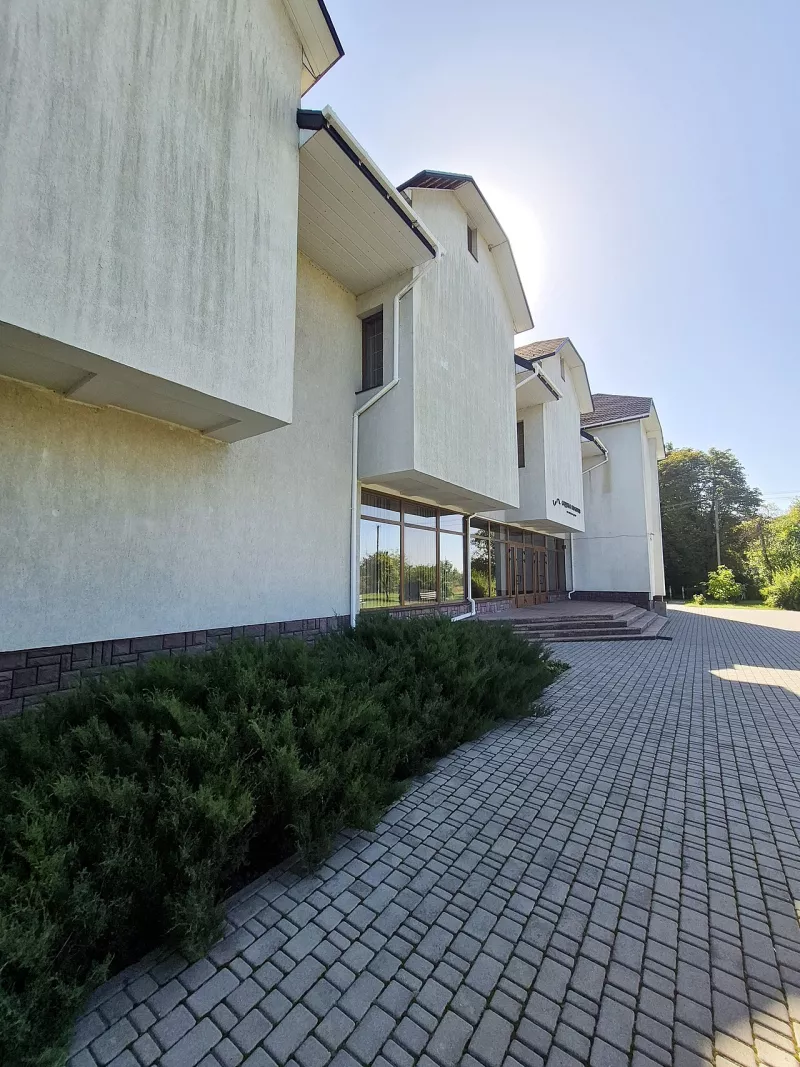
During World War II, the main house of the estate was destroyed, but the “white” and “grey” houses survived. As early as May 1941, the regional authorities decided to create a museum here, but the war interfered, and it was only opened in 1949. In 1963, a literary exhibition was opened in the “grey” house, and Lesya’s house became a memorial. The exhibition was updated in 1991. It tells about Lesya Ukrainka’s Volyn paths, Kolodiazhne as the cradle of her talent, the path to The Forest Song, and the tragic fate of the Kosach family. The estate was recently restored.
The Kosach Family
The estate was home to a large family. The father, Petro Kosach, worked in district offices; the mother, Olena Pchilka, a writer and ethnographer, collected folk songs and rituals here, involving the children in this. The Kosach family had six children — Mykhailo, Larysa (Lesya), Olha, Oksana, Mykola, and Izydora. The children grew up surrounded by Polissian nature and folklore, and guests from Kyiv and other cities often visited the estate — writers, musicians, and public figures.
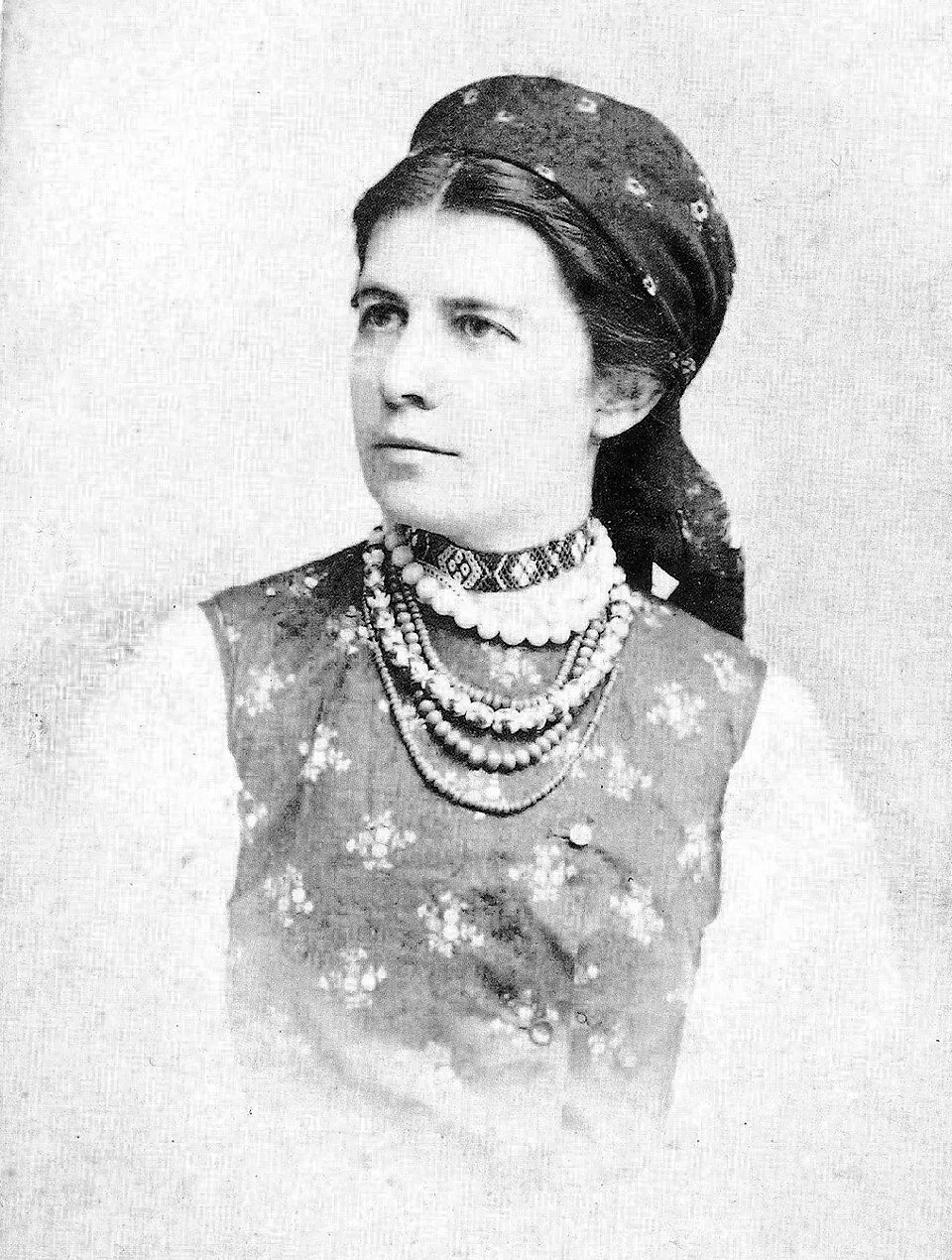
It was here that Lesya listened to Volyn songs and legends, which later came alive in her works. A separate section of the exhibition tells about the family and the difficult fate of its members in the 20th century.
Tip
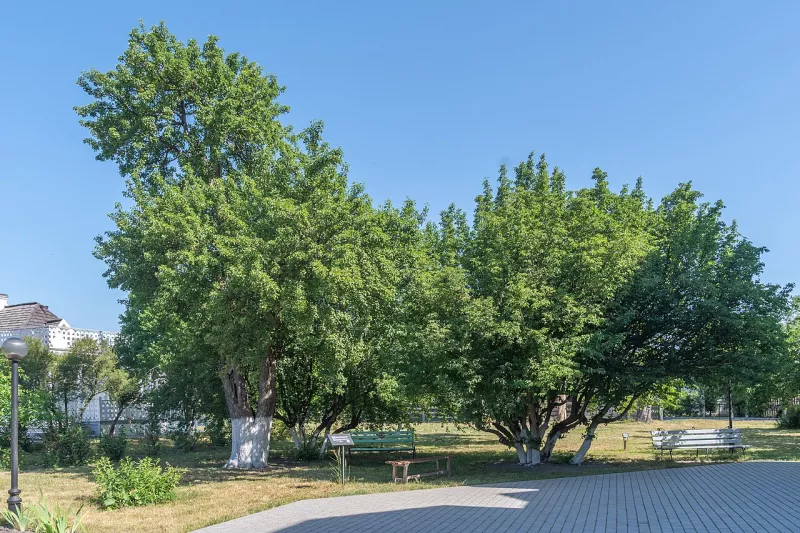
Set aside an hour to an hour and a half for the estate: the memorial house, the exhibition in the “grey” house, and a walk through the old park. It is most beautiful here in spring and summer. Combine the trip with visits to Kovel and Liuboml.
How to Get There
Kolodiazhne is a few kilometers from Kovel, and suburban buses run here. More details in the article Kovel District.