The village of Pavoloch is part of the Popilnia settlement hromada of Zhytomyr Raion and lies on the Rostavytsia River, far from major roads. According to the 2001 census, it had a population of 1,437, although at the beginning of the 20th century the population reached nearly eight thousand. Once, Pavoloch was a significant town, a center of a Cossack regiment, and an important hub of Jewish life and Hasidism.
Today, Pavoloch is an ordinary village, but traces of its urban past are still visible: the street layout, the central square, the ramparts of the old town, and old buildings.
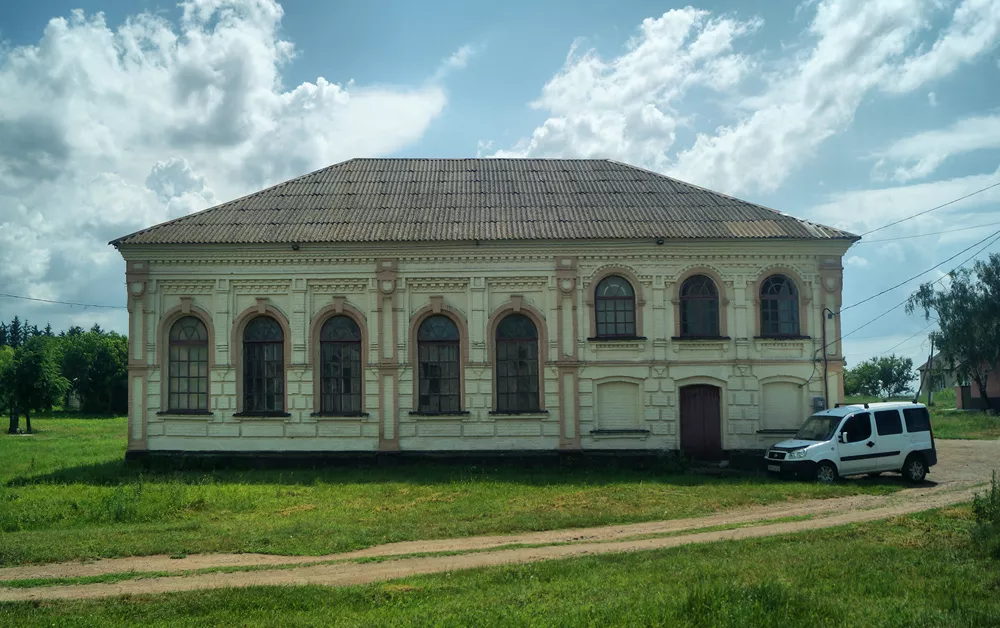
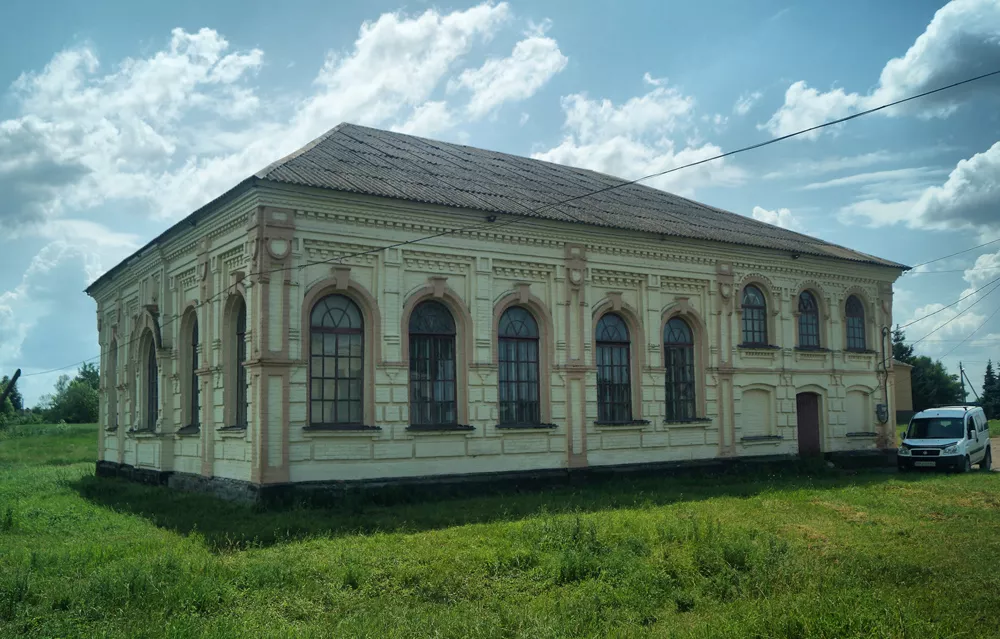
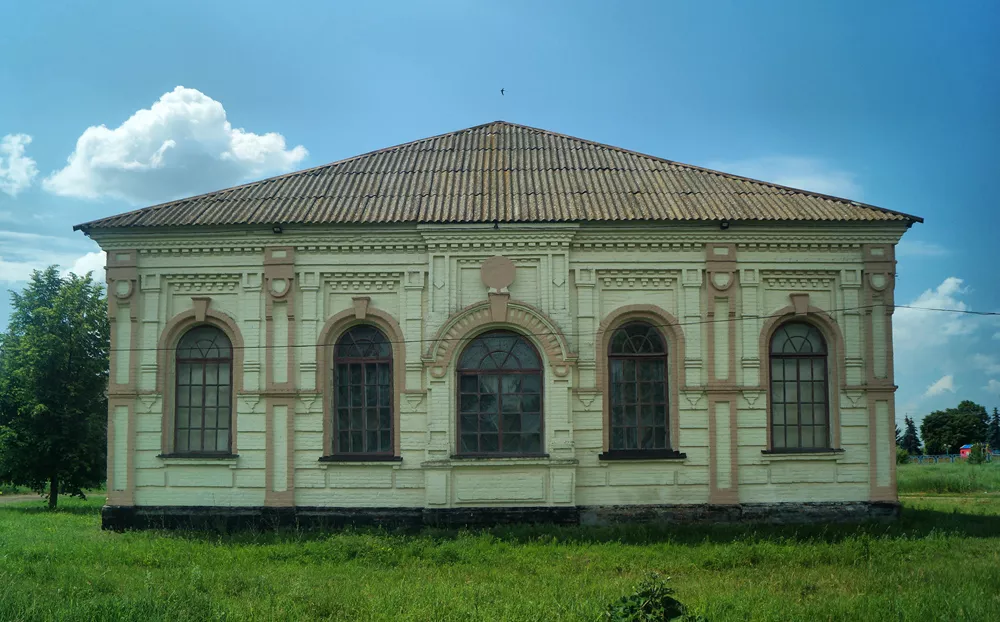
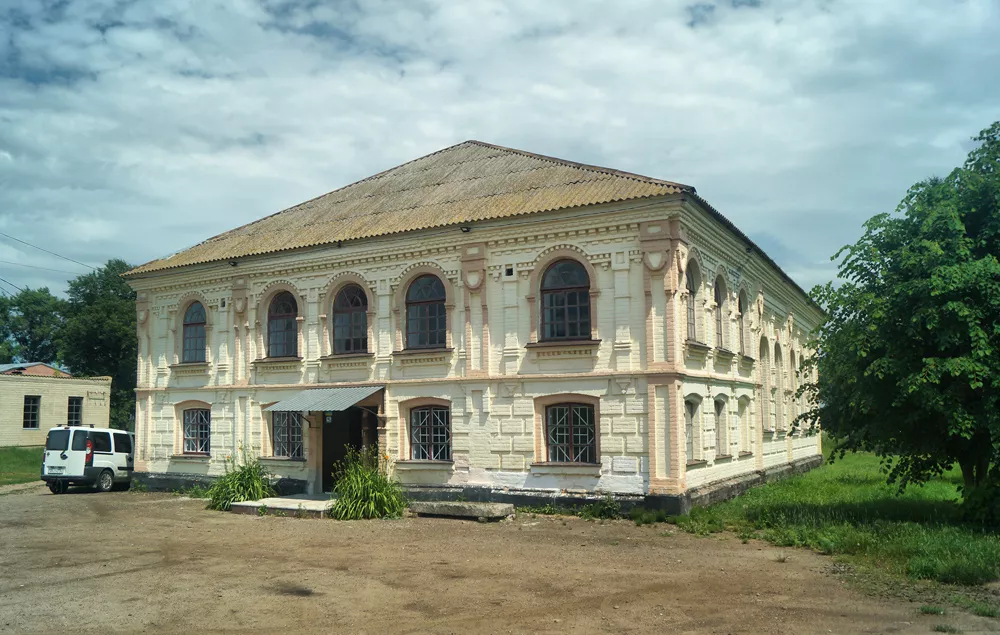
Synagogue.
Origin of the Name and Early History
The name of the village is associated with the old word "pavoloka" — which referred to silk or another valuable fabric. The historian Lavrentii Pohylevych noted that Pavoloch was among the most important towns in Ukraine.
In 1648, the Pavoloch Regiment was formed here, which existed with interruptions until 1714. Bohdan Khmelnytskyi visited Pavoloch several times, notably in 1651 after the defeat near Berestechko, when a large fortified Cossack camp was located here. The name of Colonel Ivan Popovych, whom locals called Shram, is also connected with Pavoloch: he led the regiment around 1660–1663 and became the prototype for Colonel Shram in Panteleimon Kulish's novel "The Black Council".
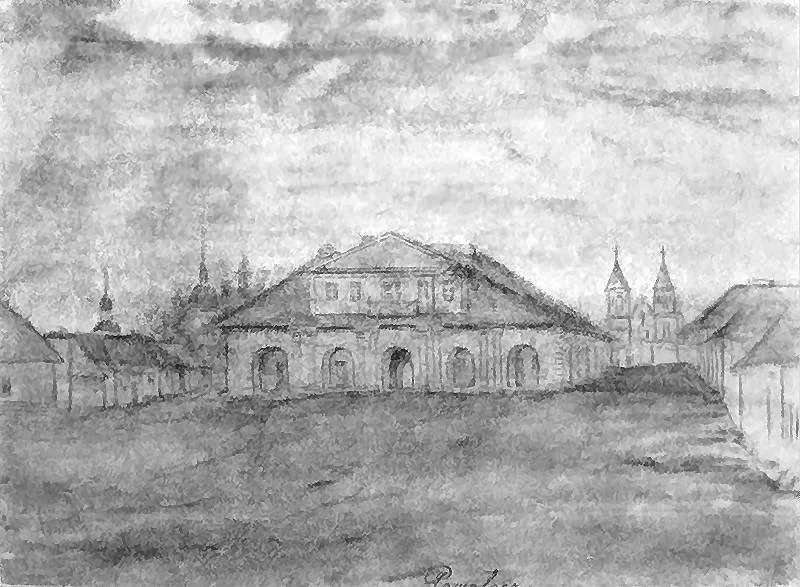
Pavoloch in a drawing by Napoleon Orda. Town hall, Catholic church, and Orthodox church.
Fortress and Urban Structure
Old Pavoloch was protected by the Rostavytsia and Pavolochka rivers, and on the other side by a high rampart with a moat. In the 17th century, a masonry gate with a tower stood on the rampart, and the castle itself was made of wood. Parts of the ramparts have survived to this day.
The town had a developed structure with a central square, a town hall, and a regular street layout.
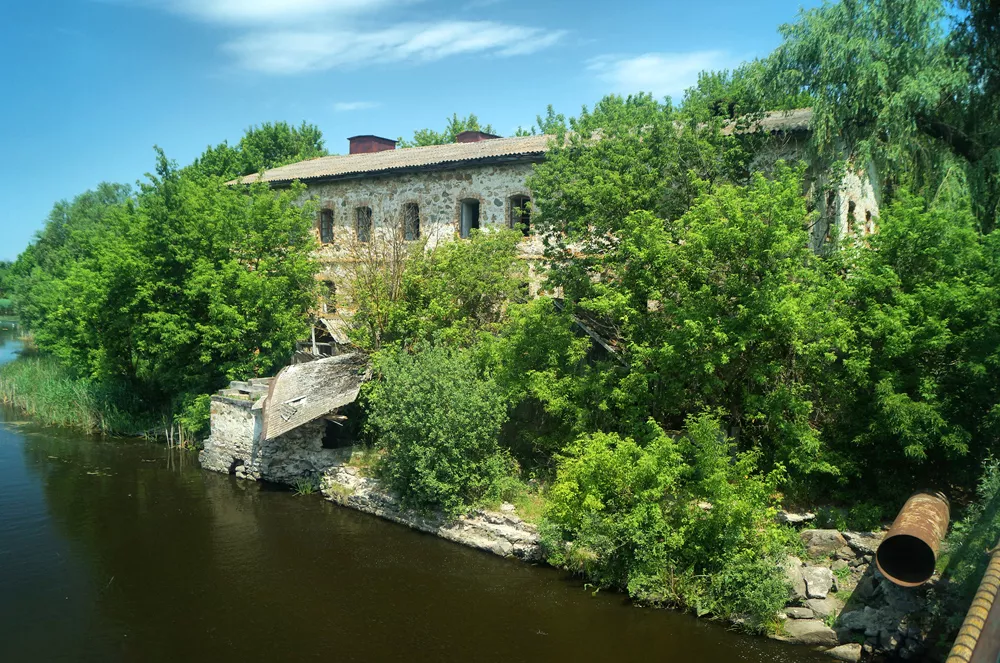
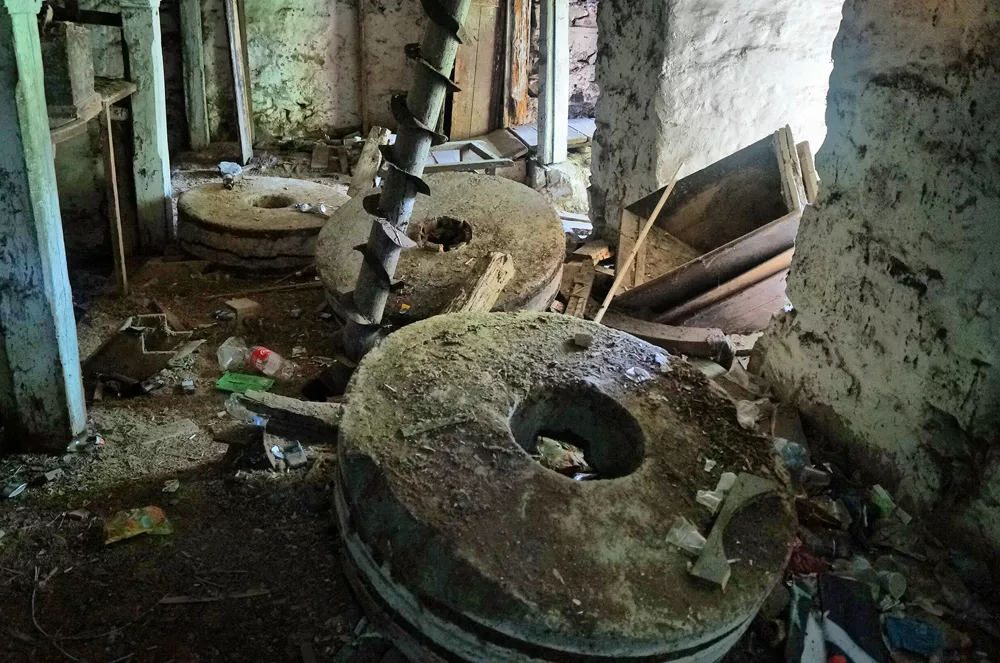
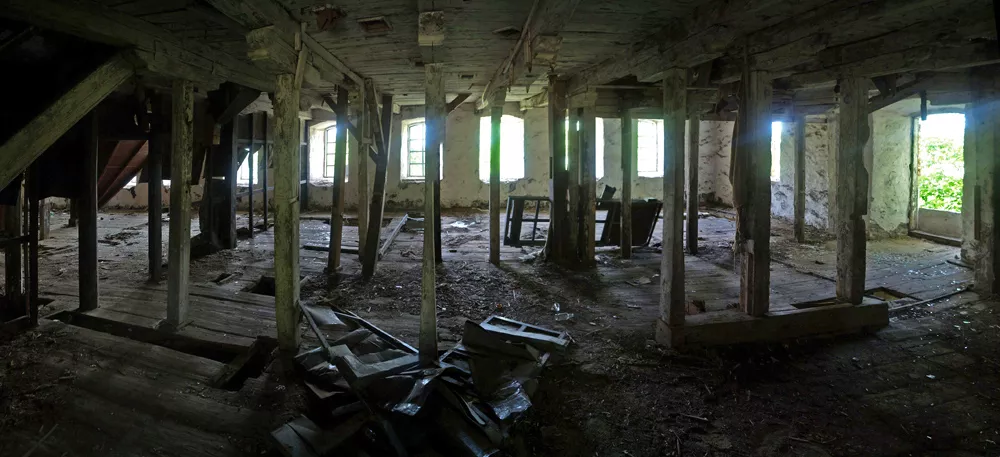
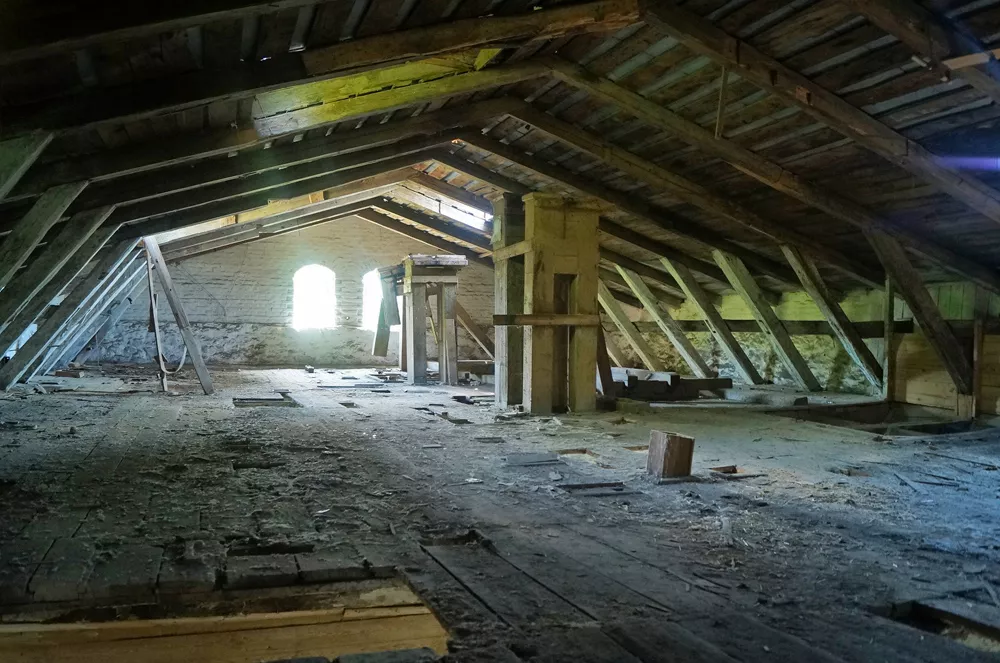
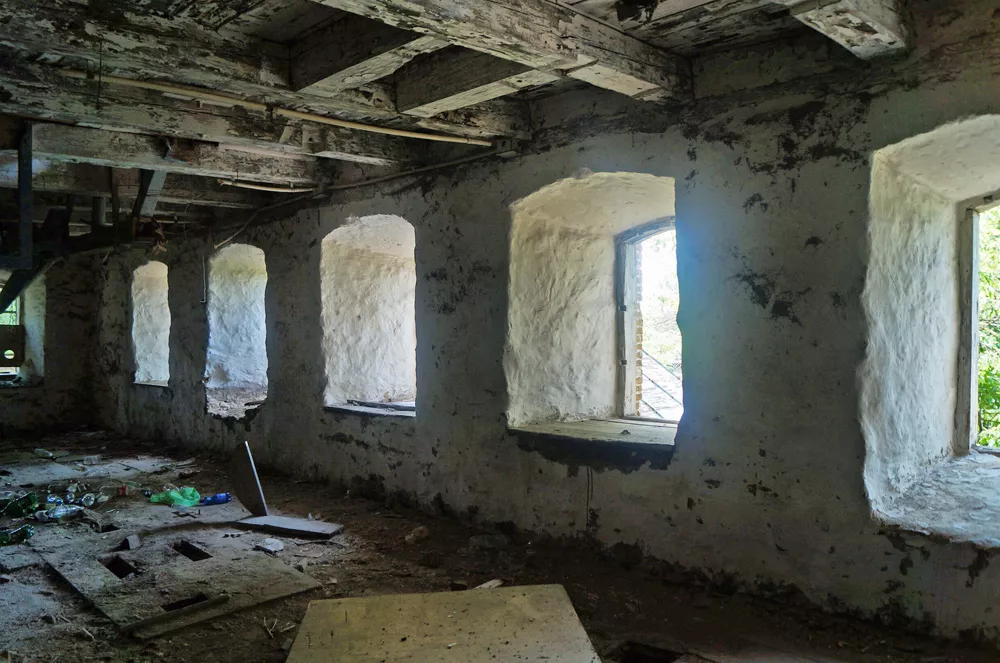
The water mill, which Abramovych sold to the merchant Natanzon.
The Abramovych Family and 19th-Century Landmarks
In the 1840s, part of the town was acquired by the landowner Stanislav Abramovych; in 1868, he sold it to V. Hudyma-Levkovych. Associated with the Abramovych era is the water mill, which was still operational in the 2000s, as well as a mill in the neighboring village of Buky — one of the oldest in the Kyiv region.
Among the old buildings of Pavoloch that have also survived are:
- landlord's granaries;
- estate ruins;
- a semi-ruined manor house;
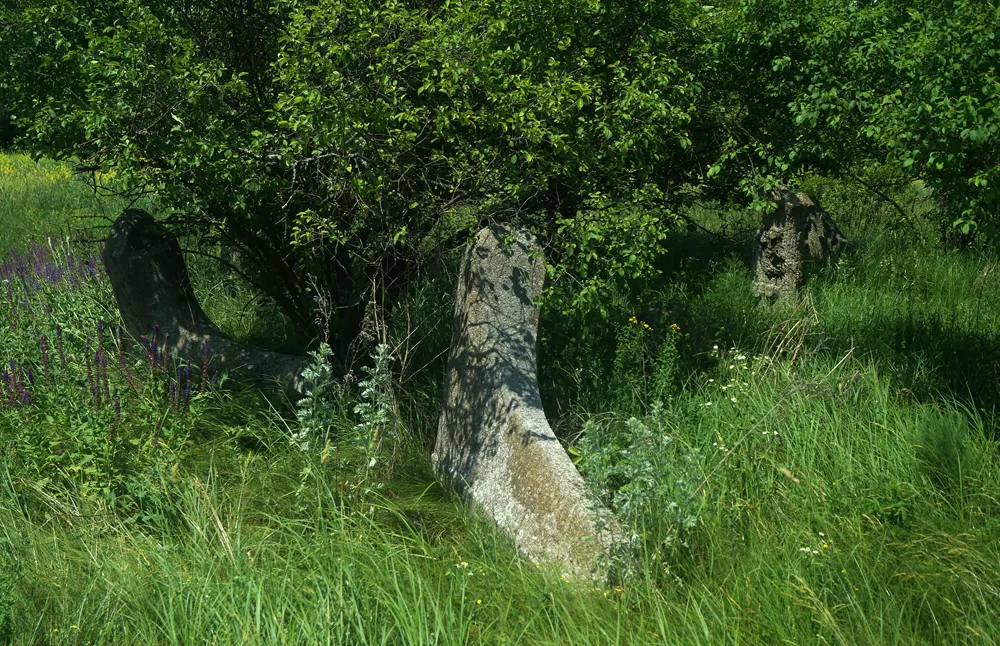
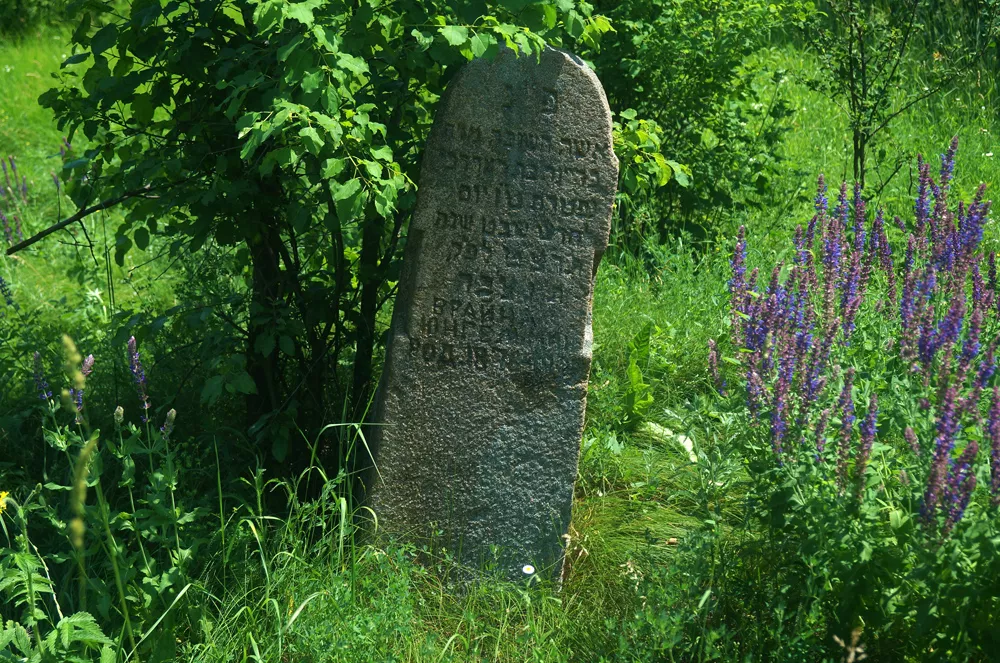
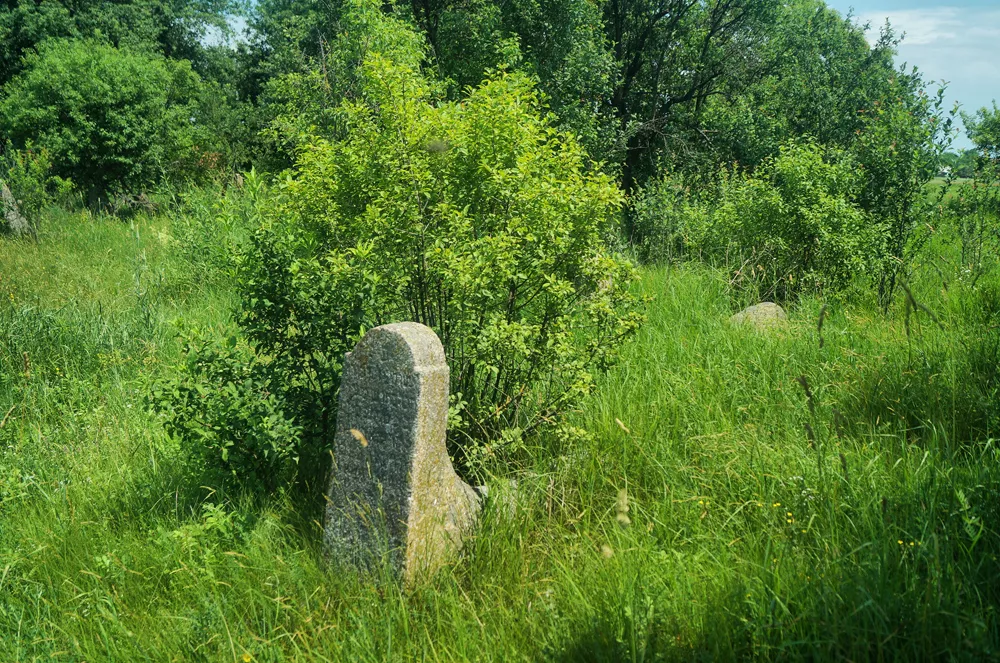
- the Jewish cemetery — the kirkut.
Tragic Pages and Hasidism
In 1753, Catholic Bishop Kajetan Sołtyk initiated a trial in which the Jews of Pavoloch and the surrounding area were accused of the ritual murder of a Christian boy. Under torture, some of the accused were forced to convert, while others were executed. This event shook the Jewish communities of the region; according to legend, the founder of Hasidism, the Besht, spoke of it with sorrow.
Despite this, at the beginning of the 20th century, Pavoloch remained a large Jewish shtetl with several synagogues and a numerous community.
Pavoloch Today
Little remains of the village's Jewish heritage:
- a brick synagogue built by the community in the 18th century; after restoration between 1989 and 1993, it houses the local history museum;
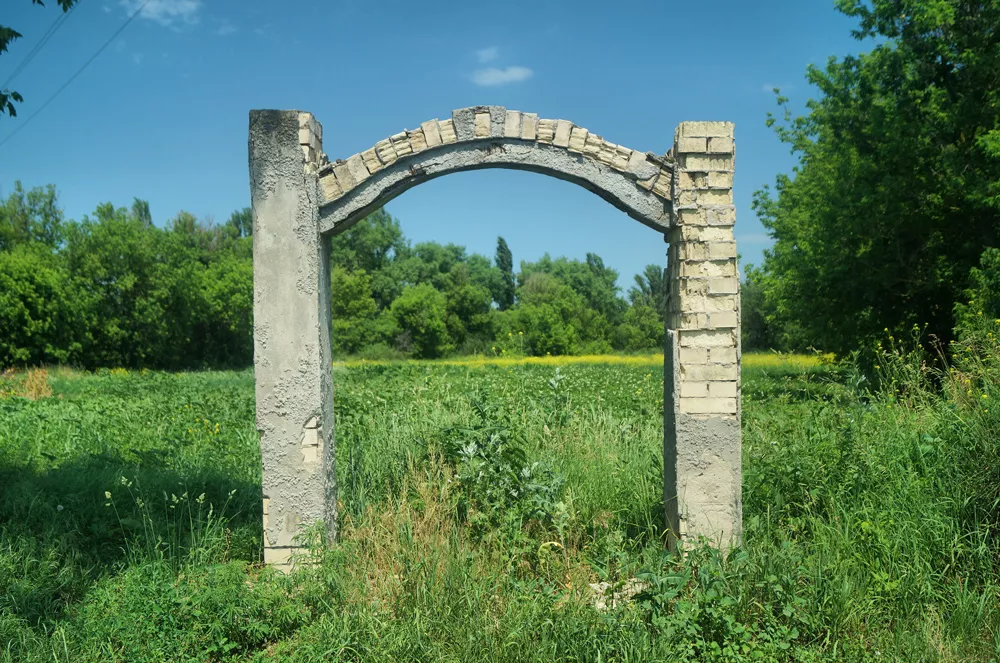
- the kirkut at the entrance to the village.
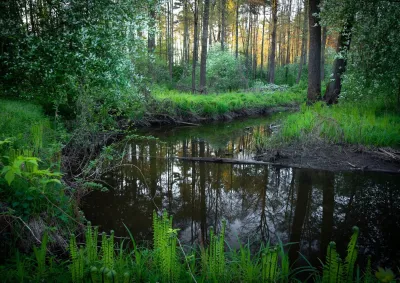
The picturesque valley of the Rostavytsia River makes Pavoloch attractive to those interested in the history and architecture of the region.
Why You Should Visit Pavoloch
- To appreciate the historical town planning, ramparts, and old buildings.
- To visit the museum in the former synagogue and see the kirkut.
- To walk along the picturesque banks of the Rostavytsia.
- To learn more about the history of the Cossack regiment, the Jewish community, and Hasidism.
Pavoloch combines historical heritage, architecture, and spiritual memory and remains of interest to tourists and researchers of Ukrainian history.
Photos by Roman Malenkov, Serhii Shcherbiy.
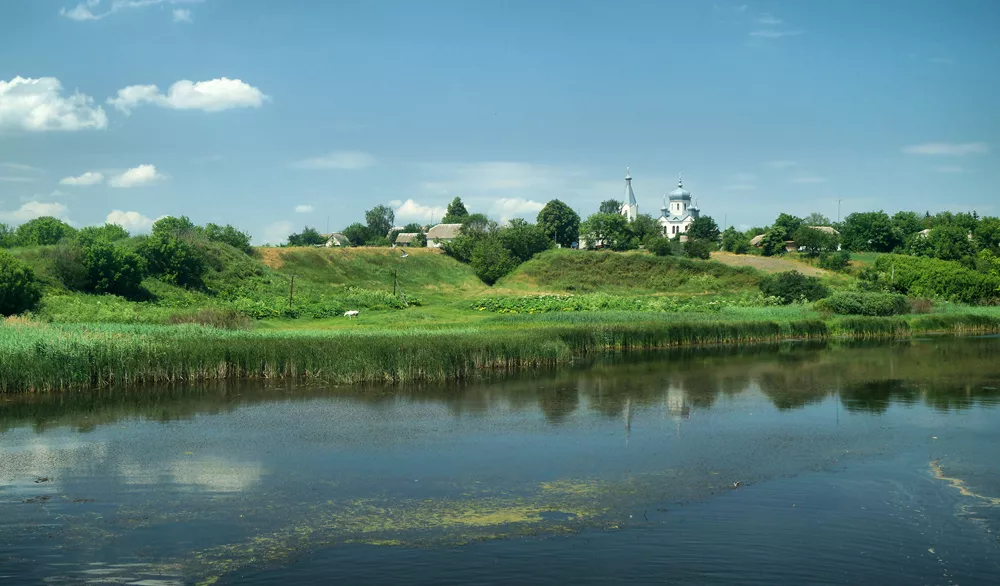
Ramparts of the old town.
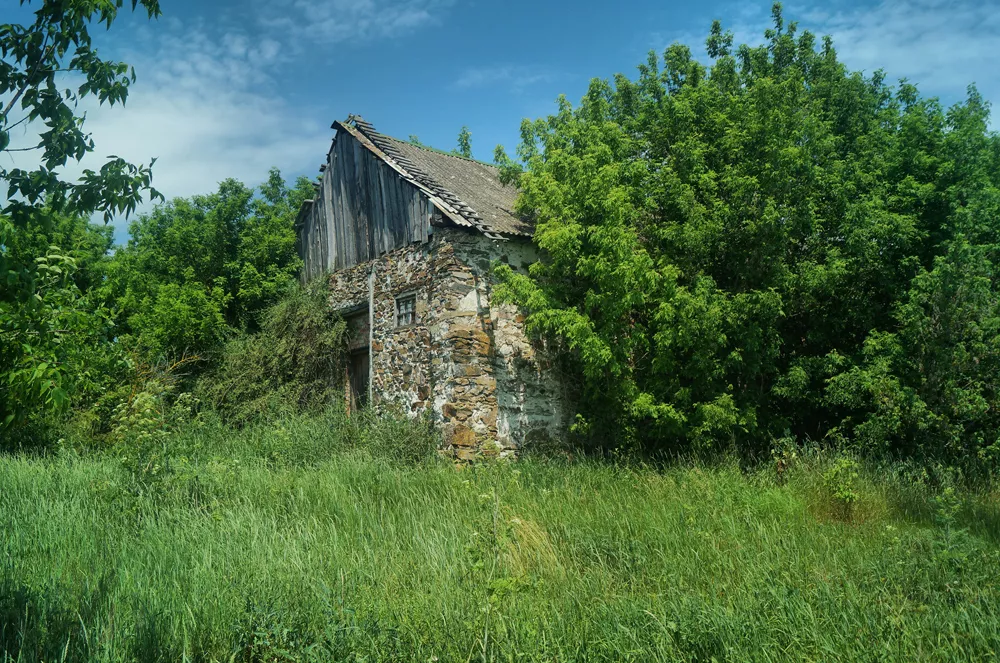
Granary.
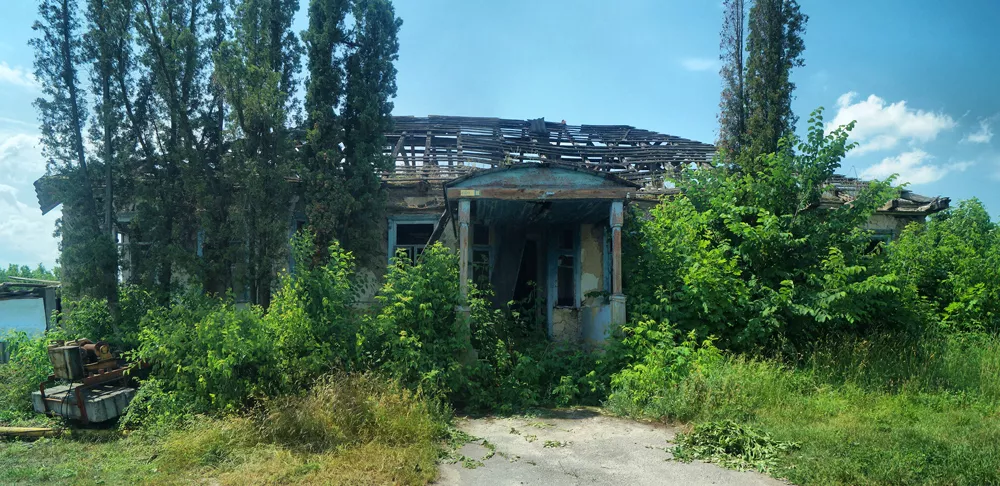
Manor house.