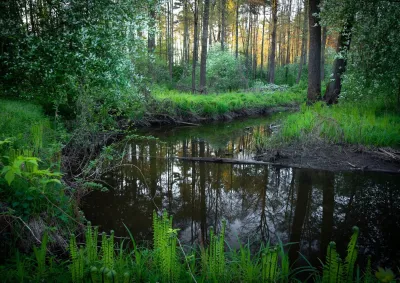
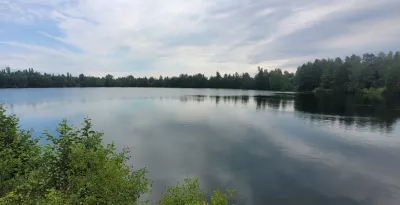
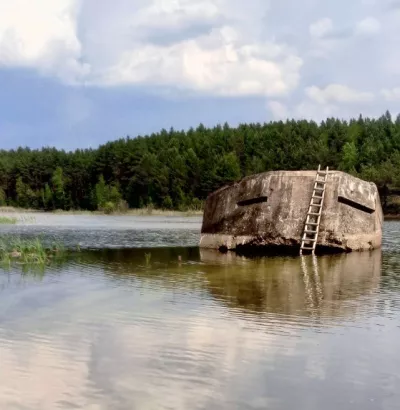
Zviahel (known in 1795–2022 as Novohrad-Volynskyi) is one of the oldest towns in Ukrainian Polissia, with a history closely linked to the Middle Ages, the Grand Duchy of Lithuania, the Polish-Lithuanian Commonwealth, and modern Ukraine. The town is located in the Zhytomyr Oblast on the banks of the Sluch River, and for centuries its heart has been the castle on a high cliff above the river.
First Mention and Origin of the Name
The town is first mentioned in the Galician-Volhynian Chronicle under the year 1256 as Vozviagl. The very next year, in 1257, the retinue of King Danylo Romanovych burned it down because of the local residents' disobedience.
Archaeological finds indicate that a settlement already existed here in the 10th–12th centuries and was an important trading and defensive outpost on the border of the Kievan Rus lands.
Castle of the Princes Ostrogski
In the 16th century, the town developed under the rule of the Ostrogski princes, a family that played a key role in the political and cultural life of Volhynia. In 1507, Prince Kostiantyn Ostrogski began building a castle on the cliff above the Sluch, around which the town grew. The stronghold with its stone walls and towers became a symbol of the region's defense capability and controlled important trade routes.
In those days, Zviahel was one of the important outposts in Volhynia.
Wars, Destruction, and Cossack Times
In the mid-17th century, during the Khmelnytsky Uprising led by Bohdan Khmelnytsky, the town repeatedly changed hands. During the assaults, several towers and a part of the castle wall were destroyed.
In 1648–1649, Zviahel became the center of the Zviahel (Volhynian) Cossack Regiment. These events deeply influenced the future destiny of the town.
Lubomirski Family and the Russian Empire
From 1658, Zviahel belonged to the magnate Lubomirski family. The military significance of the castle gradually diminished, and in the 18th century, part of its walls was dismantled to build a church.
Following the second partition of the Polish-Lithuanian Commonwealth in 1793, the town became part of the Russian Empire, and in 1795, by decree of Catherine II, it was renamed Novohrad-Volynskyi.
What Remains of the Castle
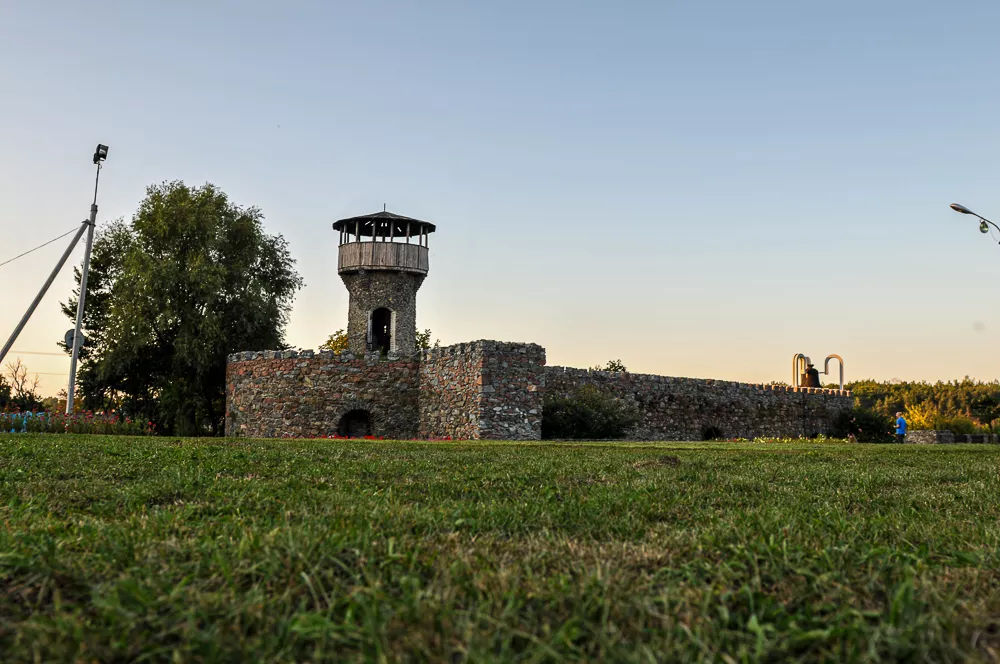
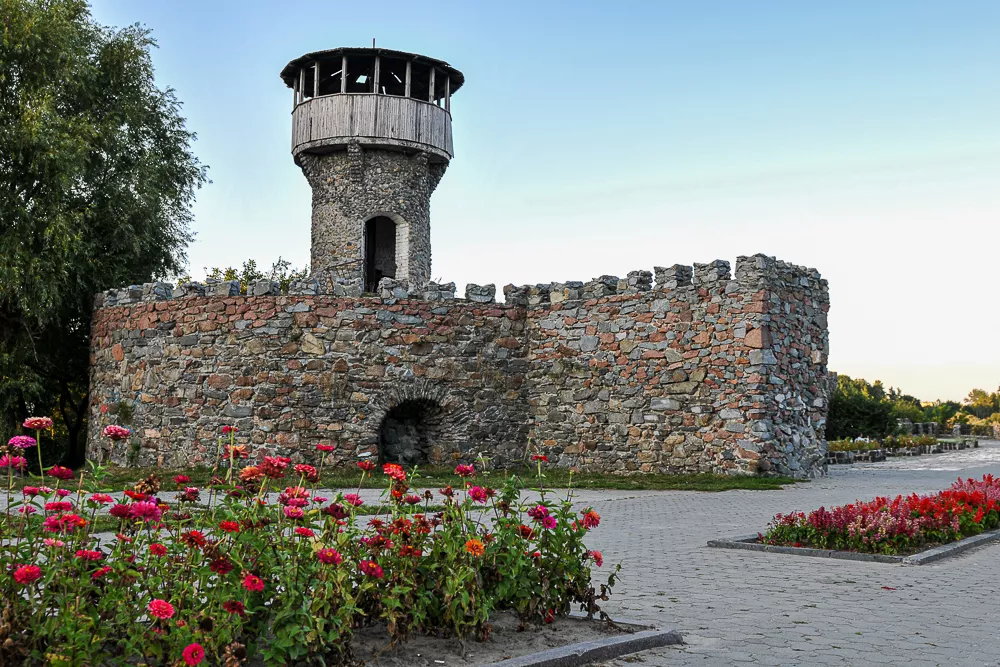
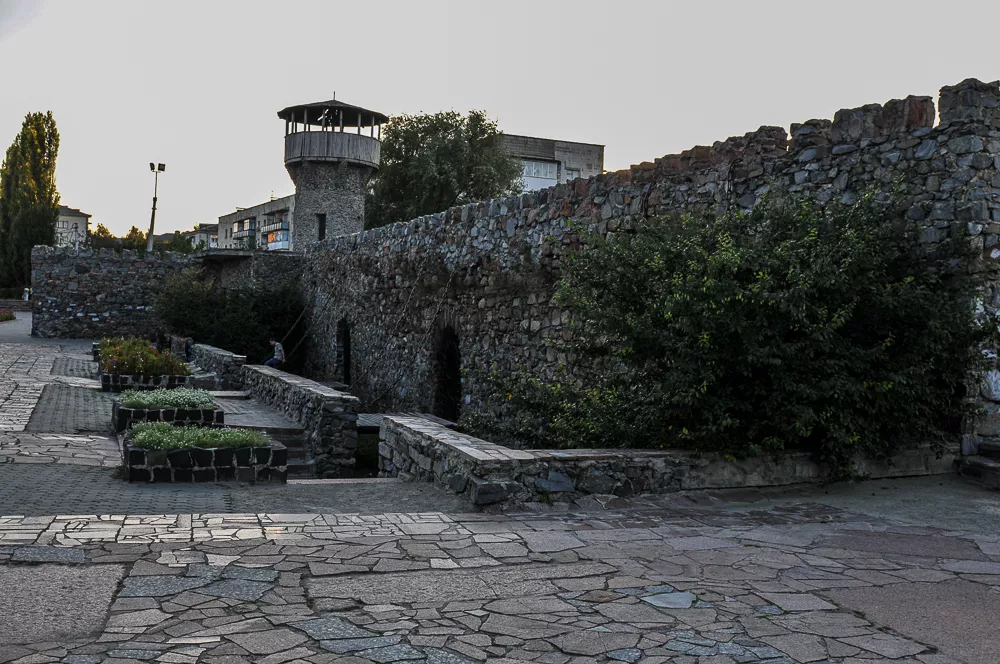
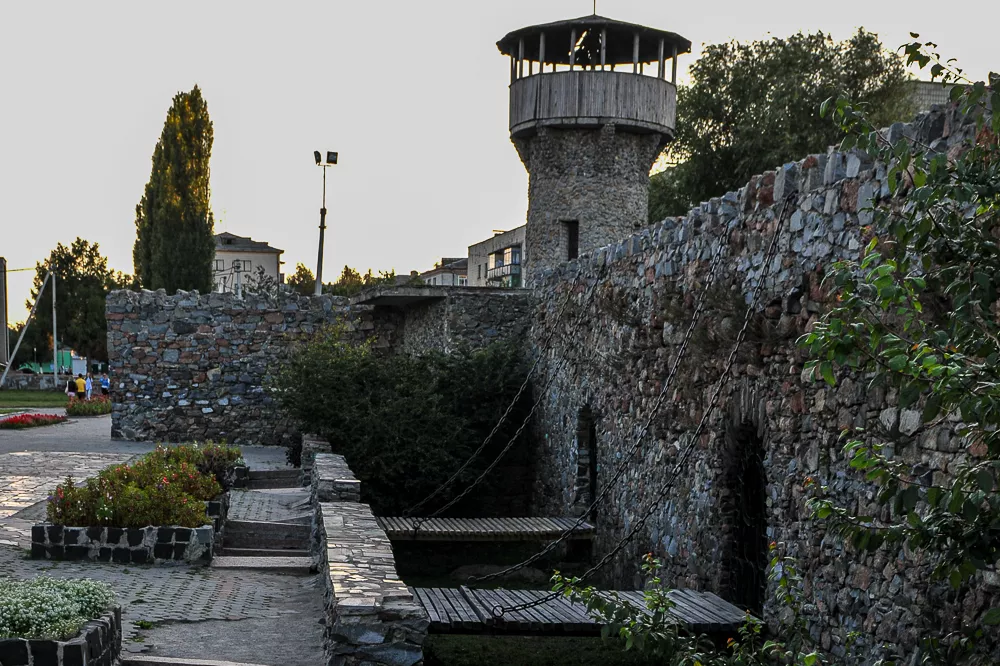
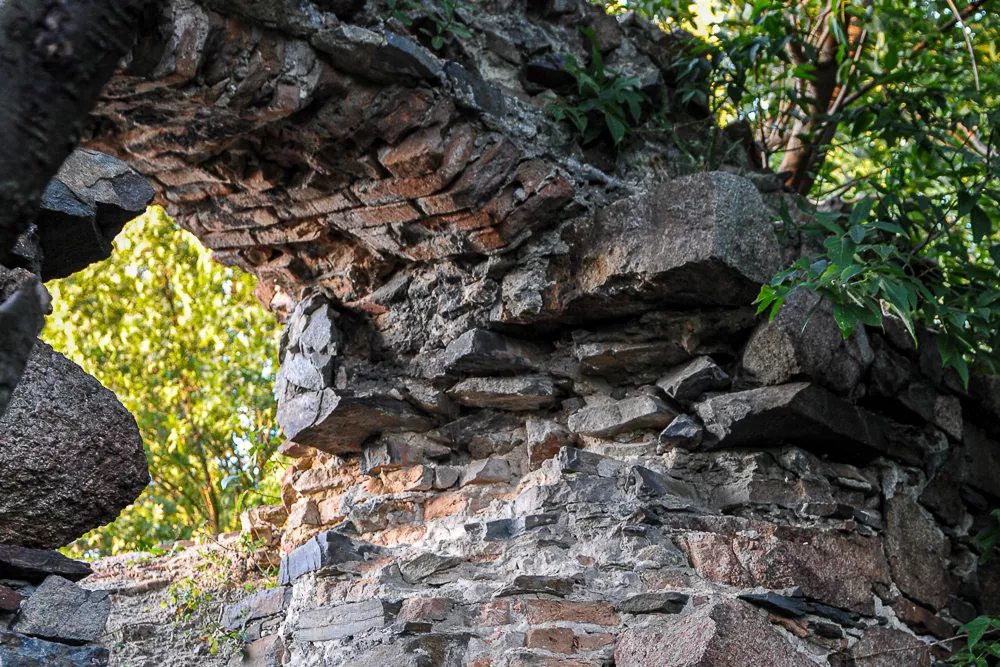
Only minor remnants of the former stronghold remain on the banks of the Sluch. In Soviet times, in the late 1980s, a fragment of the fortress wall and one defensive tower were restored here, and the area was landscaped. However, the reconstructed elements bear little resemblance to the original structures: it is difficult to understand what exactly the architects were guided by during the restoration. The castle holds the status of an architectural monument of local significance.
Railway Viaduct
Another prominent structure over the Sluch is the railway viaduct, erected during the First World War when the Shepetivka – Korosten railway was being built. The high bridge spans the rocky river valley near the M06 bypass highway. It survived both World Wars, and trains still cross it to this day.
Return of the Historical Name
On November 16, 2022, the Verkhovna Rada restored the town's historical name: Zviahel. This is a symbolic step that emphasizes the importance of cultural identity and historical roots.
Today, Zviahel combines rich historical traditions with an active cultural life and attracts tourists with its architecture, nature, and monuments of the past — among them the house-museum of the Kosach family and the Mezentsev Palace.
Text and photos by Serhii Shcherbii