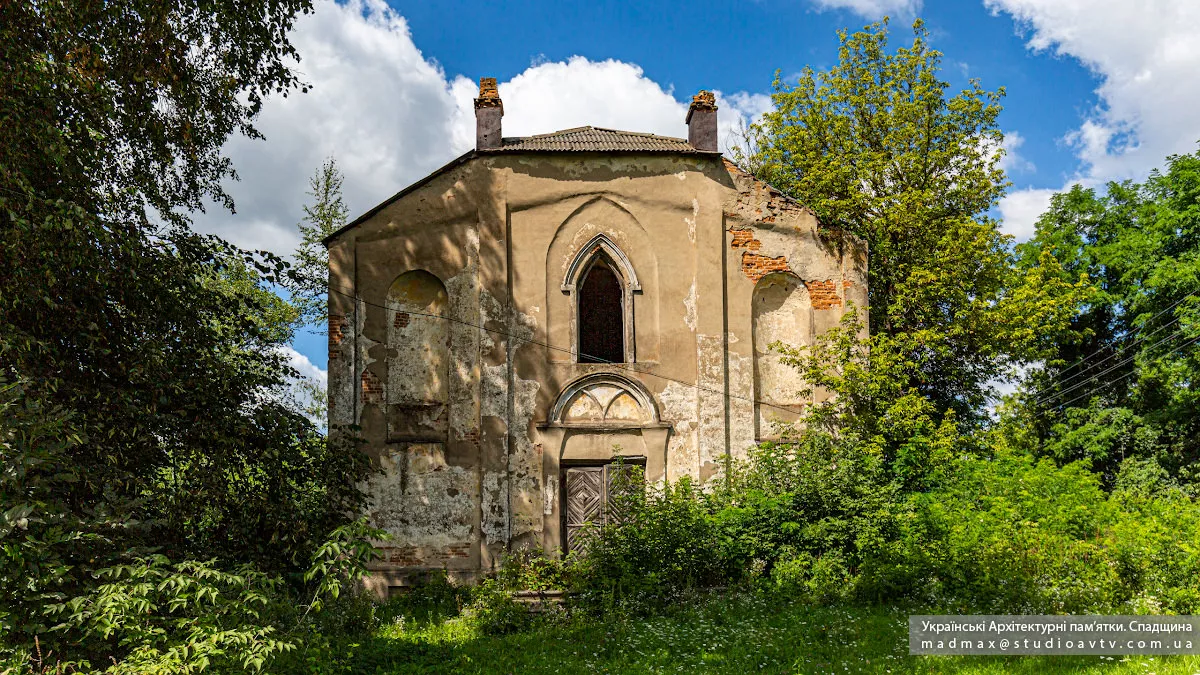
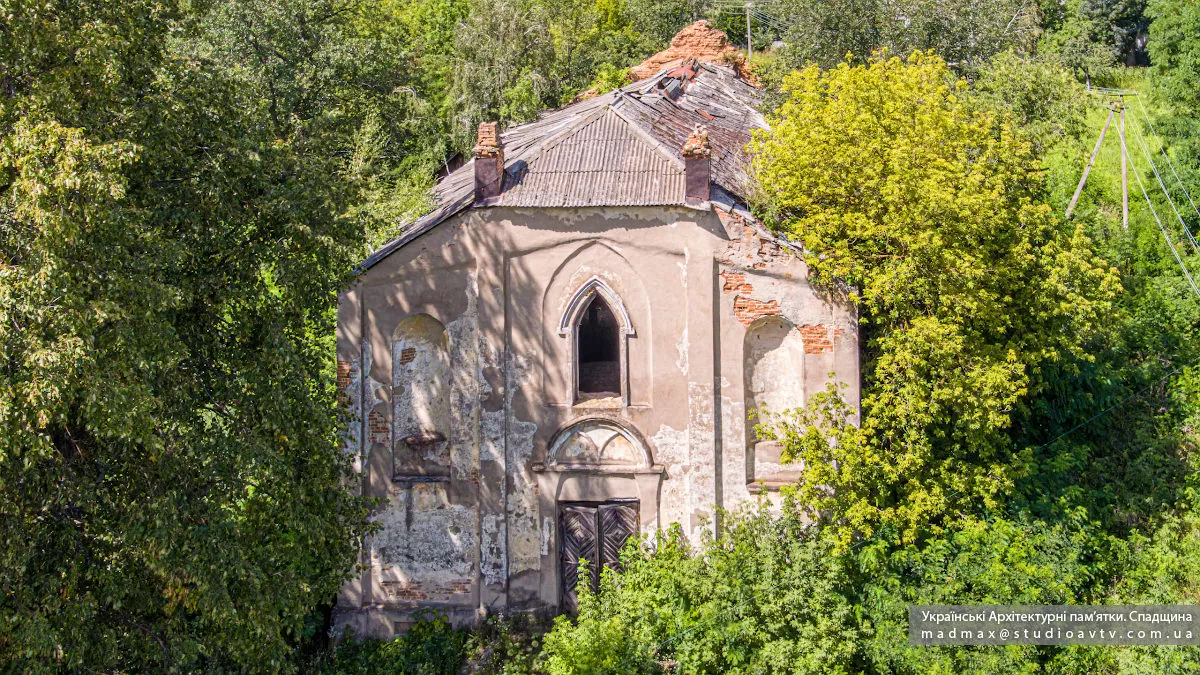
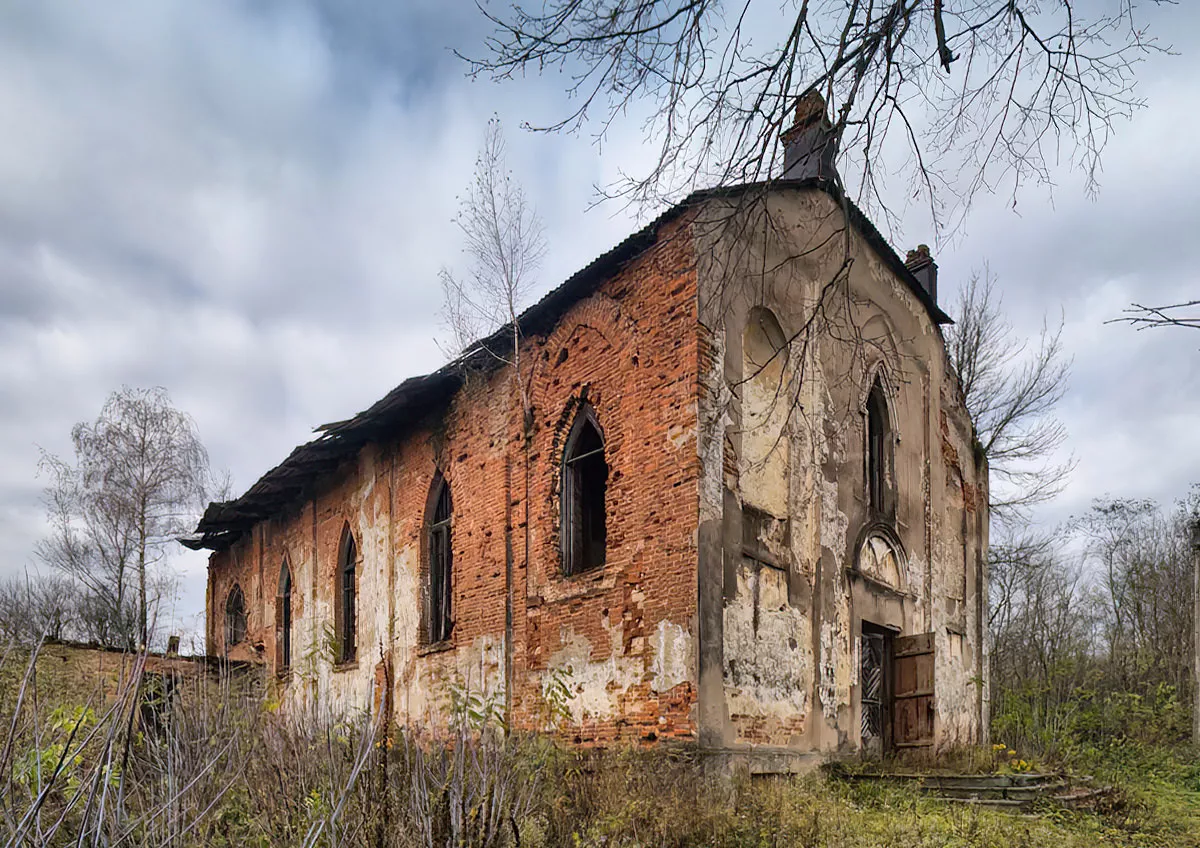
Amidst the Polissian landscapes of Zhytomyr region, in the village of Horbuliv, hides one of the most fascinating and at the same time most tragic monuments of sacred architecture in the region — the Roman Catholic Church of the Immaculate Conception of the Blessed Virgin Mary. Once this majestic Neo-Gothic sanctuary with high vaults, vibrant paintings, and massive walls was the spiritual center of the local Catholic community. Today, only semi-ruined walls remain, silently reminding us of the rich and complex history of the land.
A village with a legend dating back to Kyivan Rus times
According to local lore, the history of Horbuliv begins in the era of Kyivan Rus. Legend has it that in 1151, Prince Andriy Boholyubsky allegedly founded a monastery here. The village name also has an interesting explanation. Travelers moving along the ancient route from Modeliv or Potiivka to Zhytomyr saw a large hill on the left, known as Divych-hora (Maiden Mountain). The settlement near this hill reportedly got the name "Horbuliv", meaning "hump to the left" ("horb u livo").
According to legend, during the Mongol invasion, the troops of Khan Batu destroyed the settlement. After a long period of oblivion, Horbuliv appears again in historical documents in 1584.
The stone wealth of Horbuliv
In addition to its ancient history, the village is known for its natural resources. Already in the 19th century, labradorite rocks came to the surface near Horbuliv, and in 1910, an Italian entrepreneur named Liva started industrial extraction of labradorite here — a valuable decorative stone used in construction and decoration. In Soviet times, the deposits continued to be developed.
The deposits turned out to be so rich that extraction continues today. Several quarries operate in the Horbuliv area, and the local labradorite is known for its characteristic iridescent sheen and goes into facing slabs, monuments, and decorative elements.
A majestic church among Polissian forests
The greatest historical decoration of the village is the Roman Catholic Church of the Immaculate Conception of the Blessed Virgin Mary, built in 1857 on the site of an older church erected in the early 1790s. Researchers suggest that the construction was financed by the then owner of Horbuliv, the landowner Podhorodensky.
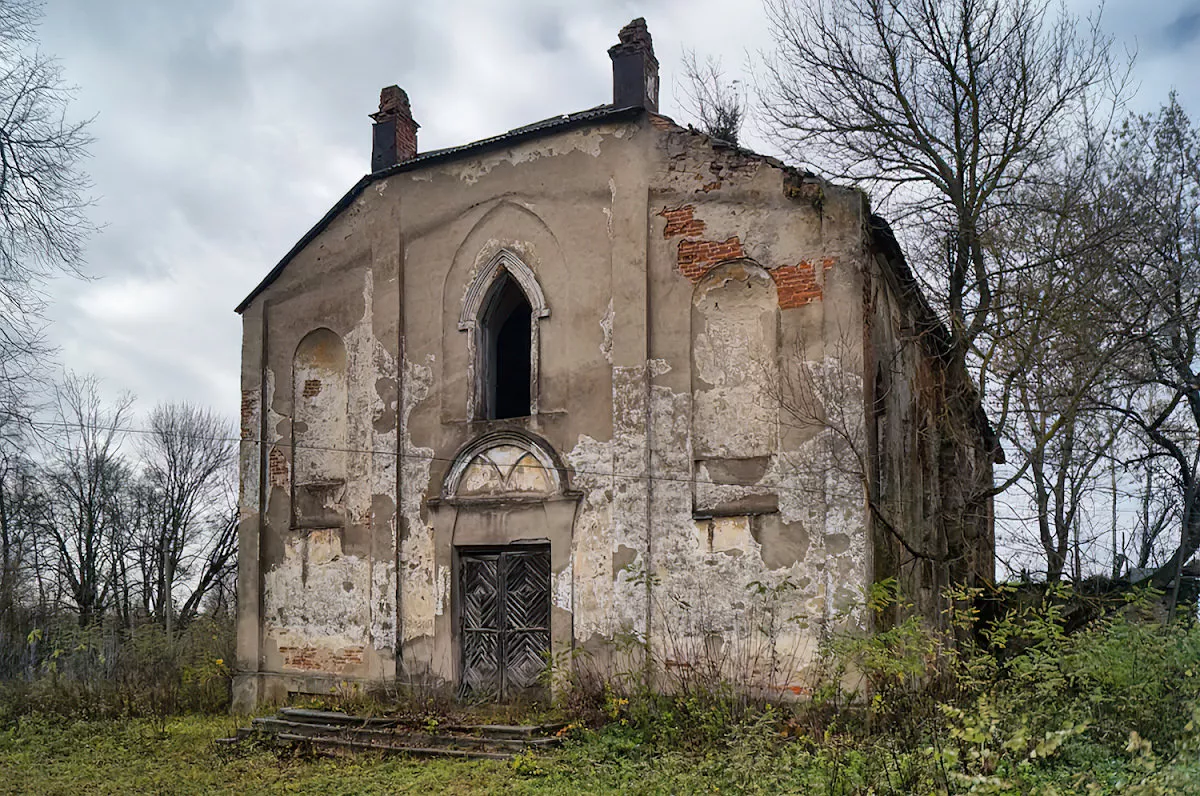
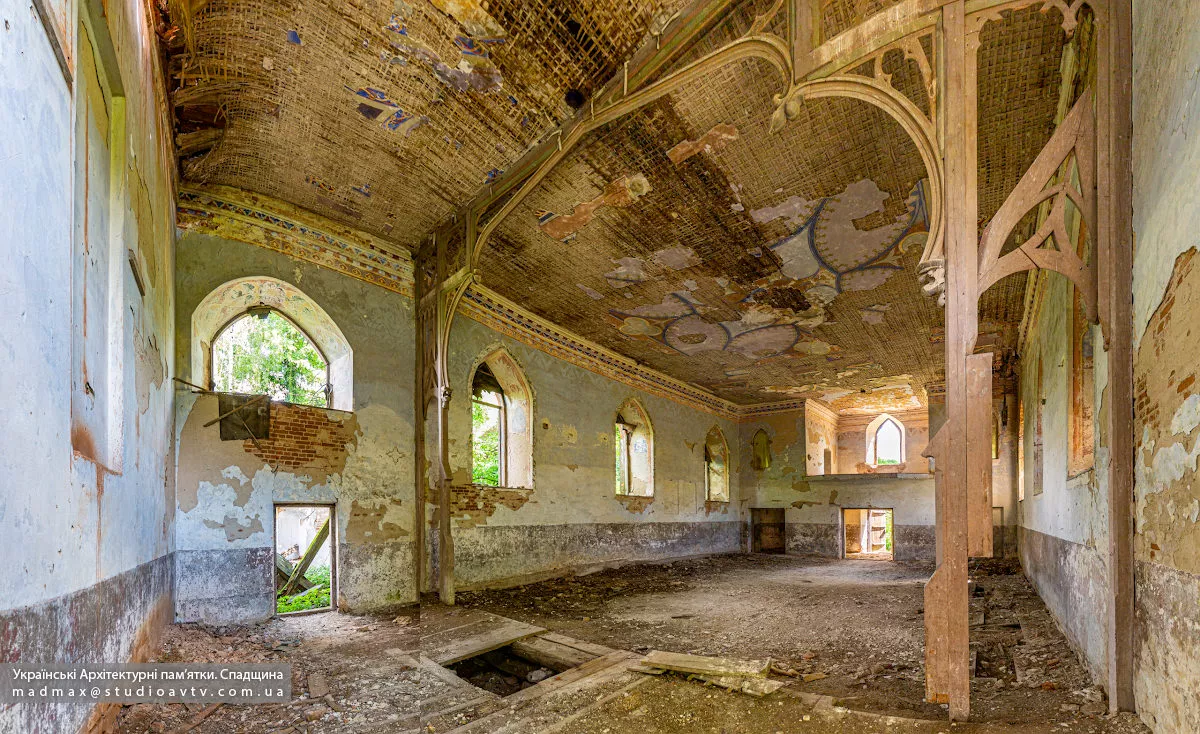
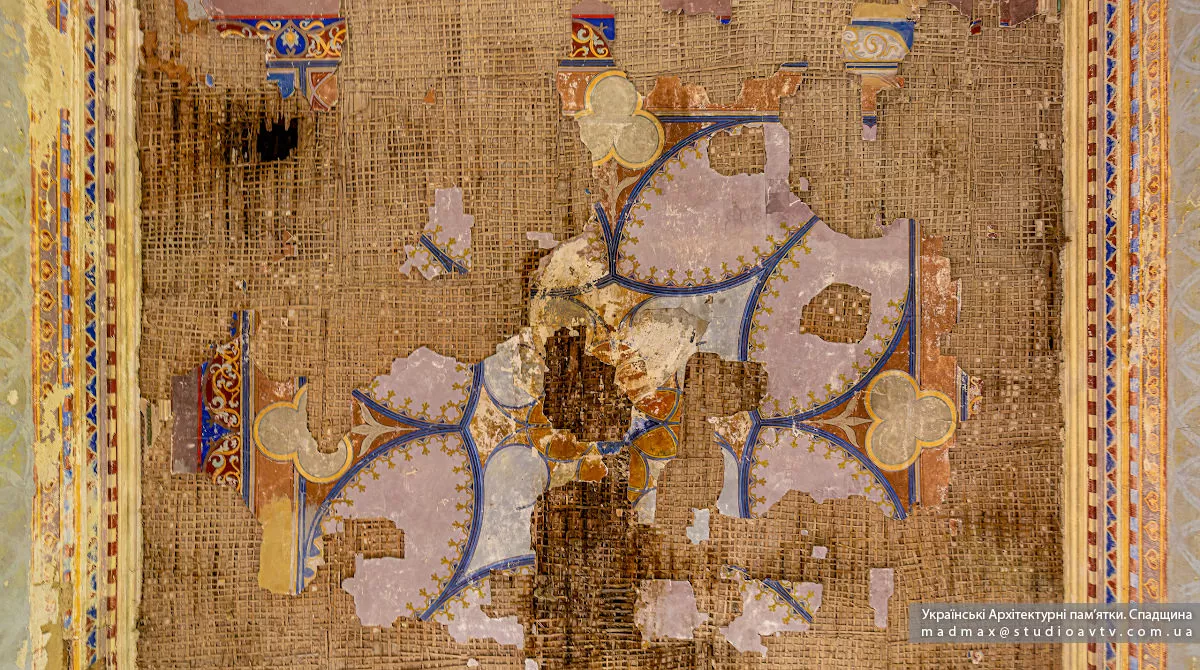
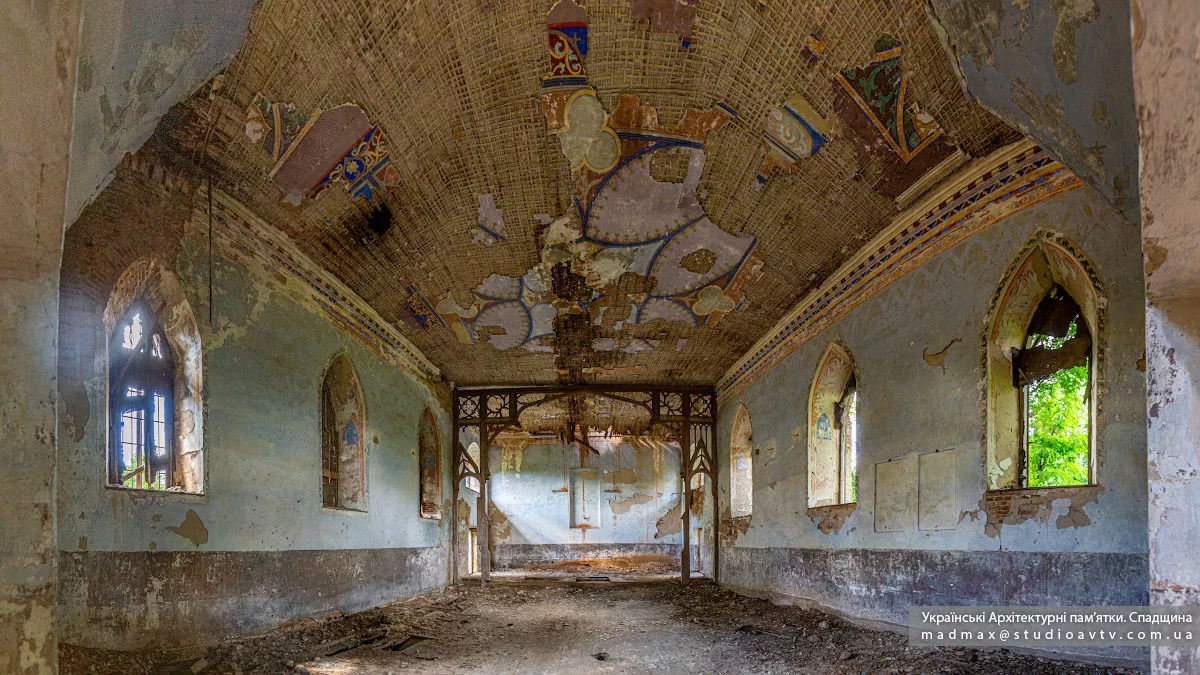
The temple was built in the Neo-Gothic style, popular in the 19th century among Catholic communities of Right-Bank Ukraine. It stood out for its significant size, lancet arches, high windows, and exquisite interior decoration. According to local residents and researchers, the walls of the sanctuary were adorned with paintings, and the thickness of the walls reached about 1 meter 20 centimeters, which indicates the extraordinary strength of the structure.
Near the temple lies an old Polish cemetery, where 19th-century tombstones have been preserved to this day. They are valuable historical witnesses to the presence of the Polish gentry and the Catholic community on these lands.
The fate of a priest who survived persecution
In the early 20th century, an important role in the life of the parish was played by priest Franciszek Andruszewicz, who became the rector of the church in 1906 and served here until the revolutionary events of 1917.
In 1919, he was arrested for the first time by the Soviet authorities on suspicion of anti-Soviet activities. In subsequent years, the priest repeatedly suffered persecution for his religious and educational work, becoming one of many clergymen who suffered from the anti-religious policy of the Soviet authorities.
A ruin that still impresses
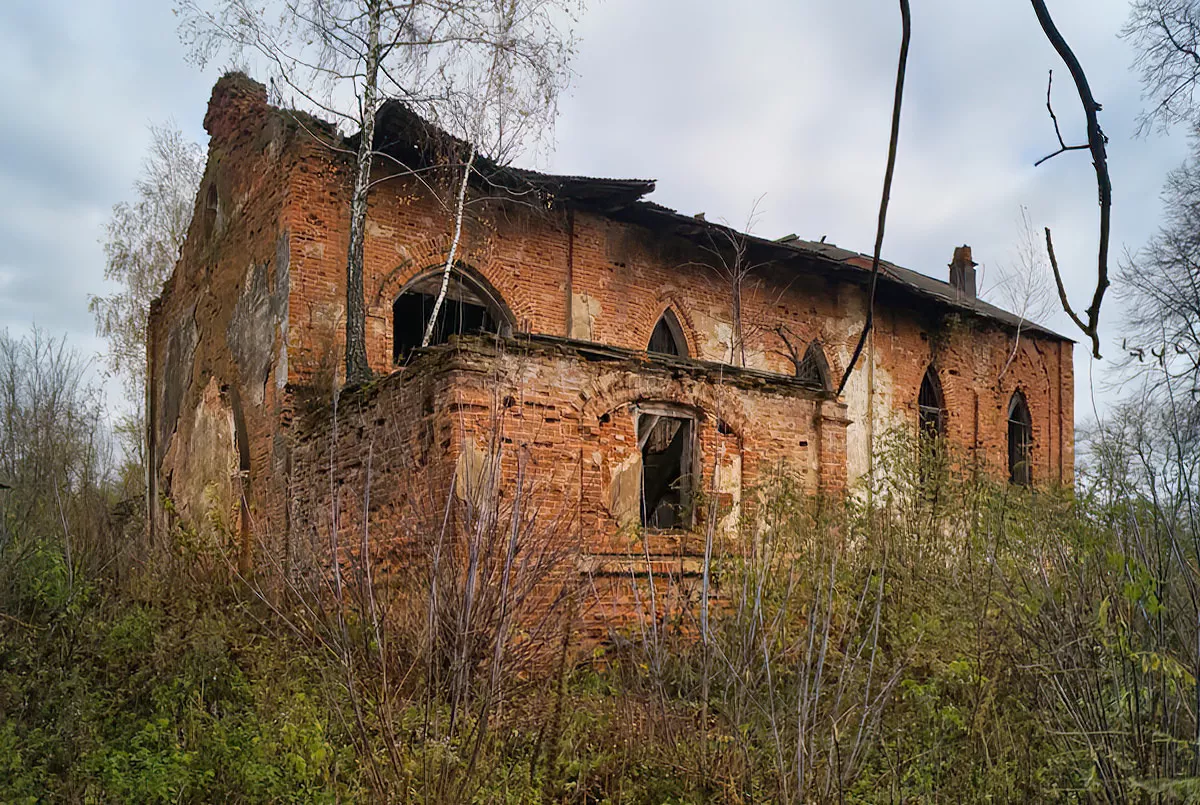
After the establishment of Soviet rule, the church was closed. For decades, the shrine was left without proper care, suffered damage, and gradually turned into a picturesque ruin.
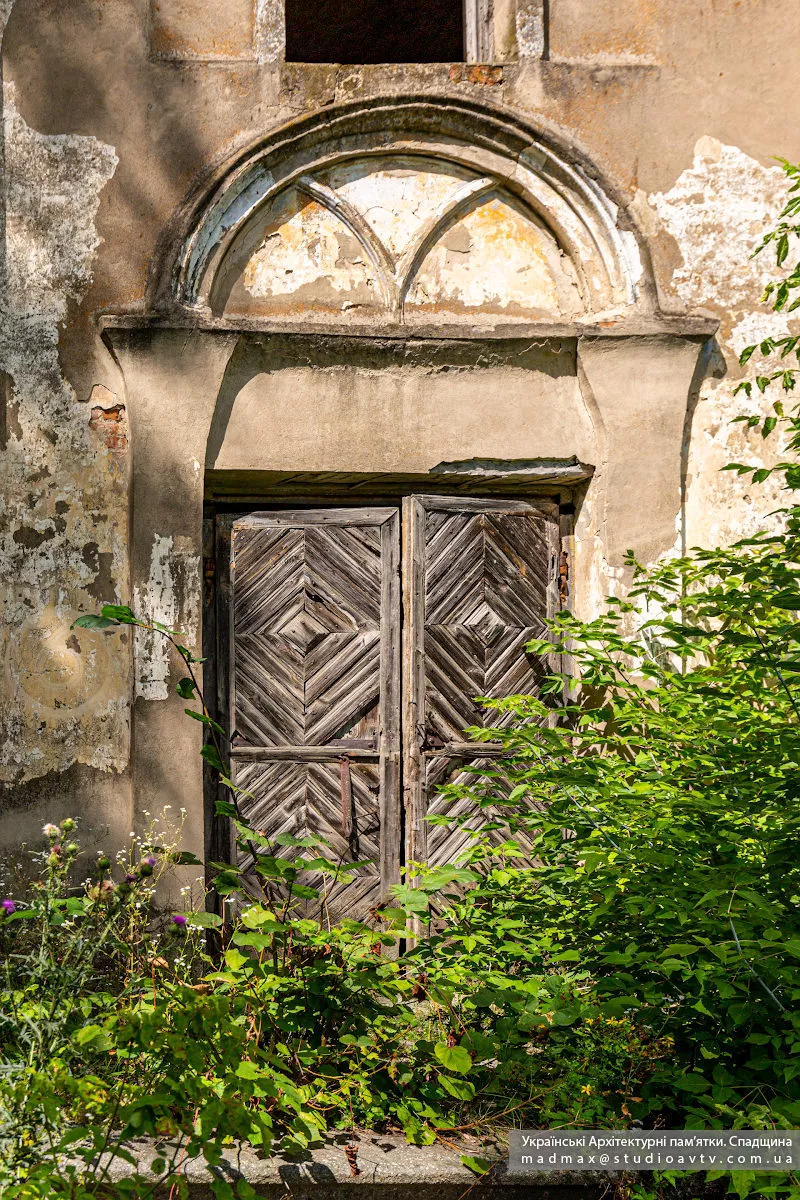
Despite the loss of the roof and some architectural elements, the massive brick walls of the church still make a strong impression today. Surviving arches, fragments of the facade, and massive buttresses allow one to imagine how majestic the church was in its heyday.
Local residents say that from time to time initiatives appear to raise funds for the restoration of the shrine, but full-scale restoration has still not been carried out.
How to get to Horbuliv
Horbuliv is located approximately 35–40 kilometers from Zhytomyr. The most convenient way is to go by car along the highway towards Chernyakhiv, and then via local roads to the village. The drive takes about an hour.
A trip to Horbuliv can be combined with visiting the surrounding Polissia landscapes, labradorite quarries, and other historical sites of the Chernyakhiv hromada.
Why this place is worth seeing
The church in Horbuliv is not just an abandoned building. It is one of those rare corners of Zhytomyr region where the legends of Kievan Rus, the noble history of Volhynia, industrial heritage, and the tragic fate of 20th-century religious monuments are intertwined in one place.
Today, the semi-ruined church continues to stand in the middle of the village like a stone witness to past eras. Its walls, which have survived empires, wars, and decades of oblivion, still amaze with their grandeur and remind us of the need to preserve the historical heritage of Zhytomyr region.
Photo: "Ukrainian Architectural Monuments. Heritage" project and "Ukraine Incognita"