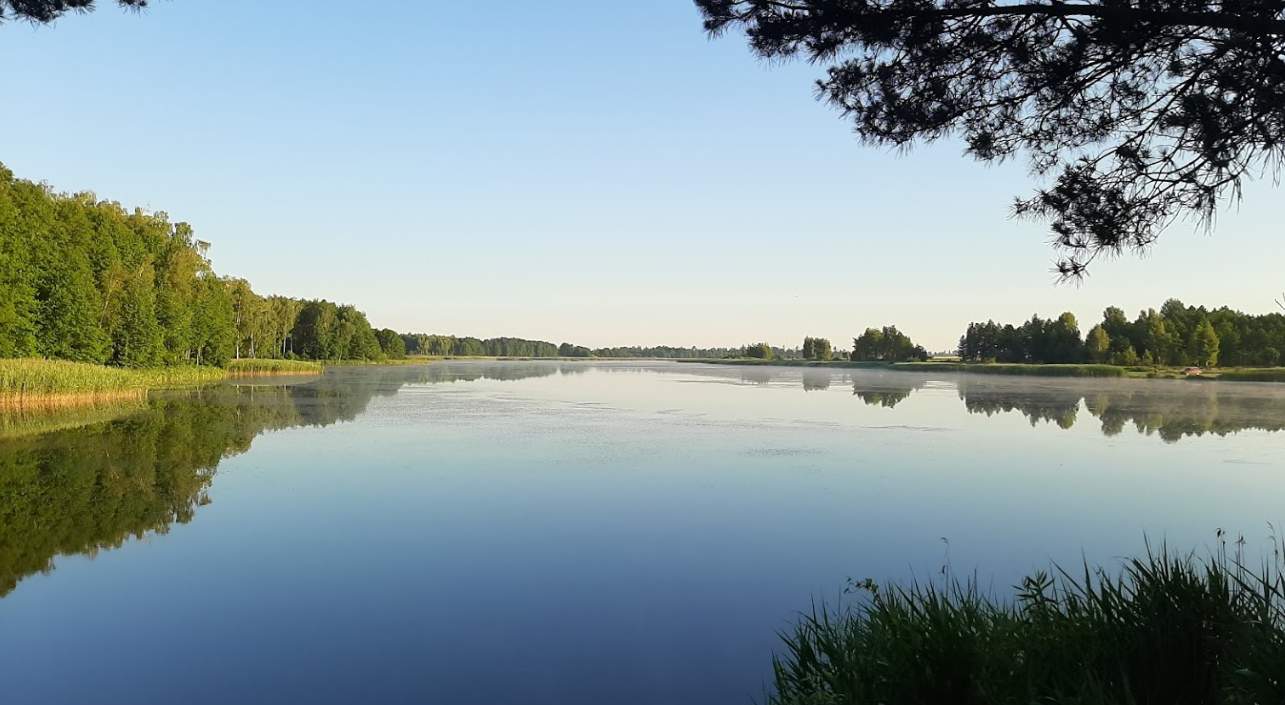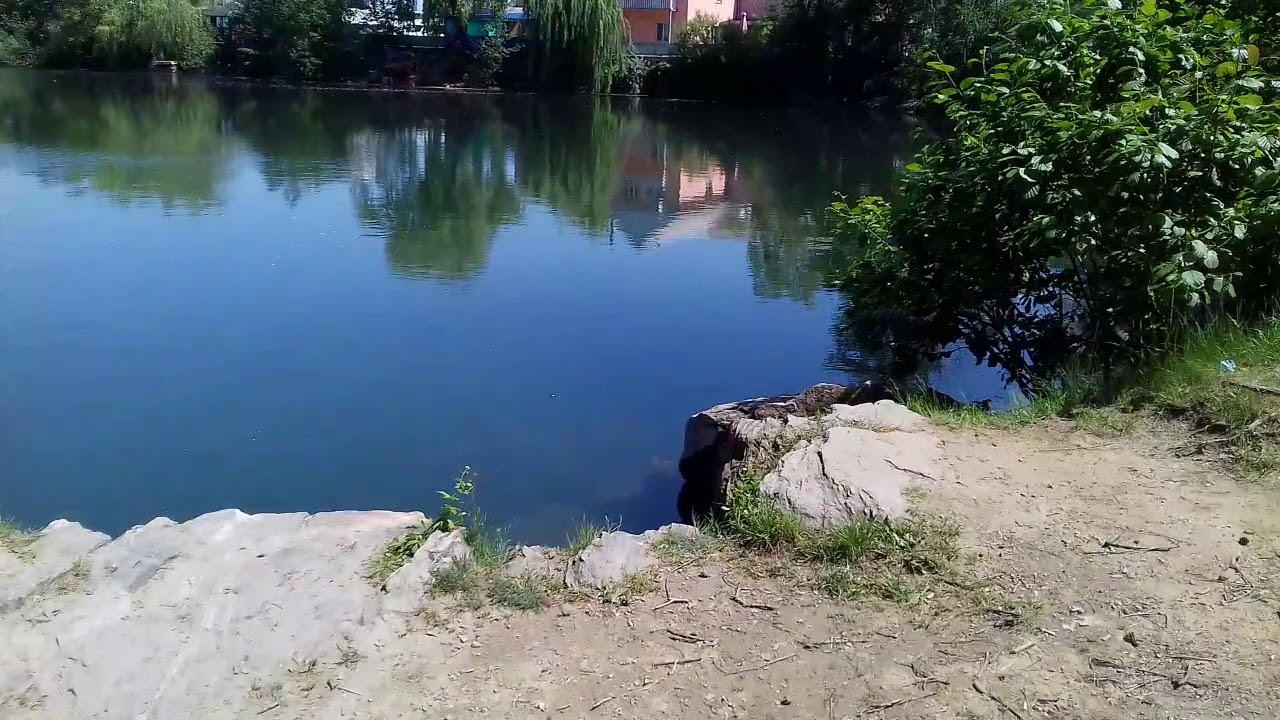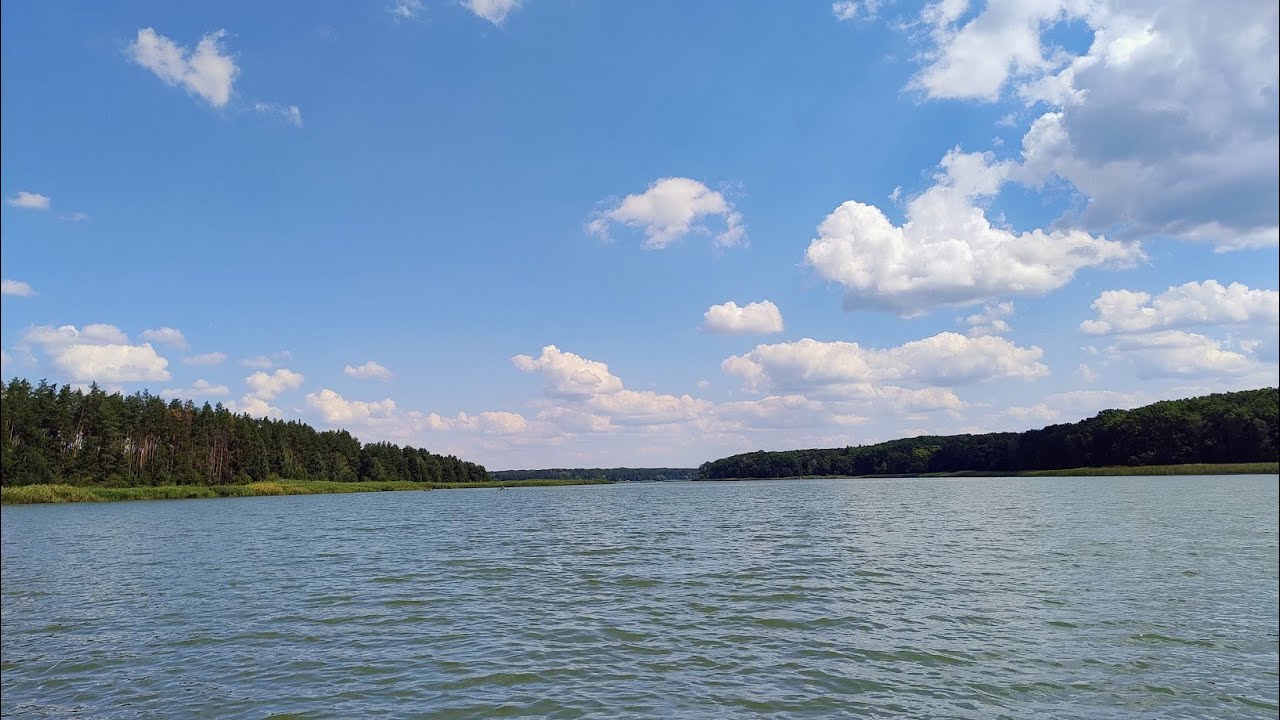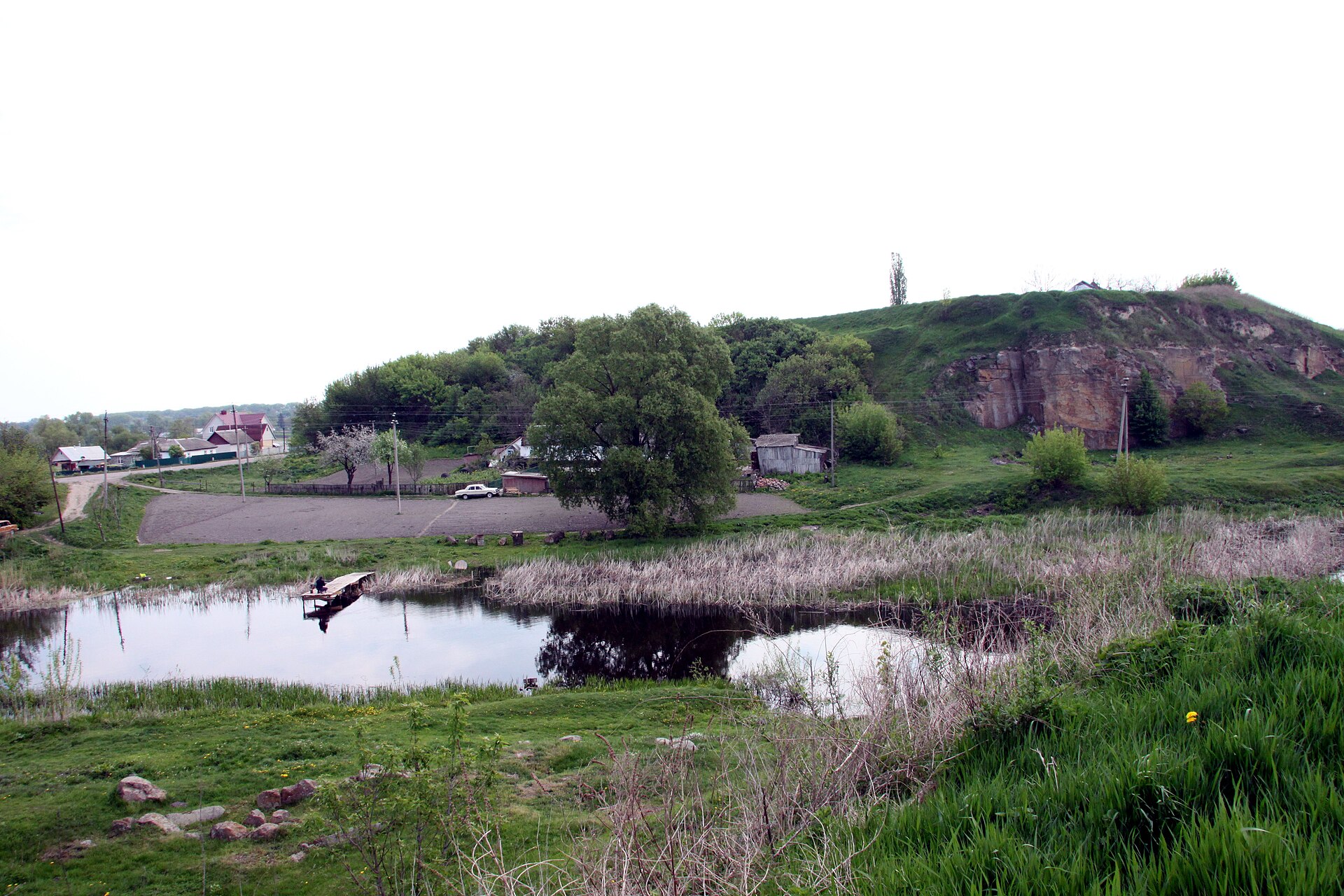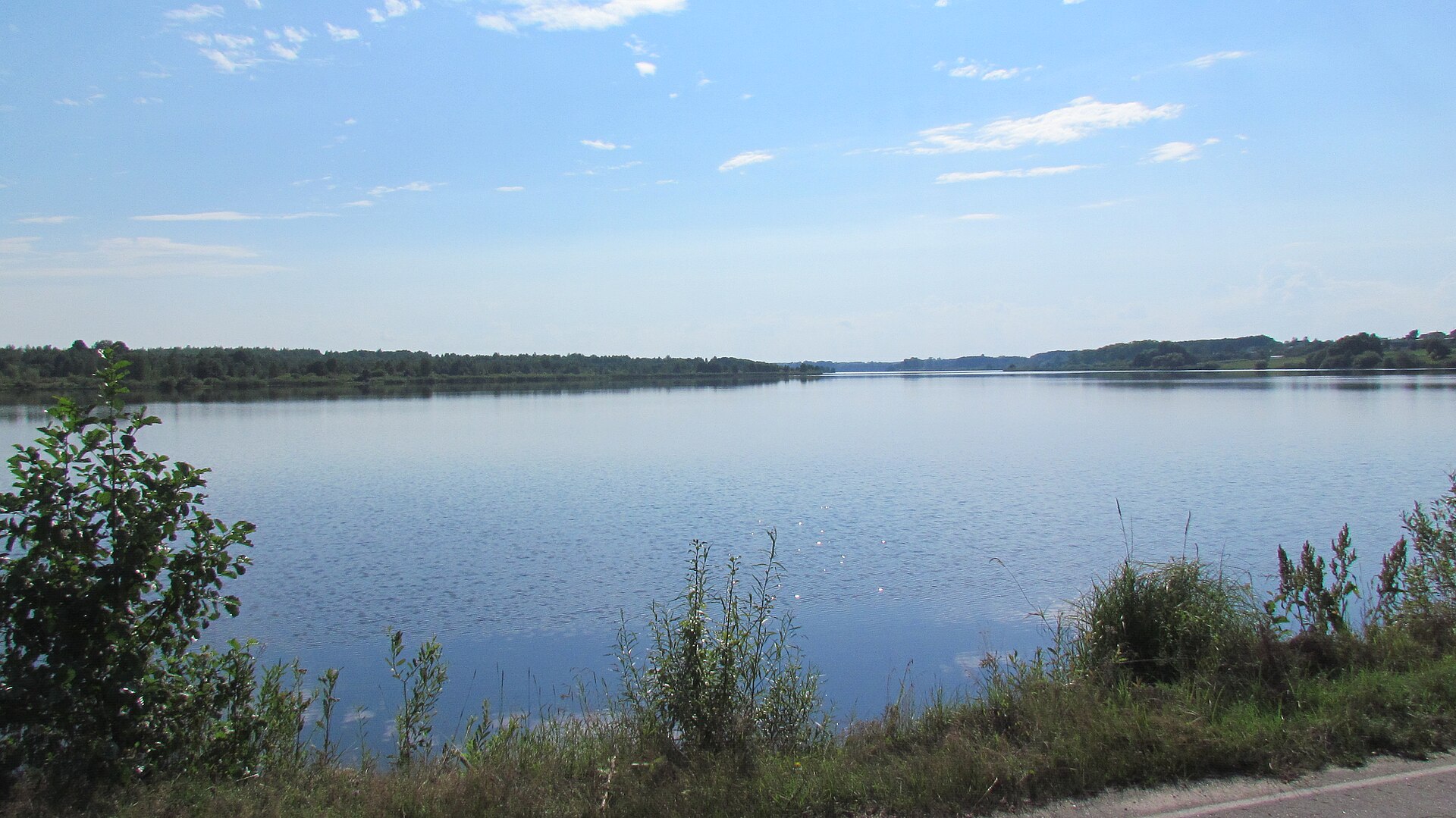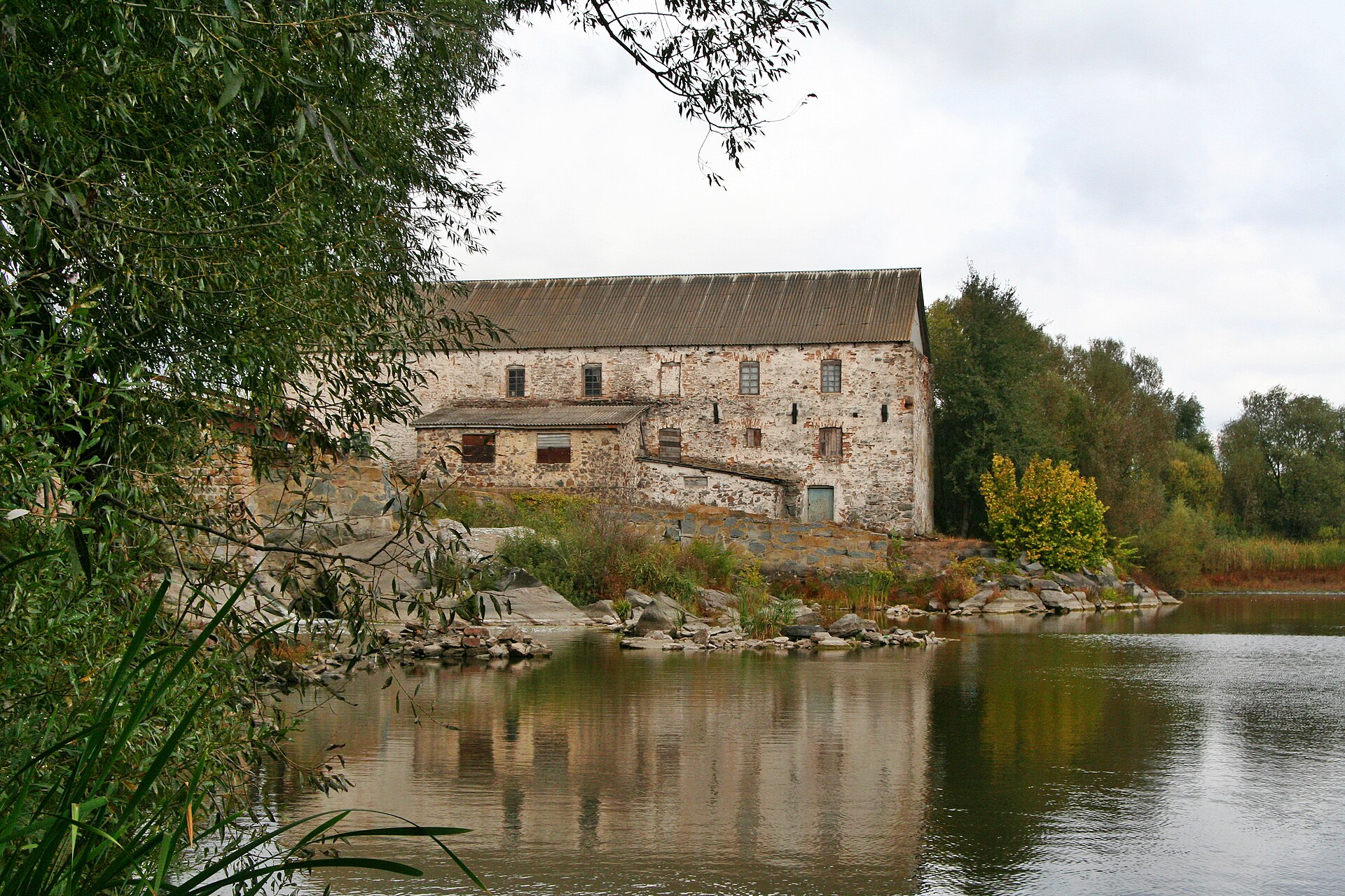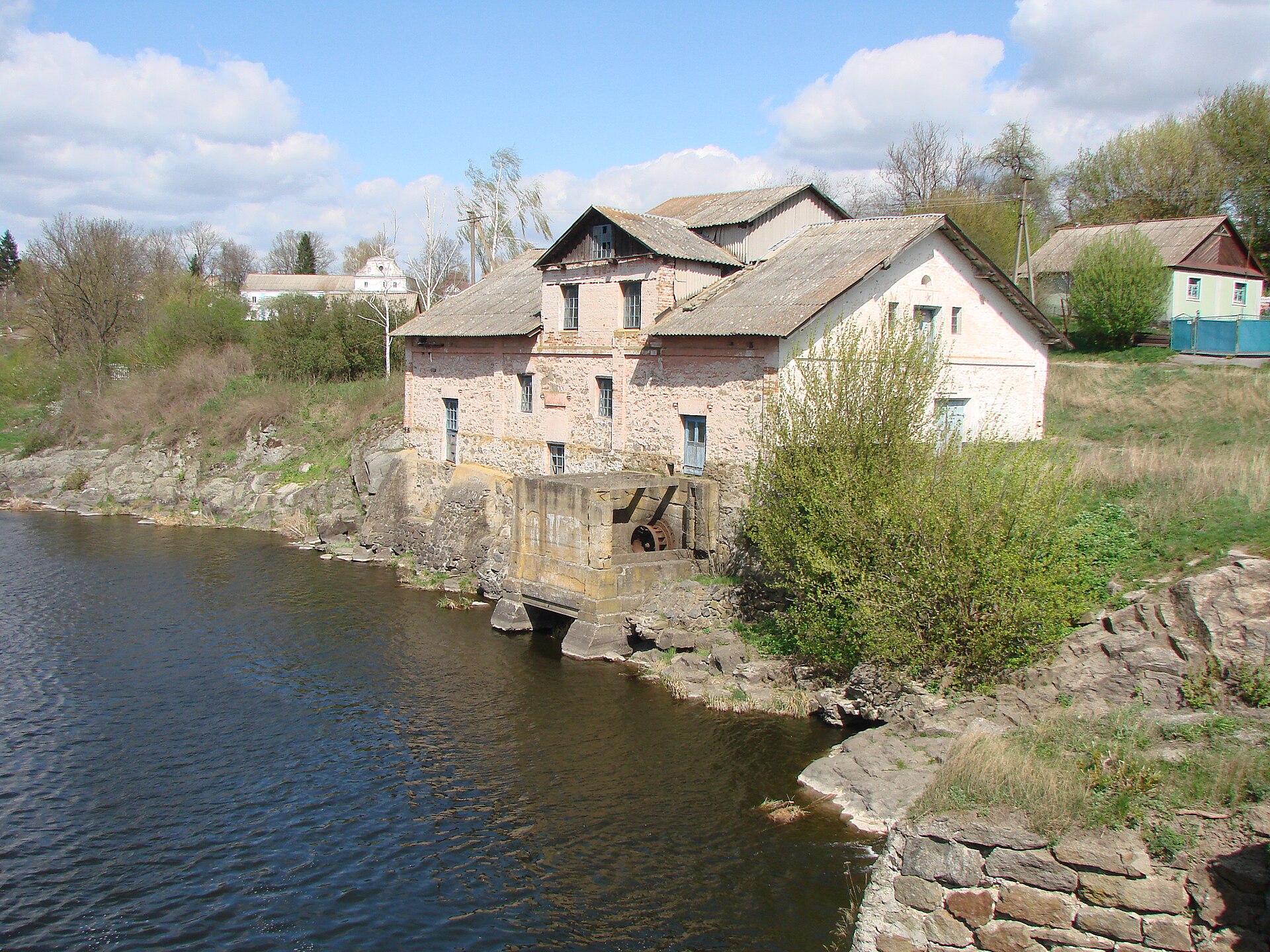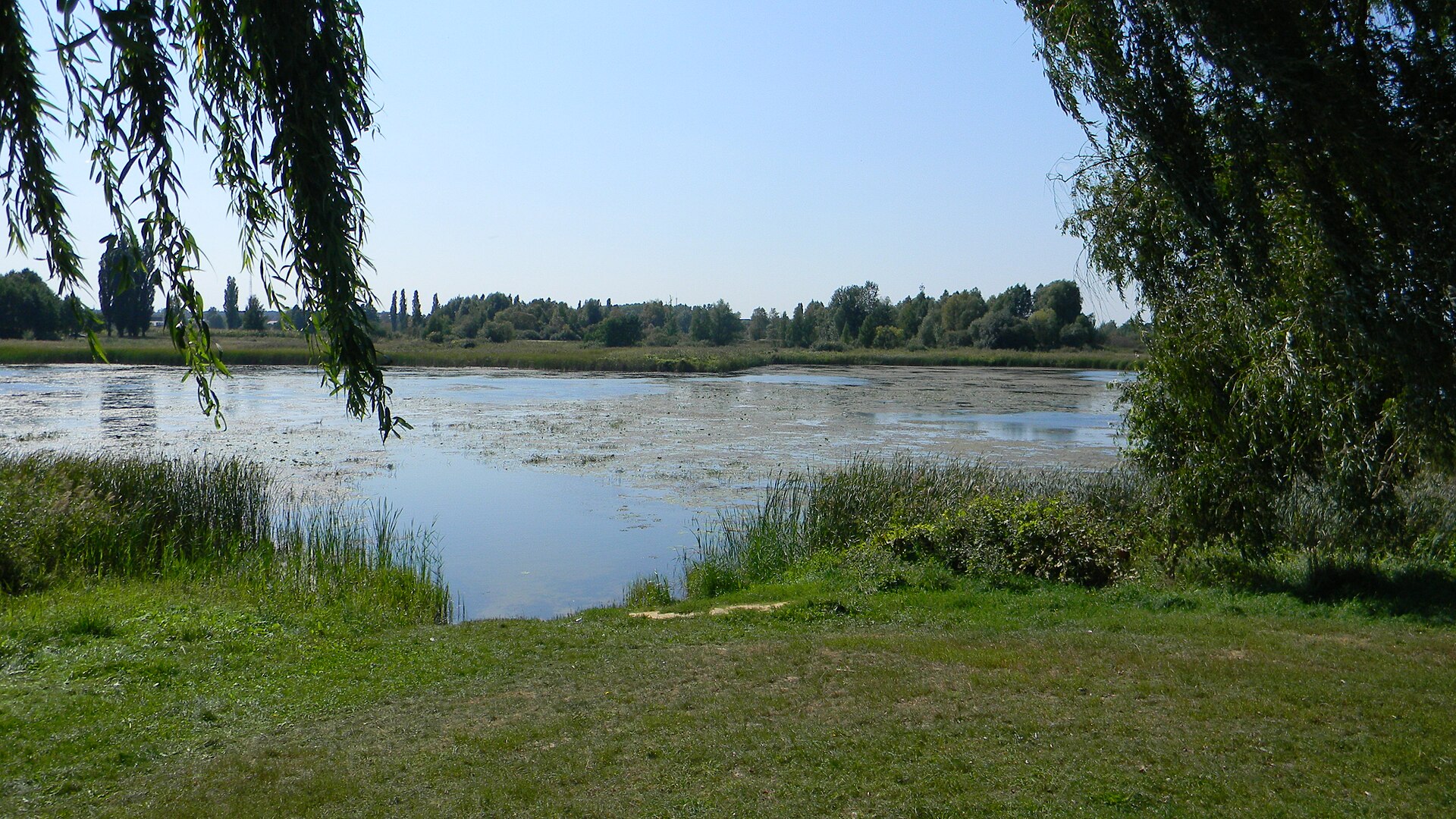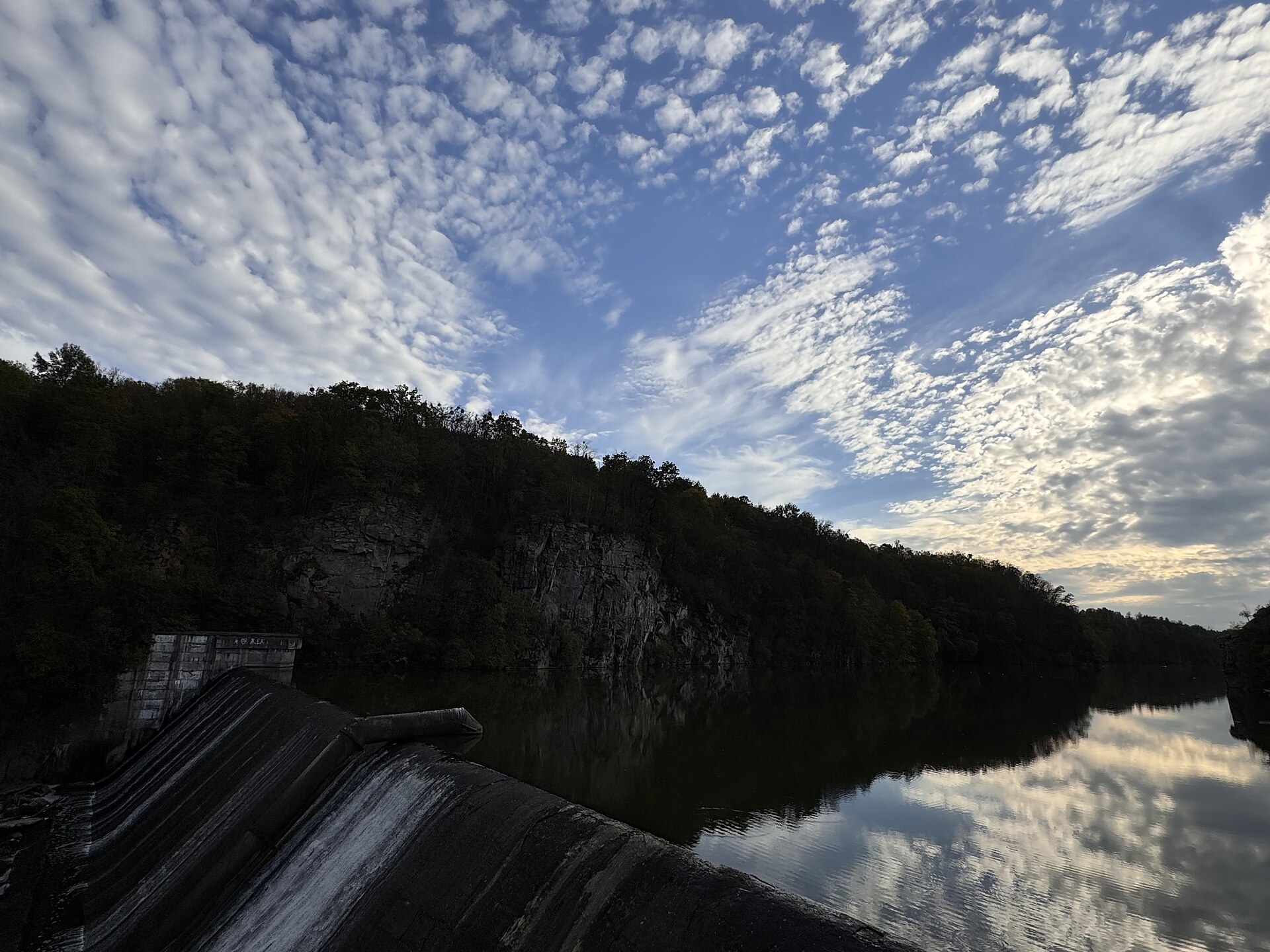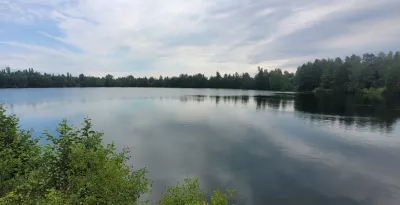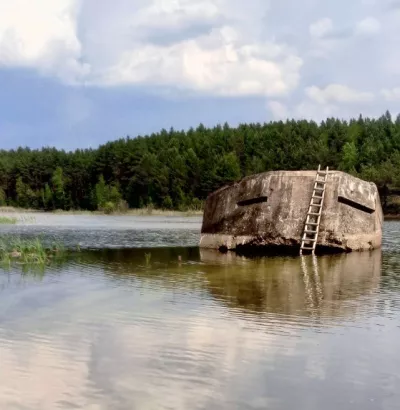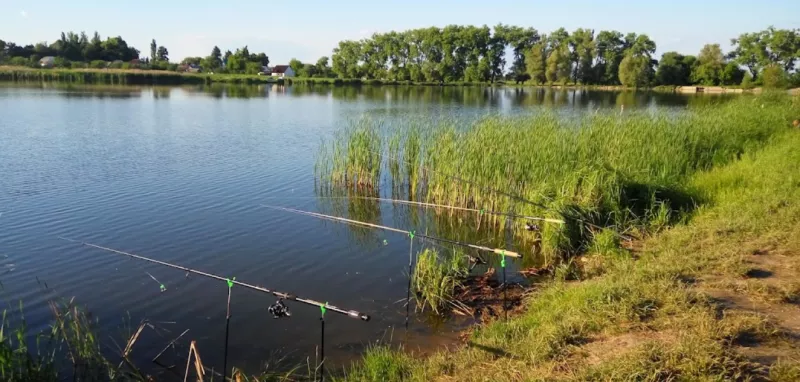
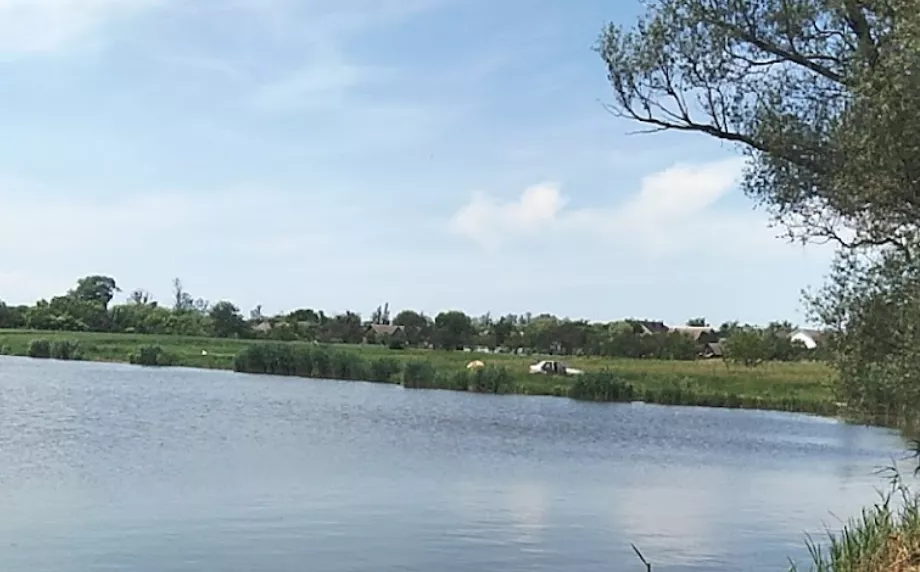
Hadzynka Pond is a small rented body of water right at the entrance to the village of Hadzynka, 15 km from Zhytomyr towards Kyiv. People come here in summer for carp, grass carp, and crucian carp, and in winter for perch, pike, and zander through the ice. Fishing is paid, the pond is compact and clearly visible from the shore, making it suitable for a short day trip rather than a multi-day getaway.
At a Glance
- Type: a riverbed pond on the Ruda River in the village of Hadzynka, about 6 hectares.
- Paid or free: paid, the body of water is leased; check conditions and prices with the owners or on local public social media pages.
- Main fish: carp, grass carp, crucian carp, perch, pike, roach; and zander in recent years.
- Fishing methods: from the shore only — float rod, bottom feeder rod; in winter — from the ice with a mormyshka and tip-ups (zherlytsi).
- Best time: summer and early autumn for carp and grass carp; winter for predatory fish.
- Feature: the pond has not been drained for a long time, so large carp and grass carp can be found; the deepest part is near the dam.
About the Pond
- River: Ruda (ancient name — Troshanytsia), which flows into the Teteriv via the Synka. The pond is formed by a dam on the Ruda within the village.
- Location: southern edge of the village of Hadzynka, Hlybochytsia territorial community of Zhytomyr District. Houses and kitchen gardens are only on the northern side, while the south features pastures.
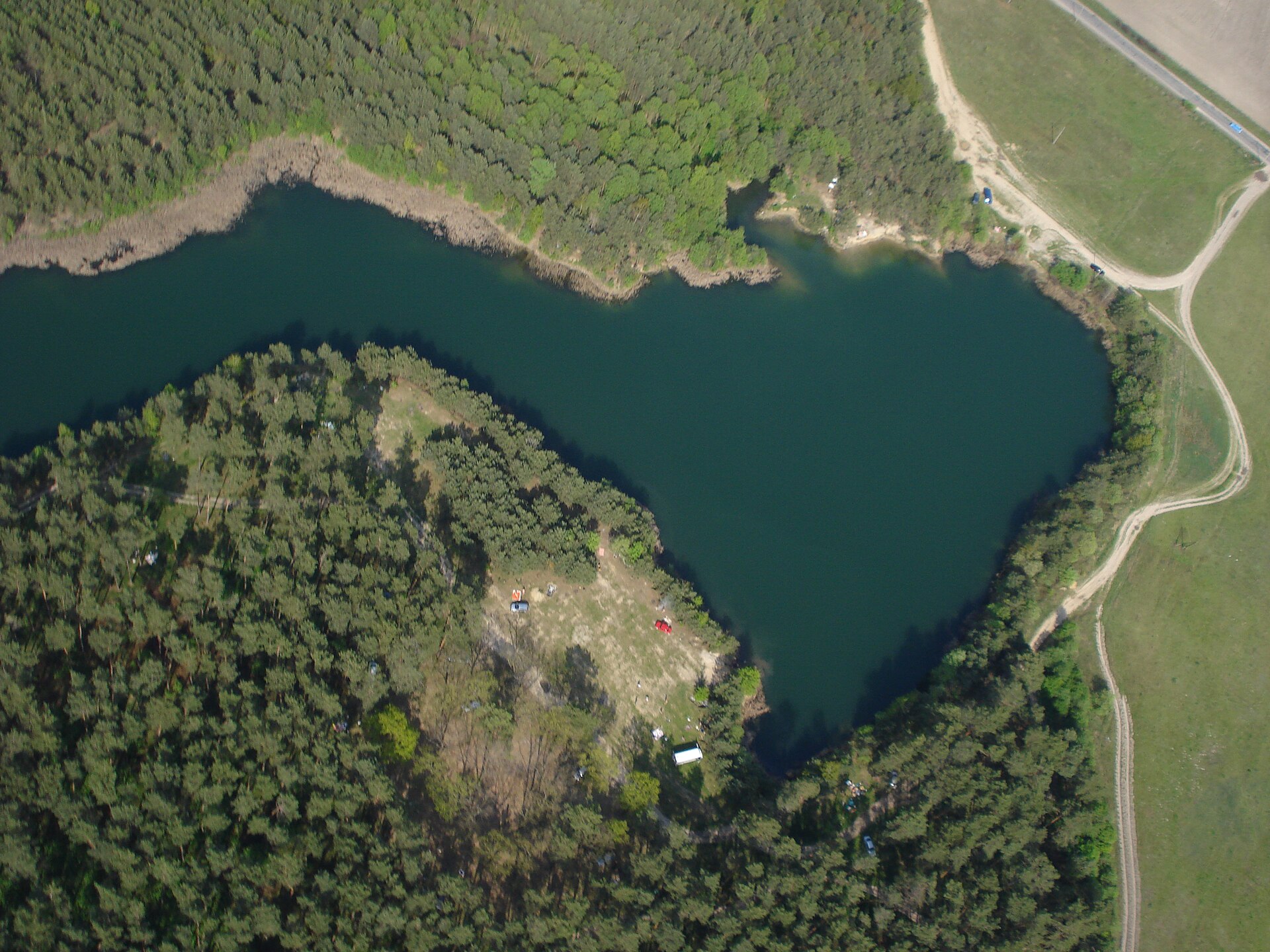
- Area: about 6 hectares, of which up to 2 hectares is shallow water in the upper reaches with a depth ranging from 10 to 70 cm. Therefore, some descriptions of the pond state 3–4 hectares or even 3 hectares, referring to open water without shallows.
- Dimensions: open water length up to 0.8 km, width from 100 to 200 m. The shape is nearly rectangular, and the entire pond is visible from any shore.
- Depth: up to 3–4 m; the deepest spots and holes are in front of the dam and in the center.
- Feeding: the pond is flow-through, fed by underground springs.
Shores and Vegetation
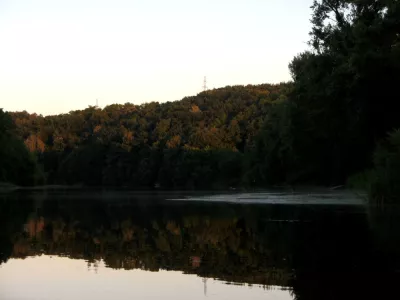
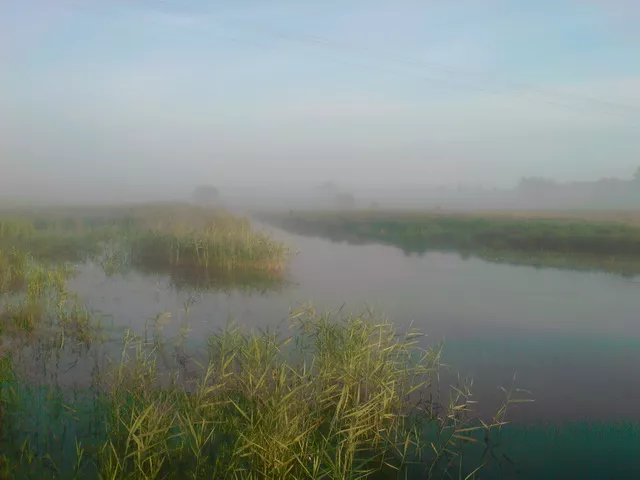
Along the shores and in the shallows, there are reeds, cattails, bulrushes, water lilies, and yellow water-lilies; in the deeper part, there is almost no aquatic vegetation. Large trees grow only near the dam, while other shores lack them, so nothing obstructs a long cast. In the upper reaches, snags, flooded trees, and pilings from old wooden footbridges protrude from the water.
What Fish Can Be Found
The mainstay of the pond consists of carp, grass carp, and crucian carp, which are stocked by the lessee. Predators living here include perch (abundant, with large ones caught occasionally), pike, and zander, which appeared relatively recently, presumably from the Teteriv River. Smaller fish include roach, rudd, bleak, ruffe, and Amur sleeper. Bighead carp is caught on rare occasions.
The pond has not been drained for a long time, so catches include large carp and grass carp — locals know of individual carp weighing 8–10 kg. Pike are mostly small.
Where to Fish
The dam. The deepest part of the pond (3–4 m) and the most convenient access point. The biggest fish hang out here, and first-time visitors are advised to head here as well: there are not many spots, but casting from the dam is easiest. In winter, anglers look for zander and perch here.
Northern shore (village side). A path runs along the water between the pond and the kitchen gardens. There are no trees, so you can cast a feeder or bottom rod far out to the center of the pond, where it is also deep.
Southern shore (pasture side). A dirt road runs along the water from the dam to the upper reaches. You can drive here only in dry weather; rain washes out the road. The shore is open, and fishing spots are less crowded than near the dam.
Upper reaches. Shallow water with reeds, water lilies, and snags. Crucian carp and common carp usually feed in such shallows, while pike stay near the weeds. Fishing for carp here is risky because of the snags and piles — you can easily lose your tackle.
From the bank or from a boat. From the bank only: fishing from boats is prohibited.
How and what to fish with
What fishermen say
- The best spots are near the dam and on the left bank immediately from it, where it is deeper.
- In summer and early autumn, common carp, crucian carp, grass carp, and roach dominate the catches; predators include perch and pike, while zander is still rarely caught.
- In winter, crucian carp and common carp barely bite (the bottom is silted), and grass carp and silver carp are not caught through the ice. Anglers catch perch, pike, roach, ruffe, and occasionally zander.
- Fishing with boilies and peas on the pond is prohibited, so for carp bring corn, dough, worms, or maggots.
General tips for such a body of water
- Carp and grass carp: feeder or bottom rod with a feeder at the depth boundary near the dam and in the center; bait — corn, dough, oilcake. For grass carp in summer — young greens near the reeds. For large carp, use strong fishing line: there are many snags in the upper reaches.
- Crucian carp and roach: float rod near the reeds, bloodworm, maggot, worm; best in the morning and evening.
- Perch and pike: in winter — ice jig and balance jig at depth drops near the dam, tip-ups with live bait along the reeds.
- Zander: in winter — live bait or balance jig in the deep holes near the dam, at twilight.
Seasons
Spring. During the spawning season, the leaseholder closed the pond to fishing (according to 2021 data, from April 10 to June 20). Check the season opening dates with the owners every year (see "Rules").
Summer. After opening, it is the best time for carp, grass carp, and crucian carp. In the heat, the water near the banks blooms, so the bite is better in the morning and evening, while at depth near the dam — even during the day.
Autumn. Until mid-autumn, carp and grass carp are still caught, after which perch and pike become more active.
Winter. The pond is shallow and with a slow current, so the ice is usually smooth, without patches of open water. The main catch is perch, pike, roach, and zander.
Stocking
Over the years of the lease, young-of-the-year carp were released into the pond several times, grass carp less often, and occasionally silver carp along with grass carp.
Owner and access conditions
The pond is leased, and fishing here is paid. A security guard (gamekeeper) is on duty at the pond, collecting fees and enforcing the rules. Check the conditions and cost with the owners or in local public groups. Prices in old guidebooks are outdated, do not rely on them.
Ecological status
The pond is flow-through and spring-fed, so winter kill of fish practically never happens here. In summer heat, the water blooms, and filamentous algae grow near the banks and in the shallows. Domestic poultry from the village swim in the pond. There are no sources of industrial pollution nearby. Trash is removed by the security; if you bring your own, take it with you.
Fishing rules
On a leased pond, the rules are set by the leaseholder. The last published conditions (2021) are as follows:
- fishing is only allowed during the day — from sunrise to sunset; night fishing is prohibited;
- during the spawning period, the pond is closed (in 2021 — from April 10 to June 20);
- fishing from boats is prohibited, as is fishing with mugs (krushky);
- allowed gear includes fishing rods, bottom lines (zakydushky), and in winter, tip-ups (zherlytsi); the amount of gear follows general rules;
- fishing with boilies and peas is prohibited;
- a catch limit applies (according to various sources — 5 or 6 kg); anything over the limit is subject to the tenant's separate terms.
General amateur fishing rules also apply here: nets and other gear are prohibited, and the general standard limit on natural water bodies is 3 kg of fish plus one fish of any weight. The general spawning ban for ponds is annually from April 1 to June 10, and for pike from February 15 to March 31.
Report poaching to the hotline of the Zhytomyr Fisheries Protection Patrol: (067) 414-60-74, or the State Fisheries Agency: 0 800 50-52-50.
Recreation by the Water
The pond has minimal facilities. According to a 2021 description, there were no gazebos, no awnings, no toilets, and no equipped campfire spots; only pilings in the water remained from the old wooden docks. Bring everything you need with you: a chair, a rain shelter, and water. There is no equipped beach.
How to Get There
- From Zhytomyr: via the M-06 highway towards Kyiv; immediately after the gas stations at the city exit, turn left towards Hadzynka, then about 2 km on asphalt to the pond. In total — about 15 km, 20 minutes by car.
- From Kyiv: via the M-06 highway to Zhytomyr, about 125 km; the turn for Hadzynka is before reaching Zhytomyr.
- Public transport: from Zhytomyr (from Zytnii Market), a suburban bus runs to Hadzynka and passes by the pond. Check the schedule at the bus station.
- Where to leave the car: most conveniently near the dam; from the pasture side, you can drive along a dirt road only in dry weather.
- .
Where to Eat and Stay
There are no overnight accommodations or cafes near the pond. There are stores in the village, while hotels, restaurants, and places with rooms are located in Zhytomyr, a 15–20 minute drive away.
What to See Nearby
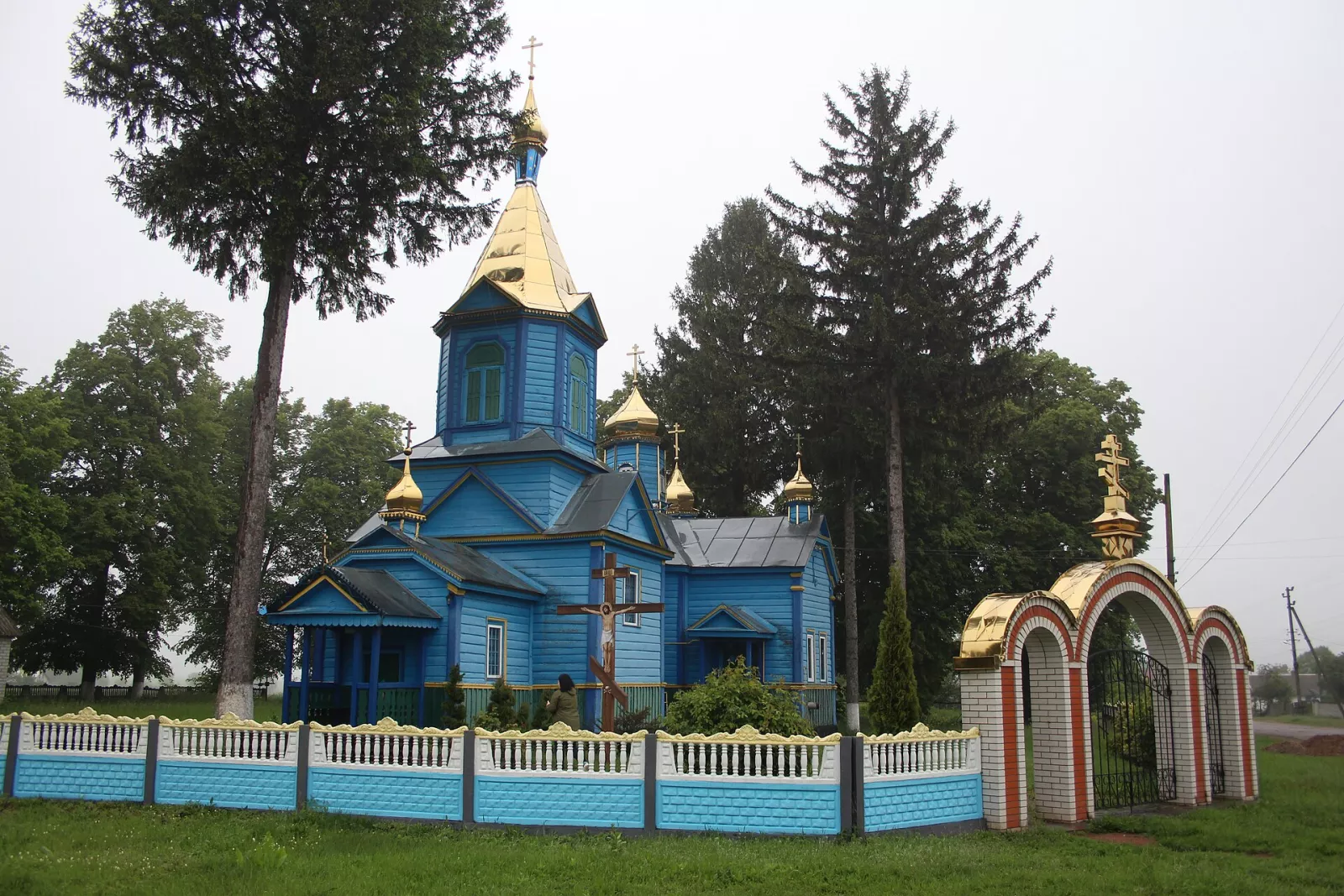
- St. Michael's Church in Hadzynka (3 Shevchenko St.) — a wooden temple in the center of the village, a few minutes' walk from the pond.
- Kholodnyi Waterfall in the Kanarska Hirka tract between Berezyna and Maly Kosharyshcha — a natural waterfall, about 5 km southeast of the pond.
- Blue Lakes in Velyki Kosharyshcha and Kmitiv — three flooded quarries up to 43 m deep.
- Vatskivska Dacha — a large mixed forest northwest of the village where the Ruda River originates.
Safety
During martial law, carefully monitor air raid alerts and follow the requirements of local authorities. If an alert is announced, leave open areas immediately. In winter, go out onto the ice only when it is sufficiently thick, and be cautious in the upper reaches where the river flows in. After rain, do not drive your car onto the pasture — you may get stuck.
Pros and Cons
Pros:
- close to Zhytomyr, with asphalt almost all the way to the water;
- large carp and grass carp, plenty of perch;
- good winter fishing for predators;
- the pond is guarded, with open shores free of trees.
Cons:
- small pond: few spots on weekends;
- almost no facilities;
- night fishing and boats are prohibited;
- in summer, the water near the shores blooms, and in the upper part there are snags and piles.
Do fishermen recommend it?
There are few public reviews about the pond. Fishermen value it for its proximity to Zhytomyr, large carp and grass carp, and winter perch. Many regular fishermen who have long known the lessee and security guard go to the pond. The disadvantages most frequently mentioned are crowding on weekends and the lack of facilities. This is a place for day fishing, not for camping.
Frequently Asked Questions
Is fishing at the Hadynivka Pond paid?
Yes, the pond is leased. Please check the conditions and cost with the owners or in local public groups.
Is night fishing allowed?
According to the latest published conditions, no, only from dawn to sunset. Please check with the security before your trip.
Can I fish from a boat?
No, fishing from boats is prohibited on the pond; only from the shore.
Where is the pond deepest?
Near the dam and in the center — up to 3–4 m. The upper part is shallow, up to 70 cm.
Is there winter fishing here?
Yes, the pond is open in winter as well. Perch, pike, roach, and occasionally zander are caught from the ice.
Can I fish with boilies?
No, fishing with boilies and peas is prohibited on the pond.
Information verified on October 25, 2026. Rental conditions, rules, and bus schedules change — please check before your trip.