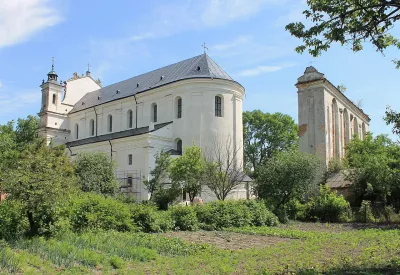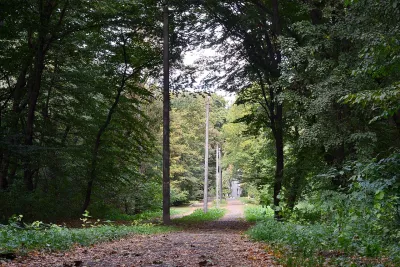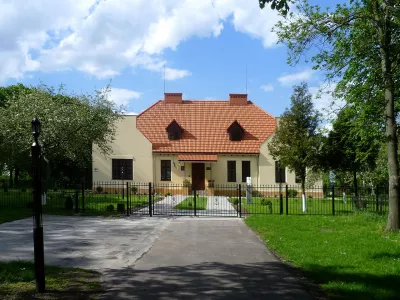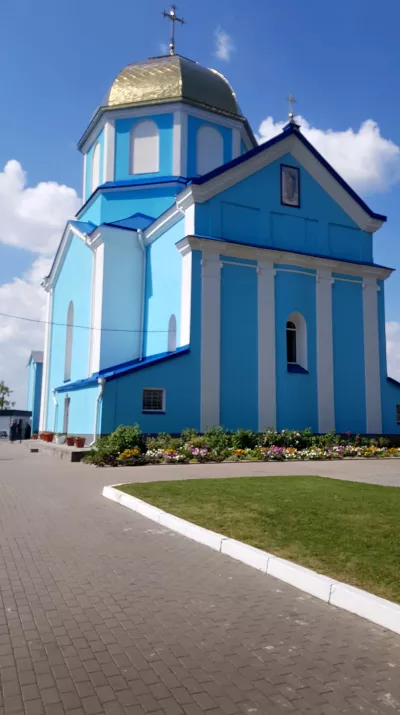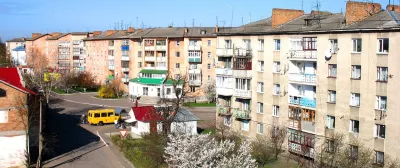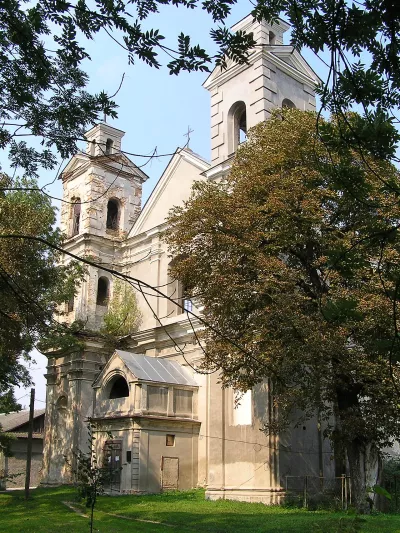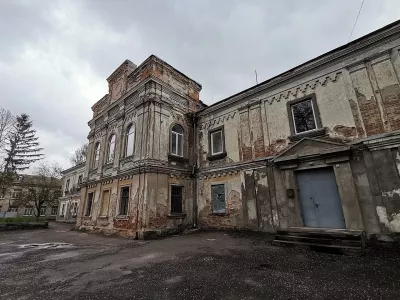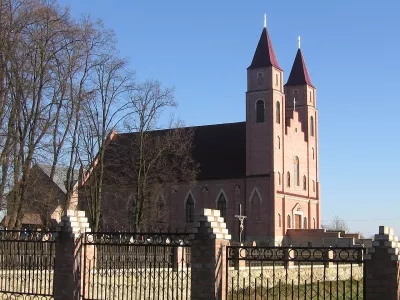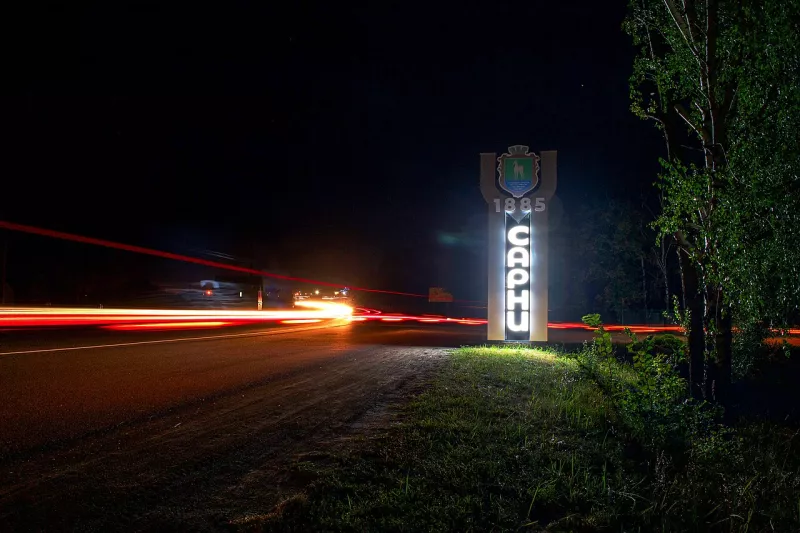

Sarny is a city on the Sluch River, the center of Sarny Raion and one of the main focal points of Rivne Polissia. About 28.6 thousand people live here. It is 90 km north of Rivne via the H25 highway. Travelers often pass through Sarny in transit, but the city has an interesting history, and its surroundings feature forests, a nature reserve, and ancient manors.
A City Born of the Railway
The first mention of Sarny dates back to 1648. For a long time, it was an ordinary Polissian village, also called Dorotychi: in 1859, there were 132 homesteads and about 1,100 residents here.
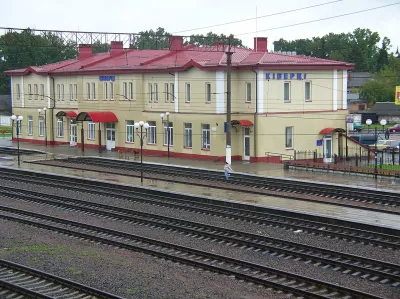
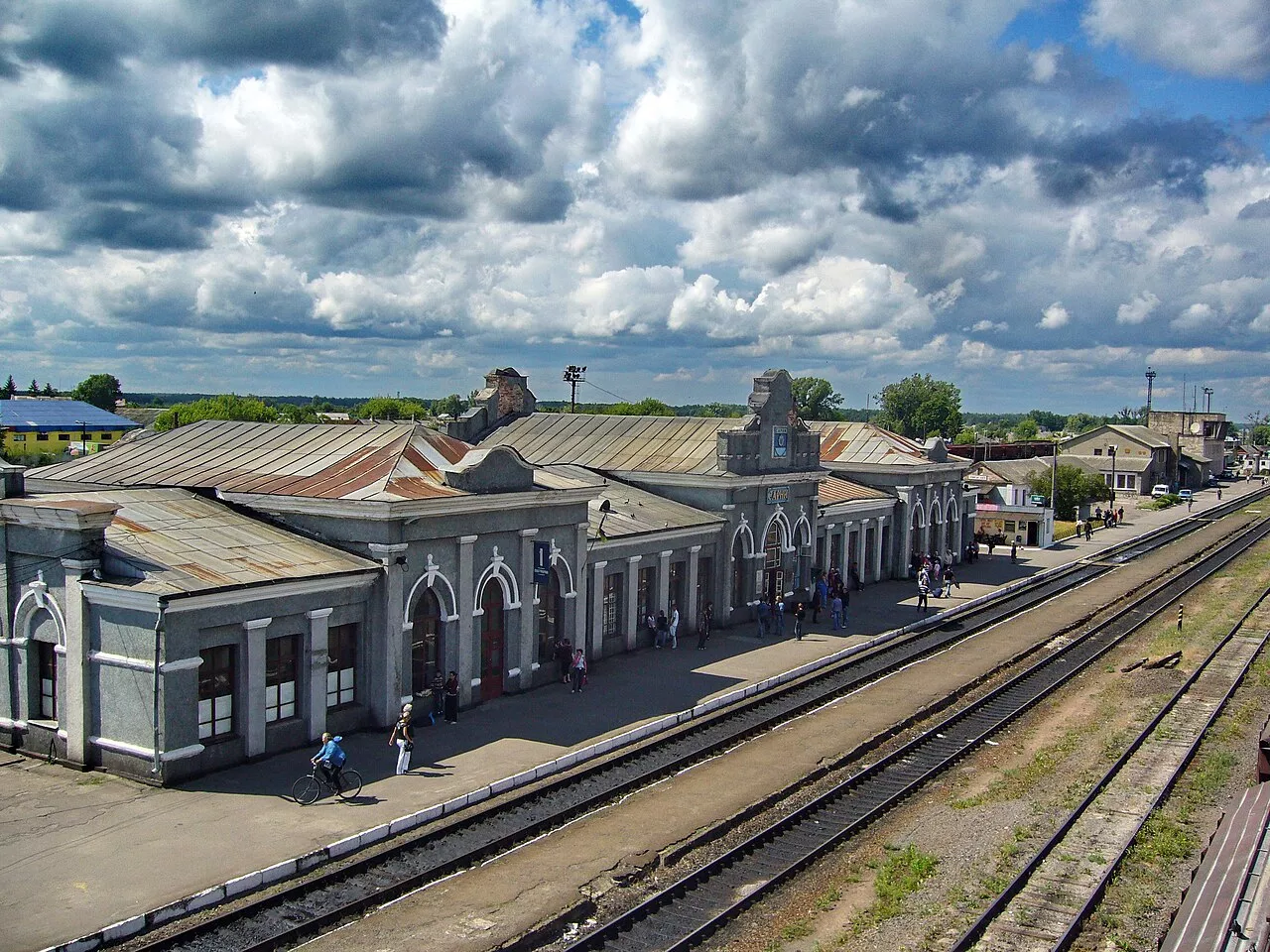
The railway changed everything. In 1885, a small "Sarny" flag stop appeared at the intersection of the Rivne — Luninets and Kovel — Korosten lines. Housing for railway workers began to be built near it, and in 1902, following the opening of the Kyiv — Kovel line, a depot and a carriage section were established. The settlement by the station grew so rapidly that it already obtained city status in 1917.
In February 1918, institutions of the Ukrainian Central Council arrived here by trainloads, and for a short time Sarny became the seat of the UNR government. Following the Peace of Riga in 1921, the city was transferred to Poland.
Pillboxes of the "Polissia" Line and War Memory
In the 1930s, the Poles built a fortified region around Sarny featuring concrete pillboxes — part of the "Polissia" defensive line. In September 1939, it was assaulted by the Red Army. Several pillboxes have survived in the outskirts of the city and can be visited.
During World War II, Sarny endured one of the most horrific tragedies of Polissia: in 1942, the Nazis murdered about 14,000 Jews from the city and the surrounding area. There are mass graves and memorial signs in and near the city.
What to See in the City
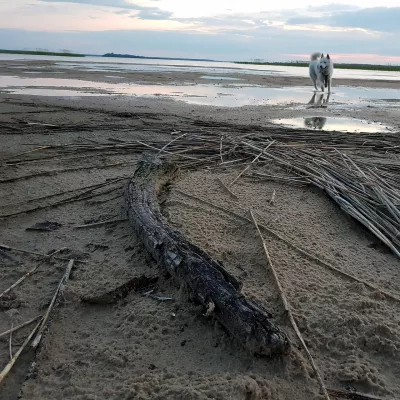
It is worth starting with the Sarny Historical and Ethnographic Museum at 20 Prosvity Street. It features ancient clothing, household items, objects of Polissian trades and crafts, and an open-air skansen with buildings from Volhynian Polissia. Next is a walk down to the Sluch: the river banks within the city limits are green and peaceful.
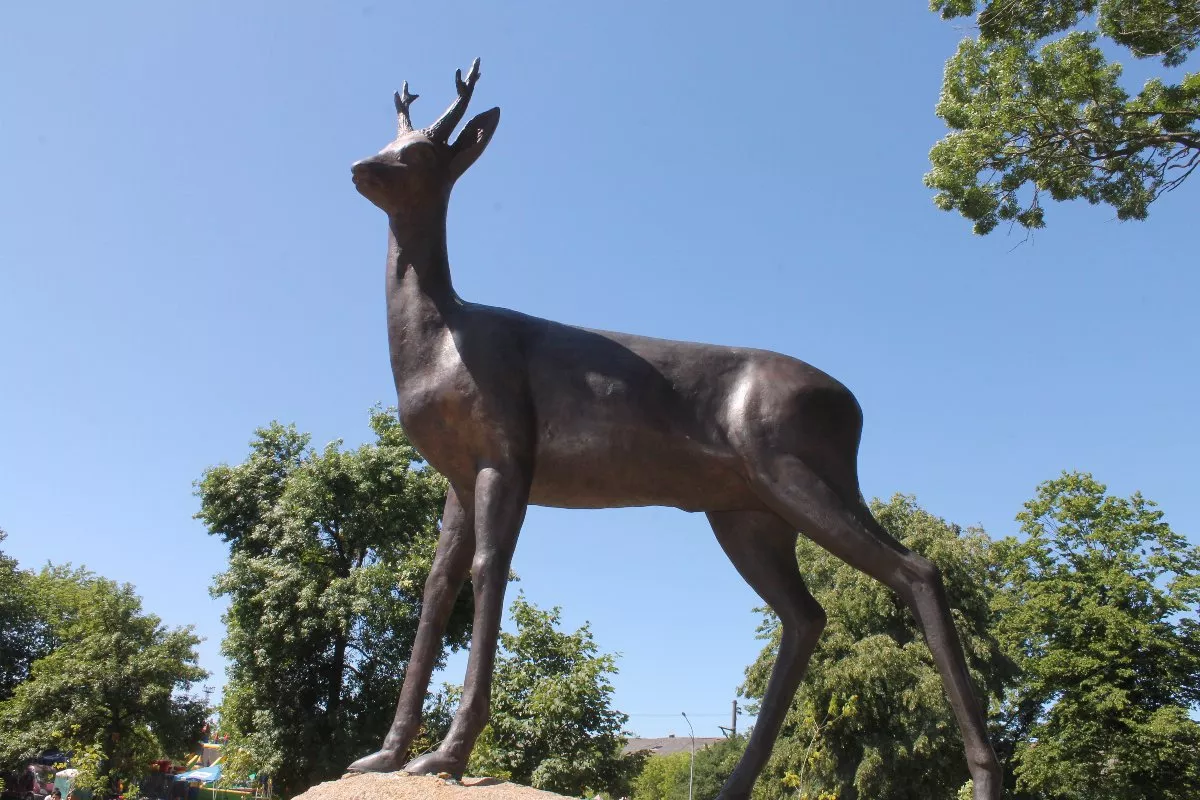
The bronze sculpture of a roe deer is one of the city's landmarks, and people love to take photos by it.
Sarny also retains its railway heritage: the station remains important for the entire north of the region, and trains depart from the city to Rivne, Kovel, Korosten, and Kyiv.
A video from the Sarny City Council about the city's history:
Near Sarny
- The Palace of Ipolit Mladzanovsky in Tynne — a manor on the bank of the Sluch.
- Klesiv Dendropark — an old park in the urban-type settlement of Klesiv.
- Rivne Nature Reserve — wetland areas with cranes, blueberries, and cranberries. Read about it, the narrow-gauge railway, and White Lake in the article Rivne Polissia.
Hromadas, telephone numbers, and the rest of the district's cities can be found in the complete guide to Sarny Raion.
How to Get There
Sarny is a railway hub; it is convenient to get here by train from Rivne, Kyiv, or Kovel. By car from Rivne, take the H25 highway, about an hour and a half. Buses can be found in the Sarny bus station schedule, and shelter addresses are in the list of the city's protective structures. The regional center nearby is Rivne.