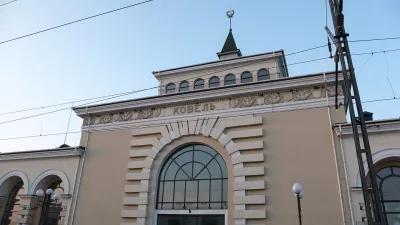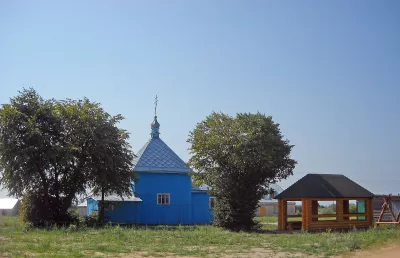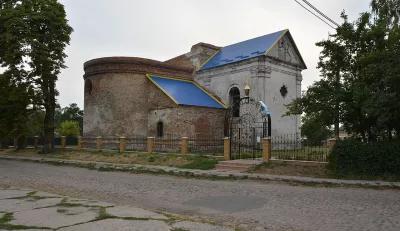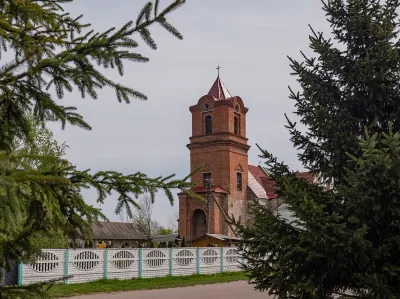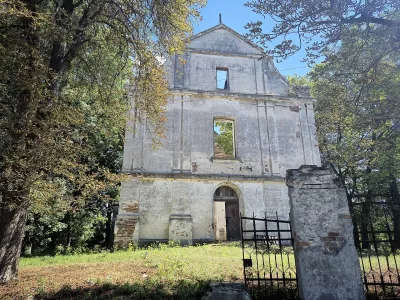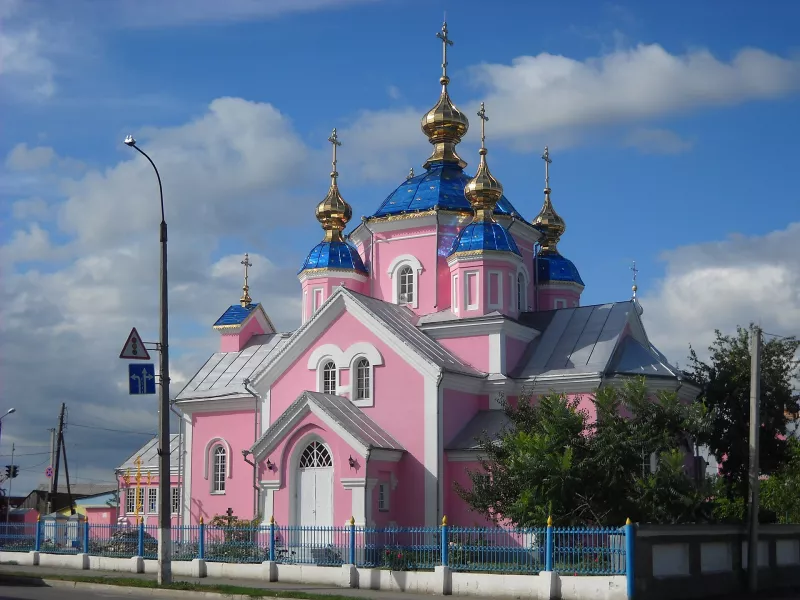
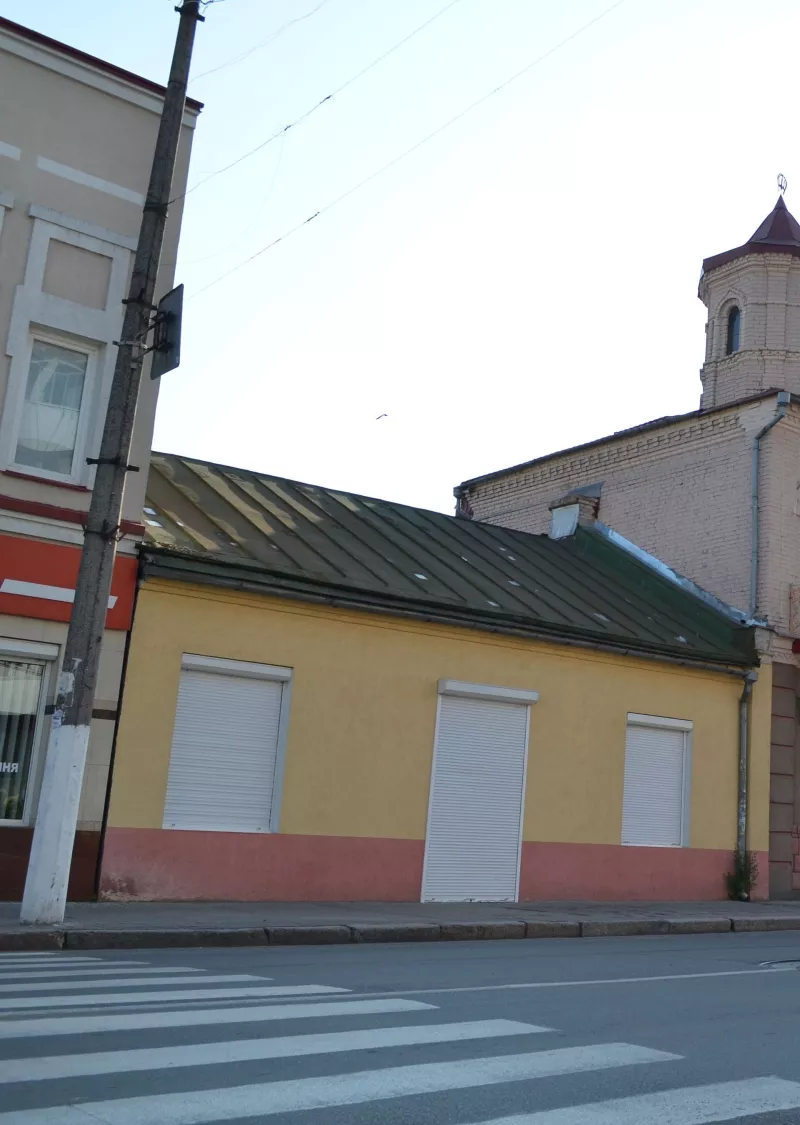
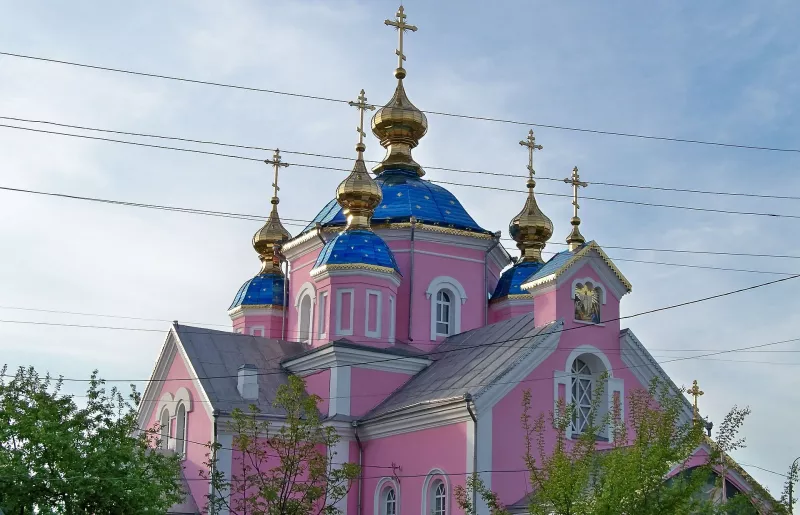
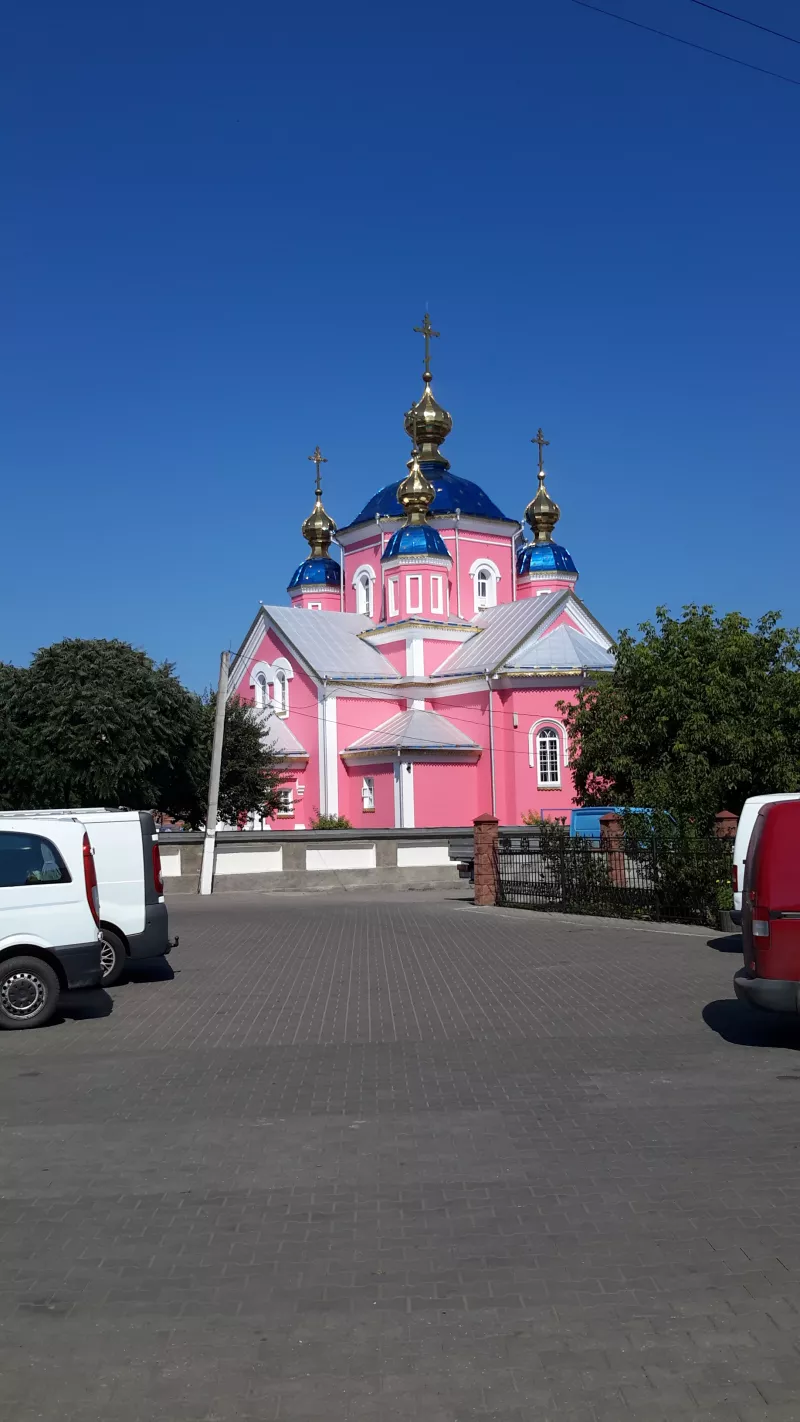
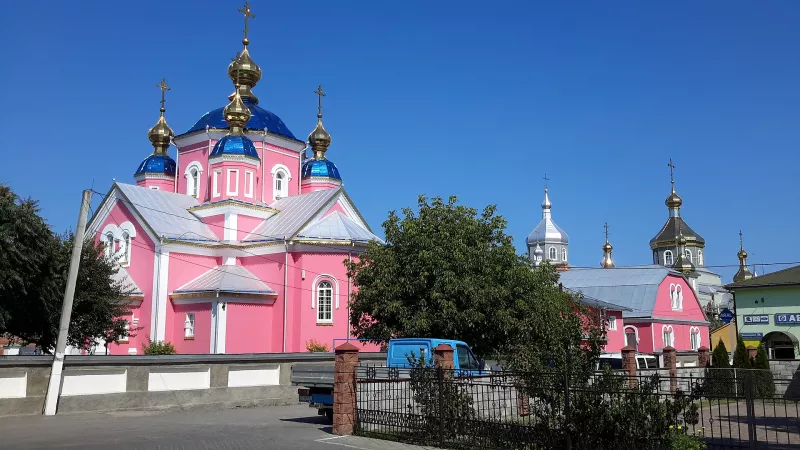
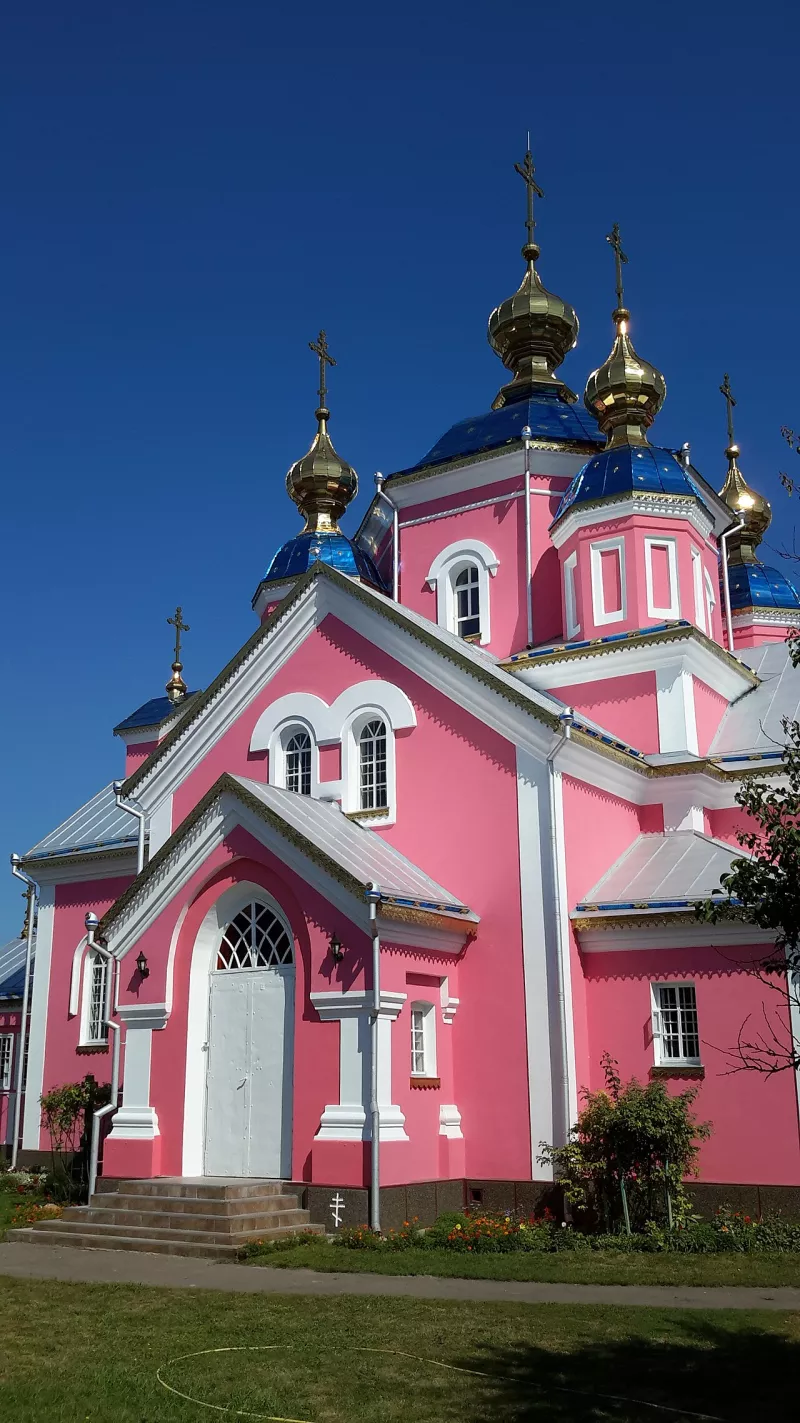
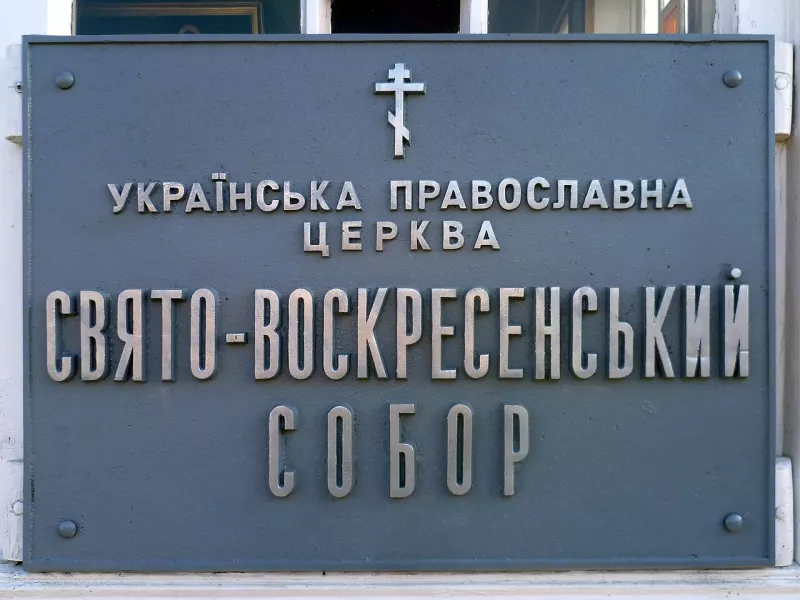
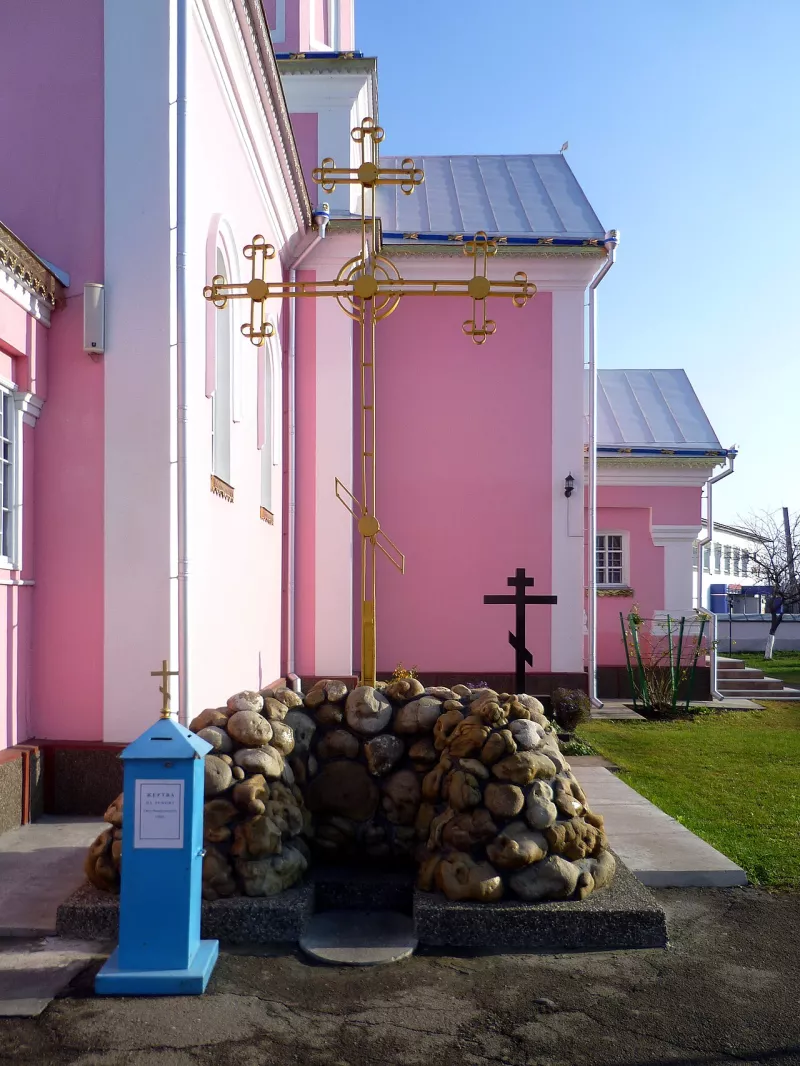
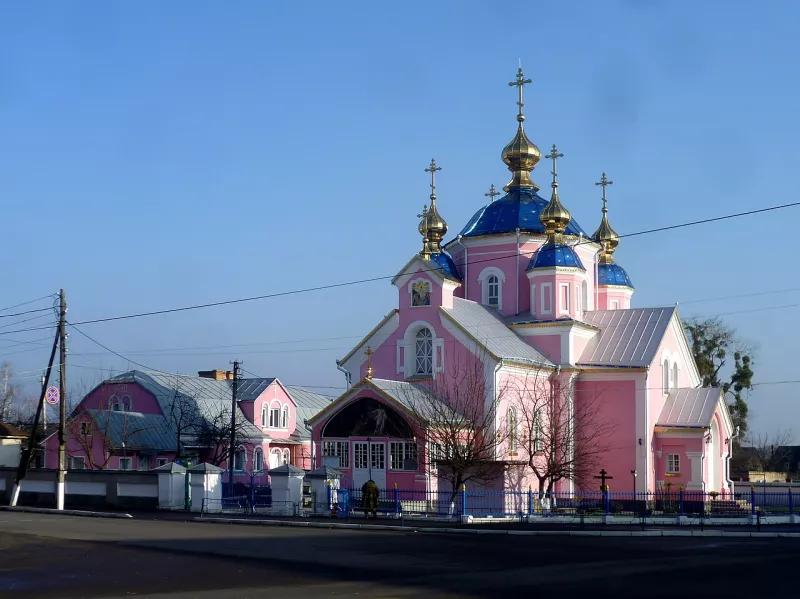
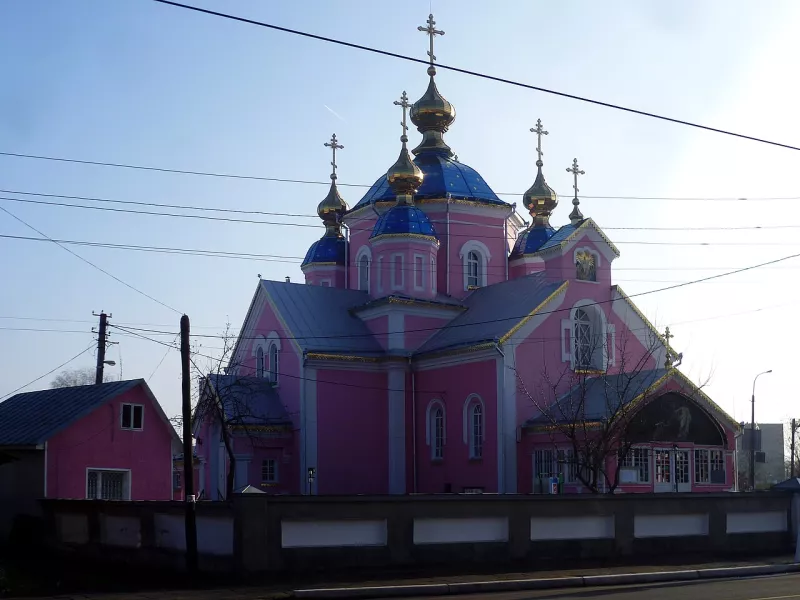
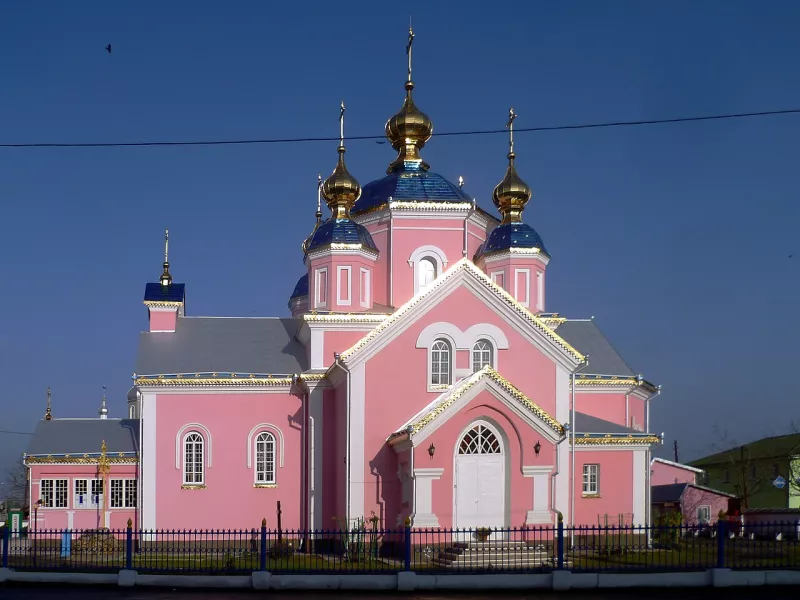
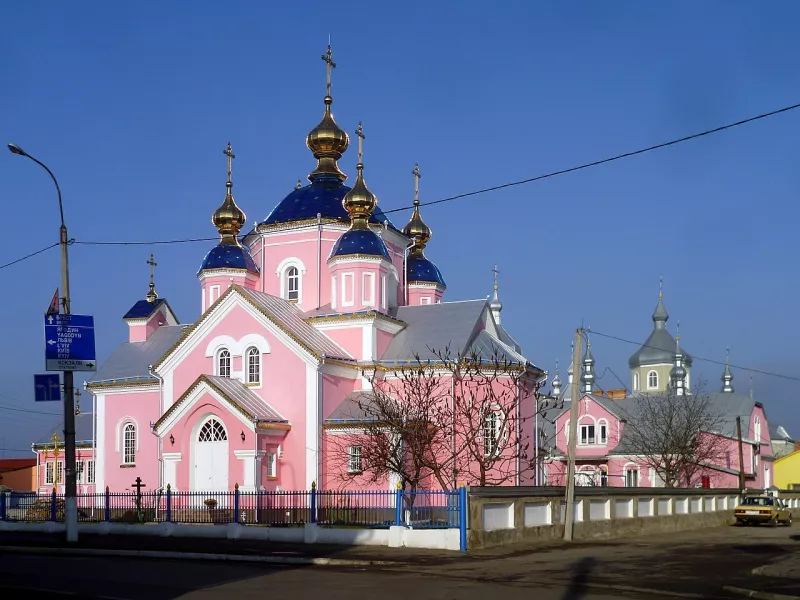
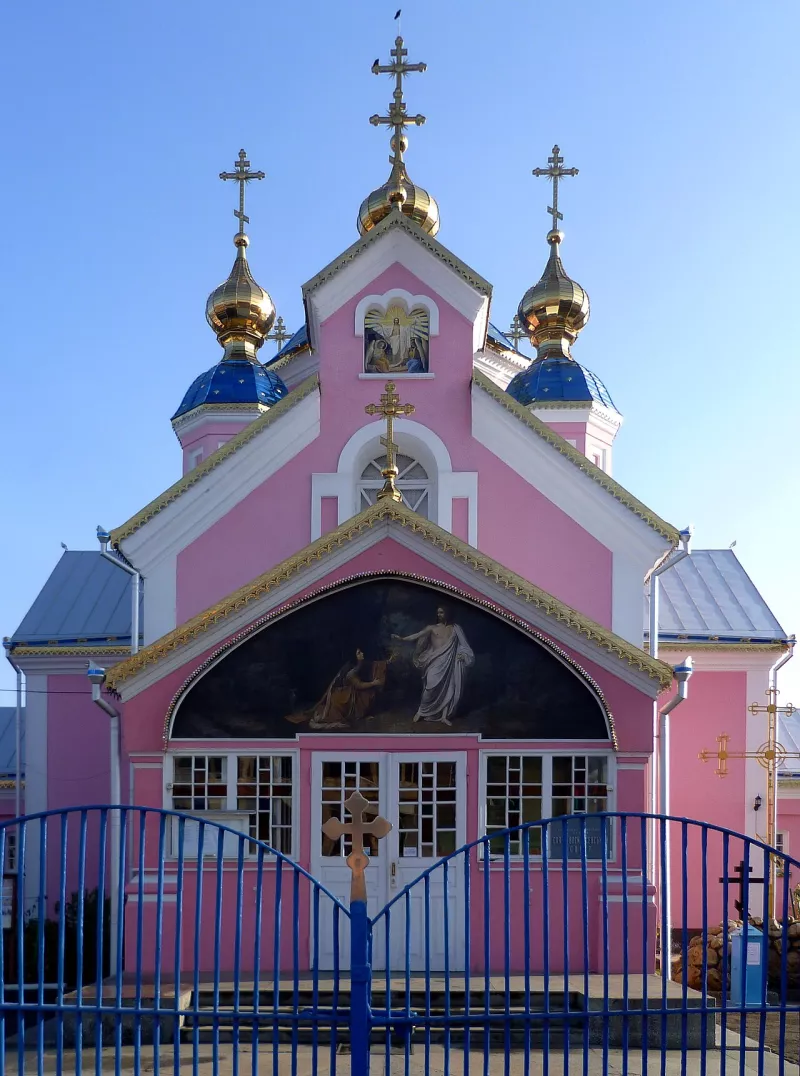
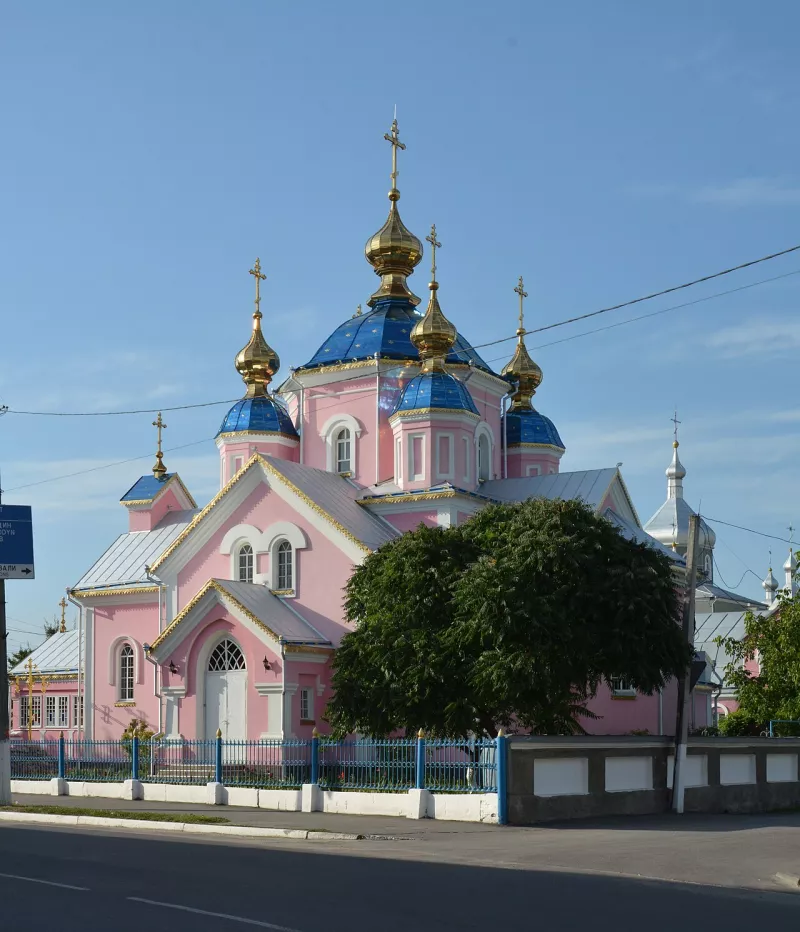
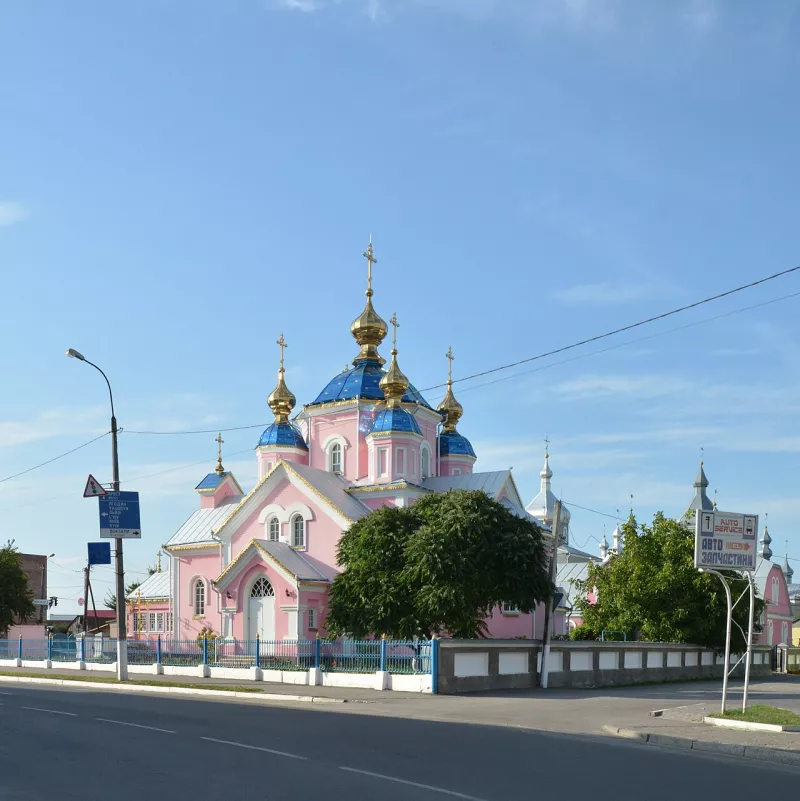

The Holy Resurrection Cathedral stands in the center of the “old town” of Kovel. It is the main Orthodox church of the city with a history dating back to the 16th century: it was destroyed by fires many times, and each time the community rebuilt the cathedral anew.
Charter of Queen Bona
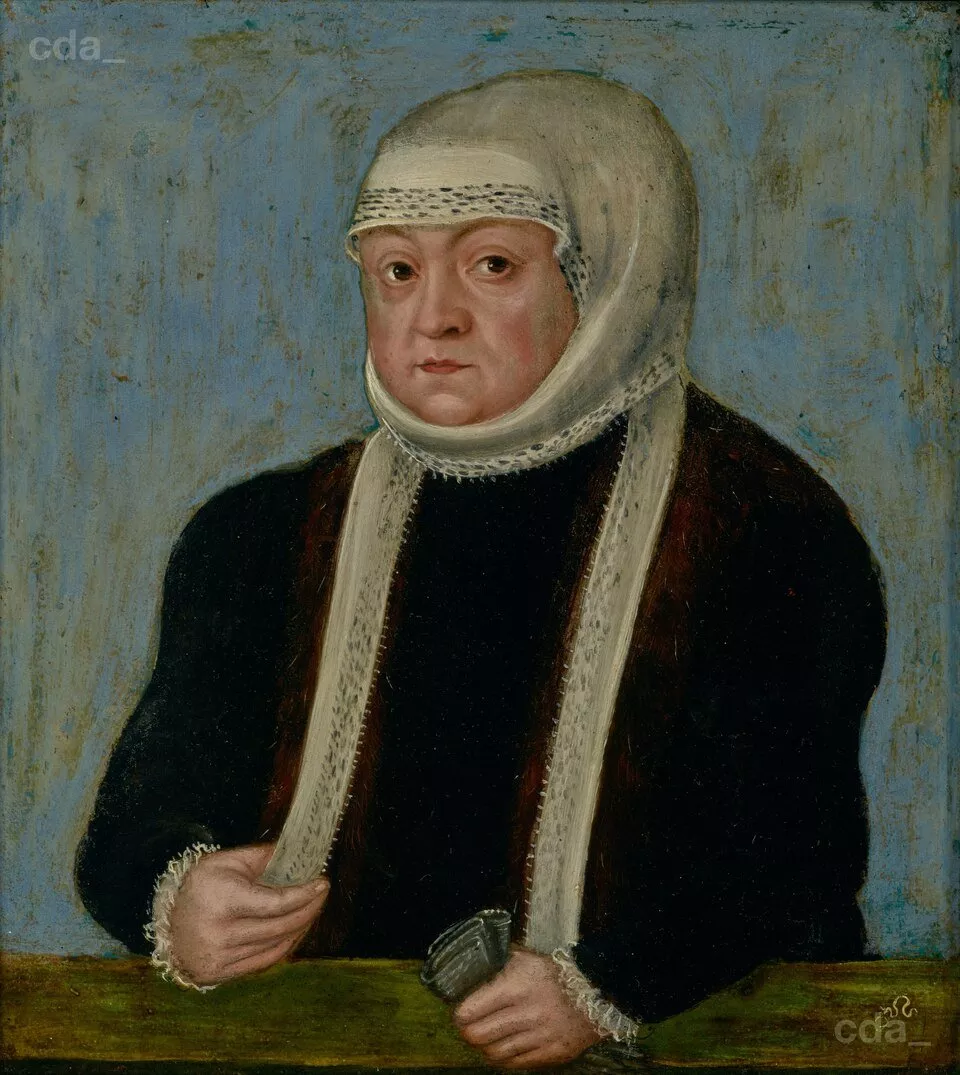
The Resurrection Cathedral church was first mentioned in a charter of Queen Bona Sforza dated August 17, 1549: at the request of the priest of the Annunciation Church Oleksii Trishnytsia and the Kovel starosta Semashko, the latter received the right to oversee the cathedral. Queen Bona, who then owned Kovel, treated Catholics, Orthodox, and Protestants equally.
In 1581, Prince Andrii Kurbskyi, a fugitive from Moscow who lived in Kovel, bequeathed 10 kips of Lithuanian money to the cathedral and another 15 kips for the hospital at the church. Kurbskyi was a prominent figure of Orthodox Volhynia and, according to legends, restrained even Prince Kostiantyn Ostrozkyi from Catholicization.

Fires and Reconstructions
At the end of the 16th century, the church burned down — only copper ingots from melted bells remained. According to local legends, it stood where the market square was later located. In 1696, a new cathedral church was built: 5,000 zlotys were donated for it by the Kovel starosta Stefan Latynskyi. Nearby, a bell tower with four bells and a clock was erected.
In 1718, the cathedral burned down again along with the bell tower; parishioners saved only the iconostasis and church property. For a long time, the community prayed in a small chapel transported from the cemetery of the village of Bulky. In 1774–1777, donations were collected from surrounding villages, and in 1782 an agreement was made with a master from the village of Mizove for a new wooden church with one dome, covered with shingles. In 1842, the temple was expanded and placed on a stone foundation, and later it acquired the appearance of the city’s cathedral church.
What to See
The cathedral is the heart of old Kovel, near the main streets and the commercial part of the city. It is active, so it is better to visit it outside of services. Combine your visit with a walk through the center: Art Nouveau buildings, the old pharmacy, and the Church of St. Anne.
Also read
How to Find
The center of Kovel, a few minutes’ walk from the main streets.