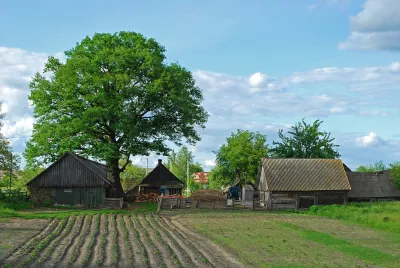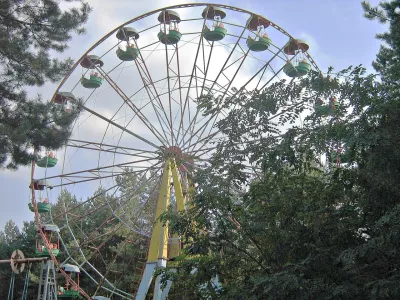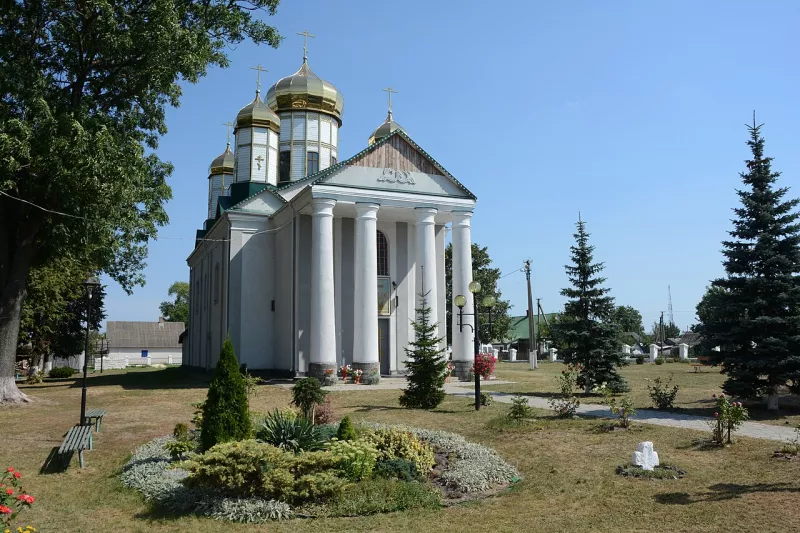

Kolky is a urban-type settlement on the Styr River in northern Volyn, the center of the Kolky hromada in Lutsk Raion. About four thousand people live here. It is about 27 kilometers from Manevychi to Kolky along the R14 highway, and the Styr and Rudka rivers flow through the settlement. Kolky is one of the oldest settlements in Volyn, with a long history of fairs, uprisings, and disobedience.
Romaniv Castle
Once the town was called Romaniv — in honor of Prince Roman Mstyslavych, who united Volyn and Galicia. Archaeologists have discovered an Old Rus hillfort dating back to the 10th–12th centuries by the Styr. Most likely, the prince ordered a castle to be built here around 1197: it was surrounded by the waters of the Styr on three sides, and by a high rampart on the fourth. The area of the fortification reached about 750 square meters. Craftsmen lived here, trading grain, honey, wax, fur, and salt from Galicia.
Where did the new name come from? A legend recorded by Józef Kraszewski says that a great fire destroyed the town, and only charred stakes (kolky in Ukrainian) in the fences remained of it. The rebuilt town began to be called Kolky. One of the first mentions is in a charter of Prince Lubart from 1322: «поехати гостинцомъ, который идетъ до Колковъ». And the church on the hill, according to legend, sank underground — scientists explain this by «water cushions» in the sandy soil of Polissia.
Salt, fairs, and uprisings
In the 16th–17th centuries, Kolky was a prosperous town: people came here from all over Polissia for salt. A Roman Catholic church was built here in 1647. During the Khmelnytsky Uprising, the residents of Kolky rose up against the szlachta, and in 1651 a detachment of Maksym Kryvonis entered the town. Later, the estate in Kolky was received by Hetman Pavlo Teteria, who lived here for some time. In 1778, the town had 155 homesteads, and by 1798 there were already 448, four fairs a year, the Church of the Exaltation of the Cross, a Roman Catholic church, and five watermills on the Styr.
The most famous page of the 19th century is the resistance of quitrent peasants. Landlord Kozhukhovsky tripled the land rent, and in 1873 the residents of Kolky refused to pay. They sent petitioners to St. Petersburg led by village elder Mykhailo Silich. In May 1874, a battalion of soldiers was sent to Kolky, and they destroyed 230 out of 270 peasant houses. But even after that, only forty families out of three hundred agreed to the new terms.
Church of the Exaltation of the Cross
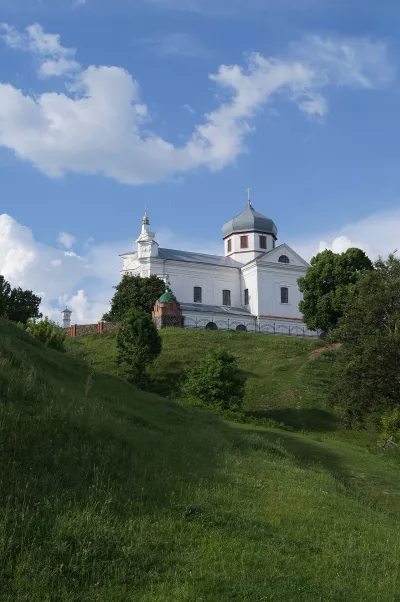
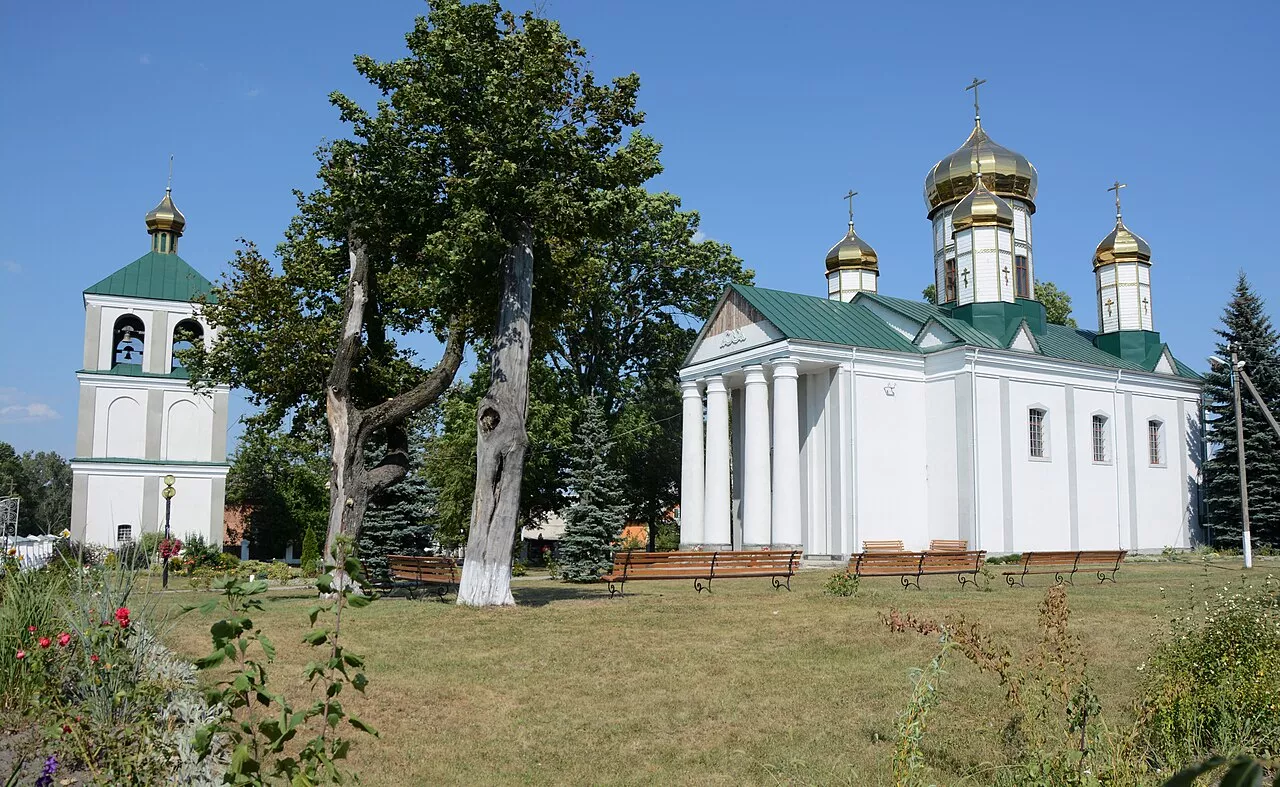
The main landmark of the settlement is the brick Church of the Exaltation of the Cross along with its bell tower. The Church of the Exaltation of the Cross stood in Kolky as early as the late 18th century. The current church is an architectural landmark, beautiful at any time of year against the backdrop of old trees.
Kolky Republic
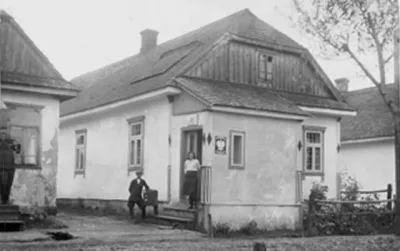
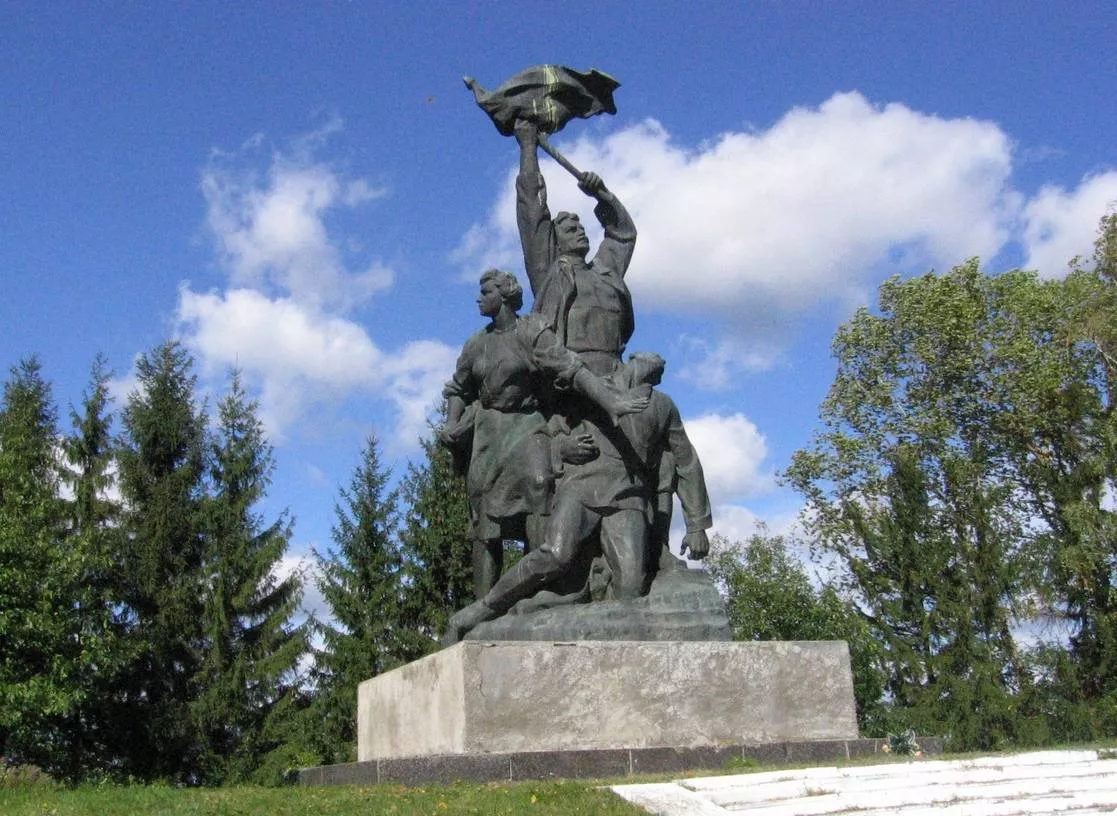
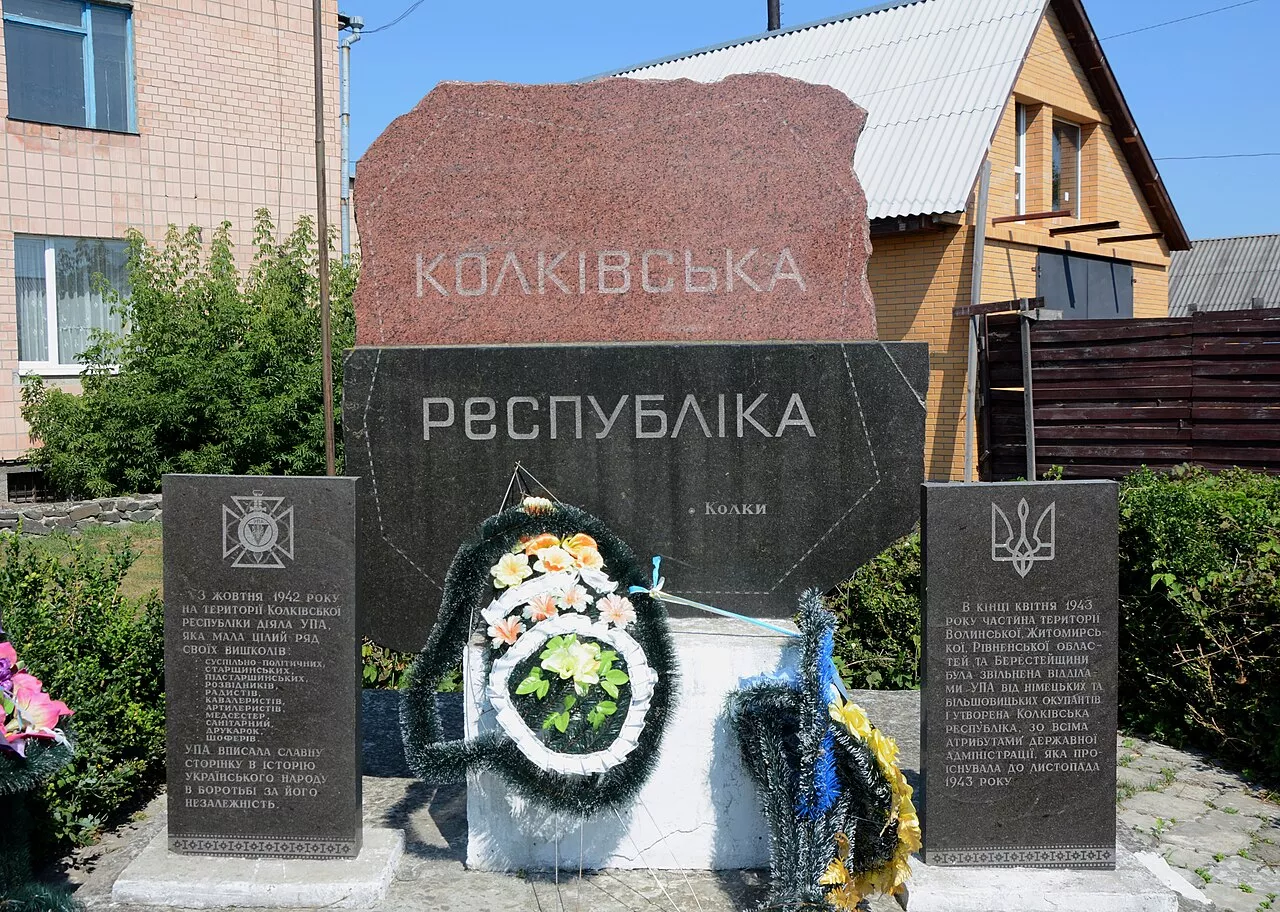
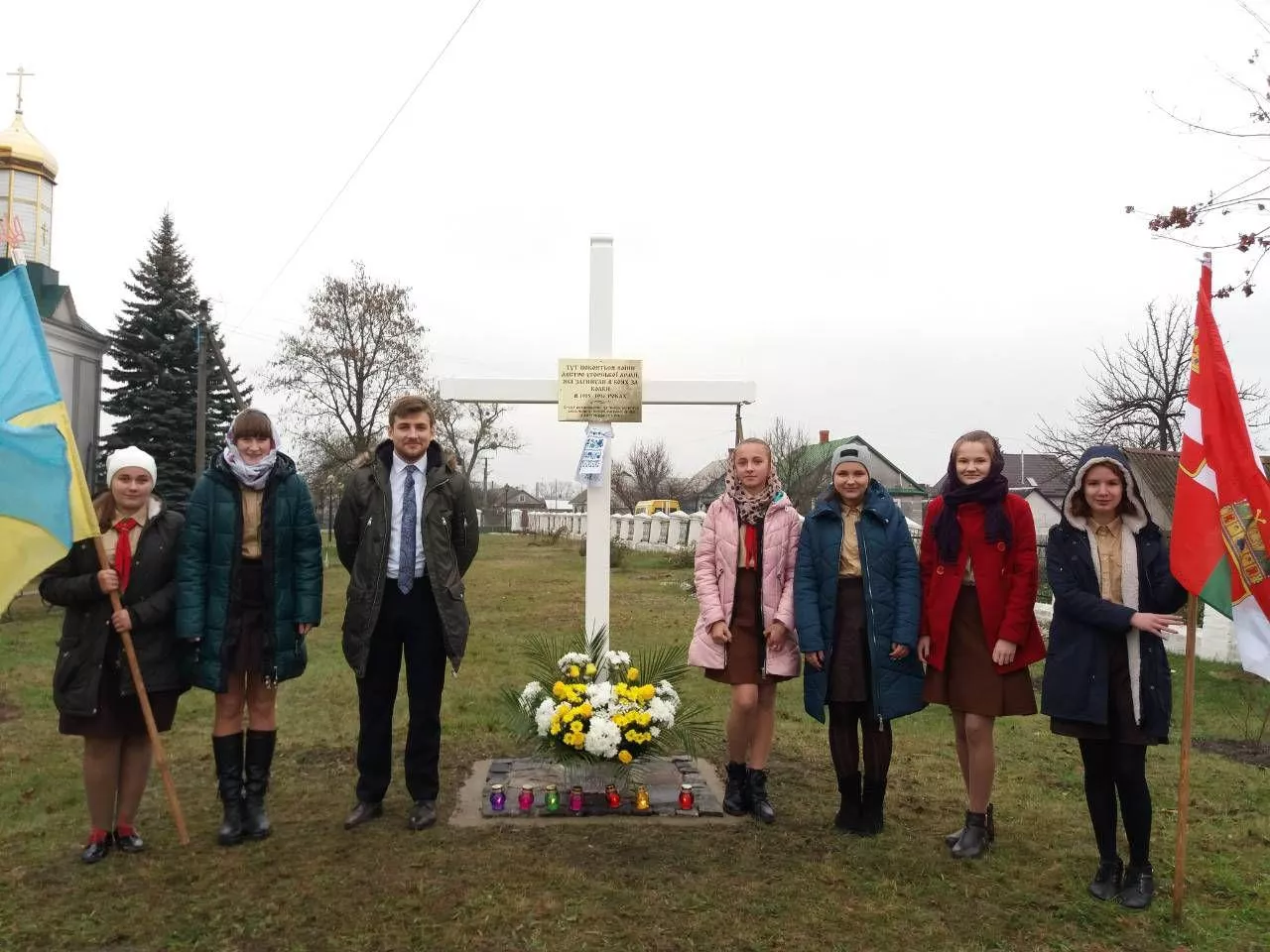
In the 20th century, Kolky survived the frontlines of World War I (1915–1916), Polish rule between the wars, and World War II. In the summer and autumn of 1943, the so-called Kolky Republic operated around Kolky — a territory controlled by the UPA, with its own administration, schools, and economy. A memorial sign has been erected in the settlement in its honor.
Another monument recalls the interwar years: at this place, the Polish police shot a May Day demonstration in Kolky.
Nature
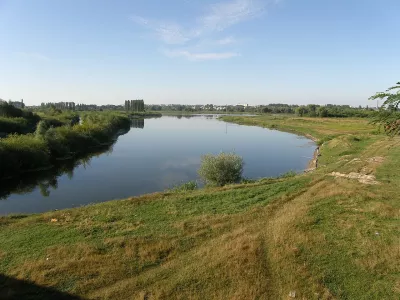
The Styr near Kolky is wide and calm, with meadows and willows along the banks. In summer, people swim and fish here, and all around are Polissian pine forests where mushrooms and blueberries are gathered.
Kolky on video
When to go
Best in summer and early autumn, when the Styr is warm and the mushroom season is underway in the forests. Kolky is conveniently combined with Manevychi and the Tsuman Primeval Forest.
Nearby
Manevychi is half an hour to the north, Tsuman and the Tsuman Primeval Forest to the southeast. More can be found in the article Lutsk Raion.
How to get there
Buses run from Lutsk and Manevychi. By car from Lutsk, it is about an hour.