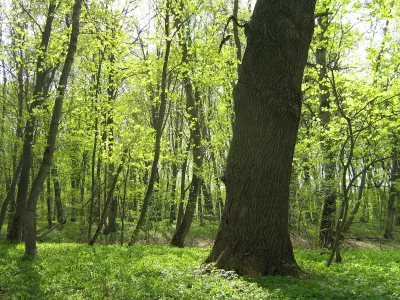
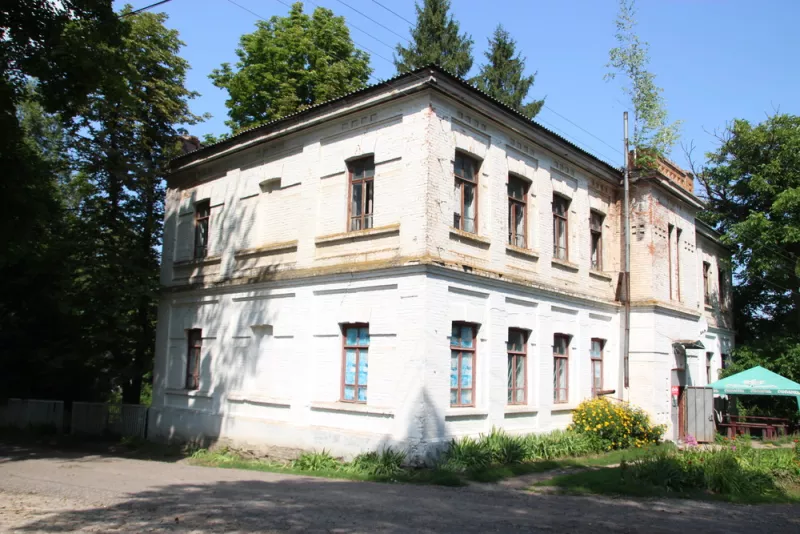

Yaroslaveckyi Park is a local garden and park art monument covering 19.6 hectares in the village of Yaroslaveck in Sumy Oblast. It has been preserved on the site of the former estate of the Kochubei family, which in the 18th–19th centuries was one of the prominent economic and cultural centers of the region. About 30 species of trees and shrubs grew on the territory.
The park was established at the end of the 17th century. It received the status of a garden and park art monument on June 20, 1972. Today, it is not only a green zone in the center of the village but also a place connected with the history of the famous Cossack senior family.
Kochubei Estate in Yaroslaveck
The history of the estate is connected with Vasyl Kochubei — the general scribe and later the general judge of the Zaporizhian Host. Under Hetman Ivan Mazepa, Yaroslaveck passed into Kochubei’s possession. In 1687, Mazepa issued a universal decree transferring the village to him, and on April 28, 1688, Kochubei received a tsar’s charter.
After the execution of Vasyl Kochubei in 1708, his family later restored their rights to the estates. Yaroslaveck remained in the ownership of the Kochubei family for about 230 years.
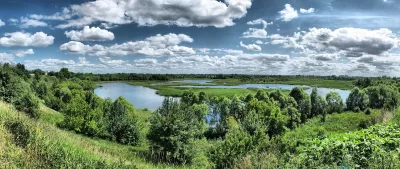
The manor was located near an ancient fortification, which in local legends is called “Yaroslav’s Town.” According to legend, it was built by Prince Yaroslav Vsevolodovych in 1196 on the shore of Lake Bychok. Today this body of water is called Panskyi Pond.
The estate reached its peak under Vasyl Vasylovych Kochubei. In 1781, there was a two-story wooden manor house with 15 rooms, brick outbuildings, wings, guest rooms, and quarters for young ladies under education. The territory also housed a hospital and a music school, stables, a greenhouse, hotbeds, and a formal garden.
The estate was surrounded by a park arranged in the landscape style. Memories of Yaroslaveck mention receptions of guests, balls, and musical evenings. The manor was not just a residence of the owners but a large economic and cultural complex.
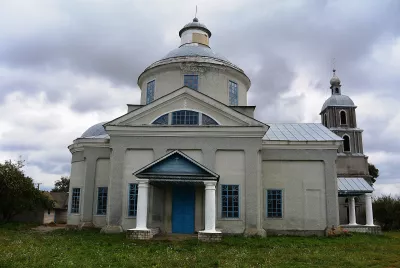
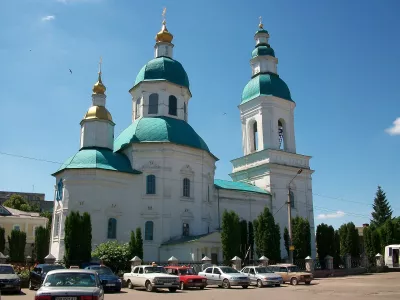
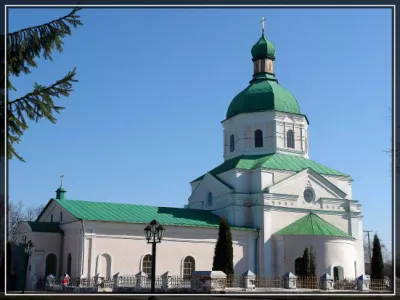
One of its buildings was the Annunciation Church with the Mykhailivskyi chapel. According to scientific research, the church was built by Vasyl Vasylovych Kochubei in 1757. The church preserved family valuables and relics, including the bloodstained shirt of Vasyl Kochubei, in which he was executed in 1708.
What Remains of the Estate
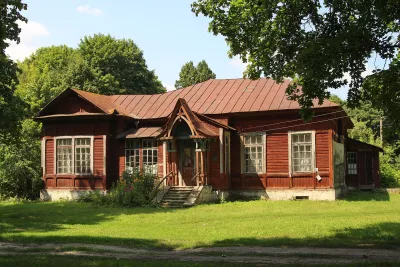
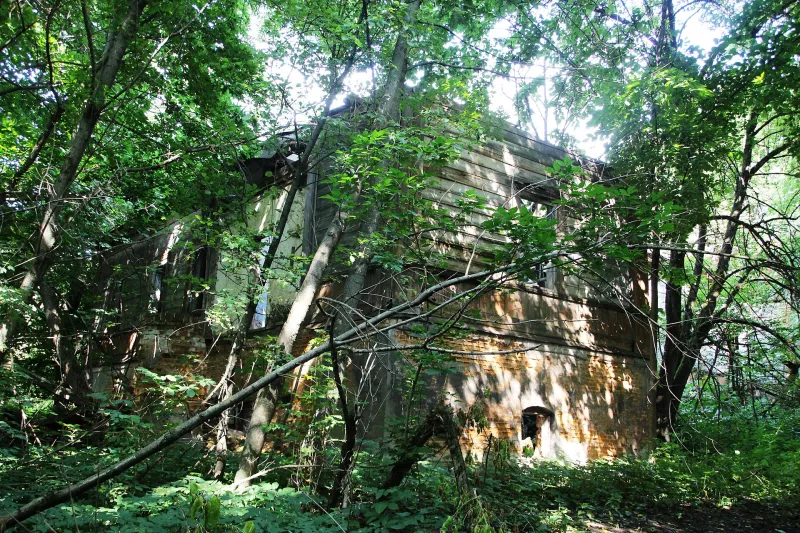
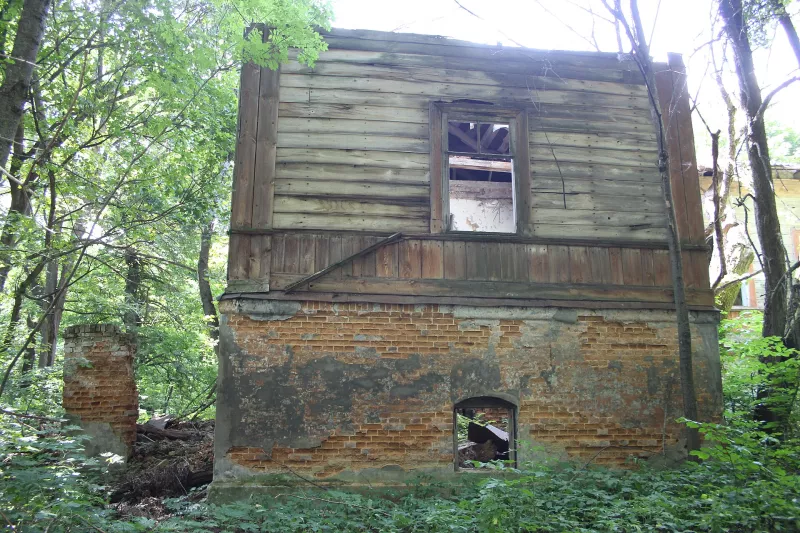
Some buildings of the former estate have survived to this day. Among them is the wing at 13 Peremohy Street, which is listed as an architectural monument. According to historical descriptions, it was used as a guest house. Over the years, the building also served as a school.
Researchers have also recorded in Yaroslaveck a wooden house associated with Maria Oleksiivna Kochubei-Kapnist — the wife of Vasyl Arkadiyovych Kochubei. Its condition requires a separate inspection, so it would be premature to call the wing the only surviving building of the estate.
Near the estate was the Kochubei family crypt. It was destroyed during the revolutionary events of 1917–1918. In 2009, a memorial sign was installed at the burial site. Descendants of the family from Belgium came to its unveiling.
Kochubeis and the Development of the Village
The family left a noticeable mark not only on the architecture of Yaroslaveck but also on its public life. Demian Kochubei opened a school in the village in 1848. Later, other educational institutions appeared here, and by the end of the 19th century — a hospital.
In 1842, a paper factory was built in the sloboda of Retyk, associated with the Kochubei estate. According to contemporaries’ recollections, the equipment for the enterprise was brought from London and Manchester. This indicates that the estate was not only a landholding but also a developed economic complex with industrial production.
Yaroslaveckyi Park Today
In 2021, a cultural and educational space was opened in the park. Local residents and volunteers from the Krolevets community participated in the arrangement of the area. The space was conceived as a place for family recreation and leisure.
In August 2025, Yaroslavetskyi Park became part of the tourist route "10 Places of Power" of Sivershchyna. The project united ten natural and historical-cultural sites of the Krolevets region and surrounding villages.
Yaroslavetskyi Park is interesting not only for its plantings. It is a place where you can see the remains of a former estate and learn about the history of the Kochubey family — a family that influenced the life of the village and the development of the surrounding lands for several centuries.
Nearby
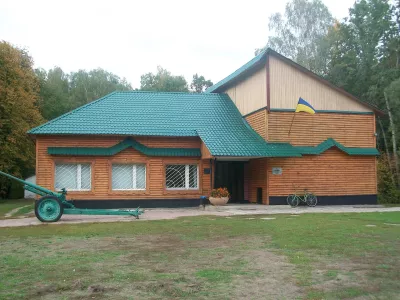
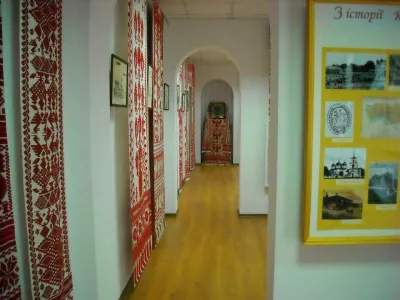
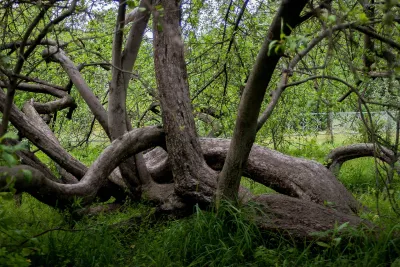
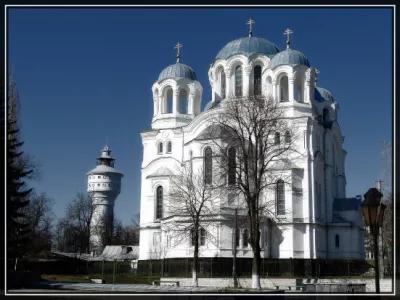
Kochubeyivskyi Park in Dubovychi — another estate of the same family in the Krolevets region; in Krolevets — the apple colony and the local history museum.