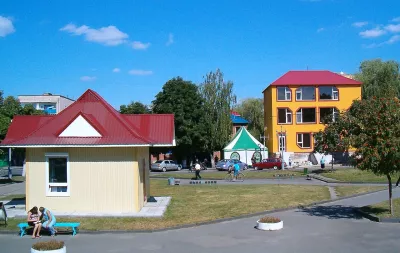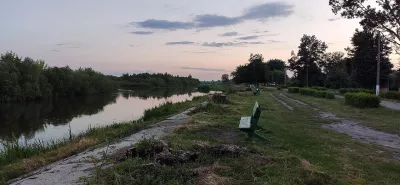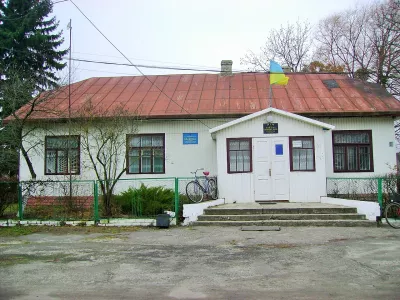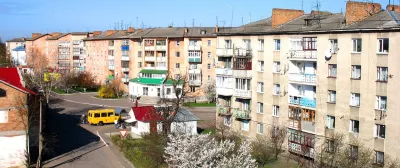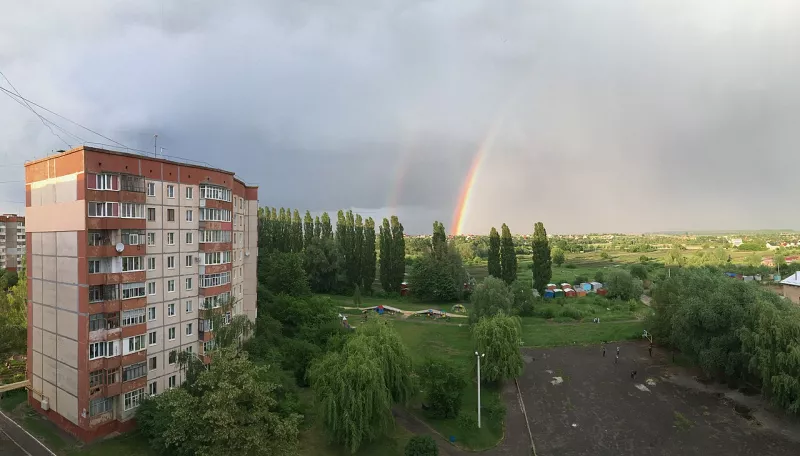
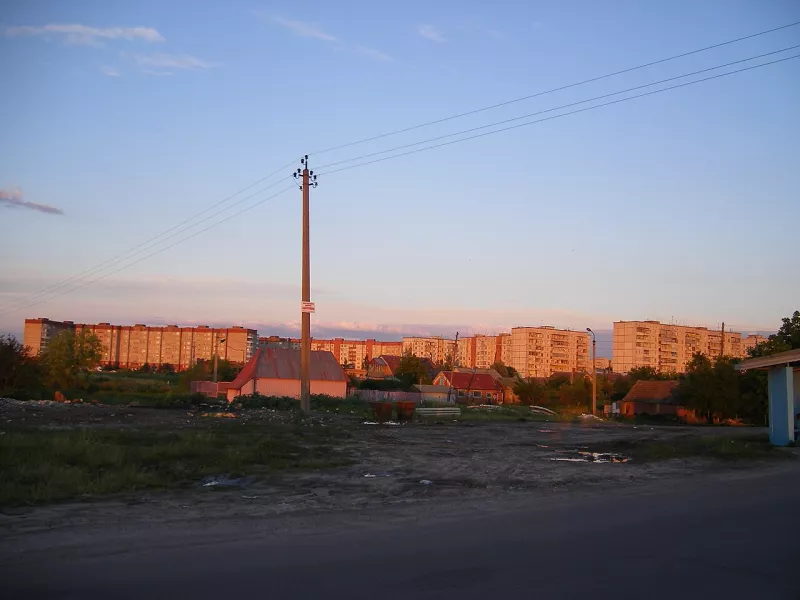
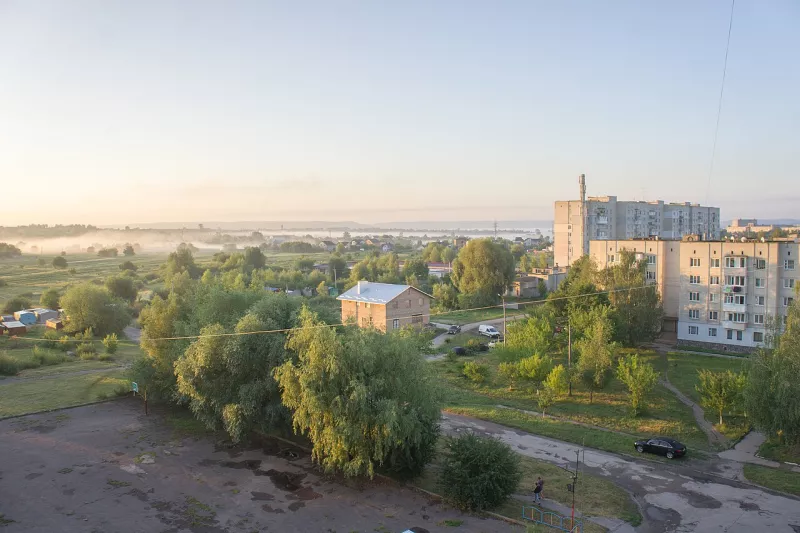
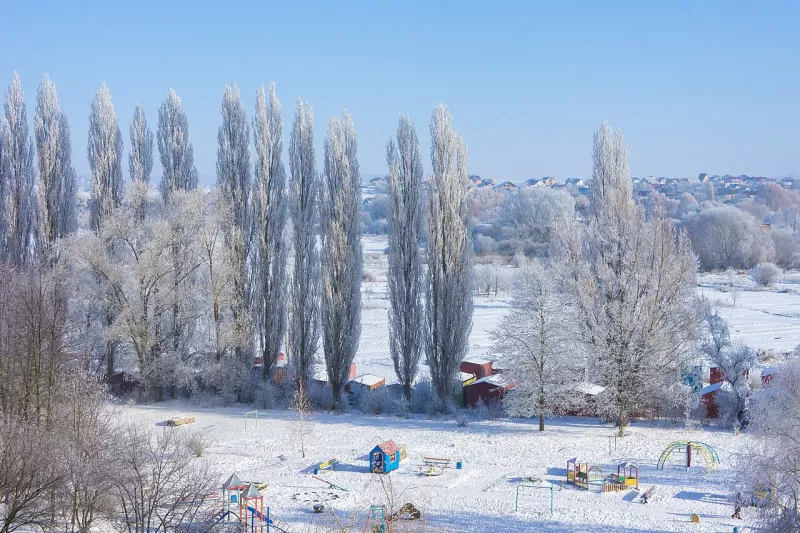
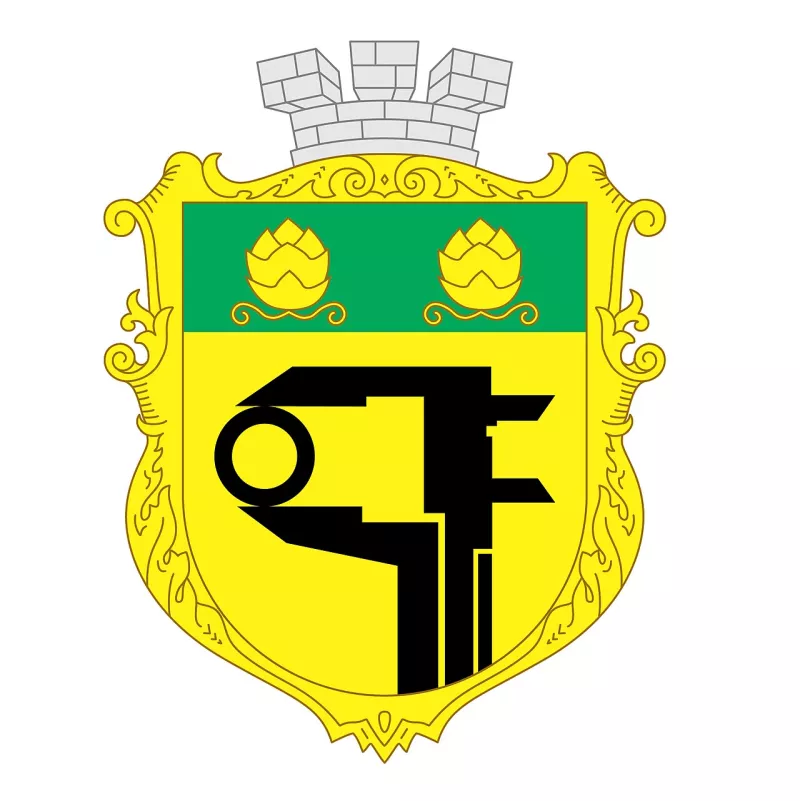
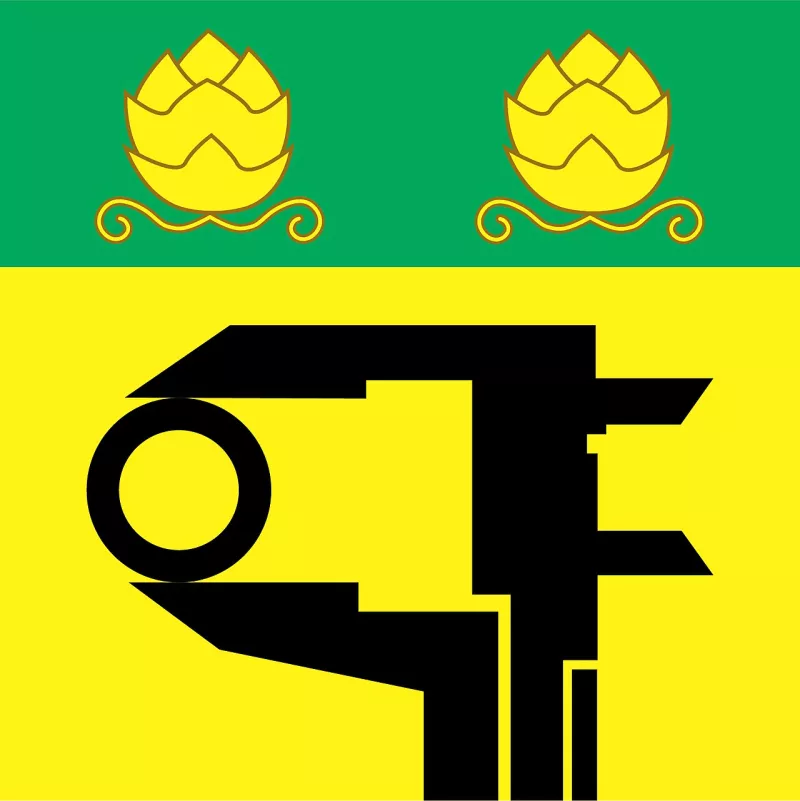
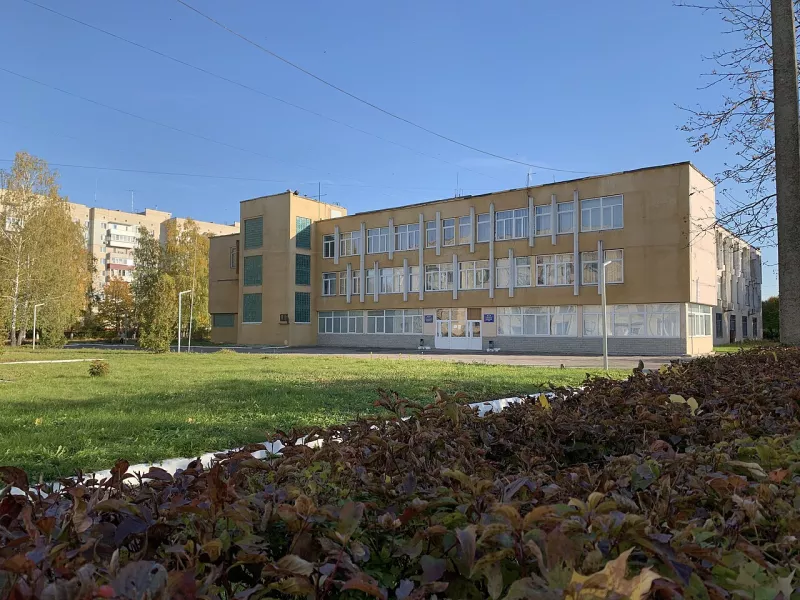

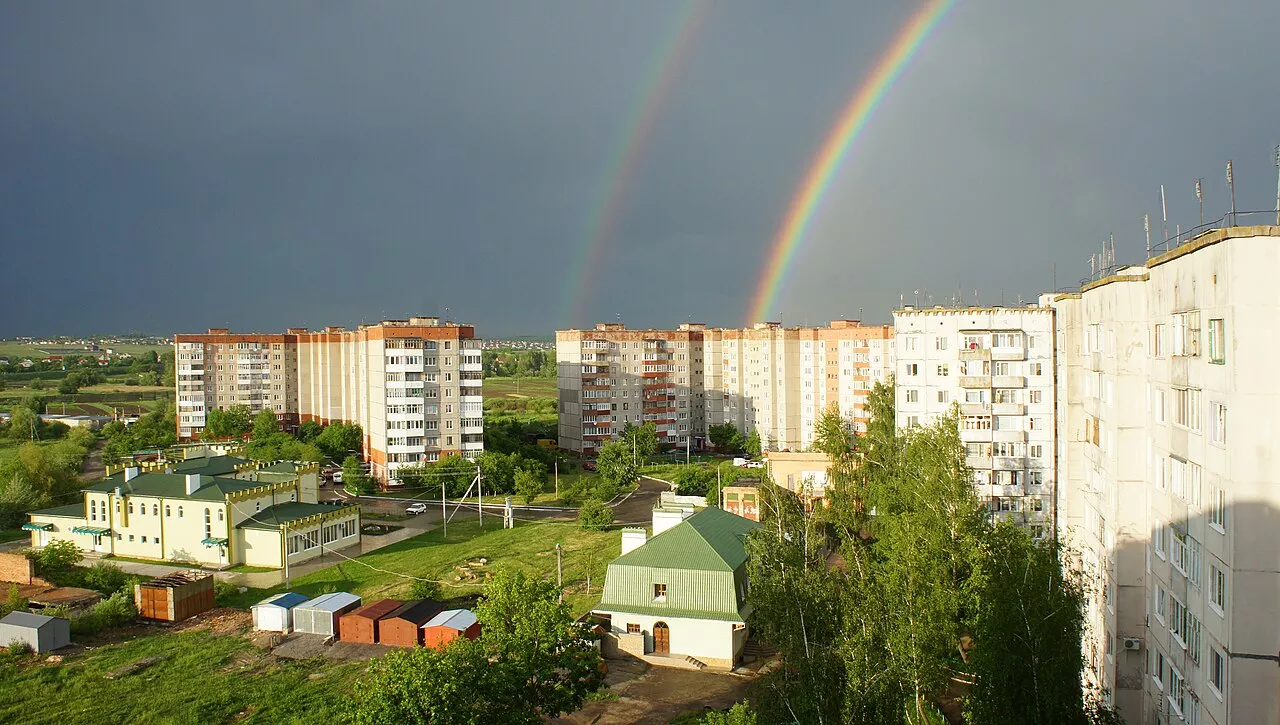
Kvasyliv is an urban-type settlement on the southern outskirts of Rivne, along the Ustia River, on the Rivne — Zdolbuniv railway. Over nine thousand people live here, and the settlement itself is part of the Rivne hromada. The first mention of Kvasyliv dates back to 1445, but it was nineteenth-century Czech settlers—hop growers, brewers, and iron founders—who truly put it on the map, transforming a marshy village into one of the wealthiest settlements in Volhynia.
Kvasylo with the Bitter Spring
The name is linked to the surname Kvasylo. Local legend tells a different story: in the spring, when the Ustia flooded for ten miles, three landless men were looking for a place for a new home. They found a nice spot near a spring, one of them scooped up some water, and made a grimace: «Oh, this is a real *kvasylo*! This is the first time I've tried such a bitter drink!» That is how the place got its name.
In the fifteenth century, Kvasyliv was owned by Pan Vanko, the castellan of Chełm, who is mentioned in documents from 1445, 1460, and 1478. In 1496, the village was destroyed by the Tatars, but it was quickly rebuilt. At the beginning of the seventeenth century, Kvasyliv belonged to Rivne as the property of Prince Oleksandr Ostrozky.
Czech Kvasyliv
Its new history began in 1869. The Czech Josef Perný, along with Antonín Stránský, František Reichl, and other compatriots, bought 1,897 morgs of land from the Radziwiłł princes for 20,000 roubles in silver. The land was marshy, but the Czechs knew that a railway from Kyiv to Brest and Warsaw would pass through here. Their calculation proved correct—Kvasyliv became the largest, oldest, and most famous among the Czech settlements of Volhynia.
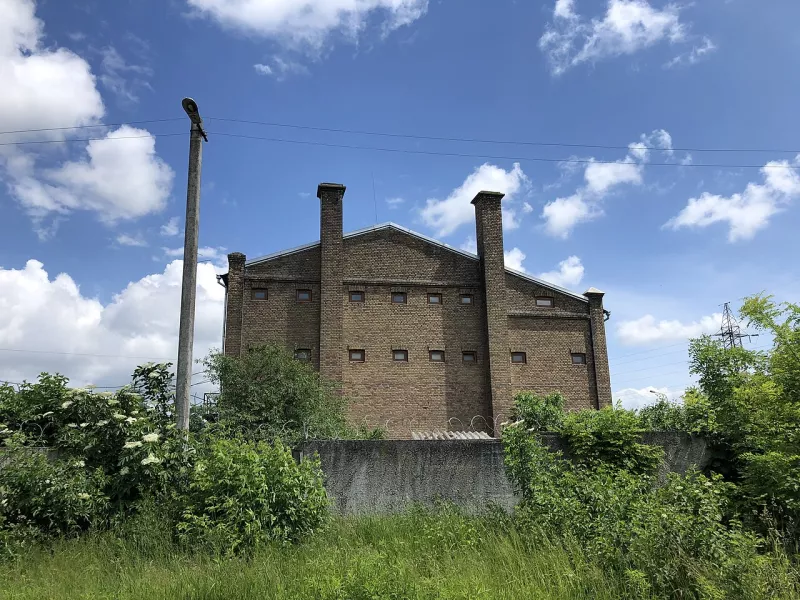
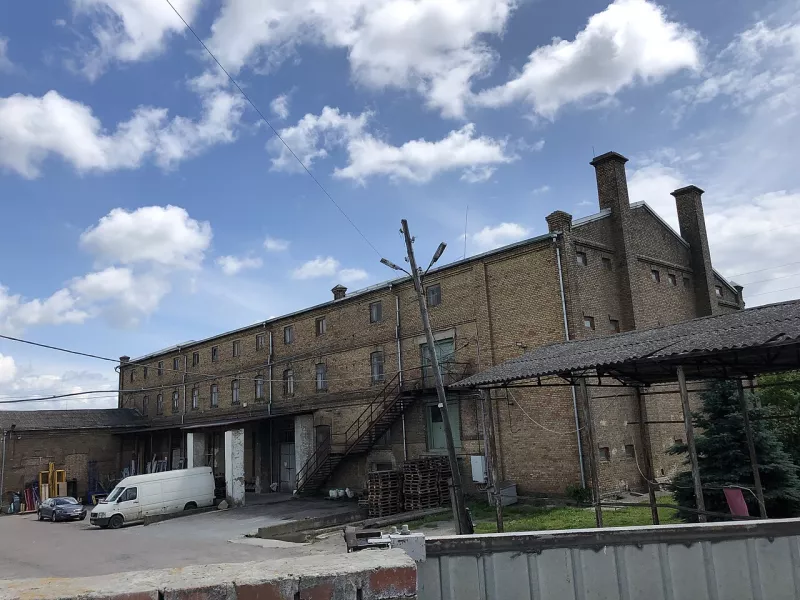
The Czechs paved the streets, brought in electricity, and built a Czech-Polish school. The Svarovský brothers' foundry and mechanical plant, Josef Zeman's brewery, Antonín Perný's foundry, a mill, and Antonín Jandura's hop factory appeared here. Hops became the main wealth: Kvasyliv was the largest village for growing and processing hops in the entire Russian Empire, and in 1929, the largest hop-drying facilities in Volhynia were built here.
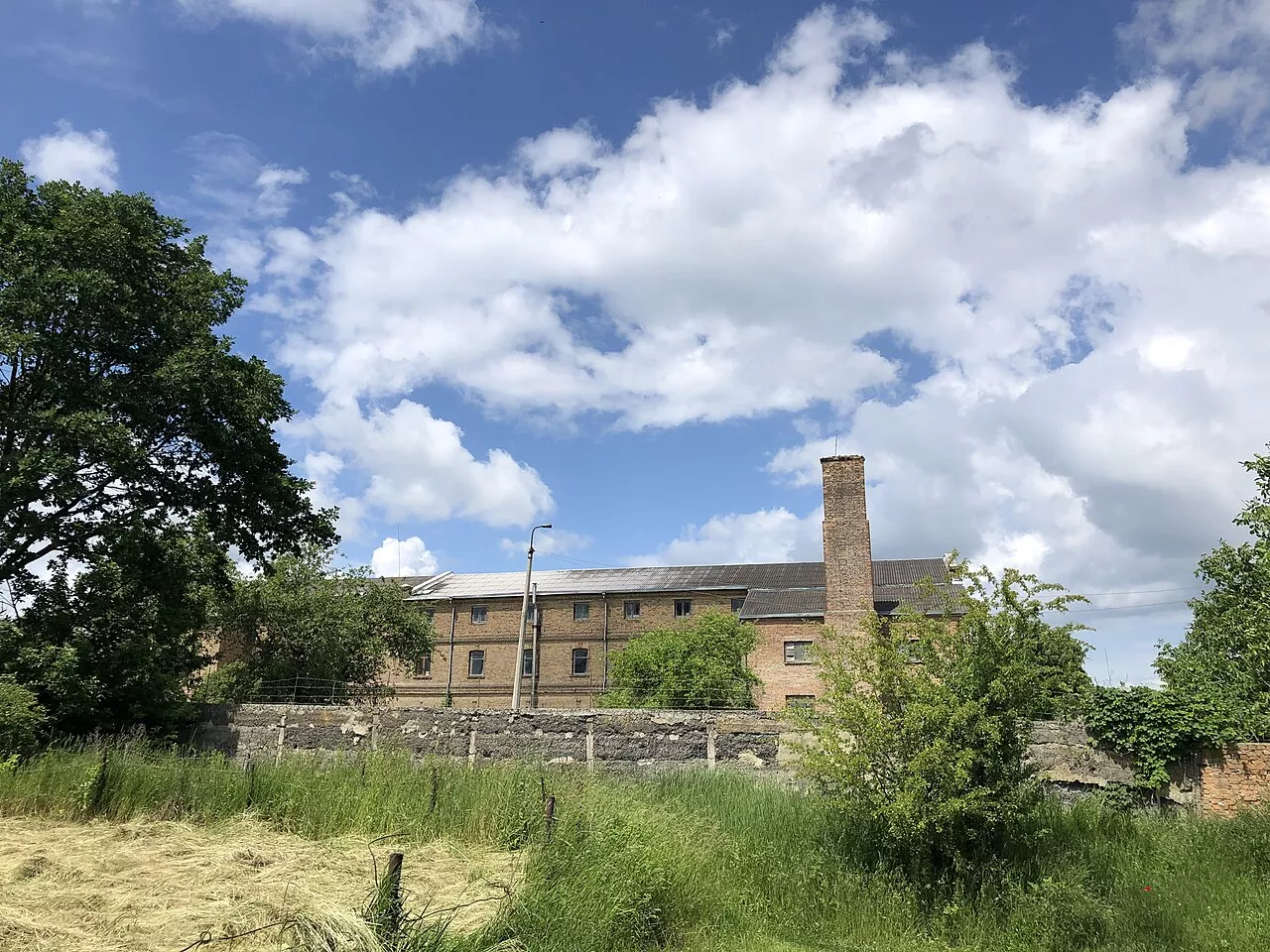
In 1911, the Sokol fire and sports society and Volhynia's only stadium were founded in Kvasyliv. A post office, library, bookstore, and printing house operated here, where the Czech weekly *Glas Volyni* had been published since 1926. In 1927, a Czechoslovak consulate was opened here, serving all Czech settlements in Volhynia until 1939. In the evenings, lovers would walk along the street of love, listening to the chorus of frogs over the Ustia.
Return to the Homeland
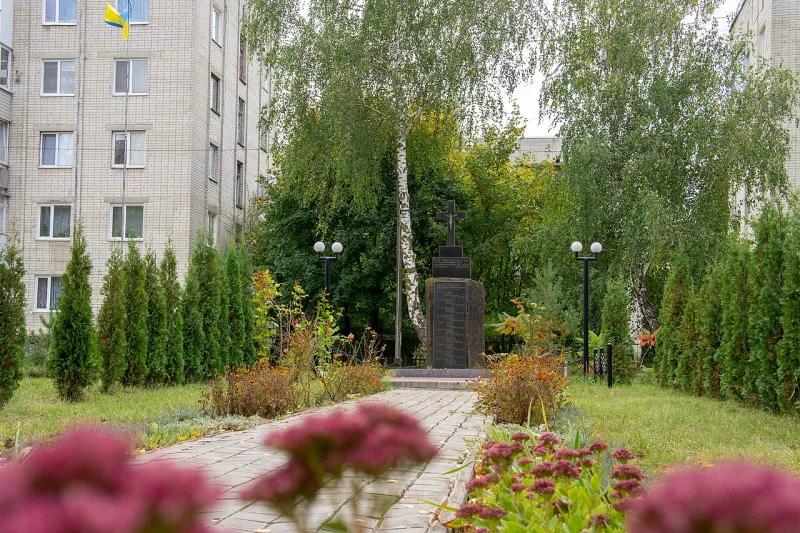
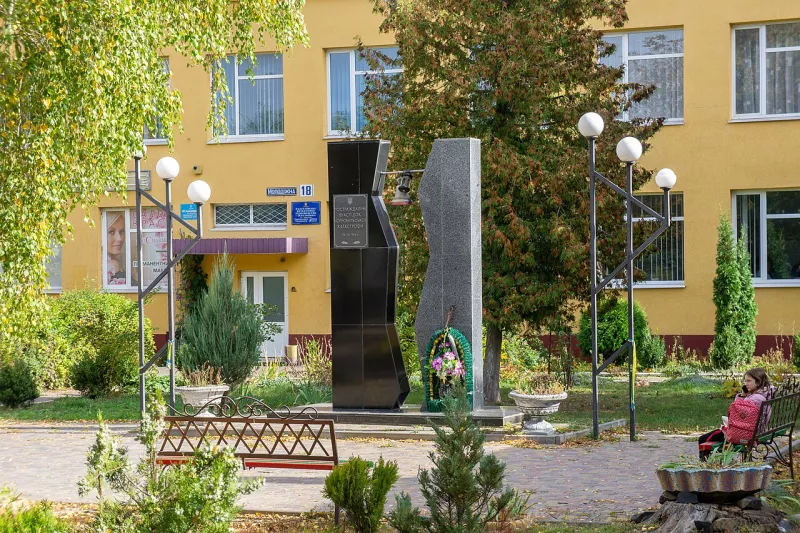
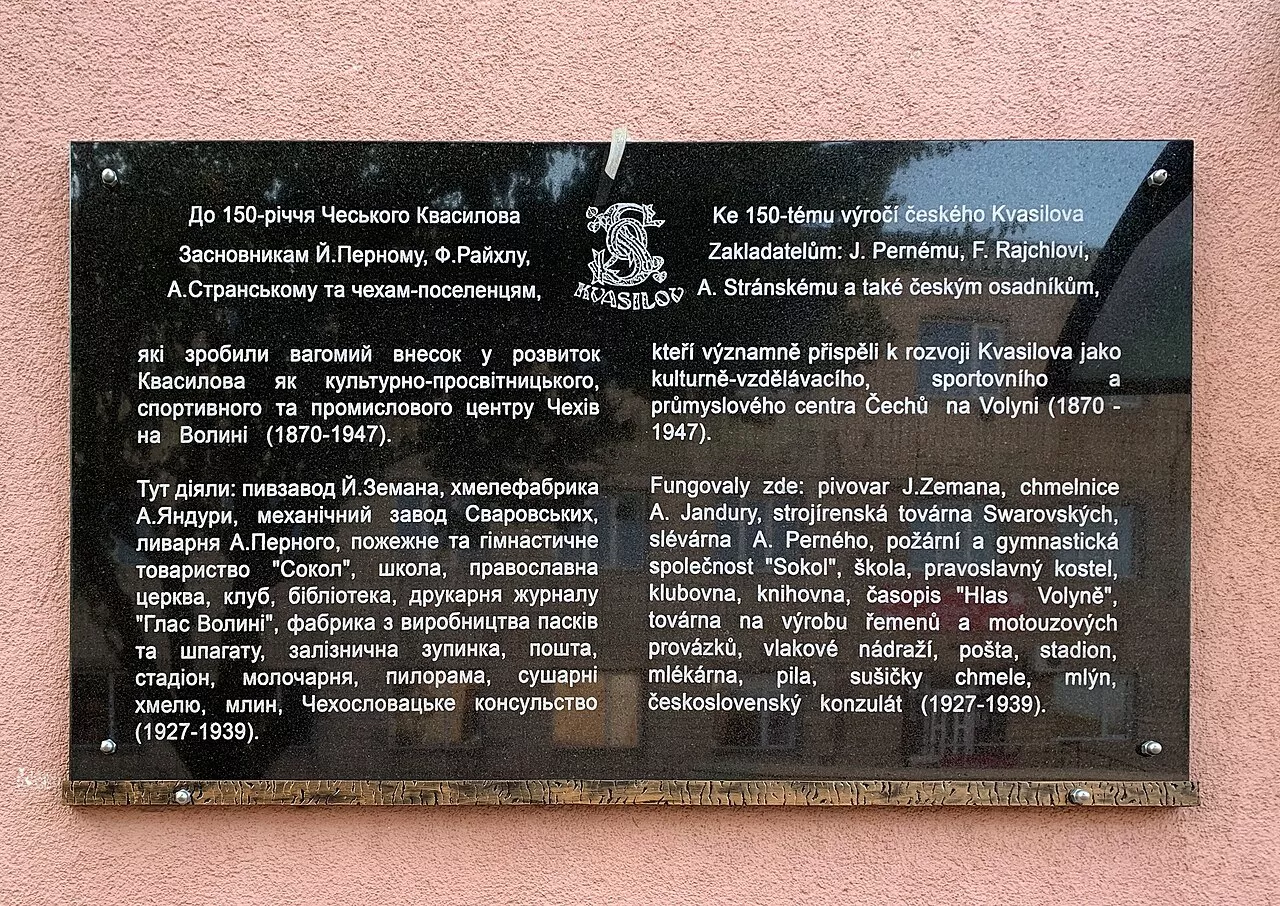
After World War II, the Soviet authorities nationalized the enterprises and repressed several prominent industrialists. On April 18, 1947, trains carrying Volhynian Czechs departed from the Zdolbuniv station for Czechoslovakia. Some families stayed behind. Paved streets, the hop factory building, monuments at the Czech cemetery, and a memorial plaque commemorating the 150th anniversary of the settlement still serve as reminders of Czech Kvasyliv.
What to See
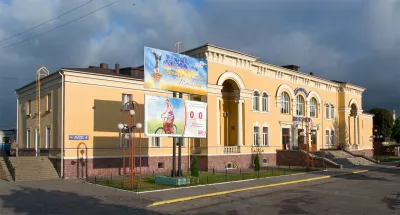
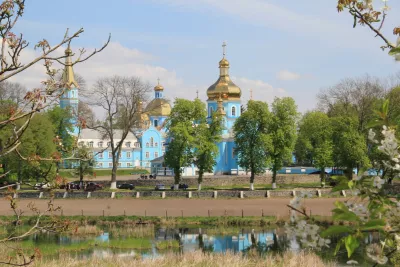
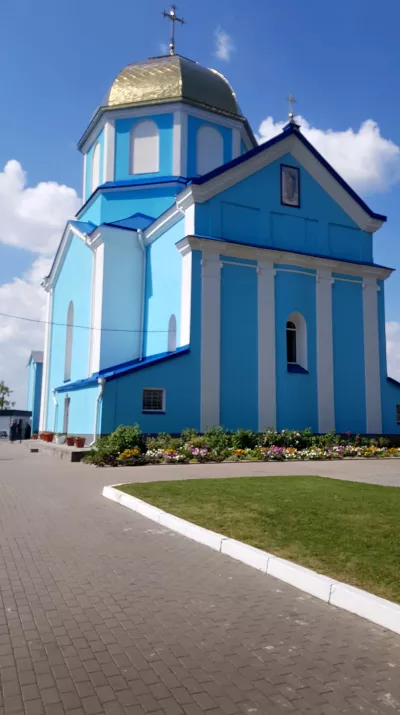
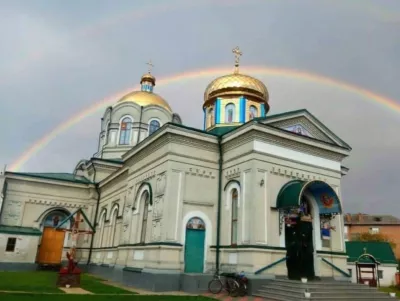
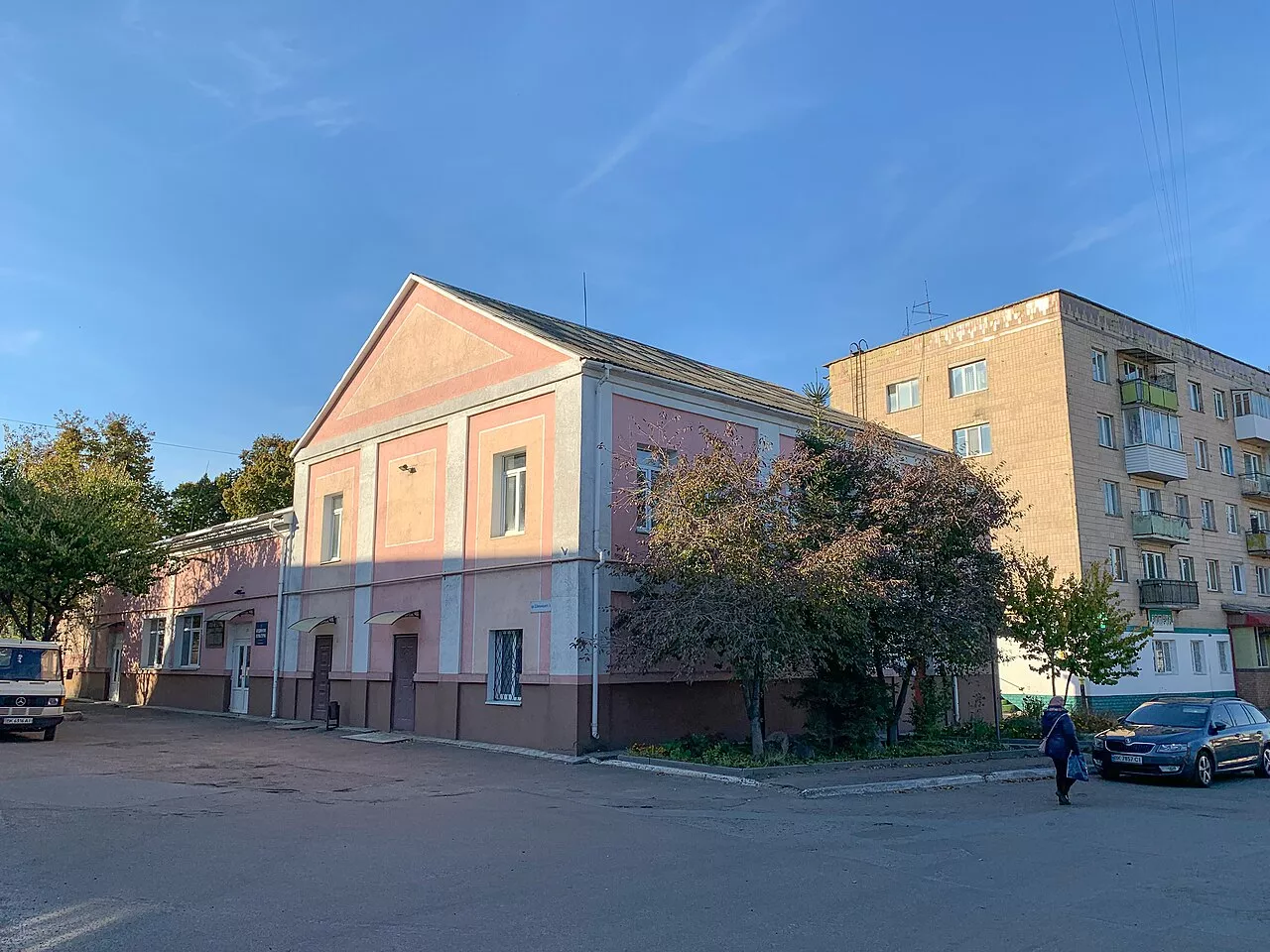
Take a walk through the old streets lined with the houses of Czech families. Pay attention to Jandura's former hop factory, the small 1923 station building at the Kvasyliv platform, and the Czech cemetery with a monument to teacher Vladimír Tomáš and the crypt of the brewer family. The Orthodox church in the settlement has been active since 1895.
Kvasyliv on video
When to go
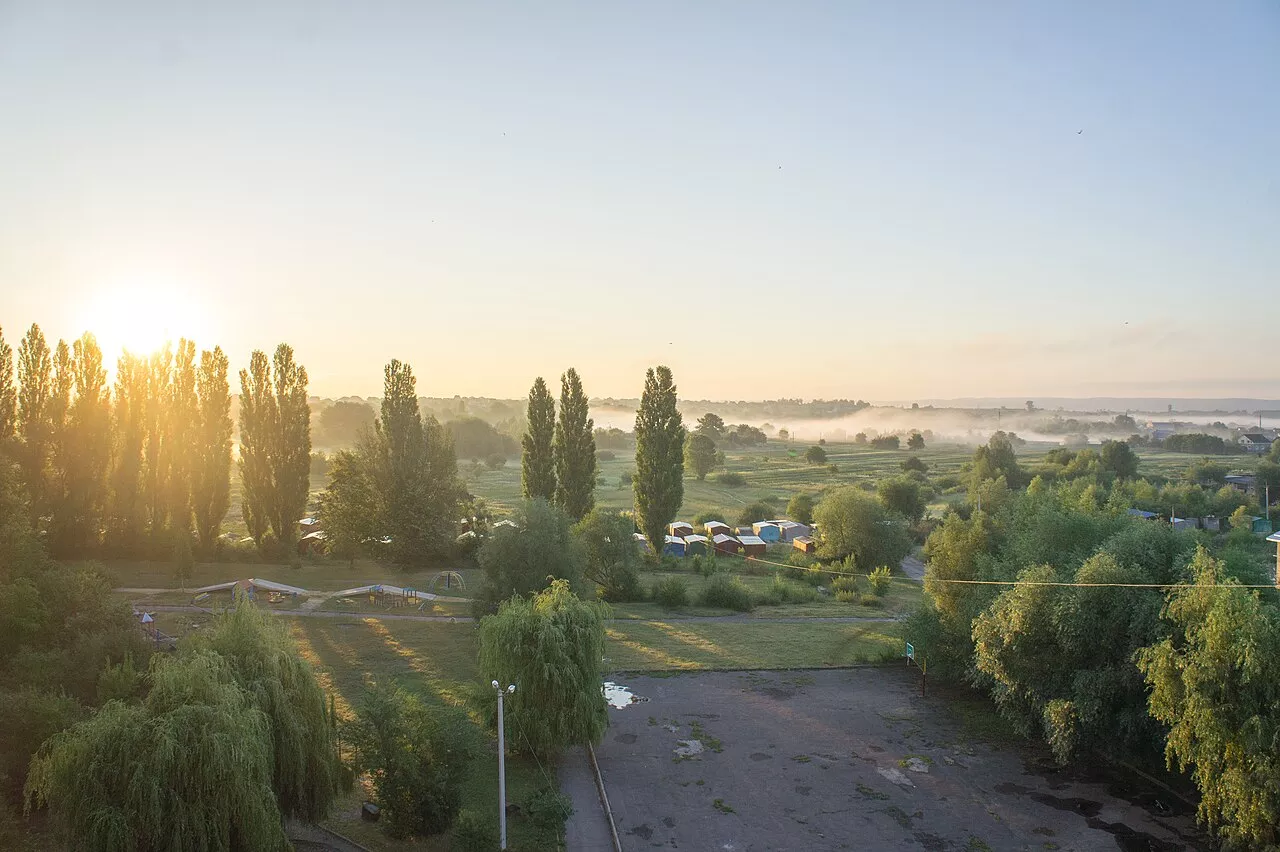
Kvasyliv is an easy half-day trip from Rivne. It is at its most picturesque in summer and early autumn when the orchards along the Ustia are green.
Nearby
Rivne is a 15-minute drive away. More can be found in the Rivne Raion article.
How to get there
City minibuses and suburban electric trains running to the Kvasyliv platform go from Rivne to Kvasyliv.