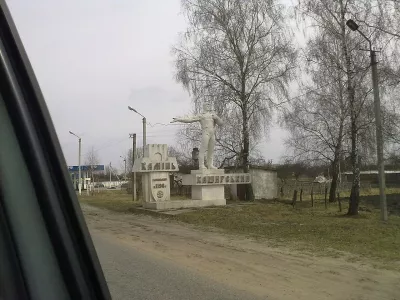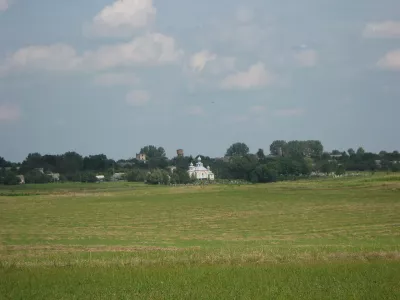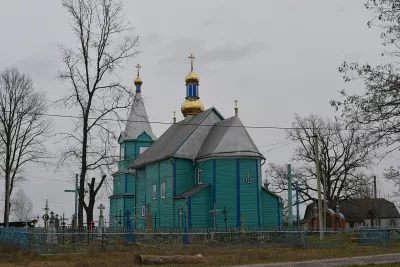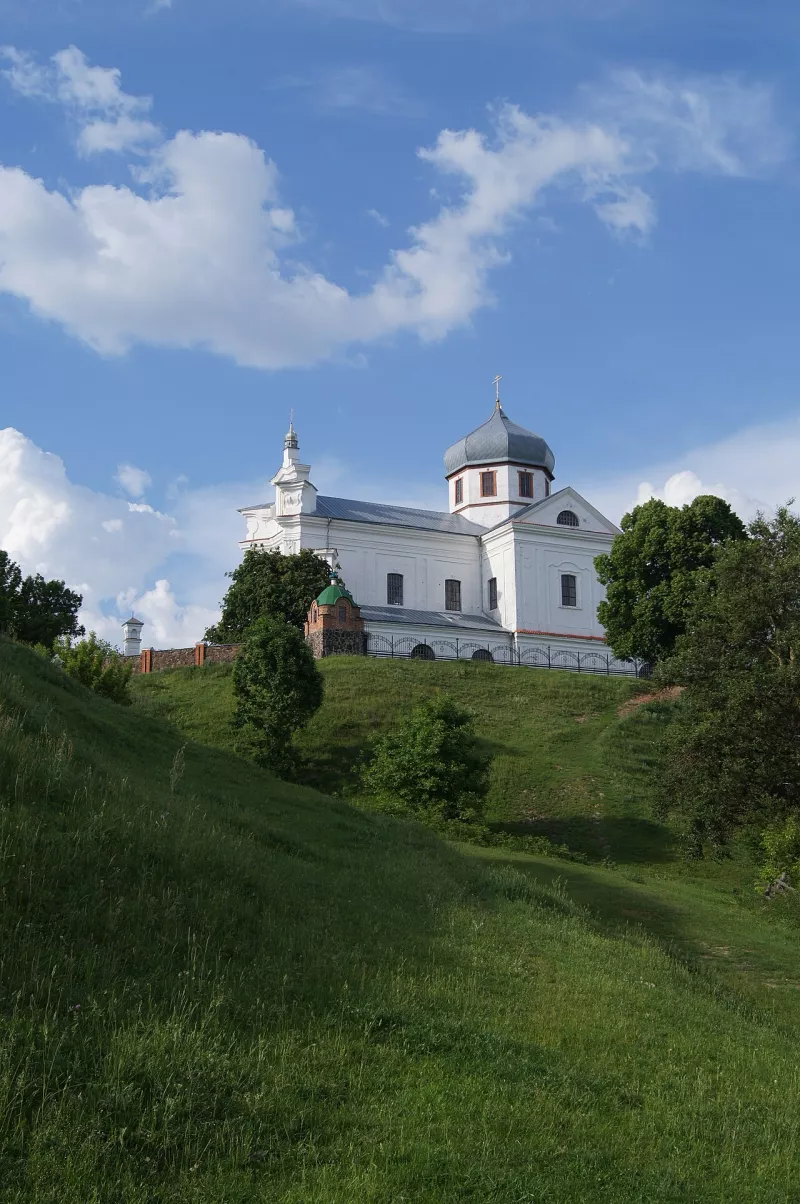
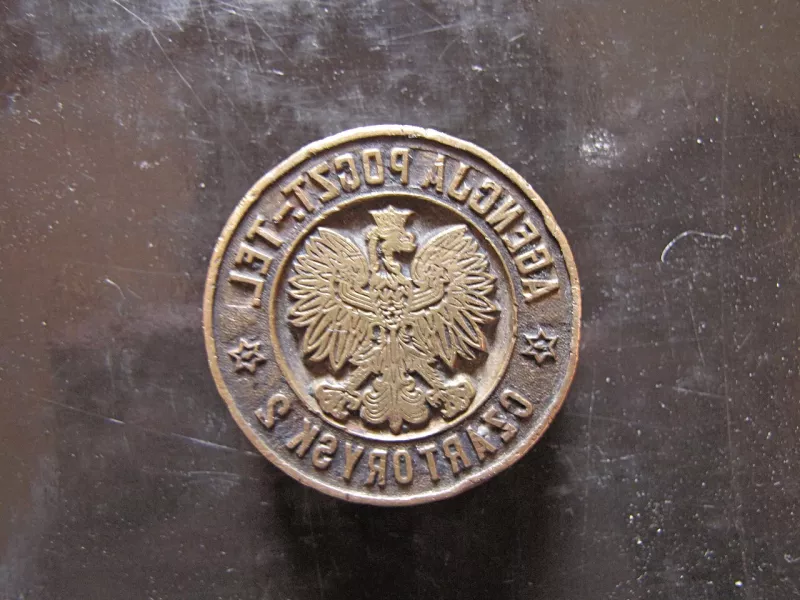
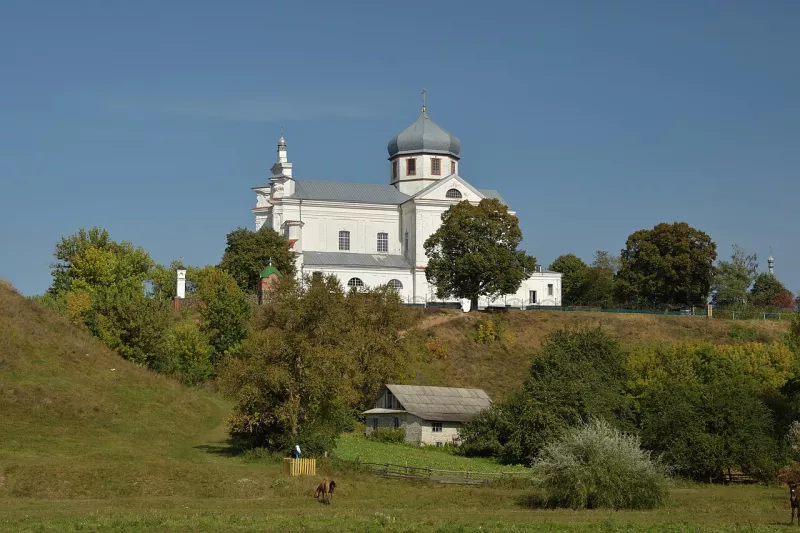
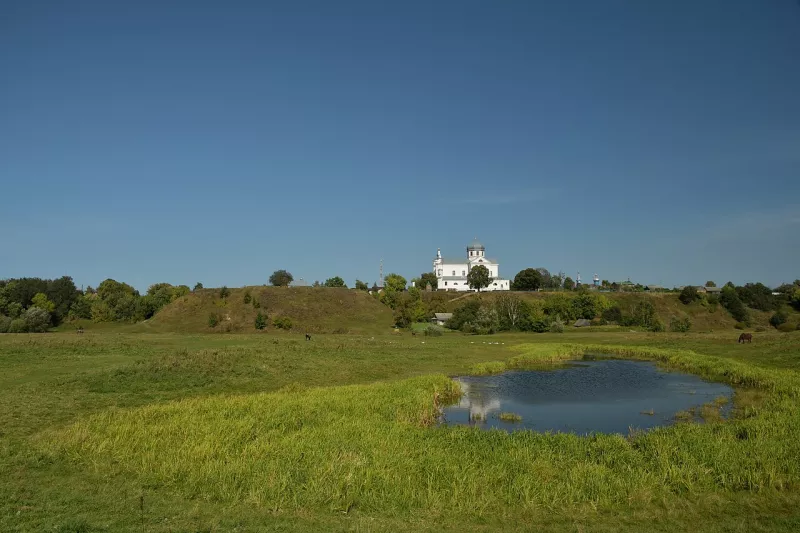
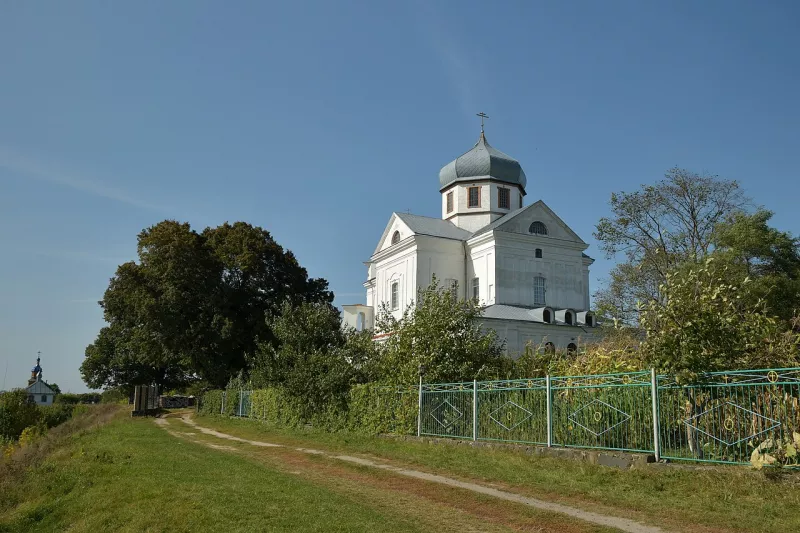
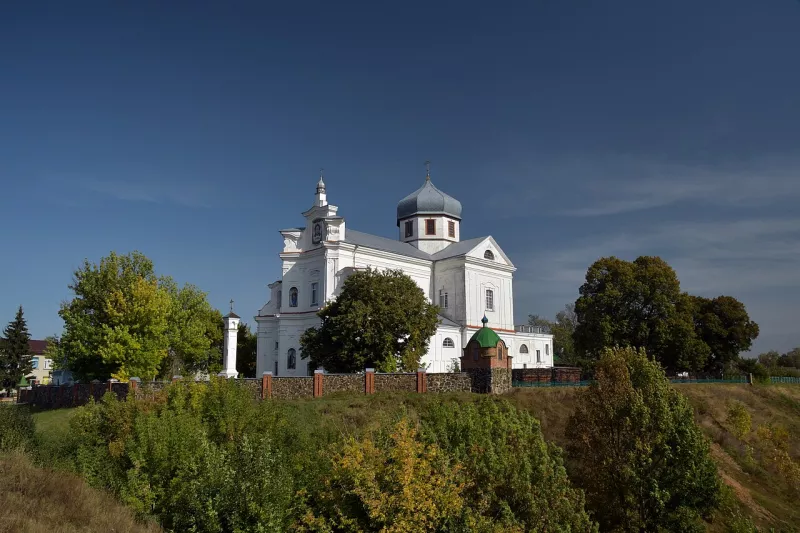
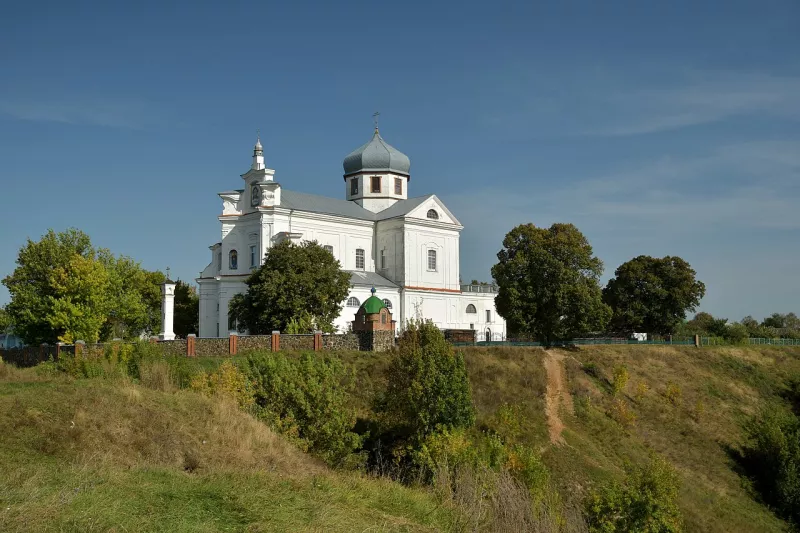
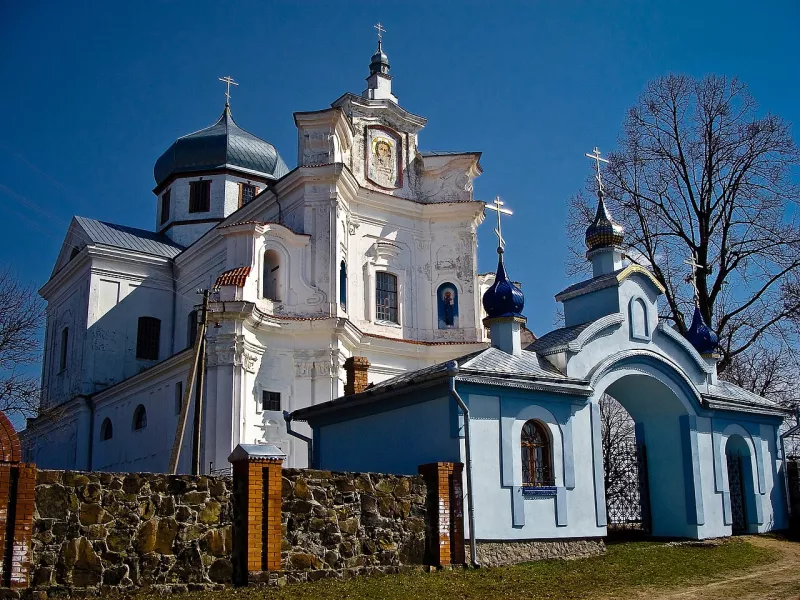
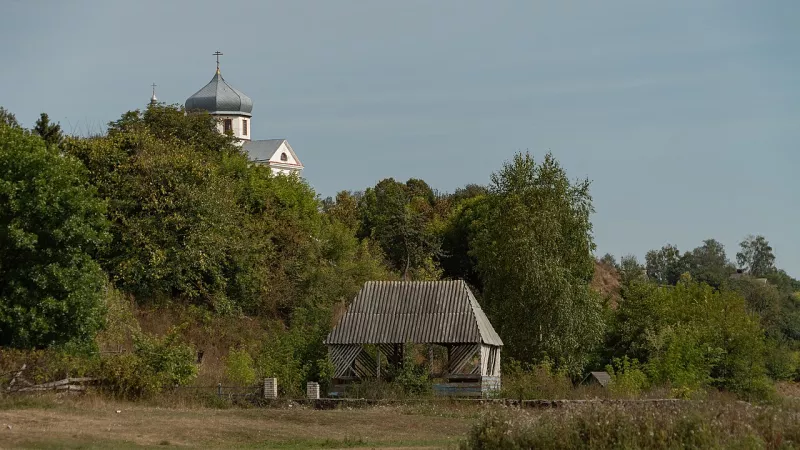
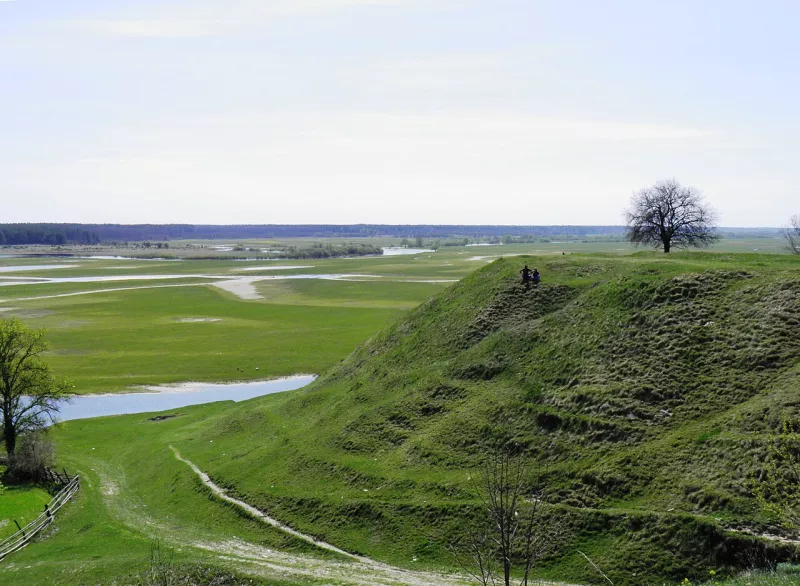
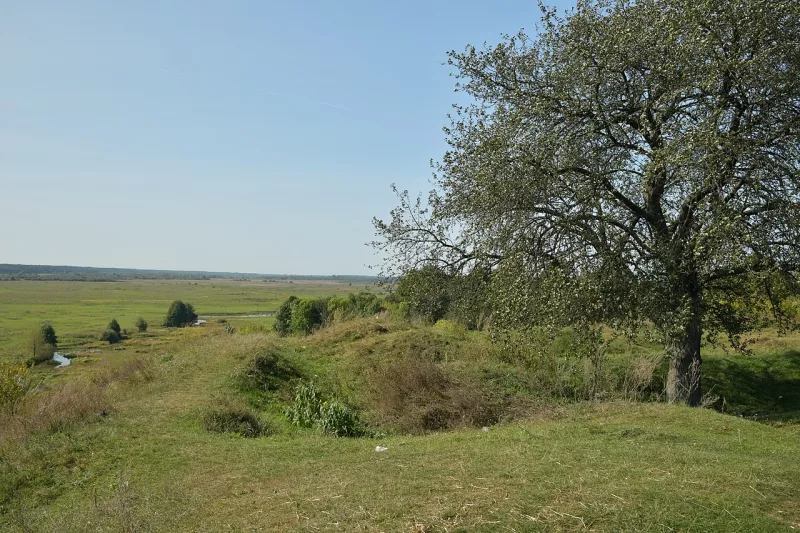

Chartorijsk, or Staryj Chortoryjsk, is a village on the Styr River in the Manevychi hromada, 31 kilometres from Manevychi. Once this was a chronicled town, the "key to Volyn", and later the ancestral nest of the Czartoryski princes, who gave their name to one of the most powerful families of the Polish-Lithuanian Commonwealth. Today, a baroque Dominican church towers over the village, and the ramparts of an ancient castle are visible on the banks of the Styr.
The Chronicled Town
Chartorijsk is mentioned in the chronicle under the year 1100, when it, along with Dubno and Ostroh, was received by the Volodymyr prince Davyd Ihorovych, grandson of Yaroslav the Wise. Around 1142, it was ruled by Sviatoslav Olgovych. On Easter in 1228, Danylo of Halych took the town by storm from the Pinsk princes and returned it to his possessions. After 1340, Chartorijsk belonged to the principality of Liubart.
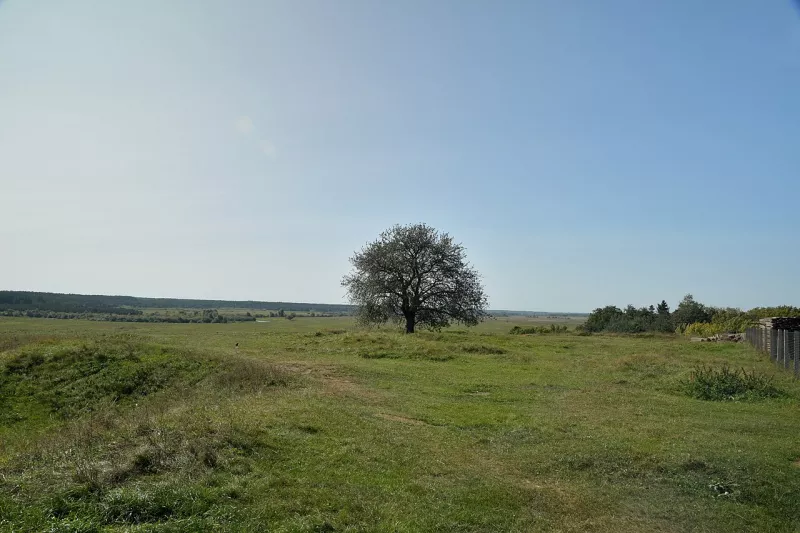
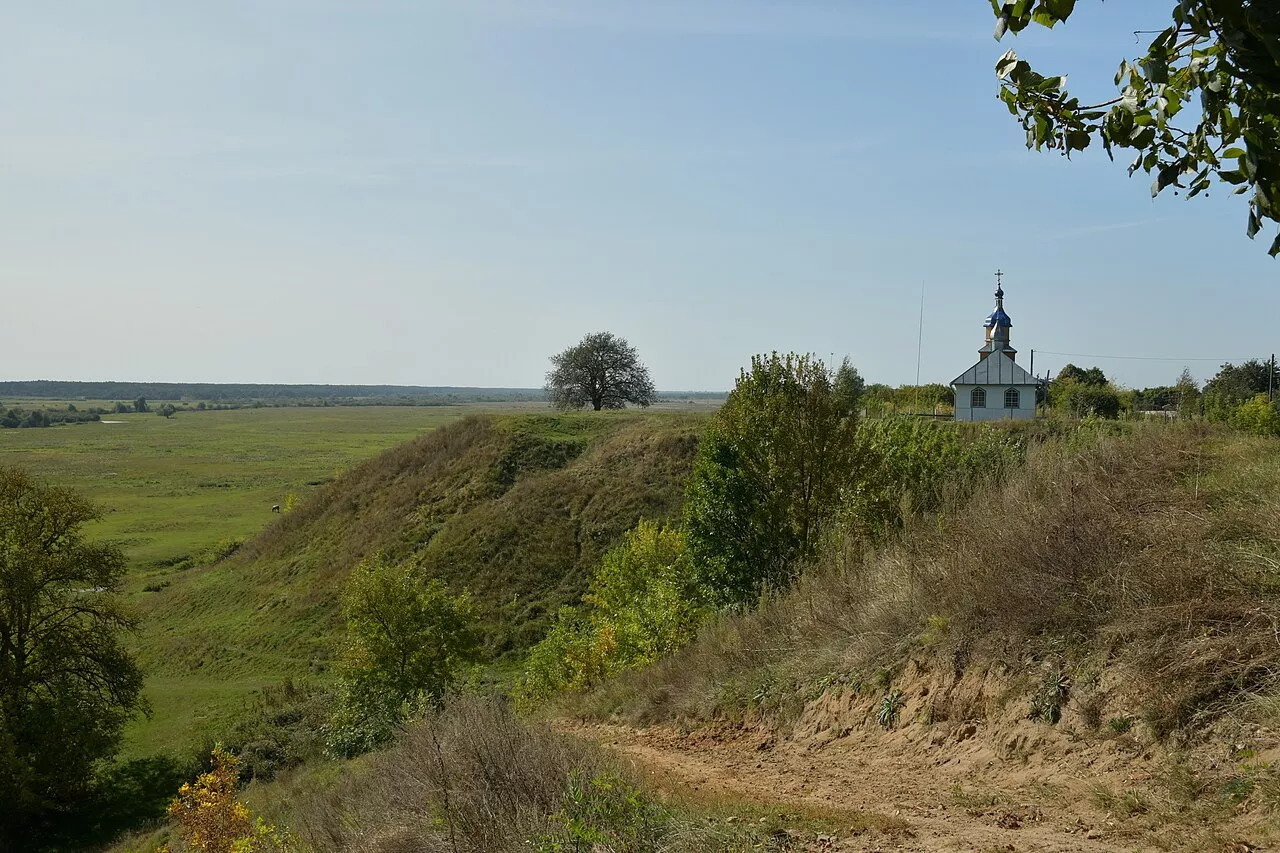
In the 12th century, a powerful defensive system arose here: a princely castle surrounded by high ramparts and wooden, and later masonry, walls. The waters of the Styr protected it from all sides, so Chartorijsk was impregnable for a long time. The remains of the ramparts — the "Zamok" hillfort of the 11th–13th centuries — have survived to this day. Local legends connect them with the ancient town of Horbovytsia.
The Czartoryski Princes
In the late 1380s, Chartorijsk was received by Kostiantyn Olgerdovych. His grandsons Ivan and Oleksandr were already styled as the princes Czartoryski from the 1430s, and the town became their family nest. The younger brother Mykhailo received Klevan and founded the Klevan branch of the family. In 1547, the brothers divided their estates: Oleksandr got Chartorijsk and Lytovizh, and Ivan got Klevan and Biliv. In 1601, the ancestral nest was sold to Jan Pac.
The Dominican Church
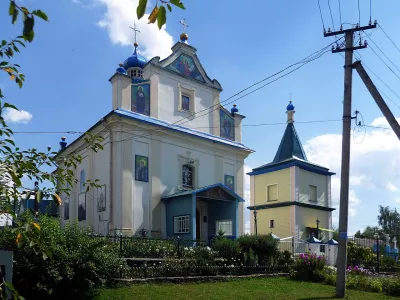
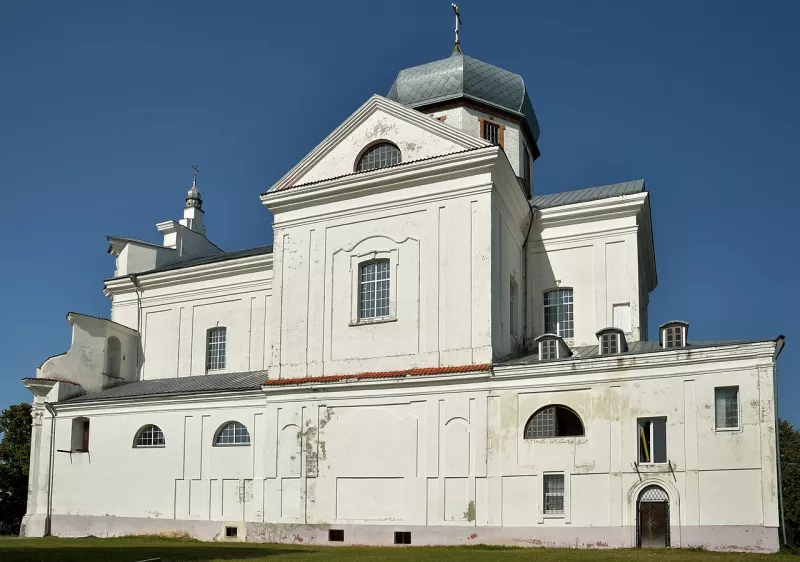
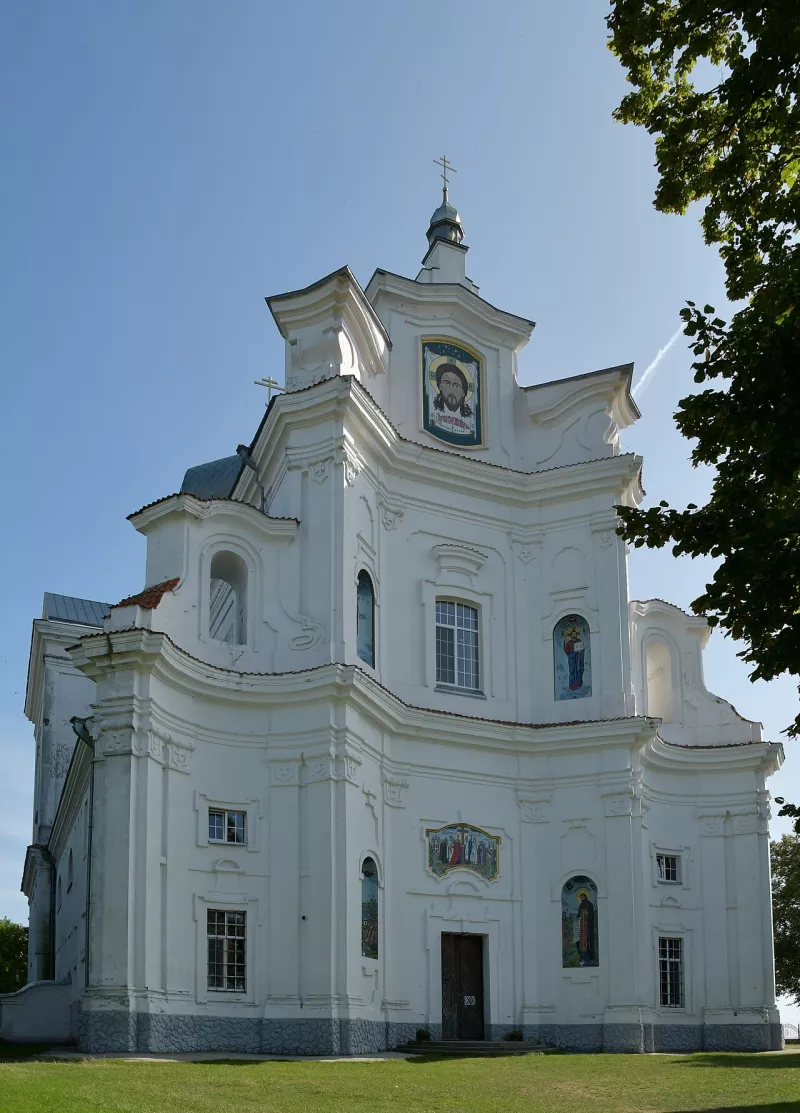
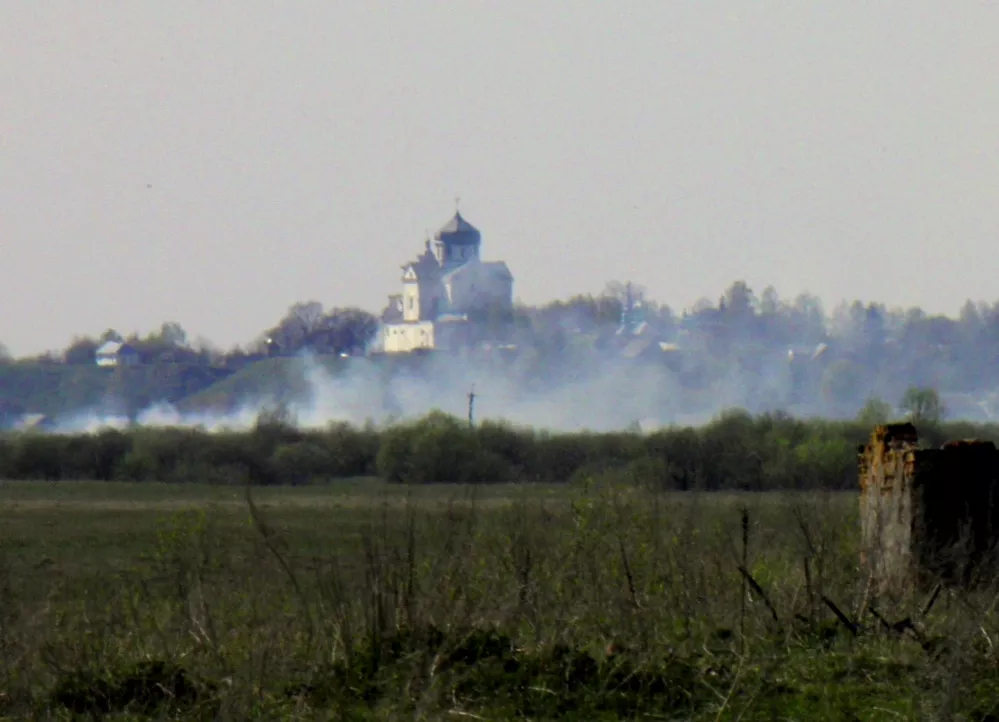
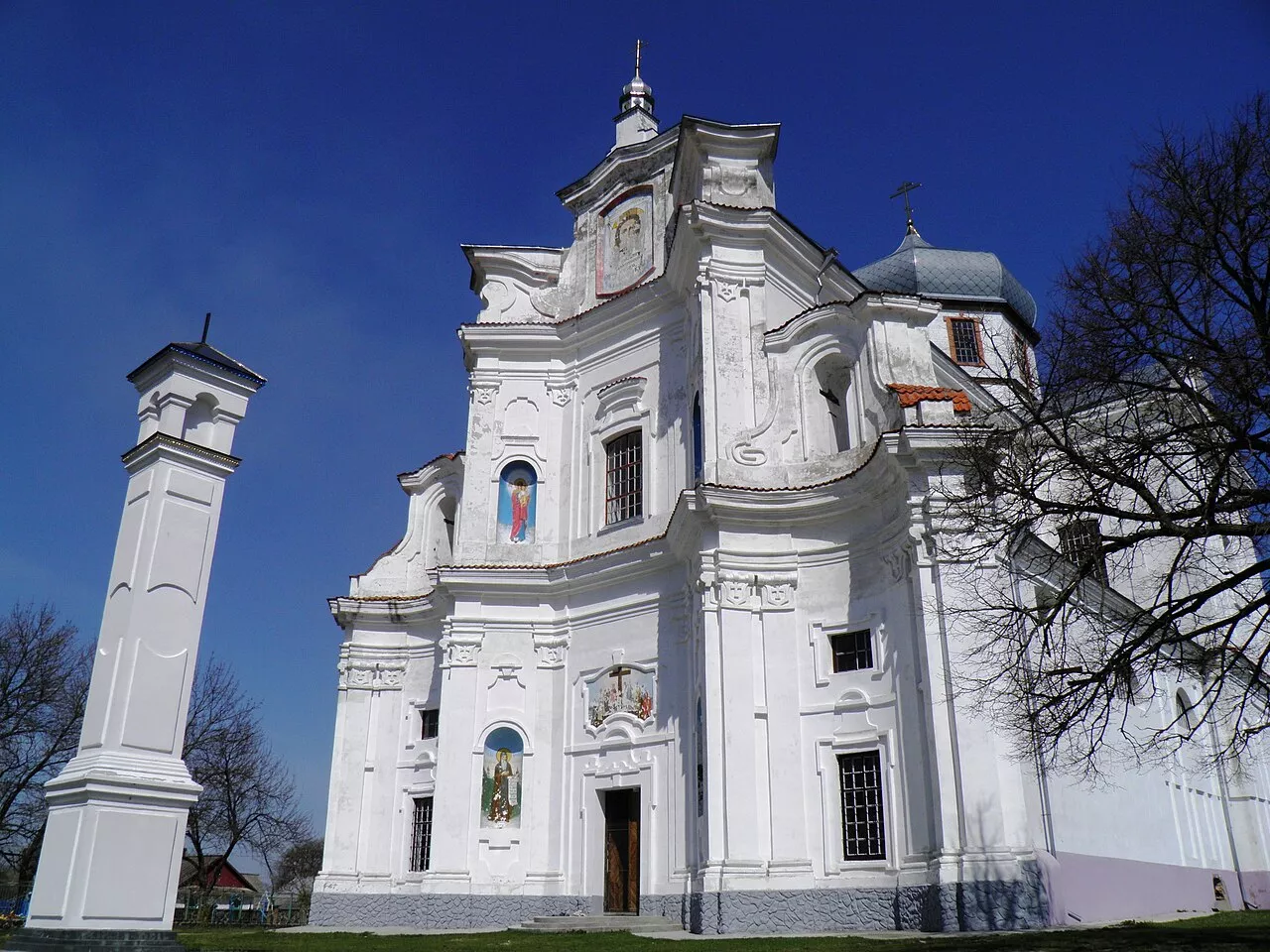
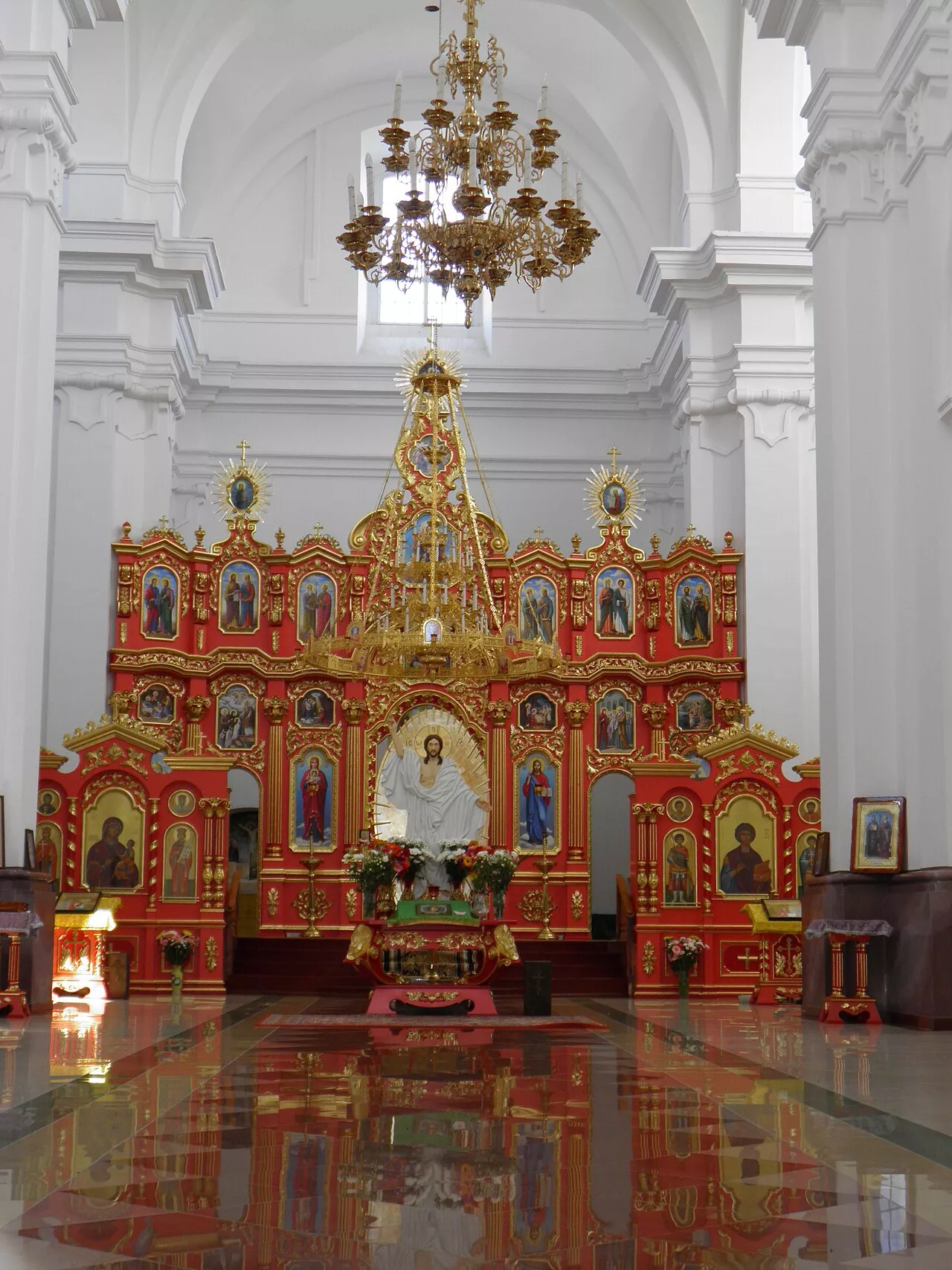
In the 1740s–1750s, a stone church of the Dominican monastery was built on the site of the wooden temple according to the design of the Jesuit architect Paweł Giżycki. This is one of the masterpieces of Volyn baroque: three-aisled, with a transept and a crypt. All the beauty is concentrated on the western facade — undulating, with articulated pilasters, magnificent windows, and a baroque pediment. The capitals of the pilasters bear the symbols of the Dominican Order.
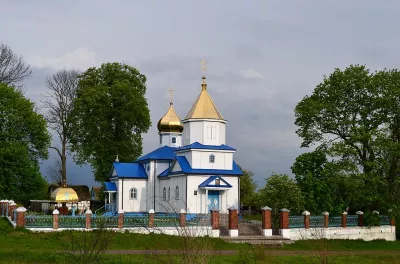
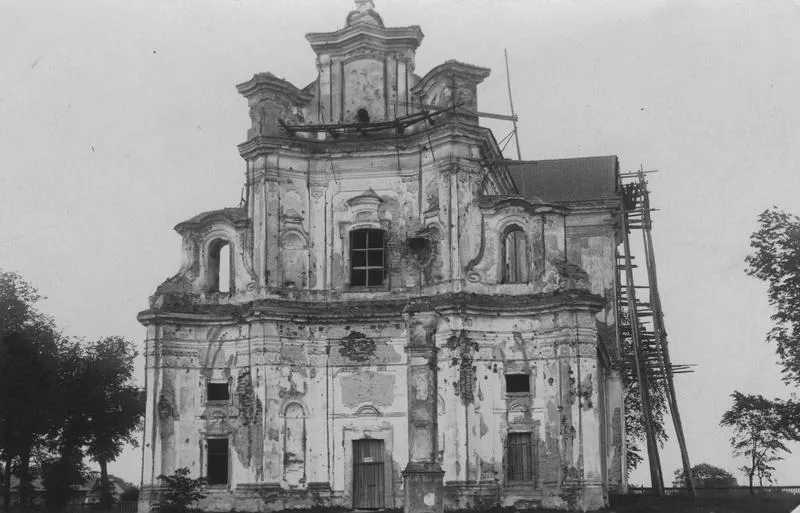
After the uprising of 1830–1831, in which Fedir Pac participated, the monastery was closed and handed over to the Orthodox community. During the First and Second World Wars, the temple suffered; the Soviet authorities turned it into a grain warehouse, and later it was abandoned — trees even grew on the roof. Since 1999, the Orthodox men's Holy Cross Monastery has been operating here. The monks cleaned the roof and covered it with sheet metal.
Notable Natives
Chartoryisk is the birthplace of economists Rose Friedman, wife of Nobel laureate Milton Friedman, and her brother Aaron Director, one of the founders of the Mont Pelerin Society.
Nature
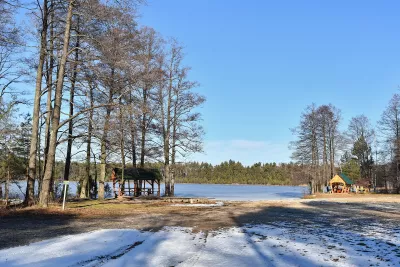
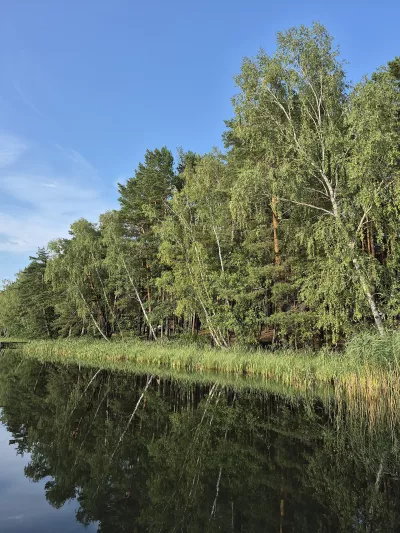
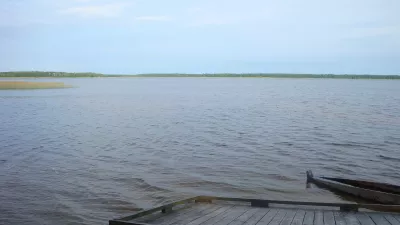
The Styr near Chartoryisk is wide, with floodplains and oxbow lakes. In summer, people fish and swim here, and all around are Polissian forests.
Chartoryisk on Video
Nearby
Manevychi is 31 kilometers away, and Kolky is to the southwest. About the Klevan branch of the family — in the article Klevan. More can be found in the article Kamin-Kashyrskyi Raion.
How to get there
From Manevychi, the M07 highway and then the P14 lead to Chartoryisk. Buses run from Manevychi and Lutsk.