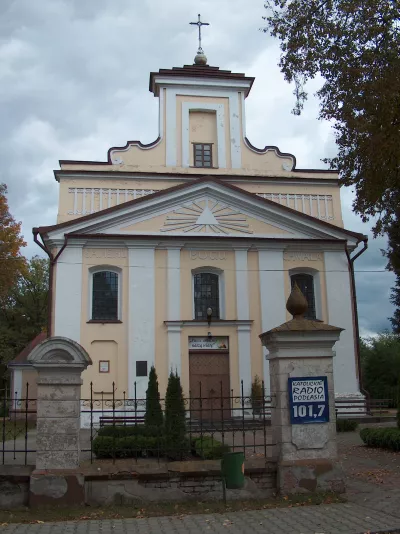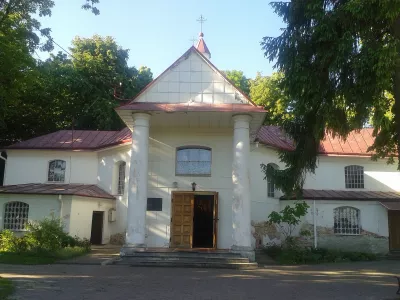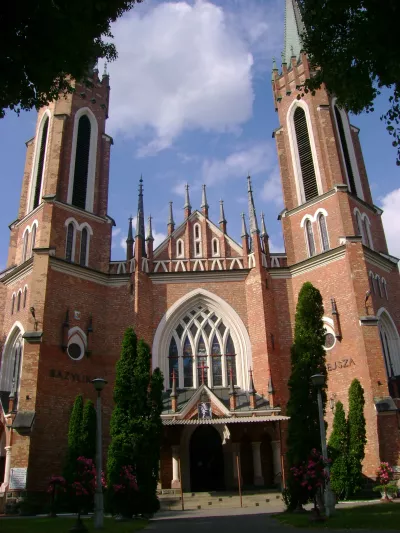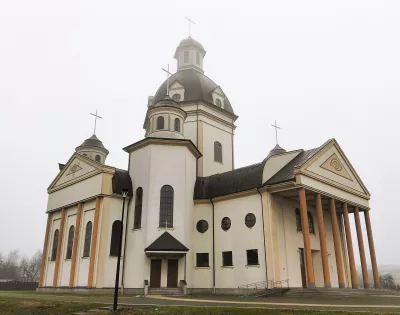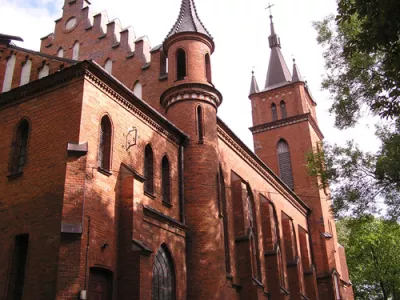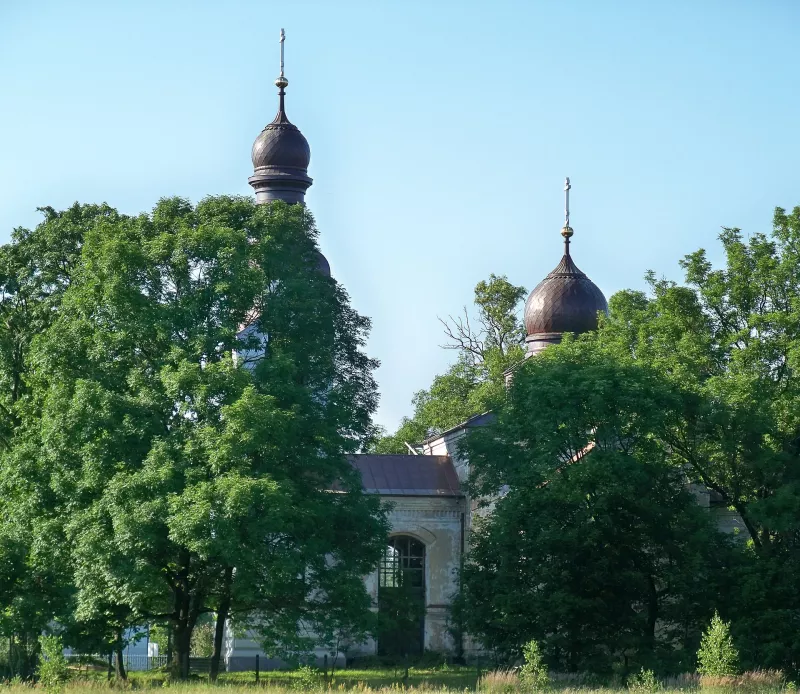
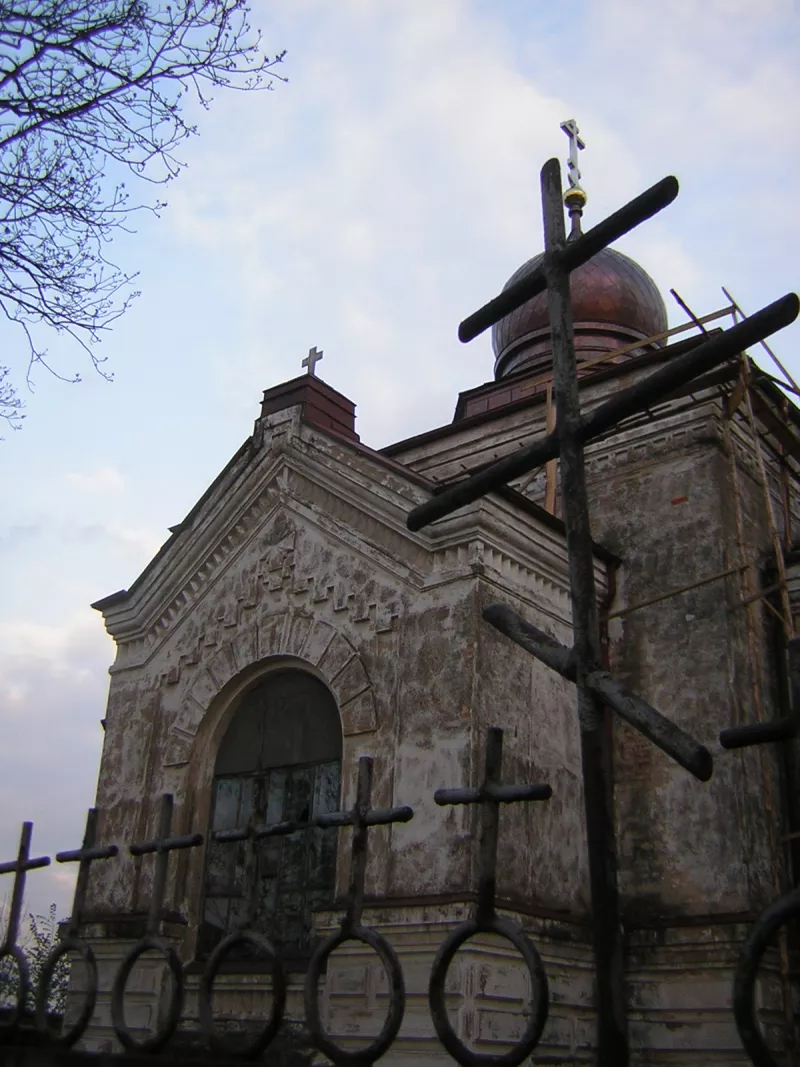
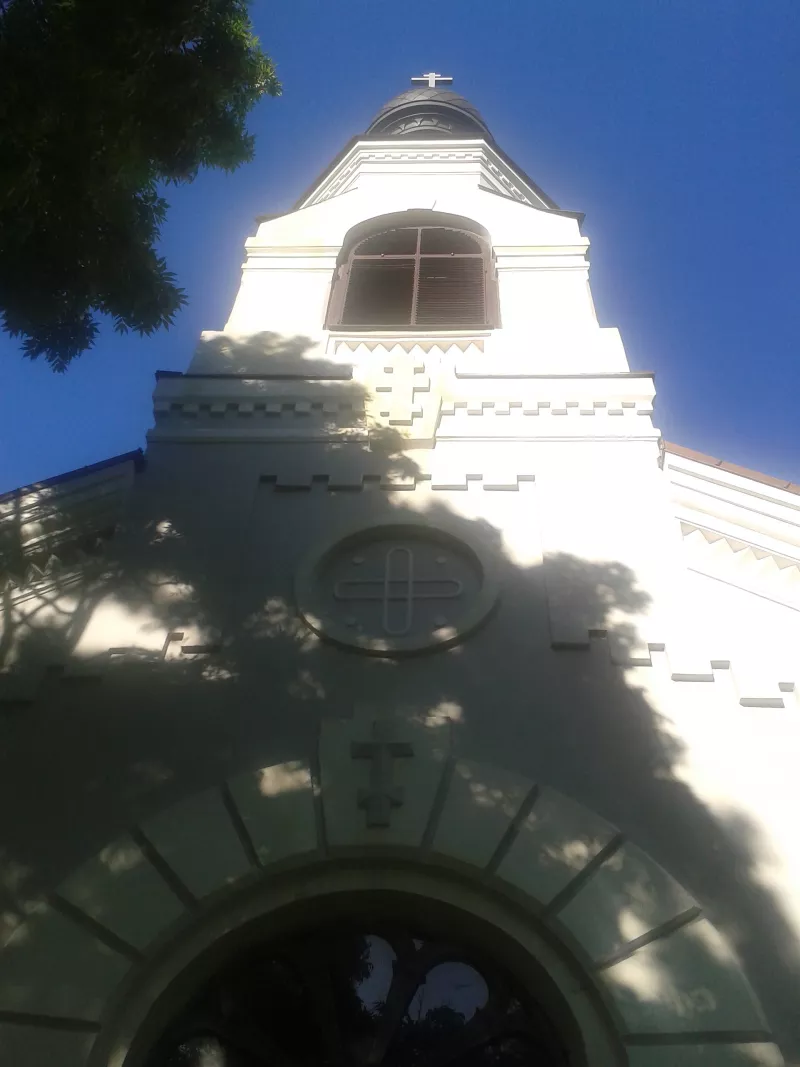
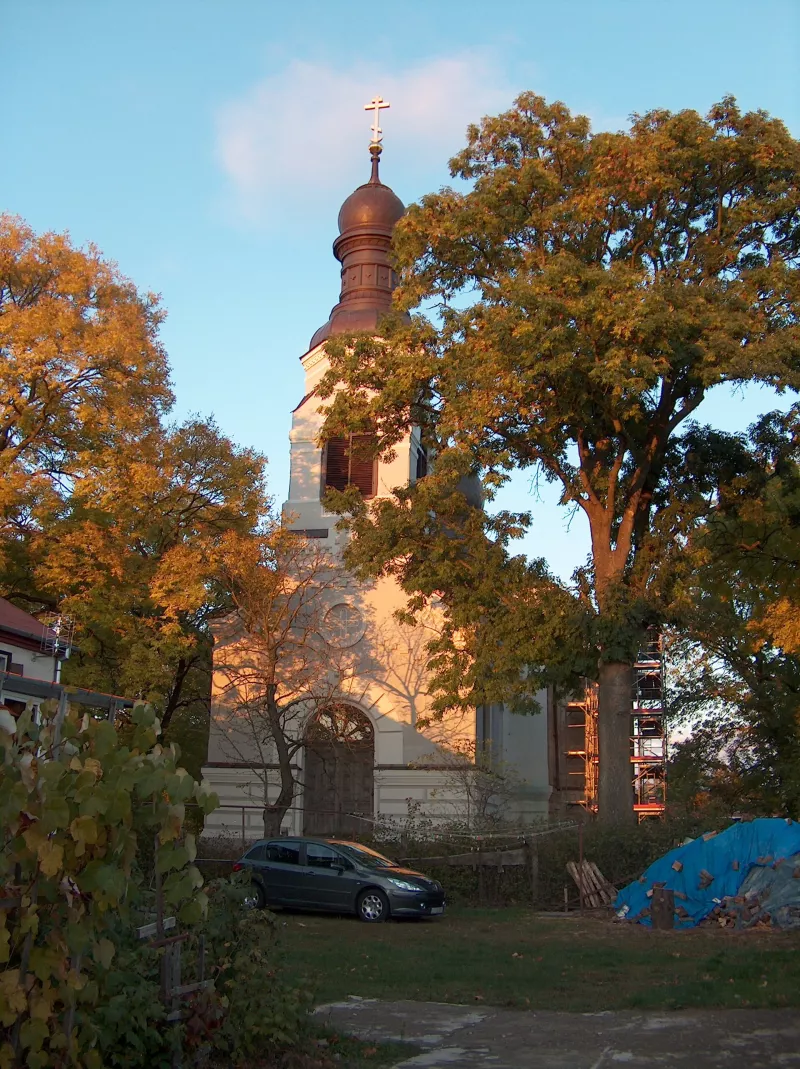

The Church of the Holy Apostles Peter and Paul is a brick Orthodox church in the center of Sosnowica, a former town in Parczew County, located by the main road from Lublin, west of the market square. Built in 1891–1894 in the Byzantine-Russian style, it belongs to the Polish Autocephalous Orthodox Church as a branch of the parish in Horostyte. Services are held here only once a year, on the feast day, but the building itself and the parish’s history are among the most eloquent in Lublin Polissia.
Parish since the 15th century
An Orthodox parish in Sosnowica existed already in the first half of the 15th century; the first known church, the Protection of the Mother of God, was established, according to various sources, in 1468 or between 1522 and 1544. In 1598, a new wooden, now Uniate, church was built on its site: that year, the Chełm bishop Dionysius Zbiruysky joined the Union. After the liquidation of the Chełm Uniate Diocese in 1875, the church passed to the Russian Orthodox Church. At that time, the old building was in poor condition, so in 1890 it was moved to the cemetery, where the ruins of this wooden church still stand.
The new church was laid on July 14, 1891, and consecrated by the Lublin bishop Hedeon on May 1, 1894. The design is attributed to Viktor Sychuhov, the author of several churches in Chełm Land, although his authorship is not entirely certain. In 1915, the Orthodox residents of Sosnowica fled, and the church remained closed until 1918; in the interwar years, it again became a parish church.
An empty church
After the deportations of Ukrainians to the USSR and the Vistula Operation, all 500 Orthodox residents had to leave Sosnowica. In the 1950s, the abandoned church was used as a warehouse by the local community, and its decoration was almost completely lost. In 1963, the Lublin priest Petro Kosatsky dared to conduct a service here without permission — and the authorities banned him from serving in the entire county. The church received permission to return to worship in 1966, but it was only repaired in the 1990s, and since 1997 a liturgy has been held here annually on the feast of Peter and Paul, July 12. After a comprehensive renovation in 2018, the church was reconsecrated by the Archbishop of Lublin and Chełm, Abel.
Iconostasis and icons
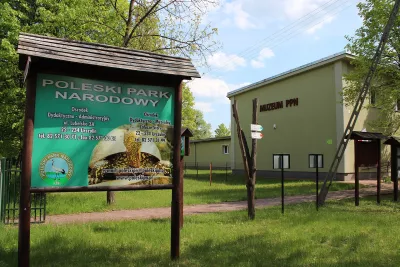
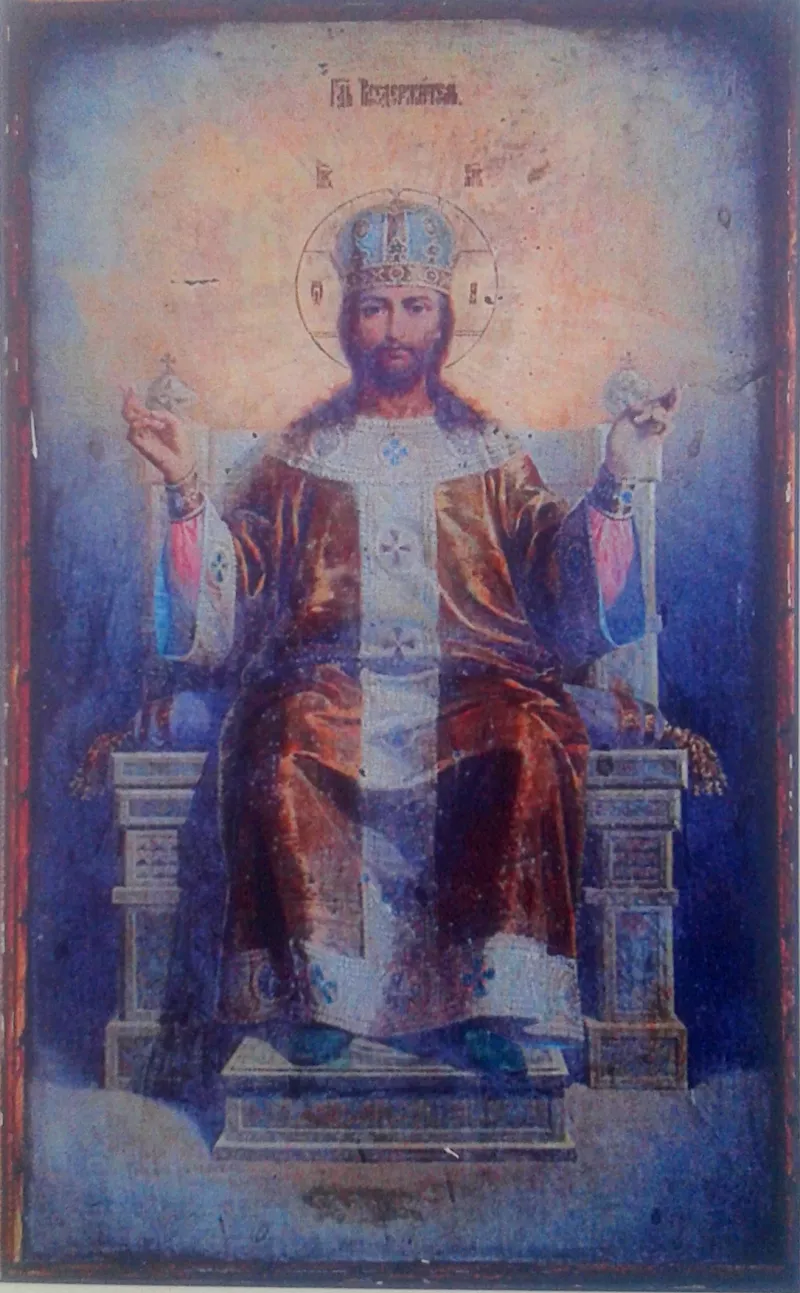
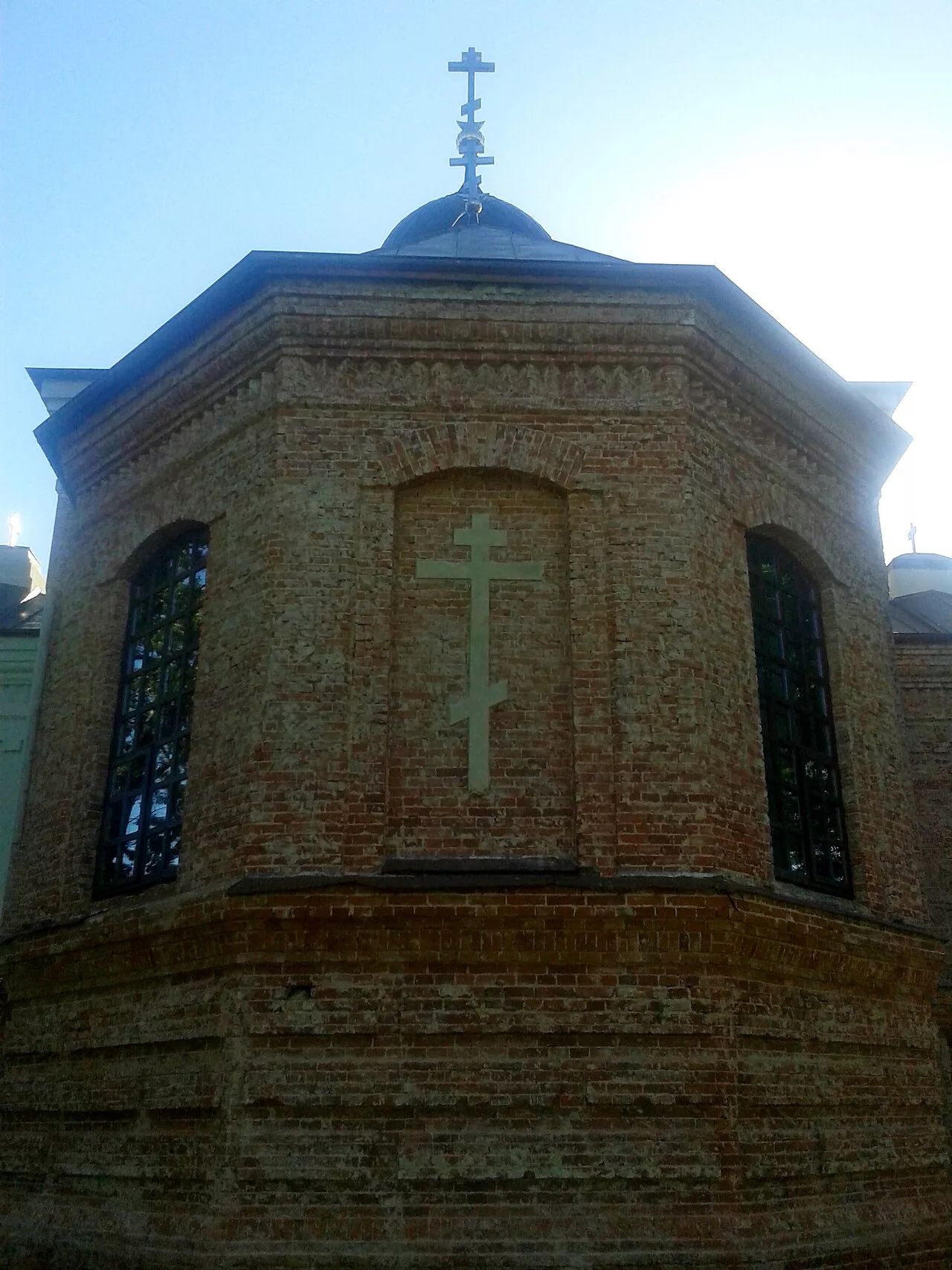
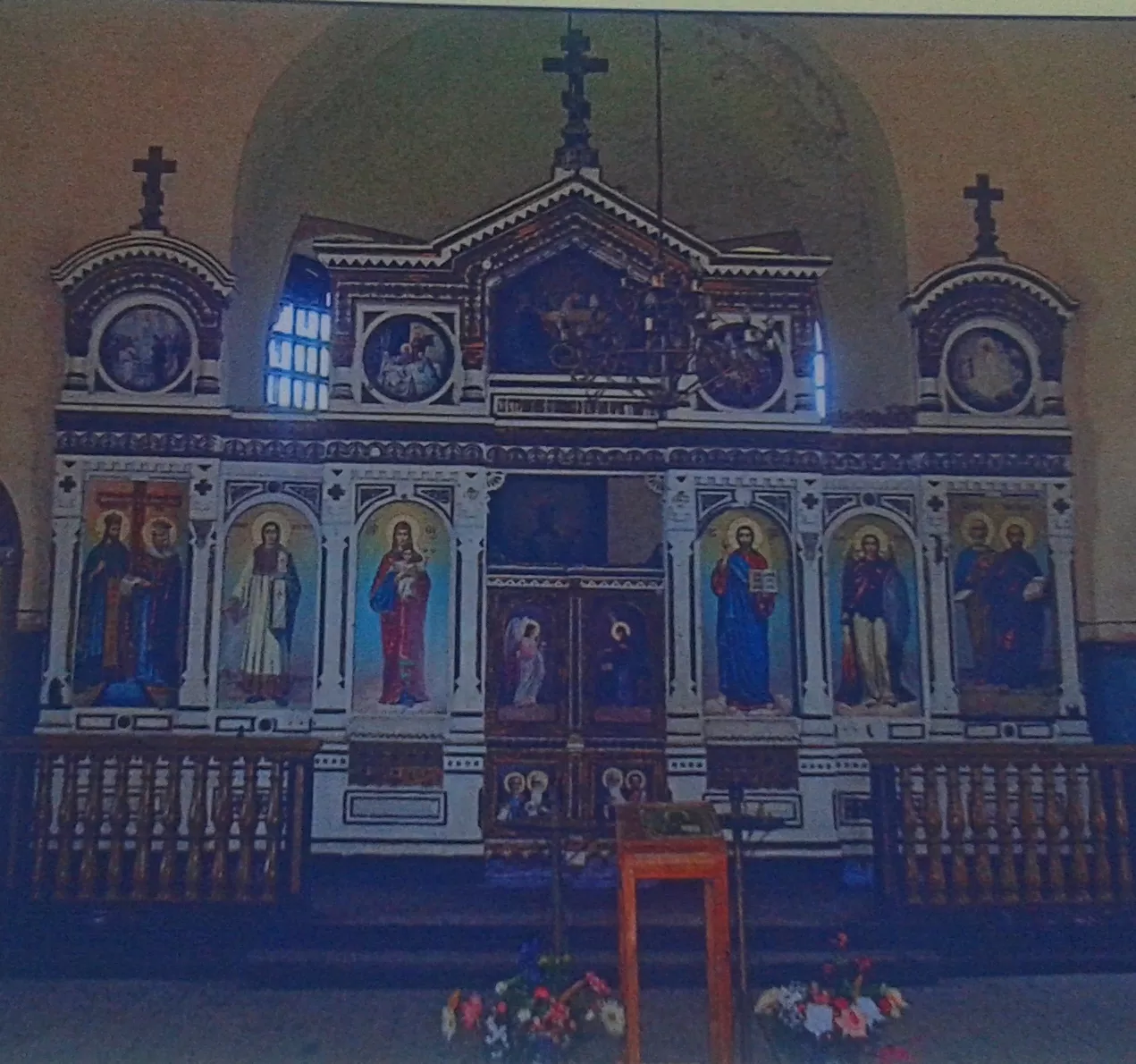
The church is built on a cross plan: single-nave, with an onion dome on an octagonal drum above the nave and a bell tower above the narthex, which is also crowned with a dome. The facades are decorated with window frames and brick friezes. Inside stands a two-tier iconostasis from the second half of the 19th century with 15 icons, including the “Last Supper,” transferred from the old iconostasis, and in the side kiots are images of Vladimir and Olga, Cyril and Methodius, donated to the parish by John of Kronstadt. In the 1990s, thieves stole icons from the church; some were destroyed, while the images of Christ and Saint Stephen were intercepted at the Polish-Ukrainian border — as of 2012, they were exhibited in the museum of the Polissia National Park. Some frescoes also partially survived.
How to get there
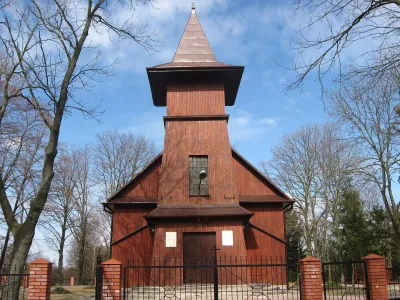
Sosnovytsia lies on the voivodeship road No. 819, about 18 km southeast of Parczew, 55 km from Lublin, and around 40 km from Włodawa; buses from Parczew and Lublin run infrequently. The church is located at 99 Wojska Polskiego Street, and 150 m from it is an old Orthodox cemetery. The church is usually closed, so the easiest time to get inside is on July 12. A few hundred meters away is the Holy Trinity church, the “Nalench” route to Jamniki passes by the church, and the Southern Lakeside Trail to Urszulin begins from Sosnovytsia. This is Poland: Ukrainian citizens need a foreign passport.