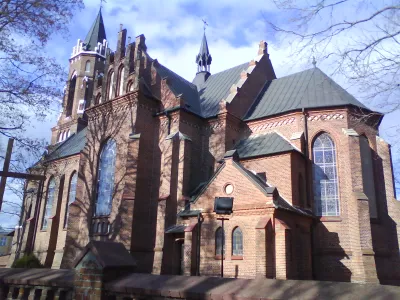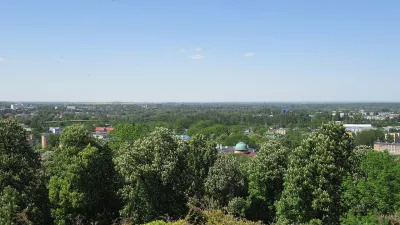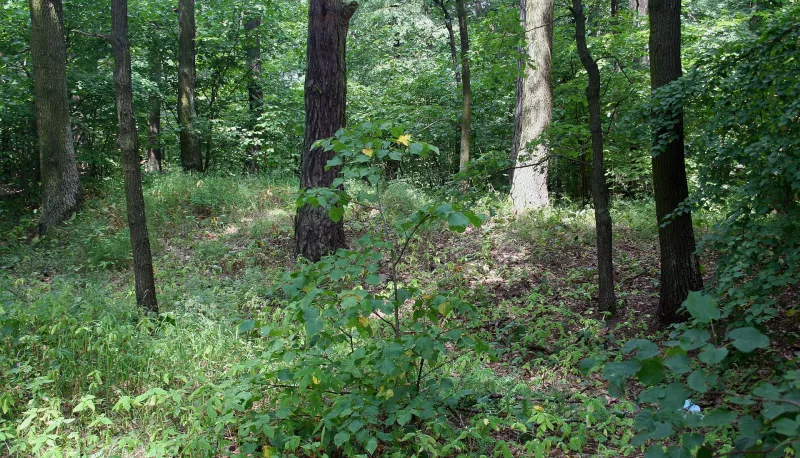
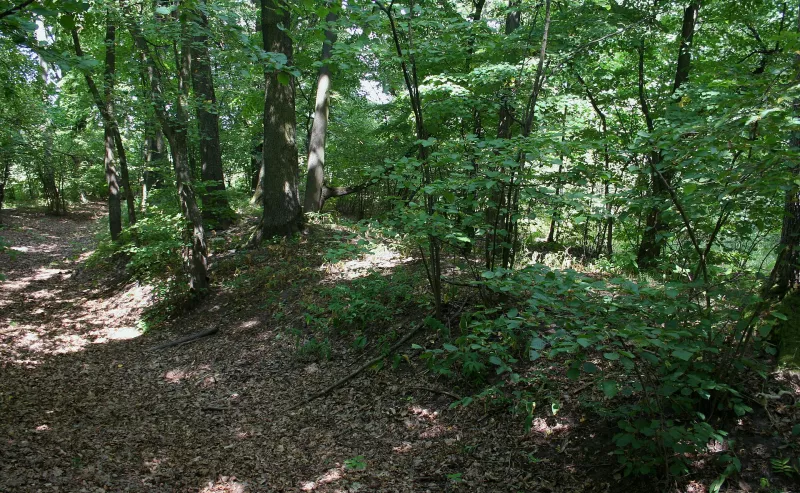
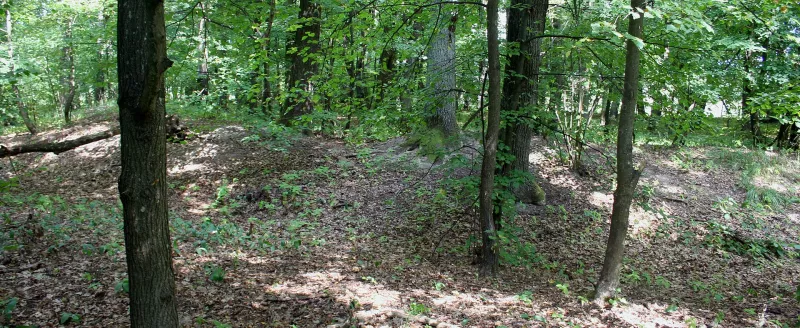
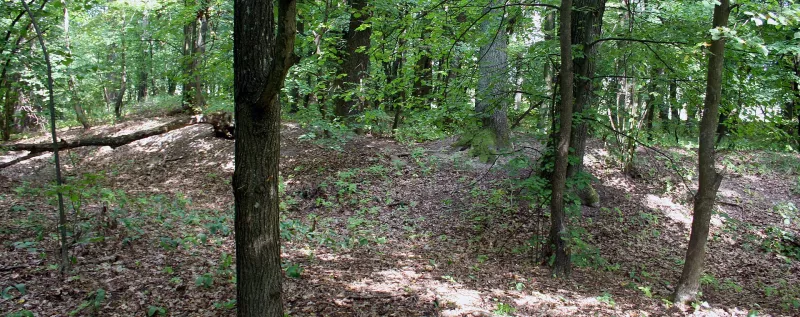

The settlement mound in Kanie — an early medieval fortified settlement on a gentle hill northeast of the village of Kanie in the gmina Rejowiec Fabryczny, Chełm County, over 20 km west of Chełm. Two rings of earthen ramparts remain, clearly visible along almost the entire perimeter. This is the oldest monument of the village, several centuries older than the Chełm of Danylo Halytskyi.
Two Rings of Ramparts
The inner rampart surrounds a platform of about 0.28 hectares, the outer one about 1.3 hectares. The few ceramic fragments found here date the settlement mound to the late “tribal” period, that is the 9th–10th centuries, when there were no states in these lands yet, and later the Cherven Towns appeared. No extensive excavations have been conducted in Kanie, so little is known about the settlement’s buildings.
A Village with a Long History
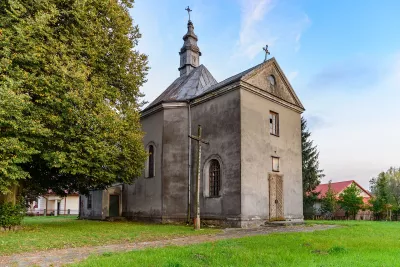
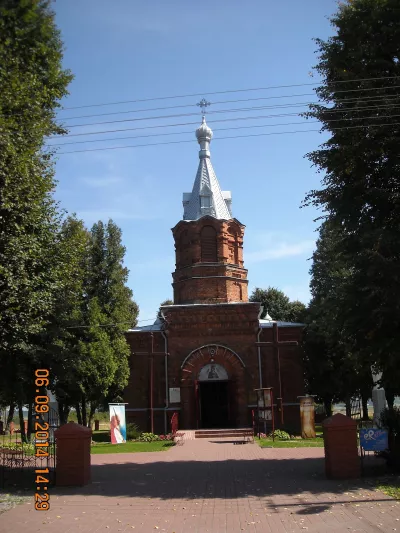
Kanie is already mentioned in a 1421 document in which the bishop of Chełm endowed the parish in Lyszcze, the predecessor of the parish in Pawłów. Presumably, there was an Orthodox monastery here as early as the 15th century, and in 1531 a parish church of Saints Peter and Paul is mentioned. In 1677, the village owner Wespazjan Sienicki entrusted it to the care of the Basilians; in the 19th century, the church became Orthodox and was famous for the miraculous icon of the Kanie Mother of God. In 1915, the icon was taken to Russia, where it disappeared.
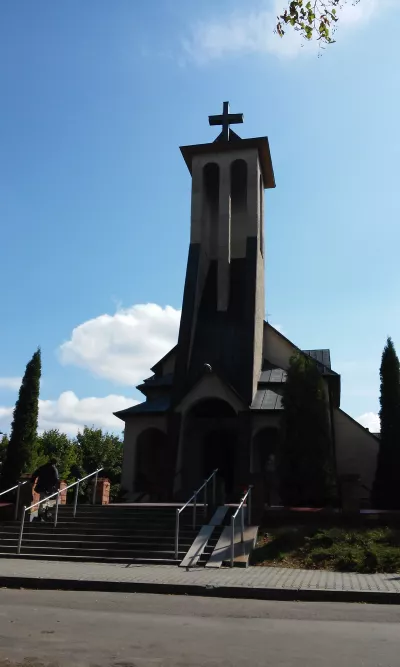
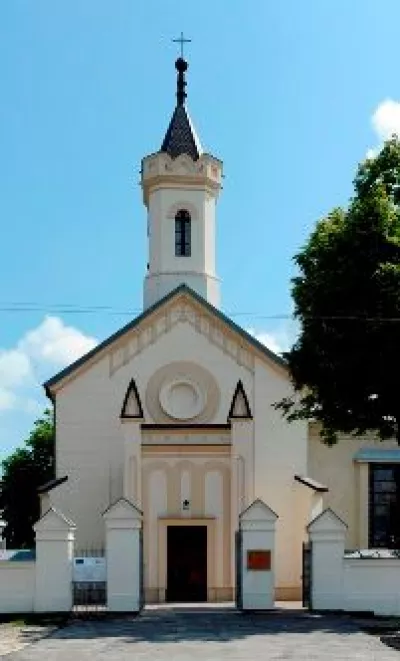
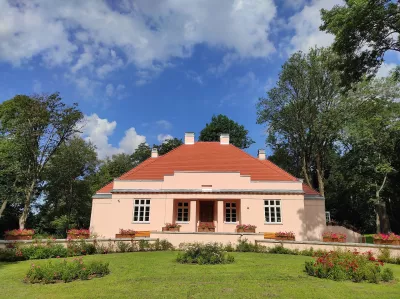
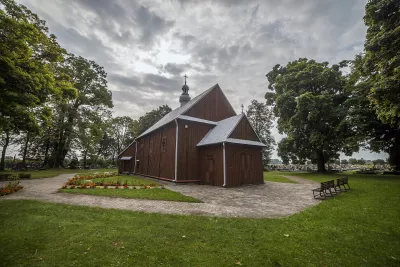
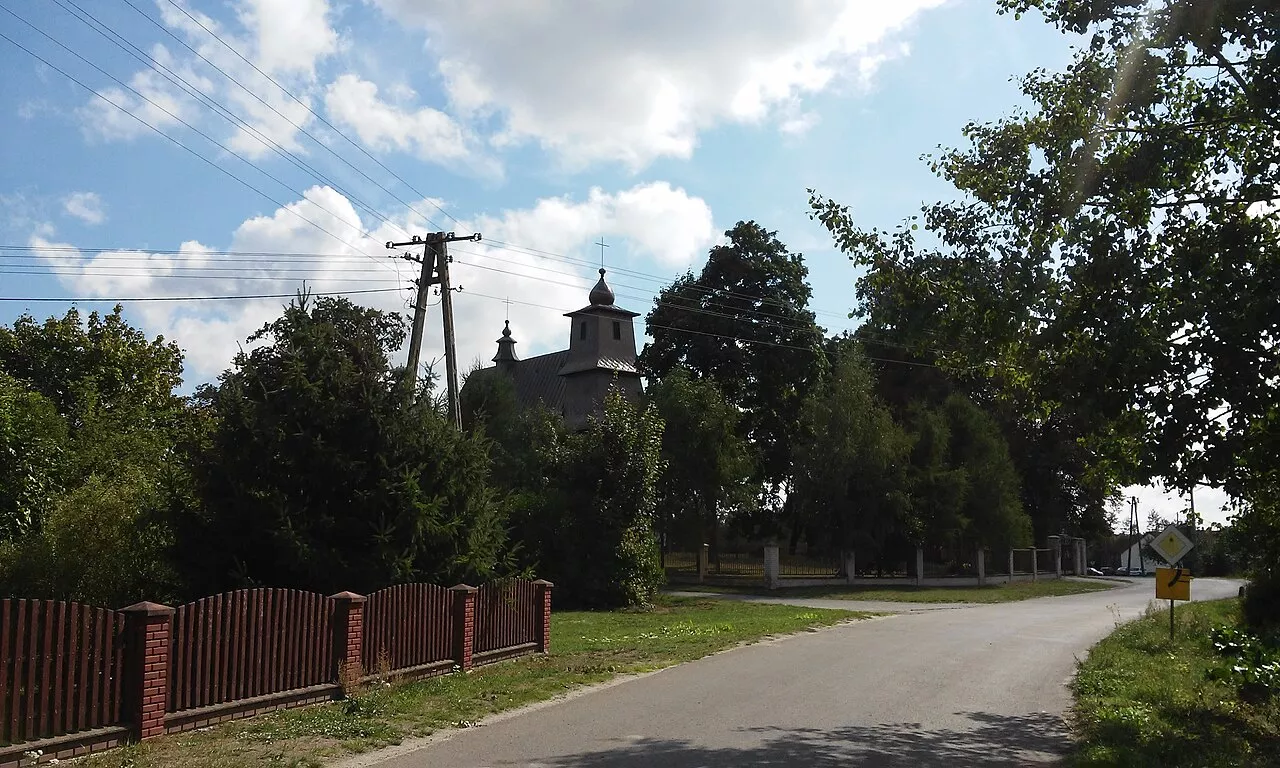
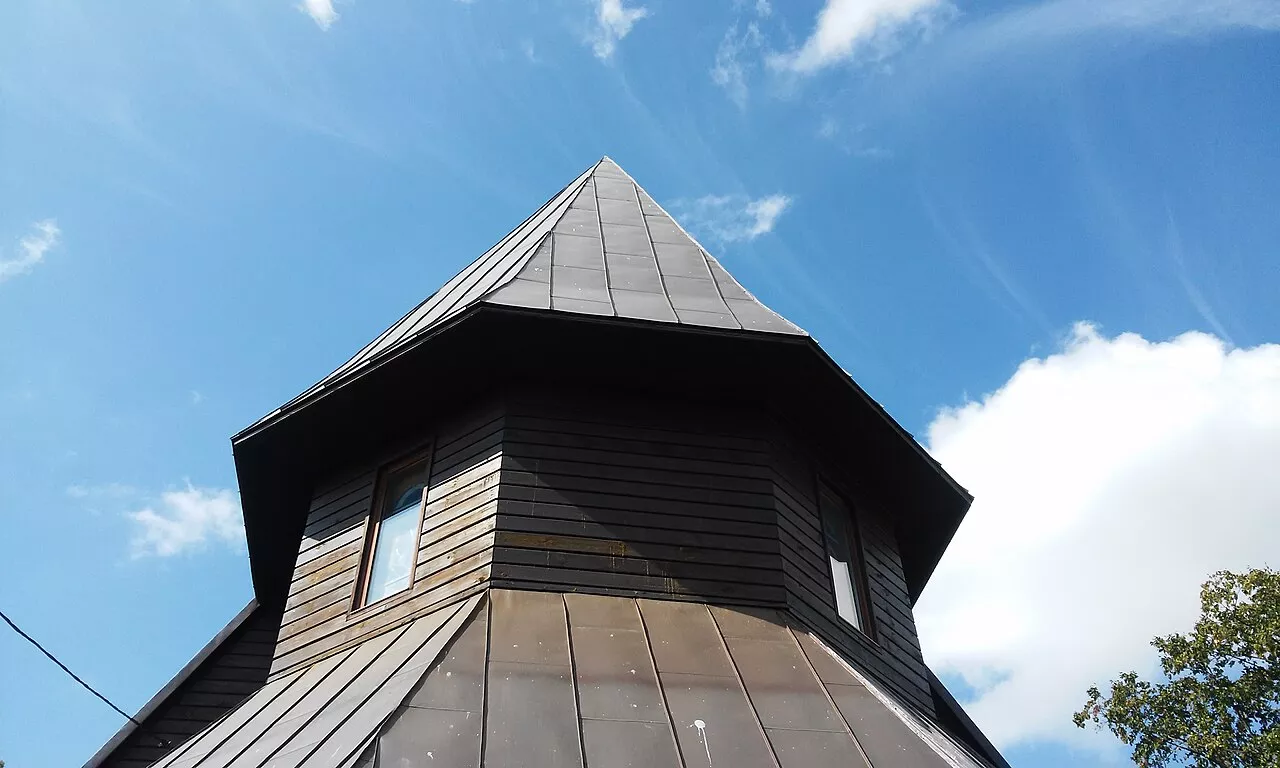
The Catholic parish in Kanie was established in 1919. In 1937–1938, near the old church, a wooden church of Saints Peter and Paul was built in the Zakopane style on a high foundation of local limestone. The supporting structure was designed by Włodzimierz Wojciechowski, son of the estate owners, and a copy of the lost icon was donated in 1929 by the estate owner Zofia Wojciechowska. Nearby stands a palace that belonged to Prince Mieczysław Woroniecki: here grew up the Dominican Jacek Woroniecki, later rector of the Catholic University of Lublin.
How to Get There
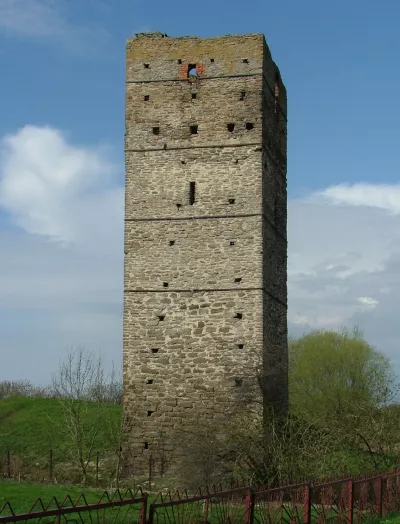
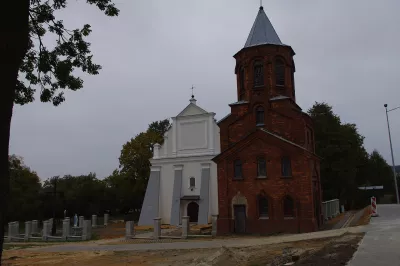
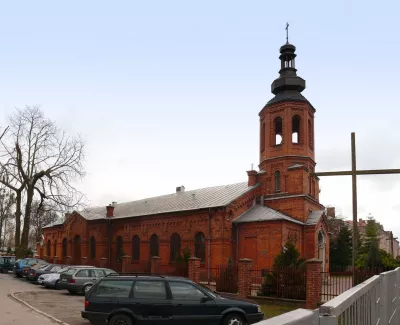
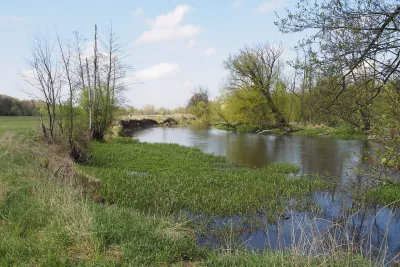
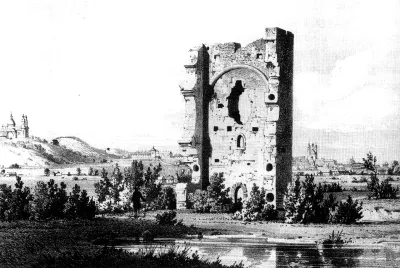
Kanie lies between Lublin and Chełm, about 5 km northwest of Rejowiec Fabryczny; to the south of the village is the Kanie railway stop on the Lublin–Chełm line. The settlement mound is on a hill behind the village, a short field path leads to the ramparts; there may be no signs, so it is convenient to navigate by coordinates. The tourist “Trail of the Kanie Ponds” passes through the village. Nearby, it is worth seeing the church in Pawłów and the church in Sedliszcze, and on the way to Chełm — the tower in Stolpy. More about the region in the article “Polish Polissia: what to see beyond the Bug”. This is Poland: Ukrainian citizens need a passport for travel abroad.