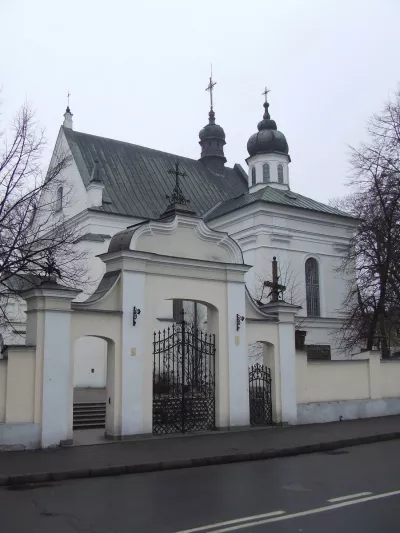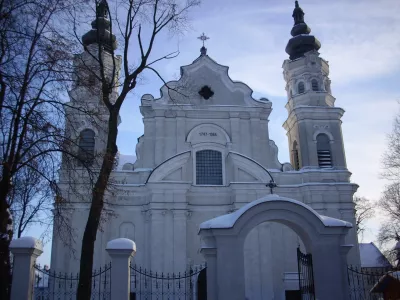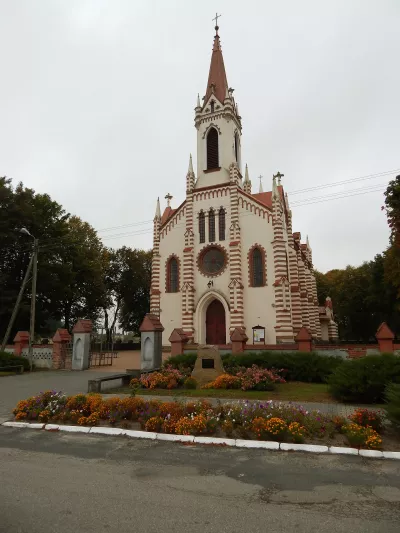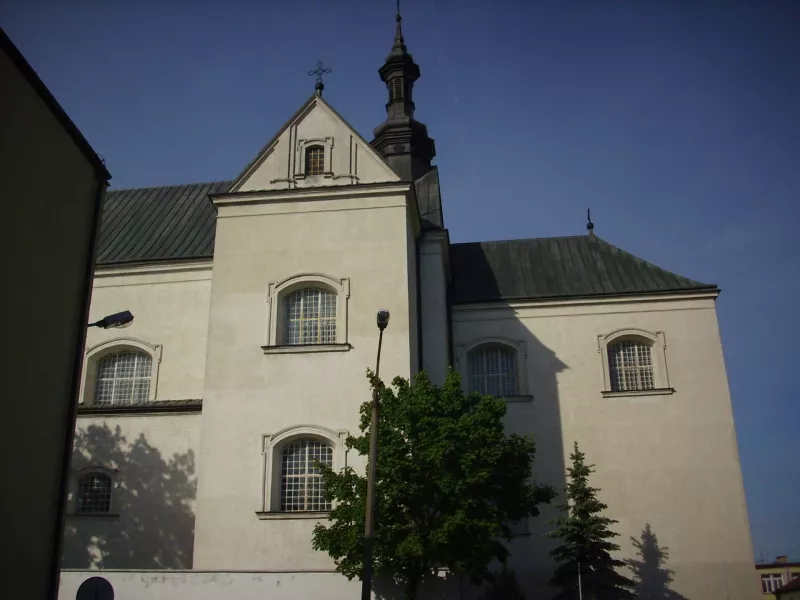
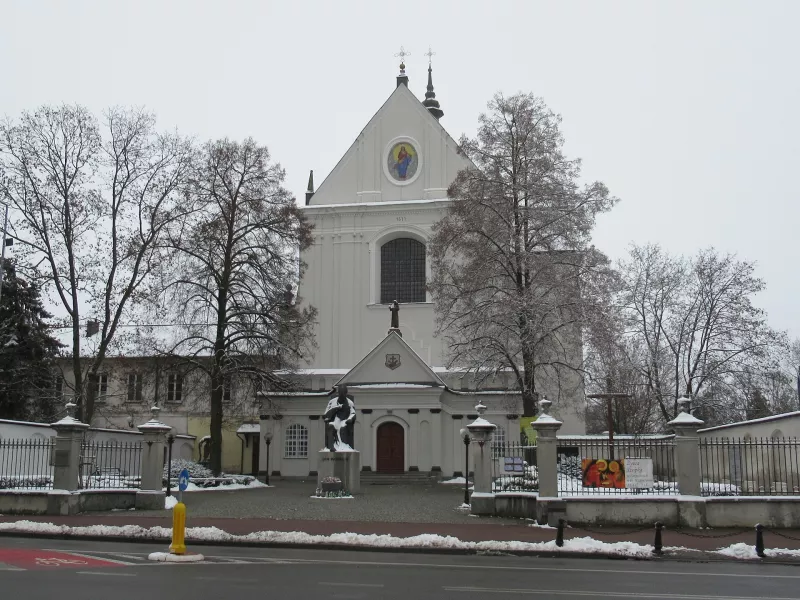
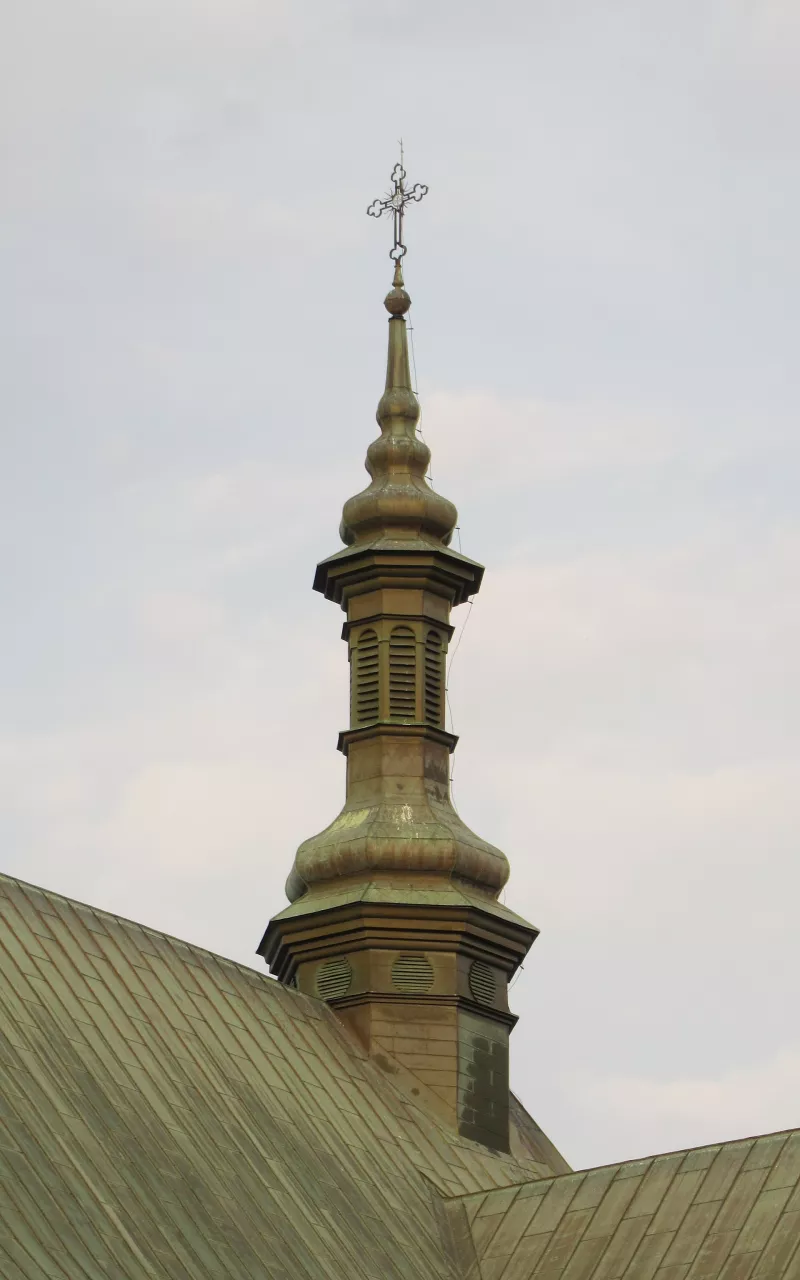

The Church of St. Anthony of Padua with the monastery on Narutowicz Street is a Baroque foundation of the Radziwiłł family, which survived closure, conversion into a church, use as an ammunition depot, and the return of the monks. Today, it is served by the Capuchin brothers, and the church itself is one of the finest Baroque monuments in Biała Podlaska.
Radziwiłł Foundation
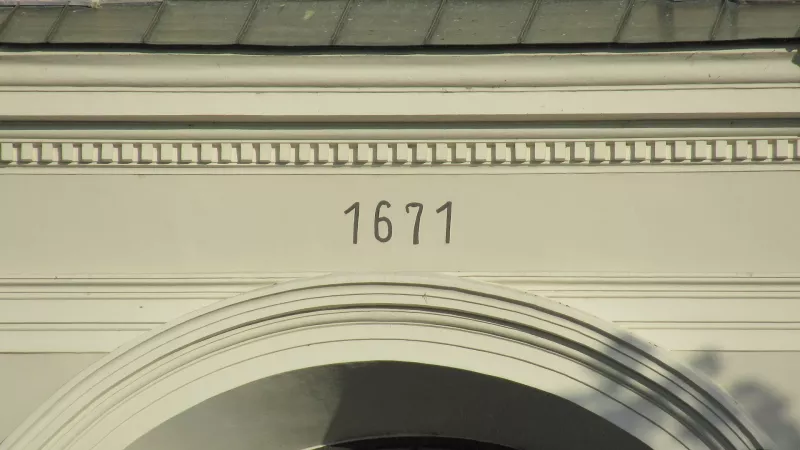
After the mid-17th century wars—the Swedish Deluge, the Rákóczi campaign, and epidemics—the population of Podlasie was halved. To revive the religious life of the Biała County, Michał Kazimierz Radziwiłł and his wife Katarzyna Sobieska invited Reformed monks to the town in 1670. Between 1672 and 1684, a masonry church was built, probably designed by Augustyn Locci the Younger; the construction was overseen by the Warsaw architect Andrys Huber. In 1688, the church was consecrated under the title of Our Lady of the Angels. The decoration was considerably richer than in typical Reformed churches, reflecting the ambitions of the Radziwiłł family. In 1739, Anna Sanguszko Radziwiłłowa financed new altars, and in 1743 the monastic library.
Closure and Return
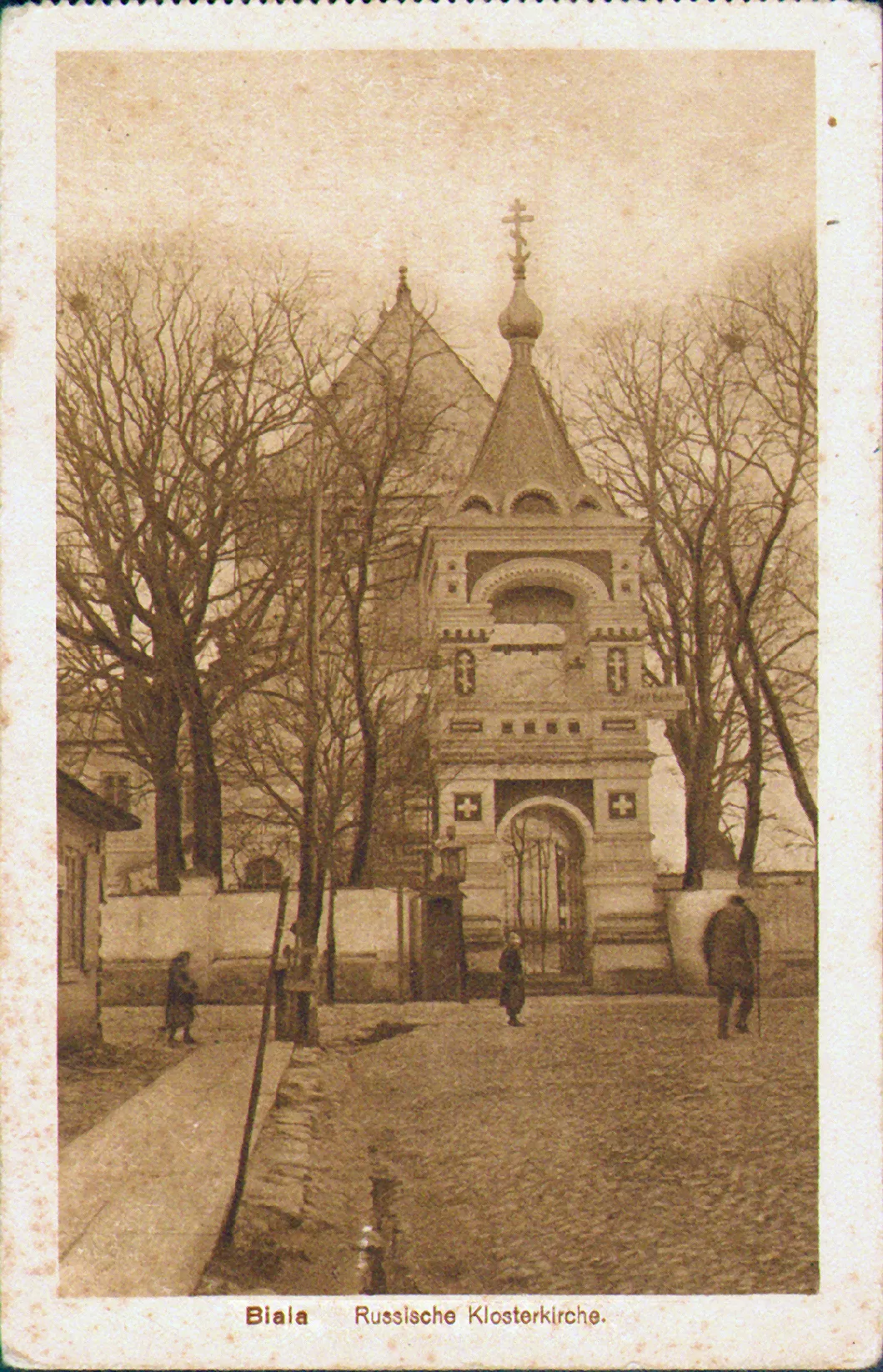
In 1867, the Tsarist authorities closed the monastery; in 1869, the church was handed over to the Uniates, and from 1875 to 1915 it served as an Orthodox church. Altars, confessionals, icons, and the monstrance were removed—some to the neighboring Church of St. Anne, others to Mezhyrichchia Podlaskie, Hushcha, and Konkolevnytsia. A bell tower-gate in the Russian-Byzantine style stood before the façade at that time but was dismantled after 1919.
After Poland’s revival, the church served the military parish of the Holy Cross, and the monastery housed a girls’ gymnasium, later a lyceum. In 1940, the Germans used the church as an ammunition depot, and in 1944 the building was damaged. In the 1950s, a new pulpit was installed, organs by Friedrich Schwarz from Kartuzy were added, and the signature choir loft was restored. In 1965, the church was taken over by the Capuchins, and in 1993 both the church and monastery were returned to them.
What to See
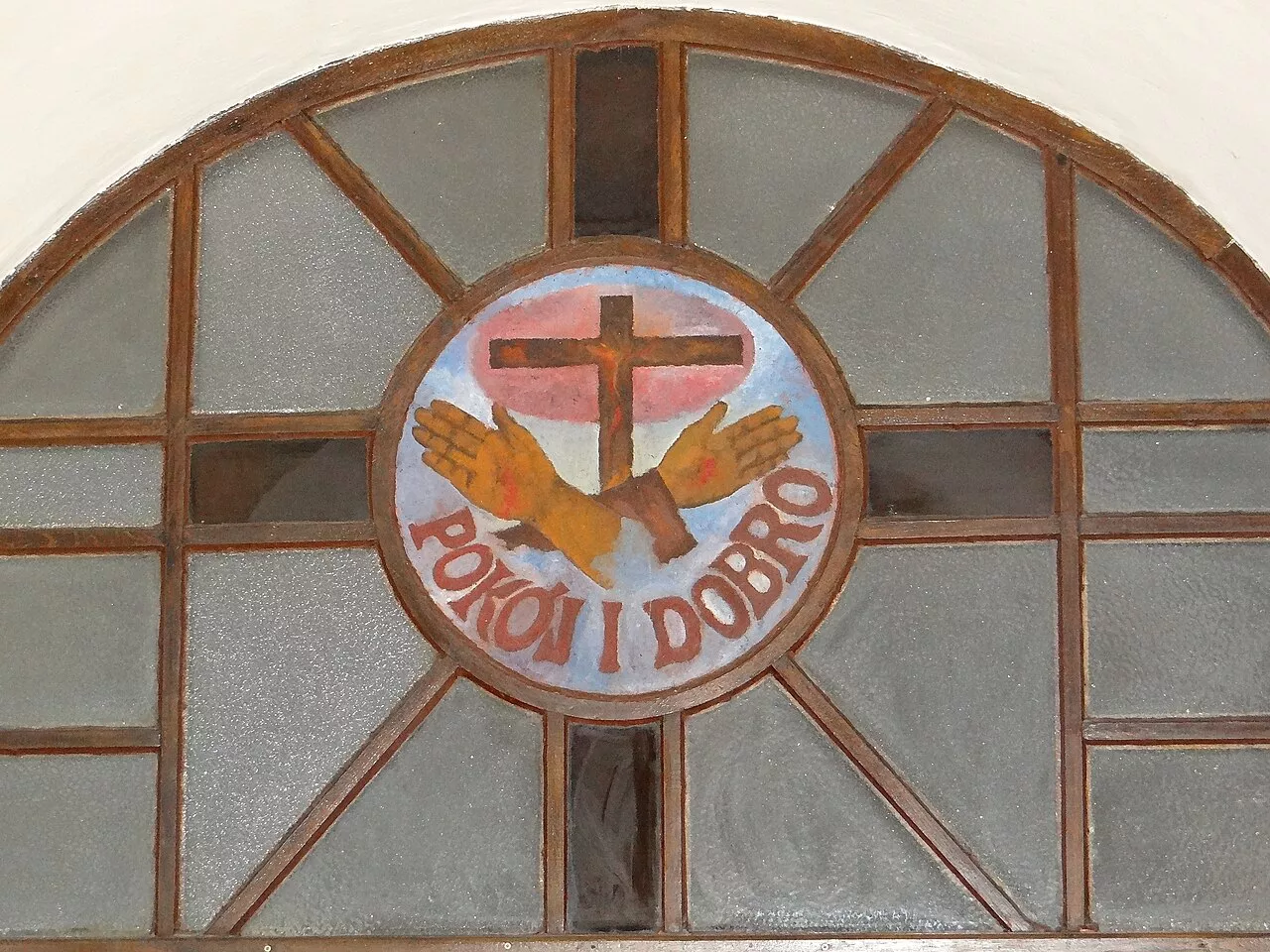
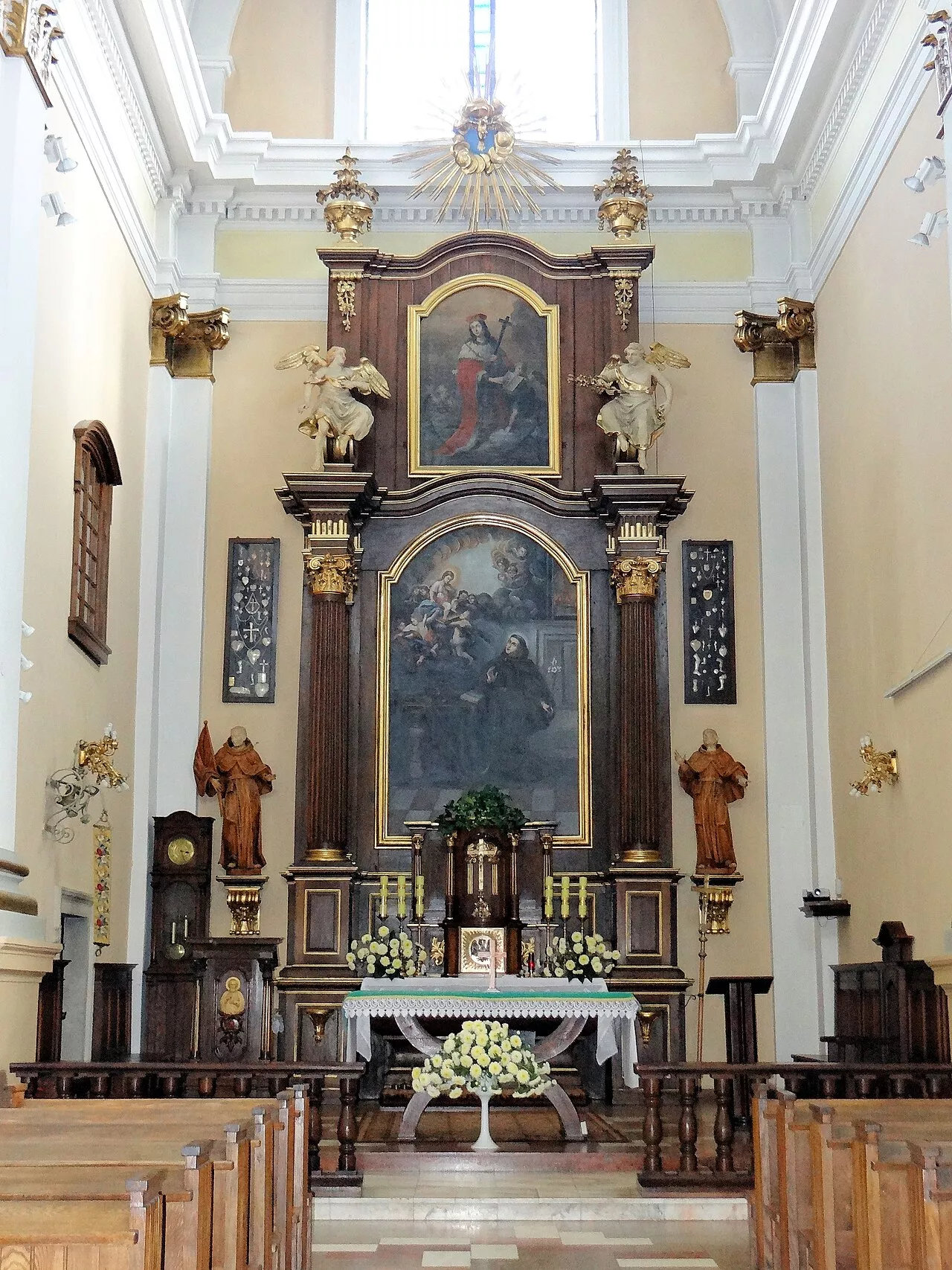
The façade faces north, with a courtyard and wall in front. Niches in the wall from the first half of the 18th century once held the Stations of the Cross, and in 1989–1990, memorial plaques known as the Podlasie Soldiers’ Epitaph were placed here. Since 2000, a monument to John Paul II stands in the middle of the courtyard. In the chapel, a neo-Baroque altar with a stained glass window of Blessed Honorat Koźmiński—a Capuchin born in Biała Podlaska—was installed in 2005.
How to Get There
The church is located at 37 Narutovycha Street, not far from the center. It is convenient to reach Biała Podlaska by train from Warsaw (Terespol line) or by bus from Lublin; for Ukrainians, this is Poland, so a passport is required. The church is open during services. Nearby is the “Pod Wieszczami” tenement house on the same street, the Church of St. Anne, and the Church of the Nativity of the Blessed Virgin Mary. More about the region can be found in the article Polish Polissia.