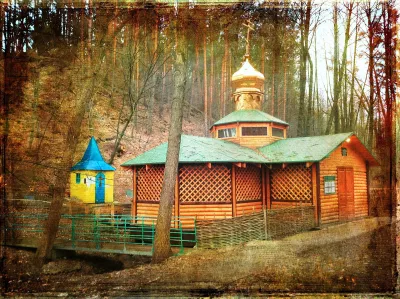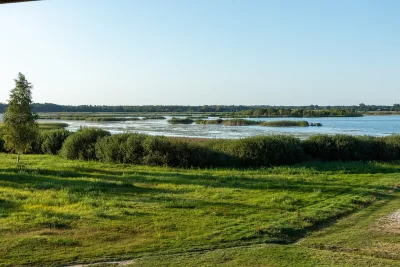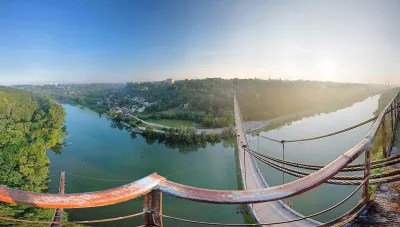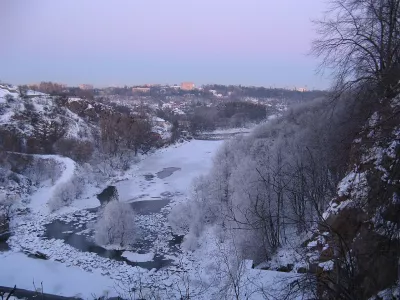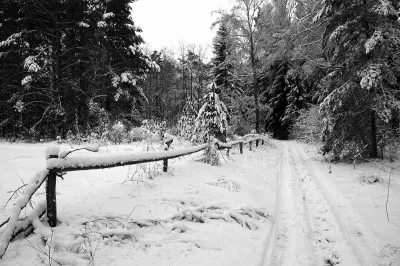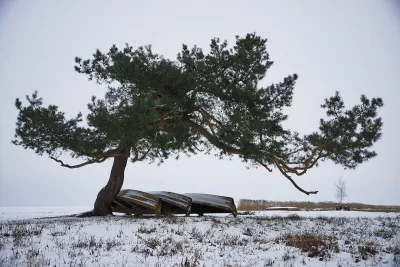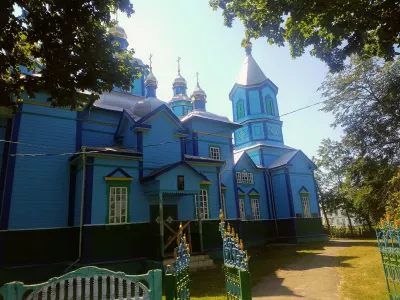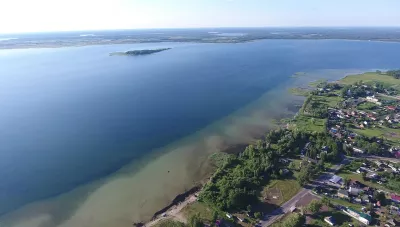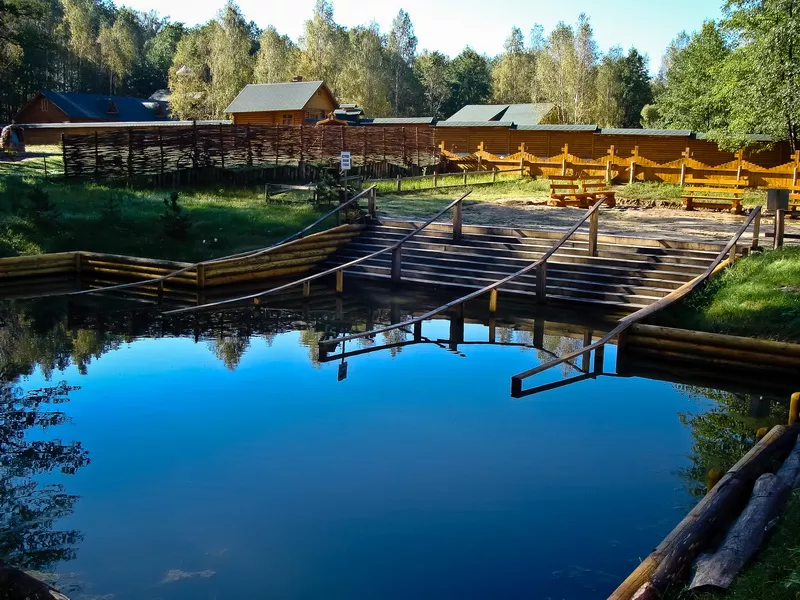

In Polissia, the land of forests and swamps, there are many springs. Chapels have long been built near some of them, people would make processions to them, and the water was considered healing. Most visitors come to such springs on Epiphany, January 6, when the water is blessed, but any winter day here is quiet and beautiful: steam above the water, frost on the pines, footprints in the snow leading to the chapel.
We have gathered holy springs from our guidebook and several other well-known places of Polissia. Each page includes the history, coordinates, and a route button.
Kypyache near Chopovychi
The most famous holy spring of Zhytomyr region is Kypyache in the forest on the right bank of the Irsha River, about 5 km from Chopovychi in Korosten district. The name is explained by a legend: in 1911, the water suddenly swirled here as if boiling, and according to church tradition, an image of the Kazan Icon of the Mother of God appeared in the spring. Locals say the spring does not freeze even in severe frosts.
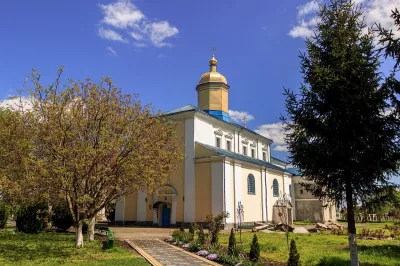
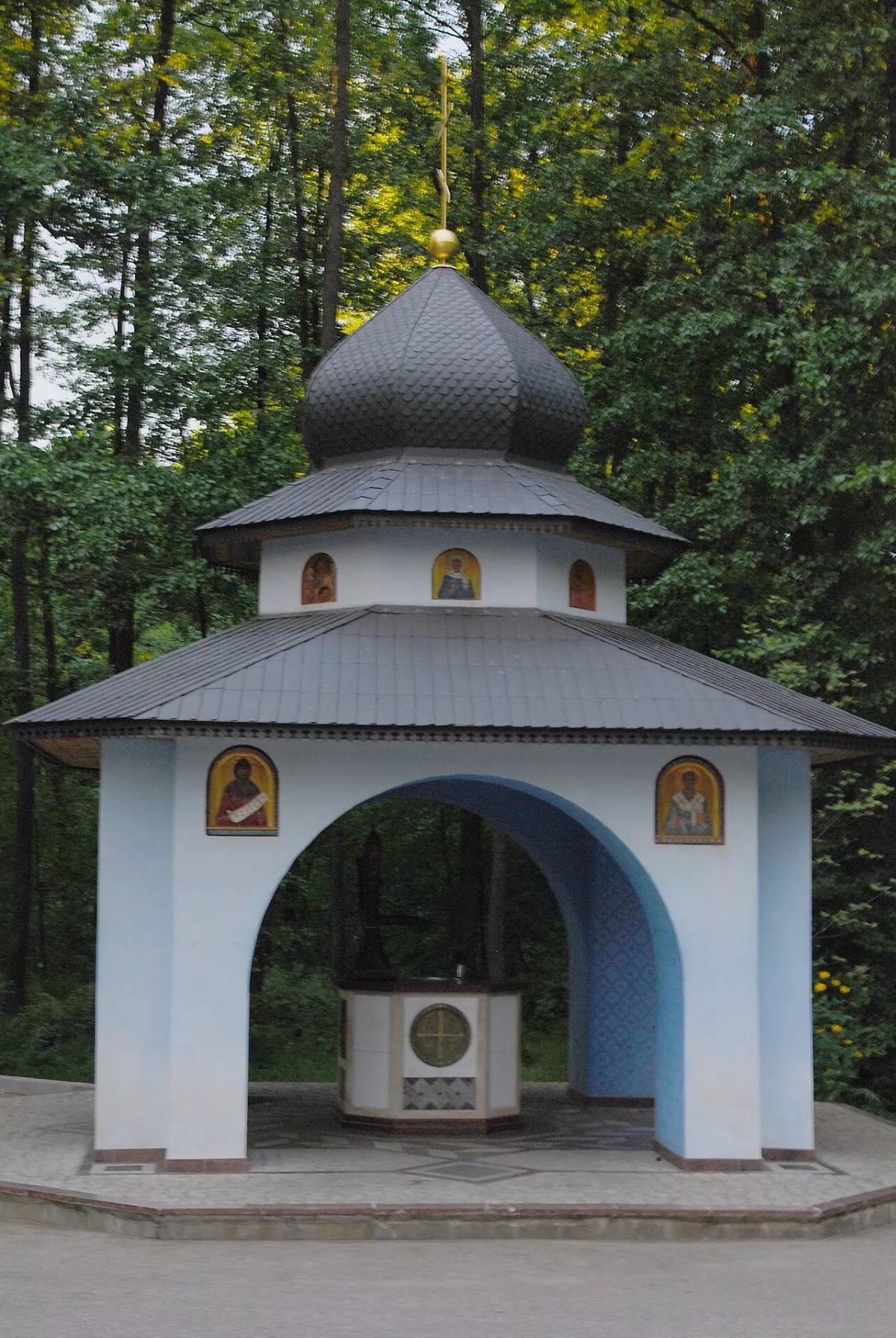
Soon a monastery was established near the spring. It was destroyed during Soviet times, and the spring was covered with stones, but the water broke through again. Now there are two monasteries in the tract. Near the men’s monastery of the Kazan Icon of the Mother of God, water flows from the wall beneath the icon, and there is a bathing place open year-round. Two kilometers away is the women’s monastery of the Athonite Icon of the Mother of God: according to the monastery, here the spring flows from beneath the altar of the Church of Cyprian and Justina, and nearby there are three bathing pools.
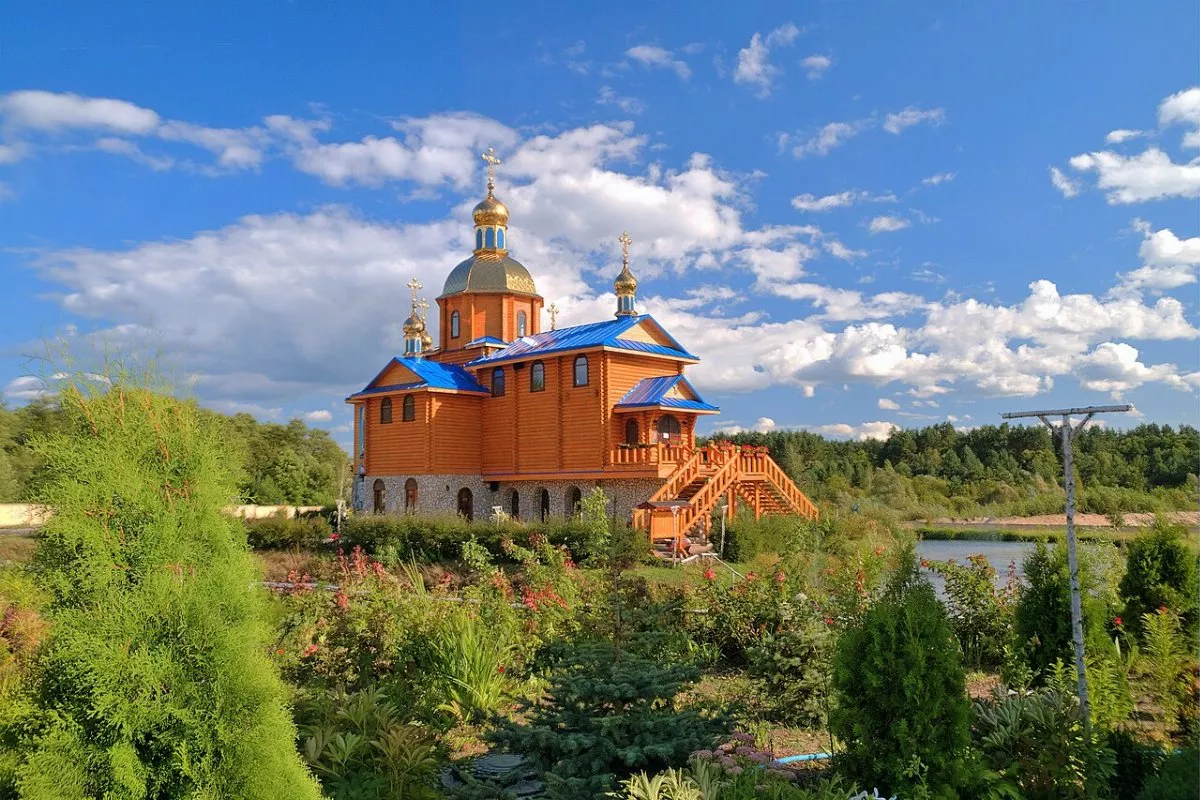
On Epiphany, Trinity Sunday, and the day of the Kazan Icon, thousands of people come to Kypyache. If you want peace and quiet, visit on a weekday. From Kyiv it is about 130 km via the highway to Malyn and then to Chopovychi; from Zhytomyr about 100 km. Both monasteries belong to the Ukrainian Orthodox Church (Moscow Patriarchate) and have their own rules: being intoxicated or undressed after bathing is prohibited on the territory, and photography of shrines and services is not allowed in the women’s monastery.
Bell Spring in Mezhyhirya
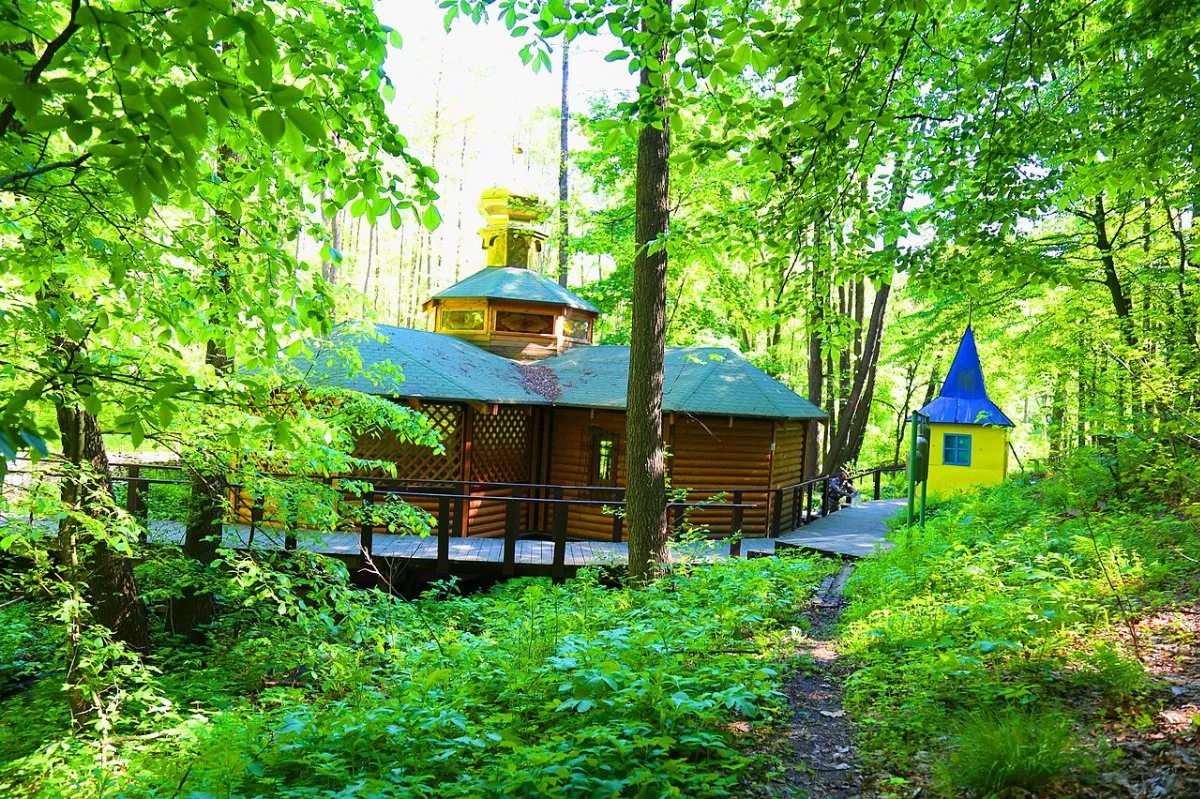
About 8 km from Kyiv, in the forest near Novi Petrivtsi, springs the Bell Spring from beneath a slope. It once belonged to the Mezhyhirya Savior-Transfiguration Monastery — the main shrine of the Zaporizhian Host, where old Cossacks went to spend their last days. According to legend, monks built a chapel with small bells over the spring, and the water jet struck them so that the tract was filled with ringing.
The monastery was blown up in 1934, but the spring survived. Since 2000, it has been a hydrological natural monument. Near the spring there is an arranged water outlet and a resting place, and Kyiv residents come here for water. Nearby are the shores of the Kyiv Sea, so in winter this is a convenient short forest walk.
Springs where people bathe on Epiphany
Some springs are included in the official lists of places for Epiphany bathing, which are compiled annually by communities and the State Emergency Service. In Rivne region, in 2022, such a list included the spring of Saints Peter and Paul on Naberezhna Street in the village of Karpylivka. In Volyn, in 2020, among 23 equipped places was the spring “Krynytsia” in the village of Baiv in Lutsk district. Check whether they are on this year’s lists in the lists that communities publish at the end of December. It is advisable to bathe only where rescuers and medical personnel are on duty, and to enter the water following doctors’ advice, which we write about below.
Krynychne in Mezynskyi Park
In the north of Chernihiv region, in the Mezynskyi National Park, there is the Krynychne tract with springs near the Desna River. This is not a temple spring, but a natural one, and the place is very picturesque: chalk cliffs, old hornbeam-oak forests, and the wide valley of the Desna. Mezyn lies close to the border with Russia, and the border communities of Chernihiv region are shelled, so before travelling, be sure to check community news and do not go unless necessary.
Holy Mount Grabarka
On the other side of the Bug, near Milejczyce in Podlasie, is Holy Mount Grabarka, the most important pilgrimage site for Orthodox believers in Poland. The hill with the wooden Church of the Transfiguration of the Lord is covered with thousands of crosses brought by pilgrims, and at the foot of the hill there is a spring whose water is believed to have healing powers. The largest number of people come here on the Transfiguration in August, while in winter the mount is quiet and snow-covered. More details in the article “Polish Polissia: what to see beyond the Bug”.
How to behave near a spring
- Most holy springs are on the territory of monasteries or near chapels. Dress modestly: women — skirt and headscarf, men — long trousers; hats are removed inside chapels.
- Collect water in your own clean container and do not wash dishes, hands, or feet directly in the spring.
- Enter the bathing area only according to the rules set by the monastery, and dress immediately after bathing.
- Photograph from outside, and in churches and during services — only with permission.
- Do not leave trash or empty bottles: thousands of people gather near springs on holy days.
- In winter, paths to springs and stairs to bathing places become icy. Wear shoes with traction, and hold children’s hands.
Is it safe to drink spring water?
The holiness of water is a matter of faith, while its safety is a matter of chemistry and microbiology. Springs are rarely checked regularly, and the water composition can change: after rains, thaws, or floods, it can contain substances washed off the surface. Therefore:
- Drink a little and do not make spring water your daily drinking water until you know its composition.
- Look for a sign near the spring with analysis results or ask about it at the monastery or community. You can also order a water analysis yourself at the regional laboratory center.
- For small children, pregnant women, and people with kidney or stomach diseases, it is better to boil water from an unverified spring.
- Even very clean water is not always beneficial in large quantities. For example, it is known that the water from Kypyachyi is extremely soft, and specialists do not recommend drinking it constantly and in large amounts.
Bathing in the spring in winter carries the same risks as ice swimming: people with heart, vascular, and lung diseases, pregnant women, and small children should not immerse themselves. You can draw water and pray near the chapel without bathing — and this is what most pilgrims do.