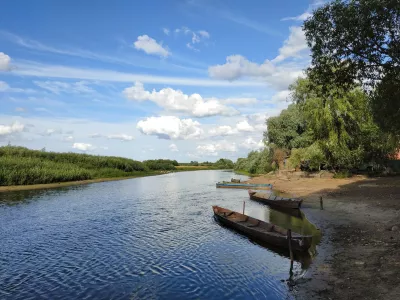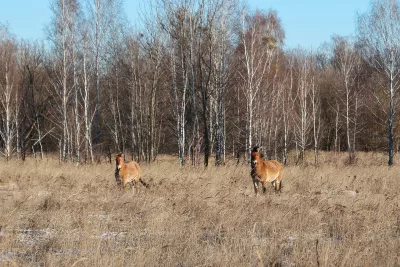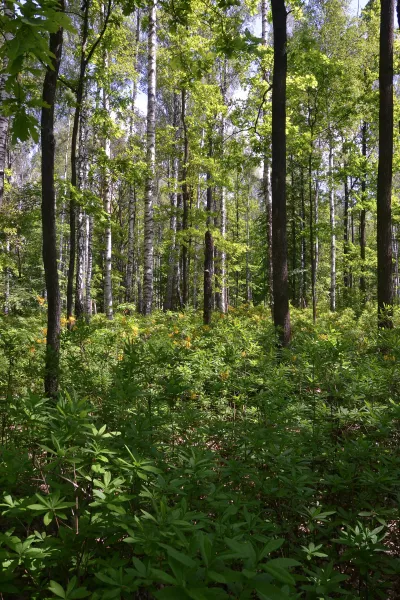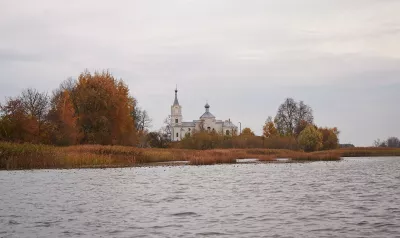
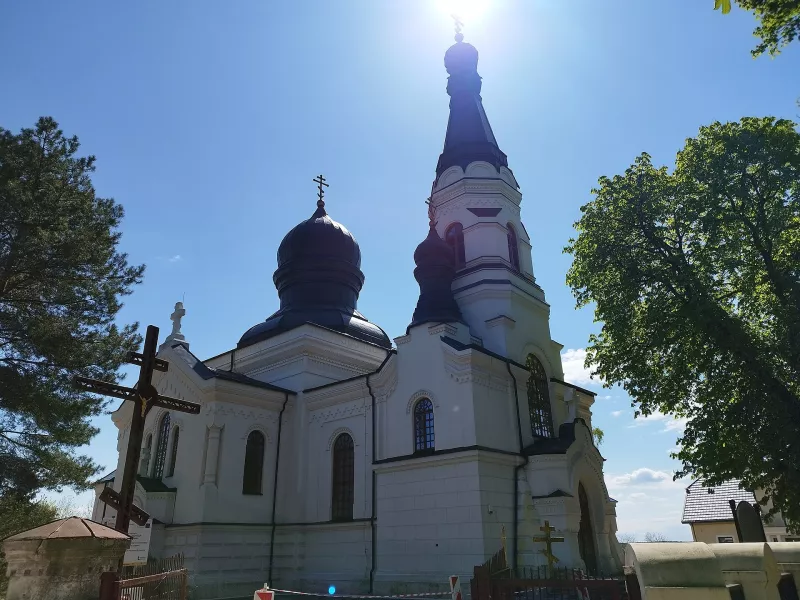
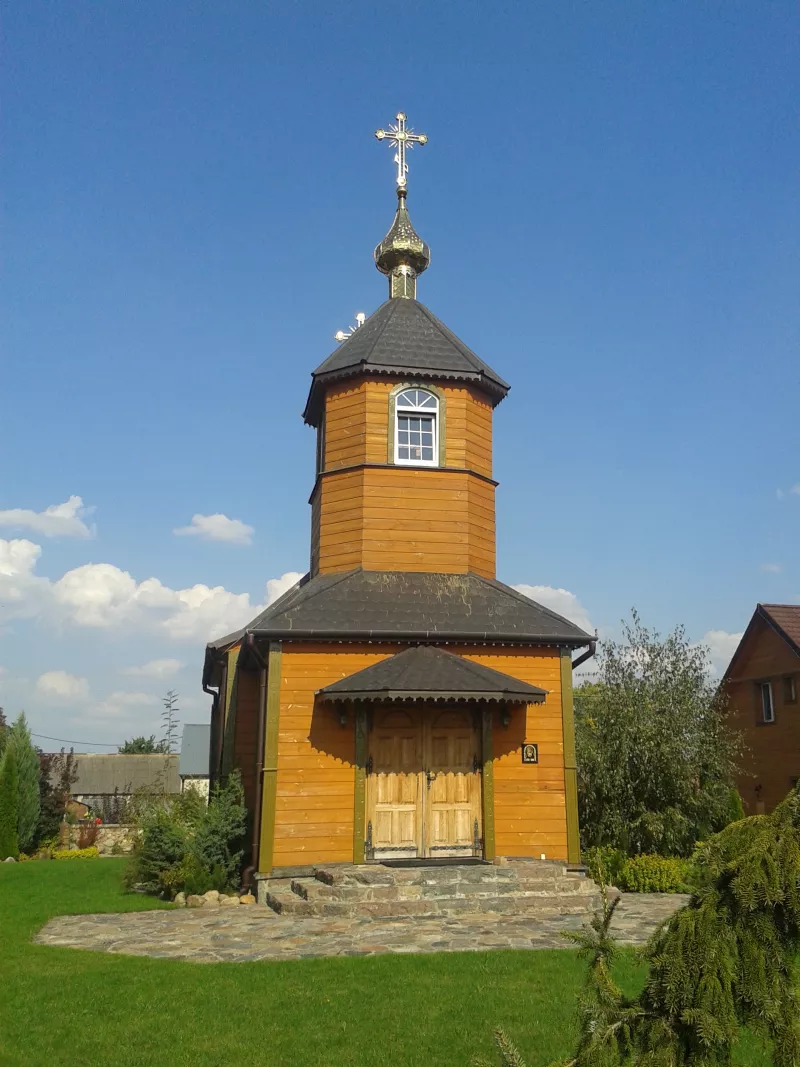
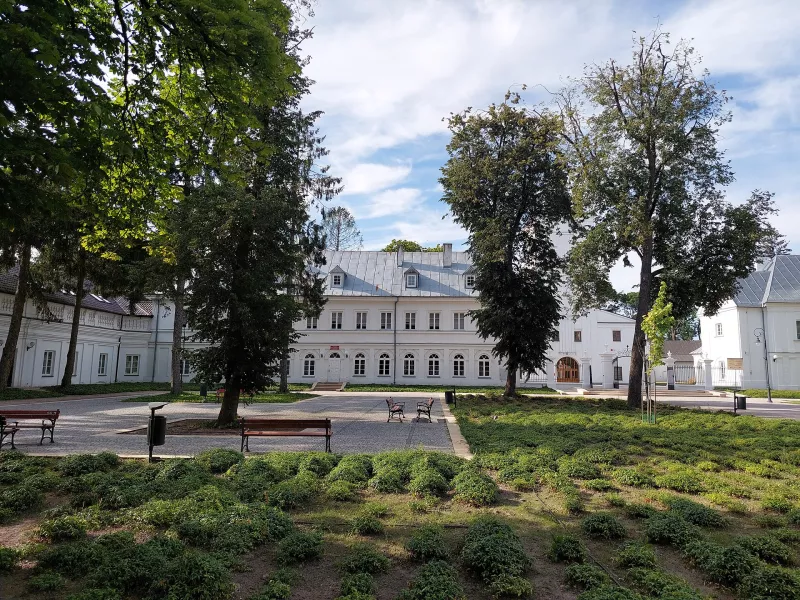
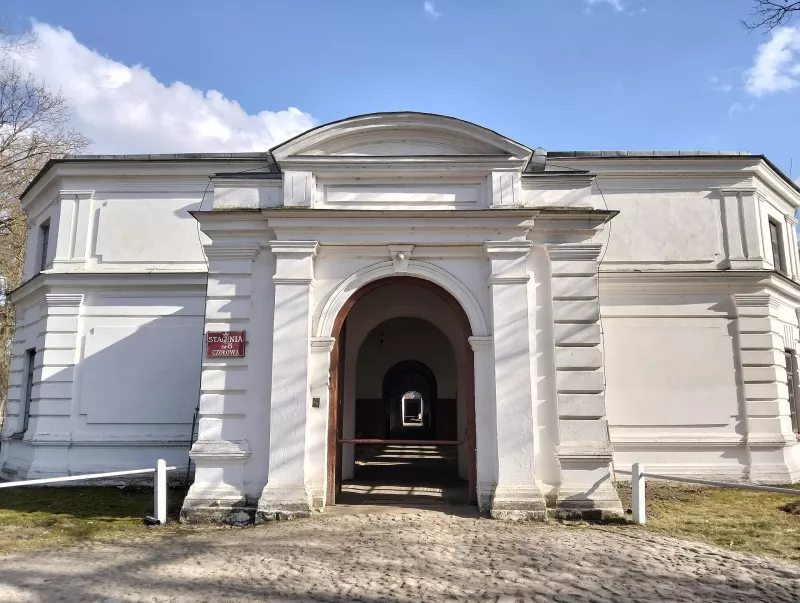
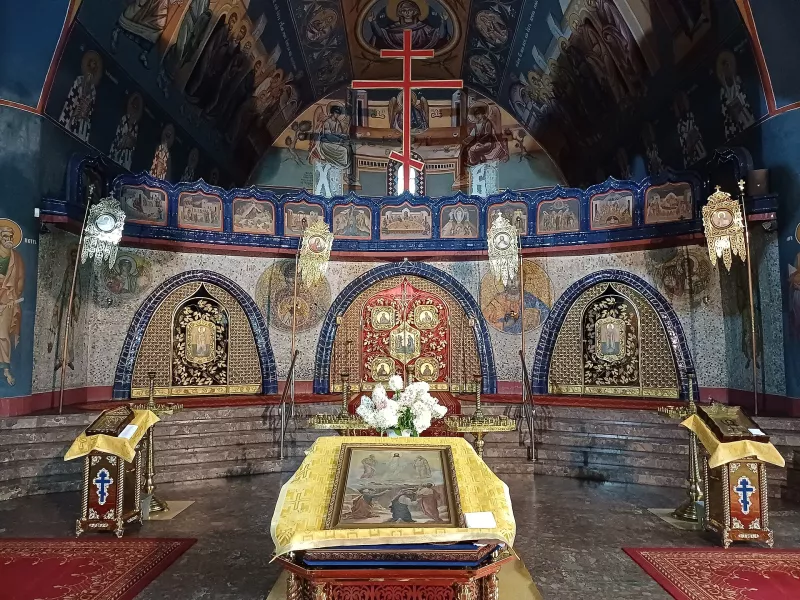
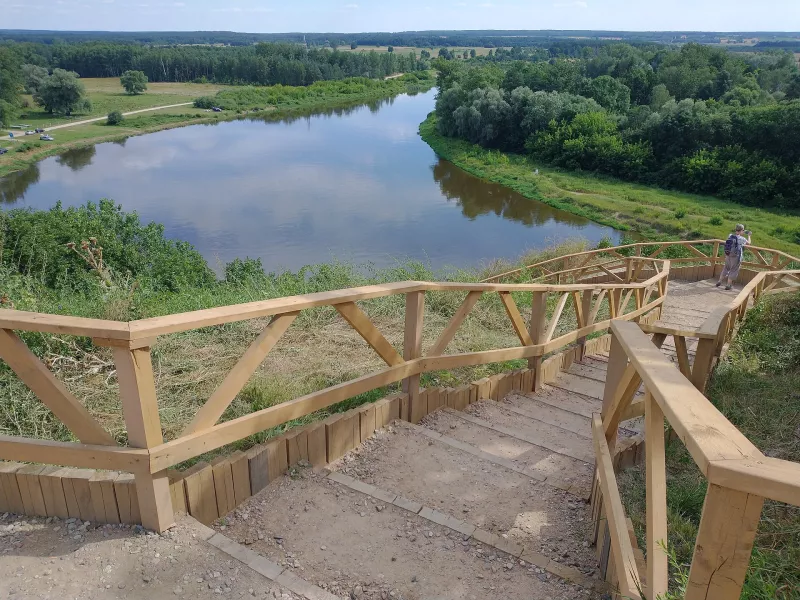

Polish Polissia is the western edge of the vast Polissian world, stretching from the Bug to the Dnipro. Scholars call it Western Polissia (Polish: Polesie Zachodnie): it is an ethno-cultural region with a total area of about 51,000 km², lying across three states — in the south in Ukraine (Volyn and Rivne regions), in the north in Belarus (Brest region), and in the west in Poland. The Polish part covers the east of Lublin Voivodeship and the south of Podlaskie — a narrow strip along the Western Bug from Chełm to Drohiczyn and Mielnik.
For a Ukrainian traveler, this is perhaps the closest and most understandable "foreign" Polissia. The capital of King Danylo Romanovych stood here, he was crowned here, and in the villages you can still hear Western Polissian dialects of the Ukrainian language. At the same time, it is a land of lakes, peat bogs, and silence, which can be reached from Volyn in just a few hours.
In brief
- Where: east of Lublin Voivodeship (Włodawa, Chełm, Parczew, Łęczna, Biała Podlaska counties) and south of Podlaskie Voivodeship (surroundings of Siemiatycze, Bielsk Podlaski, Hajnówka).
- Main river: Western Bug — the border of Poland with Ukraine and Belarus; in the west, the region belongs to the Vistula basin.
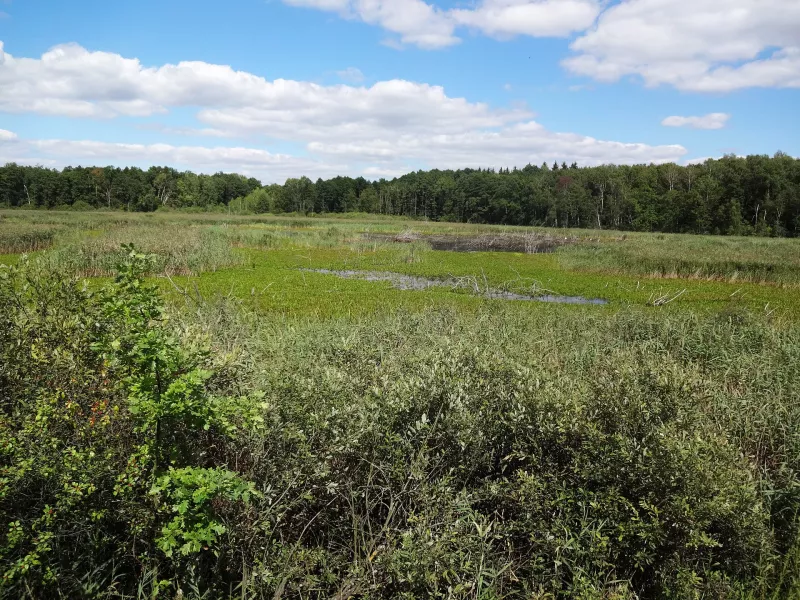
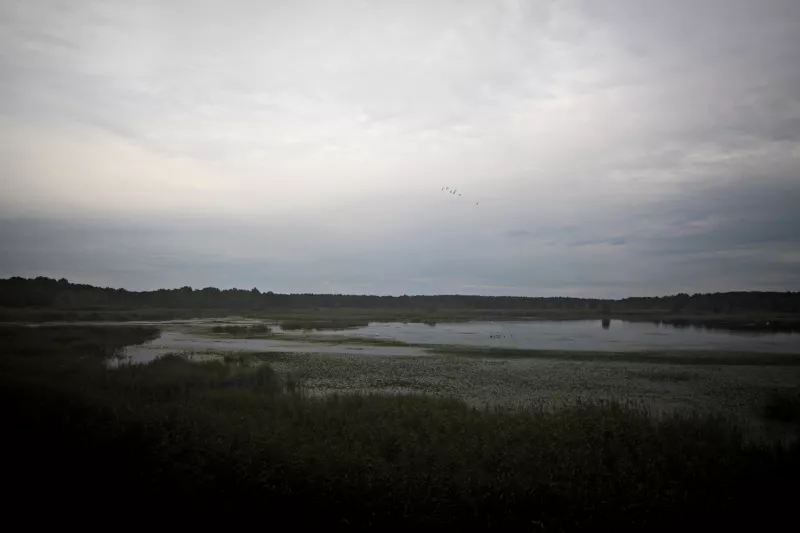
- Nature: Polesie National Park, Łęczna-Włodawa Lake District (over 60 lakes), Parczew and Sobibor forests, limestone marshes near Chełm.
- Cities and sights: Chełm, Włodawa, Biała Podlaska, Kodeń, Drohiczyn, Mielnik, Grabarka, Sobibór.
- Ukrainian traces: Chełm — the capital of King Danylo, Drohiczyn — the site of his coronation in 1253, Chełm Land and Podlachia — historical Ukrainian lands.
- How to get there from Ukraine: Yahodyn–Dorohusk and Ustyluh–Zosin border crossings, Ukrzaliznytsia trains to Chełm.
Who lives here: Dulebians, Volhynians, and Polissians
The Western Polissian cultural community was formed in pre-state times. Archaeologists Yuriy Kukharenko, Iryna Rusanova, and other researchers, based on paired barrows, special ceramics, and settlement types, concluded that the region was inhabited mainly by Volhynians. The population belonged to the Dulebian tribal union: the most common ornament of local women is temple rings with one and a half turns.
The indigenous population of Western Polissia speaks Western Polissian dialects of the Ukrainian language, they are traditionally Orthodox, and Protestantism is also widespread. In Southern Podlachia, some locals are Roman Catholics, whom neighbors called "kalakuts". Local residents have long said that they speak "in their own way". The largest cities of the entire Western Polissia are Brest, Biała Podlaska, Kobryn, Kovel, and Pinsk.
In the 20th century, the Ukrainian history of these lands was tragic. In 1938, the Polish authorities destroyed over a hundred Orthodox churches in the Chełm Land and Podlachia, in 1944–1946 most Ukrainians were resettled to the Soviet Union, and in 1947 during Operation Vistula the rest were deported to the west and north of Poland. Therefore, today churches, cemeteries, and village names often remind us of the Ukrainian past rather than people. The culture of the region in Ukraine was studied by the Polissian-Volhynian Ethnographic Center of the Institute of Ethnology of the National Academy of Sciences of Ukraine (1992–2004).
Video: "Time Machine. Ukrainians in Poland. Chełm Land and Podlachia", Studio GSN channel.
Southern Podlachia: Drohiczyn, Mielnik, Grabarka
The northernmost part of Poland's Western Polissia is Southern Podlachia in the Podlaskie Voivodeship. It is a land of low hills, the Bug river valley, pine forests, and Eastern Orthodox churches. Right here, in Droghychyn on the Bug, a papal legate crowned Danylo Romanovych in 1253—the only king of Rus' in history. Today, Droghychyn is a quiet town on the high bank of the Bug with Baroque churches and viewpoints overlooking the river.
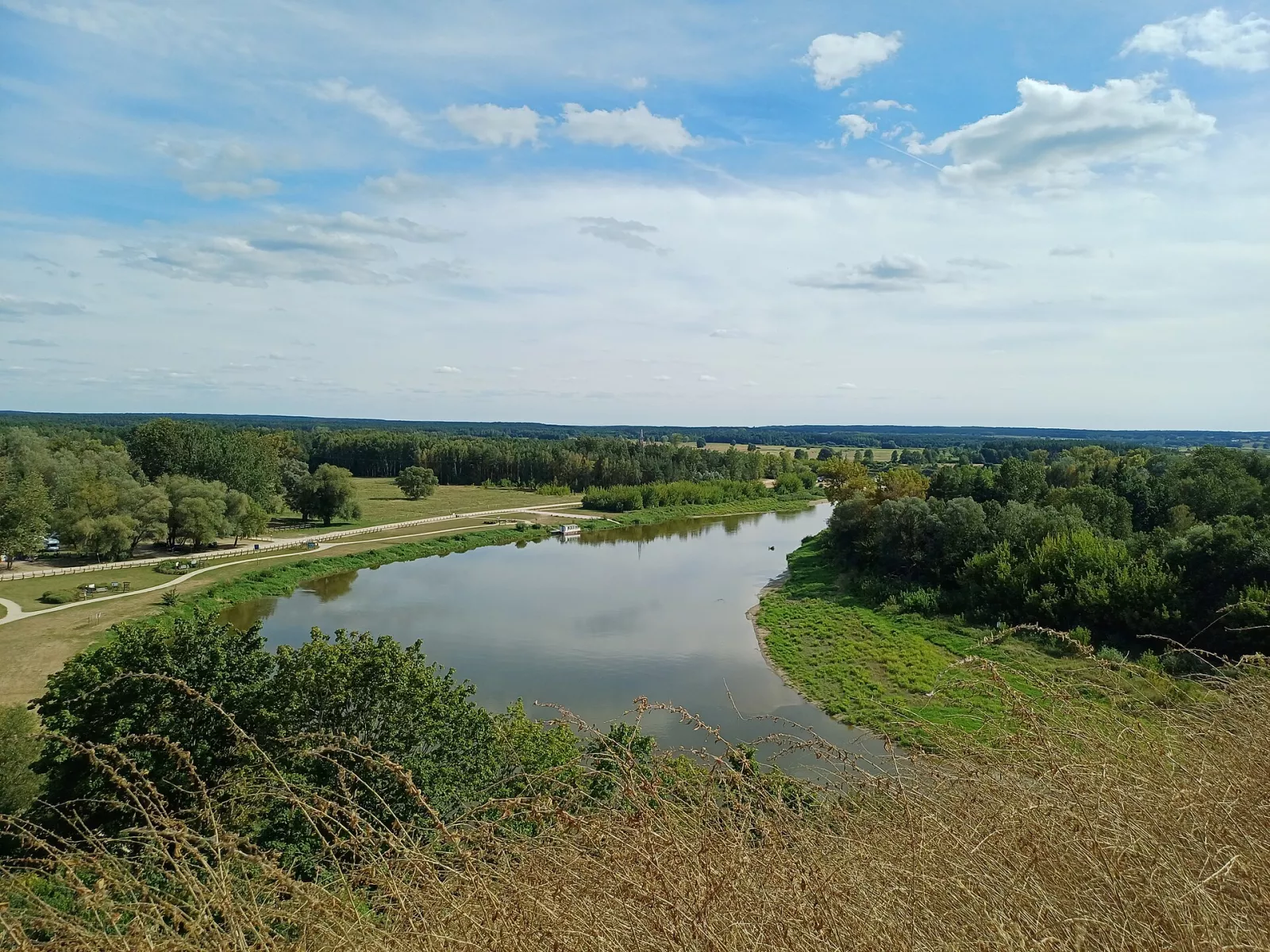
Further downstream stands Melnyk, another ancient Rus' town. The ruins of a gothic church have survived on Castle Hill, and a chalk quarry operates nearby, with white chalk coming right to the surface here. This offers one of the best views of the Bug river valley.
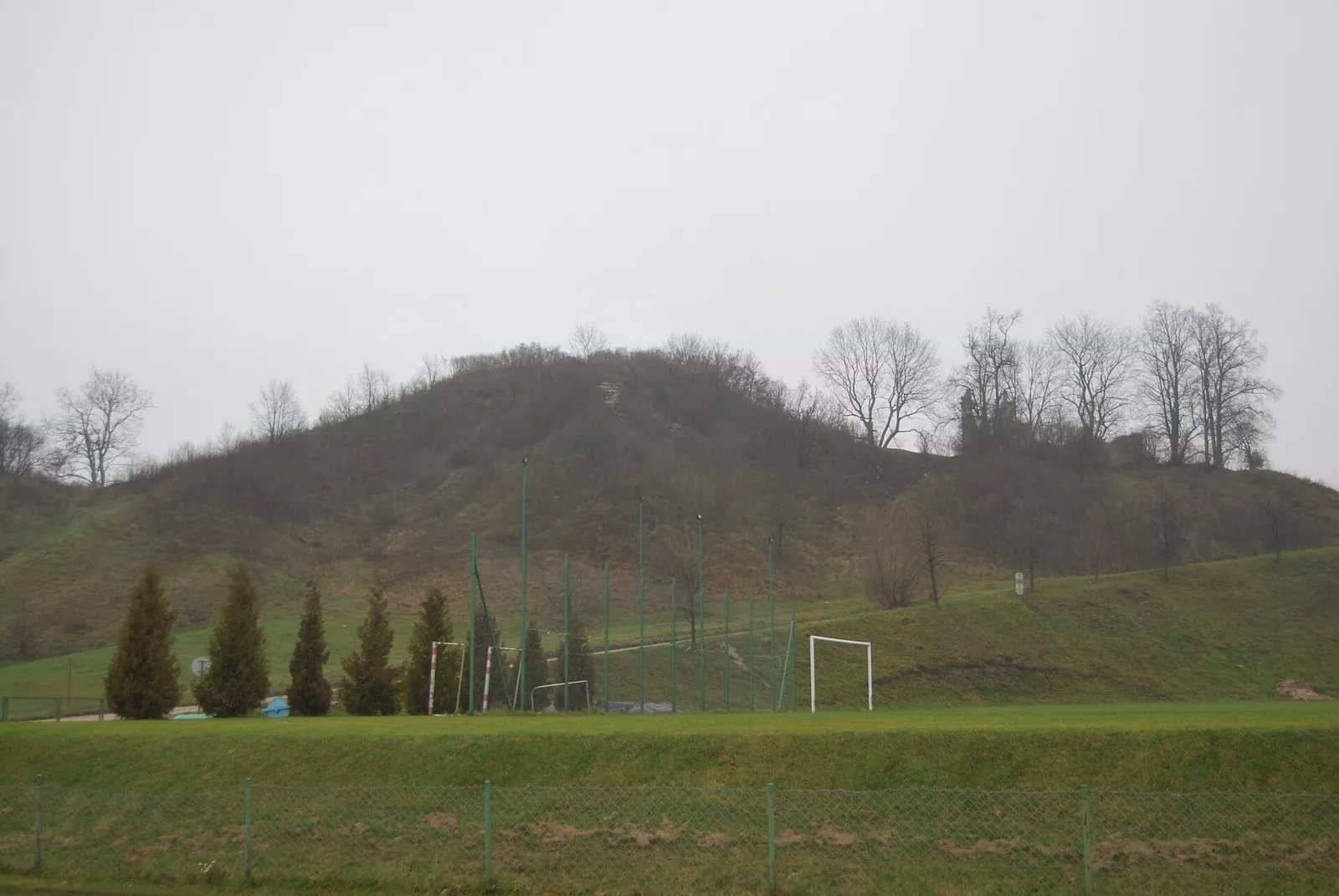
The Holy Mount of Grabarka near Mieleychy is the most important Orthodox pilgrimage site in Poland. The hill with the wooden Church of the Transfiguration is covered with thousands of crosses brought by pilgrims; a spring flows at the foot of the hill, its water believed to have healing properties. The largest crowds gather for the Feast of the Transfiguration in August.
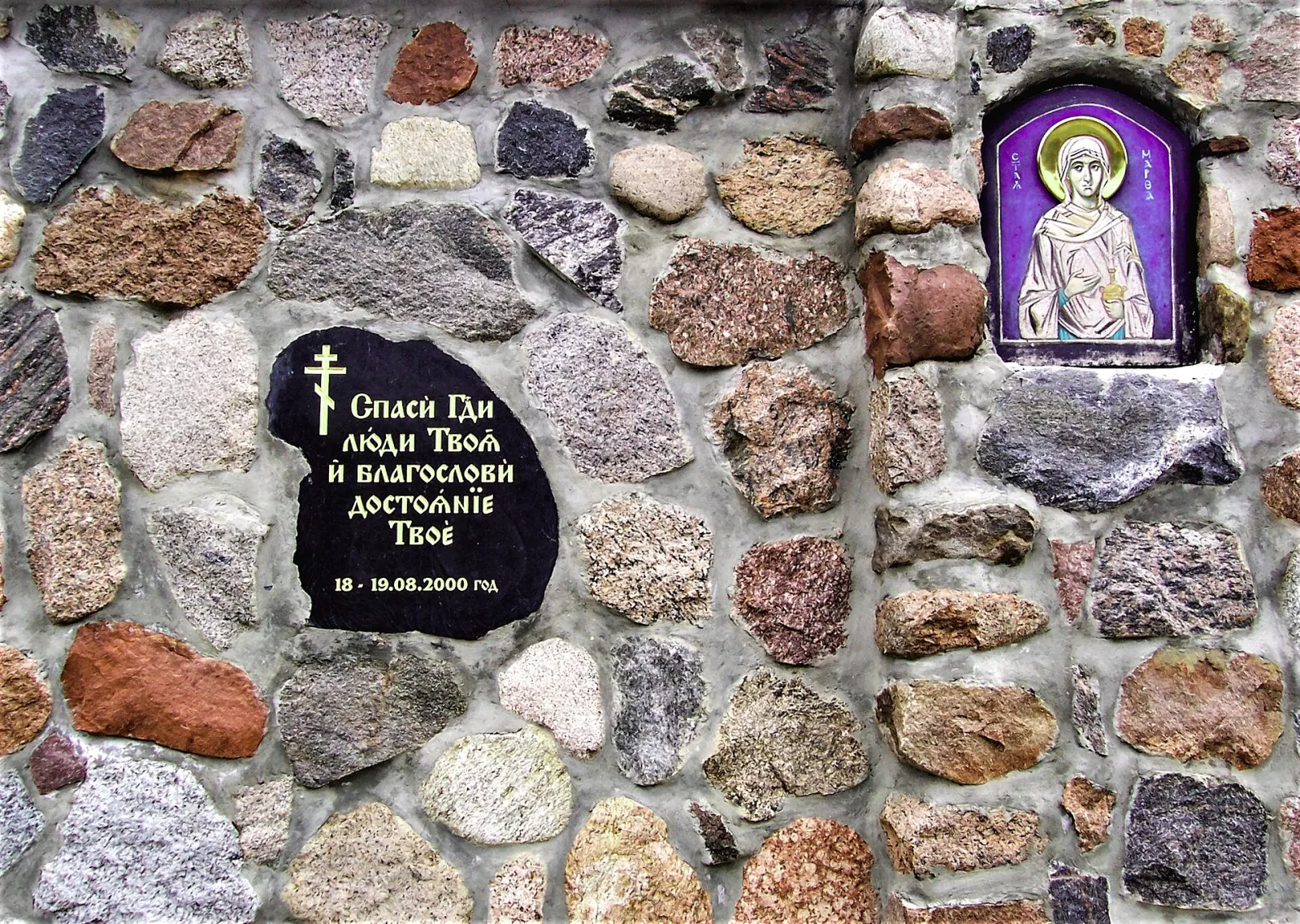
Further north lie Bielsk Podlaski with several old churches and a town hall, and Hajnowka with a modern Orthodox Cathedral of the Holy Trinity, known for its festival of church music. Beyond Hajnowka lies the Bialowieza Forest—at the edge of the Polissian region.
Video: "Grabarka — Podlachia and Orthodoxy", channel JAK TO DALEKO.
Biala Podlaska, Koden, and the Bug river valley
Biala Podlaska is one of the largest towns in Western Polissia and a convenient base for exploring the northern part of the region. The Radziwills' palace and park complex with towers and a gate has been preserved in the center. Nearby, in Janow Podlaski, operates a stud farm founded in 1817: Arabian horses are bred here, and the famous "Pride of Poland" auction is held every summer.
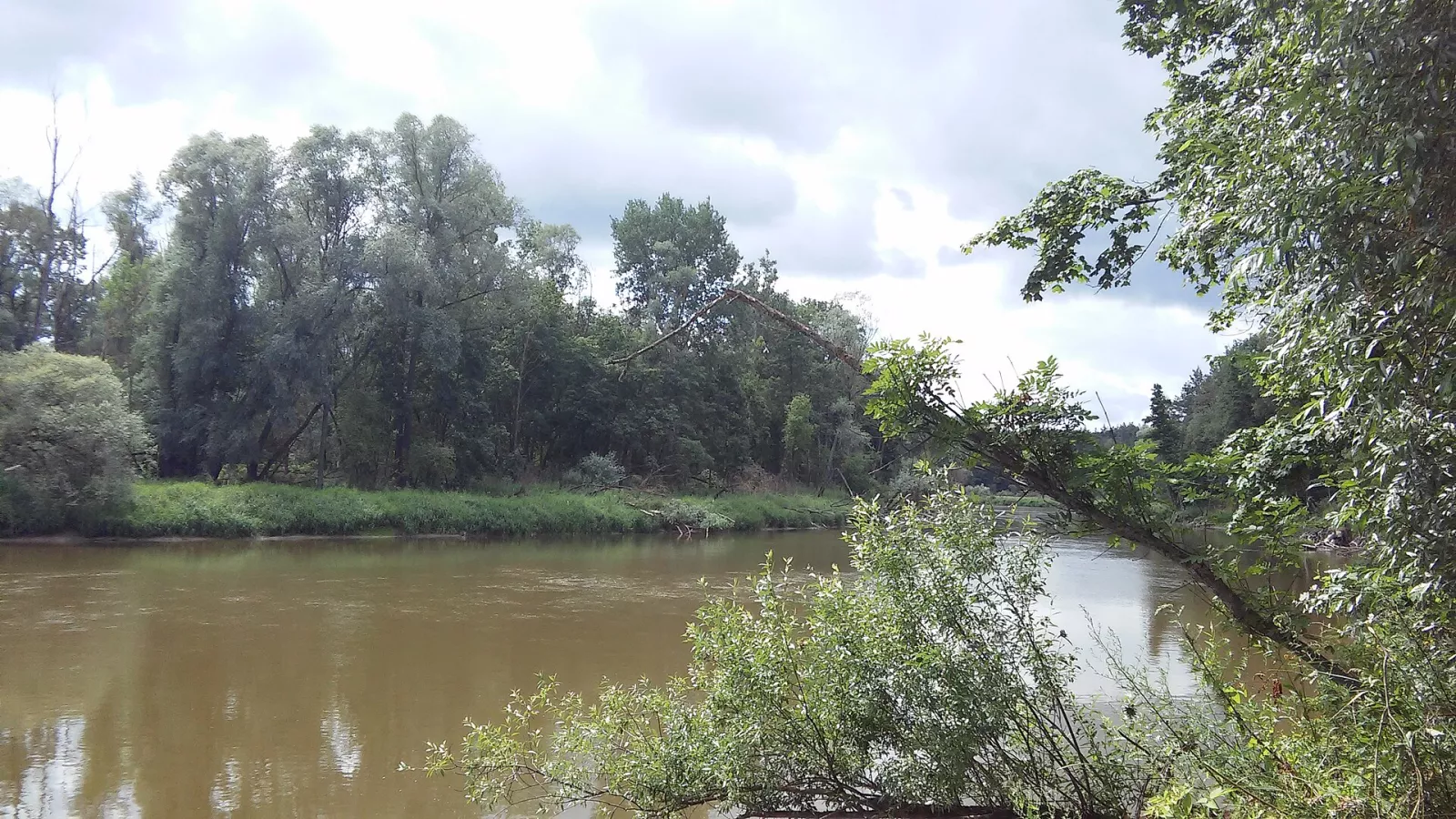
Koden on the very banks of the Bug is a town of the Sapiehas and one of the main Catholic shrines in eastern Poland. The Baroque Basilica of Saint Anne houses the icon of Our Lady of Koden, which, according to legend, the magnate Mikołaj Sapieha secretly smuggled from the papal chapel in Rome in the 1630s. Nearby is the Koden Calvary with its chapels, the remains of the Sapieha castle, and the Gothic Church of the Holy Spirit. From Koden, trails run along the Bug with views of the floodplains and the Belarusian bank.
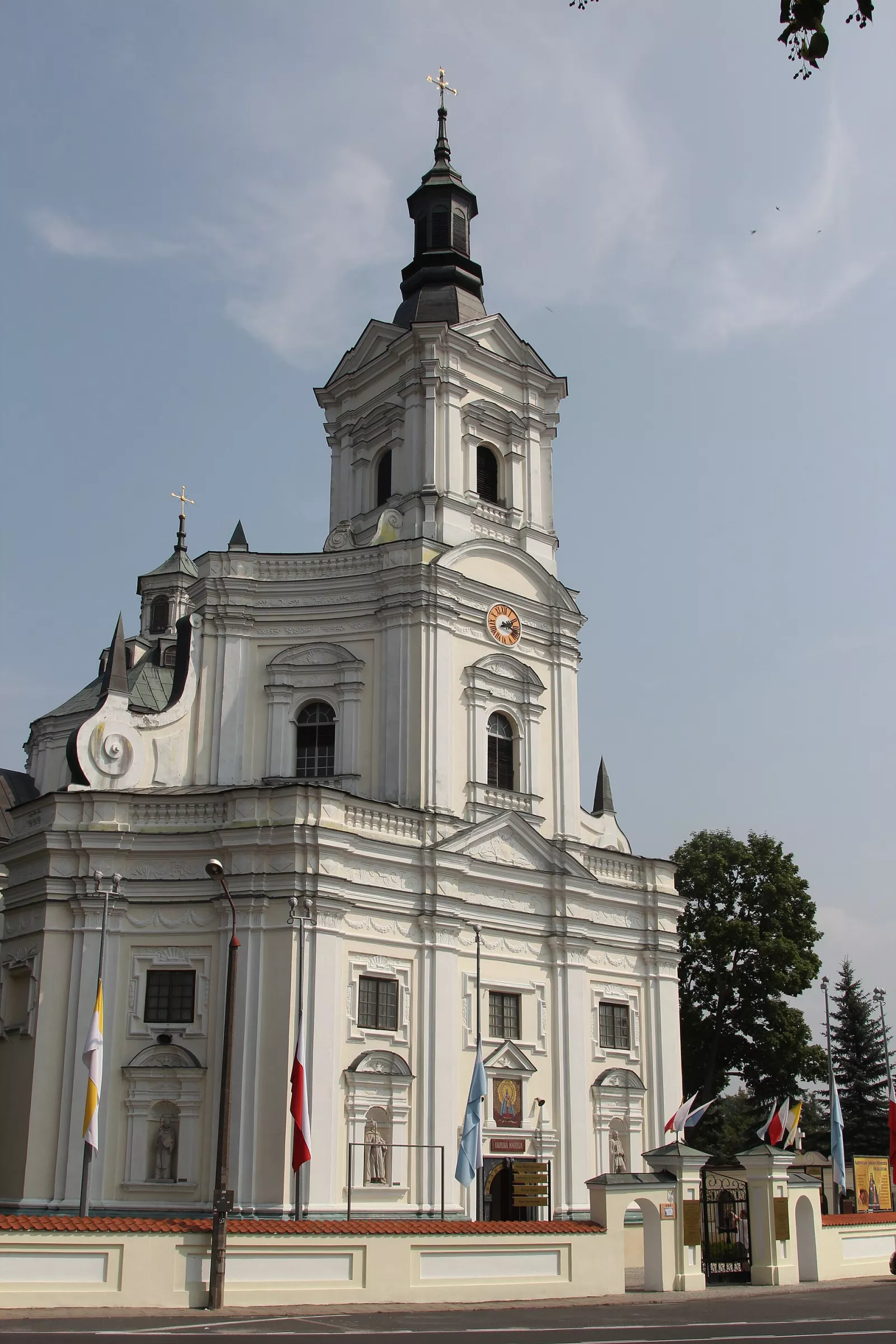
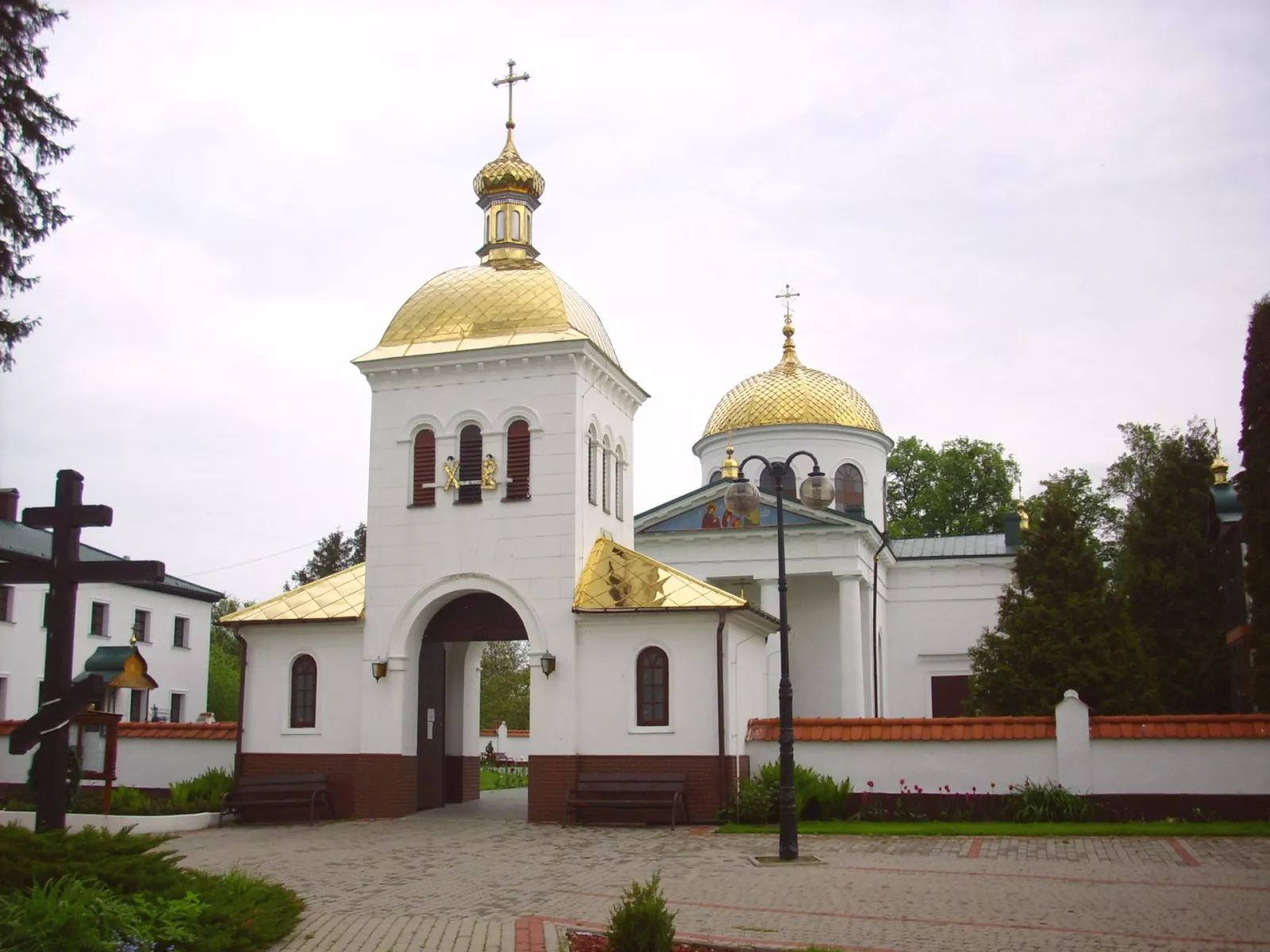
Further south, in Jabłeczna, stands the Saint Onuphrius Orthodox Monastery — one of the oldest Orthodox monasteries in Poland, and in Kostomłoty, there is an old wooden church, the only parish in Poland for Catholics of the Byzantine-Slavic rite. These shrines along the Bug clearly show how different Christian traditions have intertwined here.
Between Biała Podlaska and Włodawa lies the Łomazy Basin — a plain with peat bogs, wet meadows, and small rivers, while along the Bug is the "Podlasie Bug Gorge" Landscape Park, where the river winds among oxbow lakes and dunes.
Łęczna-Włodawa Lakeland: Lakes and Beaches
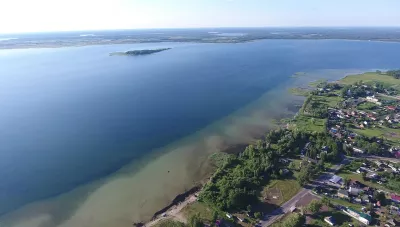
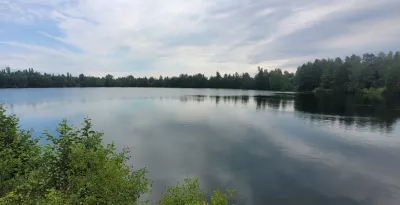
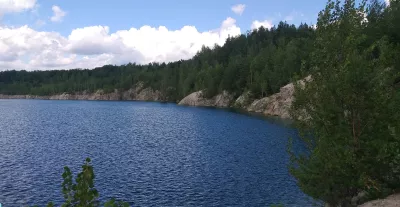
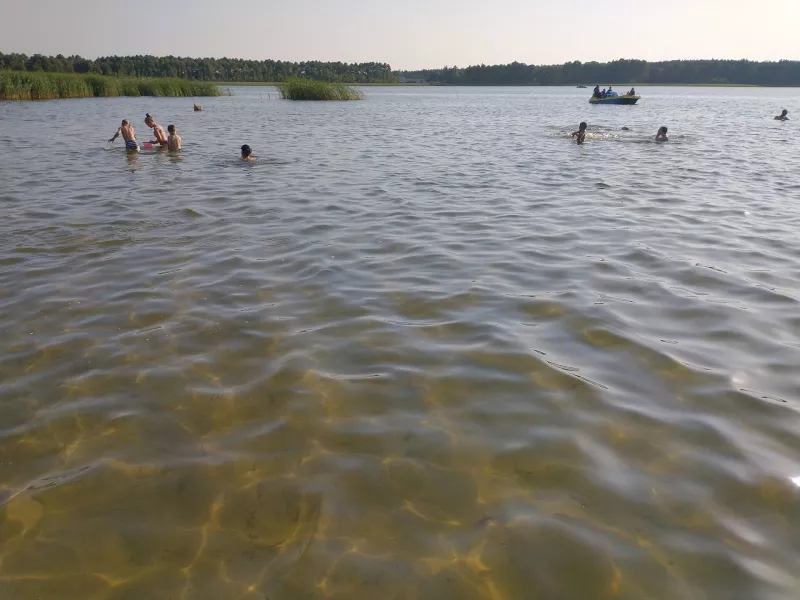
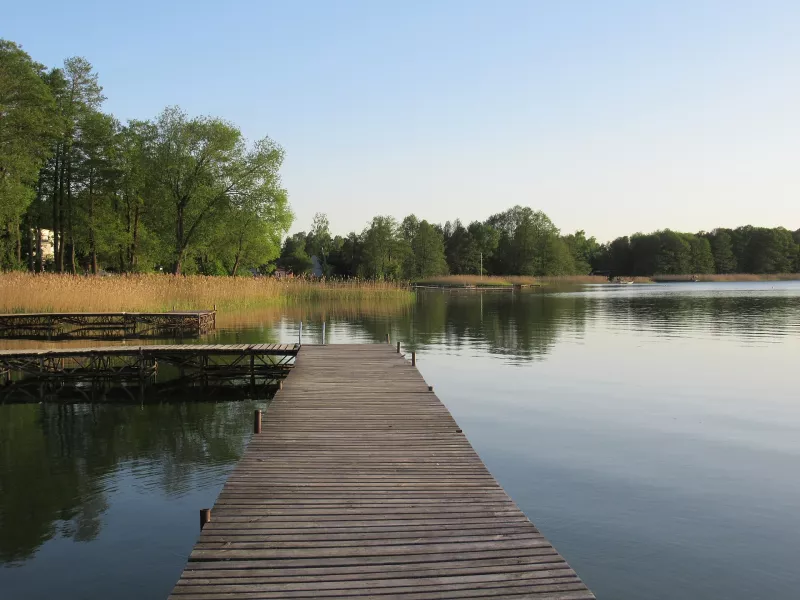
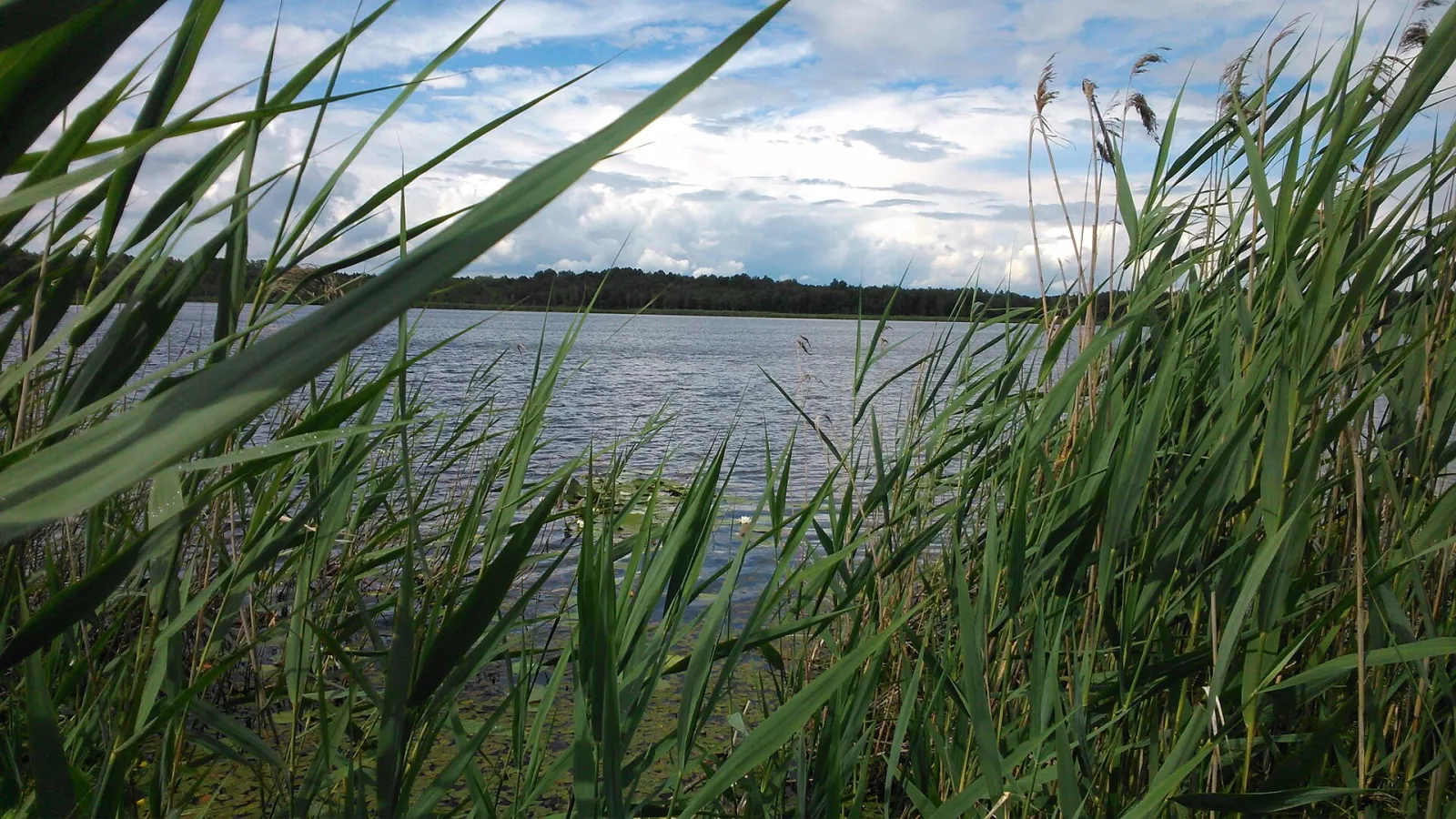
Between the towns of Łęczna and Włodawa lies the Łęczna-Włodawa Lakeland, featuring over sixty glacial and karstic lakes. Some of them are deep and clear with sandy beaches, while others are shallow, boggy, and protected as nature reserves. This is the main summer resort area of the Lublin region, and it is the most popular destination for family holidays.
- Białe (Białe Włodawskie) near Okuninka is the most popular: clean deep water, sandy beaches, campsites, cabins, boat and paddleboat rentals. In summer, it is crowded and lively here.
- Piaseczno is the deepest lake in the lakeland (about 39 m) with very clear water; it is quieter than in Okuninka, and there are developed beaches.
- Zagłębocze, Rogóźno, Krasne are smaller resort lakes with recreation centers and swimming areas.
- Lukcze, Moszne, Długie are lakes in the Polissia National Park: swimming is not allowed here, but you can experience nature that has remained almost untouched by humans.
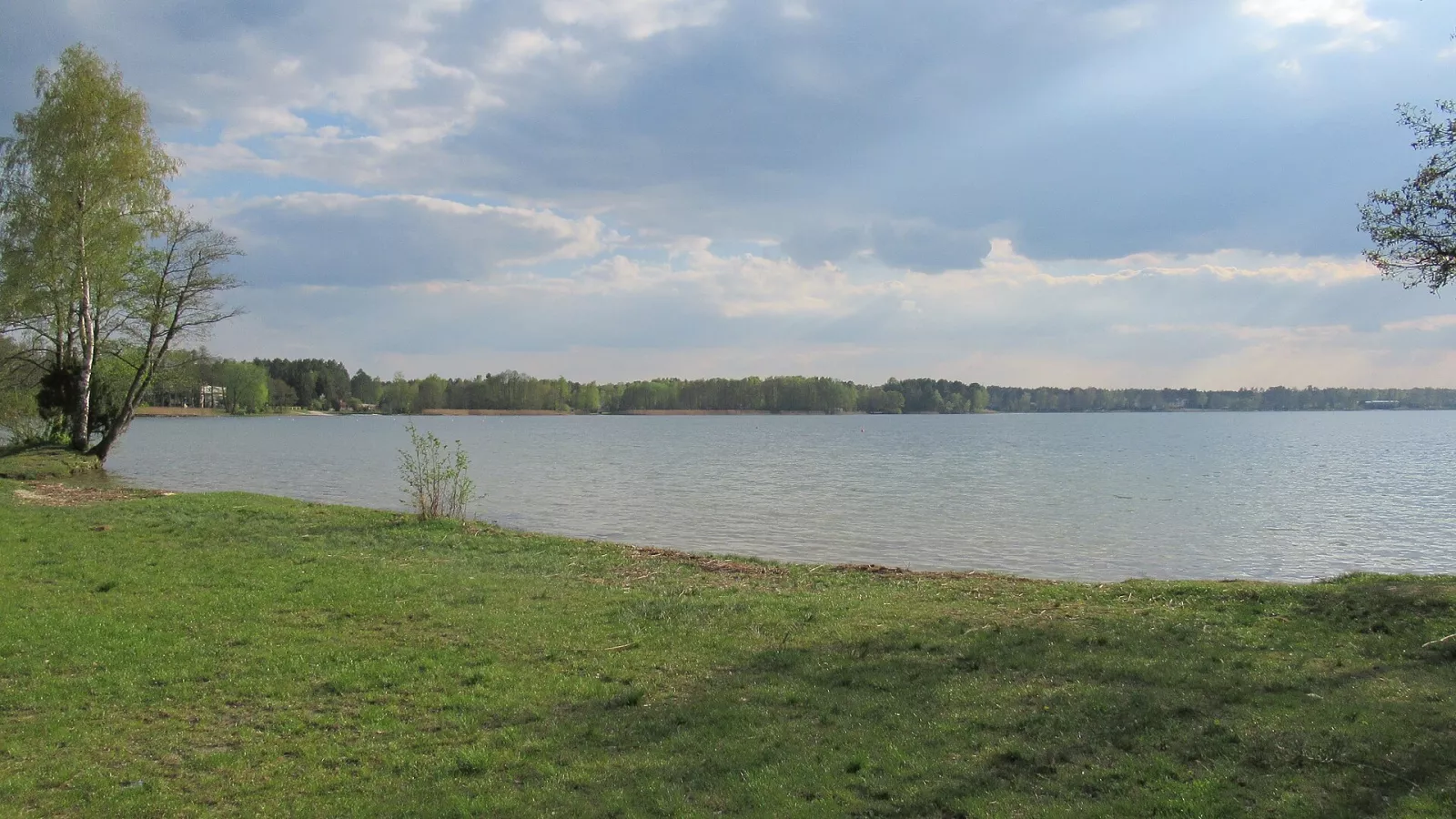
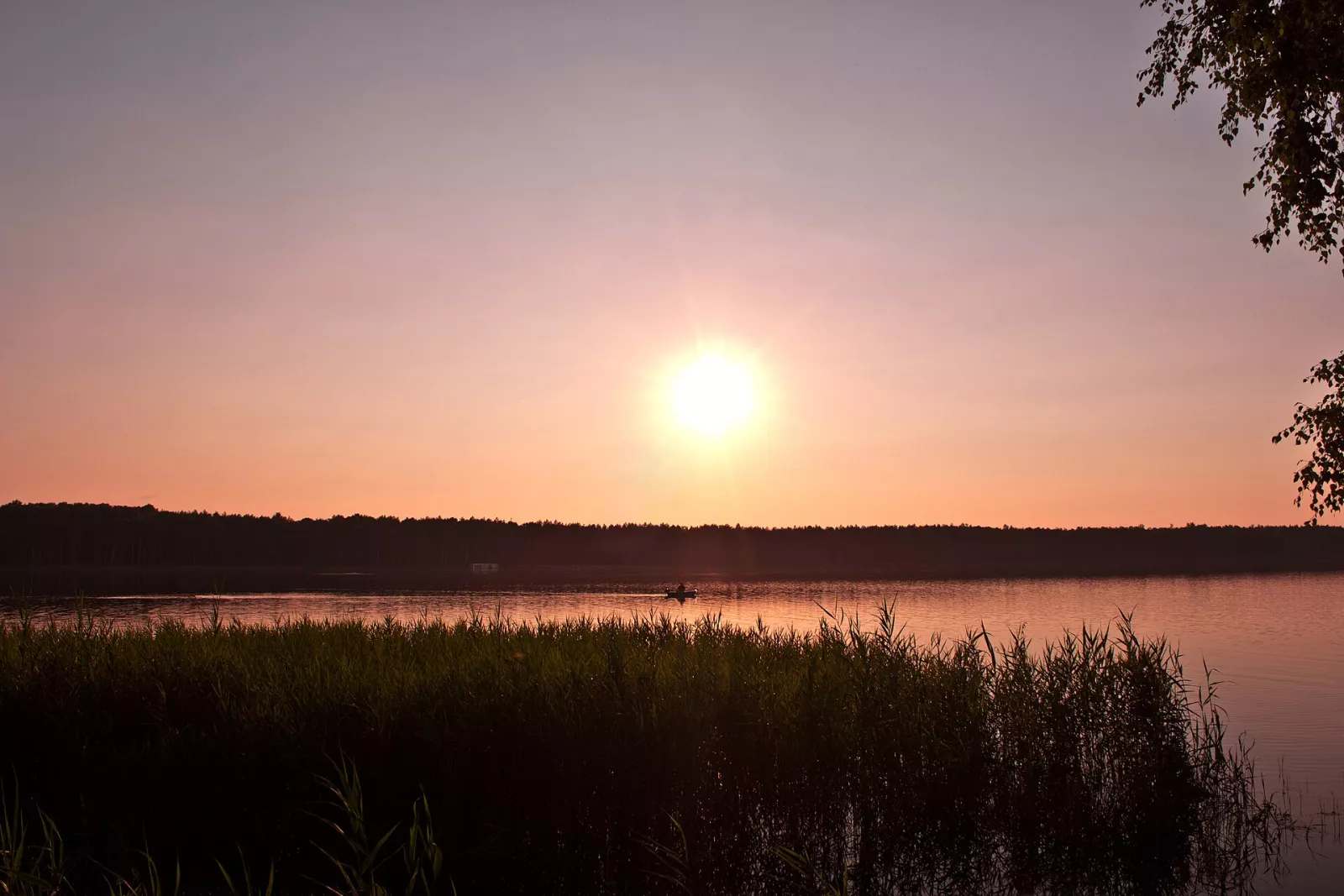
An interesting contrast: not far from the lakes, near Łęczna, operates the Bogdanka mine — one of Poland's largest coal mines. In half an hour, you can drive from the mine headframes to a quiet forest lake.
Video: "How much does a vacation at Lake Bille cost? Okuninka 2025: real prices for camping, food and entertainment", Liliia Vanlife channel.
Polesie National Park and its trails
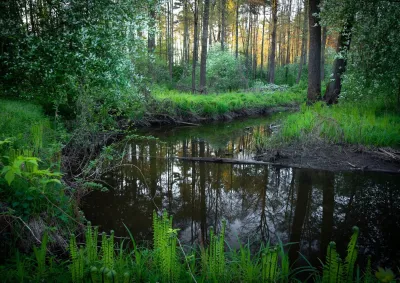
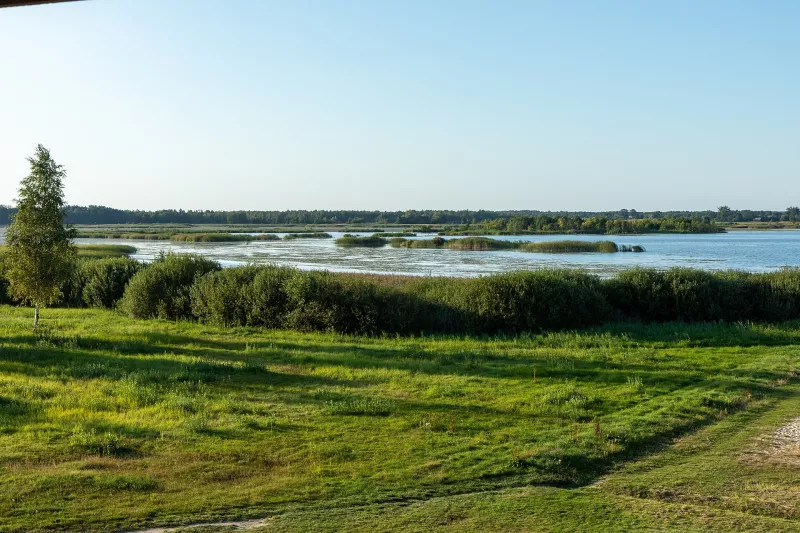
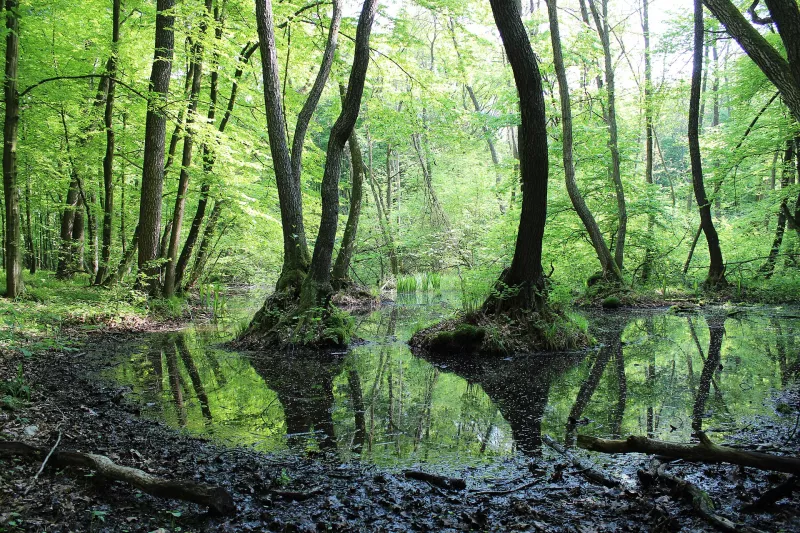
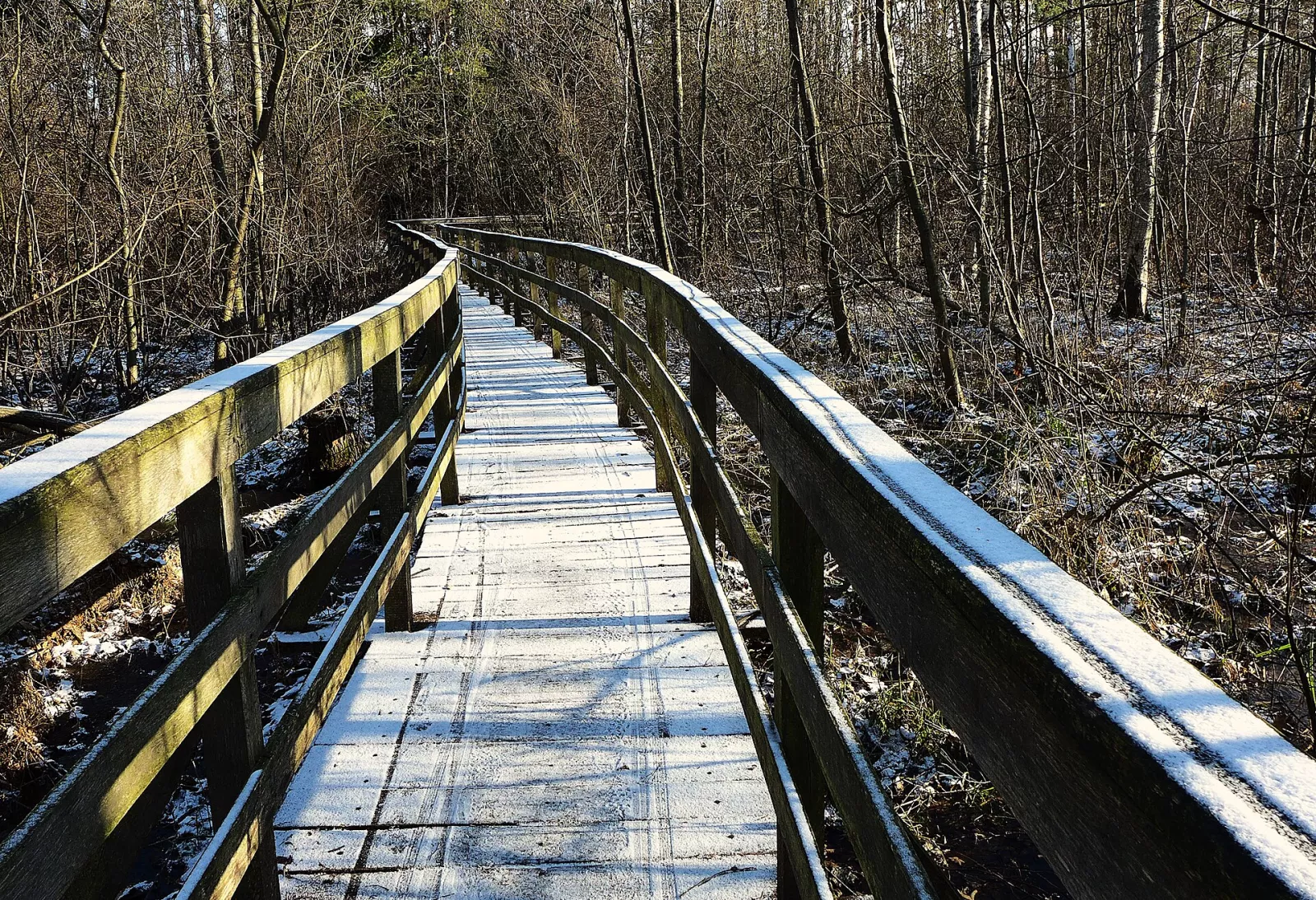
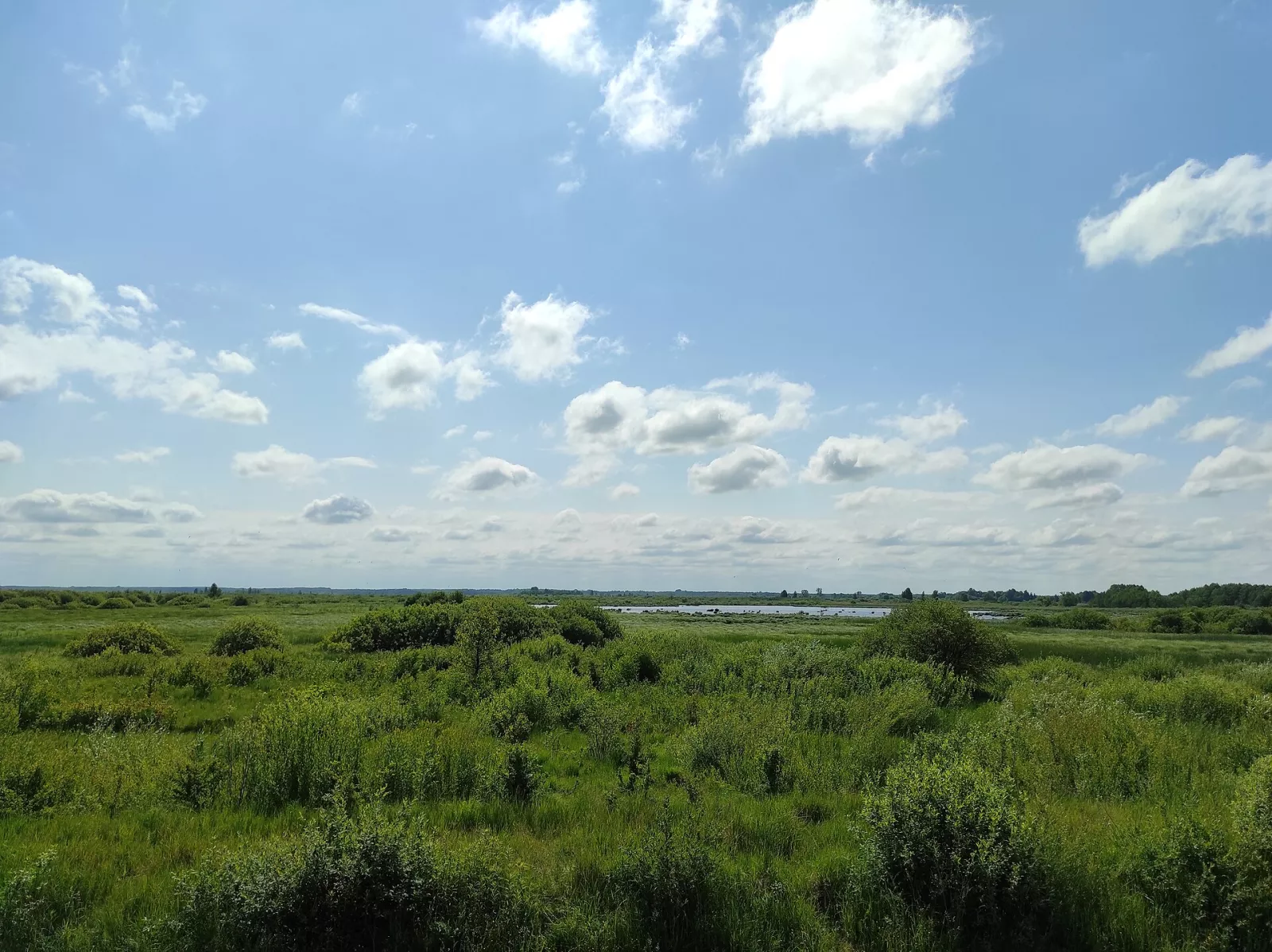
Polesie National Park (Poleski Park Narodowy) was established in 1990 in the very heart of the lakeland; its headquarters are in Urszulin. The park protects peat bogs, wet meadows, alder forests, lakes and ponds. It is home to the European pond turtle, cranes, beavers, moose, and the rare aquatic warbler nests in the Bubnow Marsh. This is best seen from wooden boardwalks and observation towers.
The park's main nature trails include:
- "Czahary" — across boardwalks and dikes through the Bubnow Marsh with observation towers; the best for birdwatching.
- "Dominik Oak" (Dąb Dominik) — through forest, peat bog and a boardwalk to Lake Moszne with its floating peat shore.
- "Spławy" — through forests and bogs to Lake Łukie with an observation tower.
- "Perehod" — a long trail through the park's forests, meadows and ponds.
- "Mietiułka" and "Insurgent Camp" (Obóz Powstańczy) — shorter routes; the latter leads to the site of an 1863 insurgent camp.
Allow from one to two or three hours for each trail, depending on its length and how much time you spend on the towers. Some trails are paid during the season; tickets and current rules are published on the park's website. You can learn about the bogs and turtles at the museum and educational center before your walk.
Parczew Forests and Sosnowica
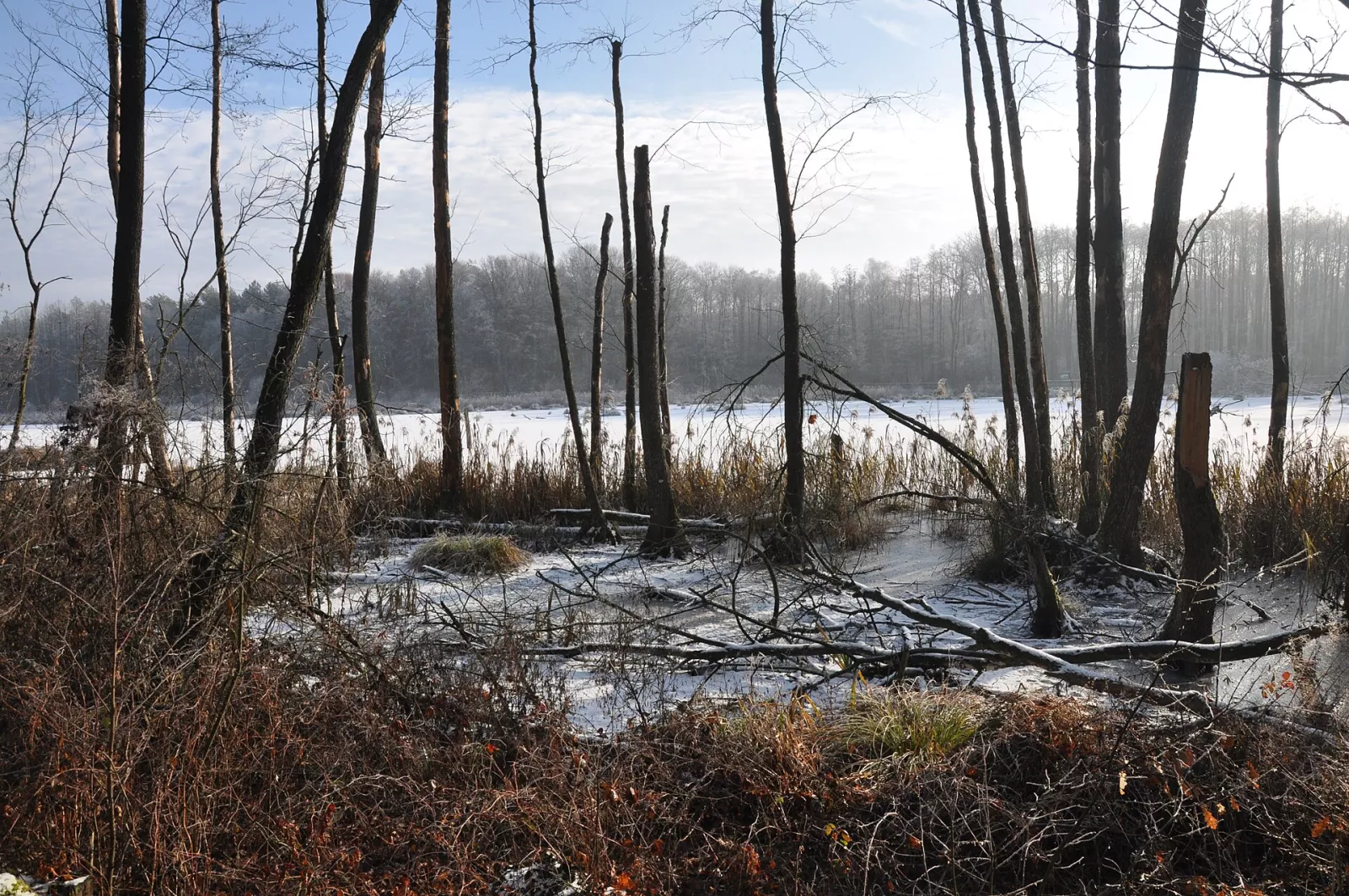
To the west of the lakeland lies the Parczew Plain with its large forest massif, the Parczew Forests. During the Second World War, partisan units operated here, and today it is a quiet region for cycling and mushroom picking, featuring the "Bobrówka" nature trail along beaver floods. In neighboring Sosnowica, a young Tadeusz Kościuszko once worked as a tutor — this is where his unhappy love story with the local magnate's daughter began.
Włodawa — the city of three cultures
Włodawa on the banks of the Bug River—where the borders of Poland, Ukraine, and Belarus meet—best showcases the multiculturalism of Polissia. A few hundred meters apart stand the 18th-century Baroque Great Synagogue (now housing a museum along with the Small Synagogue and the kahal house), the Orthodox Church of the Nativity of the Blessed Virgin Mary, and the Baroque shrine of the Pauline Fathers, the Church of Saint Louis. Every September, the town hosts the Festival of Three Cultures featuring concerts, a fair, and local cuisine.
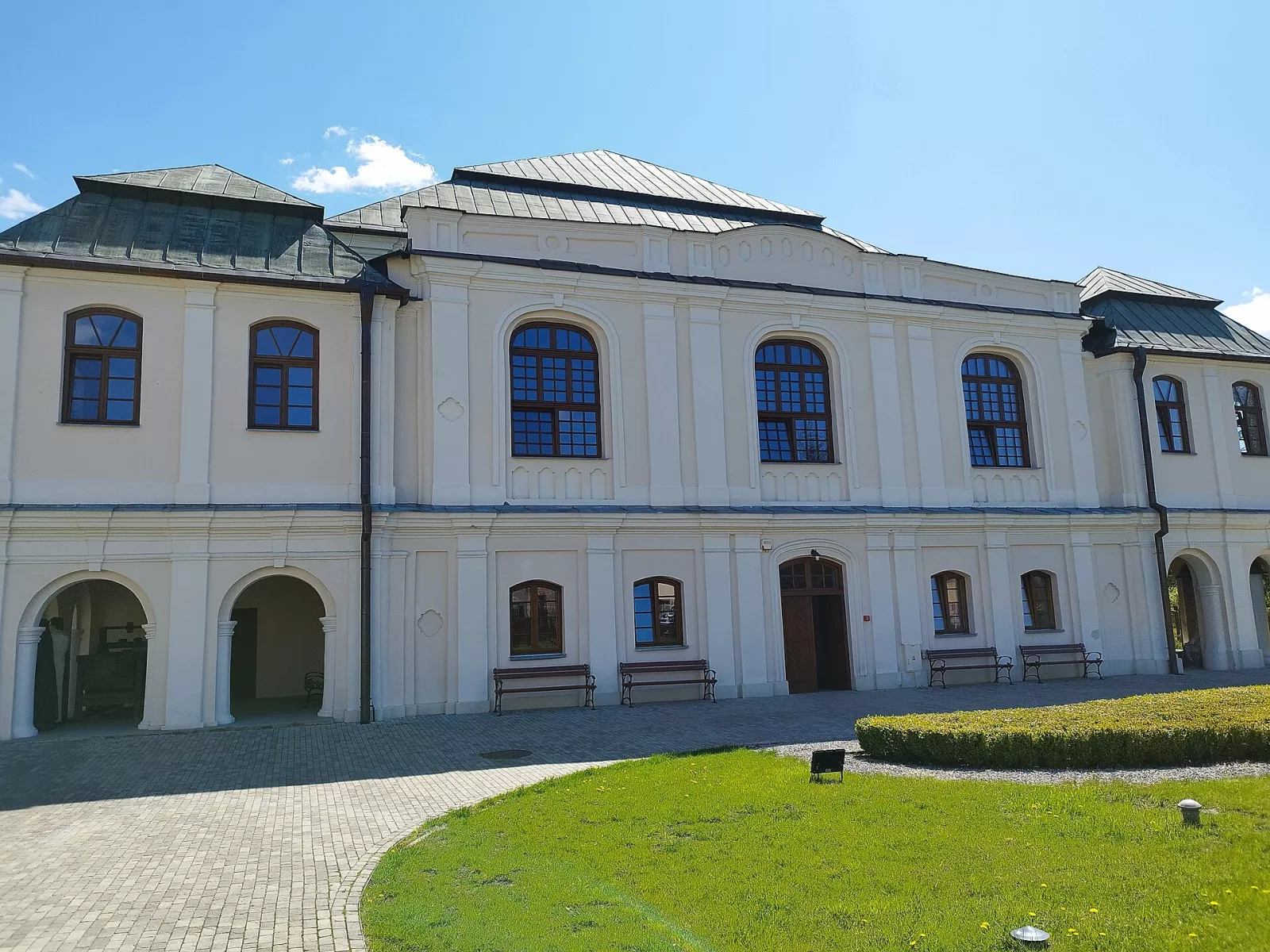
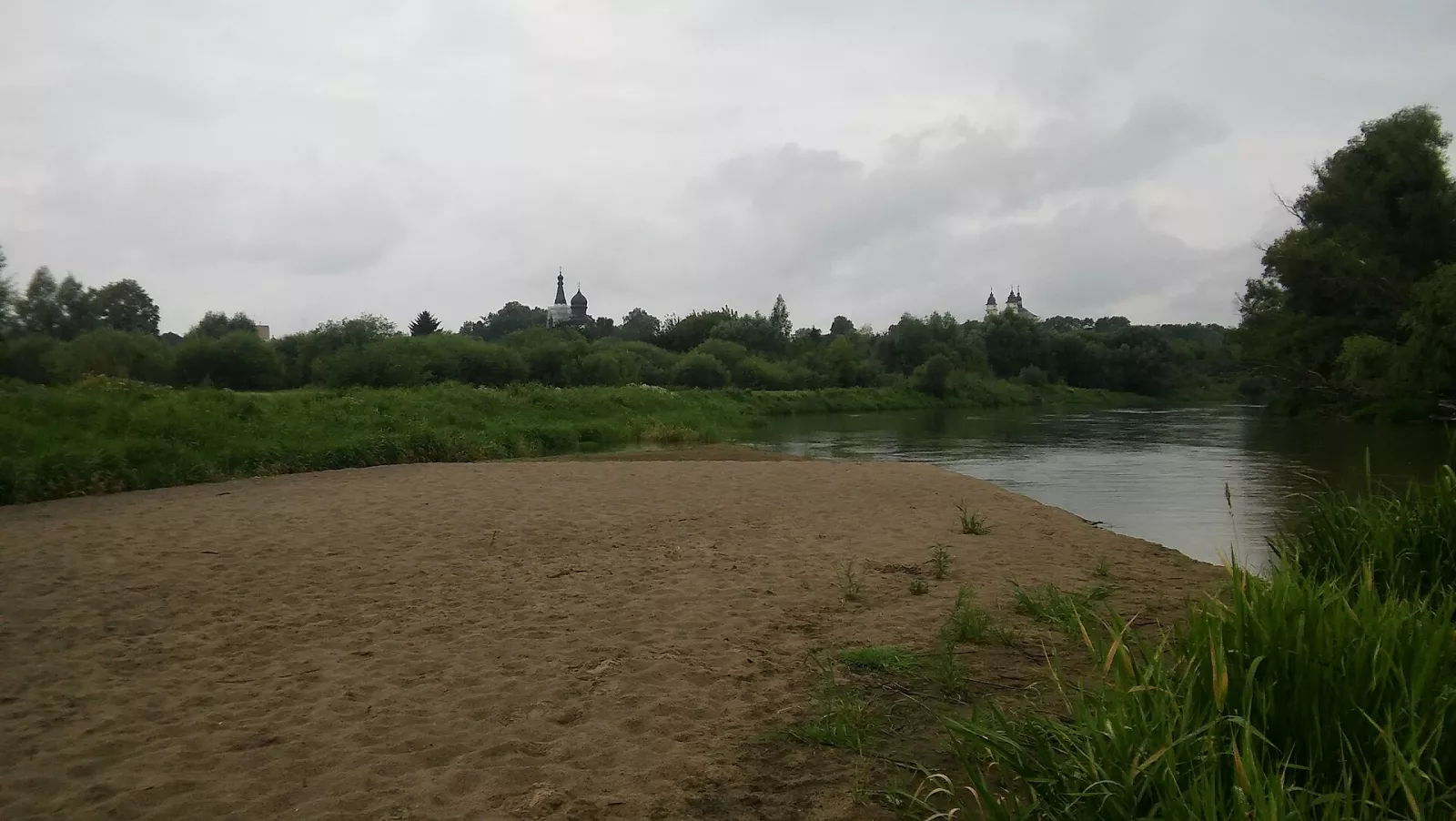
The museum in the synagogues operates on a seasonal schedule (including weekends in summer), so be sure to check the hours before your trip.
Sobibor — a place of memory
In the forests south of Włodawa, on the Włodawa Ridge, the Nazi death camp Sobibor operated from 1942 to 1943. According to various estimates, between 170,000 and 250,000 people, mostly Jews, were killed here. On October 14, 1943, the prisoners staged an uprising, and some of them managed to escape. Today, the site of the camp is home to a Museum and Place of Remembrance with a new exhibition. This is not a tourist attraction, but a place of sorrow: people come here to honor the memory of the victims, and behavior should be appropriate.
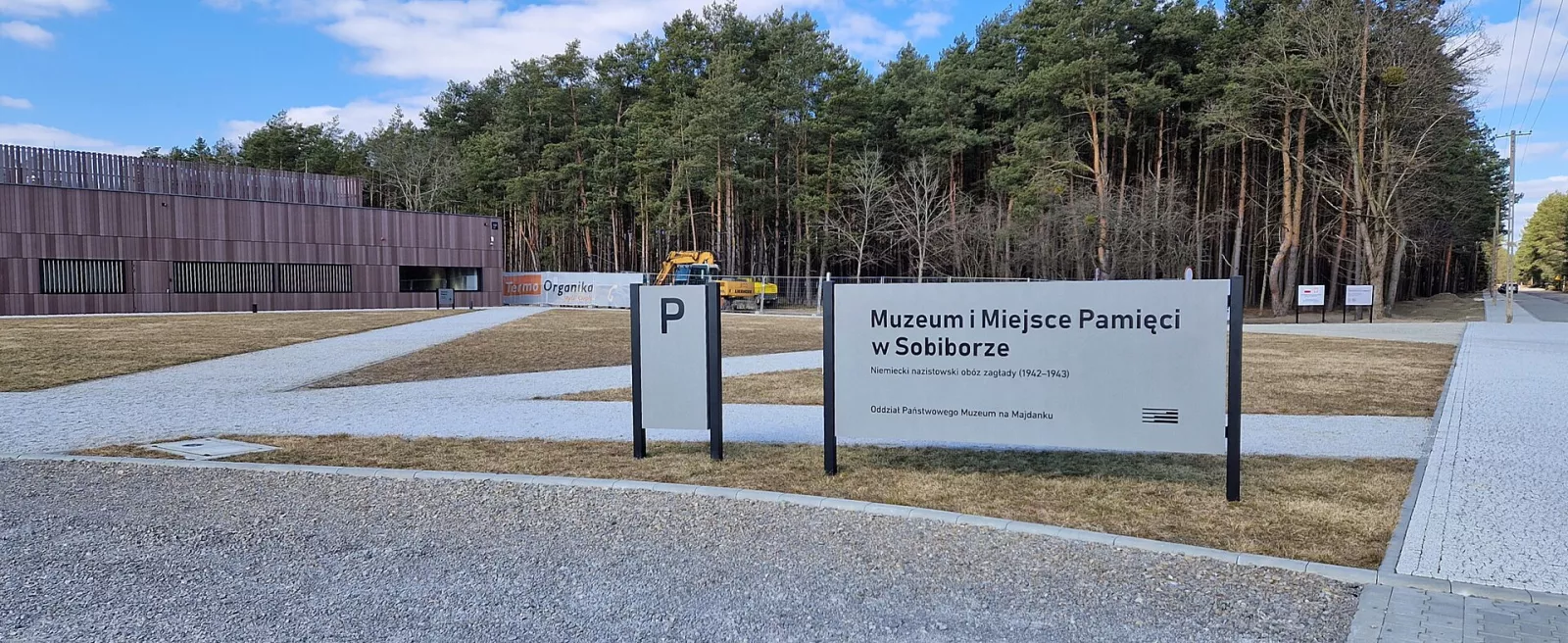
All around is the Sobibor Landscape Park with pine forests, peat bogs, and small lakes.
Chełm and the Chełm Region: the capital of King Danylo
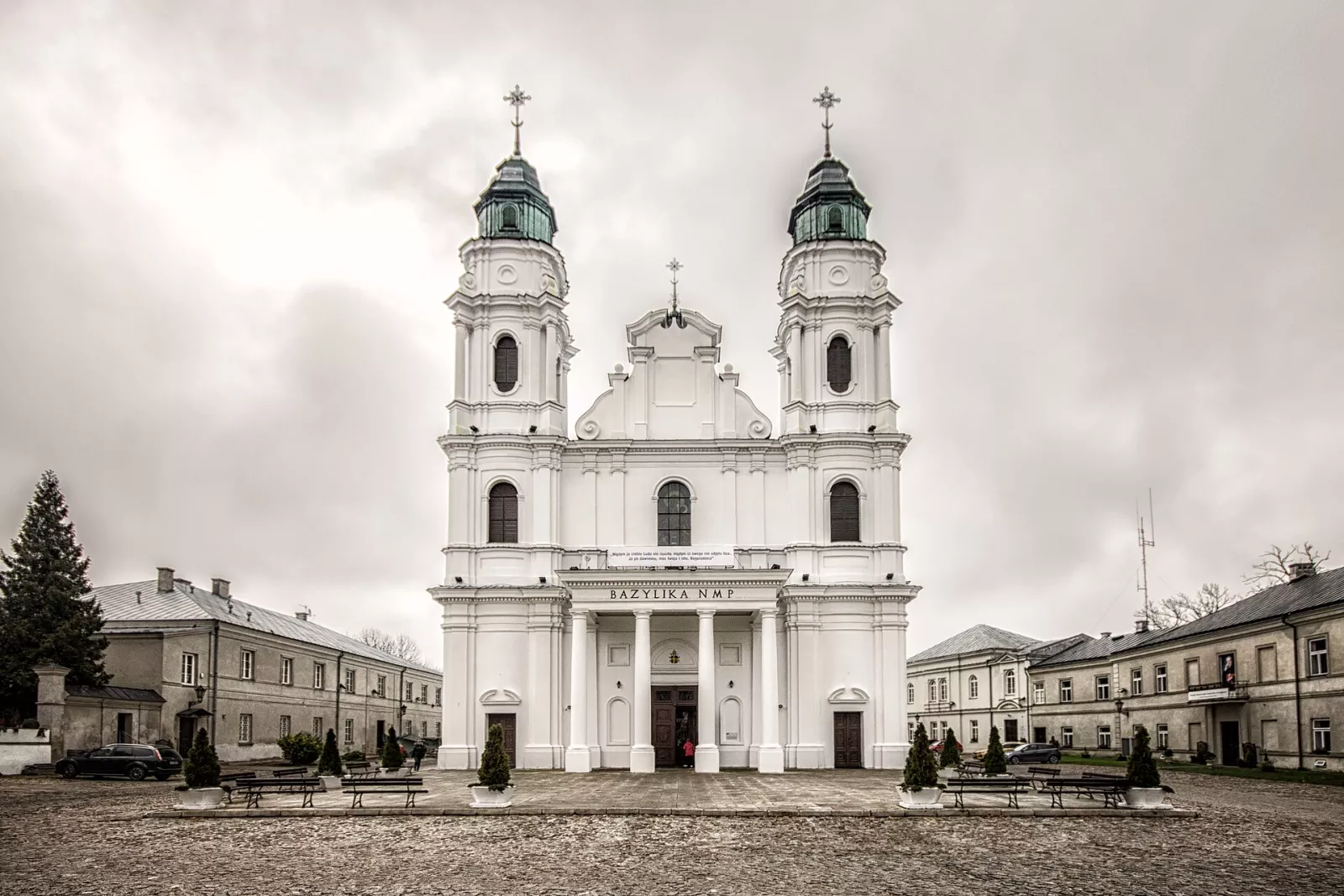
Chełm (Polish: Chełm) is a town on the border of Polissia and Volhynia, and the most important place in Polish Polissia for Ukrainian history. King Danylo Romanov made Chełm his capital, rebuilt it after the Mongol invasion, and was buried here in 1264. On Cathedral Hill, where the ducal court once stood, the Basilica of the Nativity of the Mother of God with its bell tower now rises. Chełm was also the center of the Ukrainian Orthodox Eparchy of Chełm, and the Chełm Region is a historic Ukrainian land.
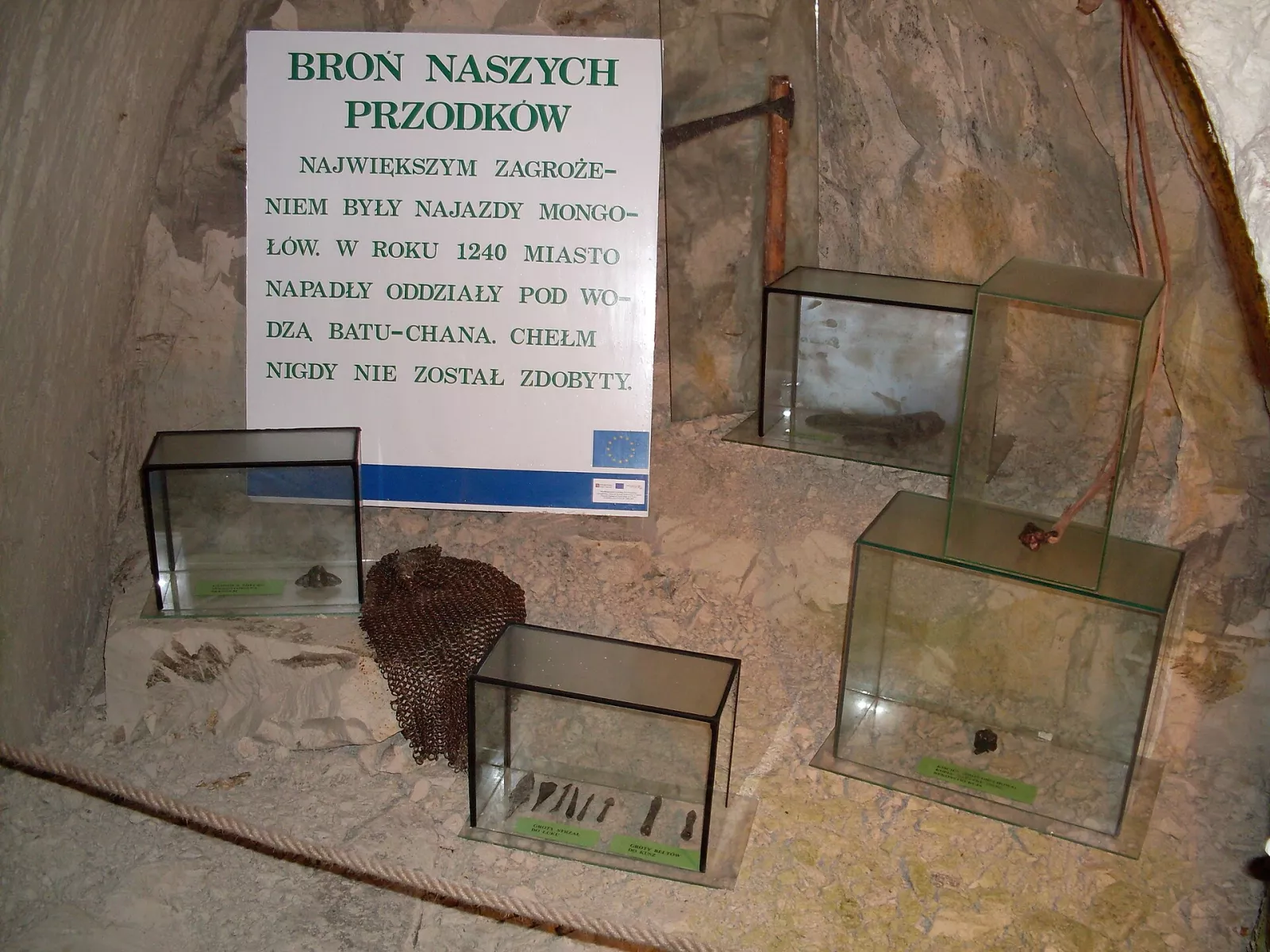
The town's main tourist attraction is the chalk undergrounds: kilometers of old mining tunnels beneath the city center, which offer guided tours at specific times (group bookings are recommended). Near Chełm are the Chełm Hills and a landscape park featuring unique limestone fens, such as the Serebryyske Fen, where rare plants grow.
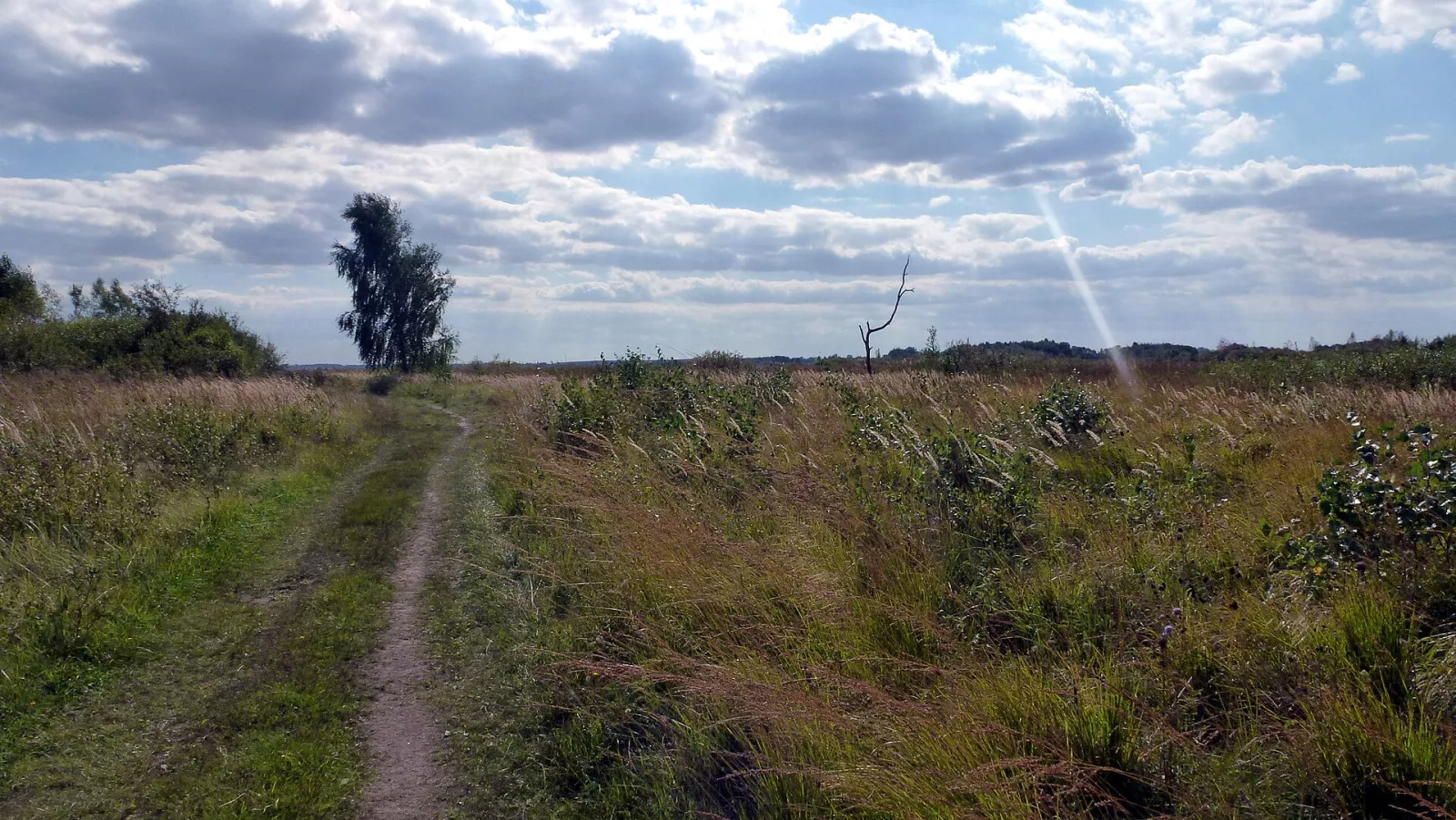
East of Chelm, along the Bug River, lies the Dubienka Basin with floodplain meadows and oxbow lakes; here, in Dorohusk, runs the main road from Volhynia to Poland.
Video: "Chelm: capital of the Kingdom of Rus, which you drove through", Saga UA channel.
Shared nature: "West Polissia" Reserve
The nature of Polissia knows no borders. In 2012, UNESCO approved the "West Polissia" transboundary biosphere reserve, which united the Polish reserve around Polissia National Park, the Ukrainian Shatsk National Natural Park, and the Belarusian Prybugske Polissia. Thus, the lakes near Wlodawa and the Shatsk Lakes in Volhynia are parts of a single natural whole, separated only by the Bug.
Video: "Shatsk Lakes without myths: Mickiewicz, island and quarry", Paralleli channel.
Active recreation
- Bicycle. A flat region with quiet roads; the Green Velo cycling route runs through Polissia, and there are local routes around the lakes and the national park.
- Kayaks. Rafting on the Bug, Wlodawka, and Tysmennytsia rivers. The Bug is a border river, so check the border guard regulations before rafting.
- Horse riding. The Polissia Horse Trail, several hundred kilometers long, leads through the region, and there are farmstays with horses in the villages.
- Birdwatching. In spring and autumn – at the Bubnow Marsh, the park's lakes, and in the Bug River valley.
2–3 day itinerary
Day 1. Polissia National Park. In the morning – the "Chahary" trail (birds are most active at dawn), in the afternoon – "Dominik Oak" or "Rafting". In the evening – swimming and dinner near Lake Biale in Okuninka.
Day 2. Lakeland and Wlodawa. Morning at Piaseczno or Zaglyobochowe, then Wlodawa: synagogues, church, Catholic church, and a walk to the Bug River.
Day 3. Sobibor and Chelm or Koden and Biala Podlaska. The southern option – Sobibor, then Chelm with its chalk dungeons and Cathedral Hill, from there it is close to the border in Dorohusk. The northern option – along the Bug River through Jableczna and Koden to Biala Podlaska; for those interested – Drohiczyn and Grabarka.
The sequence is conditional; check distances and travel time on a map before your trip.
Where to stay and how to get around
Okuninka – for summer recreation by the water (campgrounds, guesthouses, cabins). Wlodawa – to combine urban infrastructure with excursions. Chelm and Biala Podlaska – base cities with hotels, railway stations, and buses. Farmstays near Urszulin and in the villages around the park – for those who want to live amidst nature.
It is most convenient to travel by car: public transport between villages runs rarely. From Ukraine, the nearest border checkpoints are Yahodyn–Dorohusk and Ustyluh–Zosin; Ukrzaliznytsia trains run to Chełm. Tourist infrastructure at the lakes operates mainly from May to September. Border crossing rules and schedules change — check them on official websites.
When to Go
- April–May: floods, bird migrations, awakening of the bogs.
- June–August: warmth, lakes, berries, long days. Prepare for mosquitoes and horseflies.
- September–October: mushrooms, quiet forests, golden birch and alder leaves, Festival of Three Cultures in Włodawa.
- Winter: uncrowded and peaceful, but some establishments operate on a reduced schedule.
Practical Tips
- Border with Belarus. Along the Bug River on the section with Belarus, border restrictions are in effect — do not enter closed zones and keep your documents with you.
- Park and museums. Some trails are paid, and museums operate on a seasonal schedule — check with official websites.
- Gear. Waterproof footwear, repellent, binoculars for bird watching.
- Respect for shrines. Grabarka, Kodeń, Sobibor are places of prayer and memory, not just "points on a map".
Conclusion
Polish Polissia does not promise loud impressions. It offers something else: wet meadows at dawn, mirror-like lakes, towns where two or three cultures live side by side, and the feeling that across the Bug River begins that same Polissian world, just under a different flag. And for a Ukrainian, this is also a journey into their own history — to Chełm and Drohiczyn, where the fate of Rus once was decided.
Read about the other side of the border in the article «Belarusian Polissia: Prypyat, Bogs and Ancient Cities», and about Ukrainian Polissia in our guidebook.
Videos in Polish and English
Video: «Co zobaczyć na Lubelskim Polesiu? Najlepsze atrakcje i ciekawostki», KamperManiak channel (in Polish).
Video: «Poleski Park Narodowy. Ścieżki Spławy oraz Czahary», wczasy bez kasy channel (in Polish).
Video: «Poleski National Park — A Must See Place in Poland», mj travel channel (in English).