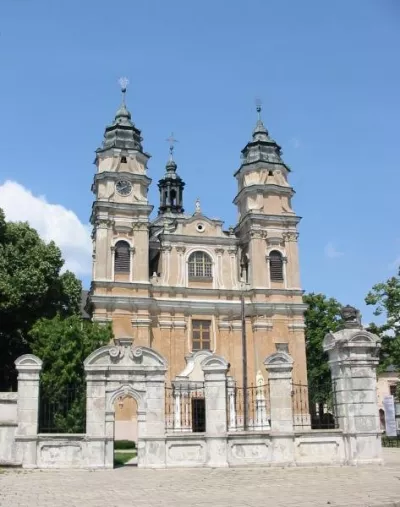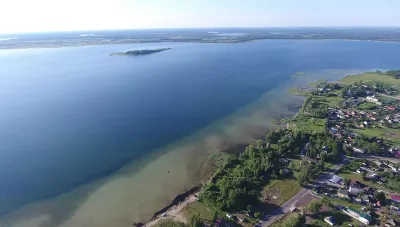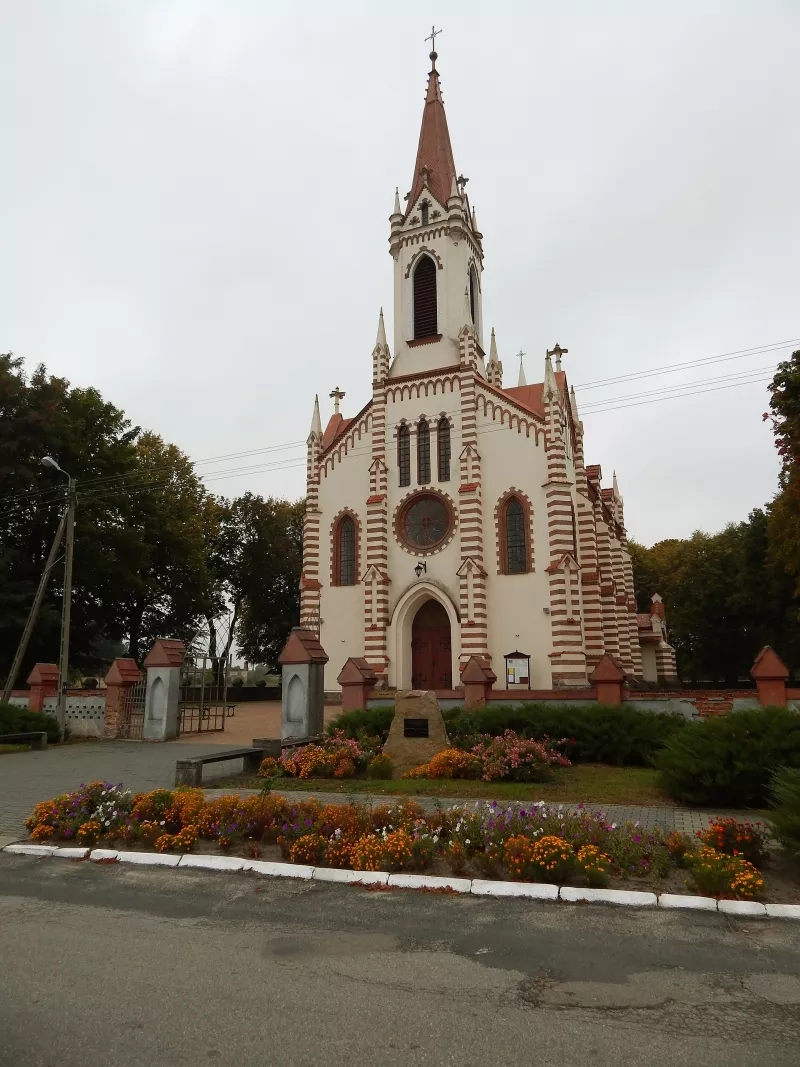
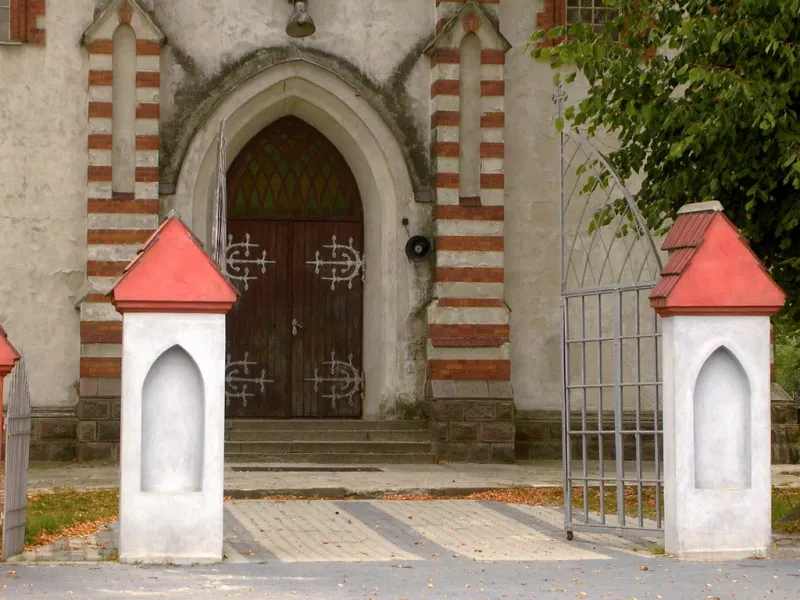
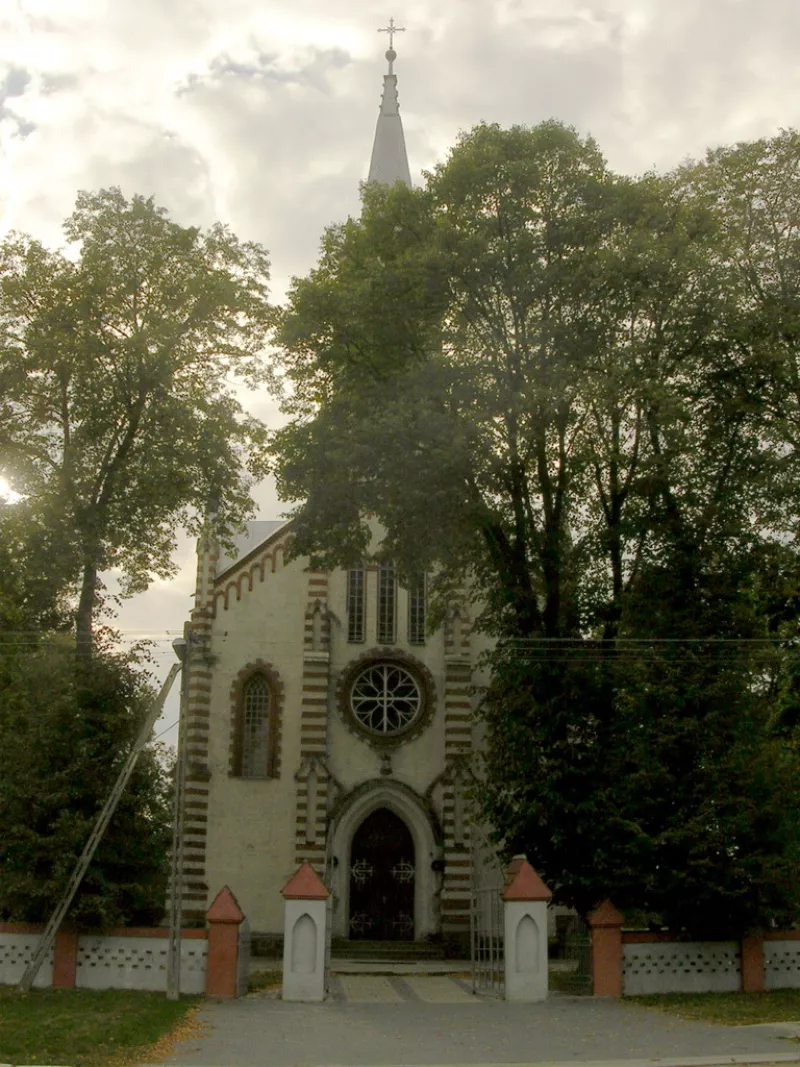

The Church of Saint Augustine in Różanka is a Neo-Gothic brick church in a former town on the Bug River, 8 km north of Włodawa. The tall tower with a sharp spire is visible from the road along the river. The church stands in the former Zamoyski palace complex, of which the park, outbuilding, and garden pavilion remain. Across the Bug is Belarus.
The Town of Pociej
Różanka was founded in 1506, and until the mid-19th century it was a town that competed with neighboring Włodawa. It was owned by the Ostrożecki, Pociej, Fleming, Czartoryski, and later Zamoyski families. Some historians believe that this is where Adam Pociej was born — the castellan of Brest and later, under the monastic name of Ipatiy, the Uniate Metropolitan of Kyiv, one of the creators of the Union of Brest in 1596.
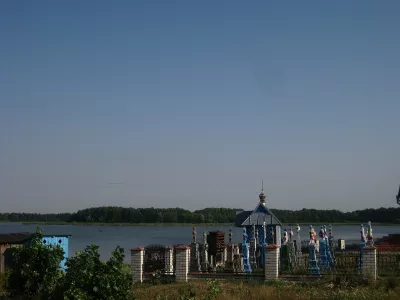
For a long time, the Greek Catholic Church of Saint Elijah stood in Różanka, which was endowed with an estate in 1757 by Antoni Pociej. In 1875, when the Russian authorities liquidated the Chełm Uniate Eparchy, the church was transferred to the Orthodox community. A ruined wooden chapel still stands in the local cemetery, which was once Uniate and later Orthodox.
Construction with a Lawsuit
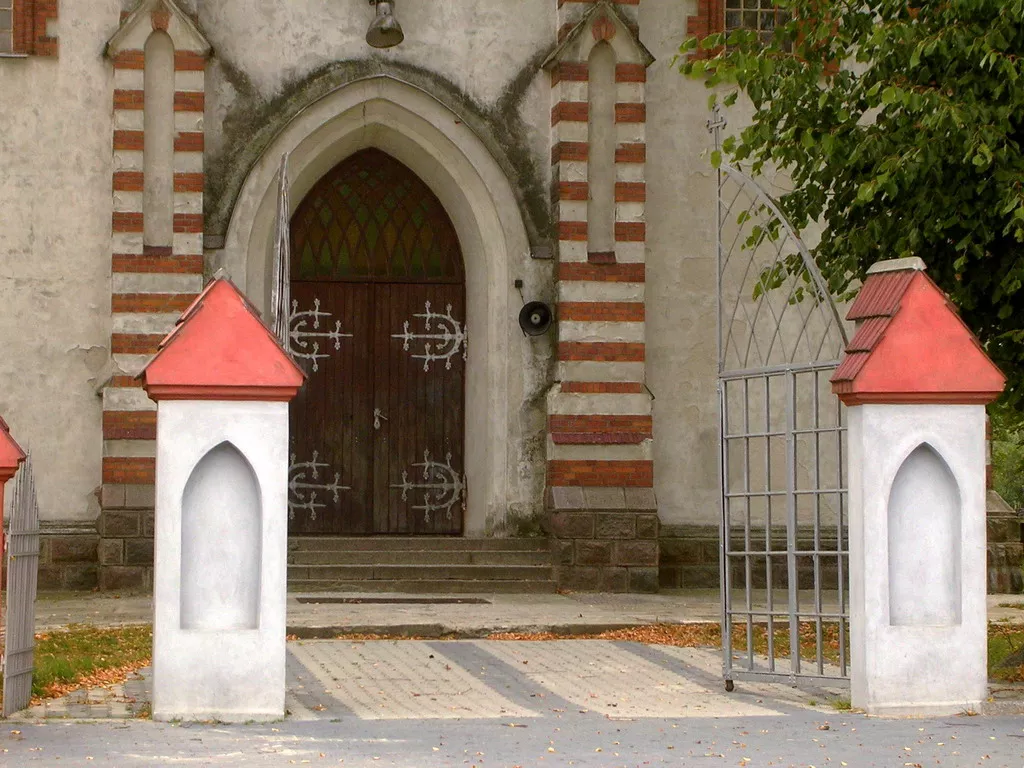
The Catholic church was built in 1908–1913 at the expense of the estate owners August and Róża Zamoyski with the participation of local peasants. The project was commissioned from Warsaw architect Ksawery Dionizy Makowski, but later changed without his consent. The architect sued Zamoyski, and work stopped in 1910. Construction resumed in 1912; after Makowski's departure, it was completed by Radzyń Podlaski county architect Jan Olearski. According to the original plan, only a part of the walls had time to be built.
Finishing work lasted until 1915, and during the First World War the church suffered from artillery fire and almost collapsed. In the same year 1915, the Zamoyski palace burned down. The church was consecrated in 1919, the parish was founded at the same time, and a major overhaul was carried out in 1929.
What is Inside
The church is three-aisled, hall-type — all aisles are of the same height. Unusually, the altar faces west rather than east. The decoration is almost entirely Neo-Gothic, but there are also older items: Late Baroque figures of the Apostles Peter and Paul from the mid-18th century in the main altar, a copy of the icon of Our Lady of Kodeń, a Rococo organ case brought after the Second World War from Lower Silesia, and a wooden-carved image of the Mother of God with Child glorified by the Polish eagle.
How to Get There
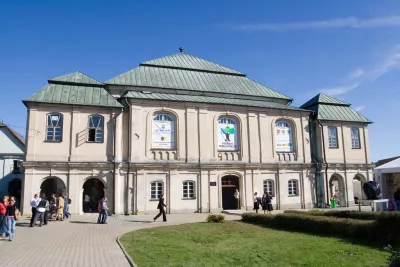
From Włodawa to Różanka it is about 8 km north along road 816 along the Bug. From Chełm it is approximately 60 km. For Ukrainians, this is Poland, a foreign passport is required. Near the border with Belarus, do not enter closed border zones. Further along the same road are the church in Dołhobrody, the former church in Lack, and the wooden church in Hanna. In Włodawa, it is worth seeing the Church of Saint Louis and the synagogues. More broadly about the region, read the article Polish Polissia.