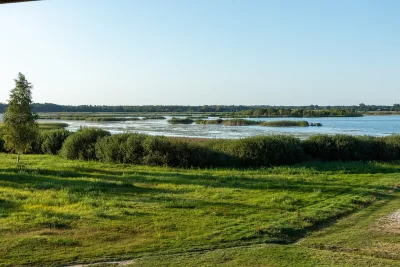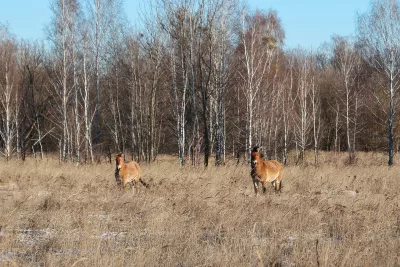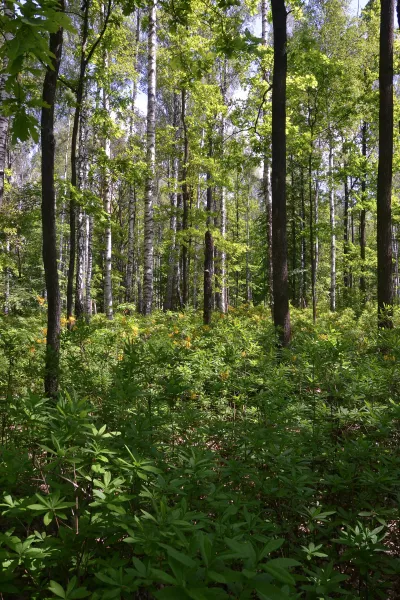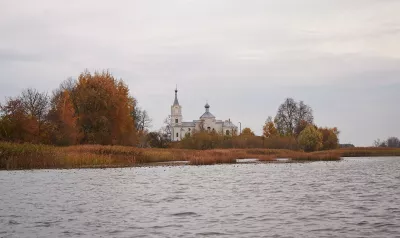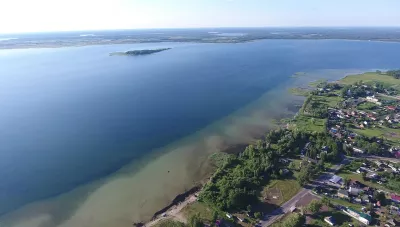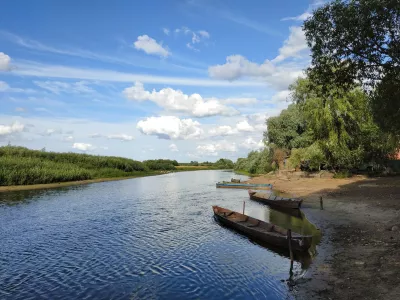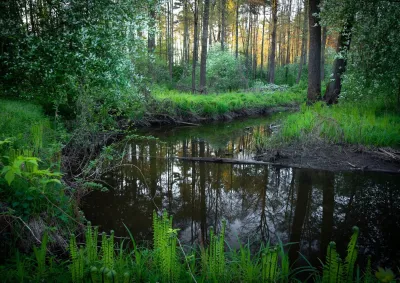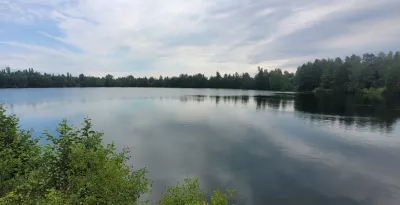
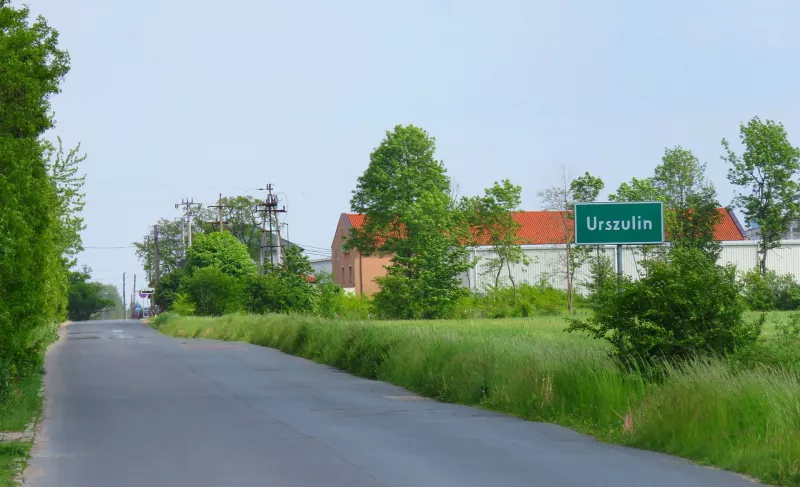

On the left bank of the Bug, already in Poland, lies the westernmost patch of Polissia — Lublin Polissia (Polesie Lubelskie) with its main town of Włodawa. The lakes, flood meadows, alder forests, and peat bogs here are just like those in Volhynia across the river, and the villages once lived to the same rhythm: haymaking, livestock, fishing, and the forest. This story is about several villages around Urszulin: Wytyczno, Zawadówka, Dębowiec, Stare Załucze, and Michałów. It is about where they came from, how people lived here, and what can be seen of that today.
Read more about the entire region — the lakes of the Łęczna-Włodawa Lake District, Włodawa, Chełm, and Kodeń — in our article «Polish Polissia: a journey between the Bug and the lakes».
At a glance
- Where: Urszulin gmina in Włodawa County, eastern Lublin Voivodeship, between Łęczna and Włodawa.
- Nature: Polesie National Park, Lake Wytyczno, Bubnów Marsh.
- Villages: Wytyczno with old houses and a church, Zawadówka with the last windmill, and the colonist settlements of Dębowiec, Stare Załucze, and Michałów.
- What to see: the reconstructed "Polissian Village" homestead, the park museum in Stare Załucze, wooden churches, old cemeteries.
- For Ukrainians: the history of the Chełm region — Uniates, Orthodox parishes, and the deportations of 1944–1946.
Land of lakes and bogs
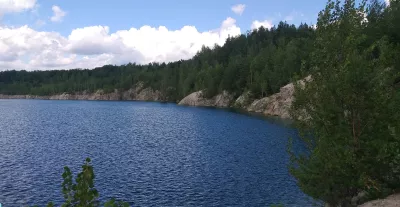
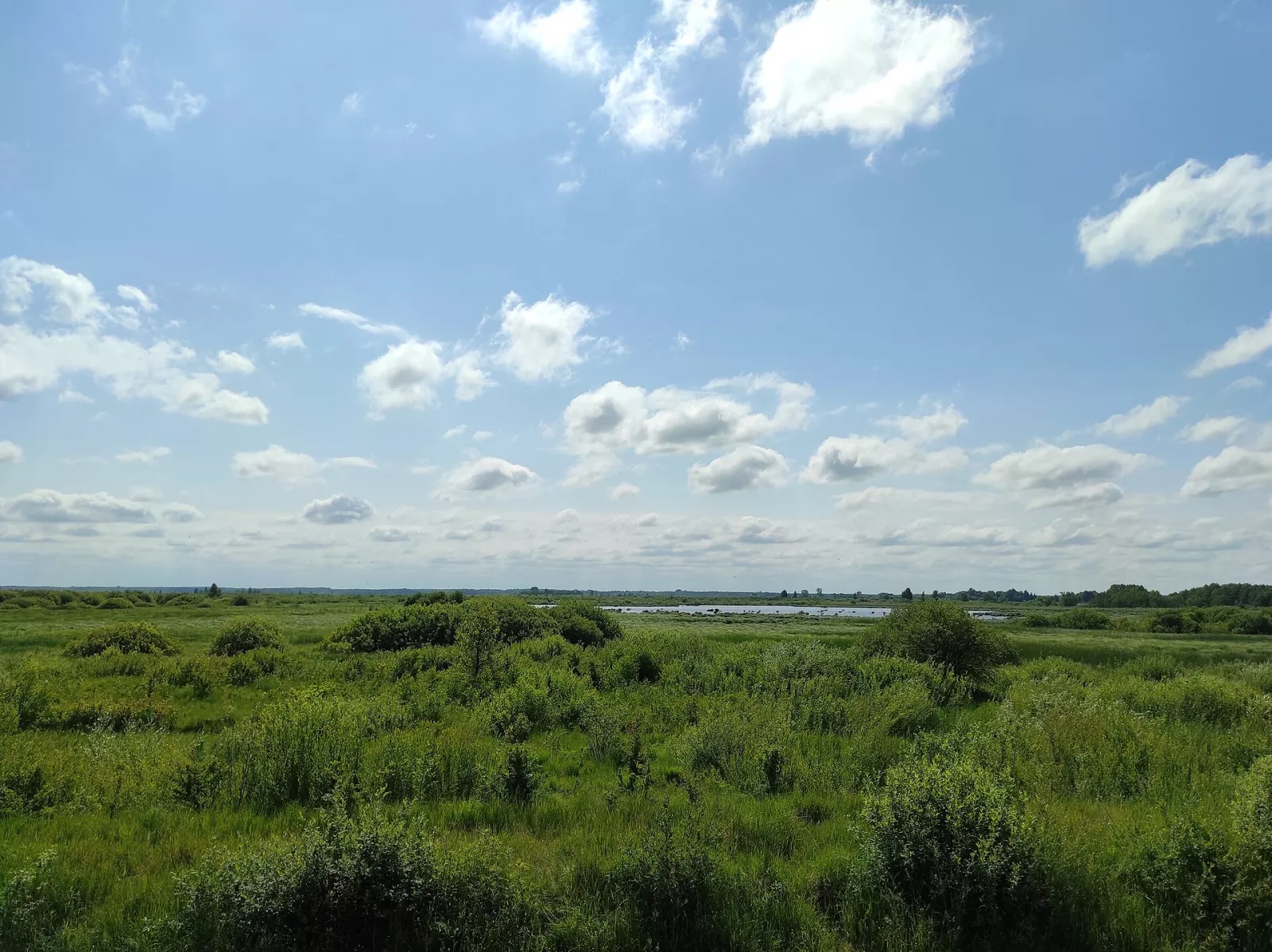
The soils here are poor, the population is small, and plants that better suit the polar tundra grow in some places on the wet peat bogs. Wytyczno is surrounded on all sides by bogs, lakes, and forests, and for a long time, the only road through this belt of bogs was the Lublin–Włodawa route. Nearby lies Lake Wytyczno — the largest body of water in the Łęczna-Włodawa Lake District: following works in 1975, its area was increased from 270 to 550 hectares.
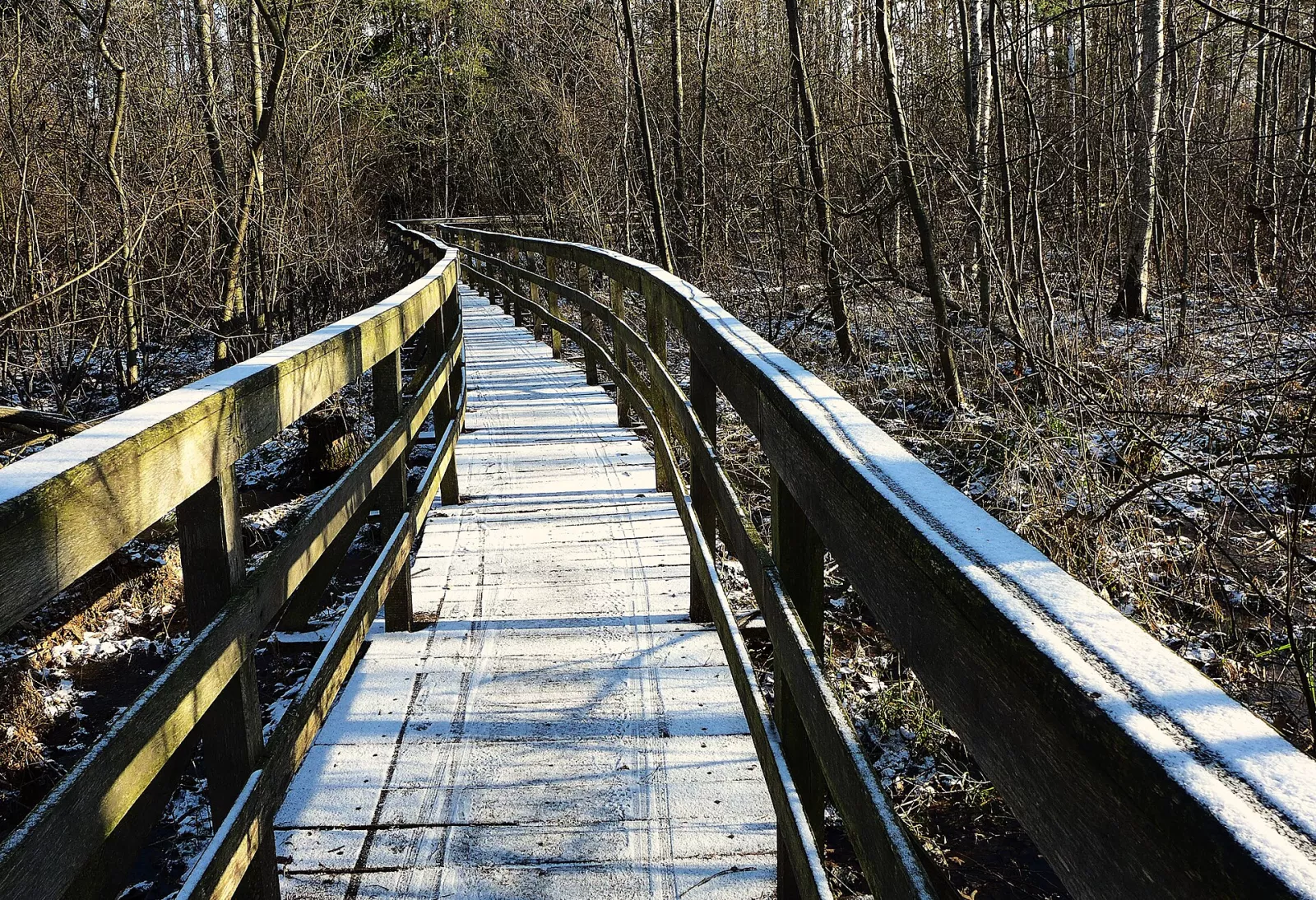
Almost the entire Urszulin gmina is occupied by Polesie National Park (Poleski Park Narodowy). It was established on May 1, 1990, to preserve the bog and peat ecosystems, and the park directorate operates right in Urszulin. These landscapes are best viewed from the wooden boardwalks and observation towers along the park's trails.
Villages and their history
The villages of the gmina are very diverse in their origin. Some grew from forest settlements of tar-burners and ash-burners, others along old trade routes, and still others were founded by settlers from German lands.
Wytyczno
Wytyczno (Wytyczno) is first mentioned in the 15th century. The village lay at the crossroads of routes along which cattle were driven from Warsaw to Kyiv and from Lublin to Łuck. Therefore, blacksmiths, shoemakers, weavers, cartwrights, and wheelwrights settled here, inns operated, and Poles, Ruthenians, Germans, and Jews lived nearby. Every year, flocks of sheep, herds of horses, and cattle were driven from Volhynia through Wytyczno to the large fair in Łęczna, and merchants on their return journey sold jewelry and fabrics to locals. Charcoal for the numerous smithies was burned by tar-burners and ash-burners from neighboring Wólka Wytycka.
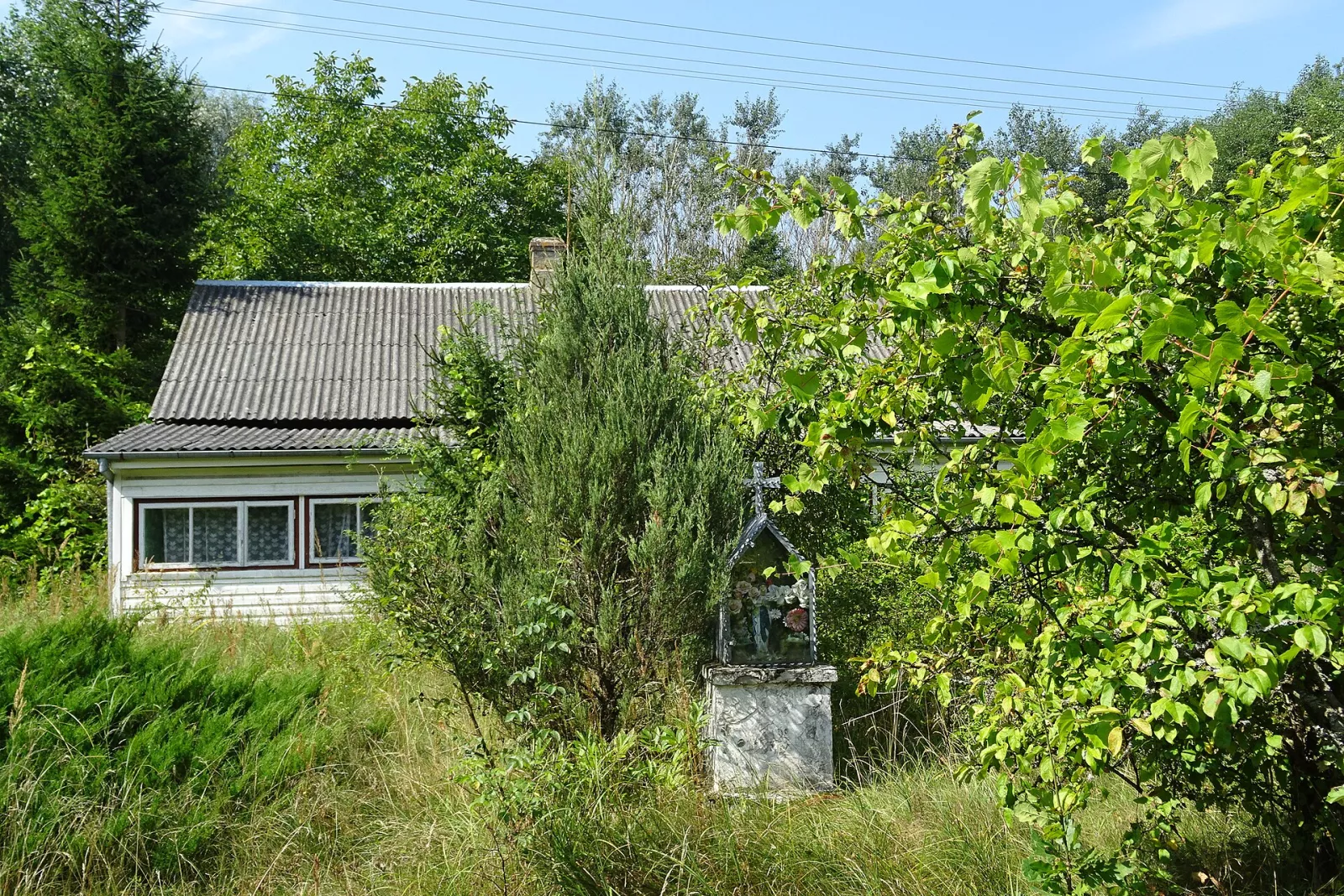
In August 1915, retreating Russian troops burned the village down along with its church: only the school, the priest's house, and one homestead survived. The houses standing here today are mostly pre-war. They were built with their gable facing the street with front gardens planted before them, and drying sheds can still be seen near the yards: Wytyczno was famous for its tobacco.
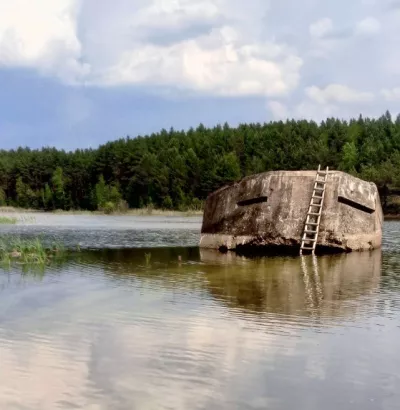
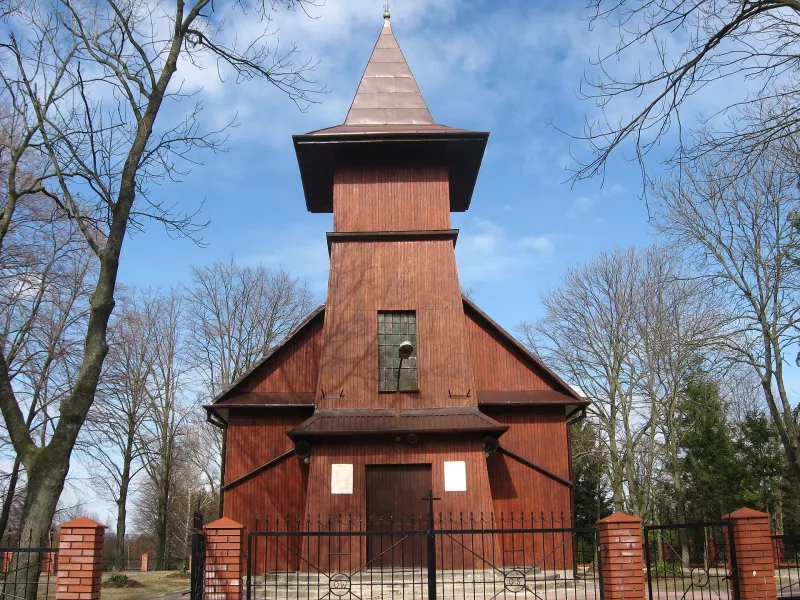
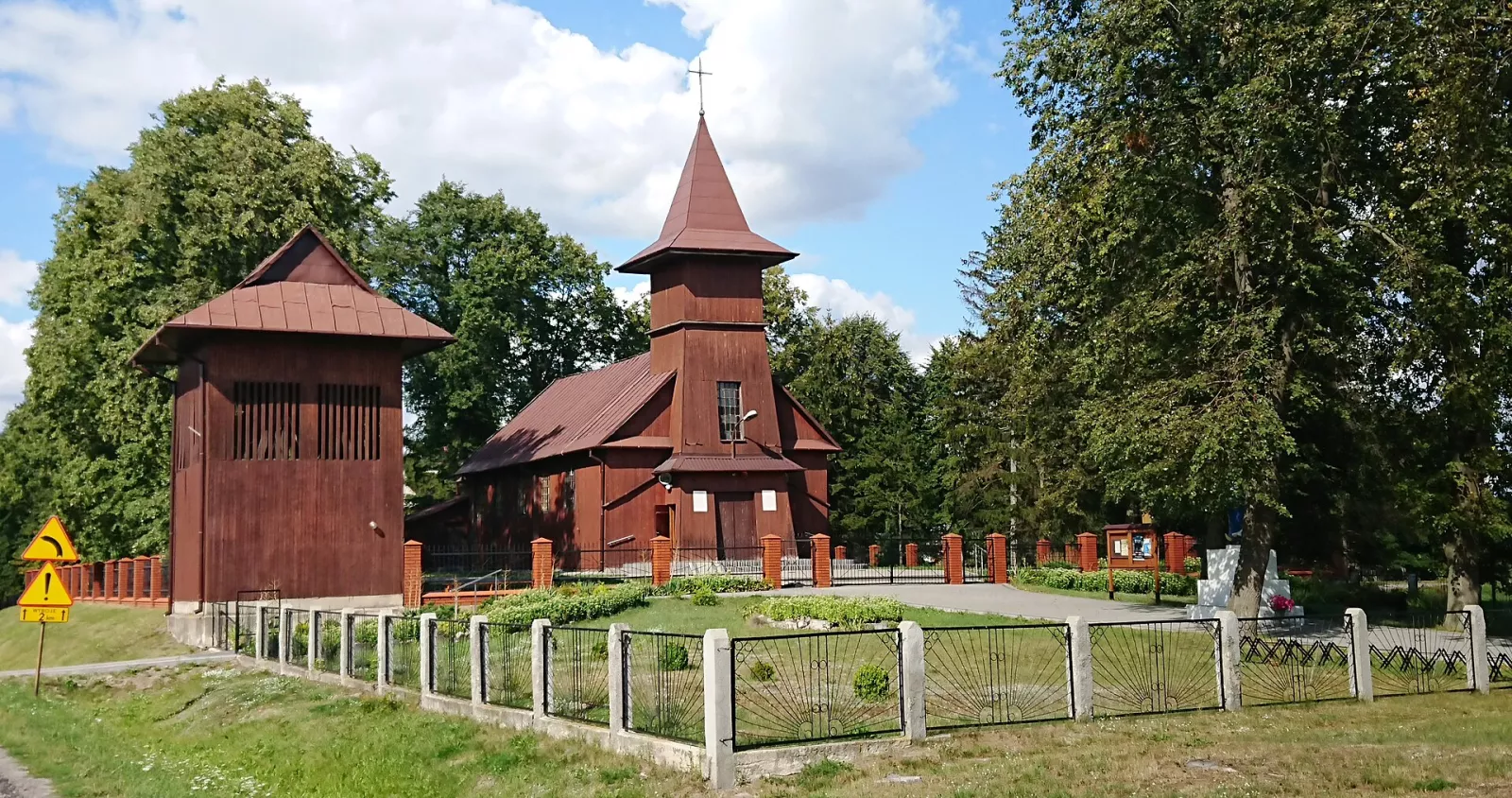
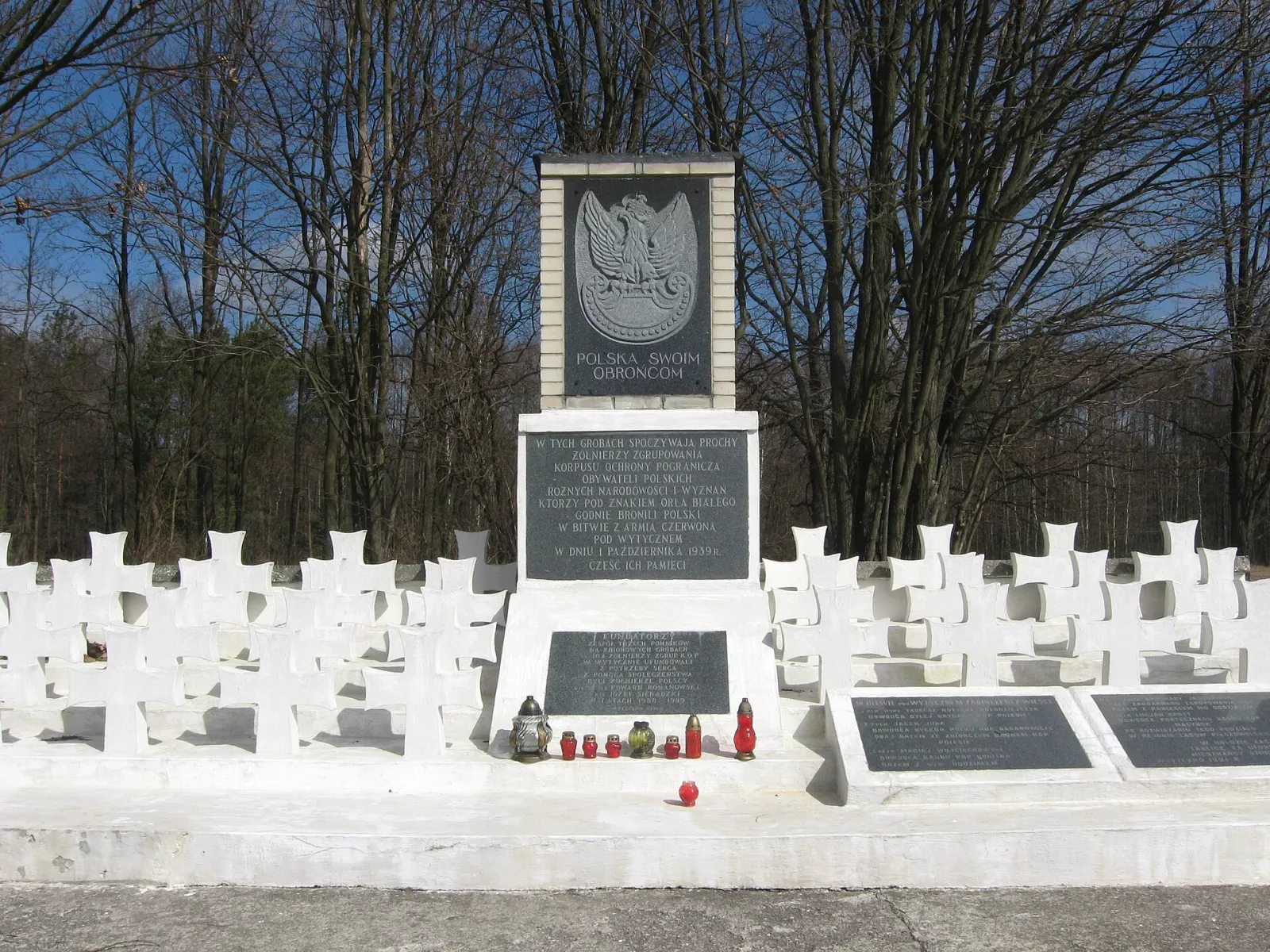
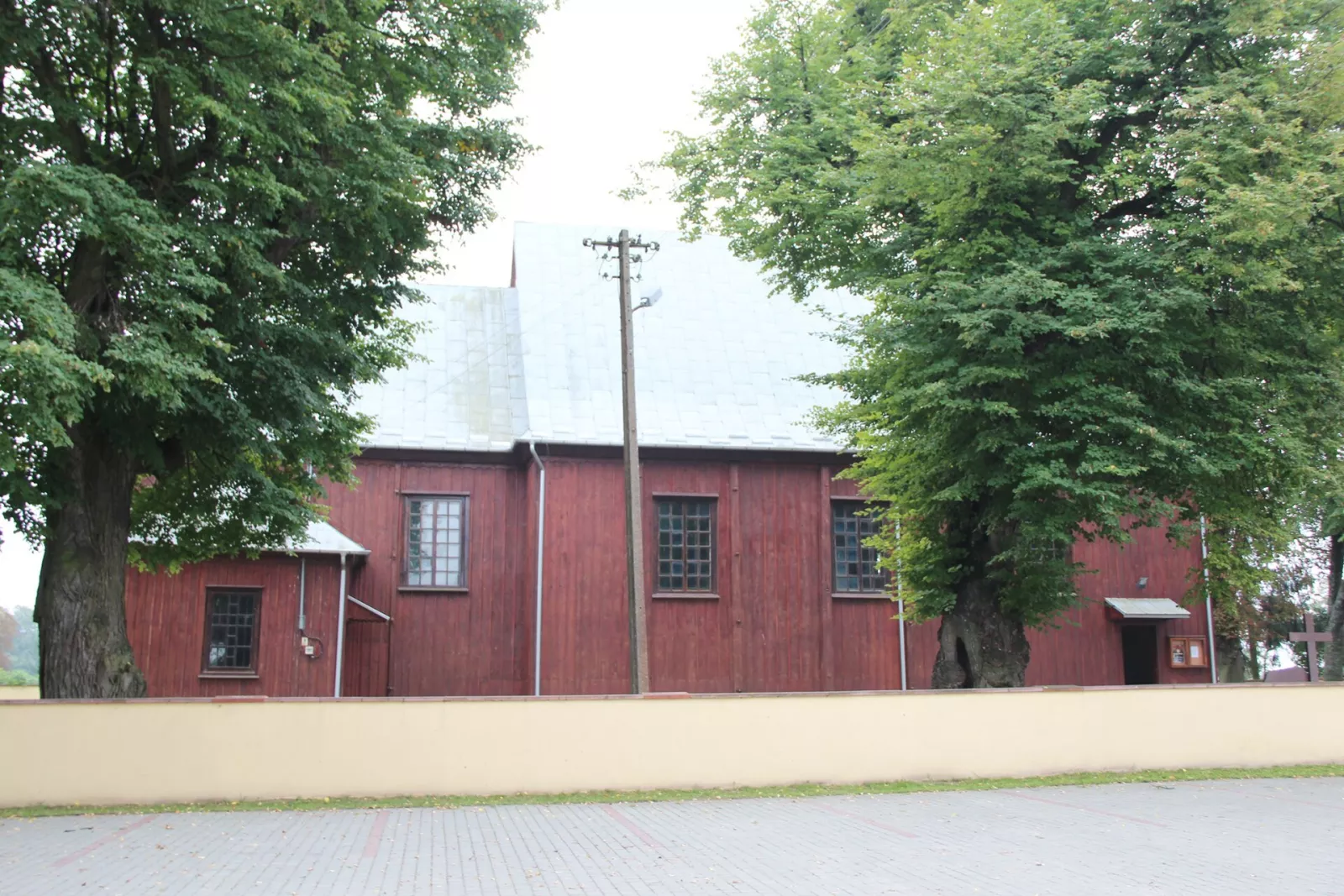
The parish church of Saint Andrew Bobola has an unusual history: it is a former Evangelical church from neighbouring Michaliv, which was bought, dismantled, and moved to Vitychne in 1947. At the edge of the village, there is a monument and a cemetery for the soldiers of the Border Protection Corps (KOP) who fought here against the Red Army on October 1, 1939.
Zavadivka
Zavadivka (Zawadówka) first appears in the tax register of the Chełm Land in 1775. After the uprising of 1863, there were 16 houses and 160 residents here; a fire in 1908 destroyed half of the village, and in 2010 it had a population of 139. Nearby, in Dembiny-Luki, lived the estate owners Ułasiński, who earned a living from lake fish and rented out about a hundred hectares of meadows to locals. Due to a conflict with the Ukrainian residents of Zavadivka, transporting fish through the village became difficult, so the Ułasińskis built their own dam along the lake to Zaluchchia.
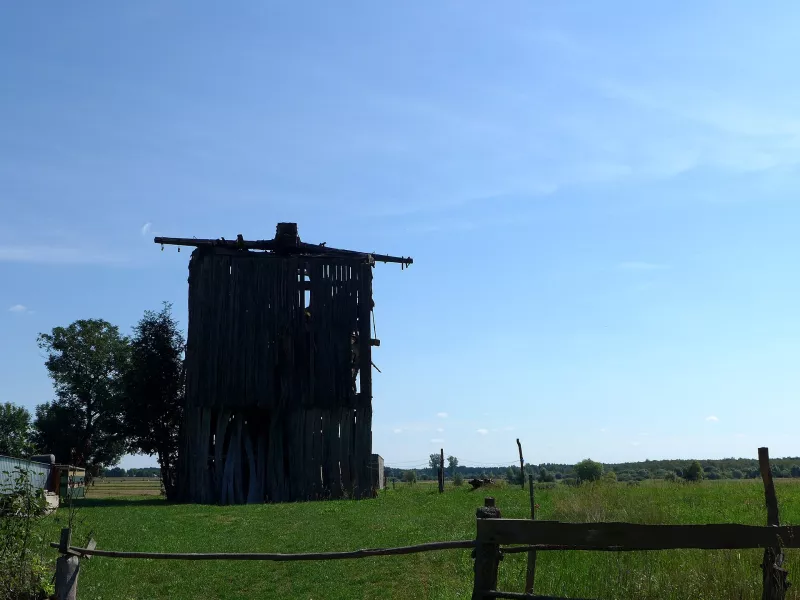
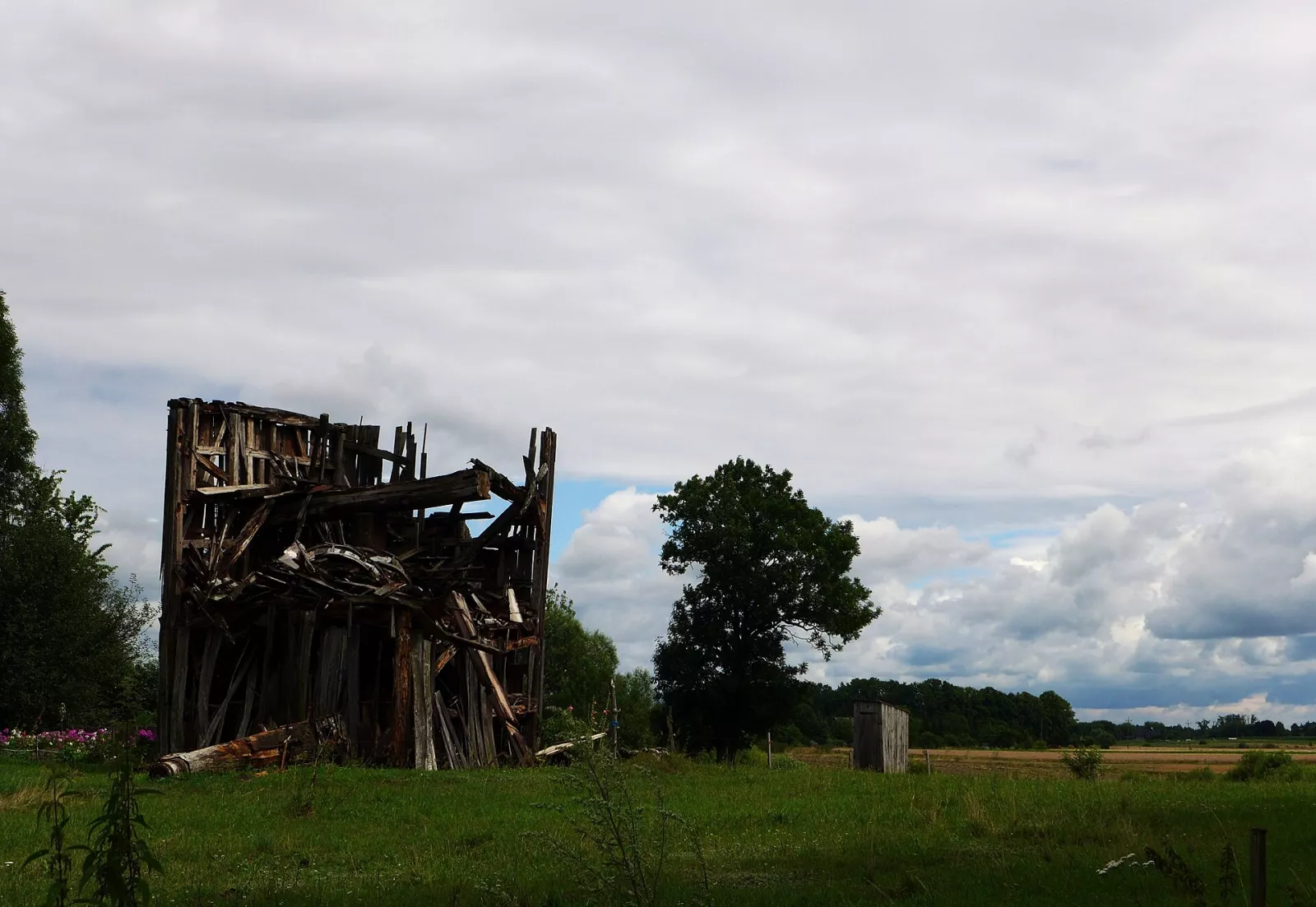
The village's main landmark is a wooden post mill, the only one in the gmina that has survived to this day. It leans noticeably, so do not get too close to it.
Dembovets
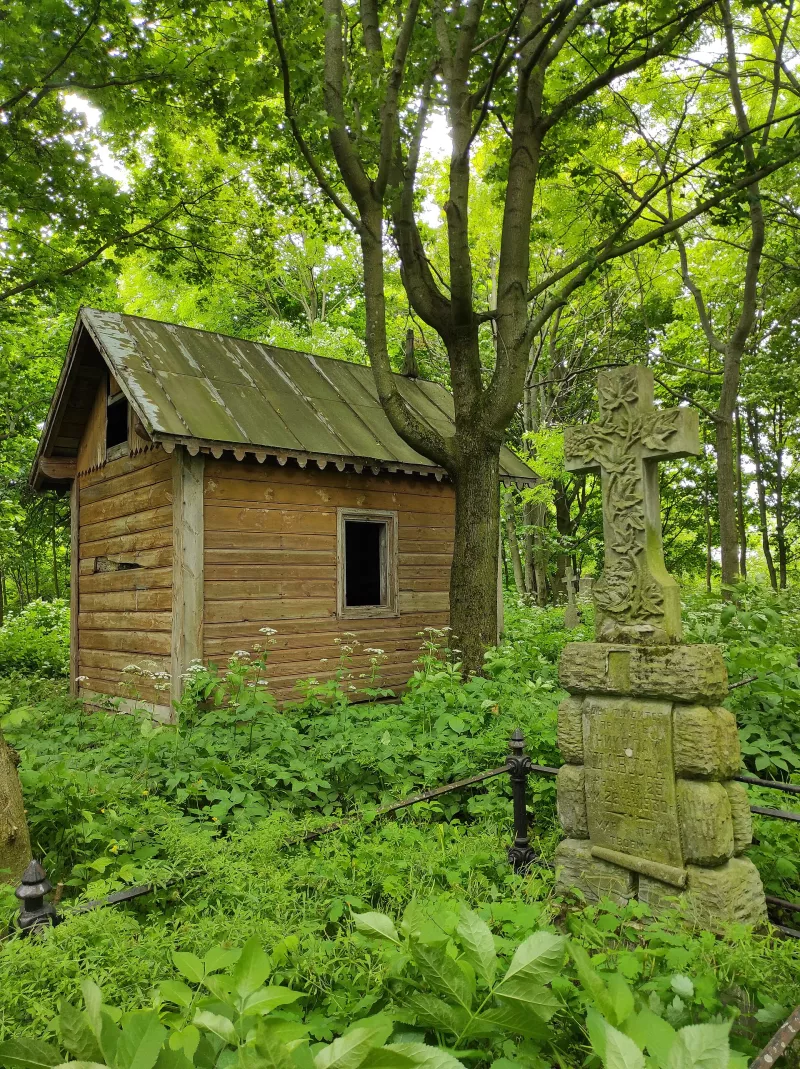
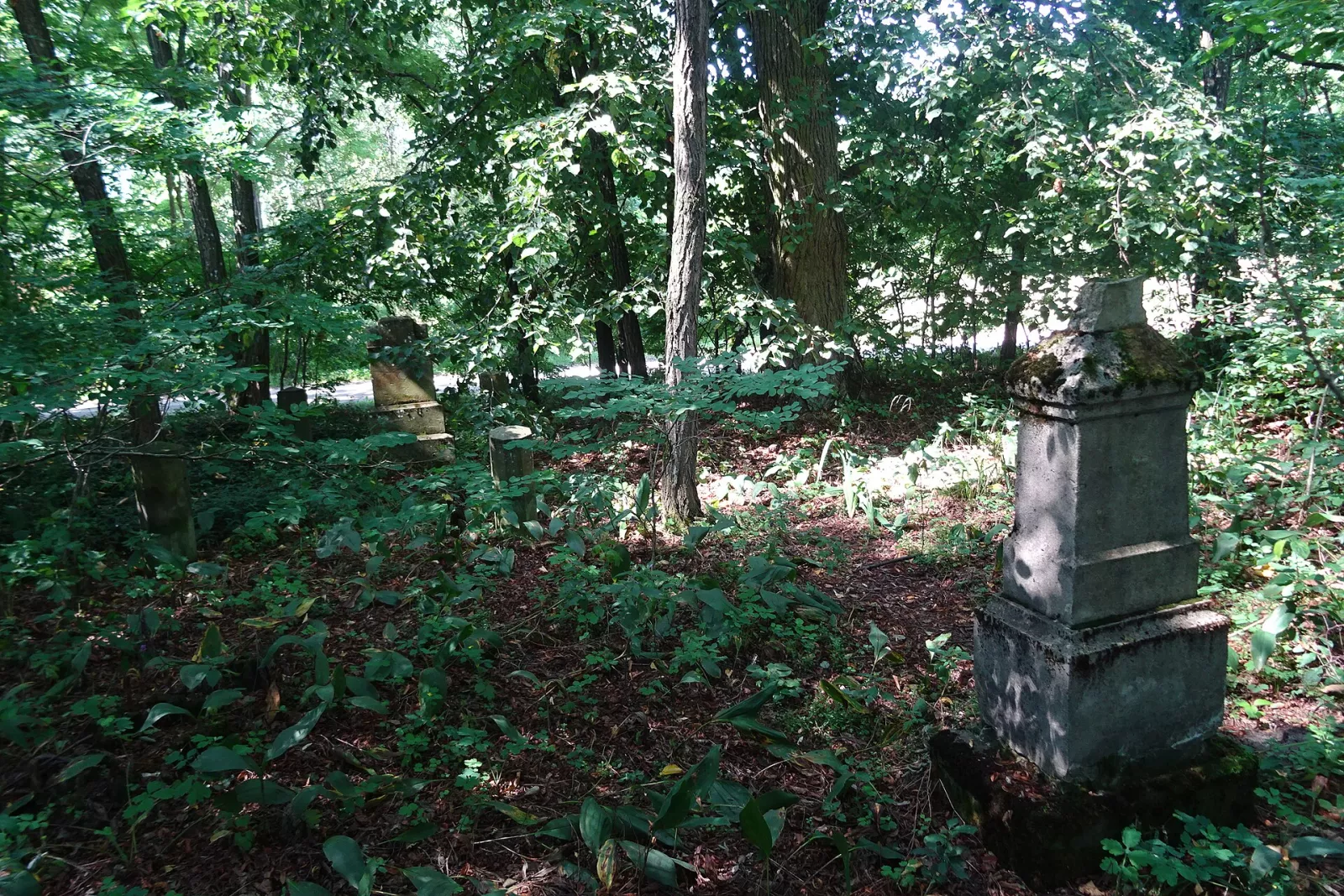
Dembovets (Dębowiec) began as the forest settlement of Buda Dembovets, where potash burners lived in the early 19th century. Around 1828, German colonists arrived on the lands of the Wereszczyński family, and by 1929, 25 German families made up 70% of the residents. As early as 1838, the village had a house of prayer, a chapel, and a cemetery. Dembovets is a so-called single-street village: homesteads stand on only one side of the street, as in many forest settlements of colonists. An Evangelical cemetery with three concrete tombstones and a brick chapel has survived from those times.
Stare Zaluchchia
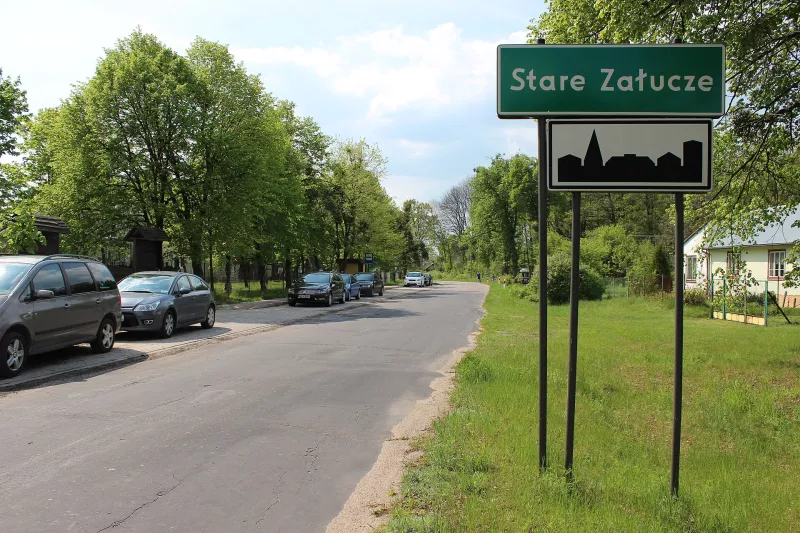
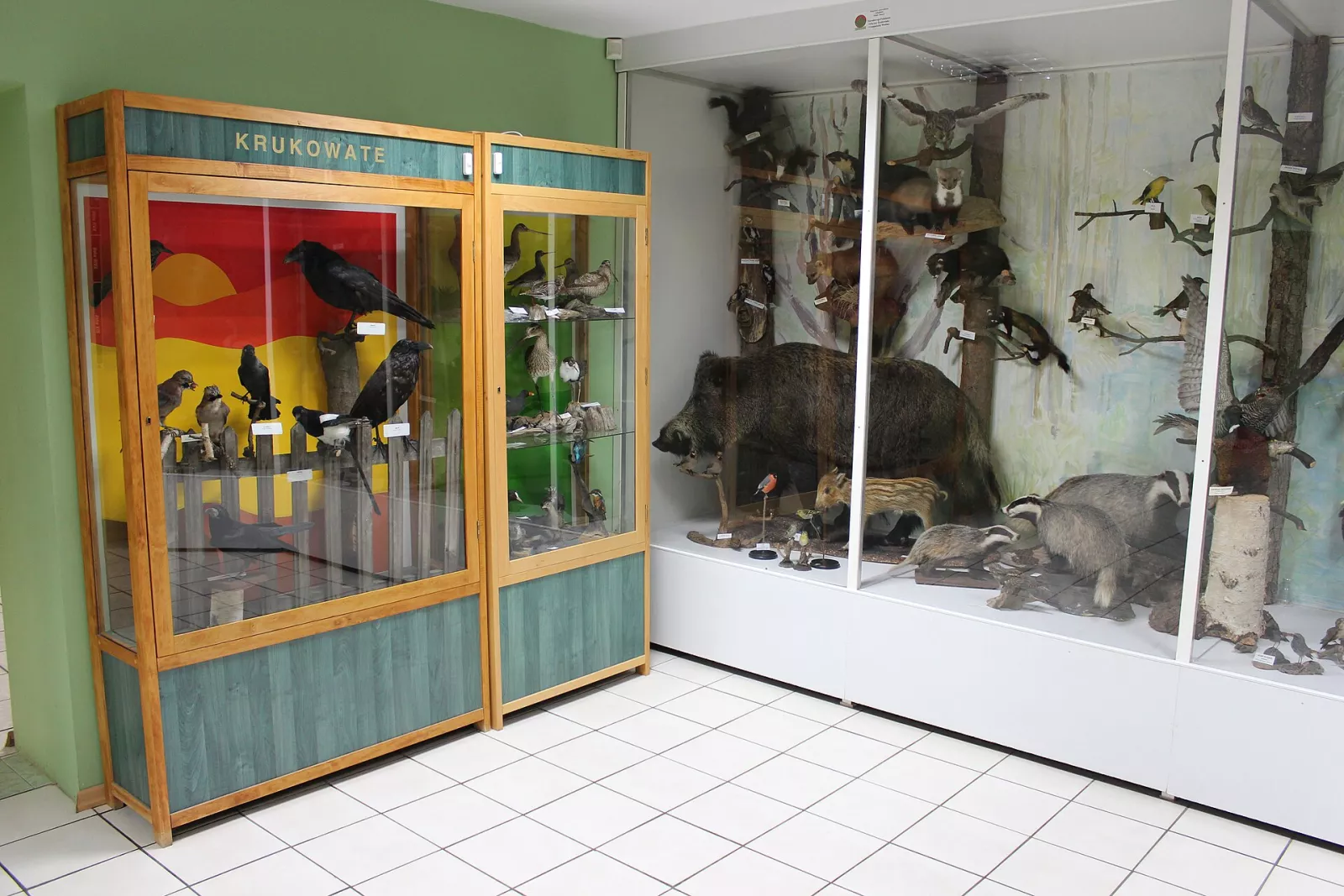
In 1803, estate owner Karol Godowski brought 15 families of lumberjacks, tar makers, and potash burners from German lands to Stare Zaluchchia (Stare Załucze). They felled timber, produced tar, and burned charcoal for blacksmiths. This was one of the first forest settlements in the Lublin region, and it grew into one of the largest villages in the vicinity. Since 1993, a museum of the Polesie National Park has been operating here: in addition to the natural history exhibition, the ethnographic department features items used by local villagers.
Michaliv
Michałów was founded in 1795 by Swiss Mennonites and named Michelsdorf; the village received its Polish name only in 1944. At the beginning of the 19th century, Mennonites began migrating to Ukraine, and Germans from Kuyavia took their place. In the spring of 1940, the German inhabitants were evicted. Among the modern buildings, pre-war German houses and barns can still be recognized, and an evangelical cemetery remains outside the village.
What a Polissian homestead looked like
The old Polissian household is described in the most detail in an ethnographic essay from the late 19th and early 20th centuries, published in the magazine "Echa Polesia". It concerns Polissia in general and relies only partially on the Vereshchyn parish, so details could be slightly different in each village.
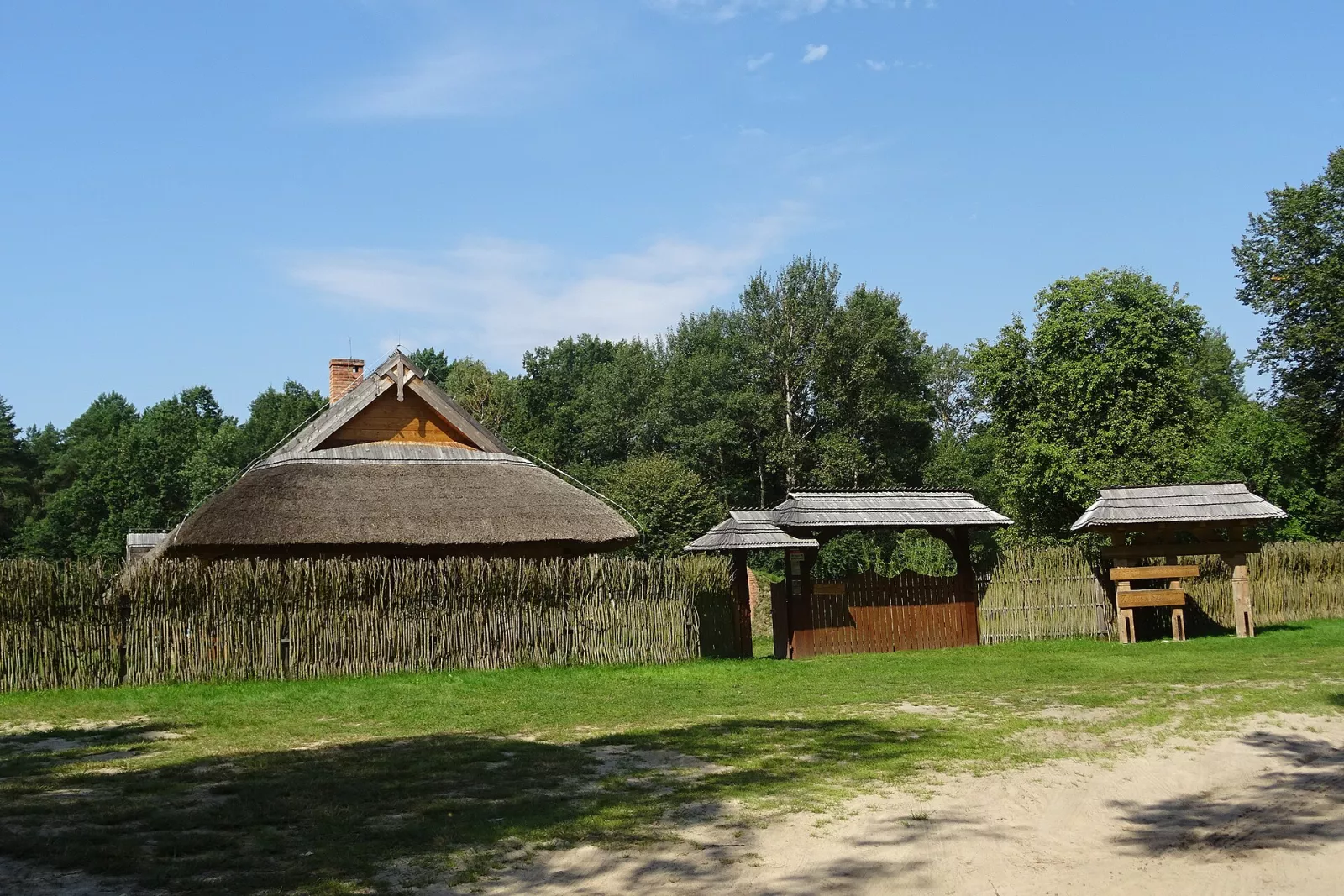
A typical Polissian village is a long street. The houses stood with their gable facing the road, and the yard had the shape of an elongated rectangle facing the street with its short side. To the right of the gate stood the house, and next to it—a heated storeroom and a unheated larder. Further down were the sheds, the hayloft, and the barn, near which a cellar was dug. Sheds open from the yard side served for sleighs, carts, and tools. The yard was fenced with a wattle fence, which near Włodawa was called "pliteniia".
They built mostly from pine, and took oak for the foundations. The roof was thatched with reeds harvested in winter on frozen swamps; when the swamps dried up, straw replaced the reeds. The walls were caulked with moss. The house was small—approximately 14–16 arshins long and 7–8 wide. In the middle was a cramped hallway, on one side a living izba, on the other—a larder or storeroom. During the day, light came through three small windows, and a large stove occupied a significant part of the izba; at the turn of the 19th and 20th centuries, brick stoves were already replacing clay ones. After 1918, when rebuilding burned villages, houses were increasingly placed with their facade facing the street.
The colonists built a little differently: the walls were made of squared logs and sheathed on the outside with boards, while local peasants took unsquared round logs. The roofs of both were made of straw.
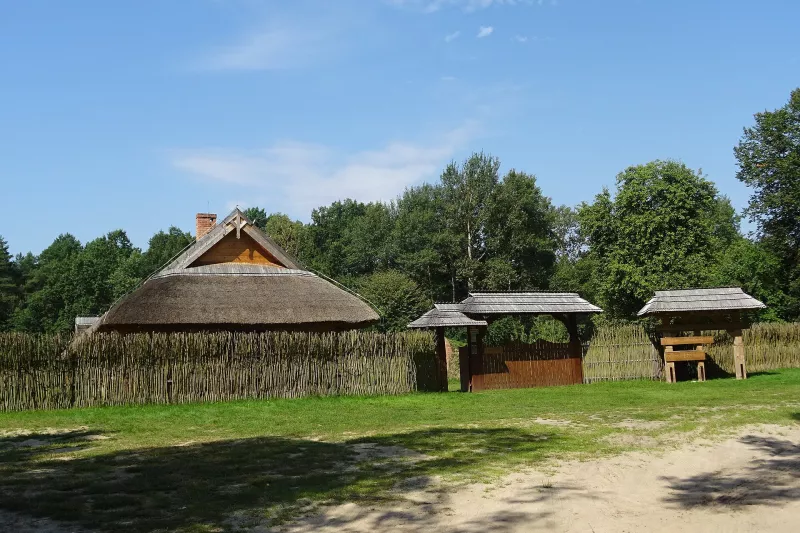
You can see such a homestead live in the "Polissian Village" (Poleskie Sioło) center in Łowiszów near Wityczno. Here, following the model of old Polissian yards, a wooden house, a storeroom, a thatched barn, and a dugout cellar were built. This is a modern reconstruction, not a relocated ancient homestead, but it clearly shows what the yard looked like at the turn of the 19th and 20th centuries.
Meadows, livestock, and fish
On sandy soils, nothing grew without manure, and large herds provided manure, so people here used to say: without livestock, there will be no bread either. The main events of the year were haymaking and hay hauling, and the field lay not by the house, but in patches on forest clearings. Back in the 17th century, according to the division of the Vereshchyn estates, every peasant had at least a cow or an ox.
Near Zawadówka, people farmed on large meadows, fished, and dug peat for fuel. In Grabniak, because of the abundance of meadows, a lot of livestock was raised, and mowing was done collectively. The meadows on Krowe Marsh were flooded in spring and in wet years; the hay was poor and mowed once a year. In winter, hay was hauled by carts or sleighs right through the water, and horses not infrequently drowned. And in Zawadówka, people remembered the year when hay became so scarce that in spring half the village fed their livestock with straw from the roofs. The drainage of 1975 covered 3,770 hectares of meadows and changed this world forever.
Lake Witycz generously fed people with fish, and between the wars, fish from Grabniak was hauled to Łęczna and Lublin by a Jewish family.
Crafts
Local crafts relied on the forest, iron, and carts. Pitch burners and potash makers in Dembowiec, Zalucze, and Wytyczno processed timber and tree stumps, while the charcoal went to blacksmiths. Post mills once stood in other villages, too, such as in Wincentyn. In Stare Zalucze, peasants made carts and carriages — they can be seen in the museum shed along with a susyk, a grain chest hollowed out from a single trunk of a 250-year-old pine.
In winter, just as everywhere else in Polissia, men repaired tools, carts, sleighs, and boats, carved wooden dishware, wove wicker baskets and wattle fences, and made bast shoes from linden bast. Women spun, wove, embroidered, and processed flax and hemp, gathering in the evenings to spin in a single house.
How the Region Changed
The first major waves of settlers were Mennonites and Germans who founded Michalow (1795), Zalucze (1803), and Dembowiec (around 1828). The final wave of new settlements arrived after the 1863 uprising and the 1864 land reform.
For Ukrainian history, this region is part of Kholmshchyna. In 1875, local Uniates were forcibly incorporated into the Orthodox Church, and following the tsarist decree on religious tolerance in 1905, many of them converted to Catholicism. The Orthodox past is recalled by old cemeteries in Wytyczno and Andriiv.
World War II devastated the villages. In the spring of 1940, Germans were expelled; on May 26, 1942, the Nazis murdered the Jewish residents of Andriiv, Zastavia, and Wereszczyn; and between 1944 and 1946, Ukrainians were deported to the USSR — most Ukrainian families left Wulka Wytycka in June 1946.
Video: "Stories of deportation from Kholmshchyna, Lemkivshchyna", Pershyi Zahidnyi channel.
After the war, the region lived in poverty: in 1950, the gmina was required to cultivate 90 hectares of flax, but due to unprofitability, almost everyone evaded the contracts. In 1975, the meadows were drained, and in 1990, a national park was established here. The villages are gradually emptying: in Zawadiwka, about 170 people lived in the mid-1980s, compared to 139 in 2010.
What to see today
- "Polissian Village" in Lowiszów — a reconstructed homestead with thatched roofs, a wattle fence, and an earthen cellar. Admission is free, and there is a tent pitch nearby.
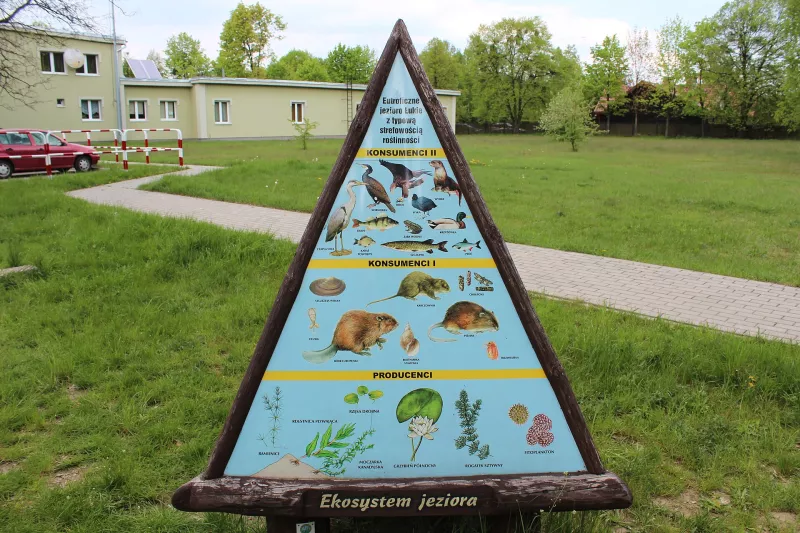
- Polissian Park trails. Most nature trails are paid; the free ones are the "Mietiułka" bicycle trail, "Polissian Village", and the European Pond Turtle Conservation Center.
- The Park Museum in Stare Zalucze with a natural history and ethnographic collection. Call before your trip: opening hours change.
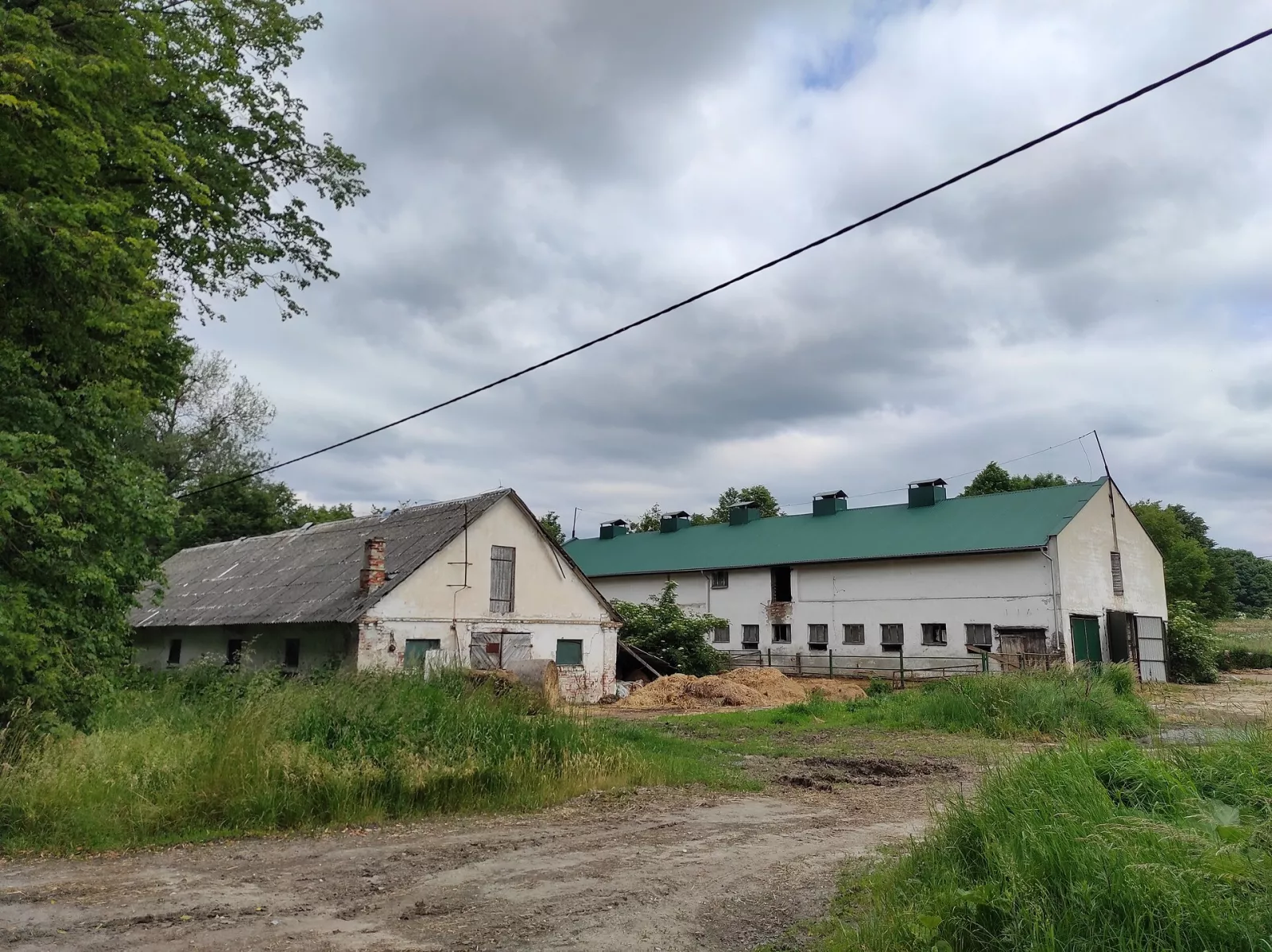
- Old houses. In Wytyczno — pre-war wooden houses with front gardens; in Andriiv — houses, granaries, and barns from the early 20th century; in Zawadiwka — a thatched house and a windmill.
- Wooden churches. The 1783 church in Wereszczyn is an architectural landmark; the wooden church in Wytyczno.
- Old cemeteries. Evangelical ones in Michalow, Dembowiec, and Wytyczno — traces of the colonists; Orthodox ones in Wytyczno and Andriiv.
How to get there and when to visit
Address of the "Polesian Village": Ośrodek edukacyjny «Poleskie Sioło», Wytyczno 156 (Łowiszów hamlet), Urszulin gmina, Włodawa powiat. From the Border Protection Corps monument in Wytyczno to the estate is about a kilometer along a dirt road; it is easily accessible via the "Mietiułka" bicycle trail. Park Directorate — Urszulin, ul. Lubelska 3a.
Opening hours. In the 2025 season, the "Polesian Village" was open in May and June on weekends from 9:00 to 17:00, in July and August daily from 9:00 to 17:00, and in September and October on weekends from 10:00 to 16:00. Please check the schedule for 2026 with the park.
Park contacts: +48 82 571 30 71, +48 82 571 30 72, website poleskipn.pl. Guided tours in a foreign language must be arranged with the park separately. The tent campsite in Łowiszów cost 20 PLN per person per night in 2025.
When to go. The best time is from May to October: in spring, birds sing in the marshes; in summer, the "Polesian Village" is open; in autumn, it is quiet with plenty of mushrooms. Check entry requirements to Poland and transport schedules on official websites.
What makes this trip memorable
The villages around Urszulin are not like an open-air museum: people live here, and the old stands right next to the new. But it is worth walking down the street in Wytyczno, standing by the windmill in Zawadówka, or peeking into a house in the "Polesian Village" to see the very same Polesian world as in Volhynia — complete with wattle fences, thatched roofs, meadows, and a lake beyond the kitchen gardens.
Videos in Polish
Video: "Było nie minęło. Wytyczno. Sołtys, blindaże i carskie złoto", soltys50a channel (in Polish).
Video: "Gmina Urszulin — Turystyka «Urszulin — po pracy, Polesie»", GminaUrszulin channel (in Polish).
Video: "Wytyczno 1939", Muzeum Ziem Wschodnich Dawnej Rzeczypospolitej channel (in Polish).