
European badger in Polissia
Meles meles
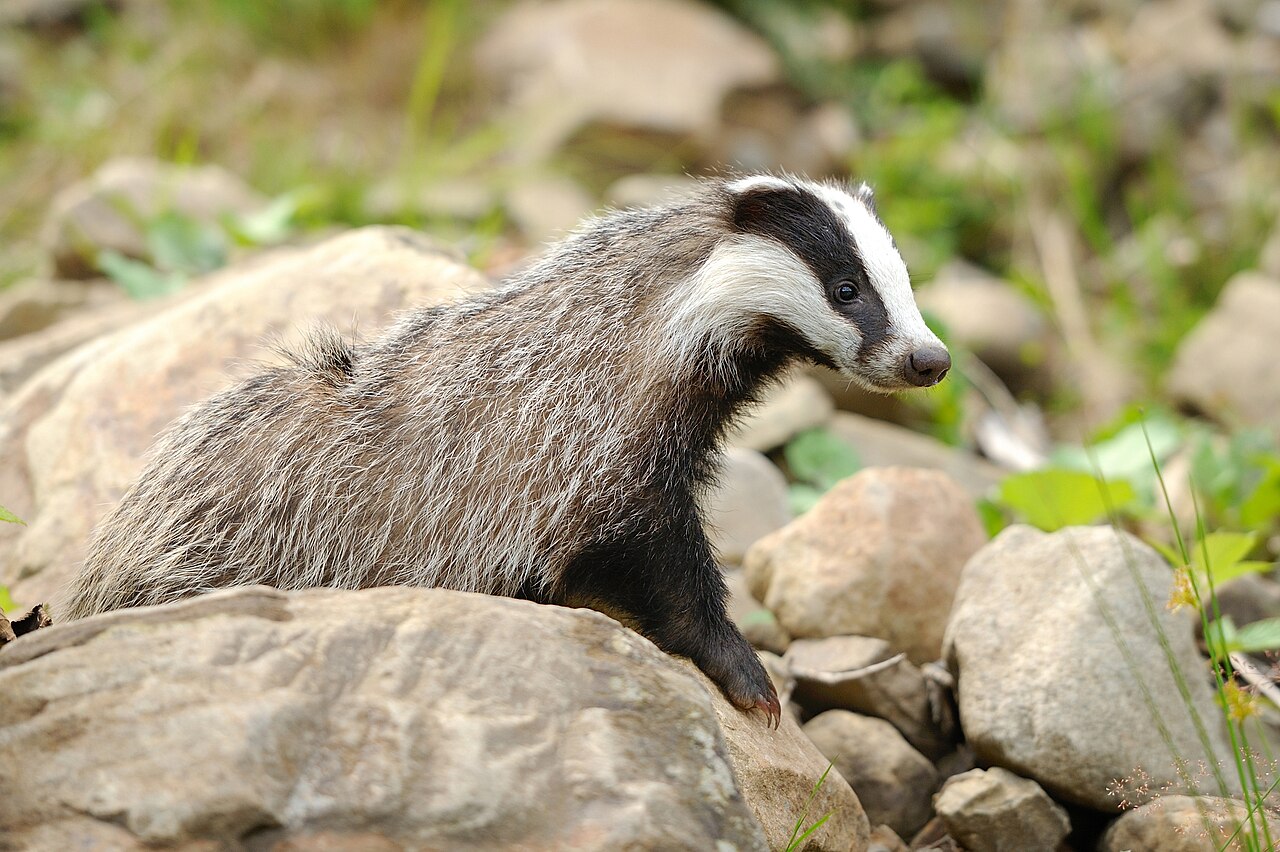
The badger is a squat animal the size of a medium dog, on short, strong legs with long claws. It is easiest to recognise by its white head with two black stripes running from the nose through the eyes to the ears. The fur on the back is greyish.
In Polissia the badger chooses sandy hills, ravines and dry ridges in the forest where it is easy to dig setts. It occurs in Polissia's reserves and national parks, but because of its nocturnal habits it is rarely seen.
Badger setts have many entrances and can be used by several generations. Next to them you can see heaps of dug-out sand and paths. The badger is omnivorous: it eats earthworms, larvae, frogs, berries and acorns. For the winter it retreats into the sett and briefly wakes up during thaws.
Badger setts must not be dug up, and dogs are best kept on a lead near them. The best way to see a badger is to sit quietly near a sett in the evening, downwind.
When to see: from spring to autumn at dusk; setts all year
Where it was seen in Polissia
Observations from the open scientific database GBIF since 1990.
More in “Mammals”
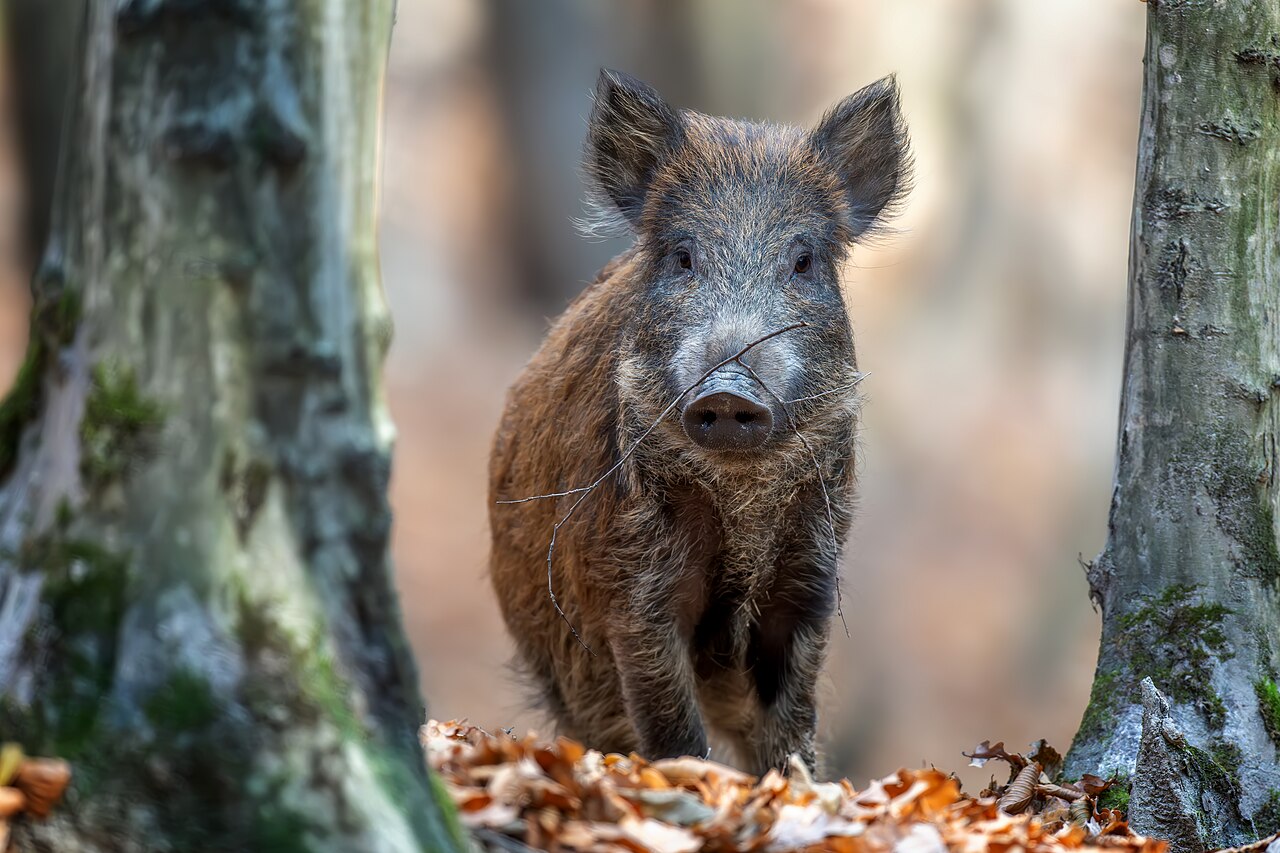 Wild boar
The wild pig of Polissia's forests and floodplains, whose signs – rooted-up earth and mud wallows – are found almost everywhere.
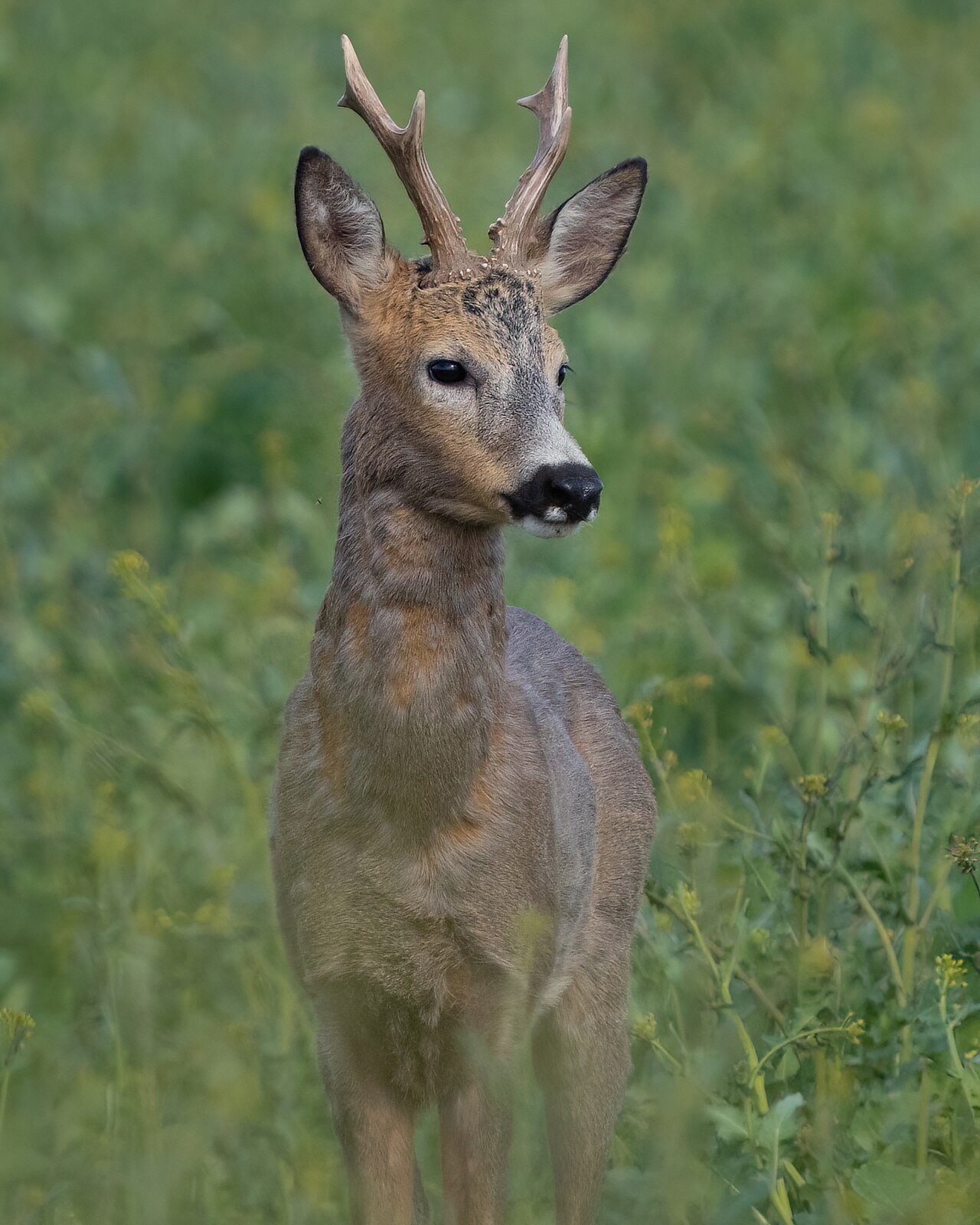 Roe deer
A small, graceful deer of Polissia's forest edges and fields, most easily met at dawn on the edge of the woods.
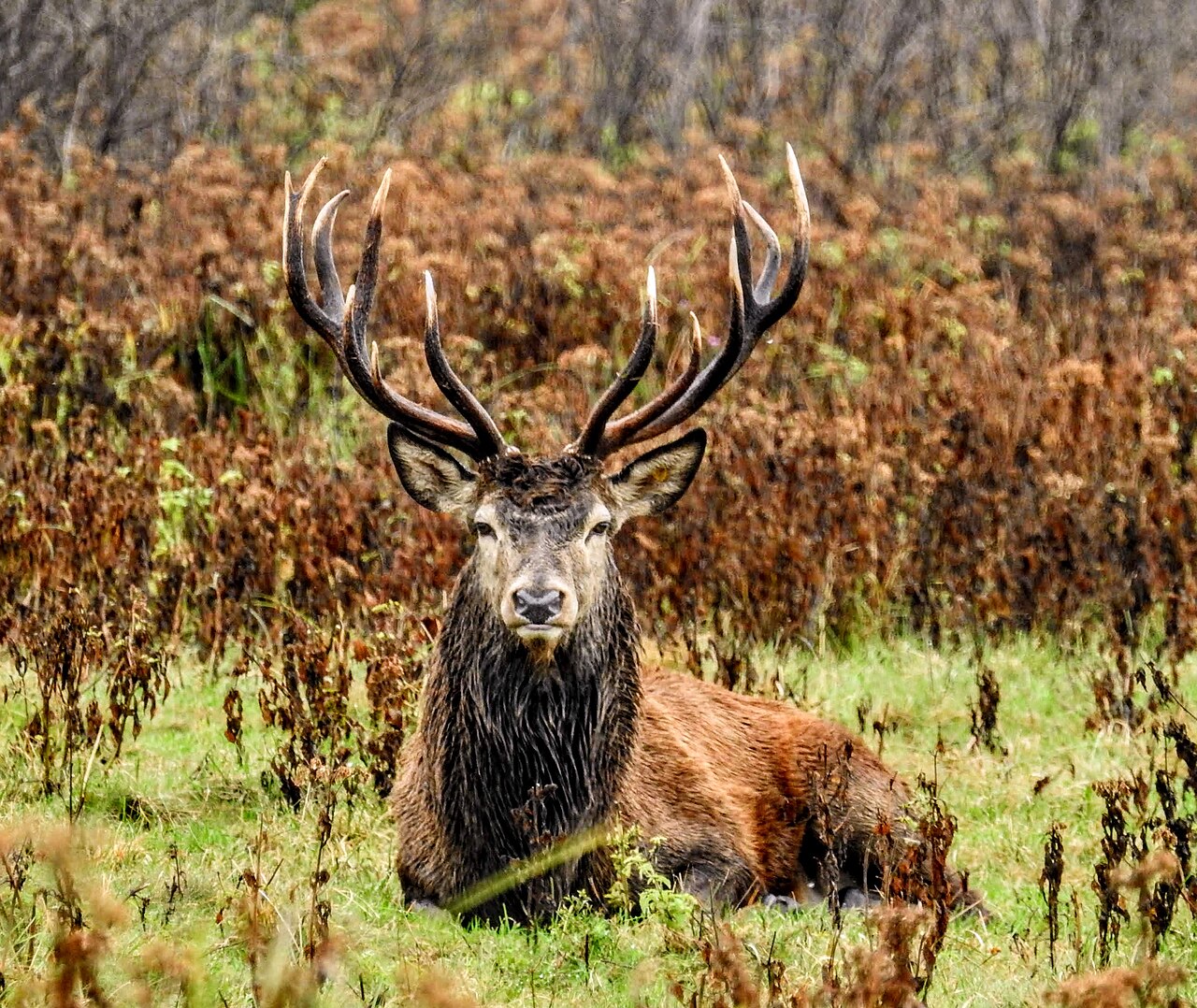 Red deer
A large deer with spreading antlers, whose autumn roaring is one of the most striking events of the Polissia forest.
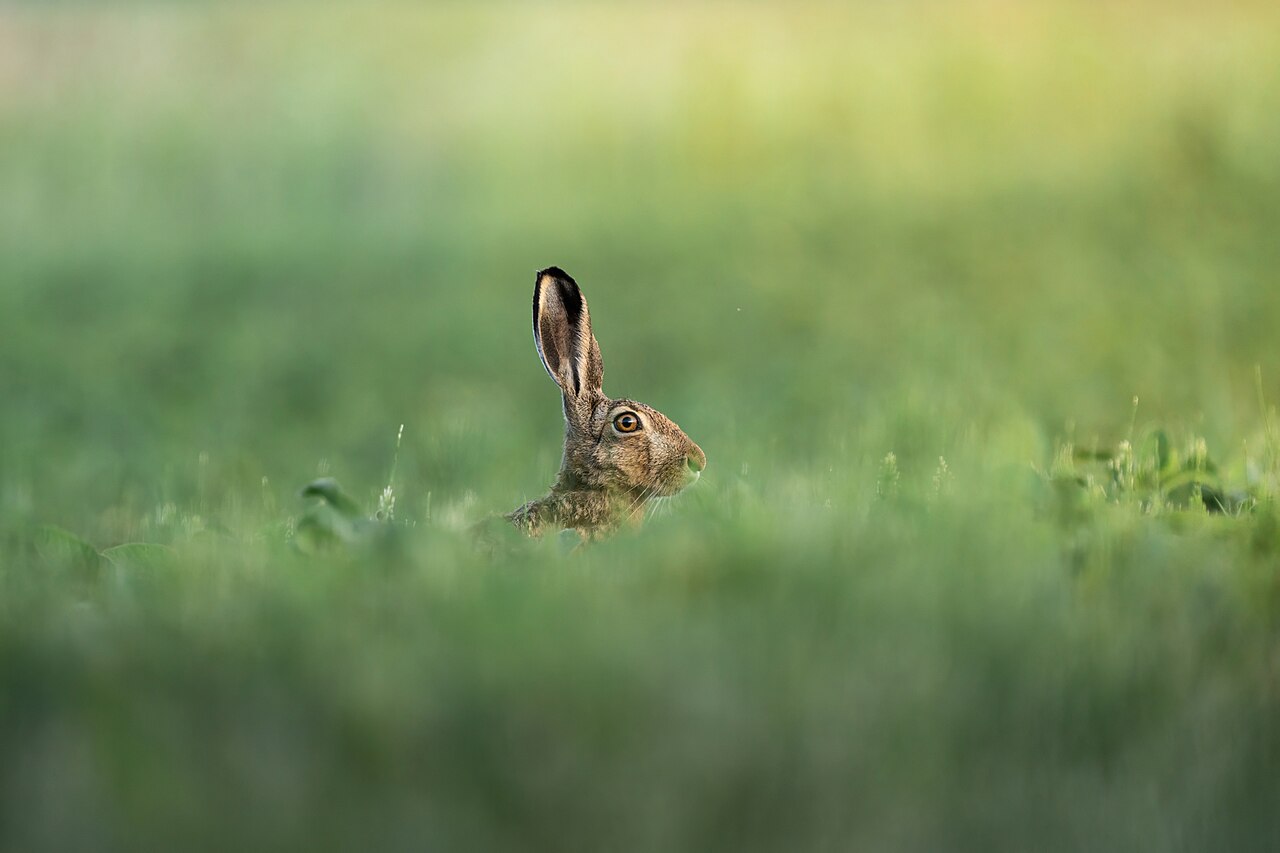 European hare
A common inhabitant of Polissia's fields, meadows and forest edges that does not change colour in winter.