
Sphagnum moss in Polissia
Sphagnum
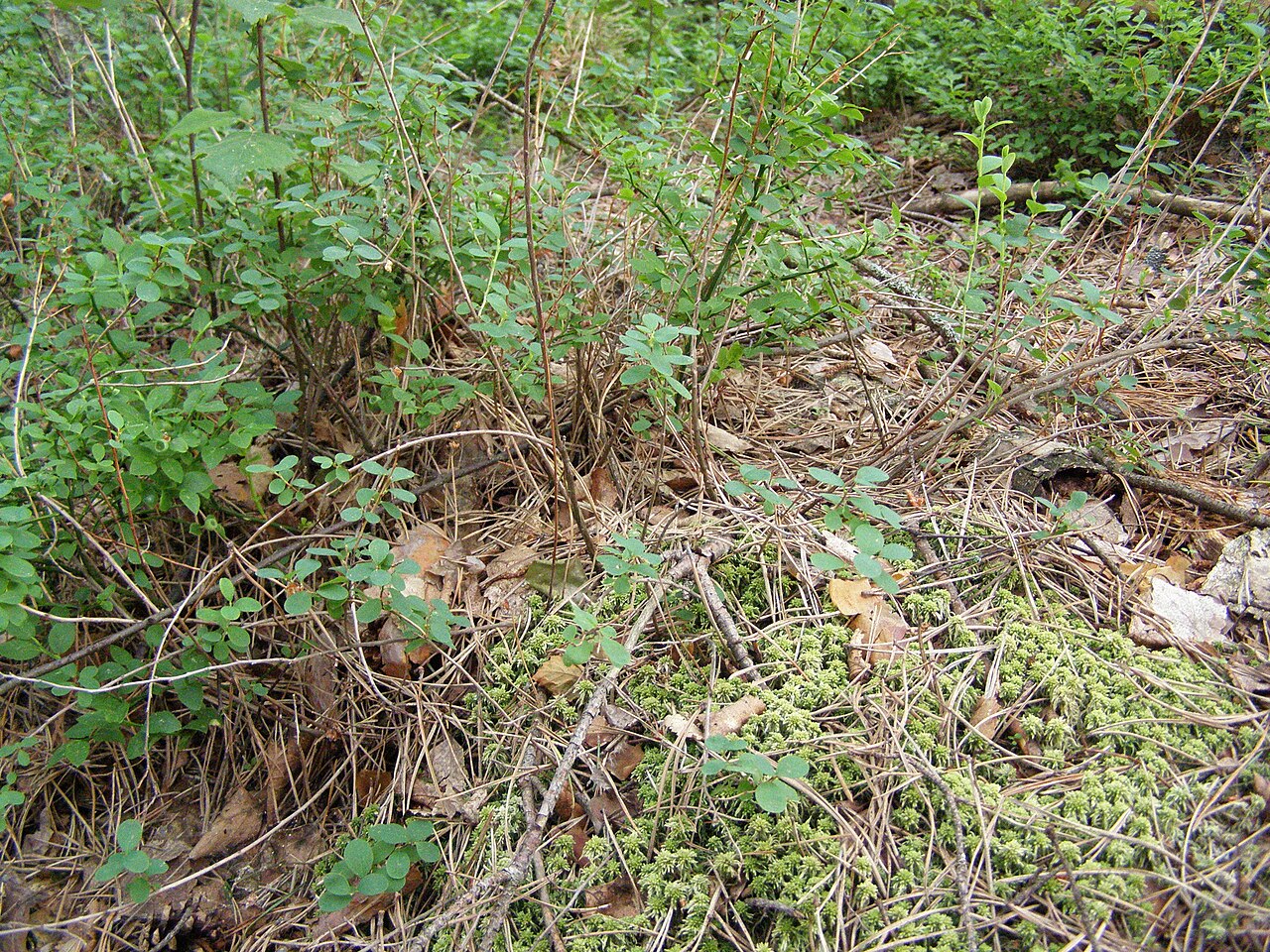
Sphagnum is a genus of mosses that form continuous soft cushions of green, yellowish, russet or red. The stems are small, with tufts of branches, and a dense “head” at the top. Waterlogged sphagnum gives springily underfoot.
Sphagnum mosses are the basis of raised and transitional bogs, of which Polissia has many. Large sphagnum bogs are protected by the Rivne, Polissia and Cheremskyi nature reserves.
Sphagnum cells can absorb and hold much more water than the moss itself weighs. The lower parts of the moss gradually die off and, without decomposing, turn into peat, whose layers build up over thousands of years. Bogs store a great deal of carbon and feed rivers with water.
Sphagnum bogs recover very slowly. Do not walk on them without need or without a guide: under the moss carpet there may be water or quagmire.
When to see: all year
Where it was seen in Polissia
Observations from the open scientific database GBIF since 1990.
More in “Plants”
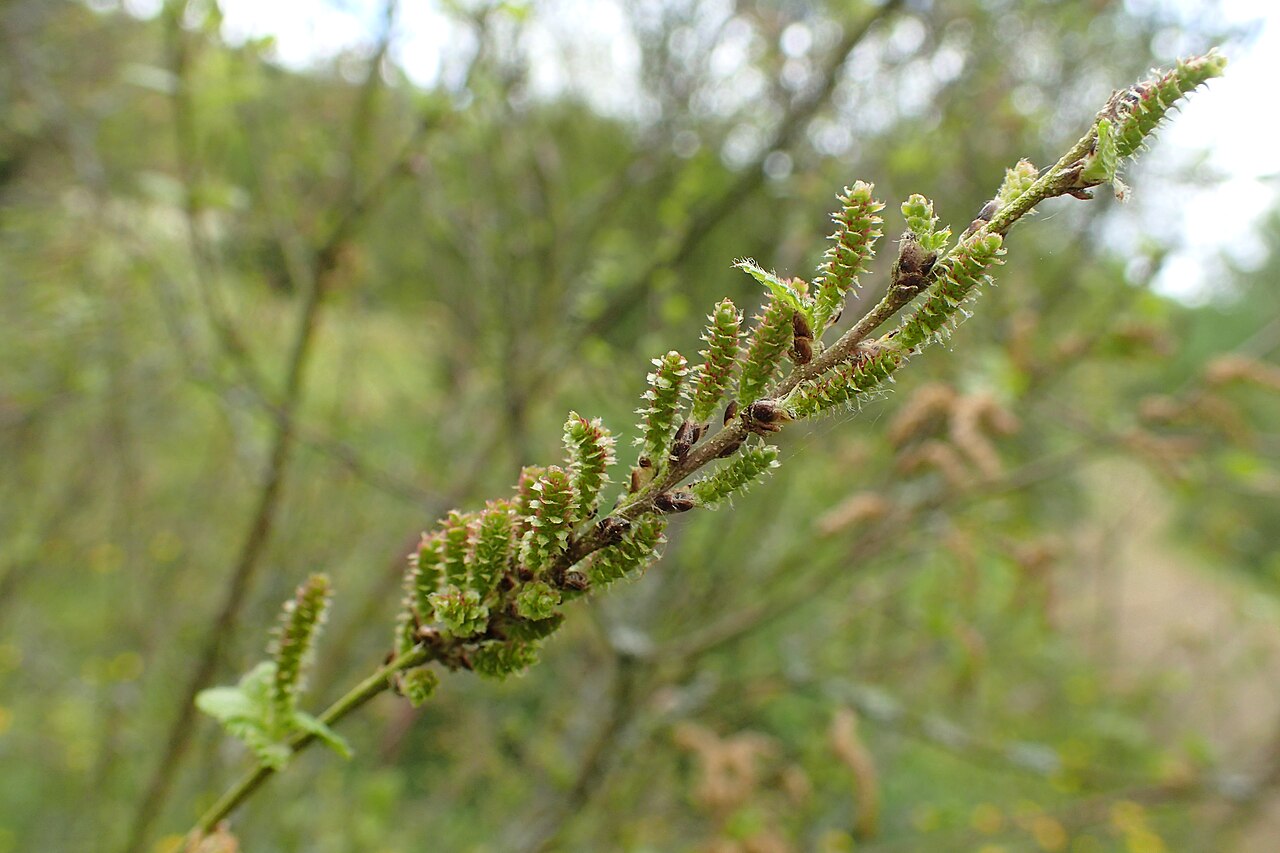 Shrubby birch
A low shrub of the birch family that grows on Polissia's bogs; a rare remnant of the Ice Age flora.
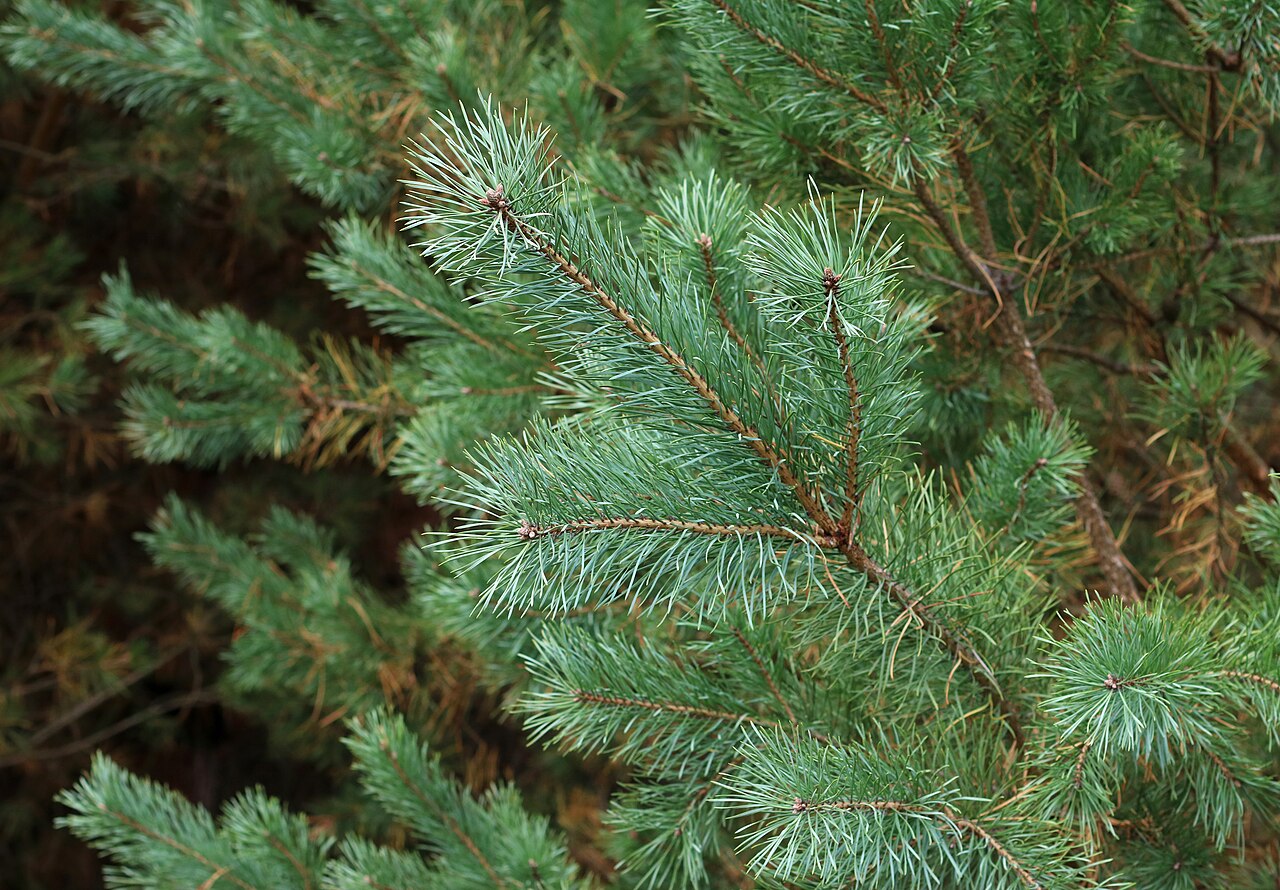 Scots pine
The main tree of Polissia: pine forests on sand define the look of the region from Volyn to Chernihiv region.
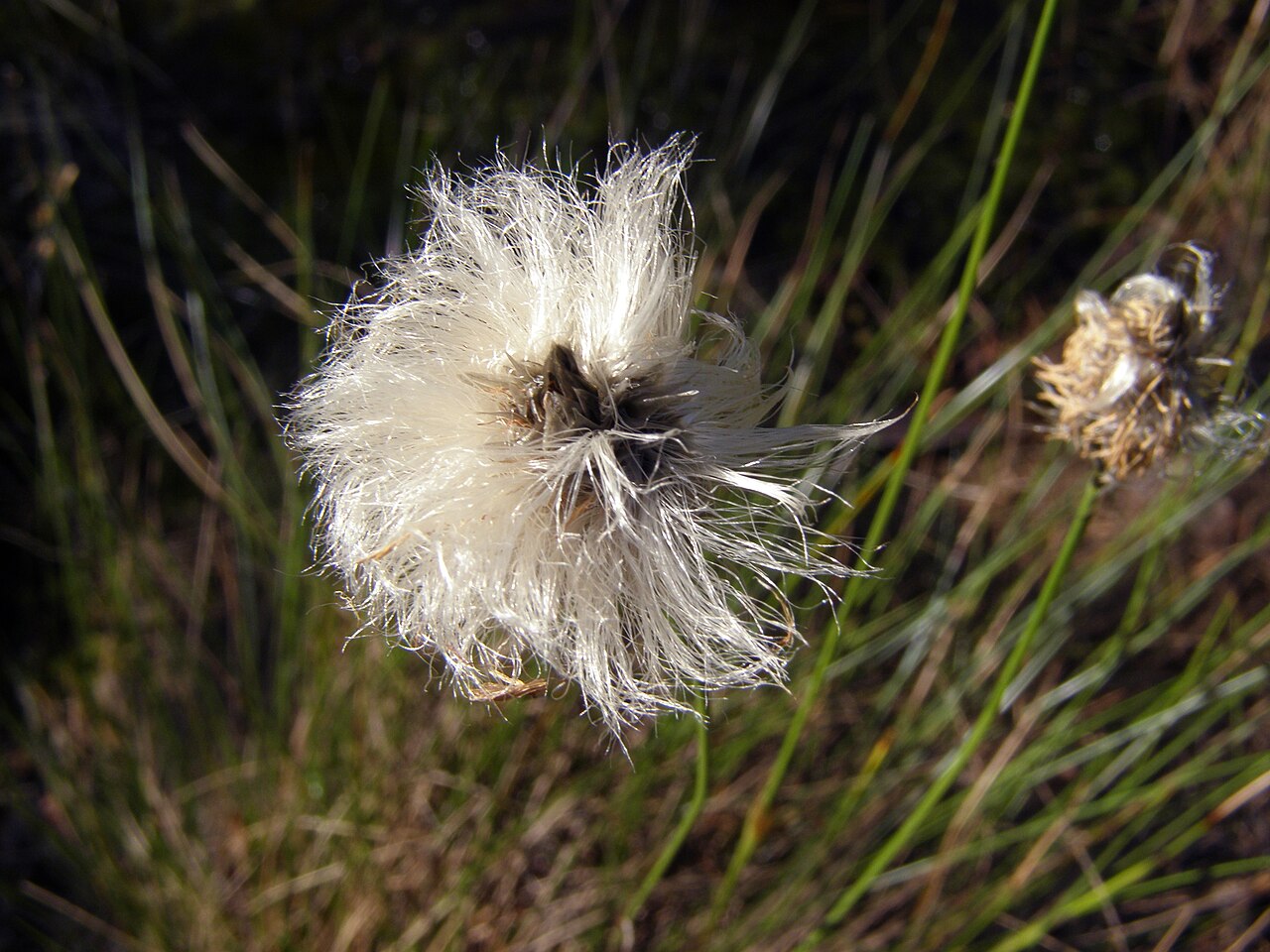 Hare's-tail cottongrass
A plant of raised bogs that in spring covers the peatlands with fluffy white “cotton balls”.
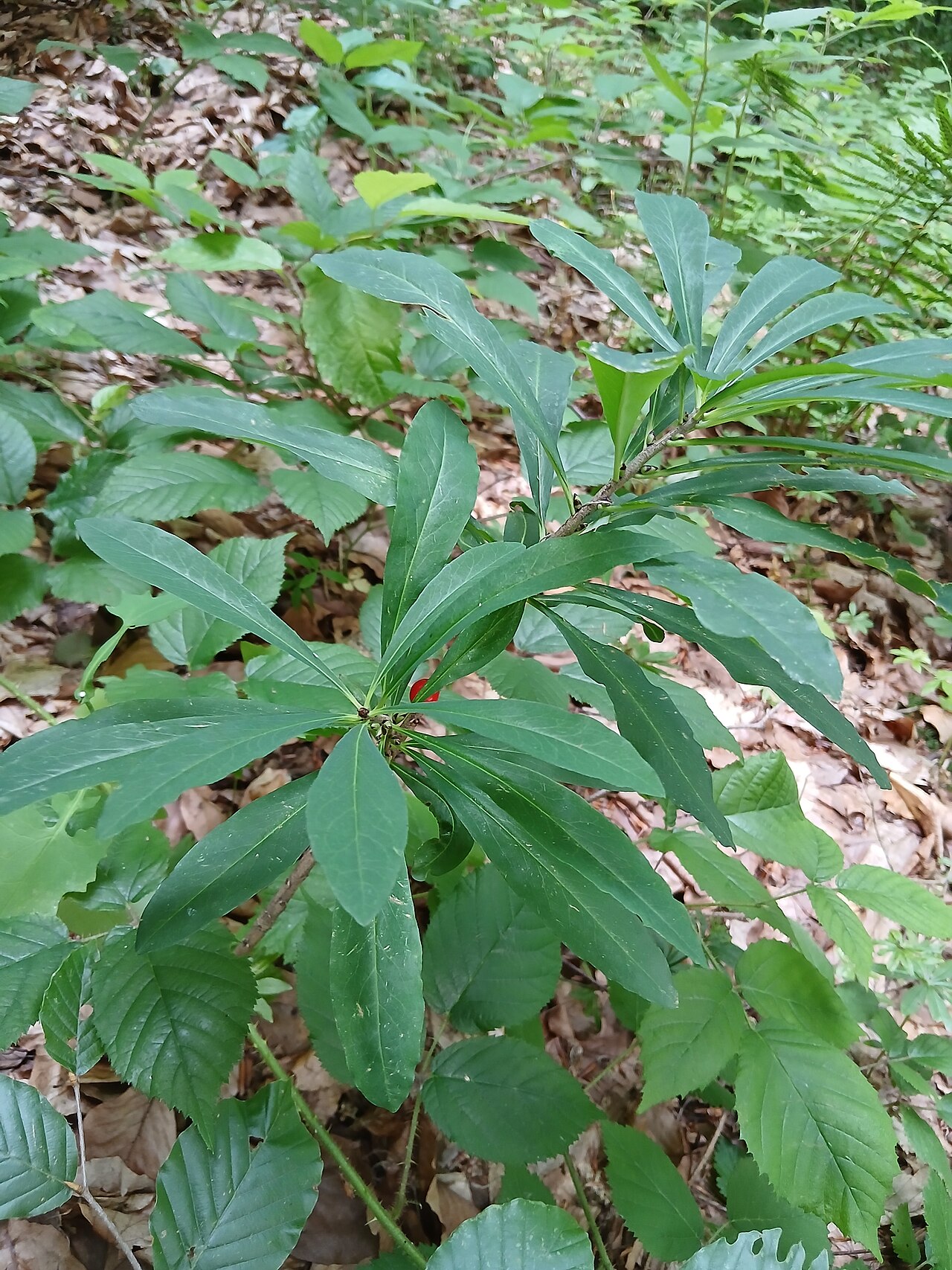 Mezereon
A forest shrub that blooms pink before its leaves appear; its red berries are highly poisonous.