
Scots pine in Polissia
Pinus sylvestris
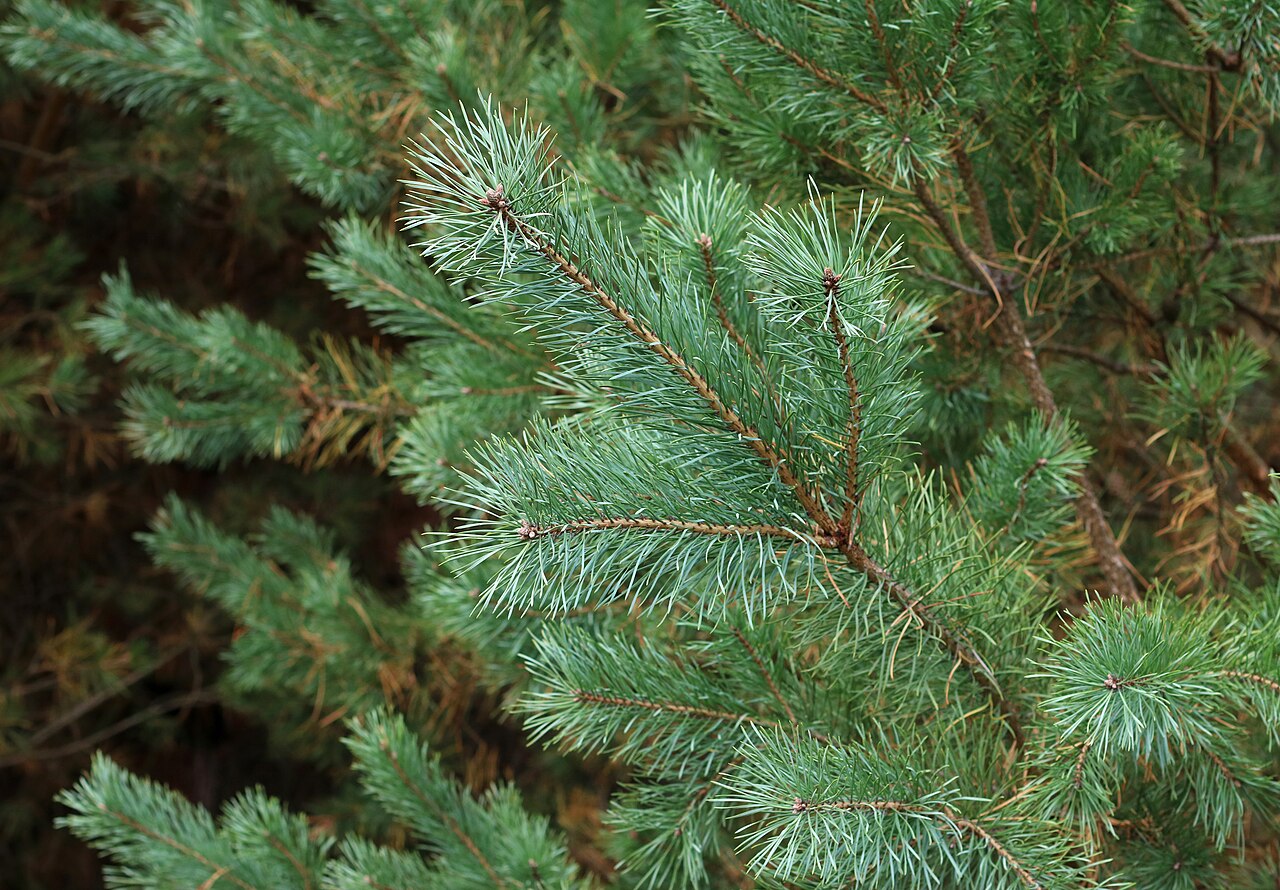
The Scots pine is a tall conifer with a straight trunk. In the upper part of the trunk the bark is thin and reddish-orange, and lower down it is thick, grey-brown and deeply fissured. The needles grow in pairs, and the cones are small and pointed.
Polissia is a land of pine forests. The pine grows on poor sandy soils where other trees struggle and forms forests with bilberry, lingonberry, heather and mosses. On bogs the pine becomes stunted and crooked.
A large part of Polissia's pine woods are plantations, but there are also old natural pine forests protected by nature reserves and national parks. A pine forest has a characteristic resinous smell and a light, sunny atmosphere.
Pine forests are very vulnerable to fire. In hot weather do not light fires outside designated places and do not leave glass or rubbish in the forest.
When to see: all year
Where it was seen in Polissia
Observations from the open scientific database GBIF since 1990.
More in “Plants”
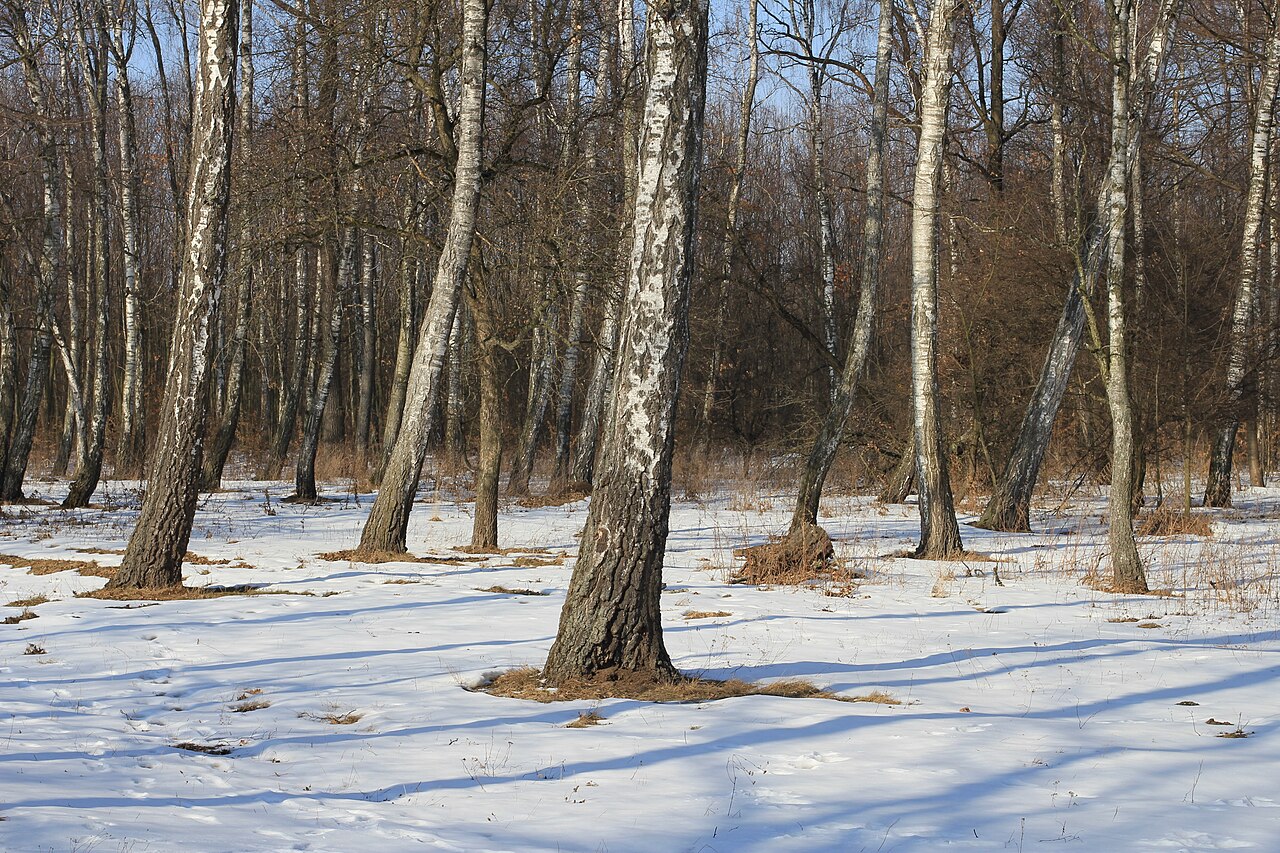 Silver birch
One of the most widespread trees of Polissia: it colonises clearings and abandoned fields and forms light birch groves.
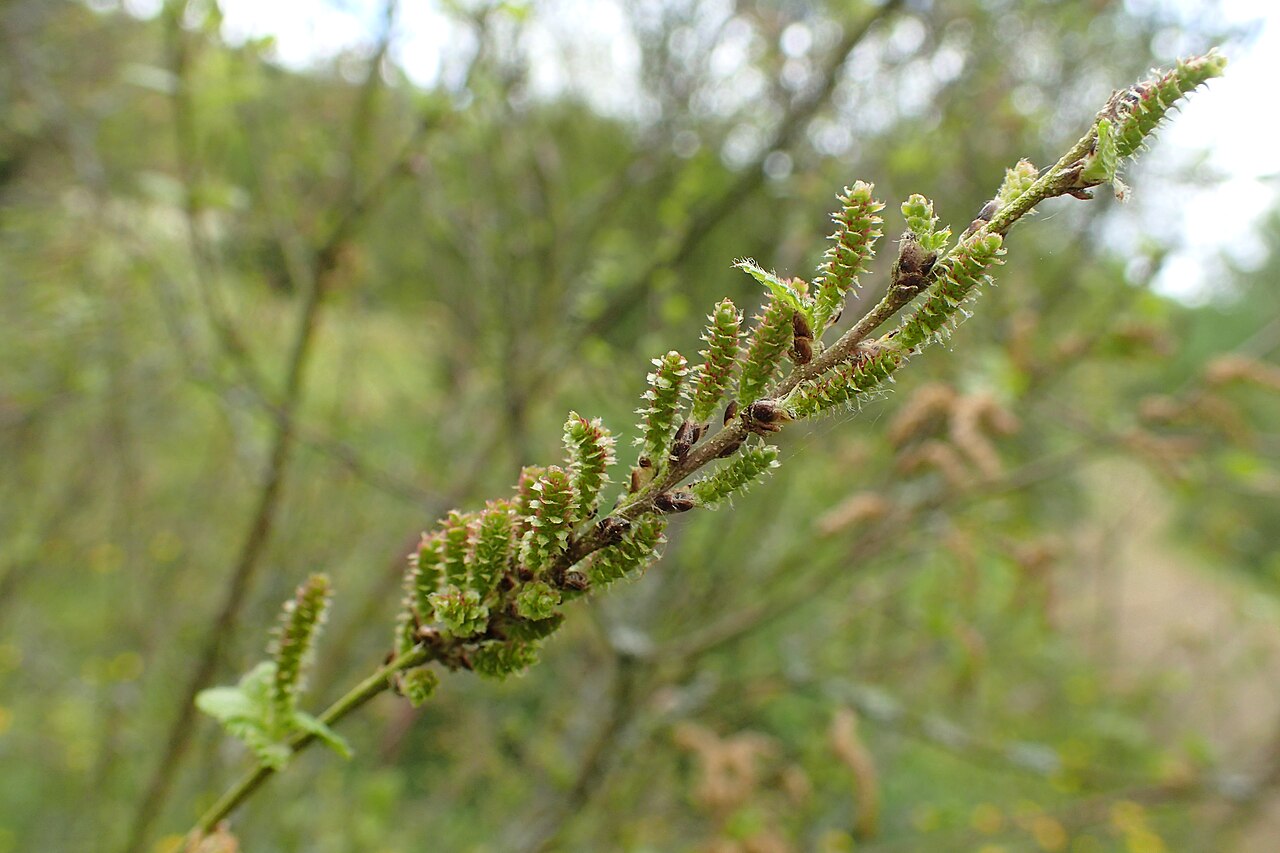 Shrubby birch
A low shrub of the birch family that grows on Polissia's bogs; a rare remnant of the Ice Age flora.
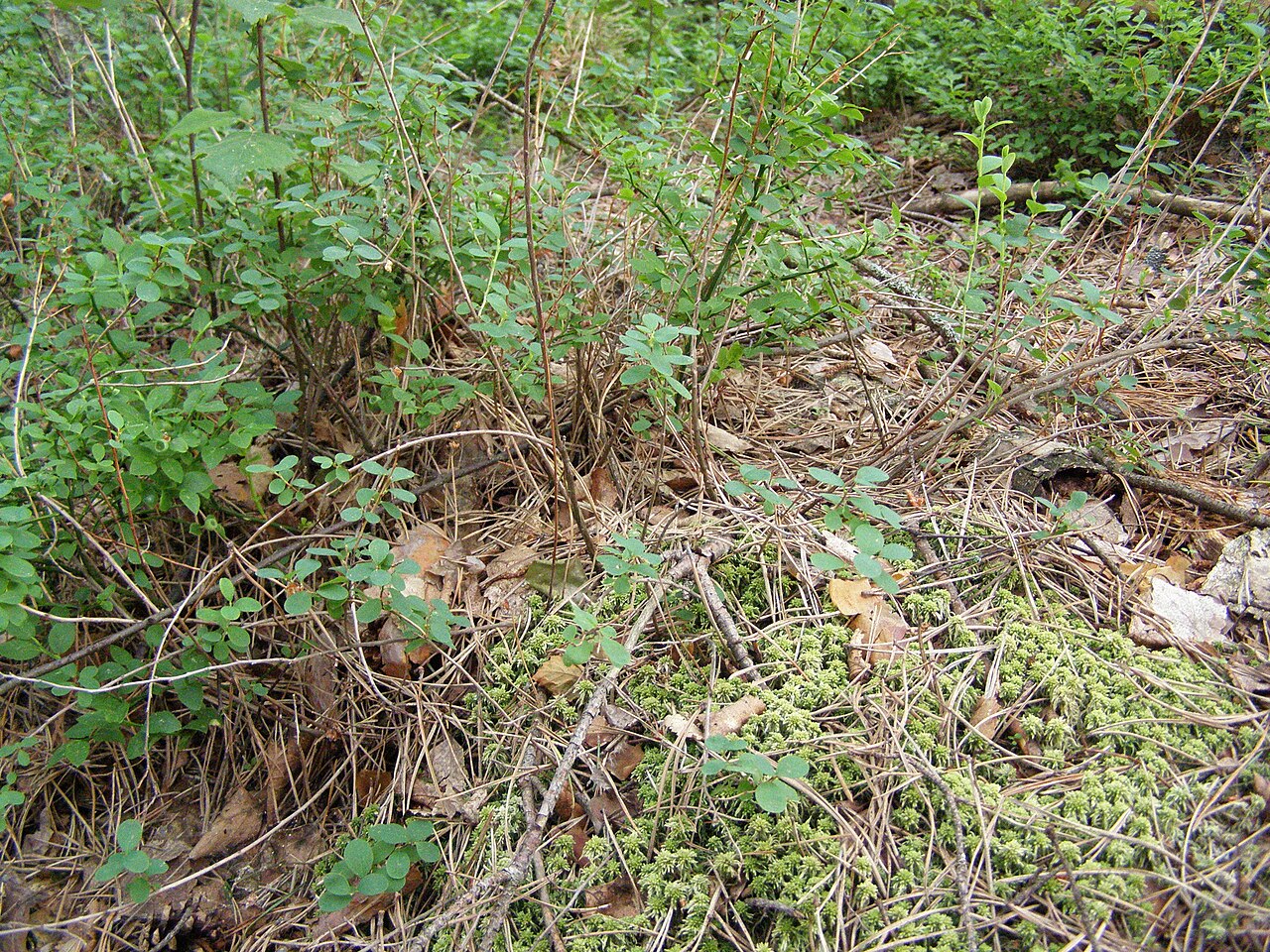 Sphagnum moss
The peat moss that Polissia's bogs are made of: it stores water and over millennia forms peat.
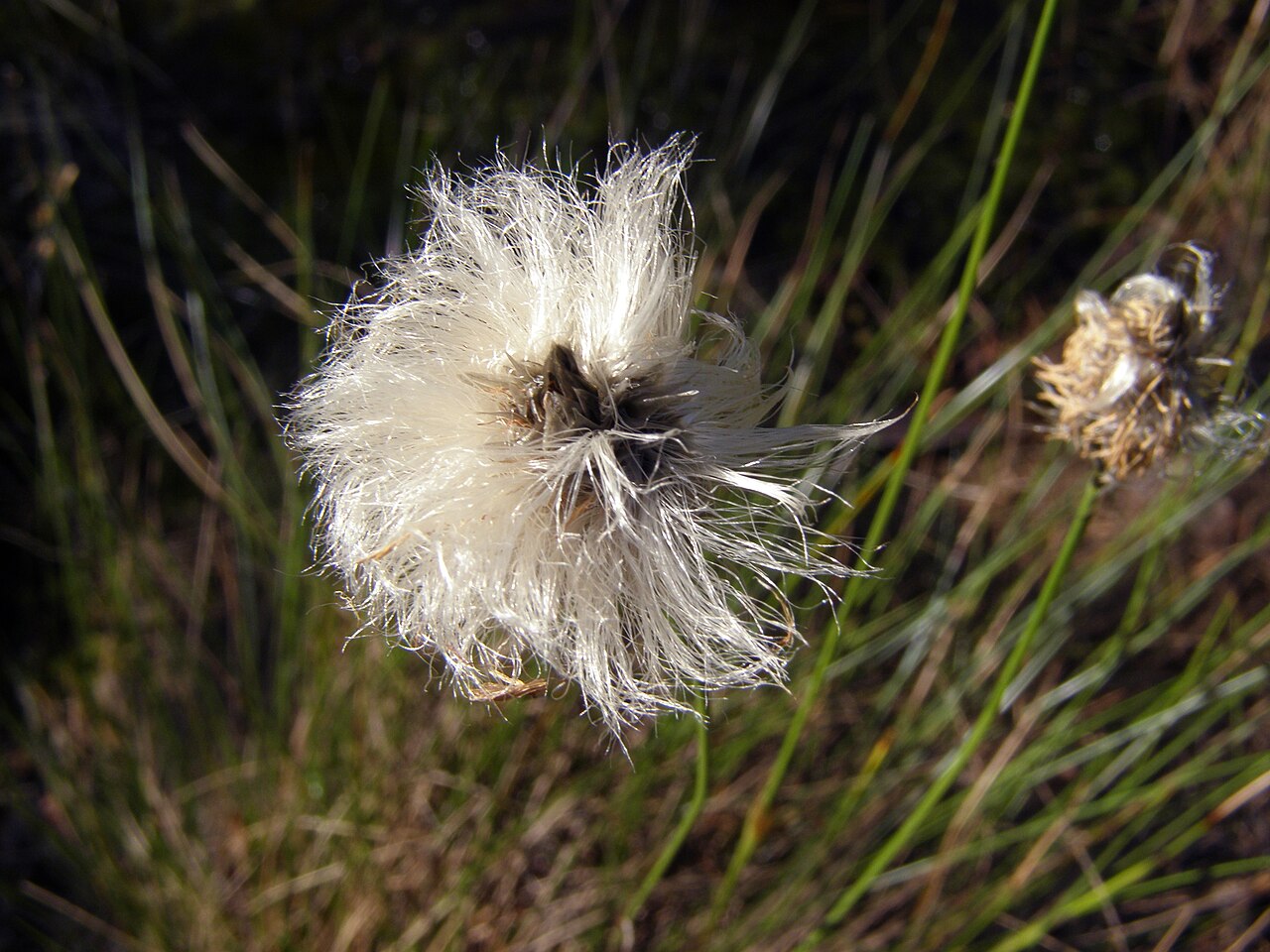 Hare's-tail cottongrass
A plant of raised bogs that in spring covers the peatlands with fluffy white “cotton balls”.