
European bison in Polissia
Bison bonasus
Red Data Book of Ukraine
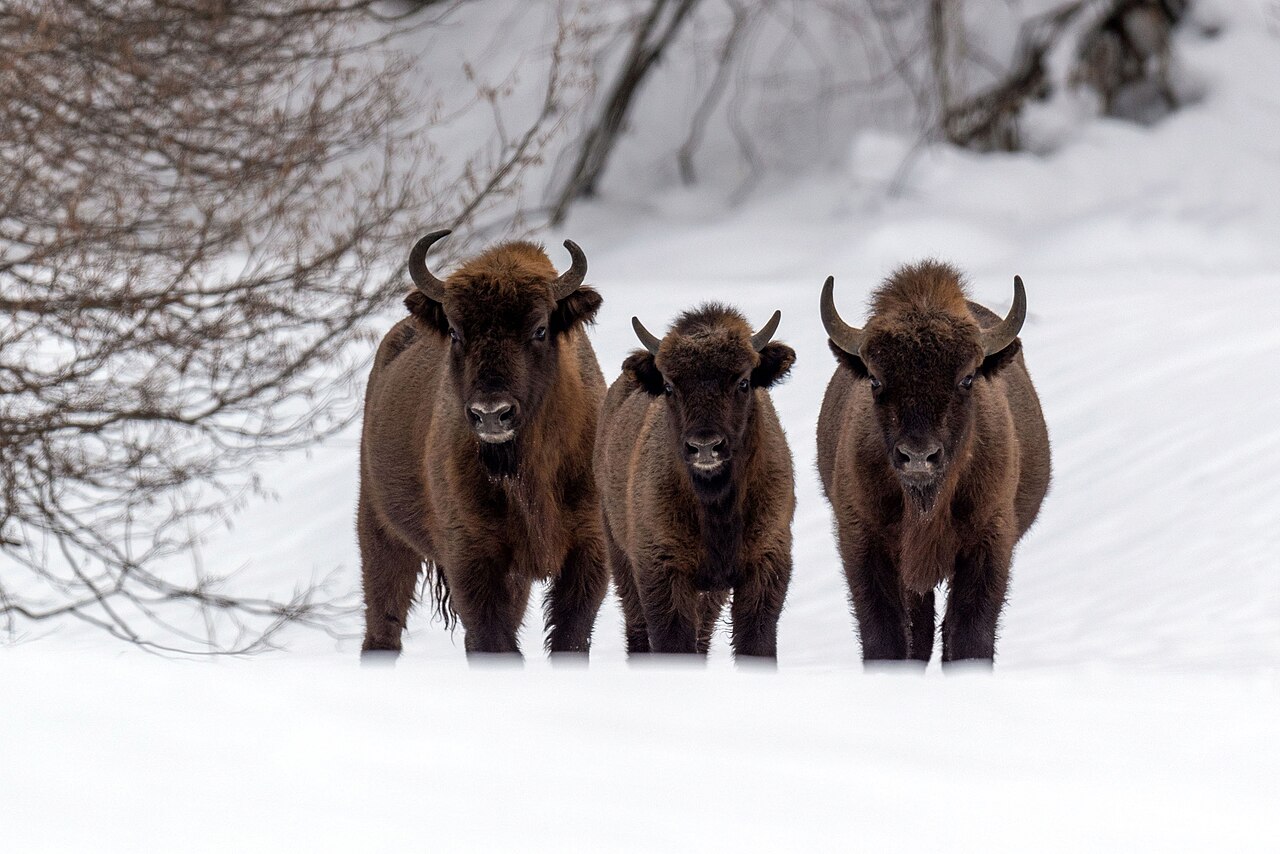
The European bison, or wisent, is the largest land animal in Europe and the only wild bovine of the continent to have survived to our day: its relative, the aurochs, was wiped out back in the Middle Ages. Its shoulder height reaches about 180 cm and it weighs from 400 to 900 kg. The bison has a high humped shoulder, short curved horns, a beard and thick dark brown hair on the front of the body; the hindquarters are noticeably lower and lighter. Despite its size, it moves quietly and fast.
Bison once lived in the forests of almost all of Eurasia, but by the start of the 20th century they survived only in the Białowieża Forest and in the Caucasus, and in the 1920s the last wild animals were killed. All modern bison descend from 12 individuals that survived in zoos and private menageries; thanks to scientists, the world population now stands at about 8 thousand. In Ukraine the restoration of the species began in the mid-1960s, and by the late 1980s a third of all the world's bison lived here. The crisis of the 1990s cut most Ukrainian herds several times over, so the bison still needs protection.
In Volyn Polissia, bison live in the Tsuman Forest: several small herds roam the woods between Tsuman Forest National Park and the state forestry. To protect them, the Zubr general zoological reserve was created in Lutsk district near the villages of Zviriv and Muravyshche. In Kyiv region a herd is kept and restored in Zalissia National Nature Park, and in Sumy region free-roaming bison occur in the forests of the Seim Regional Landscape Park.
There are bison in the Chornobyl zone too: single males and small groups regularly cross into the Chornobyl Radiation and Ecological Biosphere Reserve from Belarus's Polesie State Radiation-Ecological Reserve, where a large herd lives – they are recorded by camera traps and scientists. There is no resident herd on the Ukrainian side yet, but the Chornobyl reserve plans to restore a population of the wild bovine here. An attempt to bring bison into the zone in the late 1990s failed.
Bison are social animals: they keep in herds of 10–20 head, and adult males often roam alone. They graze in clearings and forest edges, gnaw bark and branches, and over the year move from one area to another – to wherever the plants are at their best. In winter the herds stay near feeding sites, so that is when they are easiest to see, together with the rangers.
The European bison is listed in the Red Data Book of Ukraine. It is not aggressive but very strong: do not approach, especially cows with calves, and watch only from a distance, preferably accompanied by forestry or reserve staff.
When to see: easiest in winter near feeding sites; in summer they stay deeper in the forest
Where it was seen in Polissia
Observations from the open scientific database GBIF since 1990. Locations are shown approximately, to within 10 km.
More in “Mammals”
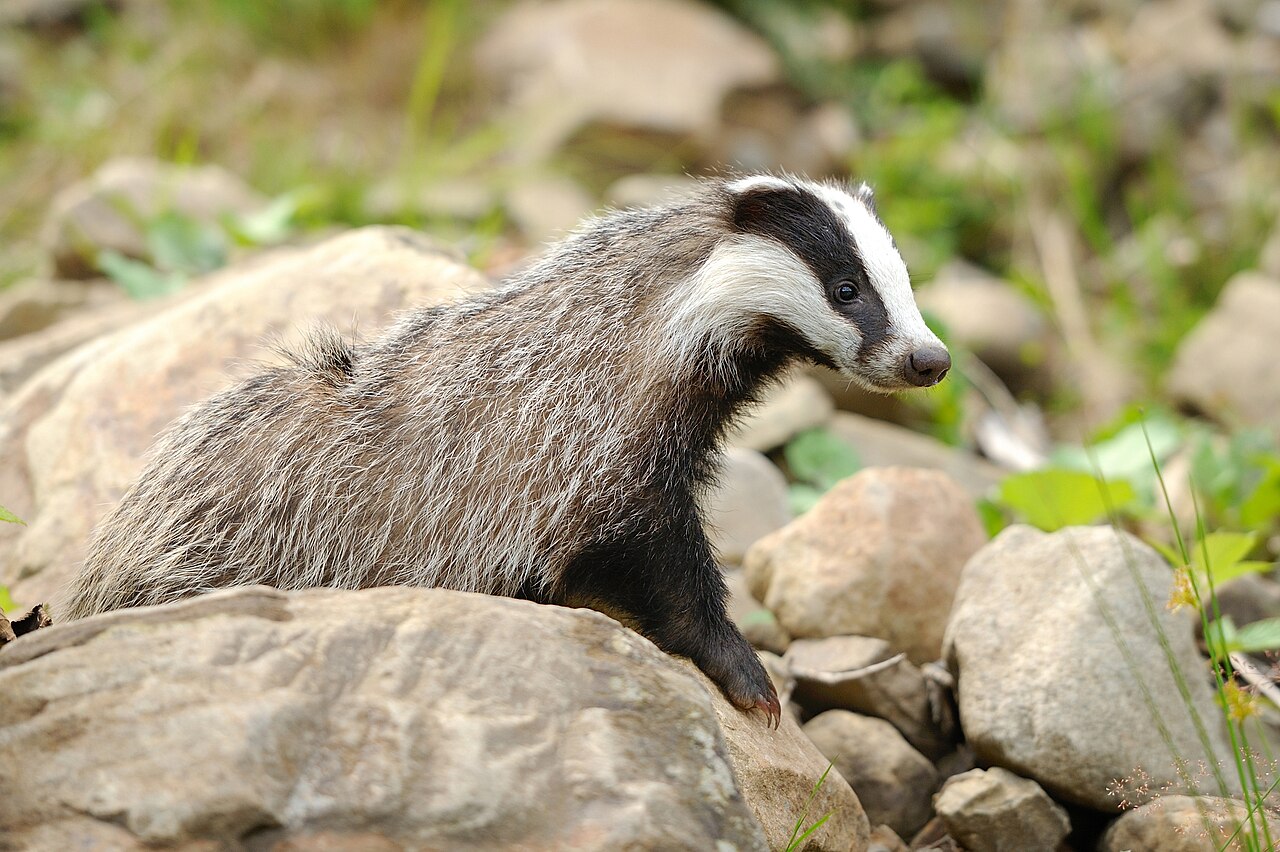 European badger
A nocturnal dweller of Polissia's pine and mixed forests, known for multi-entrance setts that are several decades old.
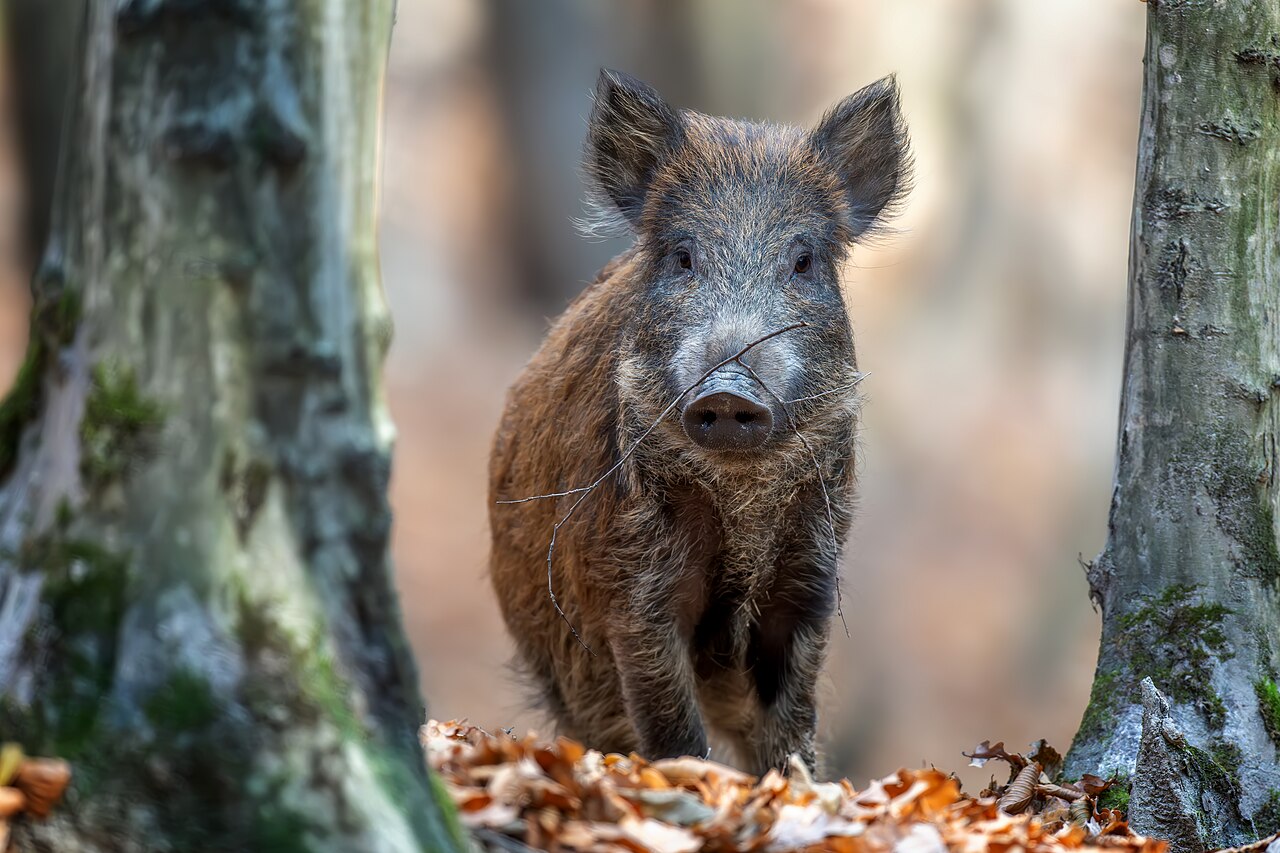 Wild boar
The wild pig of Polissia's forests and floodplains, whose signs – rooted-up earth and mud wallows – are found almost everywhere.
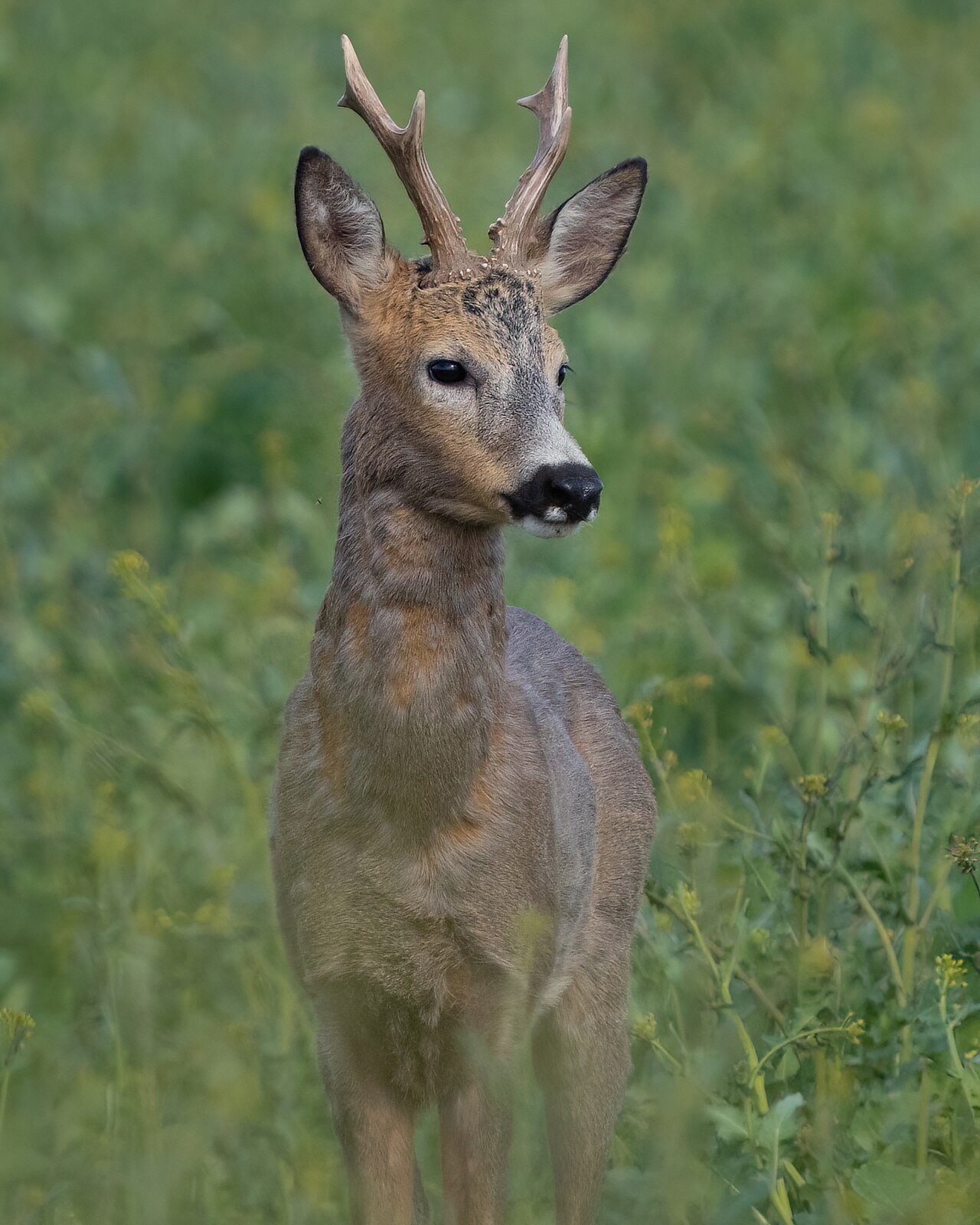 Roe deer
A small, graceful deer of Polissia's forest edges and fields, most easily met at dawn on the edge of the woods.
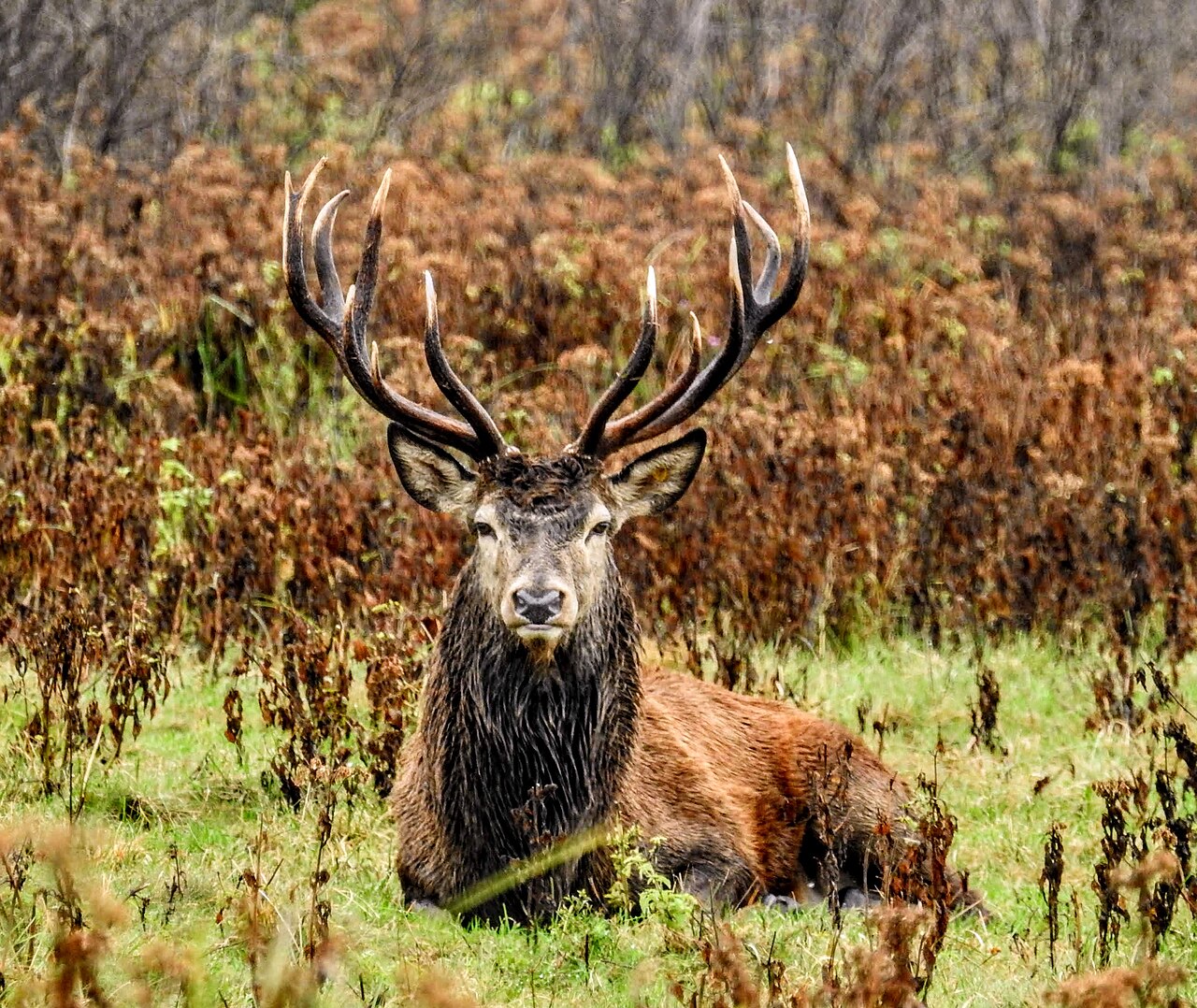 Red deer
A large deer with spreading antlers, whose autumn roaring is one of the most striking events of the Polissia forest.