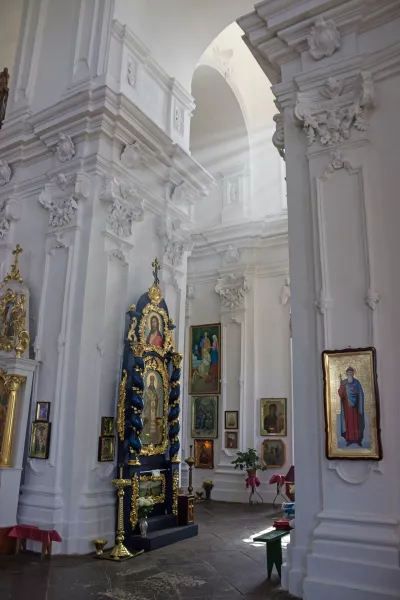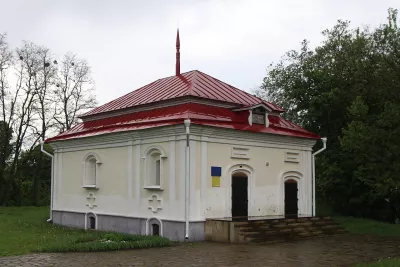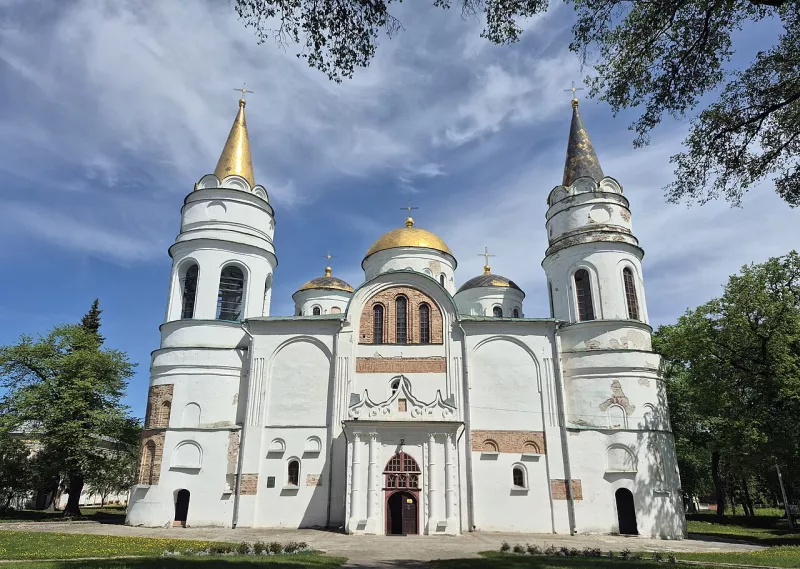

Chernihiv is a regional center in northern Ukraine, on the right bank of the Desna River, near the confluence of the Stryzhen River. It is one of the oldest cities in the country: a fortified hillfort emerged here in the late 7th century, and during the times of Rus, Chernihiv was the capital of a large principality and one of the largest cities of Europe at the time. Historian Mykhailo Hrushevsky called Chernihiv the "Ukrainian Ravenna" due to the number of ancient churches, and the historical center of the city is a candidate for the UNESCO World Heritage List. In 2022, Chernihiv received the honorary title "Hero City of Ukraine".
Capital of Sivershchyna
Chernihiv was first mentioned in chronicles under the year 907, in the treaty between Prince Oleh and the Greeks. In the 11th–13th centuries, it was the center of Sivershchyna and the Principality of Chernihiv, whose lands stretched as far as Kuban, Murom, and Ryazan. Mstyslav, the brother of Yaroslav the Wise, was the first to rule here as prince: he built a stone princely court and began construction of the Savior Cathedral. The city had an episcopal seat, and chronicles were written here.
Princely Chernihiv lay on a plateau between the Desna and the Stryzhen: in the center was the detinets with the princely court, surrounded by the outer town and Tretiak, where merchants and artisans lived, and along the Desna was the trading Podil. In 1239, the city was destroyed by the Mongols and fell into decline for a long time.
Hetman Chernihiv
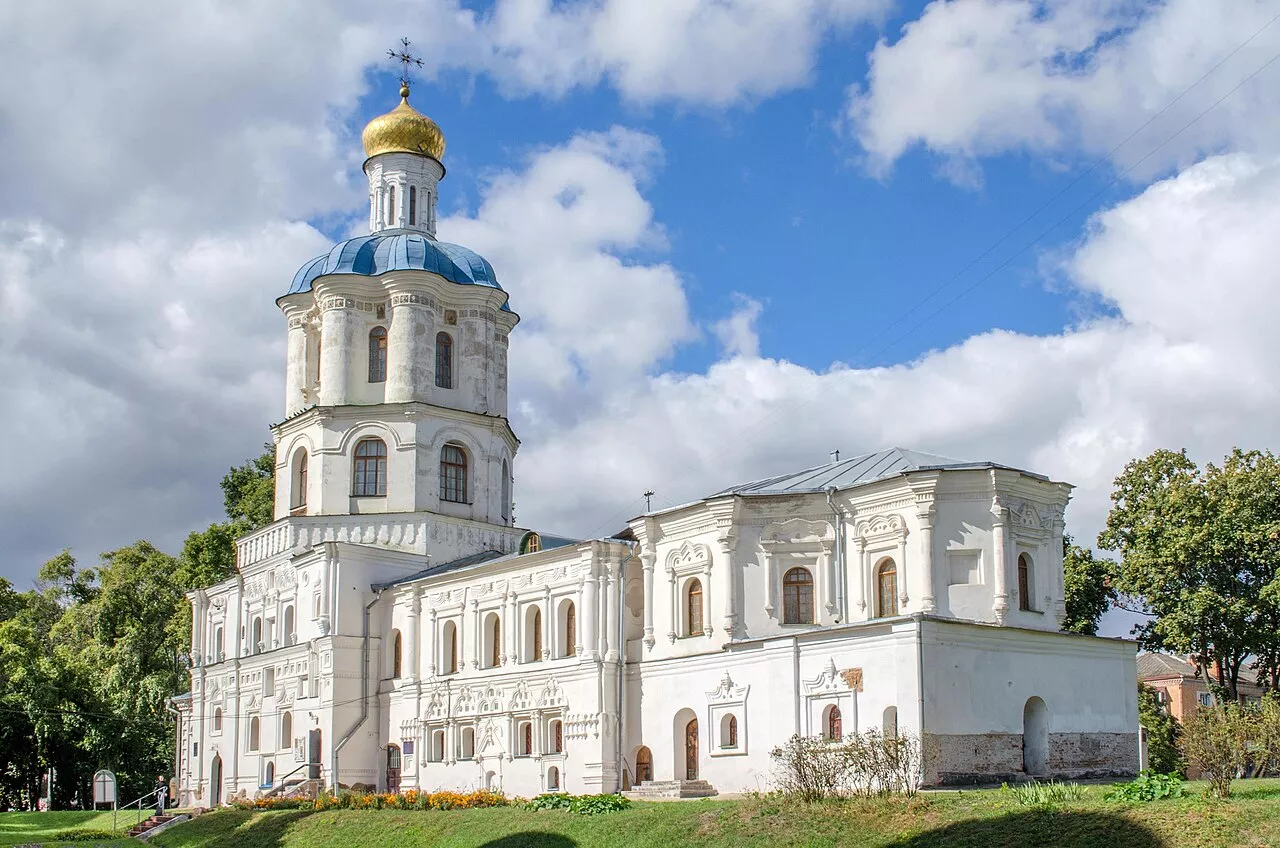
The revival began in the 17th century. In 1623, Chernihiv received Magdeburg rights and a coat of arms, and in 1646, Kyrylo Trankvilion-Stavrovetsky, archimandrite of the Yelets Monastery, founded the first printing press here. During the Hetmanate era, the city became the center of the Chernihiv Regiment. Thanks to archbishops Lazar Baranovych and Ioann Maksymovych and the support of Hetman Ivan Mazepa, Chernihiv turned into one of the main cultural centers of the Left Bank: it was then that the collegium, the Lyzohub house, the Trinity Cathedral, and St. Catherine's Church emerged.
What to See
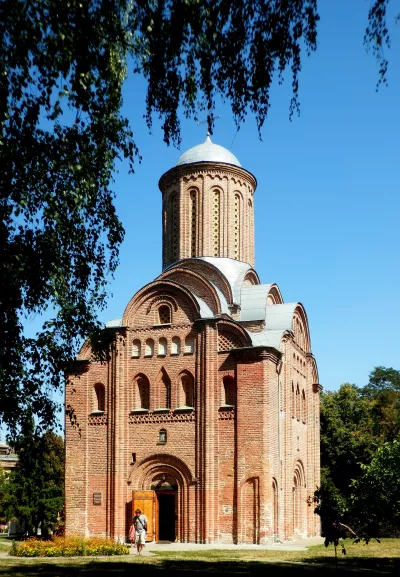
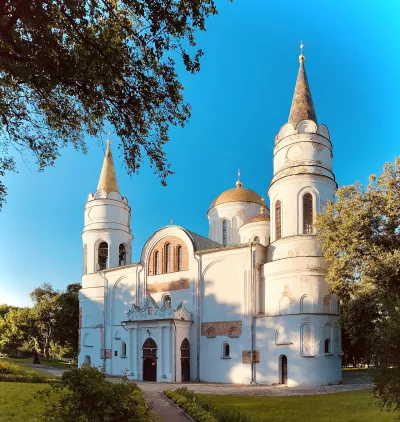
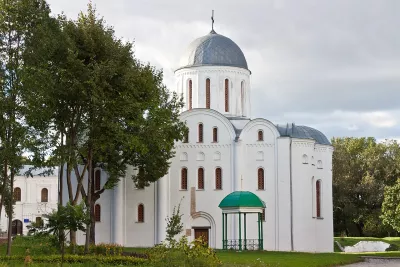
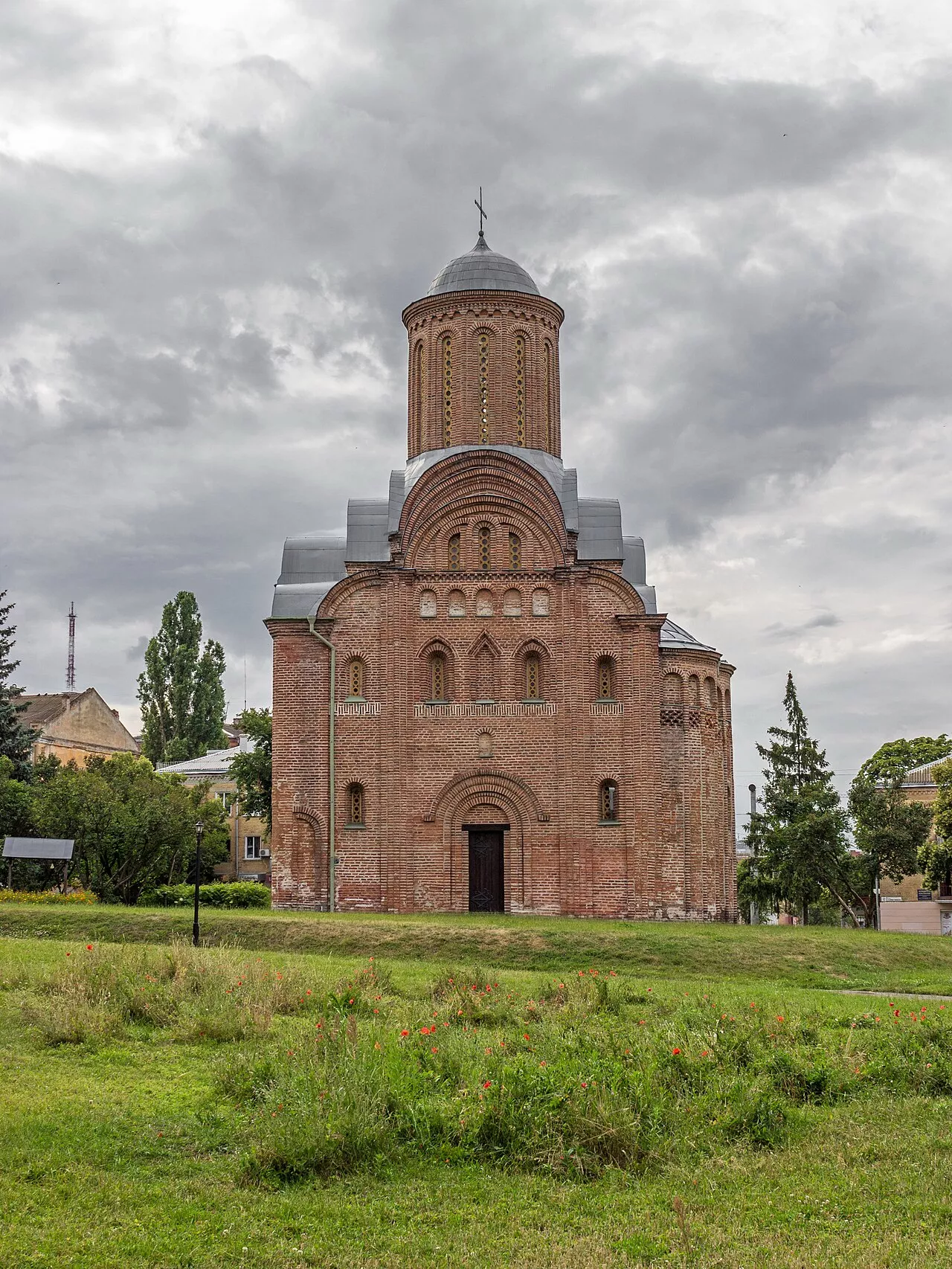
The main heart of the city is the Val, the former detinets, where the 11th-century Transfiguration Cathedral—one of the oldest structures in Ukraine—and the 12th-century Borysohlibskyi Cathedral stand. The "Ancient Chernihiv" National Reserve operates here. It is worth seeing St. Paraskeva Church on the site of the ancient marketplace, St. Catherine's Church of 1715, the Chernihiv Collegium of 1702, and the regimental chancery—the Lyzohub house from the late 17th century.
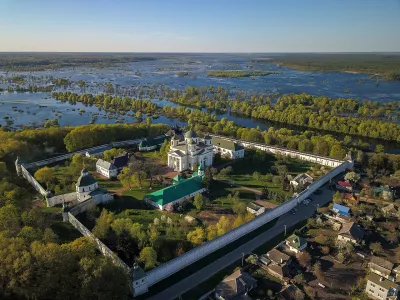
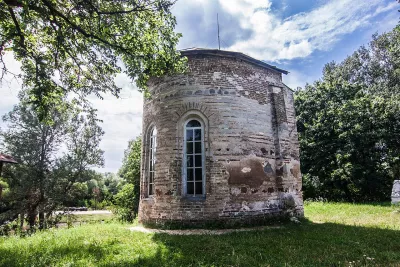
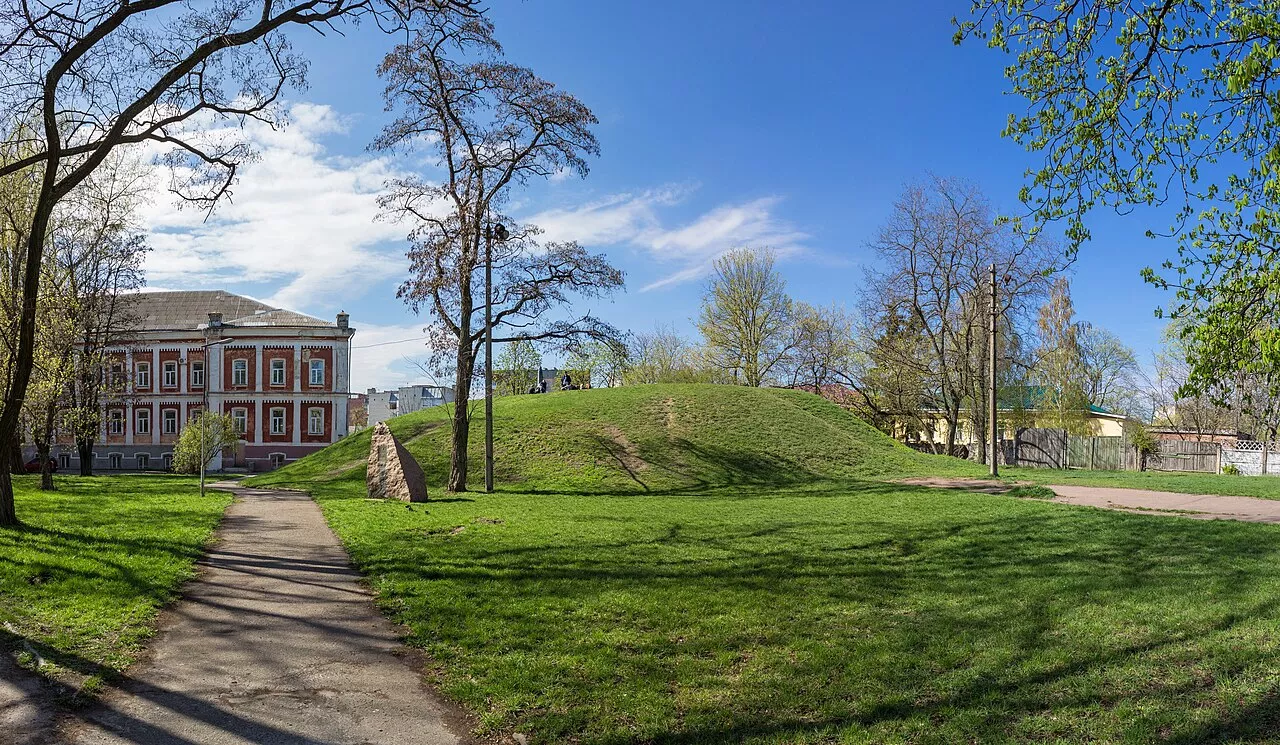
On Yelets Hill stands the Yelets Assumption Monastery with the 12th-century Assumption Cathedral, and nearby is the Chorna Mohyla barrow from the 10th century, which, according to legend, is the burial site of the legendary Prince Chornyi. On Boldyny Hills is the Trinity-Illya Monastery, the 12th-century Illya Church, and the Antony Caves, which are associated with Antony of the Caves.
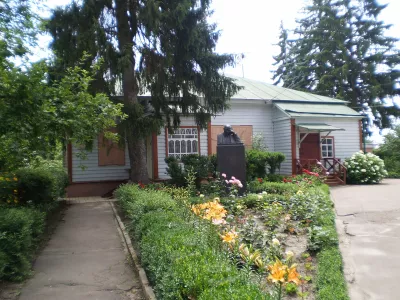
There are about ten museums in the city: the Vasyl Tarnovsky Historical Museum, the Hryhoriy Galagan Art Museum, the Mykhailo Kotsiubynsky Museum-Reserve, and the military-historical museum. For nature walks, there is the Yalivshchyna Regional Landscape Park, Boldyna Hora Park, and the Sviate tract.
Name
According to legend, the city was named after the first prince, Chornyi. Another legend connects the name with his daughter, who threw herself from a tower window to avoid falling into the hands of enemies. It is also said that Chernihiv was surrounded by dark, "black" forests.
Chernihiv in 2022
During the full-scale invasion, Chernihiv was semi-encircled and under constant shelling for several weeks. On March 23, 2022, Russian aircraft destroyed the road bridge across the Desna connecting the city with Kyiv. The occupiers failed to capture Chernihiv, but the city became one of the most destroyed in Ukraine. Before your trip, check which museums and sights are currently open.
Walking trails
For exploring the city, there are ready-made walks: „Val and Tretiak: Princely Chernihiv on foot”, „Boldyna Hora: barrows, Anthony Caves, Trinity Monastery” and „Eco-trails of Yalivshchyna”.
The Desna and green corners
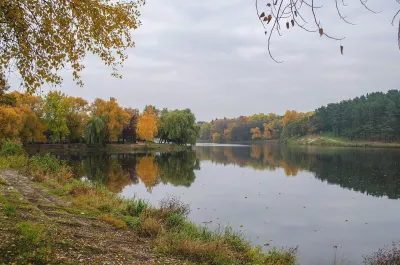
Chernihiv is a city on the Desna, and its banks with beaches, meadows, and steep slopes are a favorite recreation spot for locals. Within the city limits, there is the Yalivshchyna Regional Landscape Park with a forest reserve, the Sviate protected tract, the Boldyna Hora, Mariin Hai, and Berezovyi Hai parks, as well as Lake Hlushets and Lake Mahistratske, which are hydrological natural monuments. Seventeen old oaks and groups of trees in the city are protected as botanical monuments.
Bus stations and schedules
- Chernihiv-1 bus station schedule — on Pryvokzalna Square, next to the railway station
- Chernihiv-2 Bus Station
- Chernihiv-3 Bus Station
- Bus schedule for all Polissia bus stations — new bus stations also appear here.
Coat of arms and flag
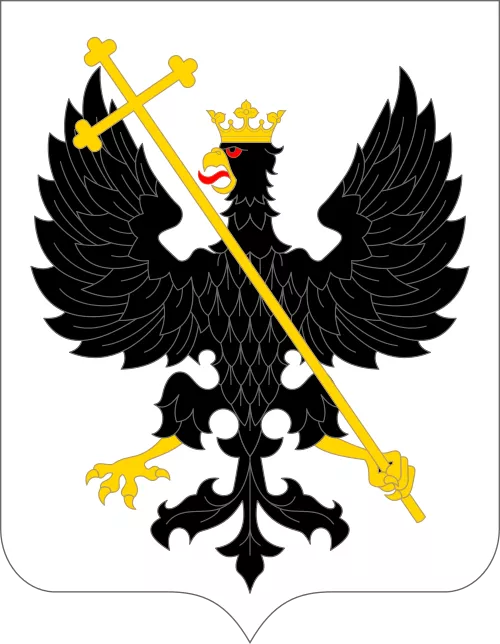
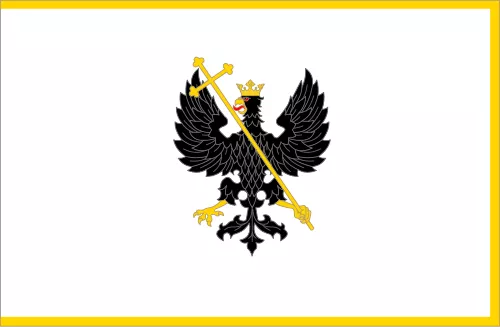
The coat of arms of Chernihiv is a black single-headed crowned eagle with a golden cross. It originates from the municipal and gubernia coat of arms of the 18th–20th centuries, and according to legends, the black eagle was a symbol of the Principality of Chernihiv back in the times of Rus. On the white flag of the city is the same eagle; the author of the flag is artist Borys Diedov.
How to get there
Trains and buses run to Chernihiv from Kyiv (about 150 km). The railway station and bus station stand side by side on Pryvokzalna Square, and buses and trolleybuses run around the city. Allow a day to explore the center, and two days for the city with Boldyna Hora and museums. Nearby are Sedniv with the Lyzohub estate, Liubech on the Dnipro, and Novhorod-Siverskyi.