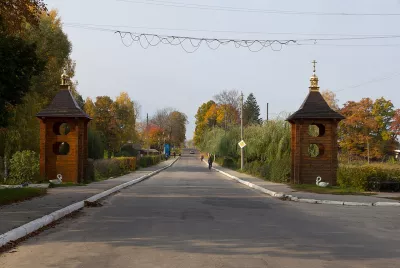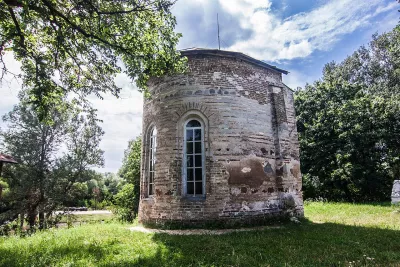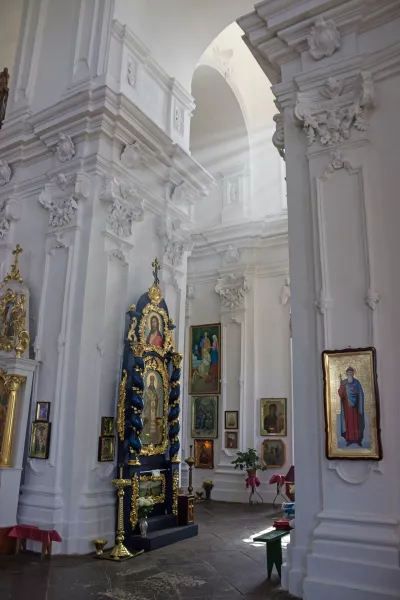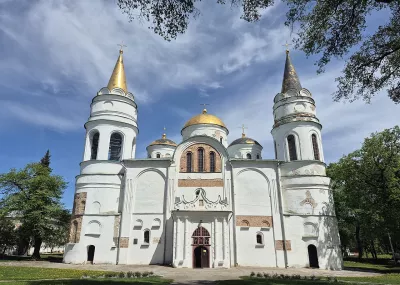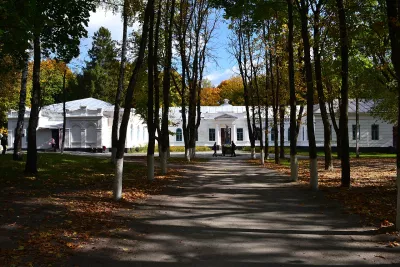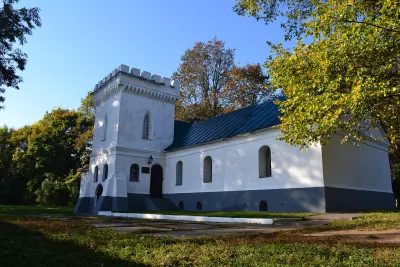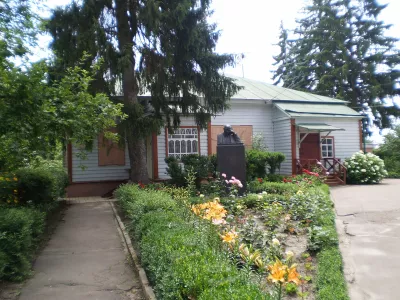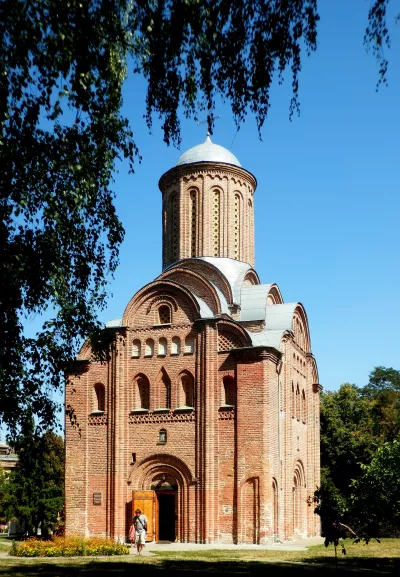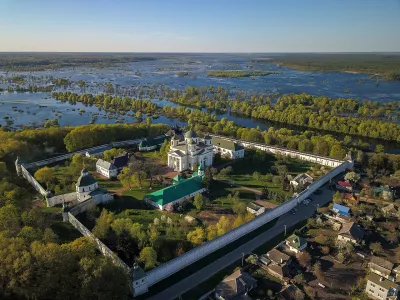

Lyubech is a settlement on the high left bank of the Dnipro River in Chernihiv Raion, and once one of the most ancient and important cities of Rus. It was called the "northern gates" of Rus: boats stopped here on the route "from the Varangians to the Greeks" before the journey to Kyiv and further to Byzantium. Today Lyubech attracts visitors with Castle Hill featuring a monument to the famous princely council, the "Ancient Lyubech" museum complex, and Polubotko's stone house.
A city older than the Kievan state
Slavic settlements existed here as early as the first centuries AD. The chronicle first mentions Lyubech under the year 882: Prince Oleh captured the city and placed his governor here. In 907, Lyubech is named in Oleh's treaty with the Greeks, and around 949 the Byzantine Emperor Constantine Porphyrogenitus wrote about it as a large trading city. The Greeks, it is said, called it Amadoka — a place where dugout canoes are made.
Lyubech stood on the edge of a high plateau above the Dnipro and blocked the path to Kyiv from the upper Dnipro, Sozh, and Berezina. Therefore, the fate of the Kyiv throne was decided here more than once: in December 1016 near Lyubech, Yaroslav the Wise defeated his brother Sviatopolk and took control of Kyiv the following year.
The Lyubech Council
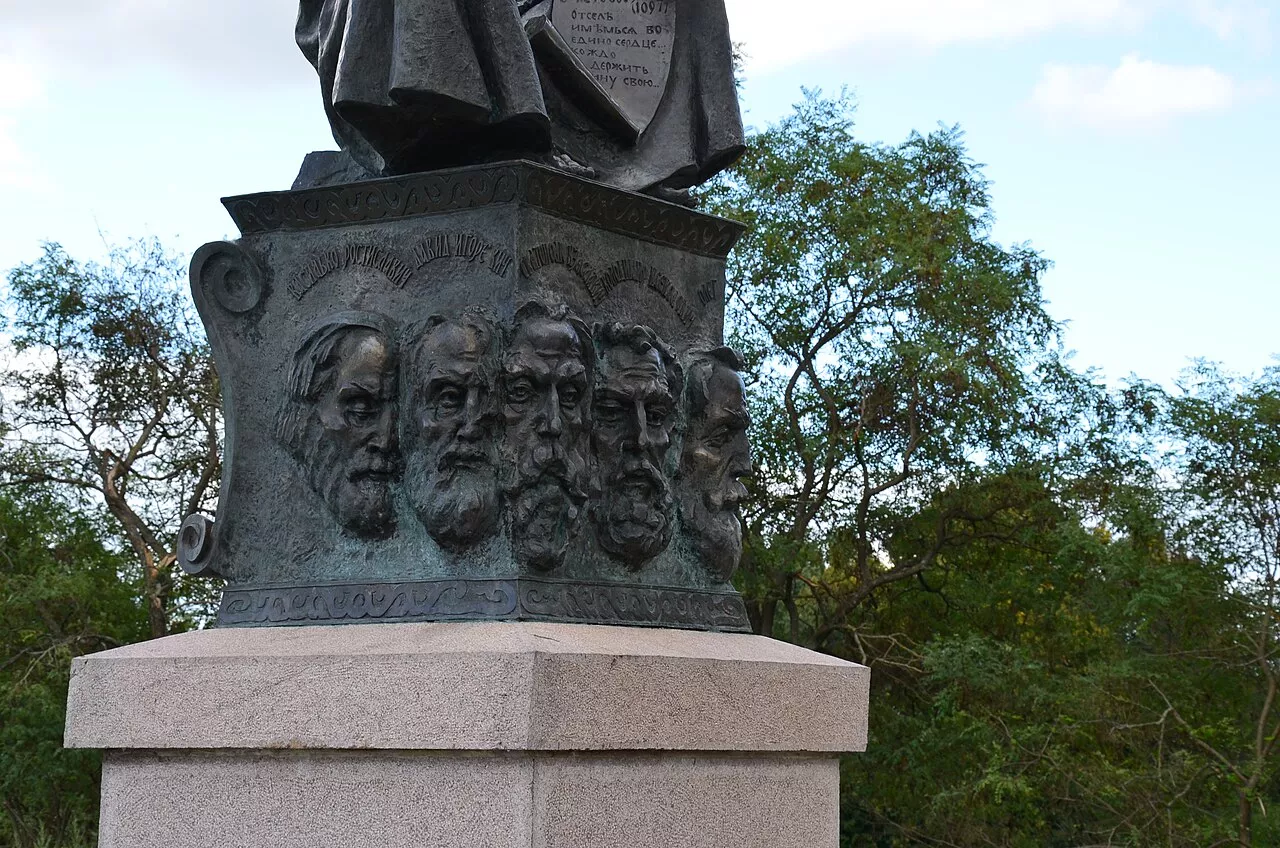
In 1097, the princes of Rus gathered in Lyubech and adopted the principle "let each keep his fatherland" — which consolidated the division of the state into principalities. In 1180, the second council took place here. Later, the city was destroyed alternately by princes and Polovtsians, and in 1239 by the Mongols. Afterwards Lyubech belonged to Lithuania, passed to Muscovy and back, and from 1648 became a sotnia town of the Hetmanate.
Birthplace of Anthony of Pechersk
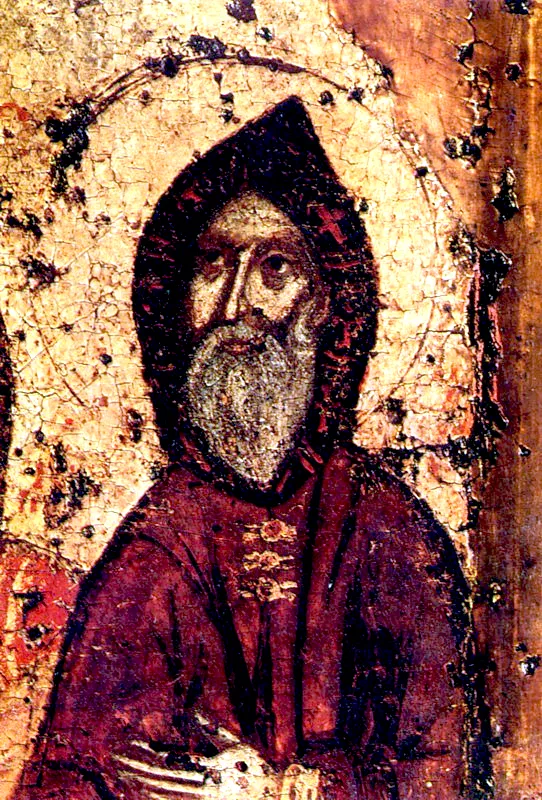
Anthony of Pechersk was born in Lyubech — the founder of the Kyiv-Pechersk Lavra and the progenitor of organized monasticism in Rus. In 1693, with the permission of Archbishop Lazar Baranovych, the Saint Anthony Monastery of Lyubech was restored here.
What to see
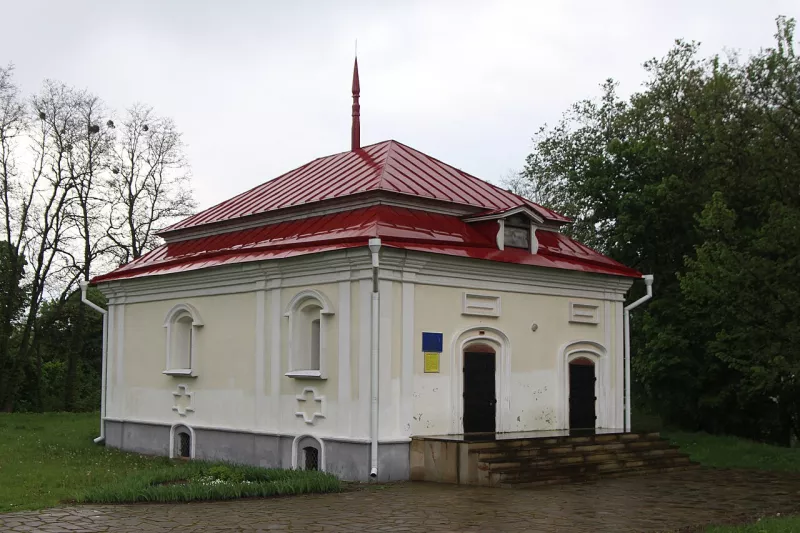
Castle Hill is the site of the ancient Lyubech Castle above the Dnipro, where a monument in honor of the 900th anniversary of the Lyubech Council of Princes and a commemorative sign for the 1100th anniversary of Lyubech stand. A sweeping view of the Dnipro opens from here. The "Ancient Lyubech" Historical and Archaeological Museum Complex tells the story of the city's excavations. Polubotko's Stone House is an example of masonry civil architecture from the early 18th century, associated with the family of acting hetman Pavlo Polubotko.
Tip
Lyubech lies not far from the border with Belarus. During martial law, entry and movement restrictions may apply here, so check the situation with the hromada before your trip and keep your documents with you.
Coat of arms and flag
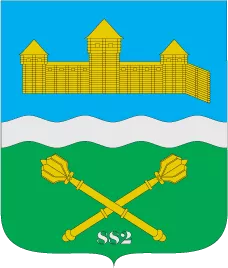
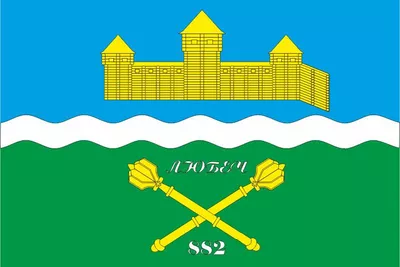
The shield of the coat of arms of Liubech is divided into azure and green parts by a silver wavy fess, representing the Dnipro. At the top is a gold wooden fortress wall with three towers, and at the bottom are two crossed gold maces and the date "882", the year of the first chronicle mention. The flag repeats these symbols across three stripes.
How to get there
From Chernihiv to Liubech is about 70 km, and buses run there. A ready-made route through the town is "A Walk Through Liubech: From the Museum to Castle Hill Above the Dnipro".