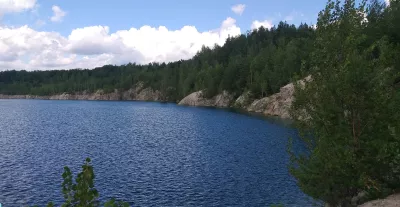
In the very heart of the urban-type settlement of Khoroshiv in the Zhytomyr region lies an old green area — the Horoshkivske Zamchyshche park. This is not just a park for walks, but a historical landscape that has evolved over more than two centuries and retained traces of different eras — from noble estates to the Soviet past.
Where the park is located
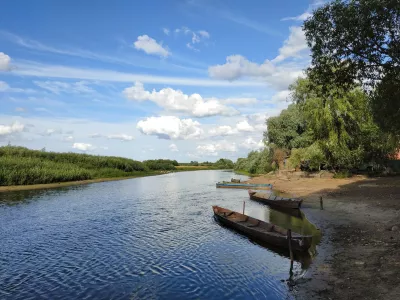
Horoshkivske Zamchyshche is located in the historical part of Khoroshiv, on the high bank of the Irsha River. The total area of the territory is about 5 hectares. The park has the status of a local-level landscape art monument; the main goal of protection is the preservation of the old-growth tree stand and the historical landscape.
Historical landscape: from a fortress to a city park
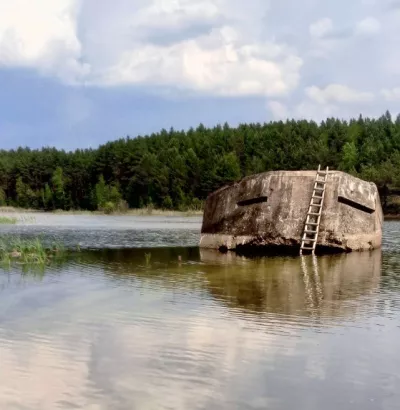
The history of this area begins long before the modern park. In the 16th century, Horoshky was owned by the Sapiehas, later by the princes Pronski and Leszczynski. In 1625, the town was bought by Stefan Nemyrych, and Yuriy Nemyrych built a bastion fortress here. The remains of the ramparts and moats, which can still be noticed in the relief today, gave the park the name "zamchyshche" (castle site).
After Kosciuszko's uprising, the estate was confiscated, and in 1796 Catherine II presented Horoshky to Mykhailo Kutuzov. The park along the Irsha was laid out back in the 18th century, and a palace stood within it, which burned down in 1919. Nothing remains of the palace ensemble except the park itself — a living trace of history.
What has survived to this day
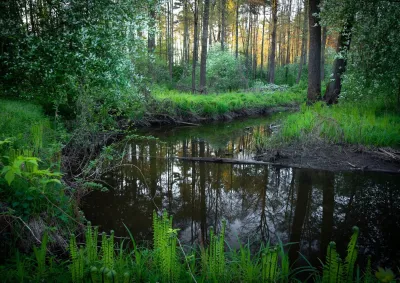
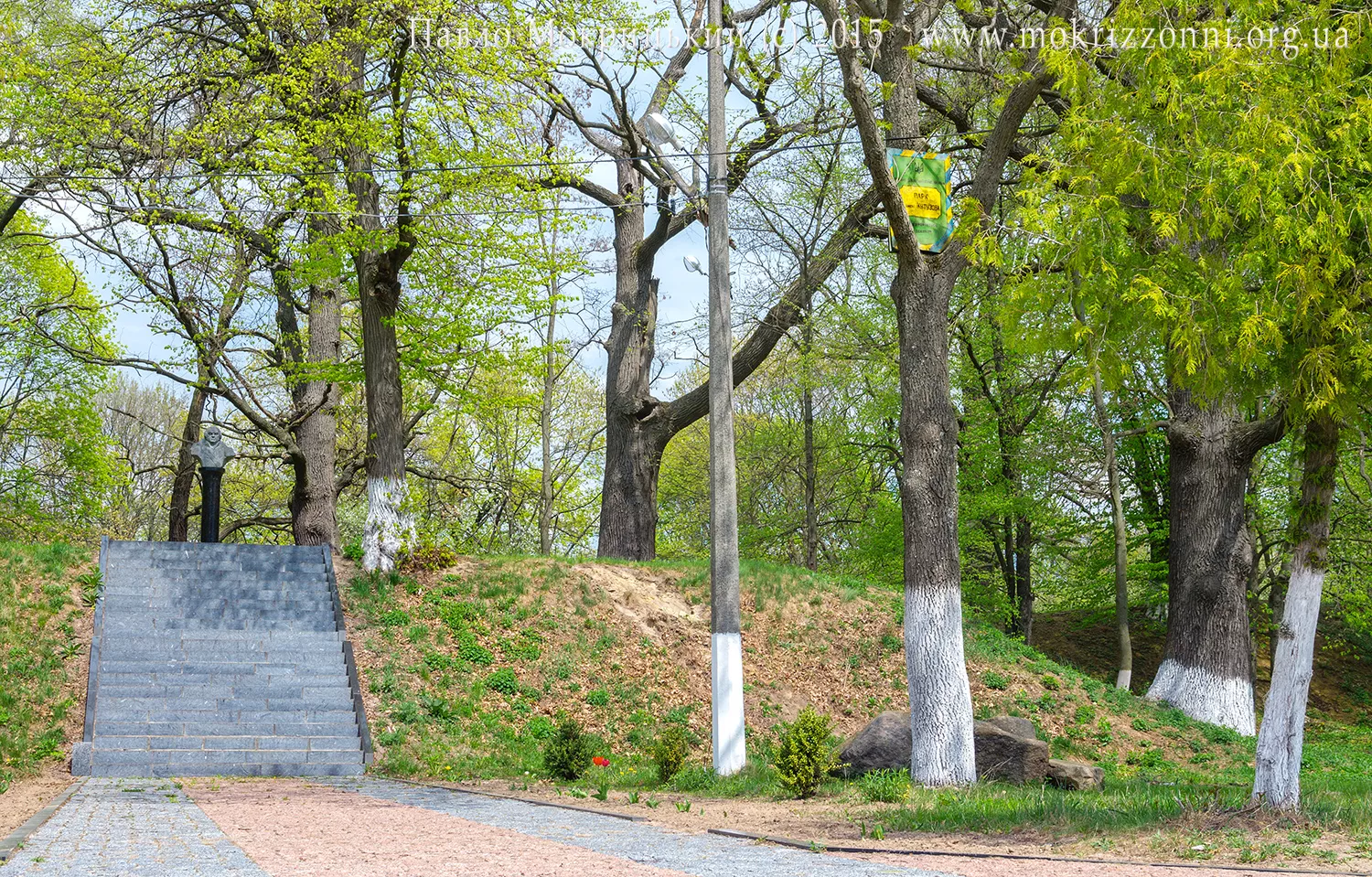
Despite its complex history, the park has retained part of its natural and historical potential. Giant trees that are over 200 years old still grow here today.
Among them, the following predominate:
- old-growth oaks;
- poplars of historical planting;
- natural plantings that formed on the site of the former estate.
According to experts, about 60 aged trees have survived in the park, which are the main value of this territory.
Wars, destruction, and renaming
Like many historical sites in the Zhytomyr region, Horoshkivske Zamchyshche has survived several waves of destruction. During different periods, elements of the palace architecture and utility structures disappeared here, and in the 20th century, part of the park ensemble was altered or destroyed. At the same time, the park remained an important green zone of the settlement.
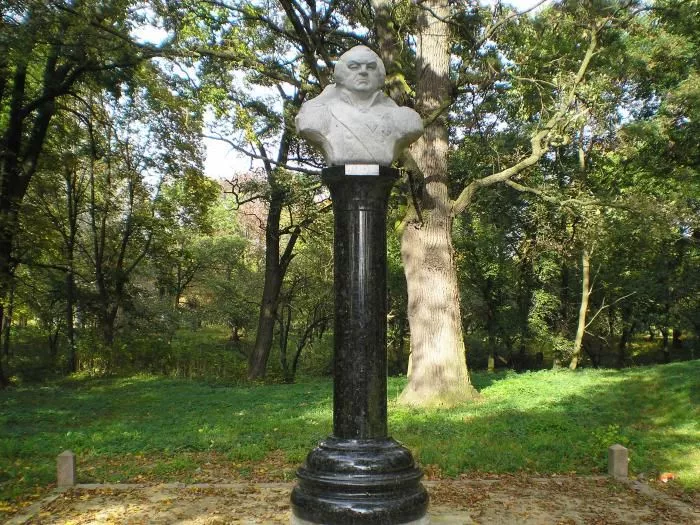
A separate stage of history is connected with the renaming of the settlement itself. Until 1912 it was called Horoshky, then Kutuzove, from the 1920s — Volodarsk and Volodarsk-Volynskyi, and in 2016 it received the name Khoroshiv. The park bore the name of Kutuzov for a long time; in 2022 it was returned its historical name "Horoshkivske Zamchyshche", and Kutuzov's bust was removed.
Current state of the park
Today, Horoshkivske Zamchyshche is a quiet green zone within the settlement that performs several functions at once:
- recreational (relaxation for residents);
- ecological (preservation of old trees and the microclimate);
- historical and cultural (a reminder of the former fortress and estate).
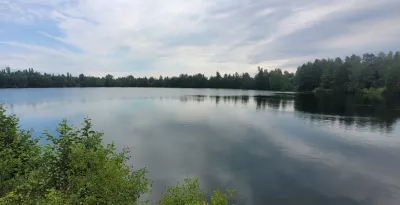
Despite the lack of full-fledged tourist infrastructure, the park remains popular among local residents for walks and recreation.
How to get there
The park is located in the central part of Khoroshiv, within walking distance from the center of the settlement. From Zhytomyr, it is about 50 km by car to the northwest; scheduled buses also run to Khoroshiv.
Why it is worth visiting
Horoshkivske Castle Site is an example of how history can be preserved not only in architecture, but also in nature. There is no palace here, but there is a living memory of it — in the age-old trees, traces of the ramparts, the layout of the territory, and the atmosphere of the old park.
This is a place for those who are interested in:
- the history of Volyn and Zhytomyr region;
- ancient parks and estates;
- quiet natural locations without mass tourism.
Horoshkivske Castle Site today is a quiet page of a great history that continues to live among the oaks along the Irsha River.