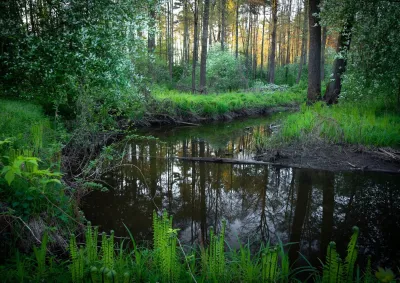
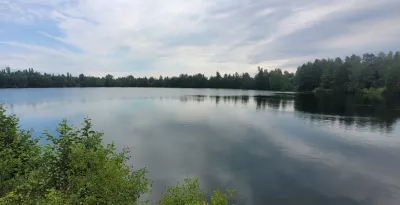
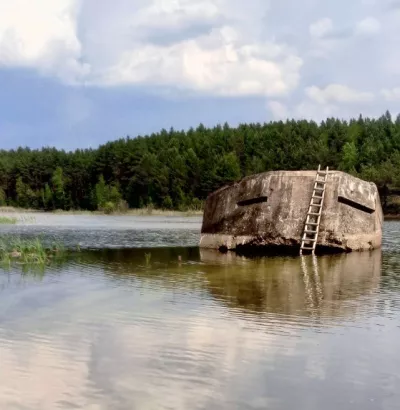
The village of Lishchyn is located on the Guiva River, not far from the Zhytomyr — Popilnia highway, and is part of the Stanyshivka rural hromada of Zhytomyr Raion. According to the 2001 census, 1,265 people lived here. The village has a centuries-old history and interesting architectural landmarks.
The first documentary mention of Lishchyn dates back to August 1, 1587, when the Brest Voivode Gavrylo Hornostai filed a complaint against the voivodich Frydryk Tyshkevych for the devastation of his lands in this village. Already in 1618, Lishchyn was mentioned as a town in the documents of Ostafii Strybel.
Holy Trinity Church
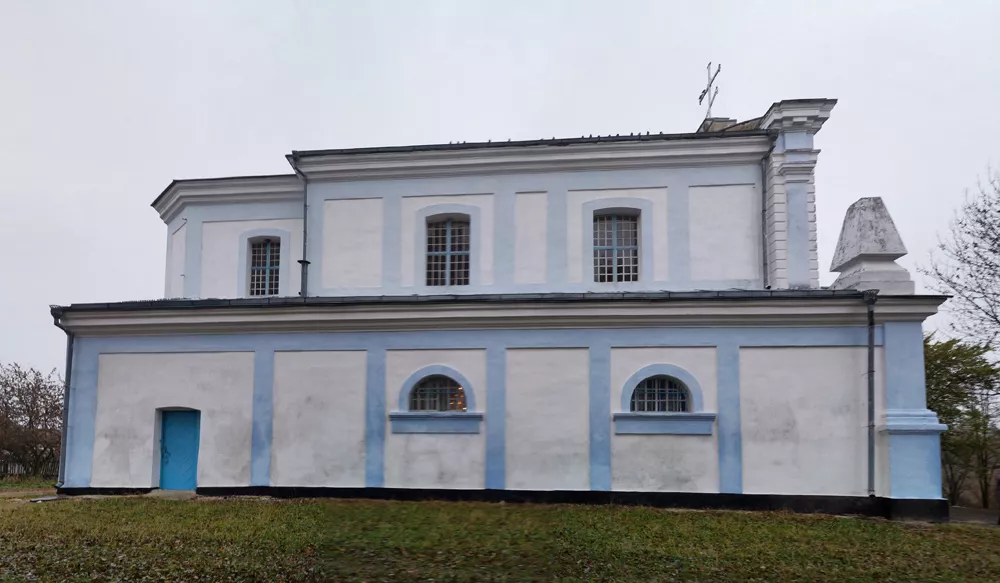
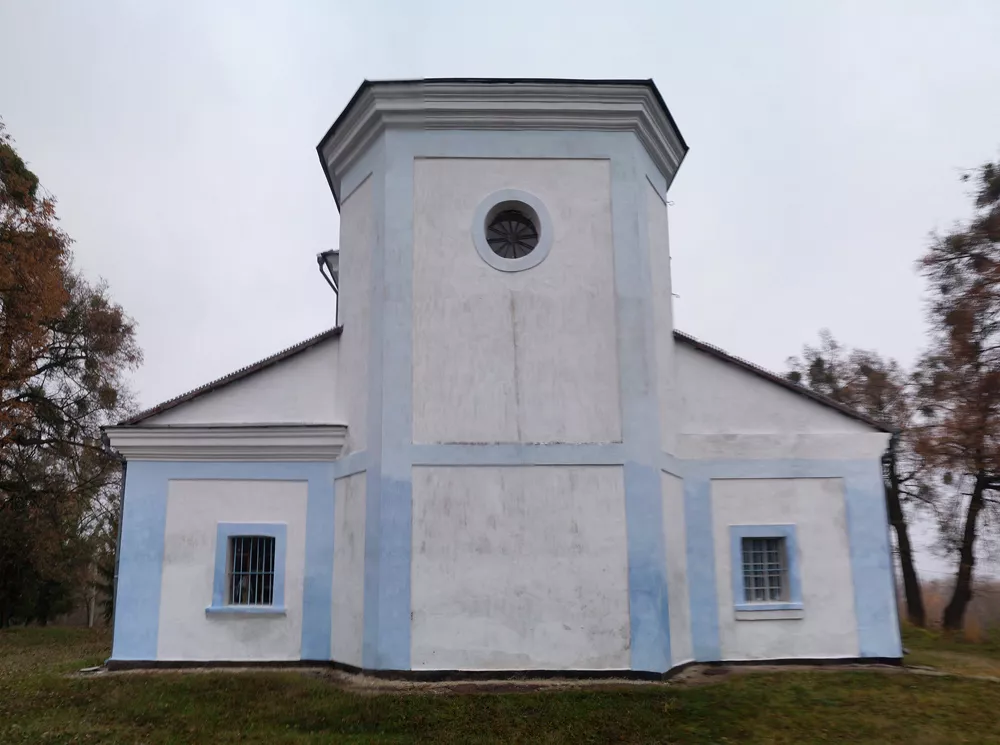
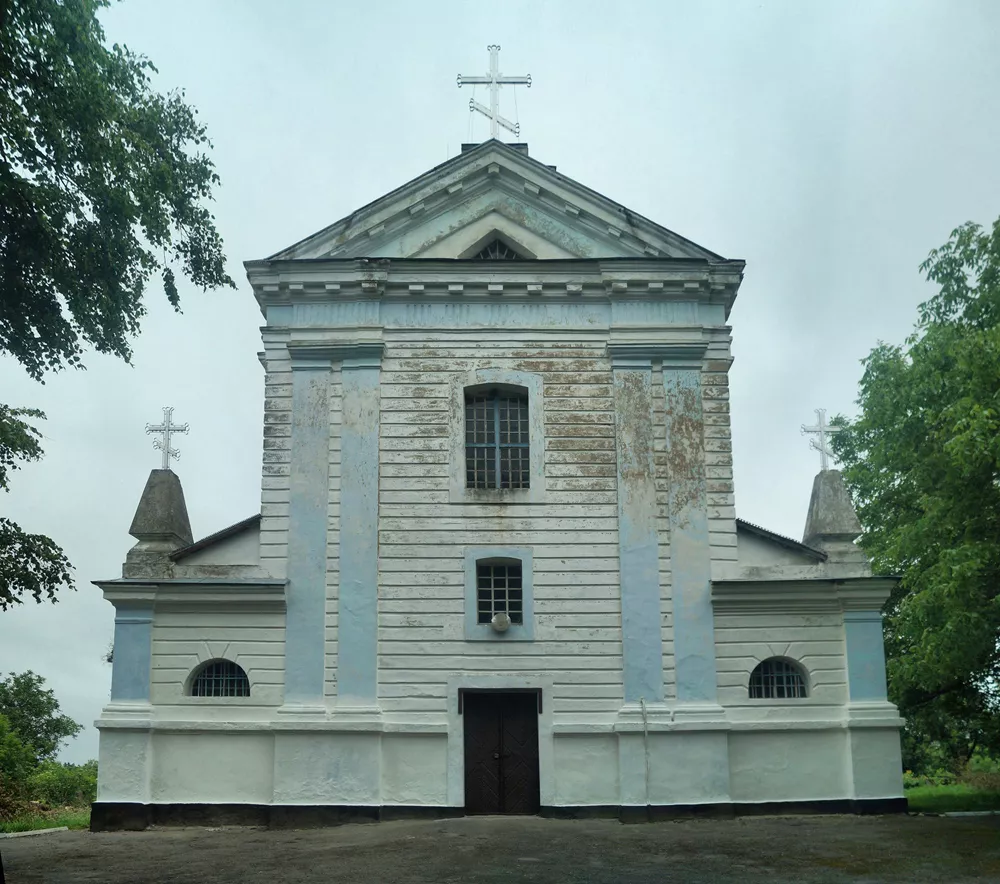
One of the main landmarks of the village is the Holy Trinity Church, erected in 1805 at the expense of Juzef Polianovskyi, the stolnik of Przemyśl. This temple is considered one of the last examples of Baroque architecture in Ukraine, although classicism is already noticeable in its features.
Architectural features of the church
- It is a brick three-nave basilica with low side naves.
- The main facade is decorated with horizontal rustication and designed in the Doric order.
- Symmetry is emphasized by powerful obelisks at the corners of the side naves.
- The central nave is illuminated by large rectangular windows, while the side naves have semi-circular windows.
- The main nave is covered with semi-circular vaults.
Church bell tower
- It stands to the northwest of the temple.
- Two-tiered, brick, topped with a tent roof.
- It has a square shape and harmoniously complements the church ensemble.
Classicist Palace
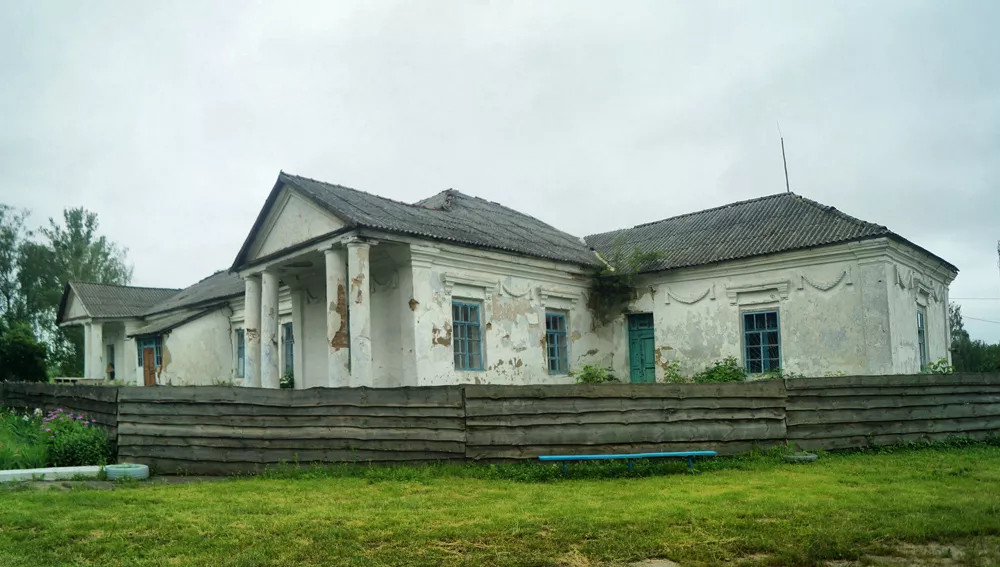
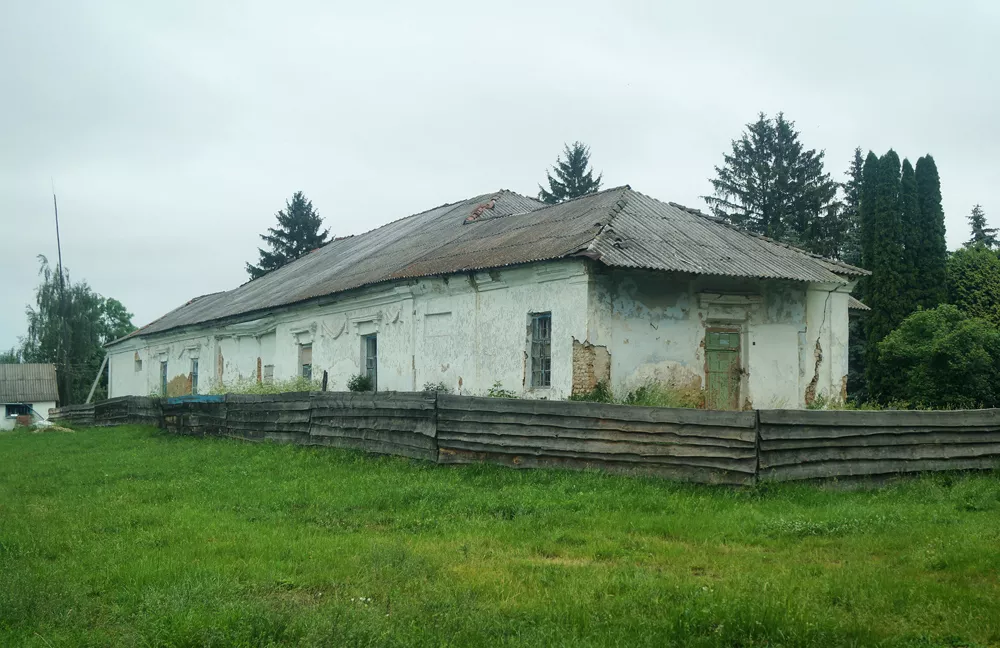
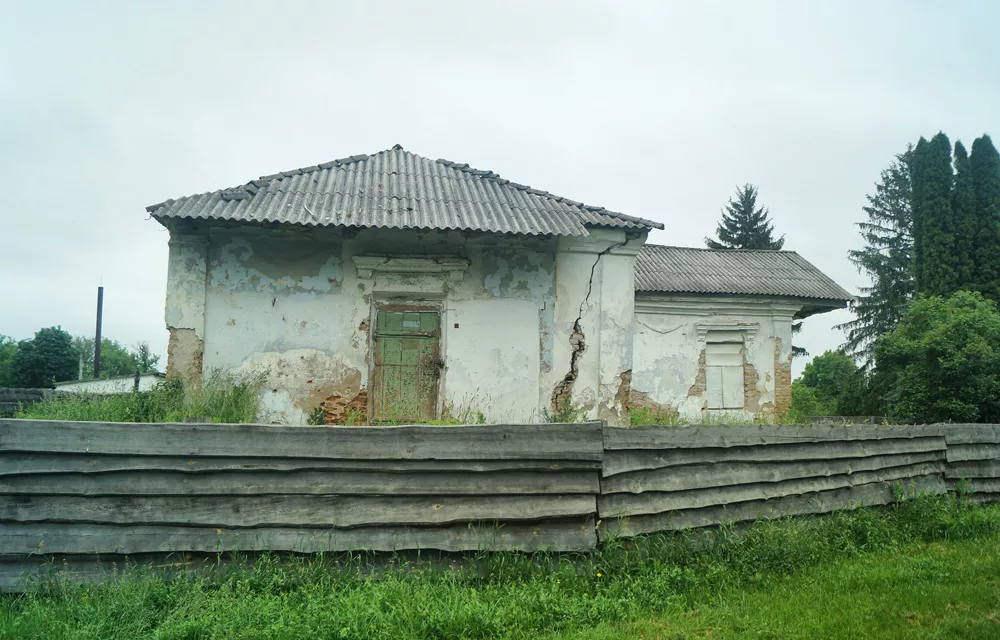
In addition to the church, a single-story classicist palace built in the early 19th century has been preserved in Lishchyn. There is no exact information about its founder, but historians believe it could have been built by the same Juzef Polianovskyi who financed the construction of the church. A page of the Decembrist movement's history is also connected with the Polianovskyi estate: in 1825, participants of the Chernigov Regiment uprising gathered here.
Features of the palace
- A rectangular building with two side risalits.
- The facade is decorated with four-column porticos that give the building grandeur.
- The windows have window sills (sandrics), and the corners of the building are accentuated by pilasters.
- Straight lines and harmonious proportions create an elegant appearance characteristic of classicism.
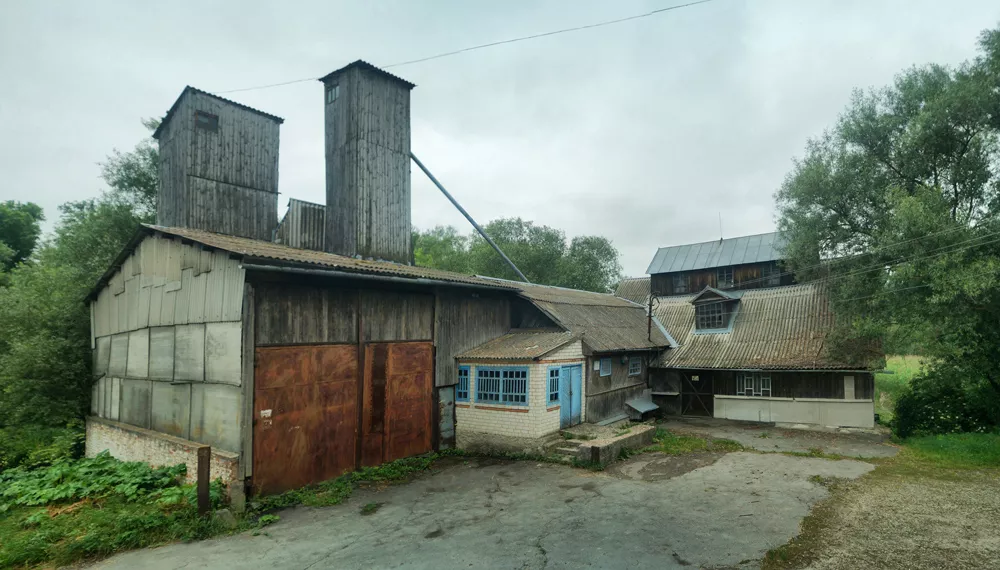
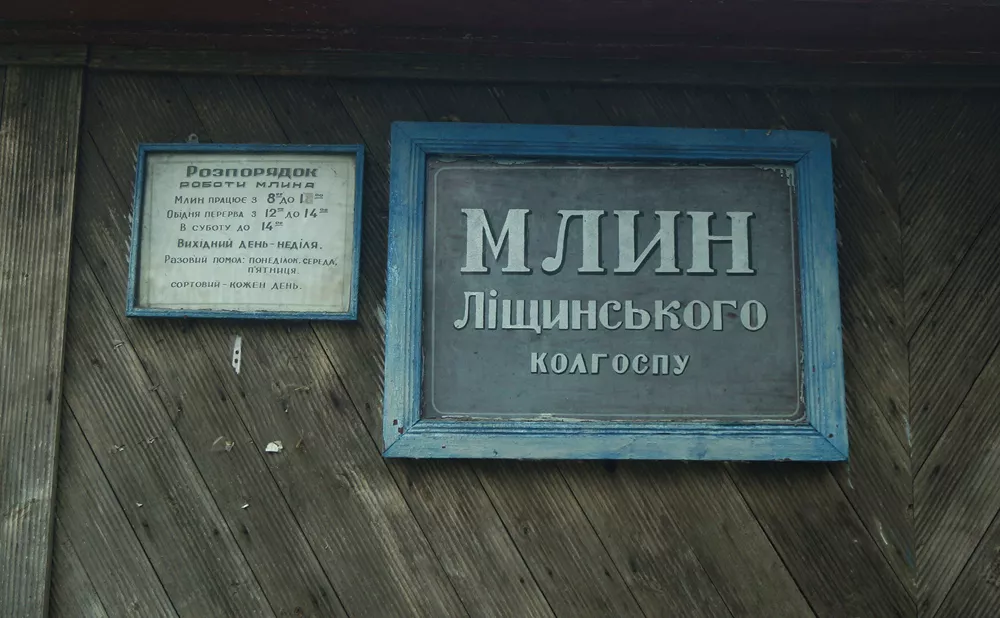
The palace and the church together form a historical and architectural ensemble — a valuable testimony to the development of culture and architecture in the Zhytomyr region of the late 18th and early 19th centuries. In the late 19th century, two water mills operated in the village; the building of one of them can still be seen today.
Why Lishchyn is interesting
- For connoisseurs of historical architecture and late Baroque.
- For researchers of classicist buildings in the Zhytomyr region.
- For travelers driving along the Zhytomyr — Popilnia highway who are looking for lesser-known historical places.
Visiting Lishchyn allows you to see a combination of sacral and secular architecture, feel the atmosphere of past centuries, and appreciate the craftsmanship of the builders of that time.
Photos by Roman Malenkov.