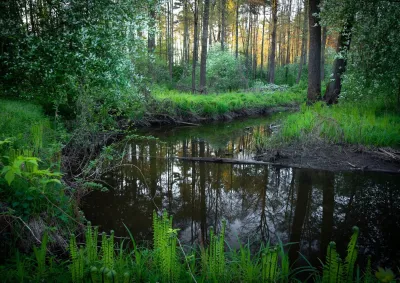
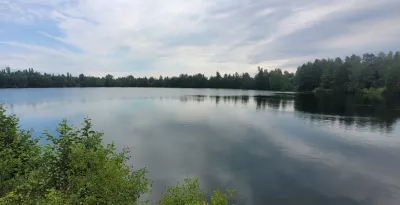
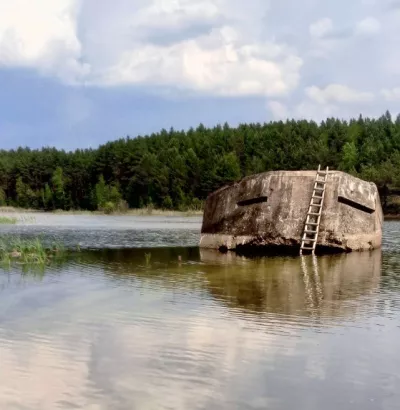
The village of Pisky near Zhytomyr, in the Stanyshivka hromada of Zhytomyr Raion, was first mentioned in documents back in 1587. This is an ancient settlement where about 1,400 people currently live. Several interesting architectural sites have been preserved in Pisky, and one of the most prominent is the Kapelist landowner estate of the 19th century.
History of the village of Pisky
Pisky lies a few kilometers southeast of Zhytomyr. The name of the village appears in an act dated August 1, 1587: the Voivode of Brest, Havrylo Hornostai, complained at that time about Fryderyk Tyshkevych, who had ruined his estates. This indicates that a noble estate already existed here in the 16th century.
At the end of the 19th century, a wooden Saint George's church stood in the village, and a parish school had been operating since 1885. In 1906, Pisky belonged to the Levkiv volost of Zhytomyr Uyezd and had 224 households and nearly 1,300 residents. During the Second World War, starting in 1942, the village found itself within the borders of the Nazi colony "Hegevald" — right up until February 1944.
Despite the changes of the 20th century, traces of antiquity can still be found in the village — structures from the era of late landlord landownership.
The Kapelist Estate — a 19th-century landmark
Among the local sites, the Kapelist landowner manor house attracts the most attention. This 19th-century structure was the residence of the local gentry family. The estate well illustrates the social structure of that time: alongside peasant huts, there were landlord estates with outbuildings, residential houses, and parks.
Today, the Kapelist estate is valuable as testimony to the peasant and gentry history of the Zhytomyr region. It is not included in the state register of monuments, but it is important for understanding the daily life and architecture of those times in a rural environment.
Architecture and characteristic features
For 19th-century provincial estates, architecture combining simplicity with elements of late classicism was typical: a rectangular house in plan with a symmetrical facade, built from local materials.
Outbuildings that served the landowner's economy usually stood nearby, along with orchards and parks for the owners' recreation. Such estates were not only homes but also the center of local economic life.
Condition and preservation challenges
Like many similar sites in Ukraine, the Kapelist estate does not have the status of an architectural monument and is not protected by the state, so it is gradually deteriorating. For the community, this is a challenge: on the one hand, the need to preserve historical memory, and on the other hand, limited resources for restoration.
Other sights of Pisky
In addition to the Kapelist estate, the village features Saint George's Church, built in 1913–1914, and an old hop kiln. Neither of these structures has entered the state register of monuments, but together they shape the historical appearance of the village.

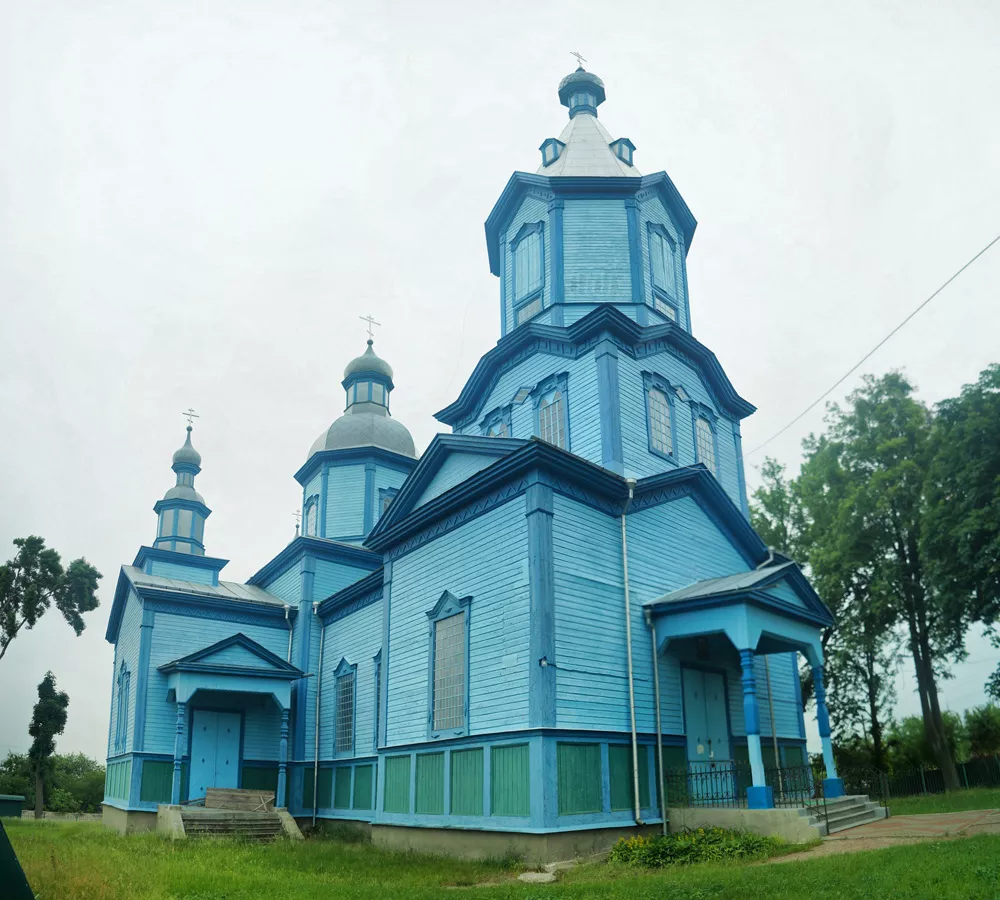
Saint George's Church, built in 1913–1914.
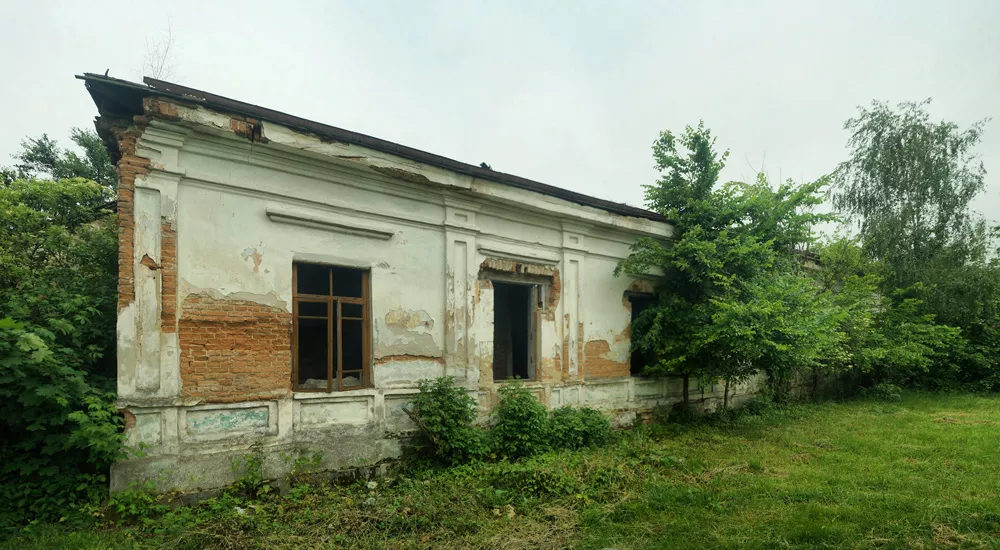
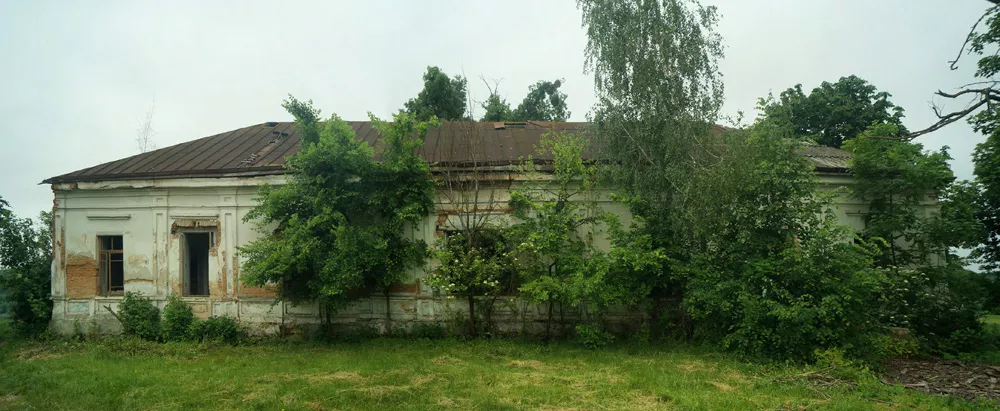
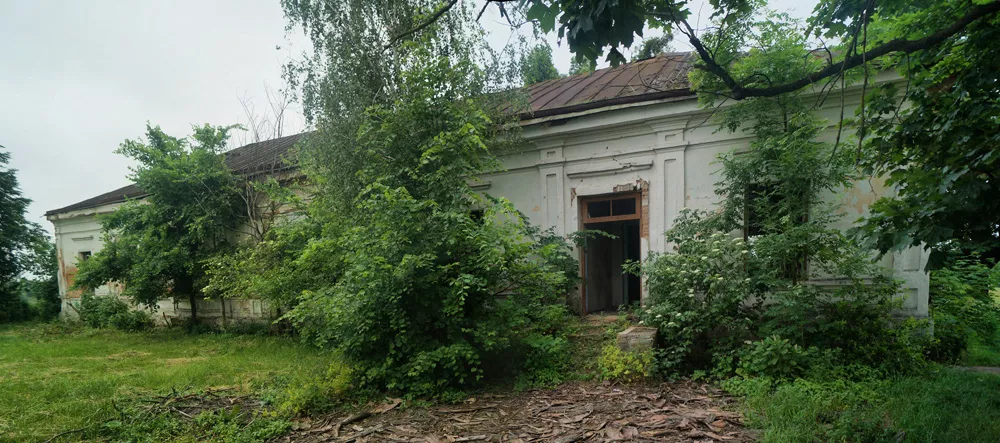
Estate of the landowner Kapelysts, built in the 19th century.
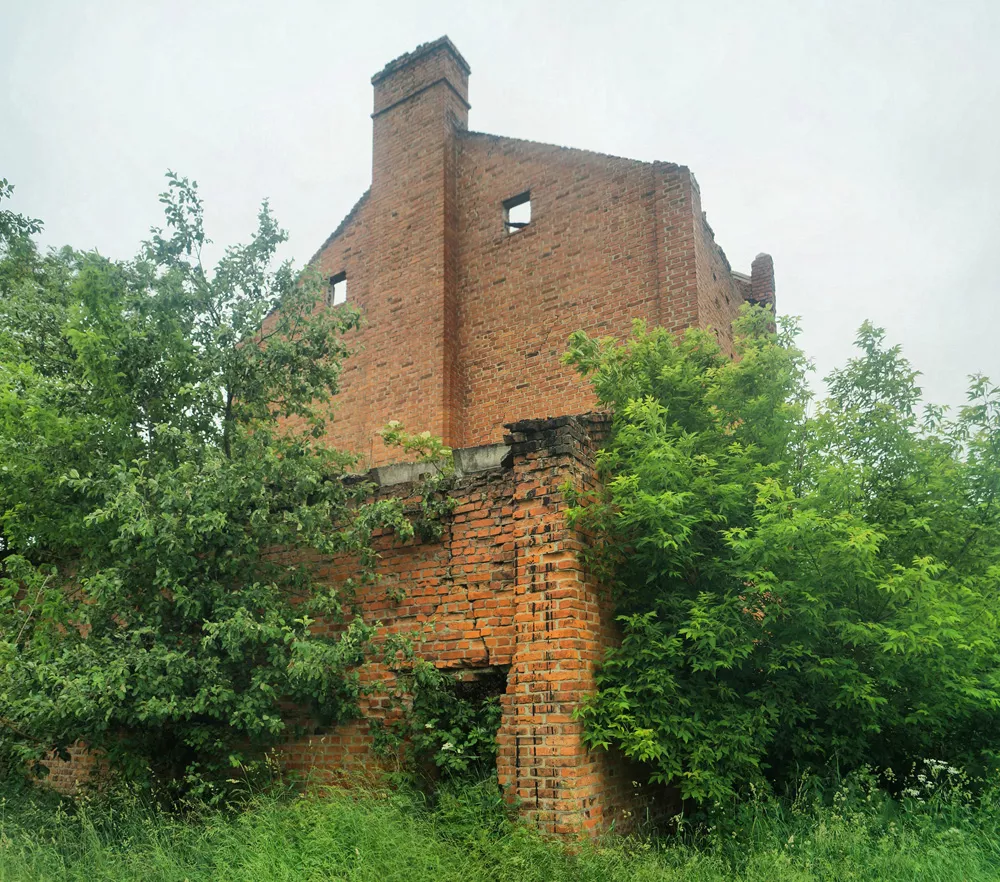
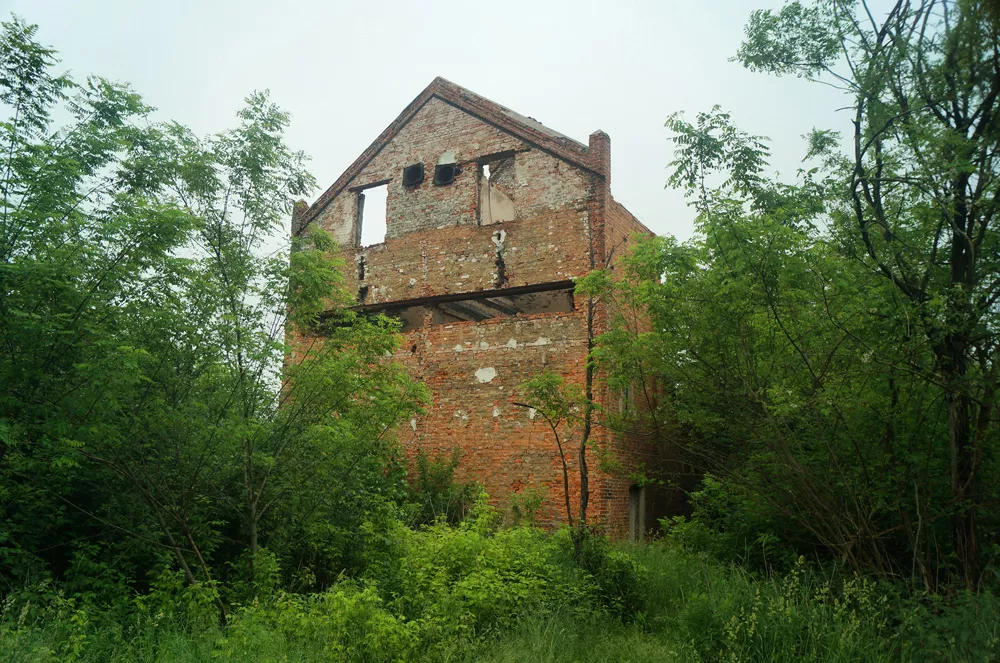
Hop kiln, the construction date of which is unknown.
Significance for cultural heritage
The Kapelysts estate is a testimony to how rural manors were formed in the territory of modern Zhytomyr region in the 19th century. It serves as a reminder of the connections between landowners and peasants, the way of life, farming practices, and construction traditions of that time. Preserving such sites is important not only for historians, but also for the community that strives to remember its roots.
Photos: Roman Malenkov, Serhii Shcherbii.