The village of Stavky in the Radomyshl hromada of Zhytomyr district bore the name Lenine from 1928 to 2016, but it has a much deeper and more interesting history than might seem at first glance. A centuries-old past, the participation of residents in liberation movements, and monuments of sacral and palatial architecture make Stavky a prominent spot on the historical map of the region. Today, more than a thousand people live here.
Why Stavky Remained Lenine for a Long Time
After being renamed in 1928, the village effectively lost its historical name. For several generations of residents, "Lenine" became a familiar toponym devoid of ideological meaning—rather an administrative formality than a symbol. Therefore, after gaining independence, the issue of restoring the historical name remained on the periphery of attention for a long time. Only the nationwide decommunization of 2016 returned the village its true name—Stavky.
Ancient History of the Village of Stavky
The first written mention of Stavky dates back to 1415, when part of the village was included in the estates of the Kyiv-Pechersk Monastery—testament to the early economic and spiritual importance of the settlement.
Throughout the 17th and 18th centuries, the residents of Stavky repeatedly participated in liberation and insurgent movements. The village was involved in the uprising led by Semen Palii, the haidamak revolts of the mid-18th century, and the events of the Koliivshchyna of 1768, when the detachments of Ivan Bondarenko operated in the Radomyshl region.
At the end of the 18th century, about 200 people lived in Stavky, and by the mid-19th century, the population had grown significantly. The village had a diverse social and confessional makeup—Orthodox Christians, Roman Catholics, and a Jewish community lived here.
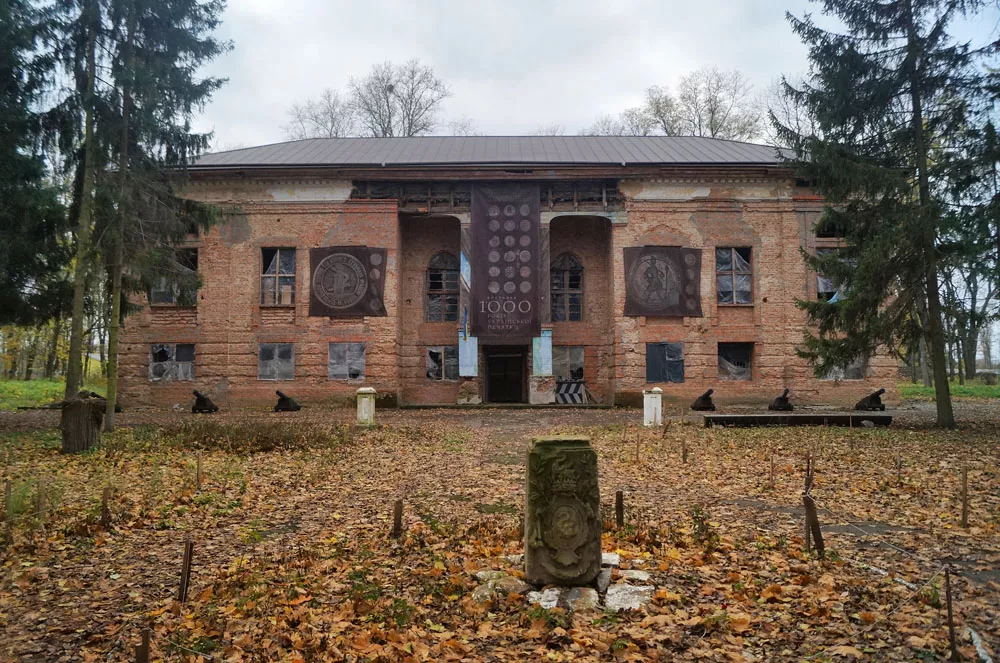
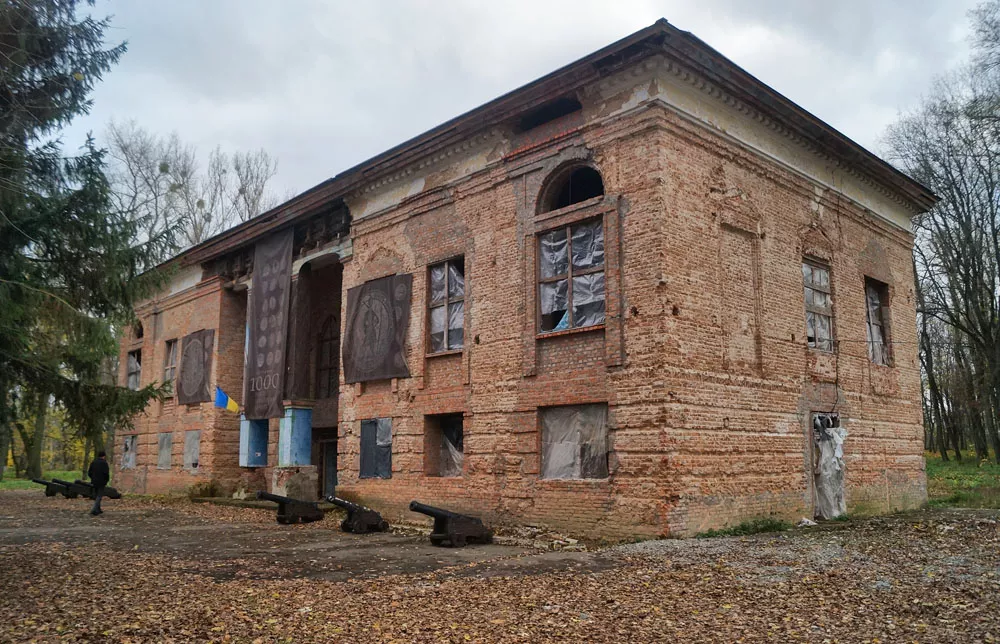
Dunin-Wonsowicz Palace
Ancient Castle Sites, Temples, and Spiritual Life
On the territory of Stavky, there were two ancient castle sites—within the village and in the fields. Although they have survived to this day in a heavily ruined state, their presence confirms the defensive significance of the area.
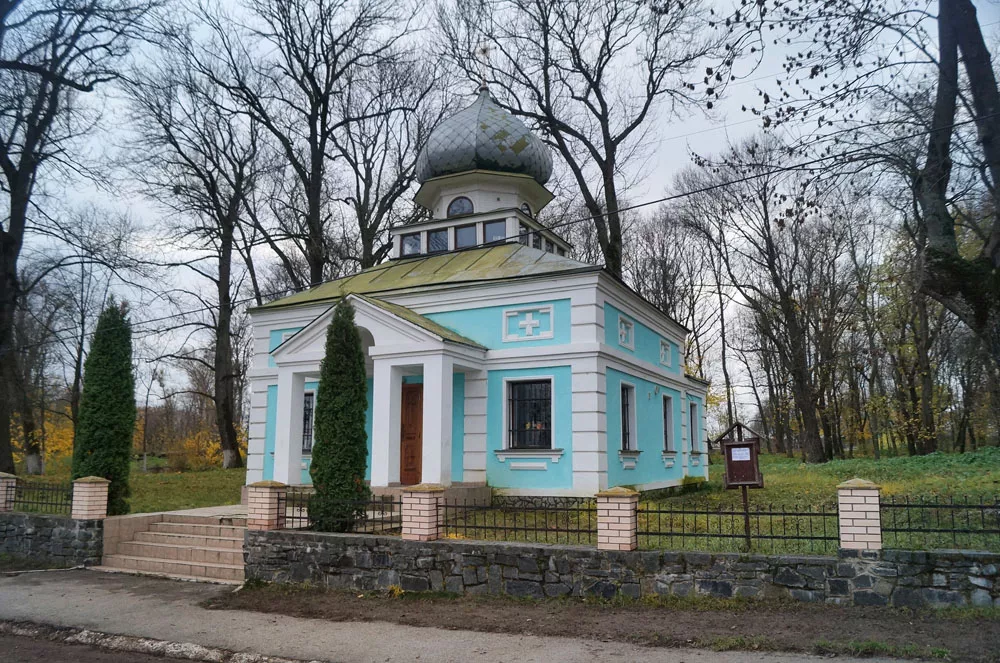
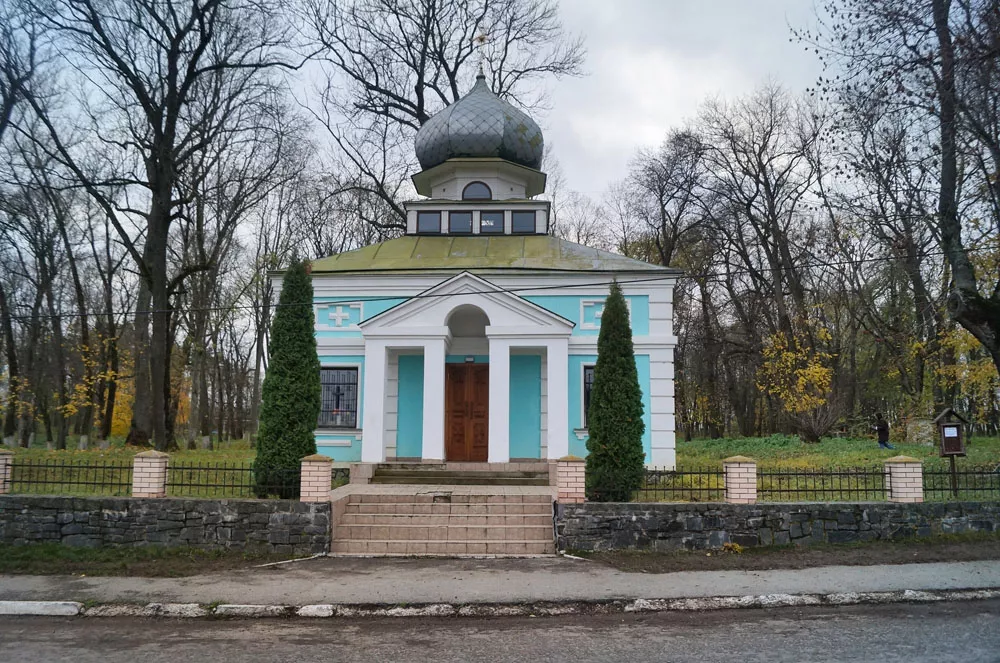
An important role in the life of the community was played by the wooden Church of the Resurrection of Christ from 1740, built on the site of an even older temple. Nearby was a chapel over a well, to which a religious procession headed every year. A brick Roman Catholic chapel from the late 18th century also operated in the village.
Dunin-Wonsowicz Palace — The Main Pearl of Stavky
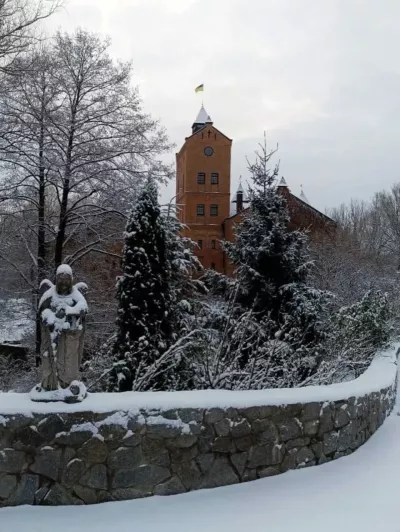
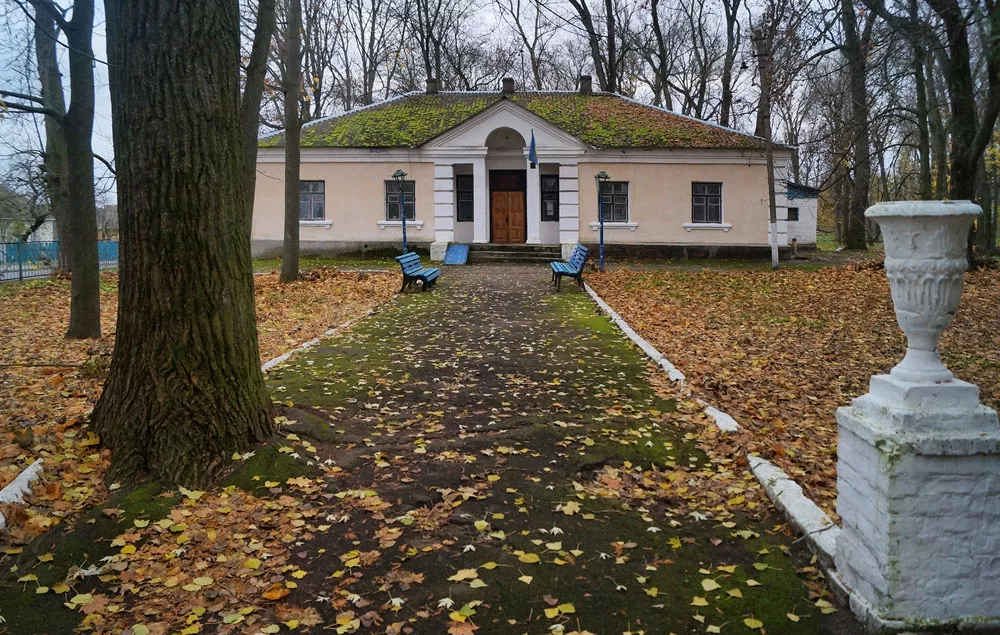
The true architectural dominant of the village is the 18th-century palace, which is associated with the name of Count Stanislaw Dunin-Wonsowicz. The estate became the center of cultural and economic life in the surrounding area.
Count Stanislaw Dunin-Wonsowicz is a figure of European scale: an officer of Napoleon's army, a participant in Napoleon's campaign against Russia, and later a brigadier general of the Polish Army. His connection with Stavky creates a unique historical context combining Ukrainian, Polish, and French history.
Education and Cultural Development
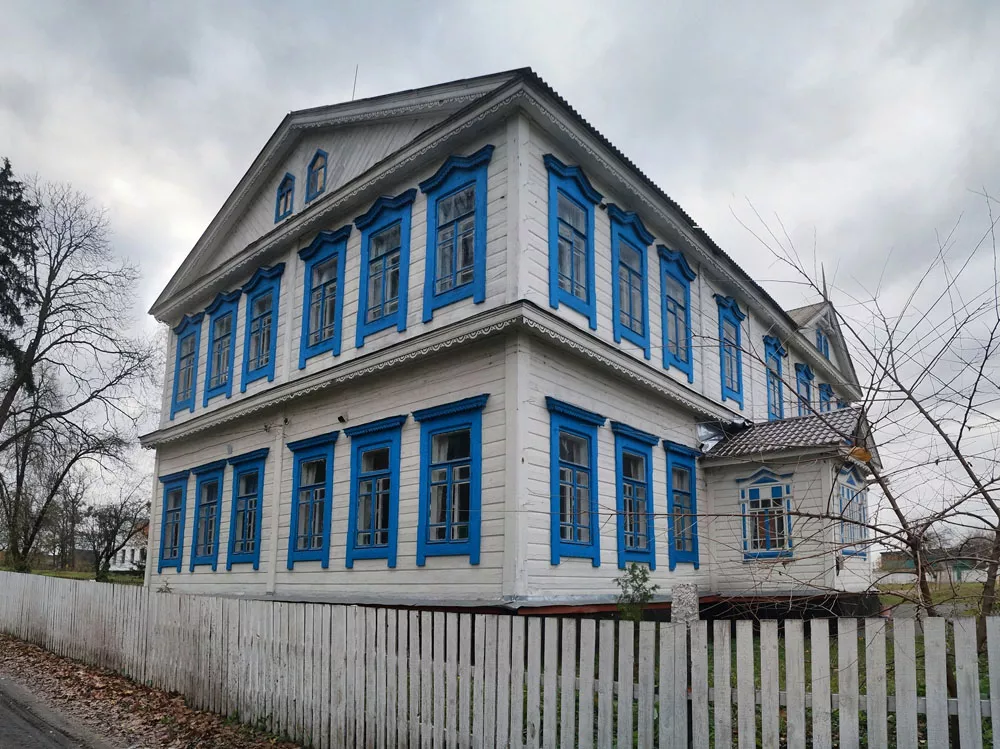
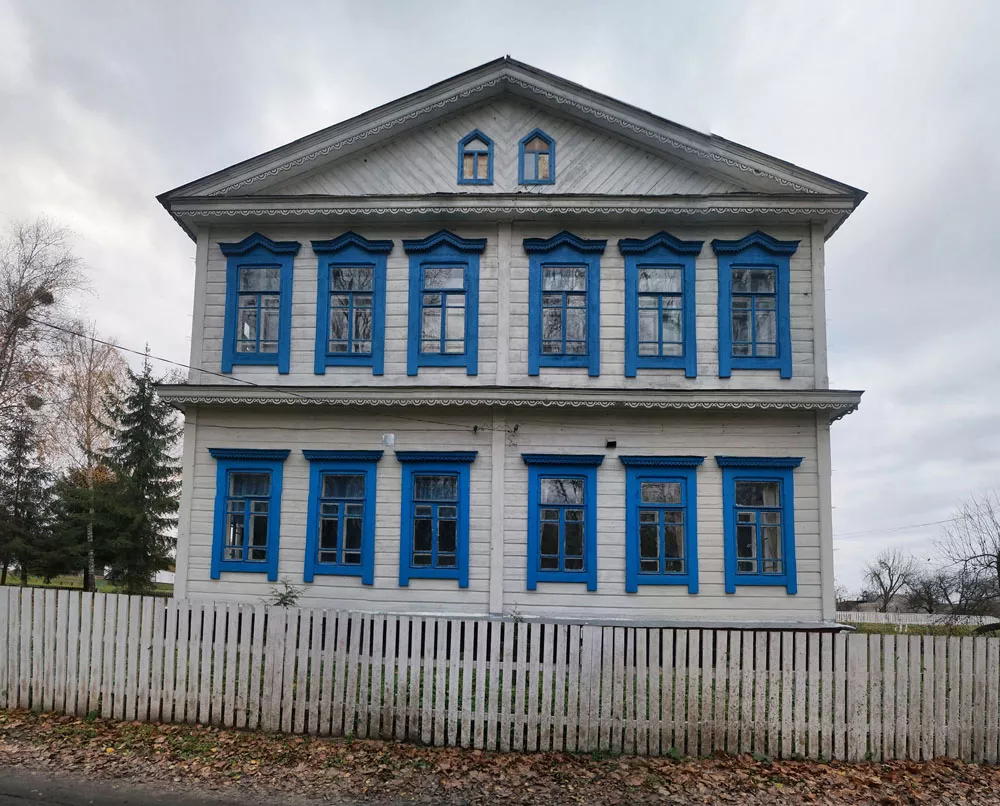
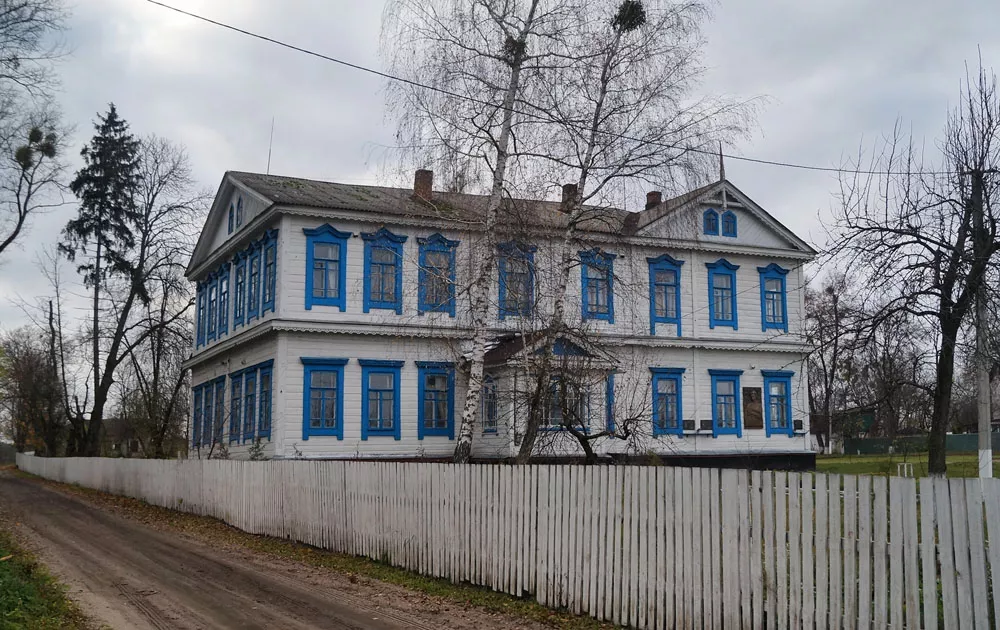
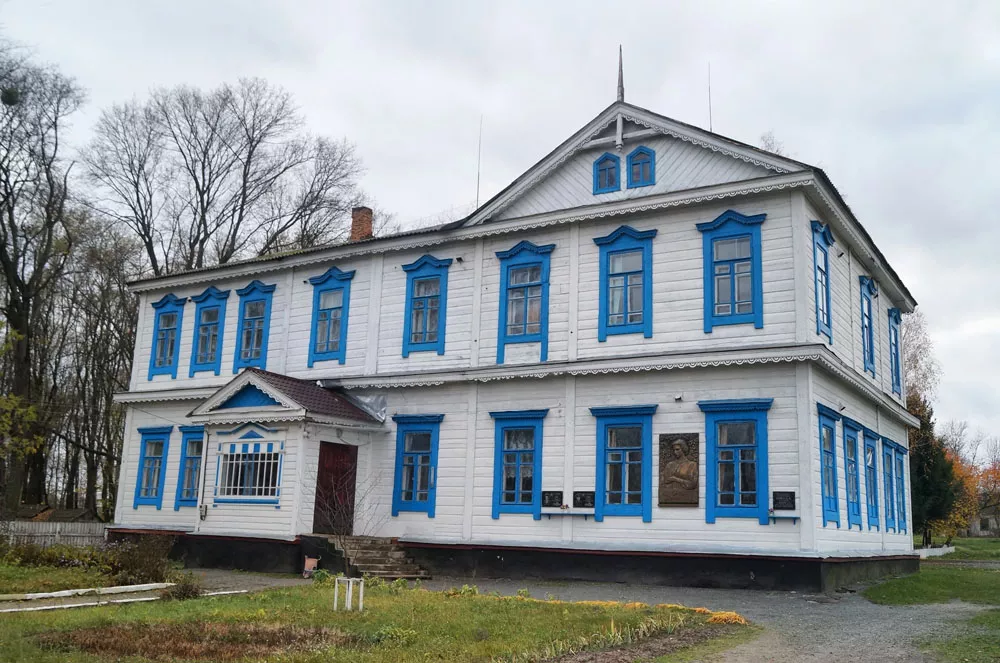
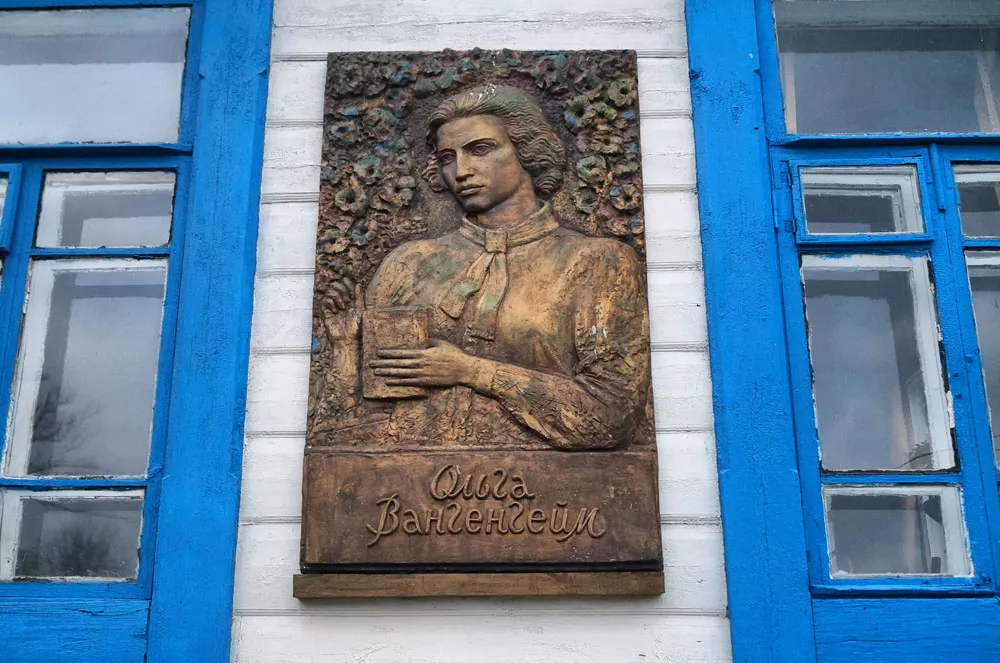
At the beginning of the 20th century, an agricultural school operated in the palace, and in 1903 a two-story wooden school appeared in the village, built by teacher Olha Vangenheim. This educational institution is still functioning today, remaining a living witness to the educational traditions of Stavky.
Stavky Today: A New Life for Historical Heritage
The palace and park complex in Stavky is gradually being revived. Thanks to the initiatives of benefactors and collectors, it is transforming into an art and cultural space hosting festivals, concerts, and patriotic events. The village once again attracts lovers of history, culture, and the authentic atmosphere of Polissia. Nearby is Radomyshl with its castle on the site of an ancient paper mill.
Why You Should Know the History of Stavky
Stavky is an example of a village that survived the change of empires, ideologies, and names, yet preserved its own identity. Its history is the history of people, struggle, culture, and memory that returns along with true names and values.