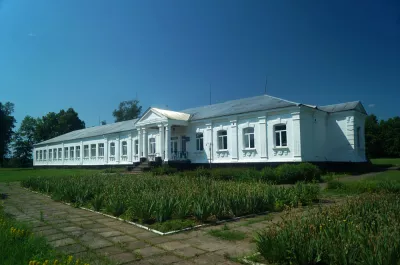
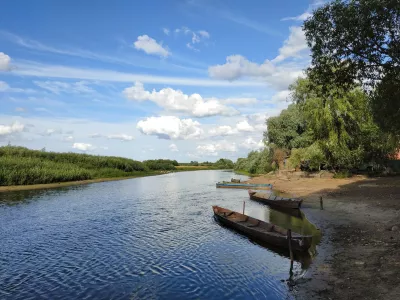
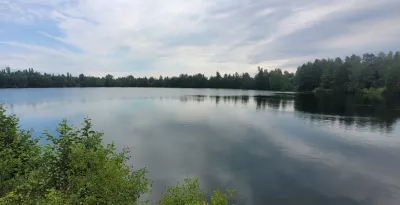
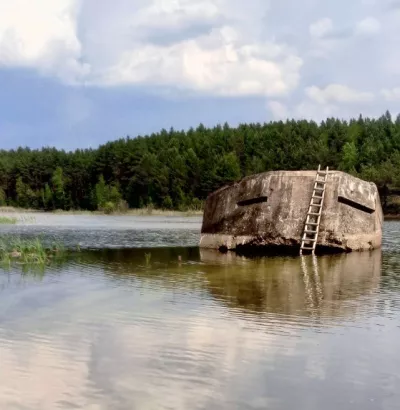
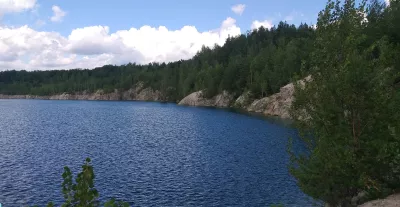
The village of Kvitneve lies in the Zhytomyr District (until 2020 — Popivnia District) on the banks of the quiet Unava River, 9 km from Popilnia and approximately 70 km from Zhytomyr. The settlement has a rich historical and cultural layer spanning several centuries and has preserved landmarks that attract tourists and local historians.
History and Names of the Village
The first written records of the village date back to 1601, when it was called Zhydivtsi. According to legend, the settlement might have previously been called Matviiovtsi — named after the Cossack Matvii, and the name Zhydivtsi appeared later: allegedly, several people of Jewish nationality died during the construction of the dam on the Unava.
In 1937, the village was renamed Zhovtneve, and it bore this name until 2016. As part of decommunization, the settlement was given a new name — Kvitneve, which symbolizes the renewal and revival of the community.
According to the 2001 census, 1,969 people lived in the village. Today, Kvitneve is the center of the Kvitneve community, which includes several settlements.
Geography and Nature
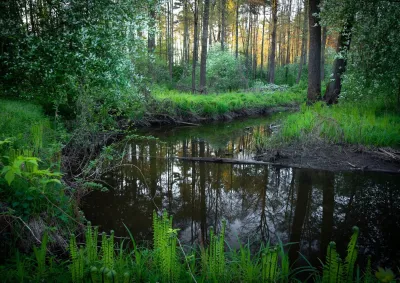
Kvitneve is located near the roads connecting Popilnia, Zhytomyr, Brusyliv, and other settlements of the region. The Unava River, which flows through the village, is a right tributary of the Irpin; it attracts fishermen and outdoor recreation enthusiasts.
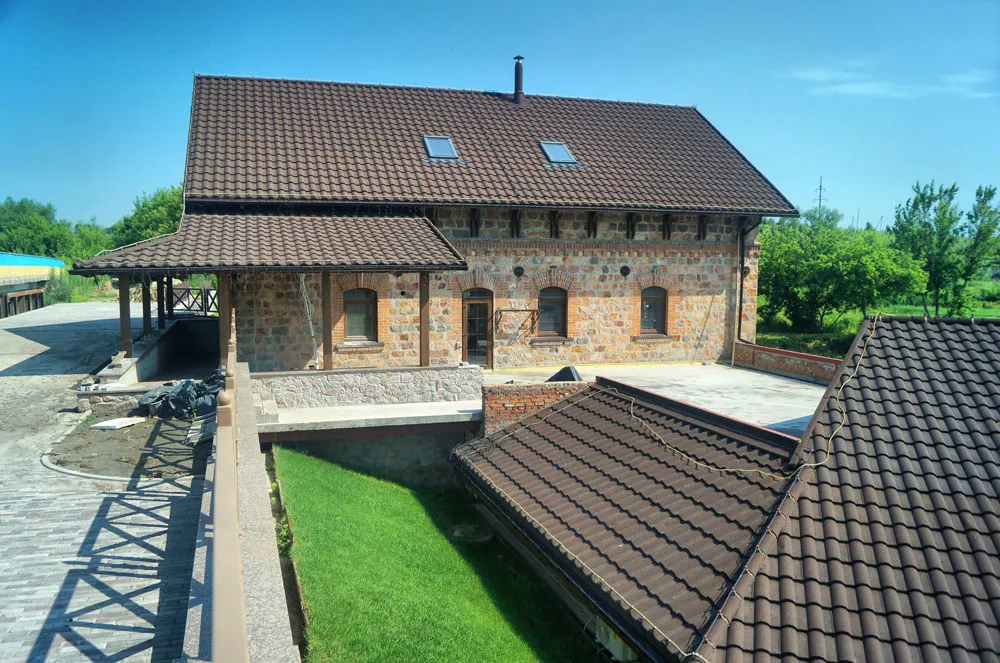
History of the Mill in Kvitneve
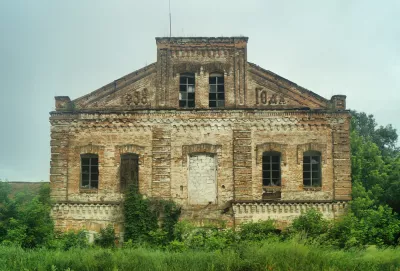
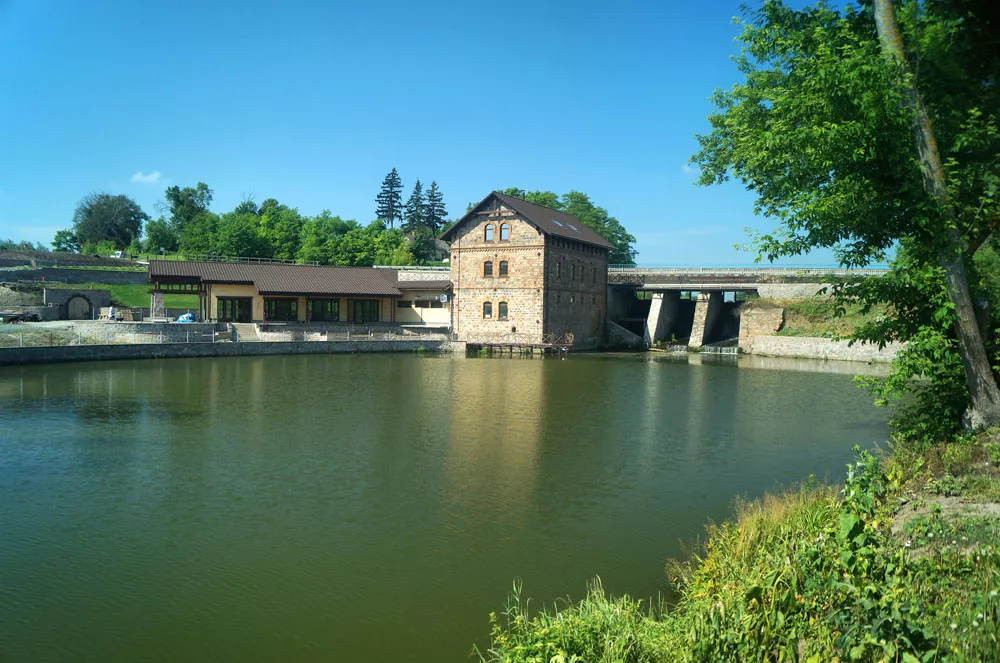
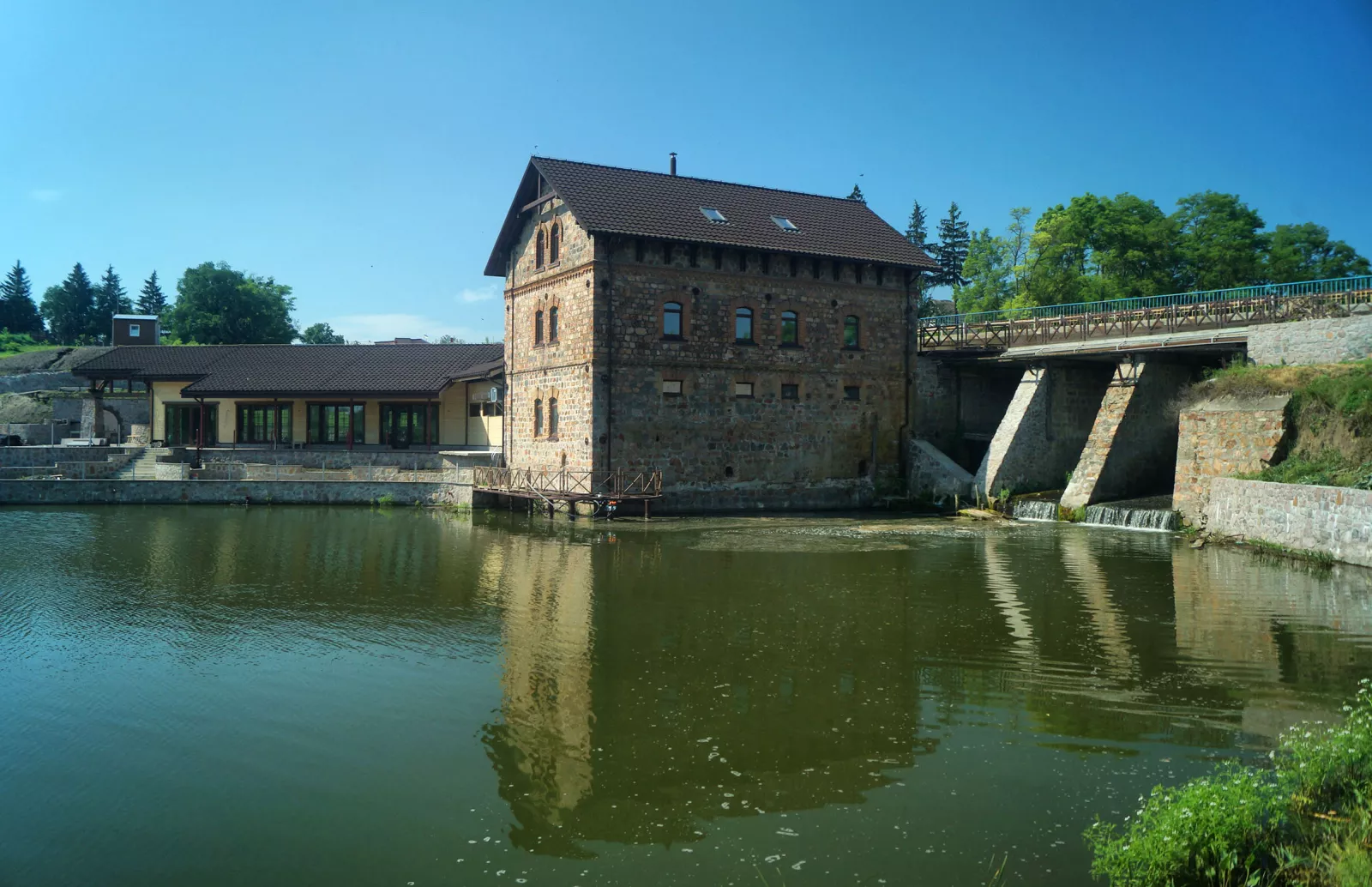
The first mill here was made of wood, and the current stone one was built in 1905 on the Unava River. The author of the project is unknown, but historical sources link the mill to the Kudashev family: at the beginning of the 20th century, the village belonged to the heirs of Countess S. I. Kudasheva. Presumably, the mill might have been built by her relatives — brothers Serhii or Oleksandr Oleksandrovych, as other members of the family were abroad or had died before construction began.
The Kudashev family was quite influential:
- Serhii Oleksandrovych (1857–?) — courtier;
- Ivan Oleksandrovych (1859–1933) — diplomat, ambassador to Denmark, Belgium, Luxembourg, Spain, and China;
- Mykola Oleksandrovych (1868–1933) — diplomat, worked in Japan, Constantinople, and China;
- Oleksandr Oleksandrovych — possibly the author of the mill;
- Oleksii Oleksandrovych (1861–1901) died before construction began.
By 1900, about 2,300 residents lived in the village, and part of the land belonged to Countess Sofiia Ivanivna Kudasheva, daughter of Adjutant General Ivan Orlov and wife of Prince Oleksandr Serhiiovych Kudashev. Mentions of a female owner named "Mrs. Hrushenka V. K." are not documented and may be a confusion with literary characters.
In Soviet times, the building, like many other mills in Ukraine, was converted into a hydroelectric power station, and then it stood empty for a long time. Only in 2017 did the building get a new lease of life thanks to local entrepreneur and philanthropist Volodymyr Didkivskyi, who turned it into a complex with a restaurant and banquet hall. Externally, the mill has preserved its authentic architecture, and a landscape park has been arranged around it.
Today, the mill in Kvitneve is not only a gastronomic tourism spot, but also a symbol of the preservation of the historical heritage of the Zhytomyr region, combining early 20th-century architecture with modern hospitality.
Cultural Heritage and Community
Kvitneve has a long religious history. The village has long had a church that was repeatedly rebuilt, but it was destroyed in 1967. The new Holy Trinity Church was built in 2015, and it has become the decoration of the village center.
The community is developing: infrastructure is being updated, and landscaping is improving. Railway connections and proximity to large cities make Kvitneve convenient for travel.
Significance for Tourists
For tourists, Kvitneve offers a pleasant combination of history, nature, and gastronomy. The water mill on the Unava attracts visitors with its architecture and modern use, and the village is a convenient point for a day trip from Kyiv or Zhytomyr. Nearby, in Kryve, it is worth seeing the People's House in the Ukrainian Art Nouveau style.
Based on materials by Ihor Dorozhko, Roman Malenkov, and Serhii Shcherbii.