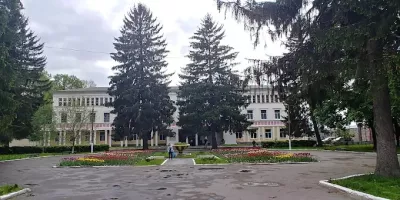
There are cities that remember themselves through monuments and castles. Baranivka remembers itself through tableware — and this is completely serious and with dignity. It is a small town in the Zhytomyr region, known since 1565, with a population of about 11,000, and at the same time one of the oldest porcelain capitals of Ukraine. Here is such a mismatch between size and reputation.
Rams, Pitchers, and the Mezers
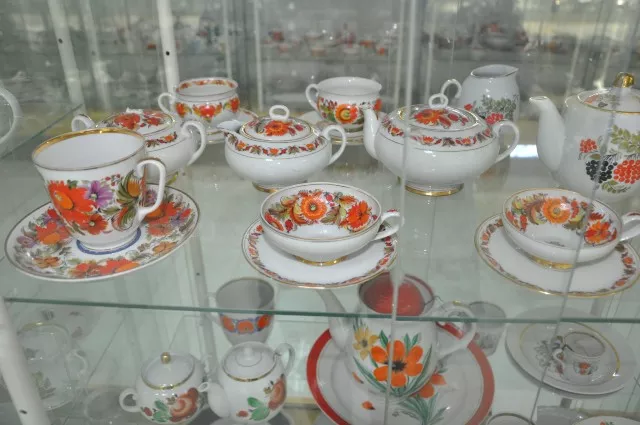
Who Baran was, after whom the town was named, is a mystery. Whether real flocks of sheep grazed here once or the first settler had a corresponding nickname — science is silent. But local tradition is not silent: the residents of Baranivka have long known how to make fine tableware. And not just plates, but also bright decorative little rams — peculiar pitchers in the shape of the animal that became the symbol of the town. This ceramic streak brought the Frenchman Mykhailo Mezer here in 1802, who saw ideal conditions for porcelain production in the local deposits of white kaolin clay and the Sluch River.
Already at the beginning of the 19th century, the products so impressed Emperor Alexander I that the enterprise was granted the right to stamp products with the state coat of arms (according to some sources in 1815, according to others in 1825). Baranivka porcelain was known in Canada and Rome, it was collected and given as gifts at official receptions. Meanwhile, the town was owned in turn by the Lubomirskis, the Walevskis, later princes Gagarin and Stroganov, and from 1882 the factory belonged to the Greek entrepreneur Mykola Hripari. The aristocratic owners changed, but the factory worked.
The Factory is Dead. The Museum is Alive
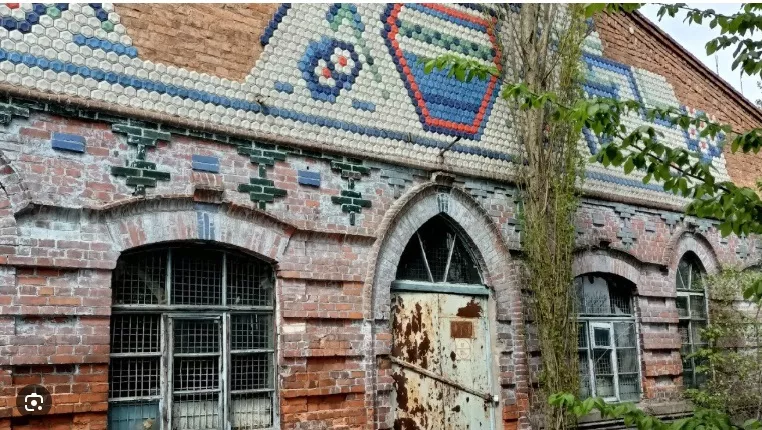
In 1920, the factory was nationalized, and the Soviet authorities turned the manufactory into a powerful enterprise: in the 1950s, it expanded its assortment and capacities. After independence, there were attempts to preserve the factory for some time — at that time, according to lore, it was managed by Czech investors. It did not work out: in the early 2010s, the enterprise with a history of more than two hundred years stopped operating.
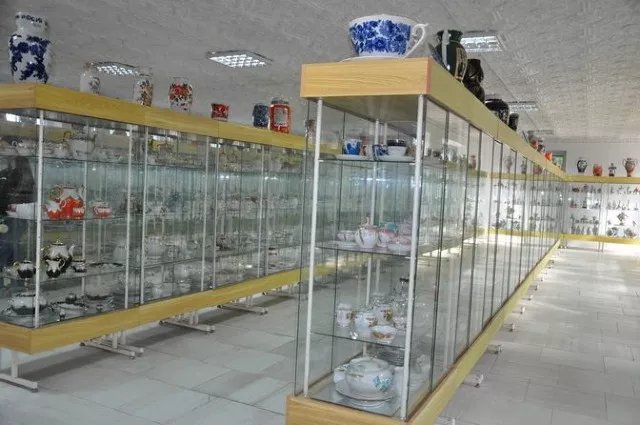
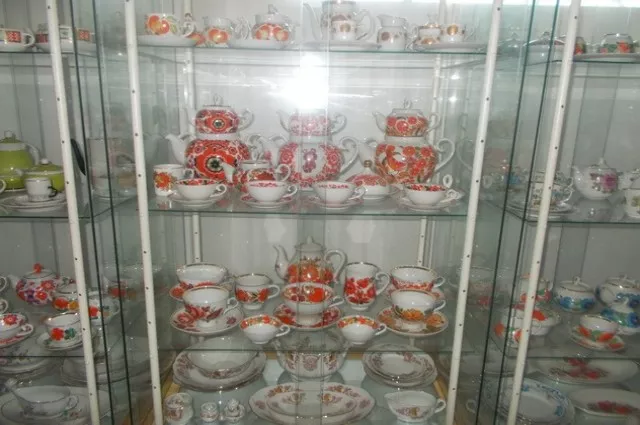
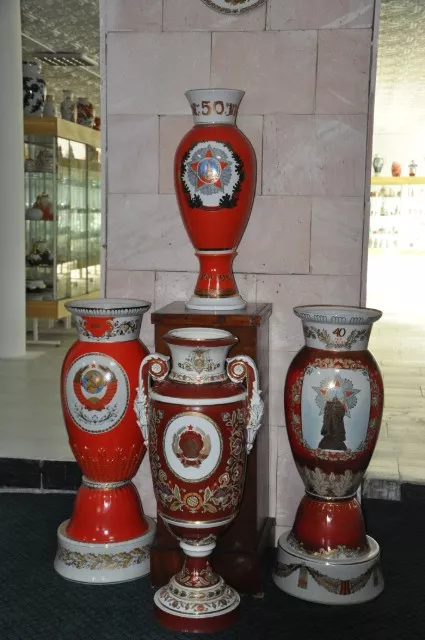
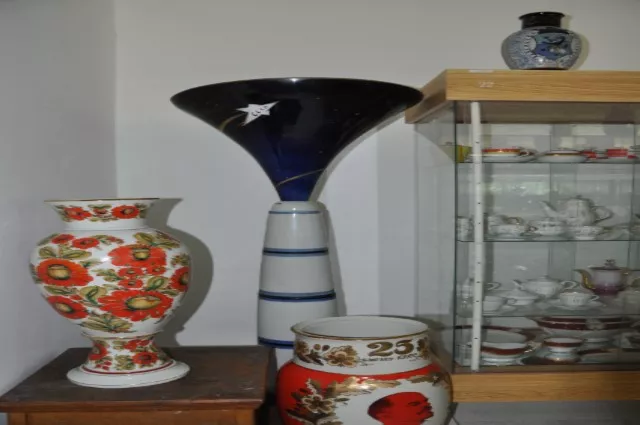
Across the road from the porcelain museum, the ruins of the former factory can be seen, overgrown with bushes. This is neither a decoration nor an art object — simply what remains of more than two centuries of production. Instead, the museum is alive and, perhaps, the most interesting on the entire route. Its collection numbers thousands of exhibits and covers items from the 1820s to the mid-1990s — from the times of Mezer and Hripari to the Soviet era. Among them are sets with the tsarist monogram, figurines, vases, and those very decorative rams.
It is also worth mentioning turners, furniture makers, and children's toy masters — Baranivka was famous for them as well. Wood was processed here just as well as clay.
How to Find the Museum
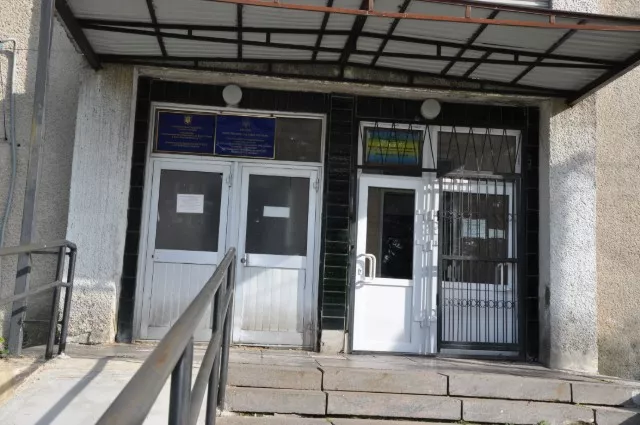
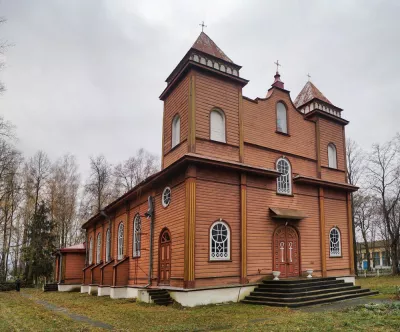
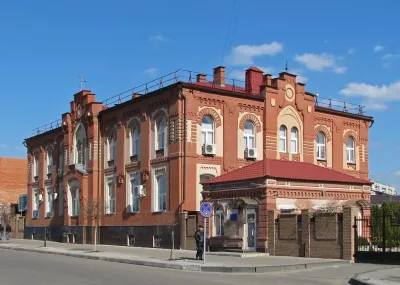
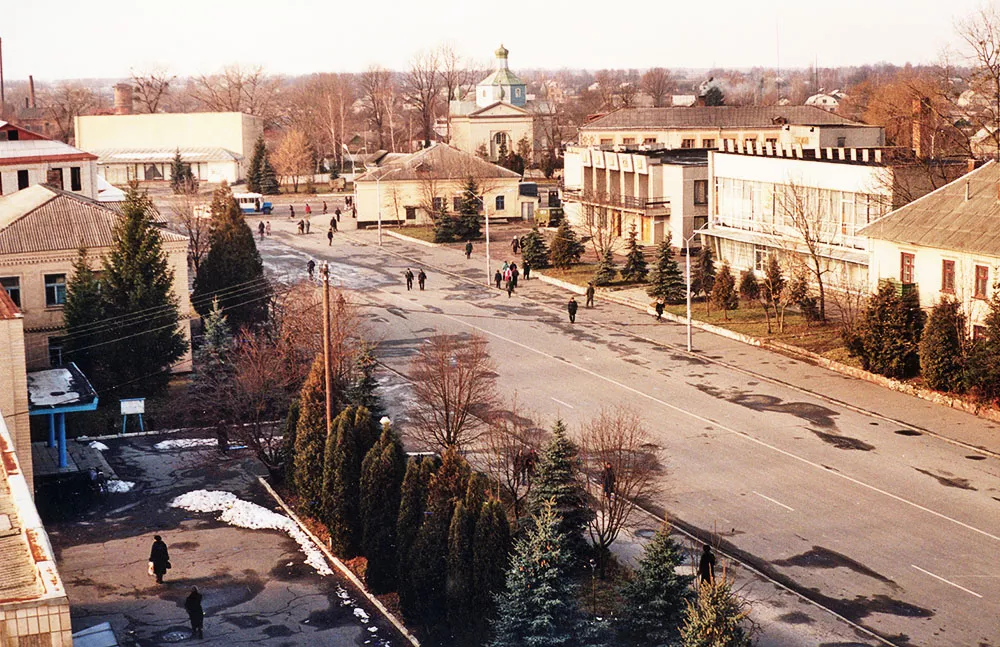
The porcelain museum stands on the central Soborna Street — simply put, you will not get lost. A landmark from the bus station is the Church of the Nativity of the Blessed Virgin Mary. Excursions are conducted by prior arrangement.
What's Nearby
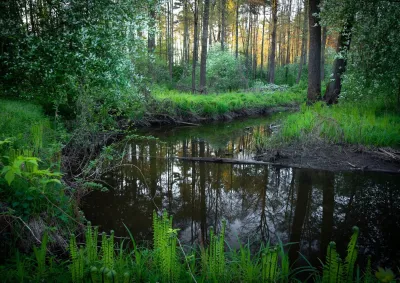
Just across the road from the museum are the ruins of the factory itself, overgrown with bushes. This involuntarily becomes part of the experience: everything is side by side here—both glory and decline. The town is compact, and the center is pedestrian-friendly. Nearby are the Church of the Nativity of the Blessed Virgin Mary, the city park, and the Sluch River. For an itinerary, Baranivka is a convenient stop between Zviahel and Zhytomyr.
Life Hacks
When to go: on a weekday—the museum is closed on weekends, and it is easier to arrange a tour on weekdays.
What to look for on tableware at home: if you have tableware from Baranivka, look for the red lion stamp or the inscription "Baranivka" on the bottom. This is already a collectible item.
For photographers: the factory ruins opposite the museum make for a striking shot, especially in gloomy weather or in autumn.