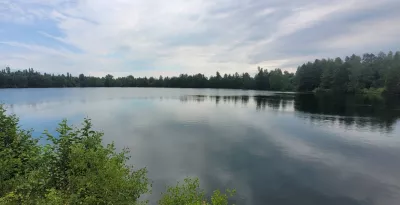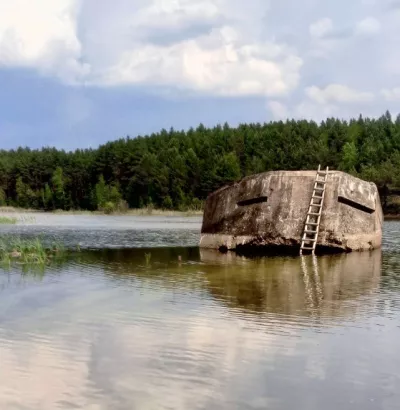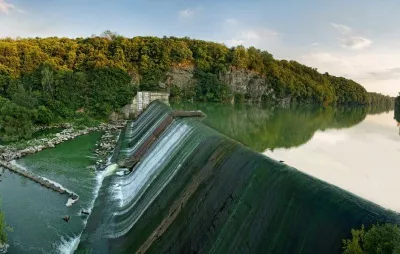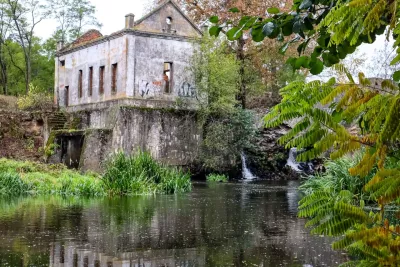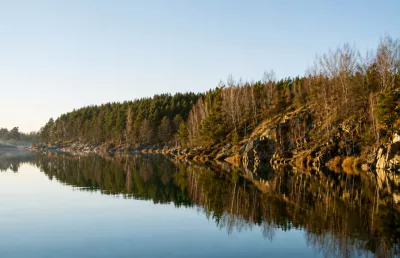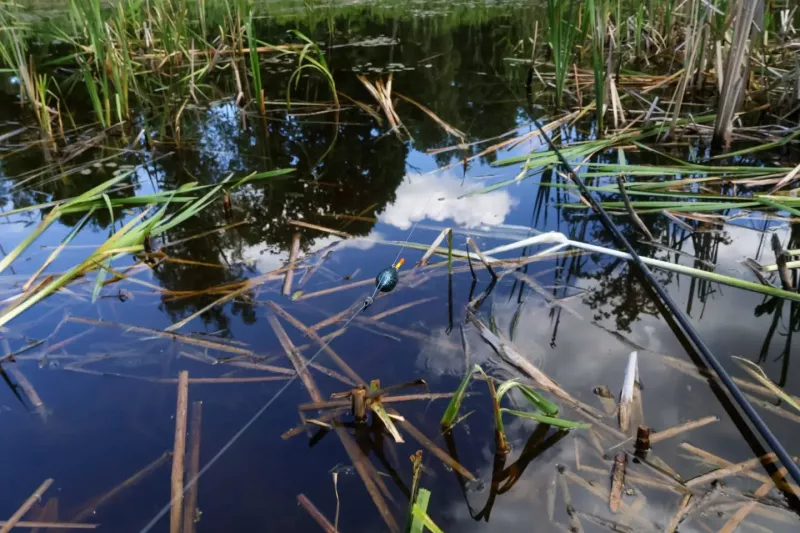

Polissia is a land that still holds truly wild waters, barely touched by civilisation. Peat bogs and oxbow lakes hidden among the forests — half of them missing even from the maps — draw anglers with a particular kind of silence, and with something you can hardly find in busier places any more: fish in the sort of numbers you remember from years ago. It is exactly these waters that local angler Yurii Nevmerzhytskyi wanted to tell us about.
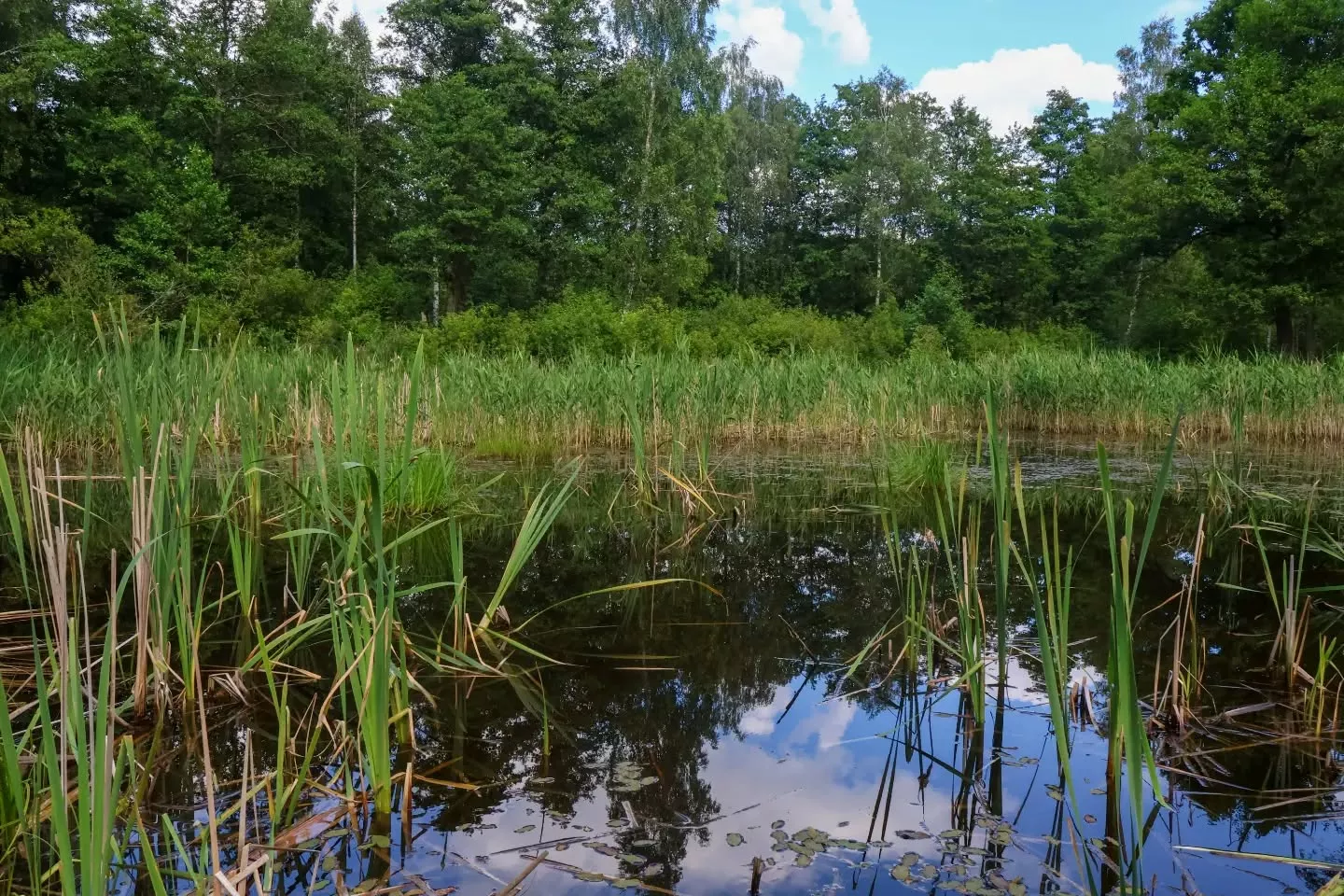
This time he shares not a specific outing but rather a personal confession of love for one of his favourite subjects — the wild bogs and peatlands of Polissia, the places where a human foot rarely falls.
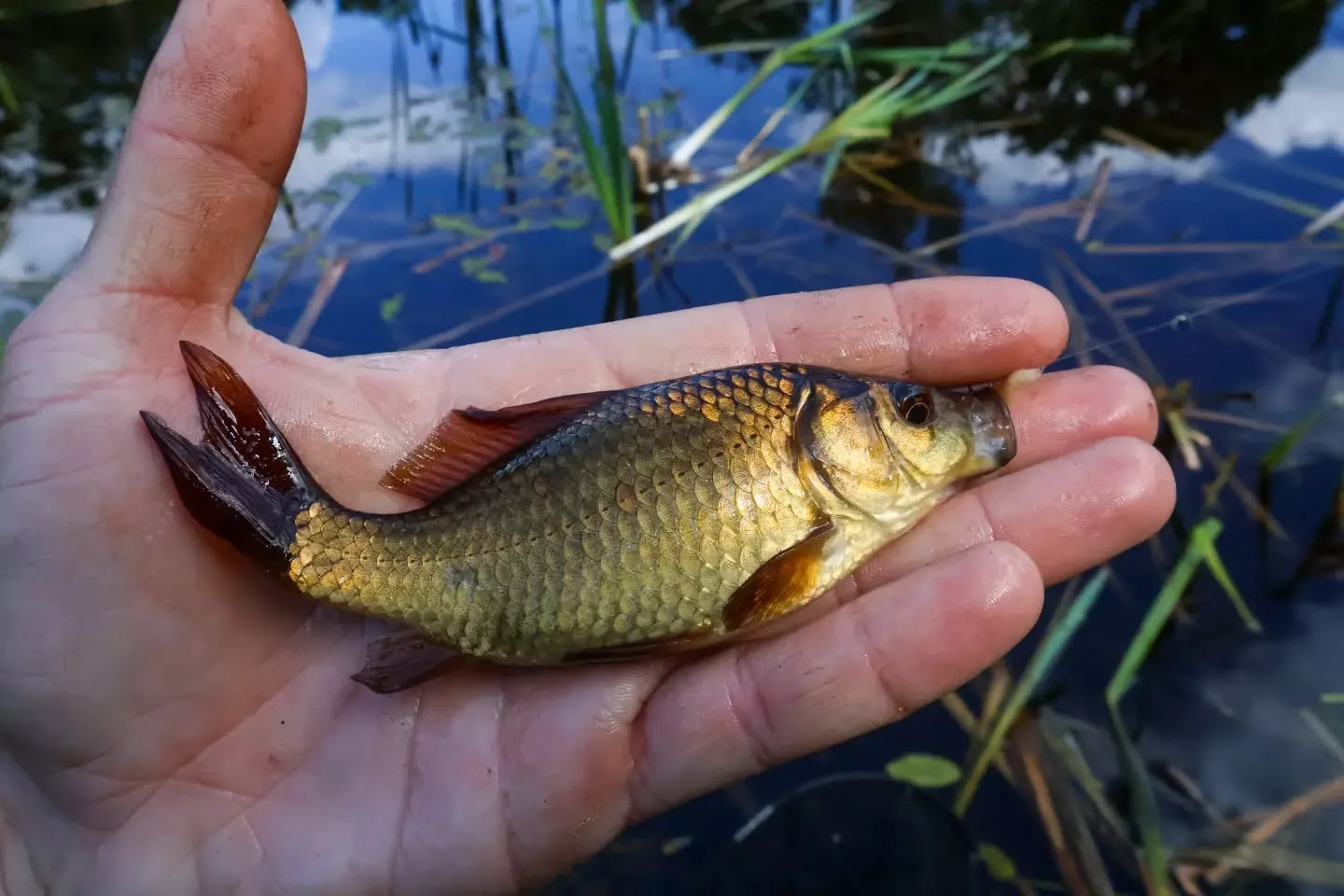
The bogs of the Korosten district, in the Zhytomyr region, are a fascinating cluster of Polissian wetlands, Yurii says — places where the fish have survived in numbers much as they did twenty years ago. Finding such waters was no easy task, he admits: half of them do not appear on any map at all. Of the roughly two dozen bogs he knows, only three still hold the bolotianka — a fish that once "drove local anglers mad" with its sheer abundance and has since become, across much of Polissia, a thing of the past.
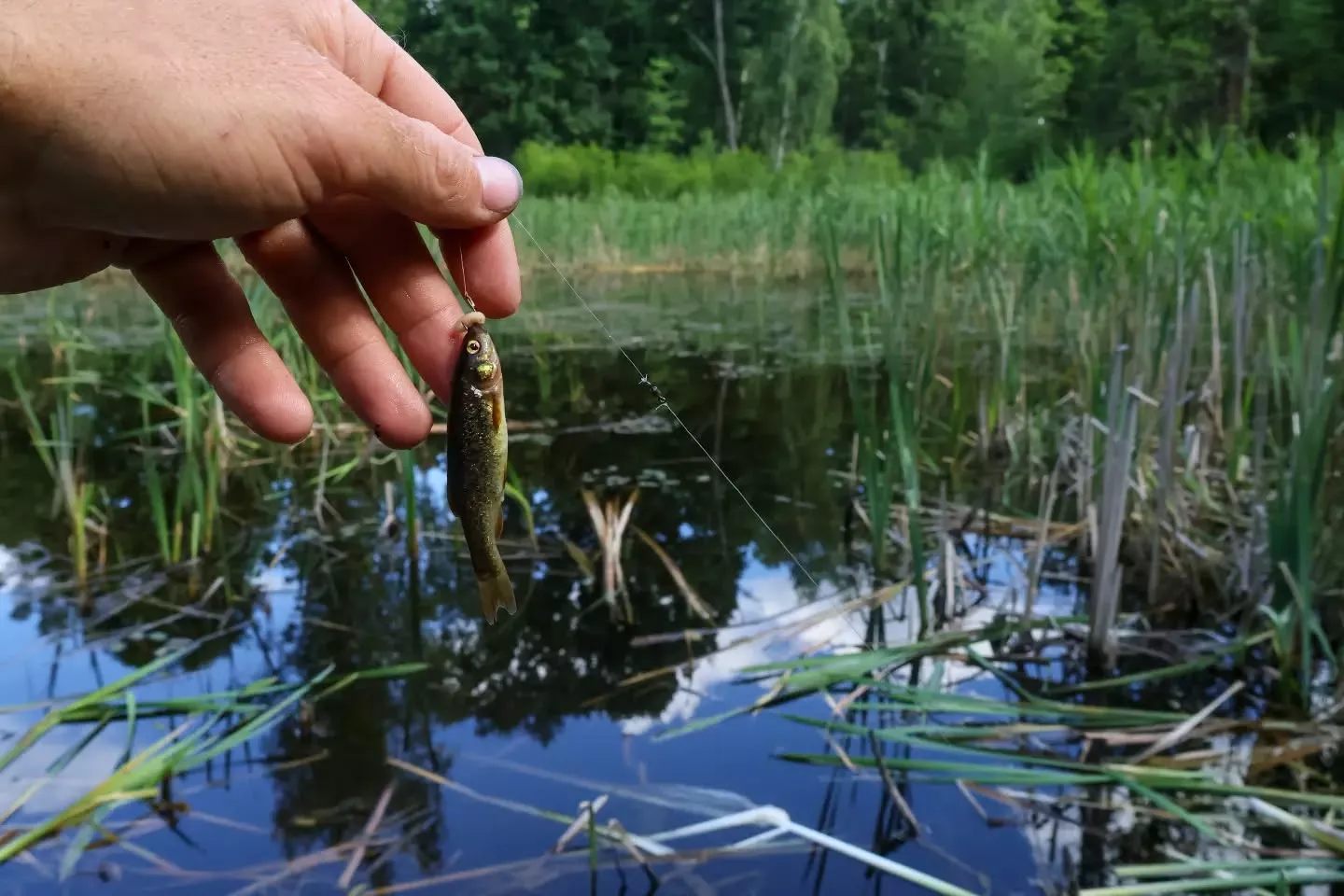
Yurii is also careful to give the fish its proper name: the lake minnow (Eupallasella percnurus). The species is listed in Ukraine's Red Data Book, and so the once-common "bog fish" has become a genuine rarity. Now and then the bogs also turn up a crucian carp, but so few of them, the angler says, that he has yet to catch one on camera.
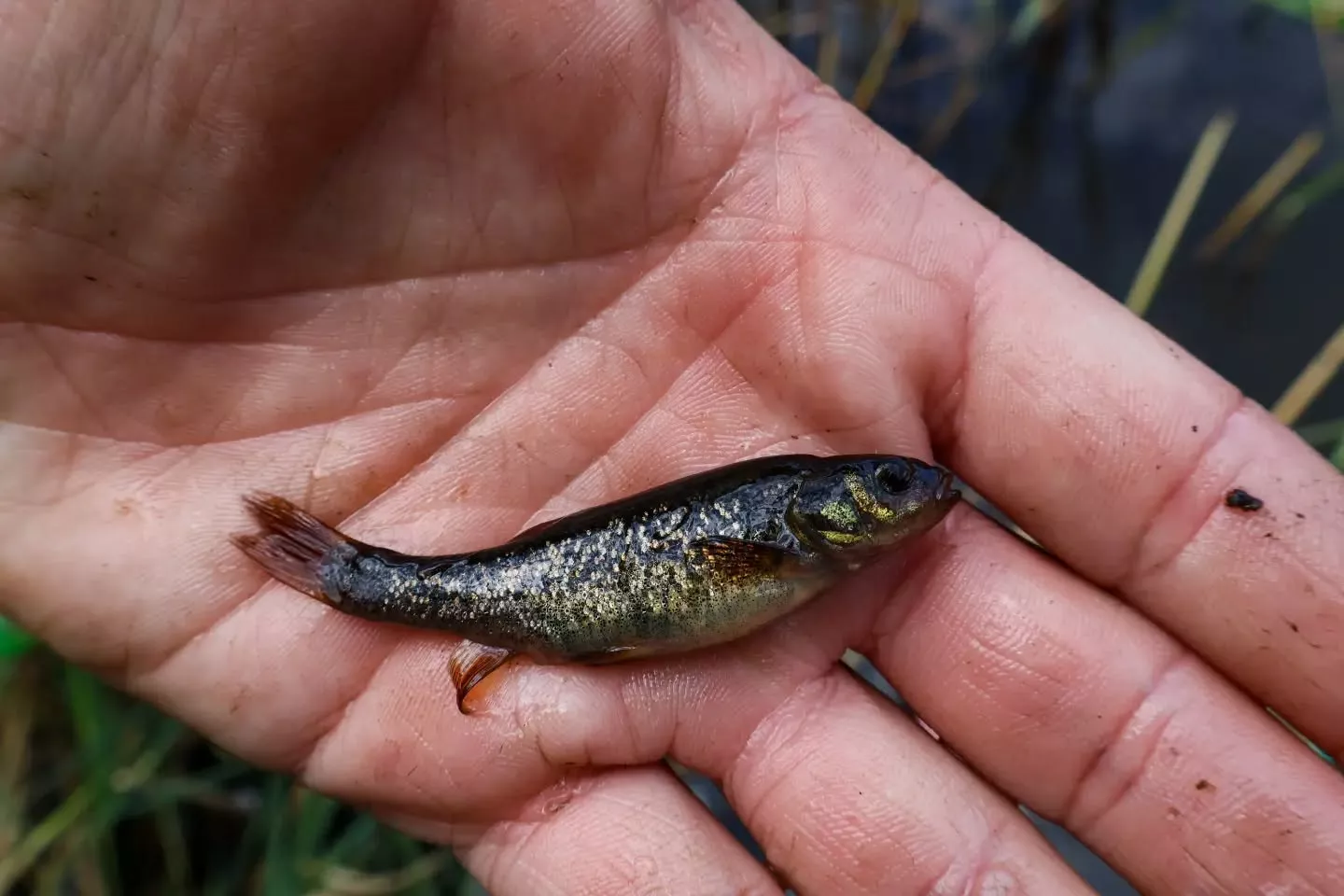
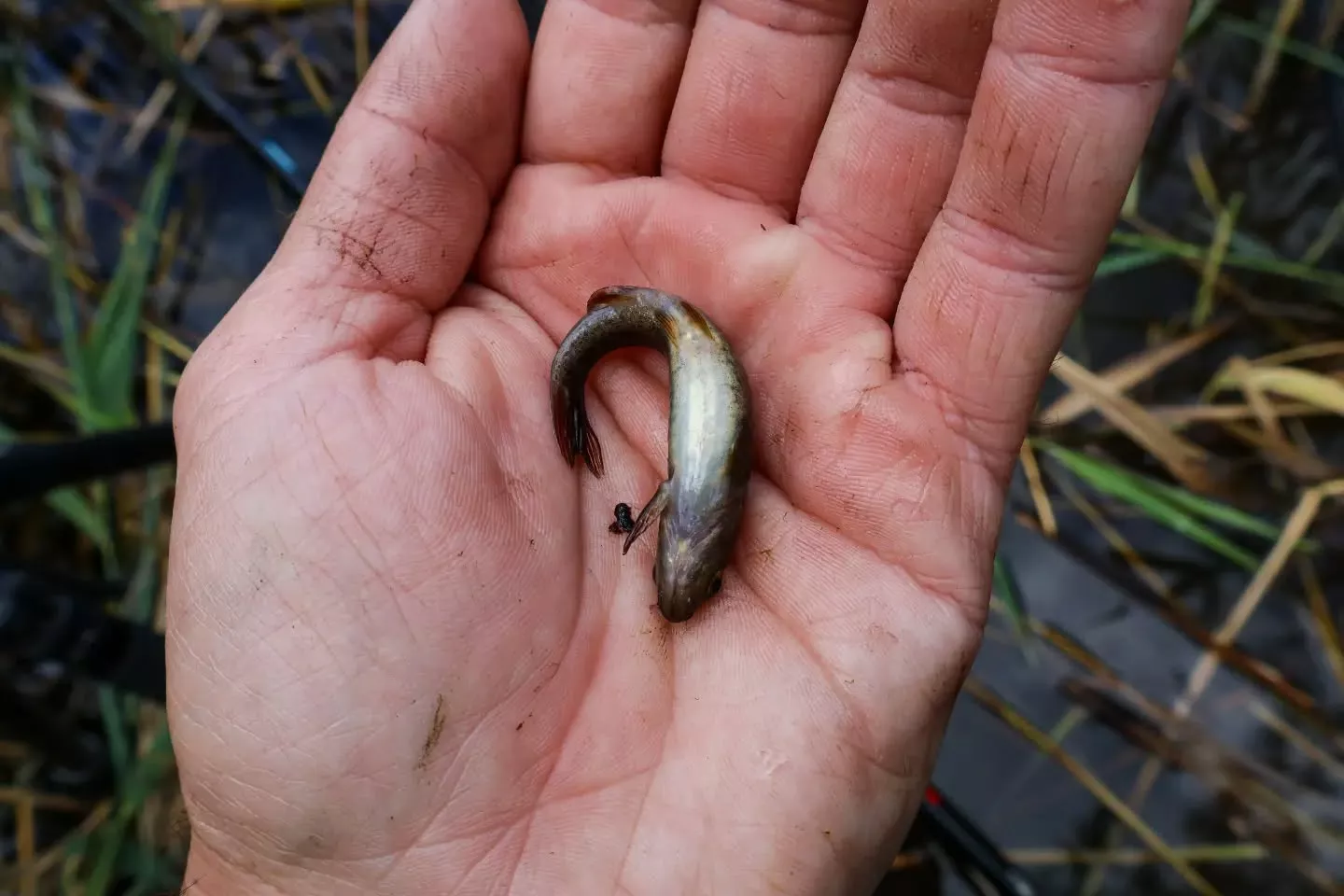
Yet what draws him to the subject most is not even the fish. "I really love the whole theme of bogs and peatlands — for this genuine wild beauty and the silence of the forest," Yurii says. Out there, among the impassable thickets, he treasures a feeling rare for a modern angler: you are alone with nature, with no one crowding you or watching, hawk-eyed, to see how much and what you are pulling out. For him it is not simply fishing but a chance to be alone with wild Polissia.
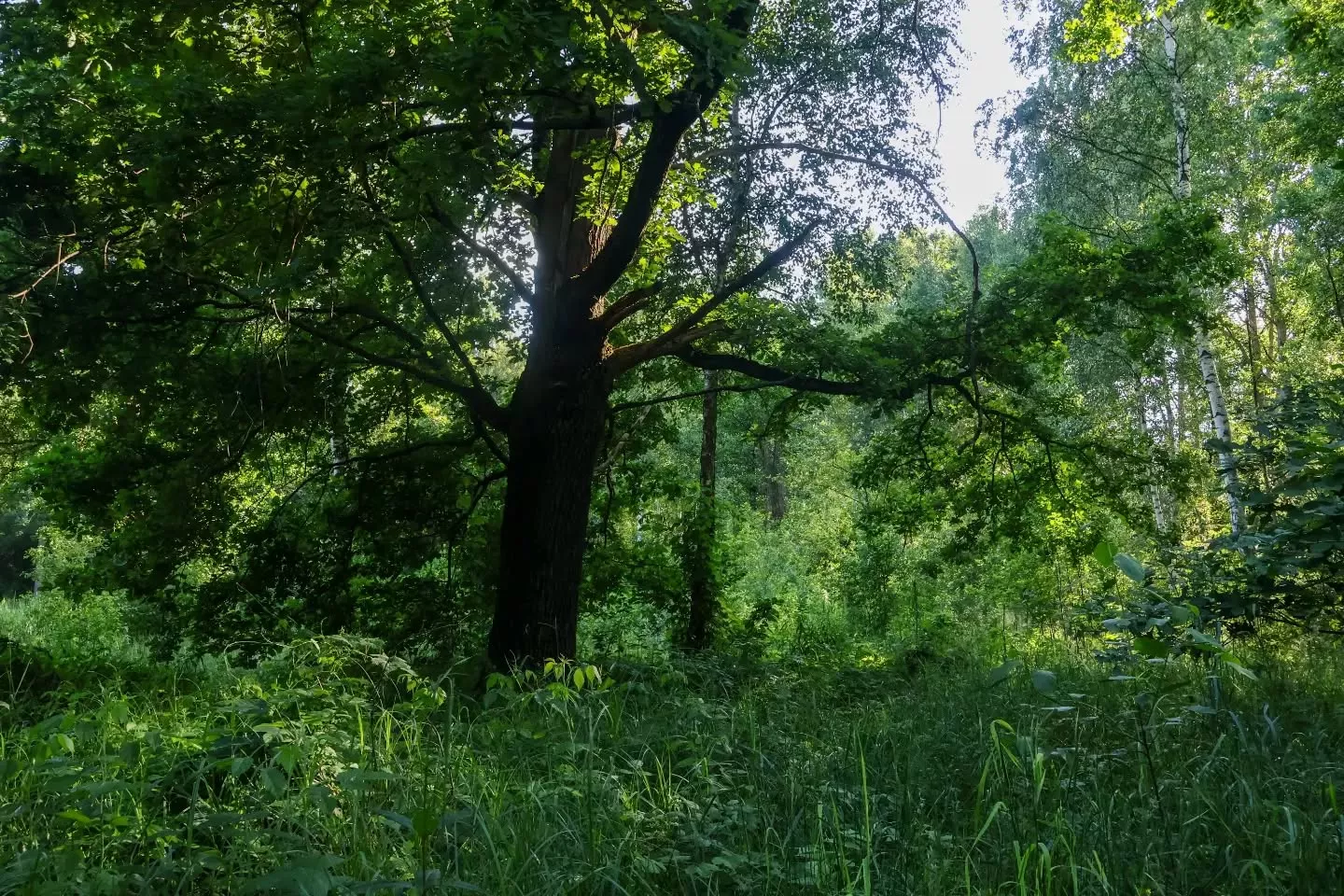
He signs off with a promise of more to come: if he gets the chance to visit the bogs of the Olevsk district, a report will surely follow. So anyone who loves Polissian nature and truly wild fishing would do well to keep an eye on the channel.
A closer look: what makes Polissia's bogs unique
Polissia is one of the largest wetland regions in Europe, and its peat bogs are true natural treasure houses. These are mostly oligotrophic (raised) and mesotrophic bogs, fed by rainwater and building up peat over thousands of years. Such ecosystems play a vital role: they hold moisture, regulate groundwater levels, and lock away vast amounts of carbon, working as the landscape's natural filters and sponges.
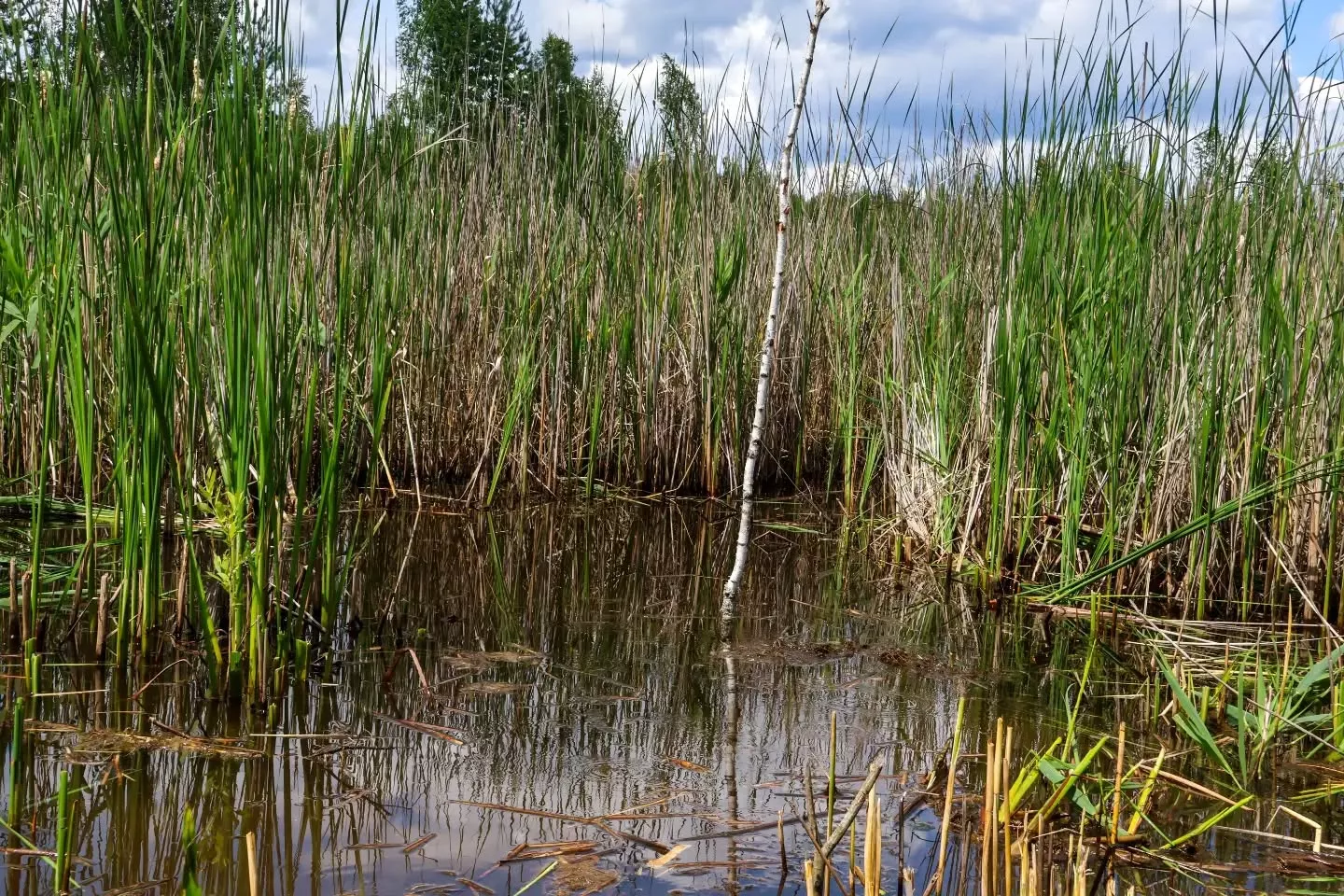
The plant life of the Polissian bogs is unusual in its own way. Sphagnum mosses dominate — the very plants that form the peat — and alongside them grow cranberry, bog bilberry, wild rosemary and sundew, a carnivorous plant adapted to nutrient-poor soils. Reeds and sedge fringe the edges of the bogs, and above them stretches open woodland of bog pine and birch. Many of these plants are on protected lists, since the draining of peatlands in the last century wiped out much of their range.
The wildlife is no less rich. The bogs serve as home and nesting ground for countless birds — cranes, herons, waders and waterfowl. In the peat waters, as Yurii notes, rare fish such as the lake minnow still survive here and there, along with the region's traditional crucian carp, tench and weatherfish. You may come across beavers, otters and moose, and among the smaller fauna, rare amphibians and invertebrates. It is precisely the untouched, hard-to-reach nature of many bogs that has let these species survive where they long ago vanished from more "civilised" waters.
For all these reasons, Polissia's peatlands carry great conservation value. Many fall within nature reserves, national nature parks and sites of the Emerald Network, and some are Ramsar wetlands of international importance. Protecting these bogs is about more than the beauty of wild nature — it is about the health of the whole region, which makes the care that anglers and tourists show these places truly decisive.
Photo: Yurii Nevmerzhytskyi