

The Chernobyl Nuclear Power Plant stands in Polissia on the bank of the Pripyat River, 2 km from the city of Pripyat, 15 km from Chernobyl, and about 110 km north of Kyiv. It was here on April 26, 1986, that the fourth reactor exploded — one of the largest man-made disasters in human history. Today, above the destroyed power unit stands the New Safe Confinement — the largest movable land structure in the world.
The Station near Kopachi
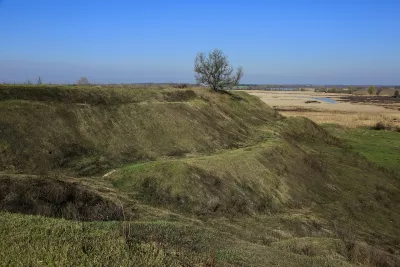
The site for Ukraine’s first nuclear power plant was chosen in 1966–1967 near the village of Kopachi, on the right bank of the Pripyat, near the Yaniv railway station. The plant was named after the district center — Chernobyl. Construction began in 1970, the first power unit was launched in 1977, and by 1983 there were already four units with RBMK-1000 reactors with a total capacity of 4000 MW. At the beginning of 1986, the ChNPP was the most powerful nuclear power plant in the European part of the USSR. The fifth and sixth units were already under construction, and the plant director Viktor Bryukhanov dreamed of ChNPP-2 on the other bank of the Pripyat.
April 26, 1986
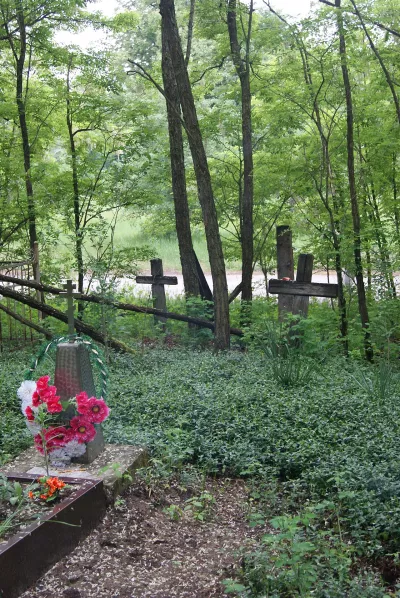
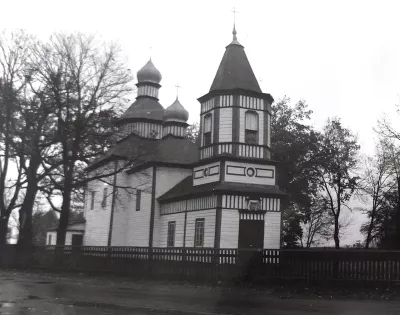
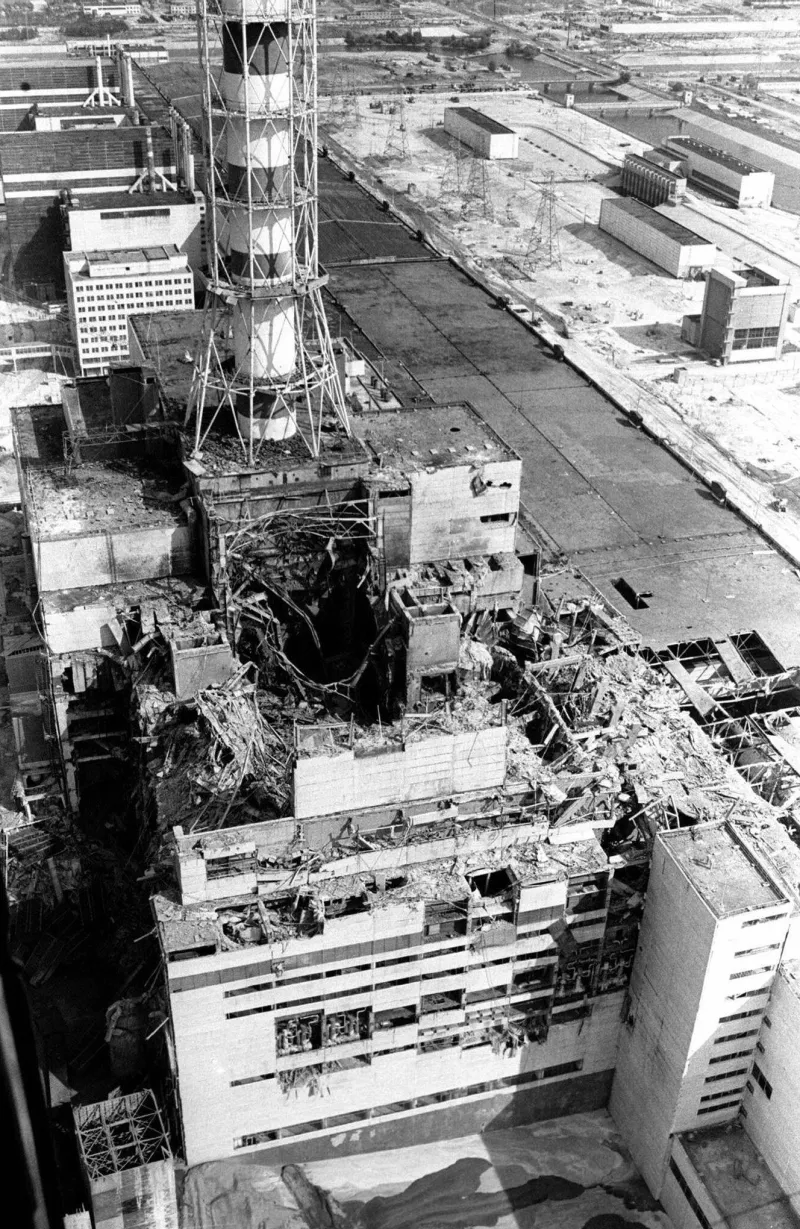
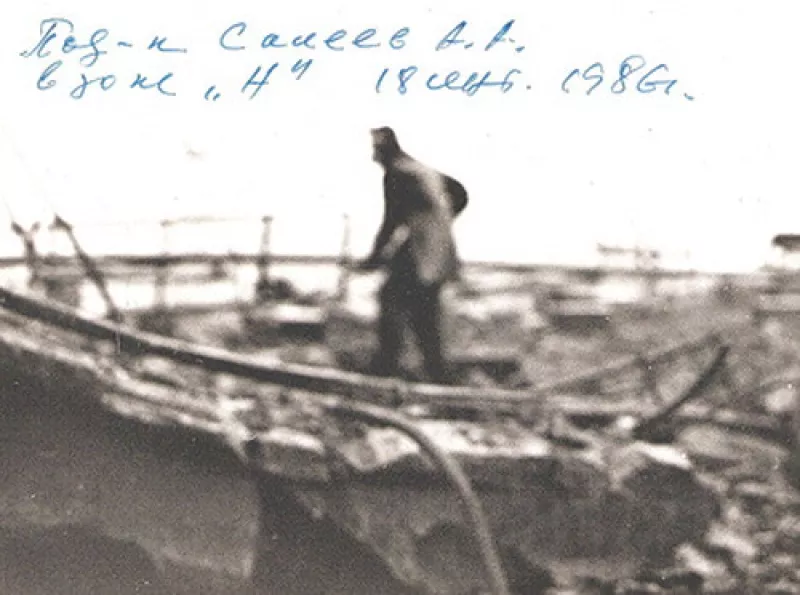
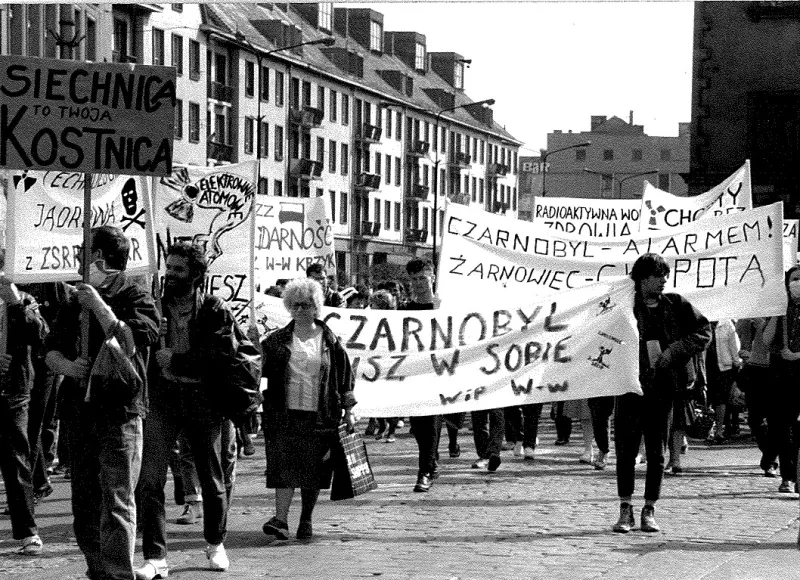
During test operations, the fourth reactor exploded and was completely destroyed. Radioactive substances contaminated a vast area. Pripyat, Chernobyl, and all villages within a 30 km radius were evacuated — thus the exclusion zone was created. Construction of the fifth and sixth units, nearly completed, was halted forever. More details about the accident can be found in the article “Chernobyl: the story of the greatest nuclear disaster.”
The plant continued to operate for another 14 years. The second unit was shut down in 1991 after a fire in the turbine hall, the first in 1996, and on December 15, 2000, after 23 years and one day of operation, the ChNPP finally stopped producing electricity. Currently, decommissioning work is underway, spent fuel storage facilities are in operation, and complexes for processing radioactive waste are active.
The Sarcophagus and the New Arch
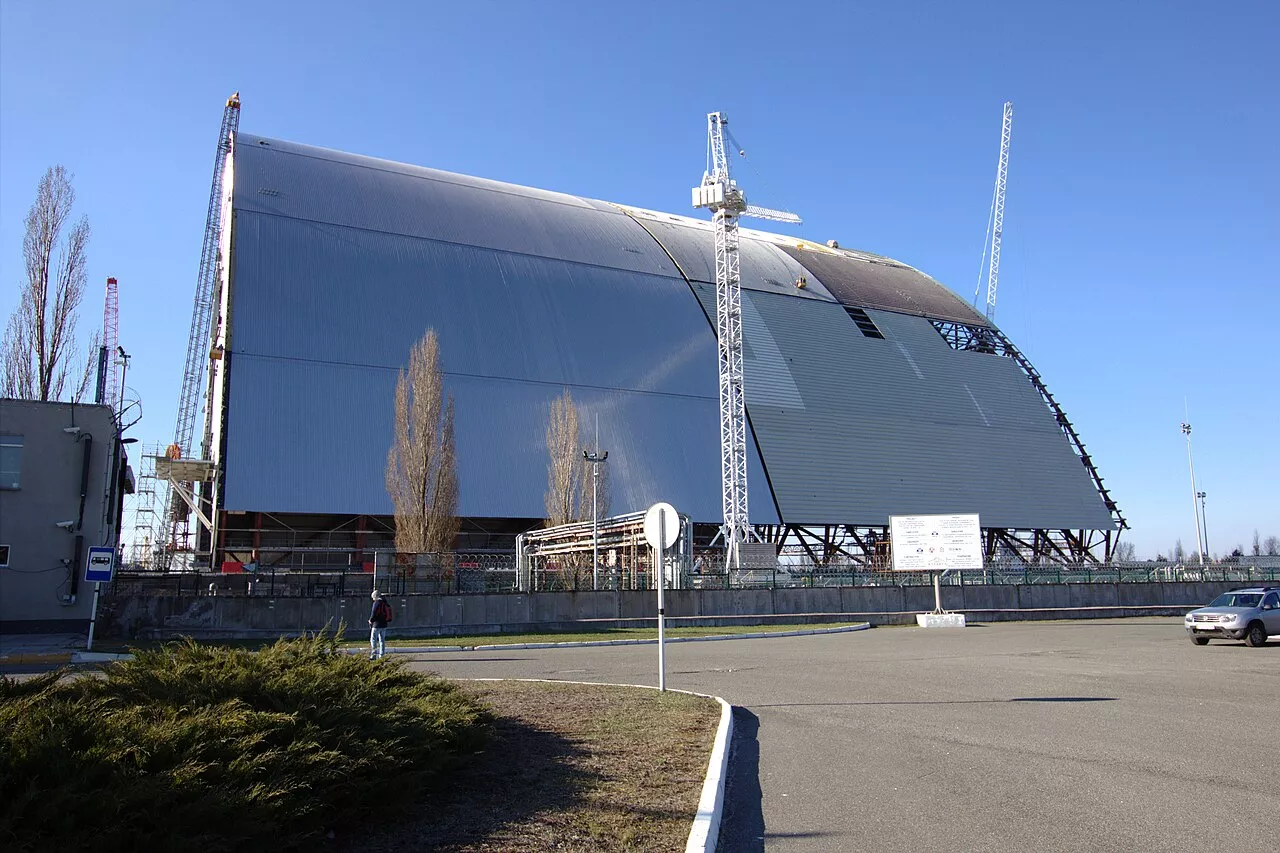
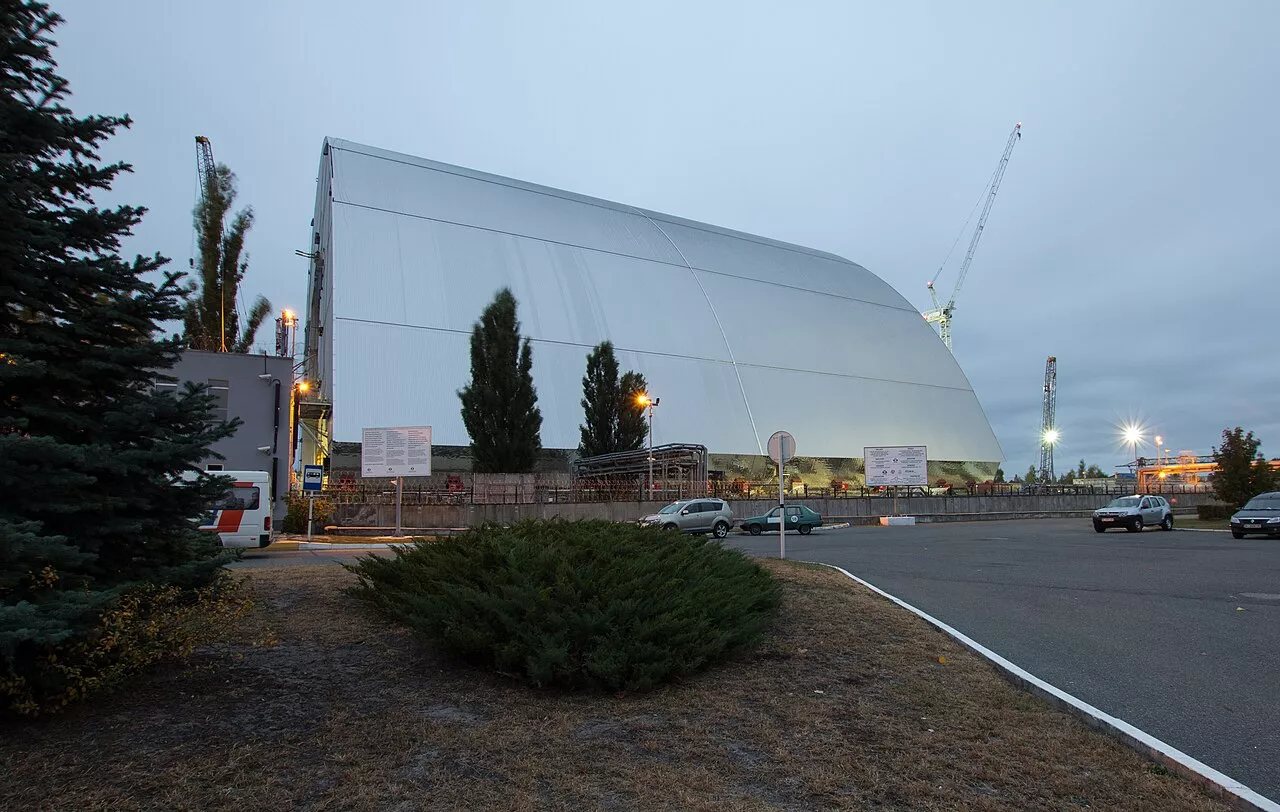
In 1986, a sarcophagus called the “Shelter” was built over the destroyed unit, but it gradually deteriorated, and most of the radioactive substances remained inside. Therefore, international donors led by the EBRD funded a new structure. The arch was built 180 meters from the reactor to reduce radiation exposure to workers, and in November 2016 it was slid over the “Shelter” using 224 hydraulic jacks — advancing 6 meters per day. The arch is 257 meters wide, 108 meters high, 150 meters long, and weighs over 36,000 tons. The metal used for it could have built three Eiffel Towers. The confinement became operational in July 2019 and is designed to last 100 years.
Drone Strike of 2025
On February 14, 2025, a Russian strike drone hit the roof of the confinement. A fire broke out, creating a hole of about 15 m² in the outer cladding, and a total of about 200 m² of the lining was damaged. Smouldering in the insulation layers was extinguished over nearly three weeks. According to IAEA data, the radiation background did not change. However, in December 2025, the IAEA reported that the confinement no longer fulfills its main functions: it lost its airtightness, and work on dismantling the old “Shelter” was suspended. In 2026, fundraising began for restoration, estimated at approximately 500 million euros.
How to get there
The Chornobyl NPP site is the most strictly guarded part of the exclusion zone. During martial law, visiting the zone is restricted and possible only with permission and escort, and part of the territory is mined. The station workers live in Slavutych, the city built for them after the accident.