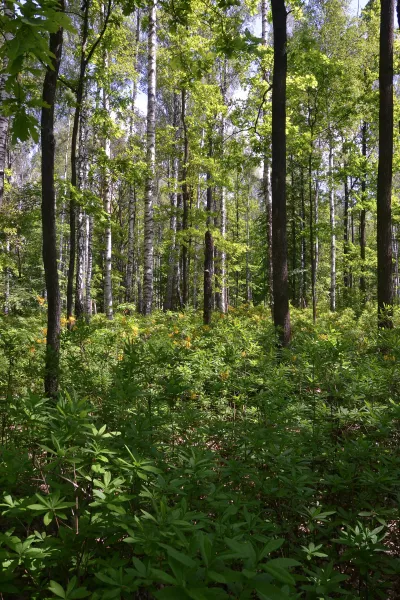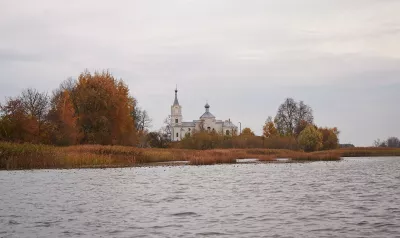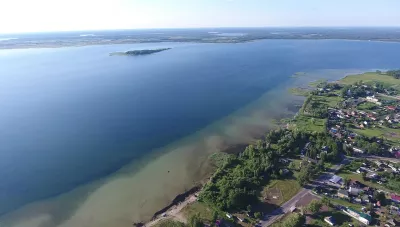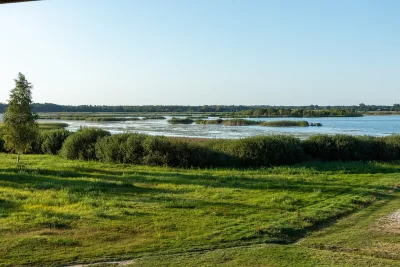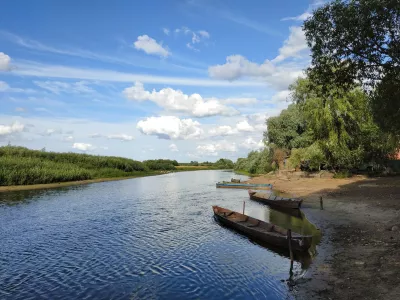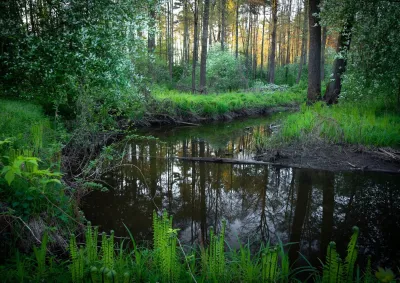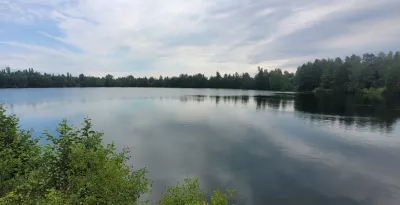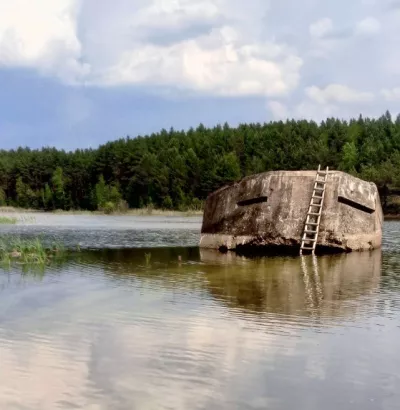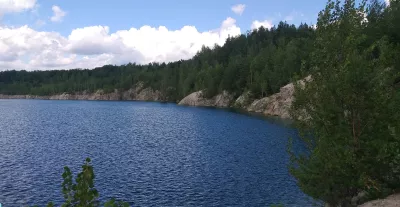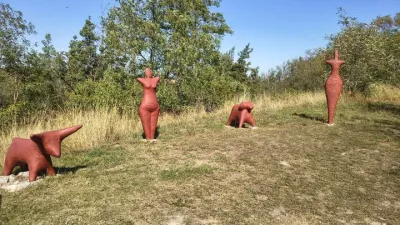
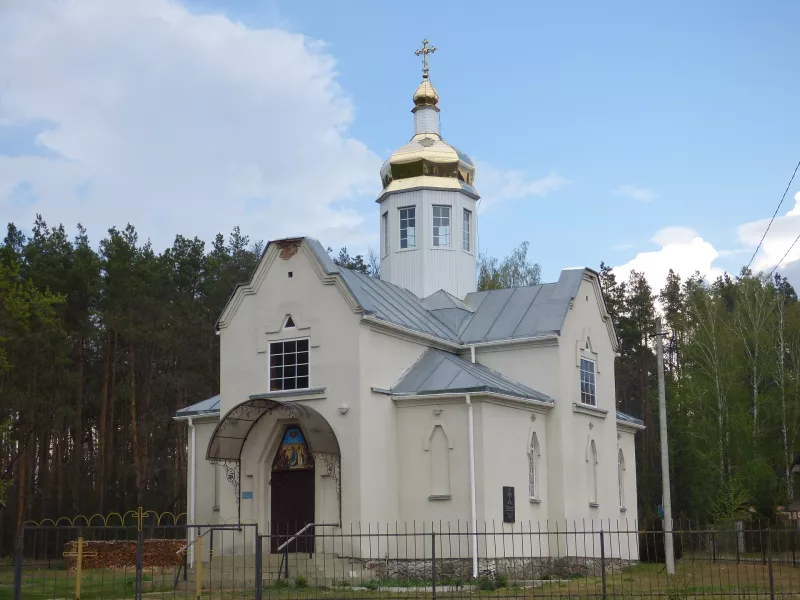

Kyiv Polissia begins just beyond the city limits: as soon as you head north or northwest from the city, you are surrounded by pine forests, sandy shores, quiet rivers, and the wide expanse of the Kyiv Reservoir. This is the easternmost part of Ukrainian Polissia and perhaps the closest one for most travelers. Here, you can visit a beach, an ancient Rus town, and the place that stopped the enemy in the spring of 2022, all in a single day.
As a natural region, Kyiv Polissia occupies the north of the Kyiv region and part of the east of the Zhytomyr region. Its eastern boundary is the Dnipro River with the Kyiv Reservoir. Beneath the sand and clay lies the same granite of the Ukrainian Shield as in the Zhytomyr region, but already at a depth of 300–400 meters: the shield gradually dips toward the Dnipro-Donets depression. The Dnipro glacier once reached this area, so the terrain is a rolling moraine plain crossed by rivers flowing toward the Dnipro and Prypiat rivers.
At a Glance
- Where: northern Kyiv region (Vyshhorod and Bucha districts) and eastern Zhytomyr region.
- Water: Kyiv Reservoir, Teteriv, Irpin, Zdvizh, and Prypiat rivers.
- History: ancient Vyshhorod, Mezhyhiria, Liutizh, and memorial sites of the 2022 war.
- Nature: Chornobyl Biosphere Reserve with Przewalski's horses, pine forests of Pushcha-Vodytsia, and the Irpin River floodplain.
- Culture: Ivankiv district — the birthplace of Maria Prymachenko, and a Polissia homestead at the Pyrohiv museum.
Kyiv Reservoir
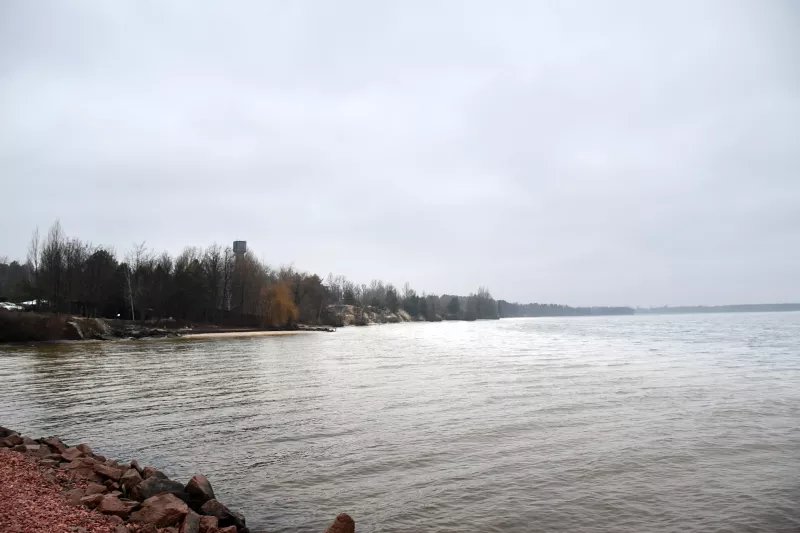
The Kyiv Reservoir, which everyone calls the Kyiv Sea, appeared in the 1960s when a dam for the Kyiv HPP was built near Vyshhorod. The water flooded the Dnipro floodplain and river mouths, so now this expanse is in places over 10 km wide, featuring sandy beaches, pine-fringed shores, and recreation centers. In summer, people come here to swim, fish, and go sailing, while near Tolokun, Liutizh, or Novi Petrivtsi, it is easy to find a quiet spot on the shore.
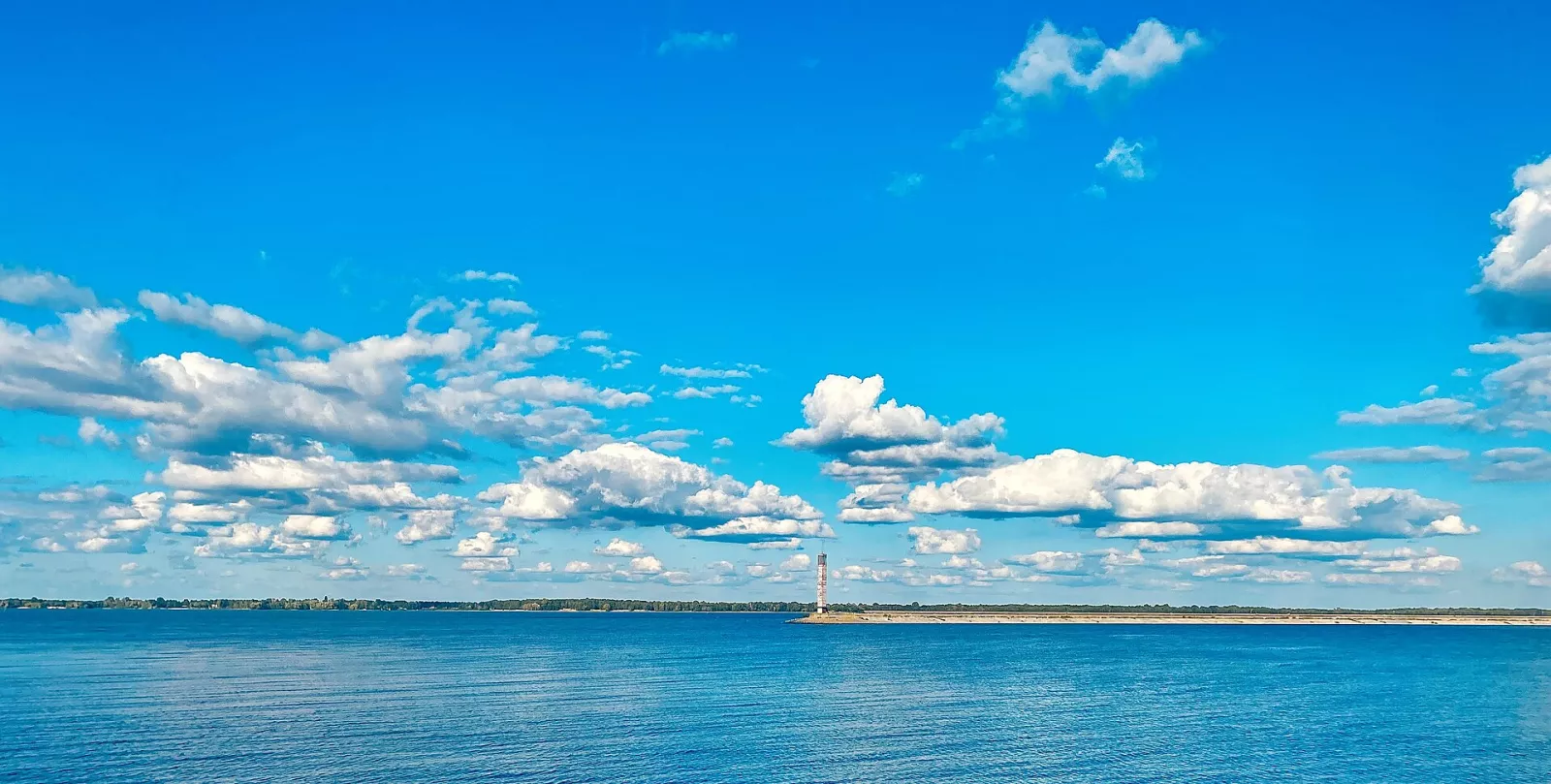
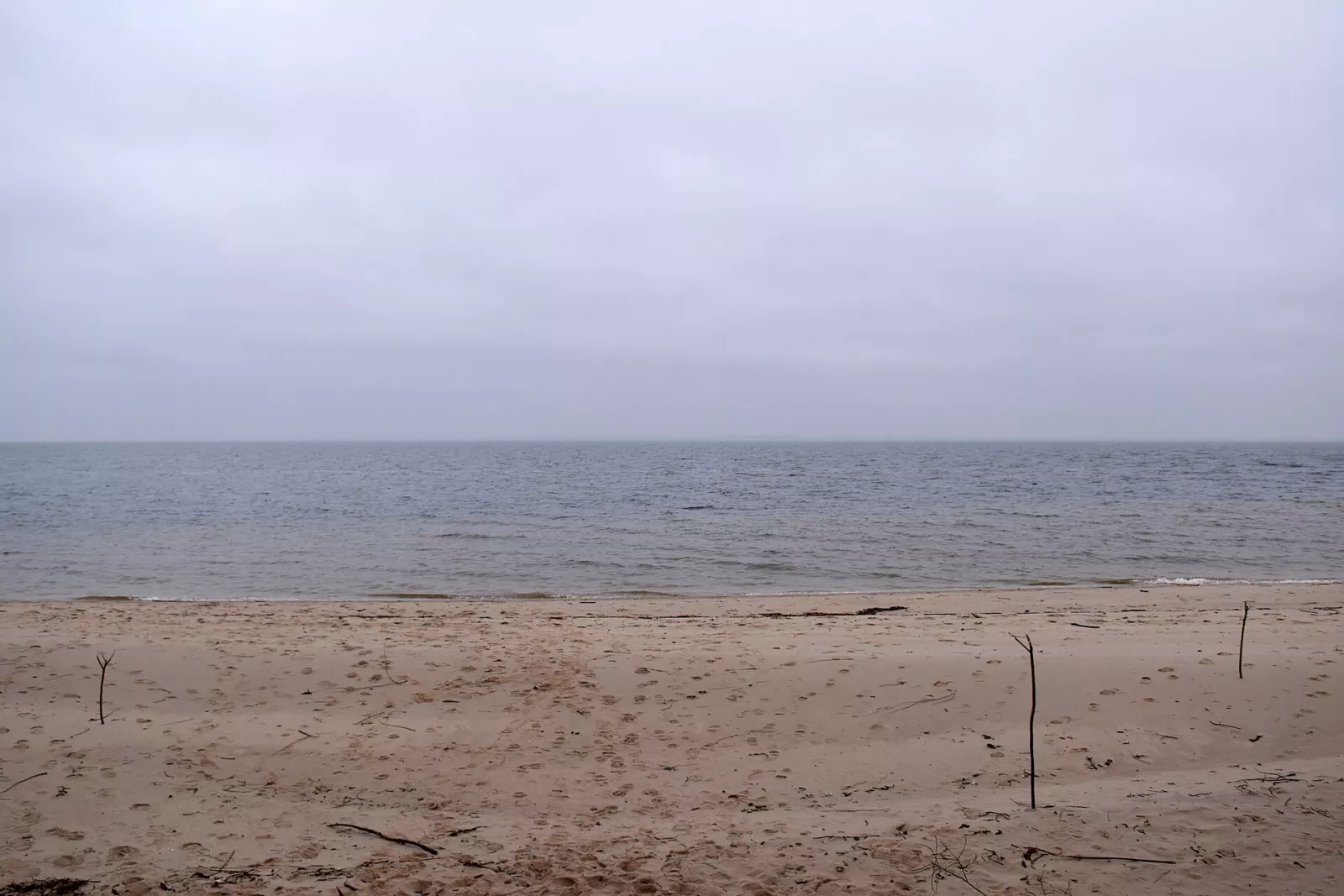
Dozens of villages and ancient tracts remained underwater, so plenty of legends surround the sea. In hot years, the water recedes, and old roads and foundations become visible on the bottom once again.
Video: "Secrets of the Kyiv Sea: what lies in the depths? History of the man-made sea", STEPANETS channel.
Vyshhorod and Mezhyhiria
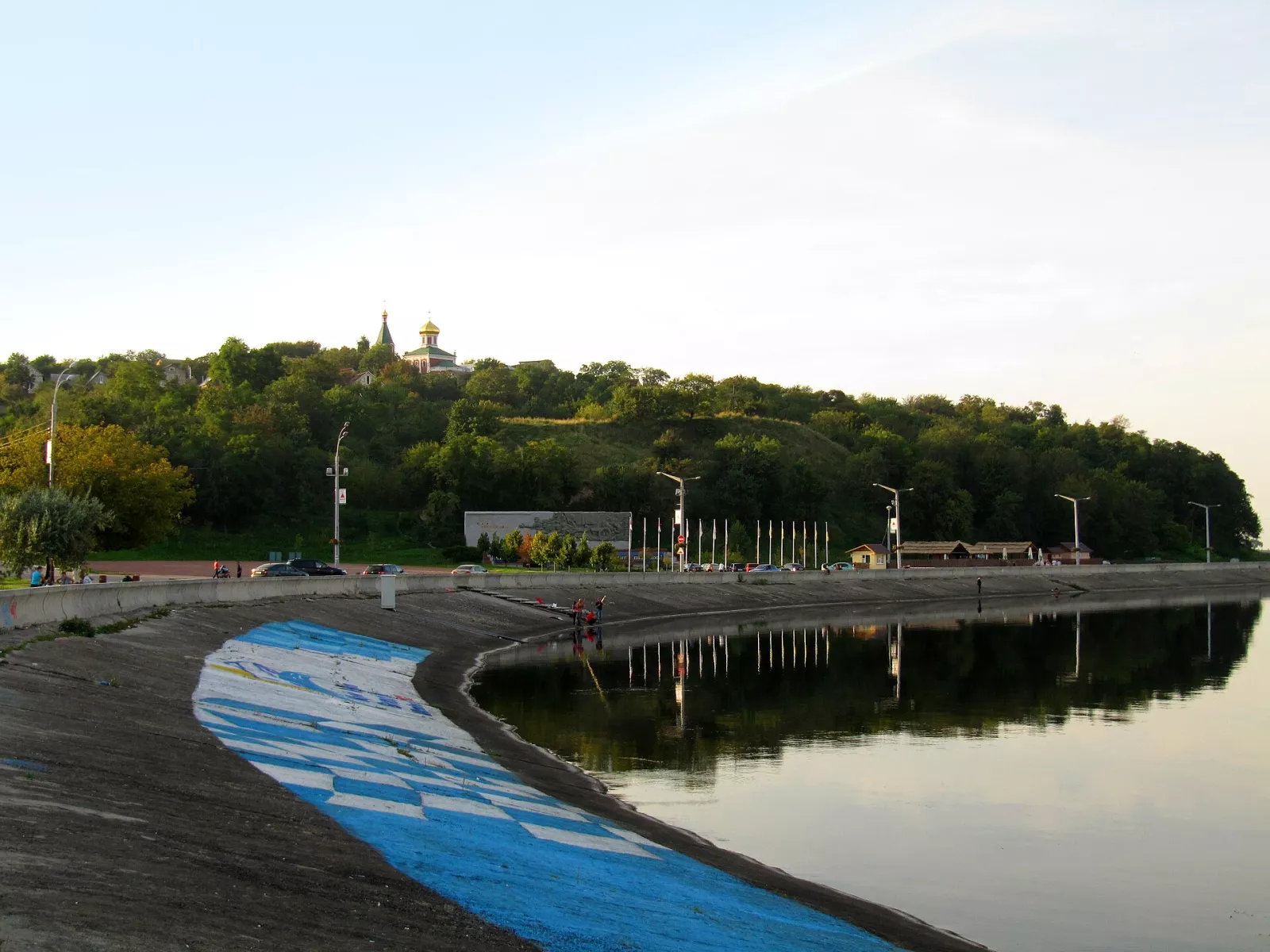
Vyshhorod is one of the oldest towns of Rus. Chronicles mention it as the town of Princess Olha, and later the first saints of Rus — the princes Borys and Hlib — were buried here. On the high bank of the Dnipro River, the ramparts of the ancient town have been preserved, and the Vyshhorod Historical and Cultural Reserve tells the story of early Rus potters and princes.
Video: "What was medieval Vyshhorod like? From Vikings to Kyivan Rus", Dmytro Horbatiuk channel.
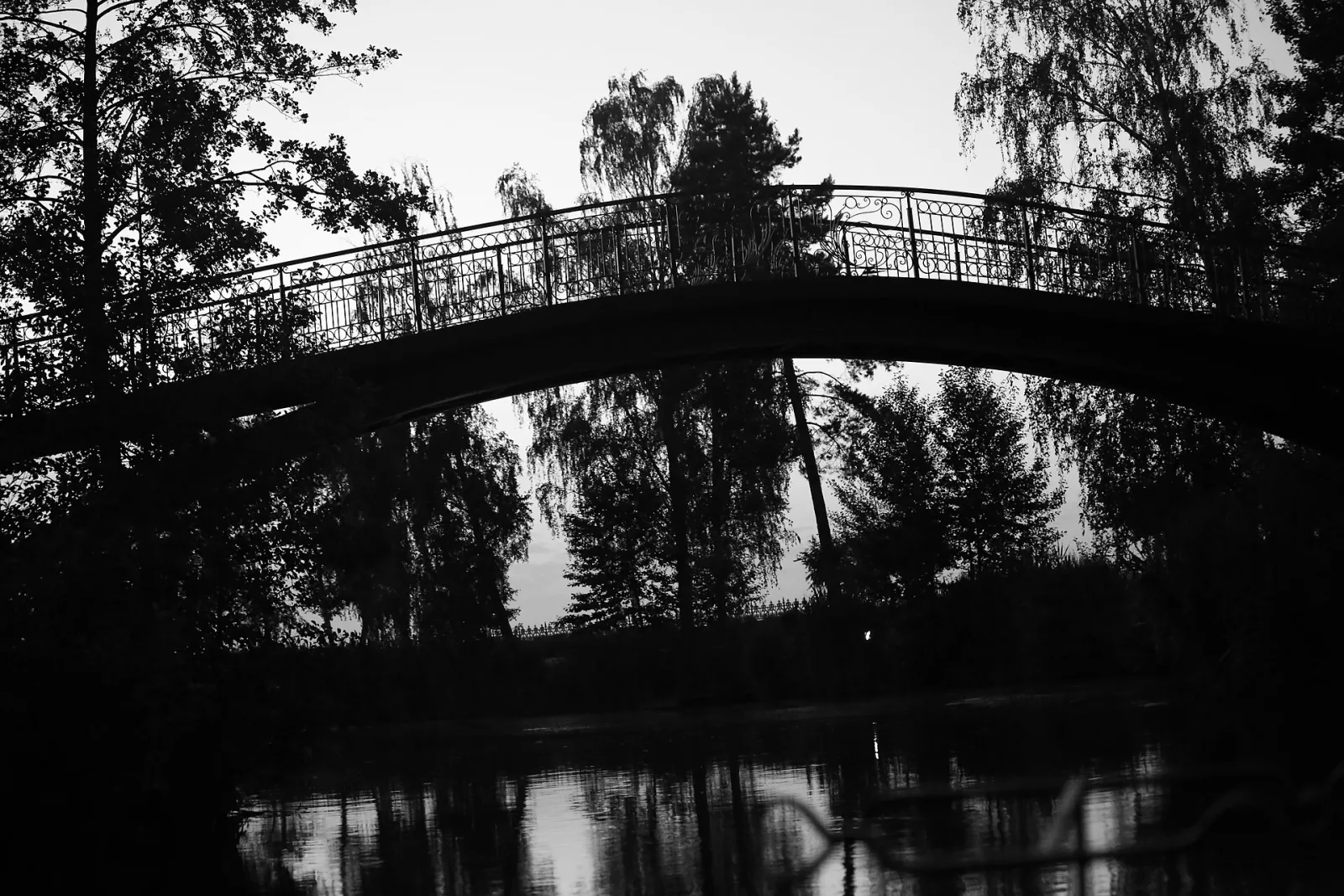
Nearby, in Mezhyhiria, once stood the famous Mezhyhiria Monastery, and later a state residence. Now it is a large park above the Dnipro with gardens, ponds, and alleys where you can go for a walk.
Liutizh and Demidiv
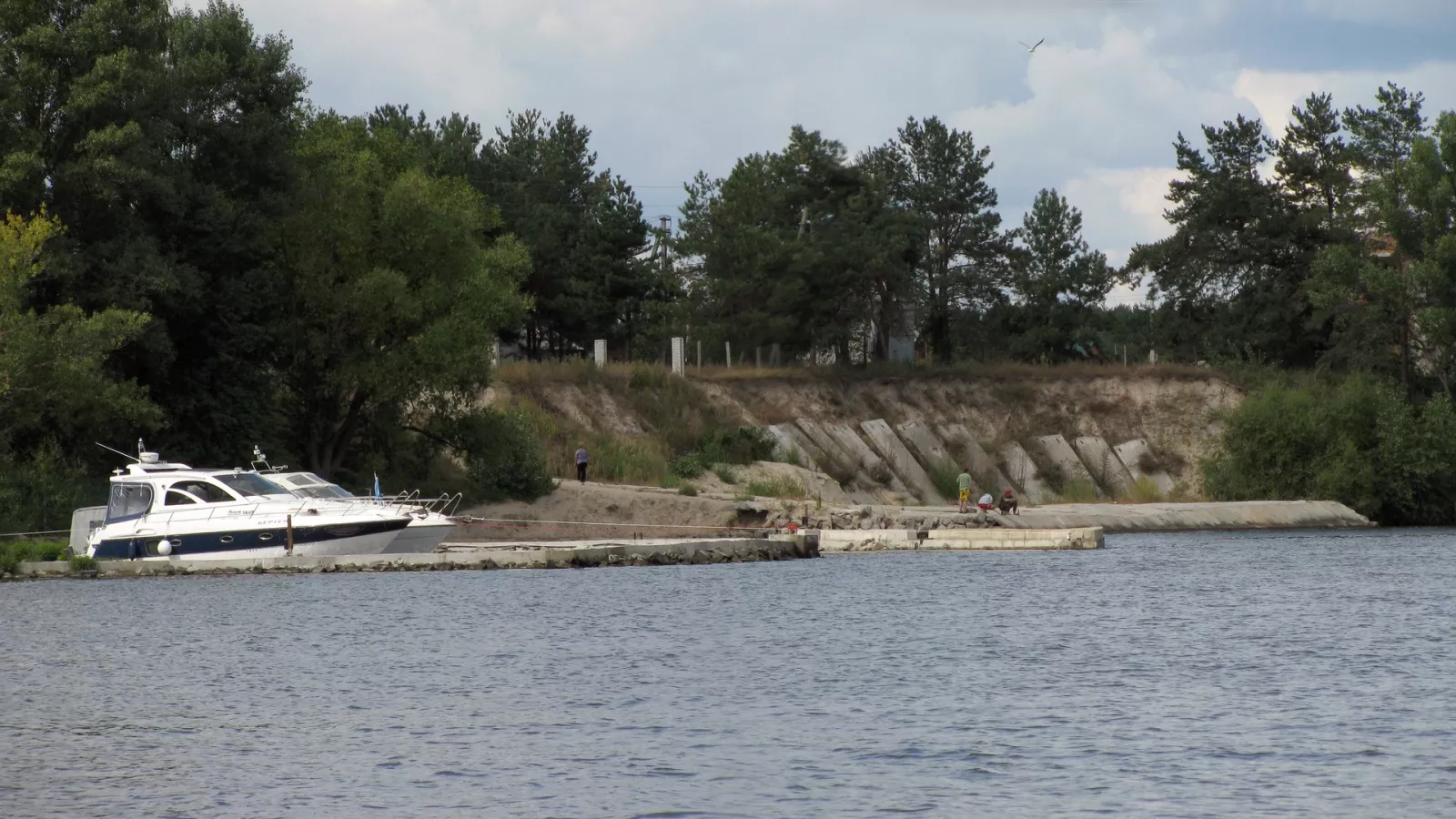
The village of Liutizh on the sea shore is famous for the Liutizh bridgehead: in the autumn of 1943, the offensive on Kyiv began from here, and a memorial to these events operates in neighboring Novi Petrivtsi.
And in 2022, neighboring Demidiv went down in history. In the first days of the full-scale war, a dam was opened at the mouth of the Irpin River, and water flooded the floodplain. The flood stopped Russian machinery on the approaches to Kyiv, but left the village under water. Demidiv is still recovering, and the Irpin floodplain has once again become a marsh — now birds nest here.
Video: "Why does the village of Demidiv, which saved Kyiv, need saving itself?", DW Ukrainian channel.
Irpin, Bucha, and Moshchun
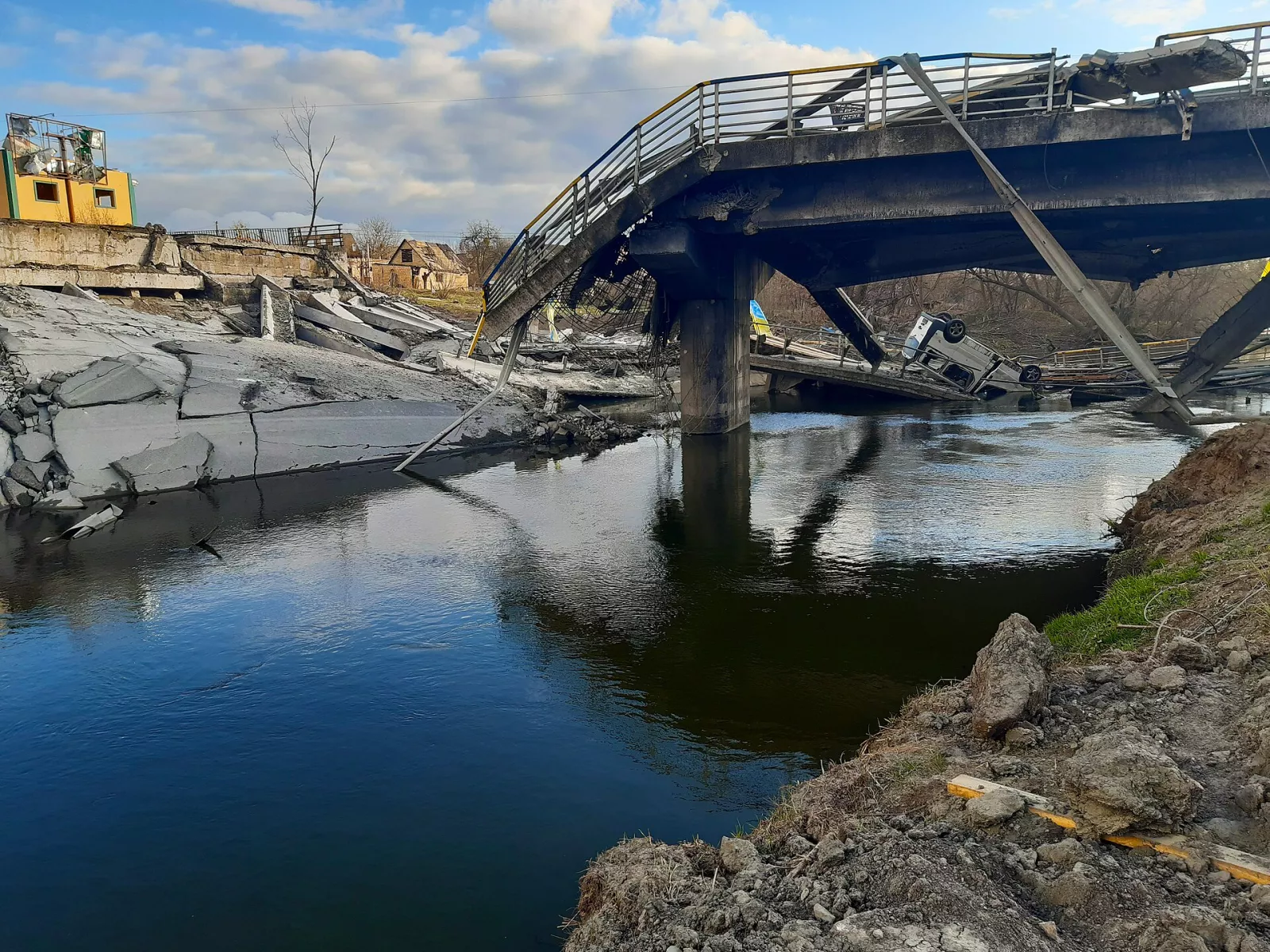
Towns and villages to the west and north of Kyiv — Irpin, Bucha, Hostomel, Moshchun, Borodianka — found themselves on the front line in the spring of 2022 and survived occupation. Today, there are memorials to the fallen, rebuilt neighborhoods, and places that preserve the memory: the remnants of the blown-up bridge across the Irpin River, which people used to evacuate from the city, and memorial signs in Moshchun, where battles took place right in the forest.
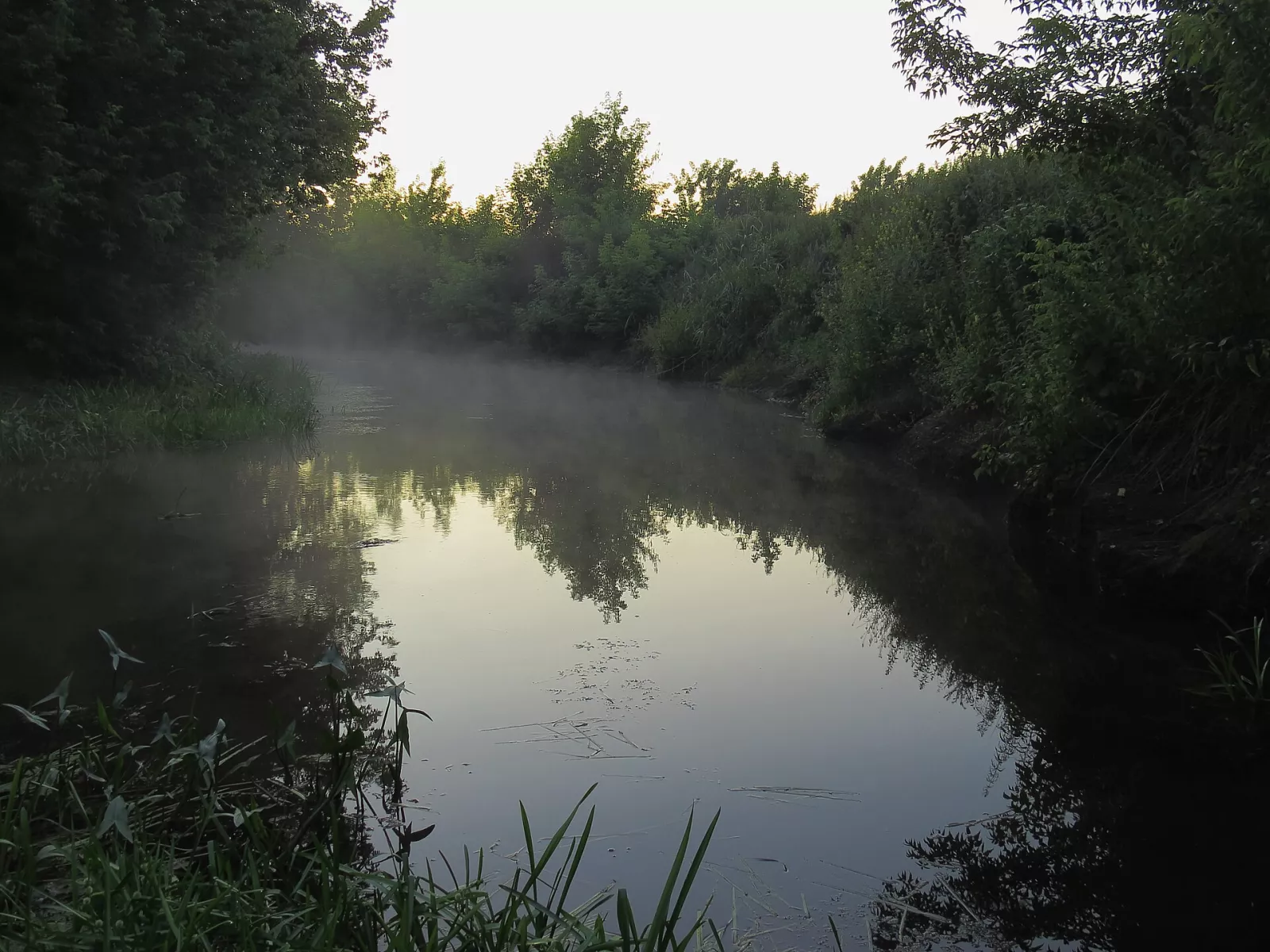
At the same time, these are green suburbs with pine forests and the Irpin River, which you can kayak down. When visiting here, remember that for many locals these places are still an open wound.
Pushcha-Vodytsia and the Forests Around Kyiv
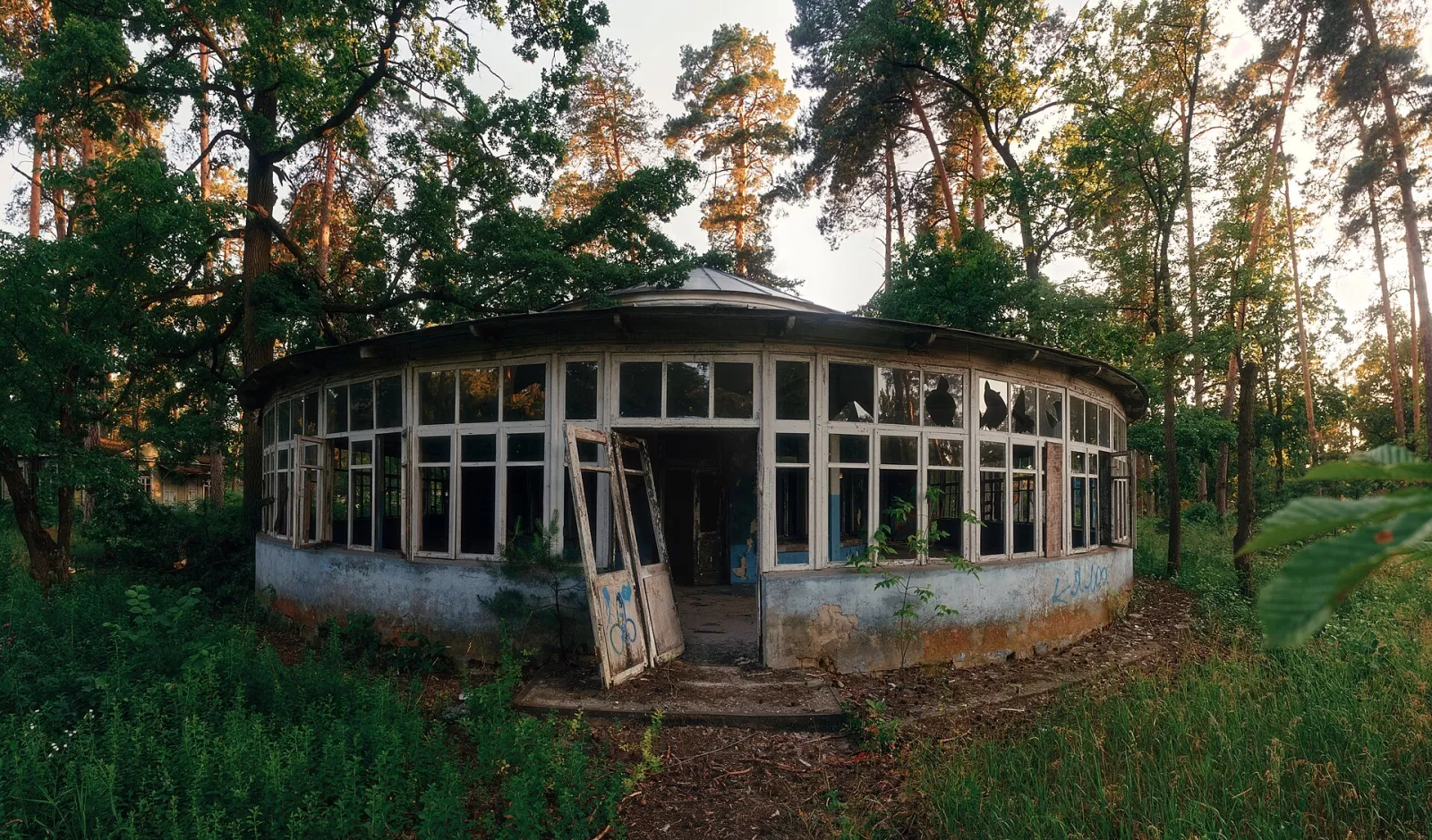
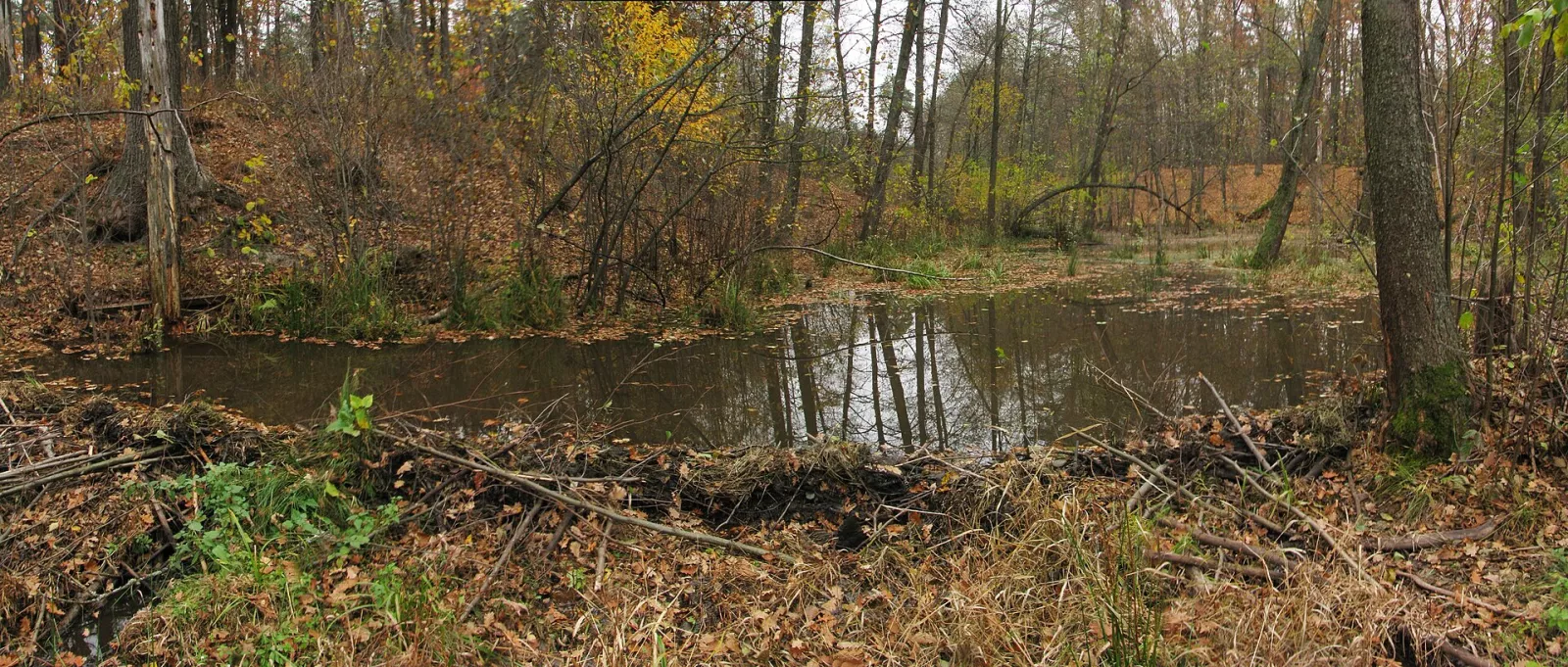
The closest piece of Polissian forest to the capital is Pushcha-Vodytsia: pine forests within Kyiv, where a tram has been running since the early 20th century. Old sanatoriums, forest trails, and a chain of ponds are located here, and the Moshchun forest stream is dammed by beaver dams.
Ivankiv and Mariia Prymachenko
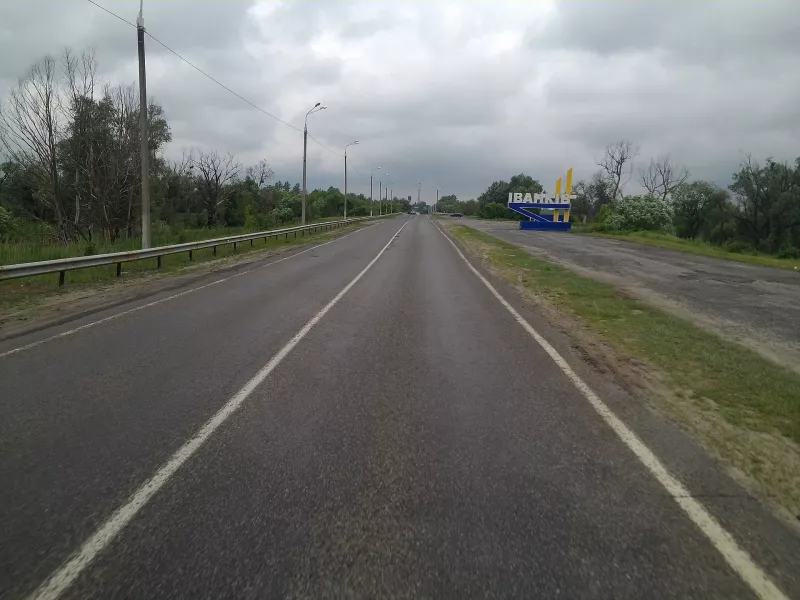
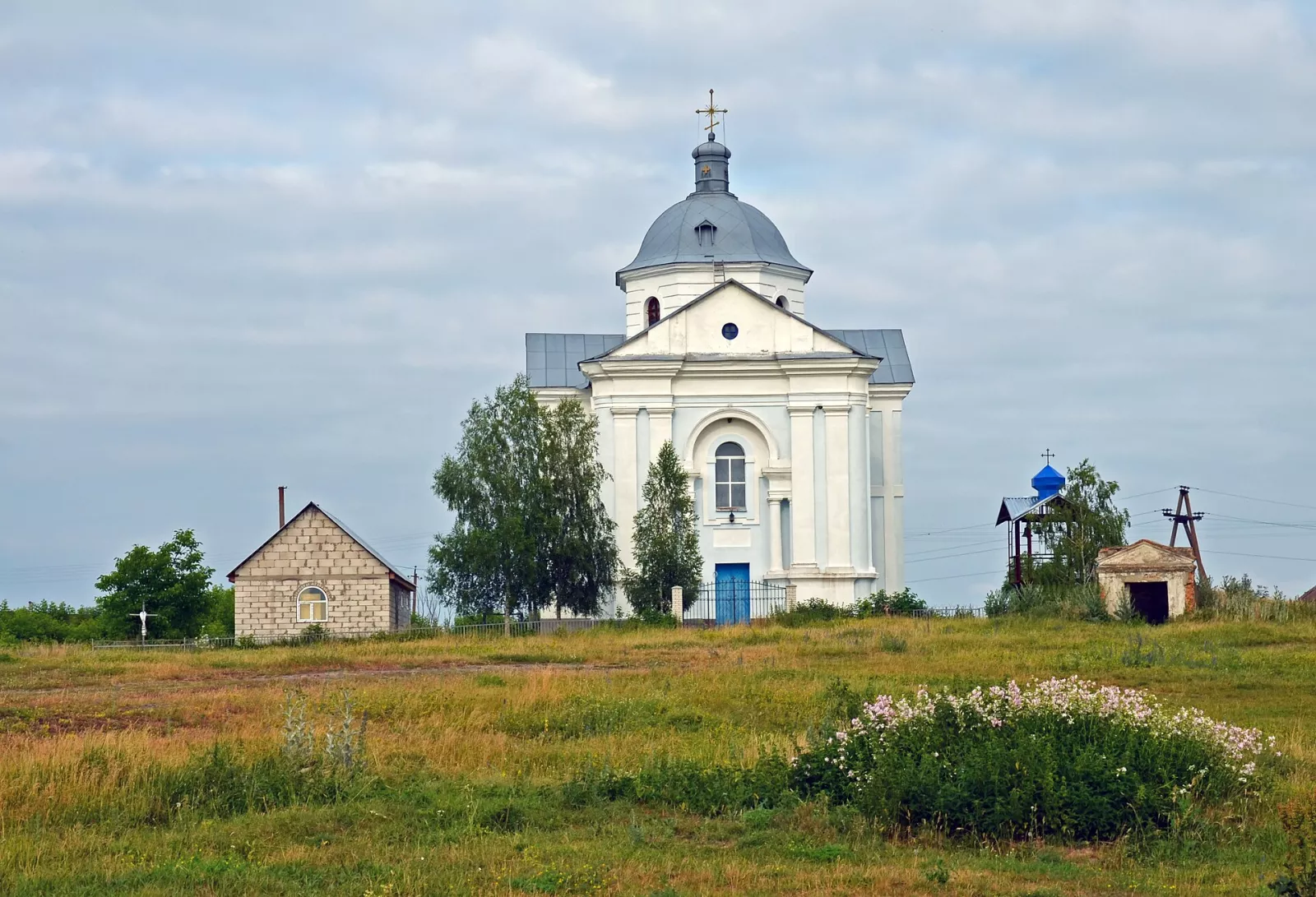
Ivankiv stands on the Teteriv River, which flows widely and calmly here among sandy banks and pine forests before flowing into the reservoir. Nearby is the village of Bolotnia, where Mariia Prymachenko was born and painted throughout her life. In February 2022, the Ivankiv Museum burned down due to Russian shelling, but local residents managed to rescue some of her works from the flames.
Video: "Teteriv: Ukrainian province, electric train, lakes near Kyiv", Hashchi channel.
Makariv and the Zdvyzh River
Makariv on the Zdvyzh River is an ancient town, the birthplace of Saint Demetrius of Rostov (Tuptalo), a 17th-century writer and preacher. An ancient settlement has been preserved on the cape above the Zdvyzh. The Zdvyzh itself flows from Brusyliv to Borodianka among meadows and bogs and flows into the Teteriv.
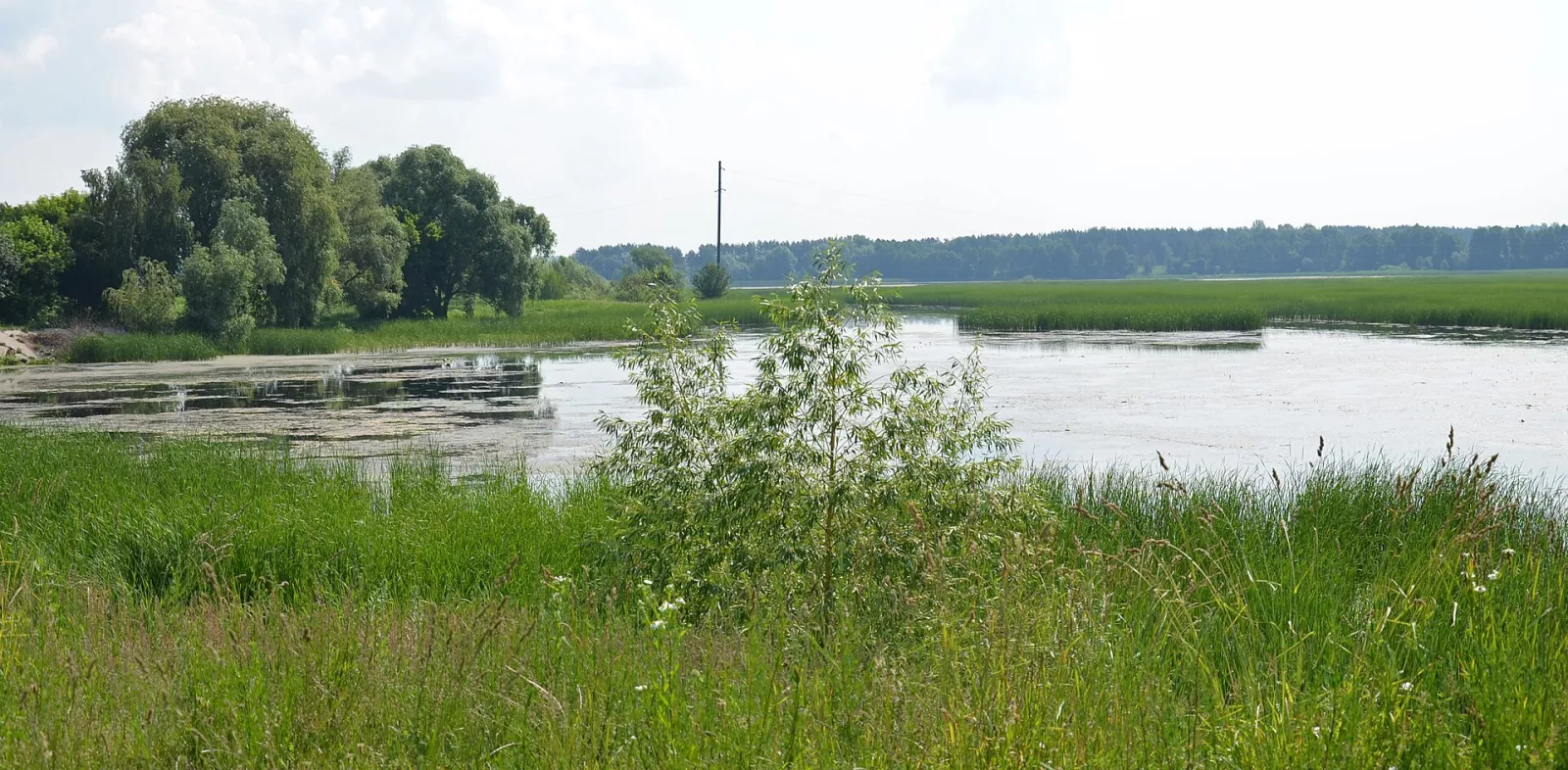
Chernobyl Exclusion Zone
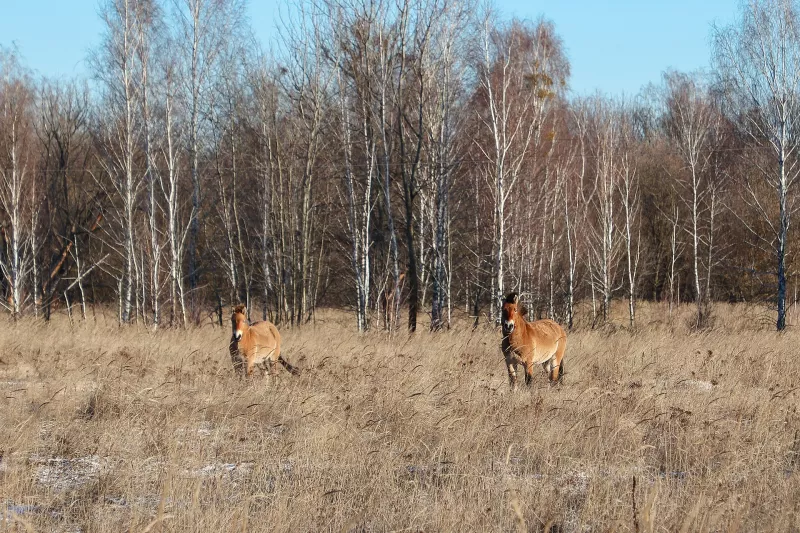
The north of Kyiv Polissia is the Chernobyl Exclusion Zone. After the 1986 accident, dozens of villages and the city of Prypiat were evacuated here, and in 2016, the Chernobyl Radiation and Ecological Biosphere Reserve — the largest in Ukraine — was created on these lands. Without humans, nature quickly returned: wolves, elk, lynx live here, and since 1998, Przewalski's horses, which have multiplied in the wild.
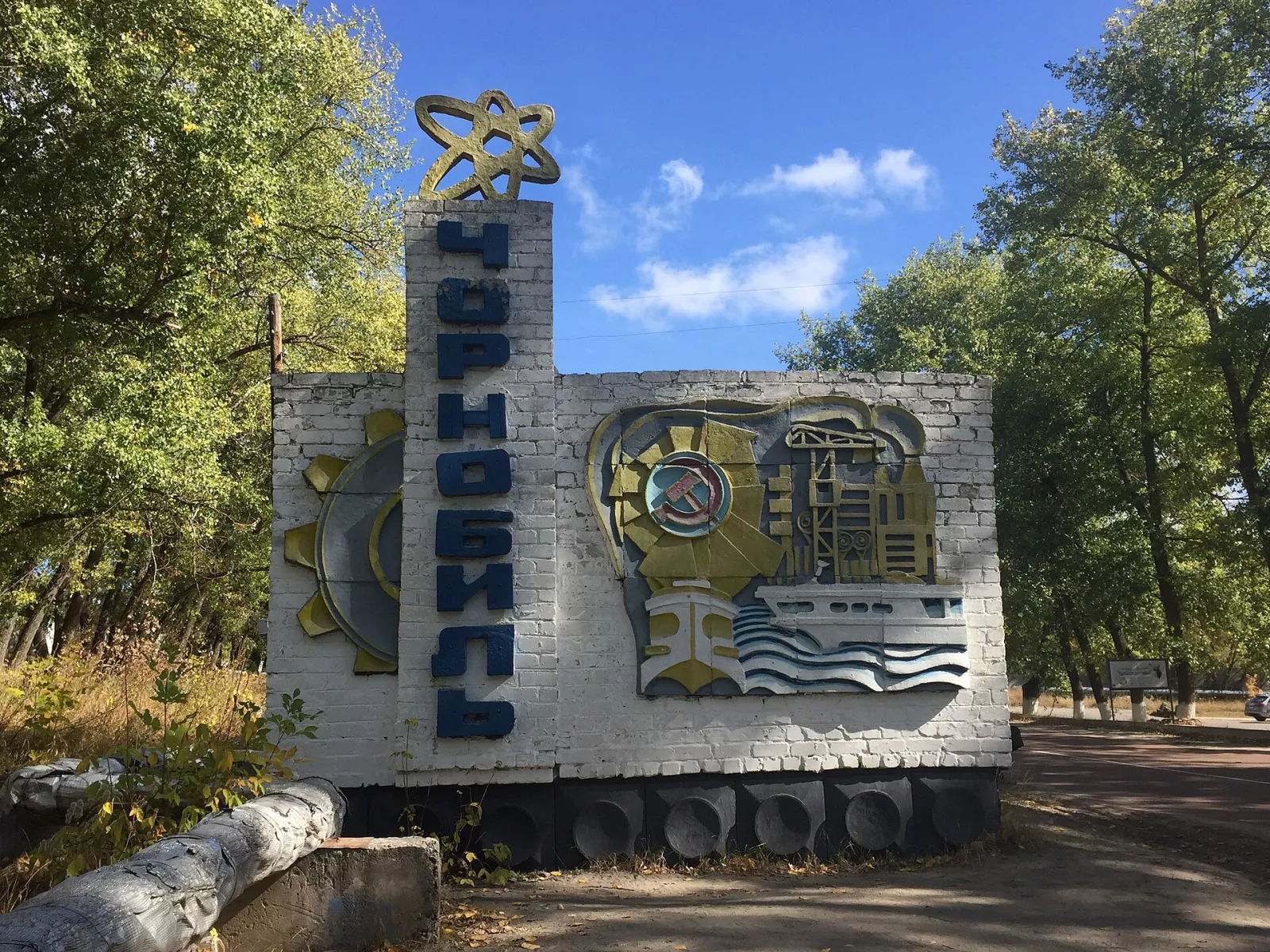
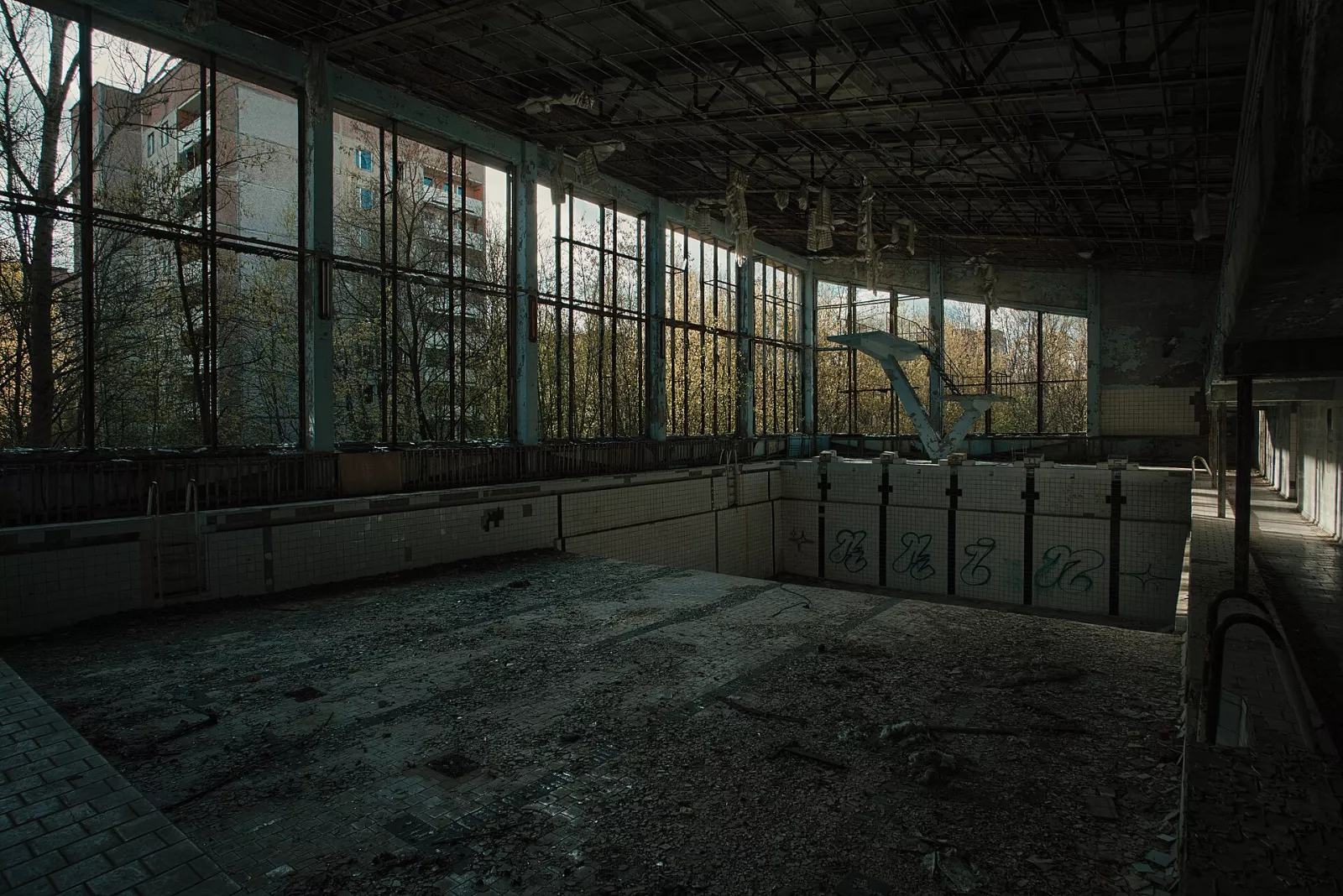
In the spring of 2022, the zone was occupied by the Russian army, and traces of the occupation are still visible here today. You can visit it only with licensed operators and under current rules; access is significantly restricted during the war. We wrote about the ancient temples and cemeteries of this region separately — landmarks of the Chornobyl region, and about the river itself in the article "Prypiat — the Polissian Amazon: The living world of one of Europe's wildest rivers".
Video: "Life in Radiation: What animals can be found in the Chornobyl Exclusion Zone", RFI Ukrainian channel.
Polissian traditional house in Pyrohiv
The easiest way to see old Polissia is to visit the National Museum of Folk Architecture and Life of Ukraine "Pyrohiv" on the southern outskirts of Kyiv. In the Polissian sector, there are houses, barns, a wooden church, and windmills brought from villages: you can peek into the oven, examine woven rushnyks, and see how Polissians lived a hundred years ago.
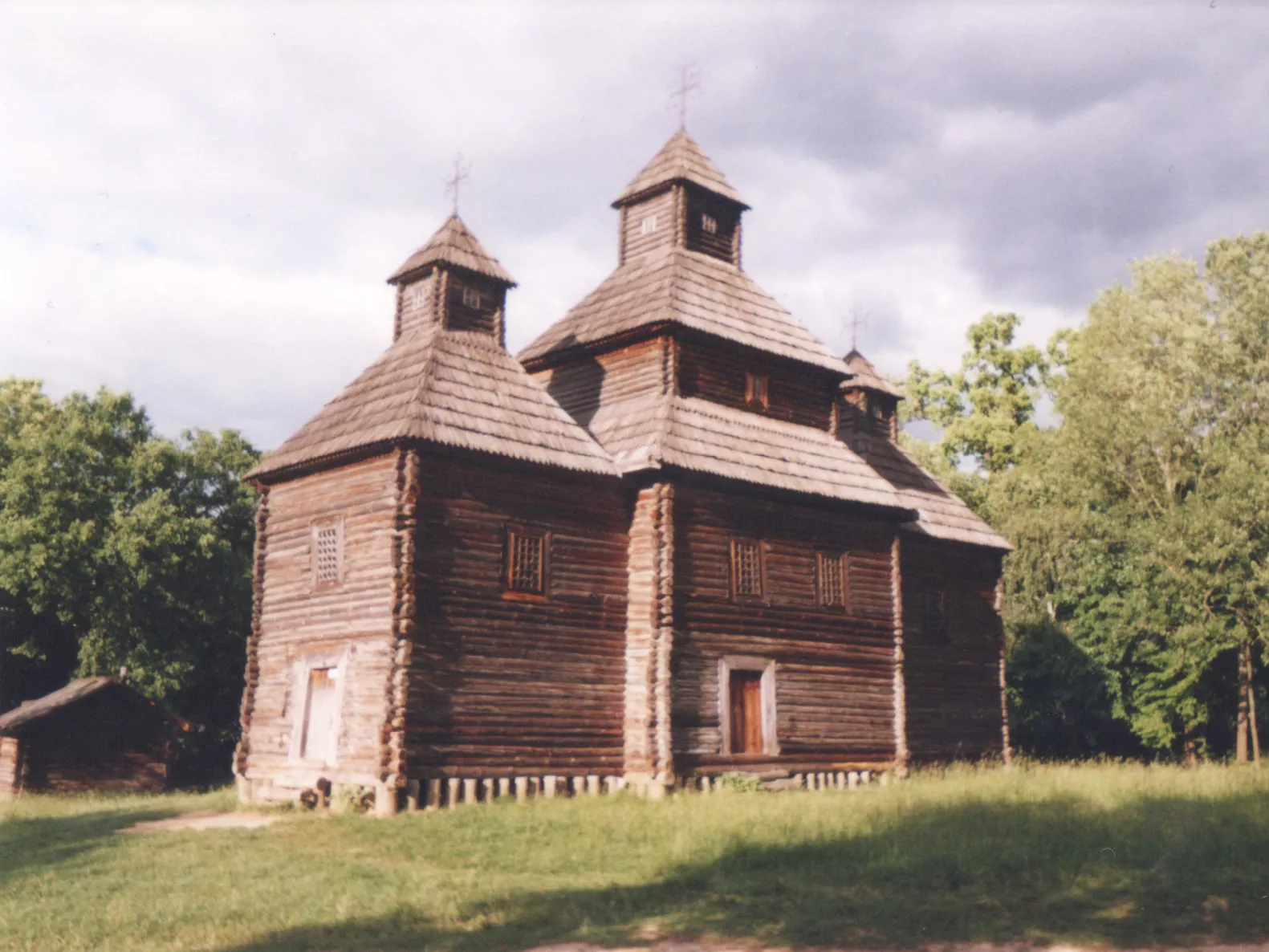
Video: "Pyrohiv Museum. Picturesque Polissia exposition", Krasota dorog channel.
2–3 day itinerary
Day 1. Vyshhorod and the Kyiv Sea. The ramparts of ancient Vyshhorod, a walk through Mezhyhirya, and in the evening — a beach near Tolokunや or Liutizh.
Day 2. Irpin, Moshchun, and Pushcha-Vodytsia. Memorial sites of 2022, a kayaking trip or walk along the banks of the Irpin River, and the forest and ponds of Pushcha-Vodytsia.
Day 3. Ivankiv or Makariv. The Teteriv River and the land of Maria Prymachenko, or Makariv along the Zdvizh River. Finally — the "Pyrohiv" museum.
When to go
- April–May: high water rivers, blooming meadows, and orchards in Mezhyhirya.
- June–August: beaches of the Kyiv Sea, kayaks on the Irpin and Teteriv rivers. The frost-free period here lasts about 165 days, so the swimming season is long.
- September–October: mushrooms in the pine forests, golden autumn in Pushcha-Vodytsia.
- Winter: snow-covered forests and ice on the reservoir.
Practical tips
- Mines. The forests and fields of northern Kyiv region were demined after the 2022 occupation, but the risk remains: walk only on verified roads and paths, and do not enter areas marked with "Mines" signs.
- Chornobyl zone. Entry is permitted only with a permit and a licensed guide, and rules change—check them in advance.
- Water. Strong waves and wind occur on the Kyiv Sea; swim only at designated beaches.
- Respect for memory. In Bucha, Irpin, Moshchun, and Demydiv, behave with tact: these are places of tragedy.
What Kyiv Polissia will be remembered for
Kyiv Polissia is very close to the capital, yet it lives its own life: ancient Vyshhorod above the Dnipro, the wide sea with sandy shores, pine forests where beavers build dams, and the zone that nature has reclaimed. And there are also the people and villages that stood in the enemy's path in the spring of 2022. It is worth coming here both for recreation and for remembrance.
Read also about other regions: Zhytomyr Polissia, Rivne Polissia, and Volyn Polissia, and find more places in our guidebook.