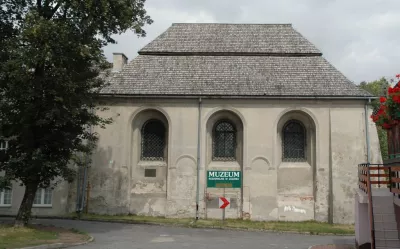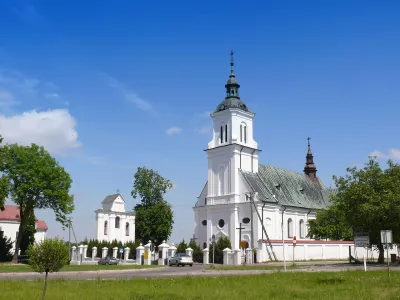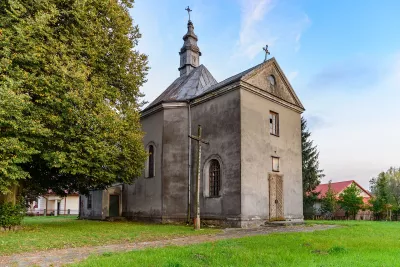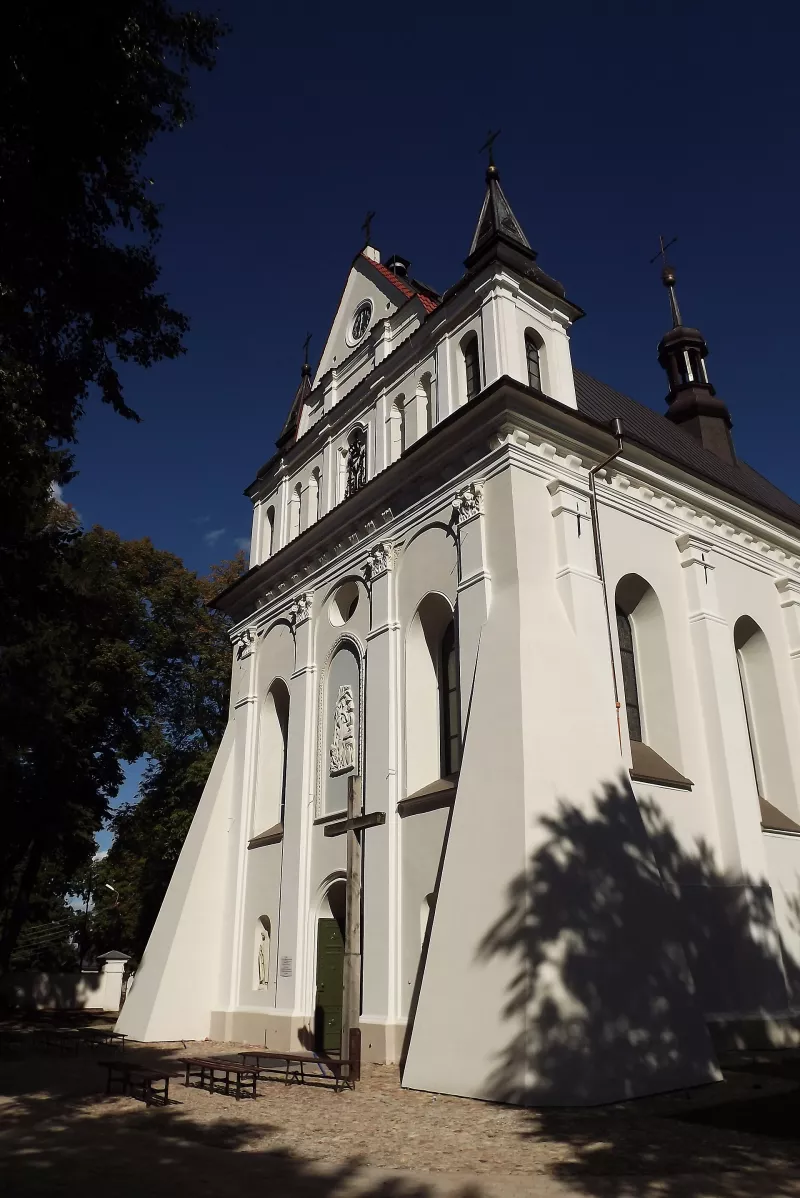
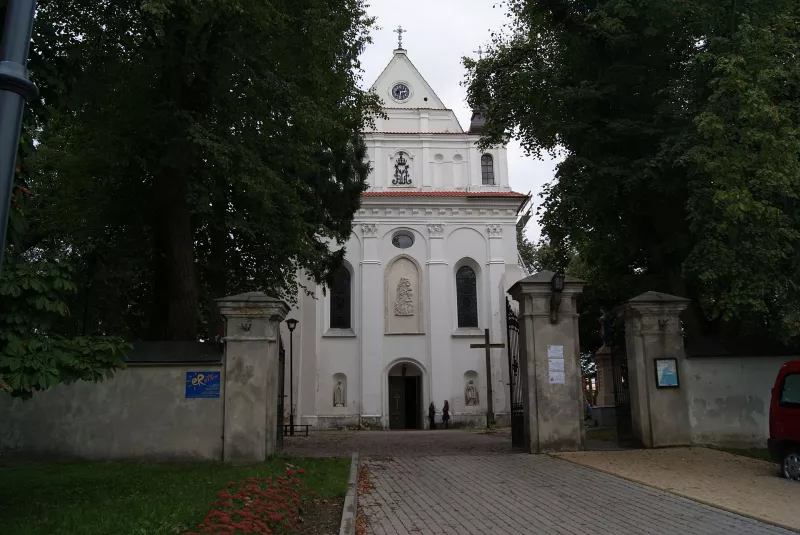
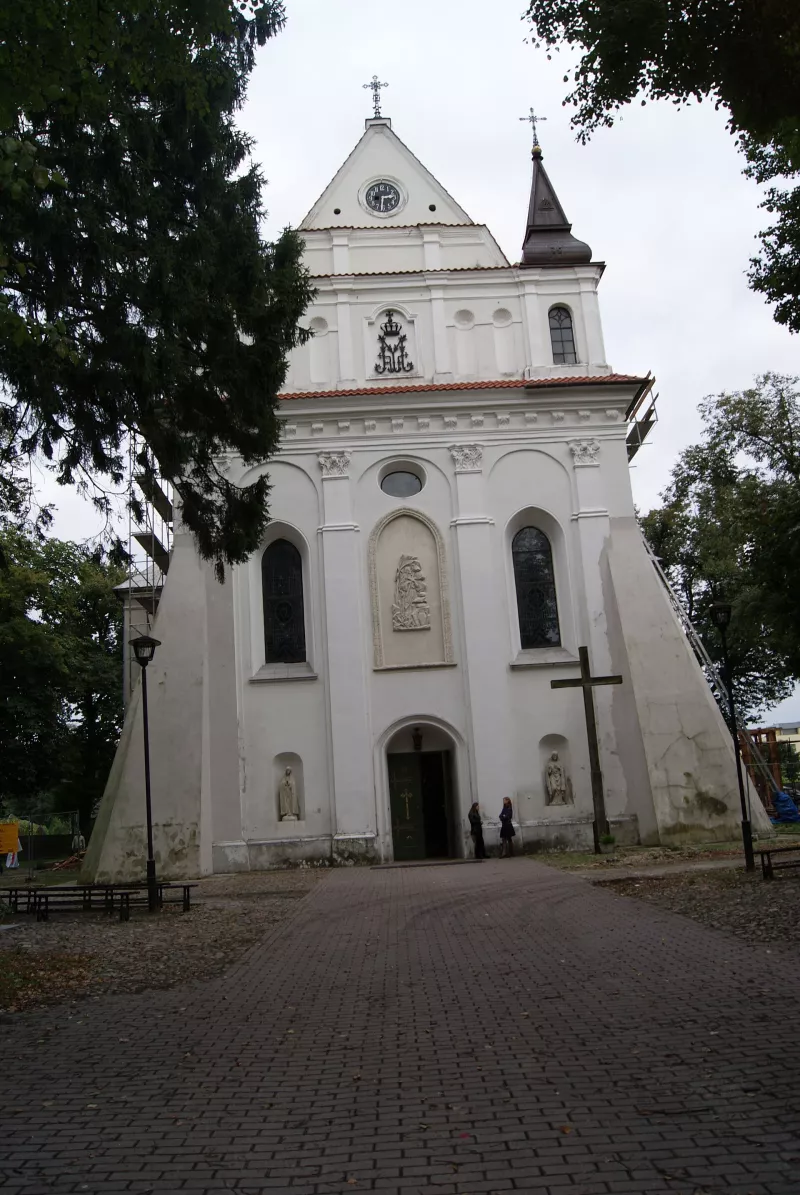
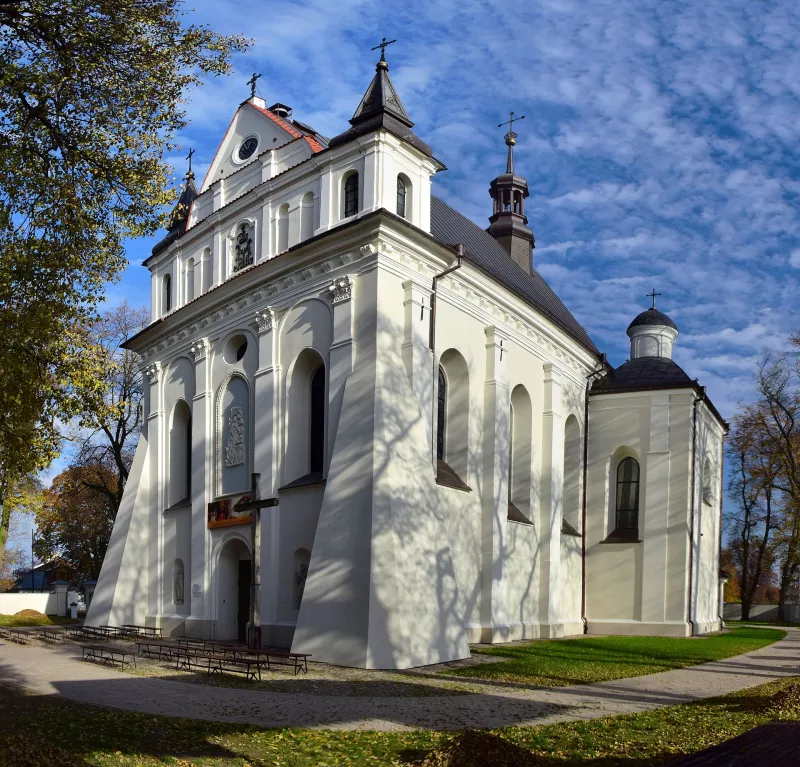
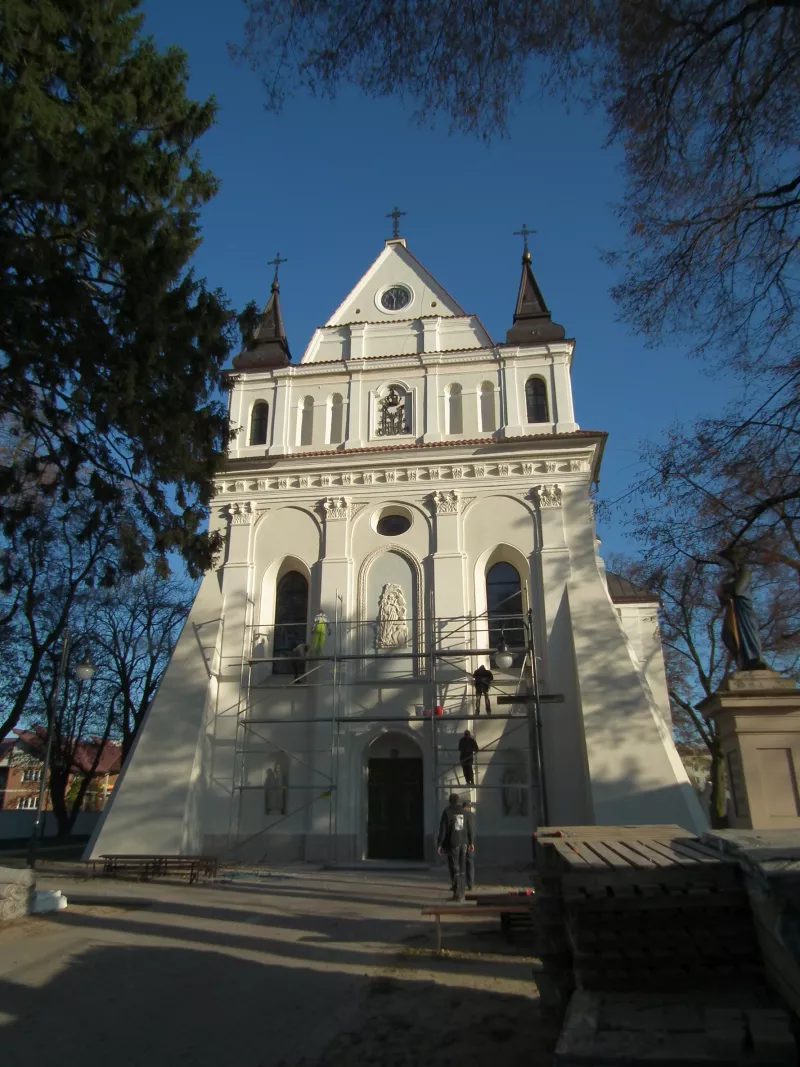

The Church of St. Mary Magdalene is the main landmark of Łęczna, a county town located 25 km northeast of Lublin. It stands on a hill above the old market and synagogues, on Swentoduska Street. This late Renaissance temple, built between 1618 and 1631, is part of the Lublin Renaissance Route and serves as the city’s parish church.
City of Fairs
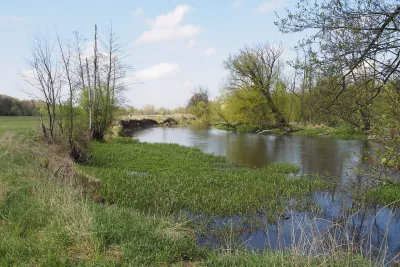
Łęczna lies at the confluence of the Vepr and Swinka rivers, on the border of the Lublin Upland and Polissia. It received city rights in 1467, and in the 16th–18th centuries it became famous for its fairs: merchants from Ukraine, Moldova, Germany, and Austria gathered there, driving tens of thousands of oxen and horses. The city’s heyday was in the first half of the 17th century, when it was owned by Adam Noskowski, the Lublin podkomorzy.
Noskowski’s Foundation
Noskowski founded the church. It was built between 1618 and 1631, probably under the direction of Jan Wolf, the leading builder of the Zamoyski Ordination. In 1631, the temple was consecrated by Bishop Tomasz Oborski. The church is constructed of stone and brick, in the shape of a cross, about 45 meters long and 20 meters wide. It is single-nave, with four bays, a lower and narrower presbytery, and two rectangular chapels to the north and south. The one-tier façade is articulated with pilasters.
Inside
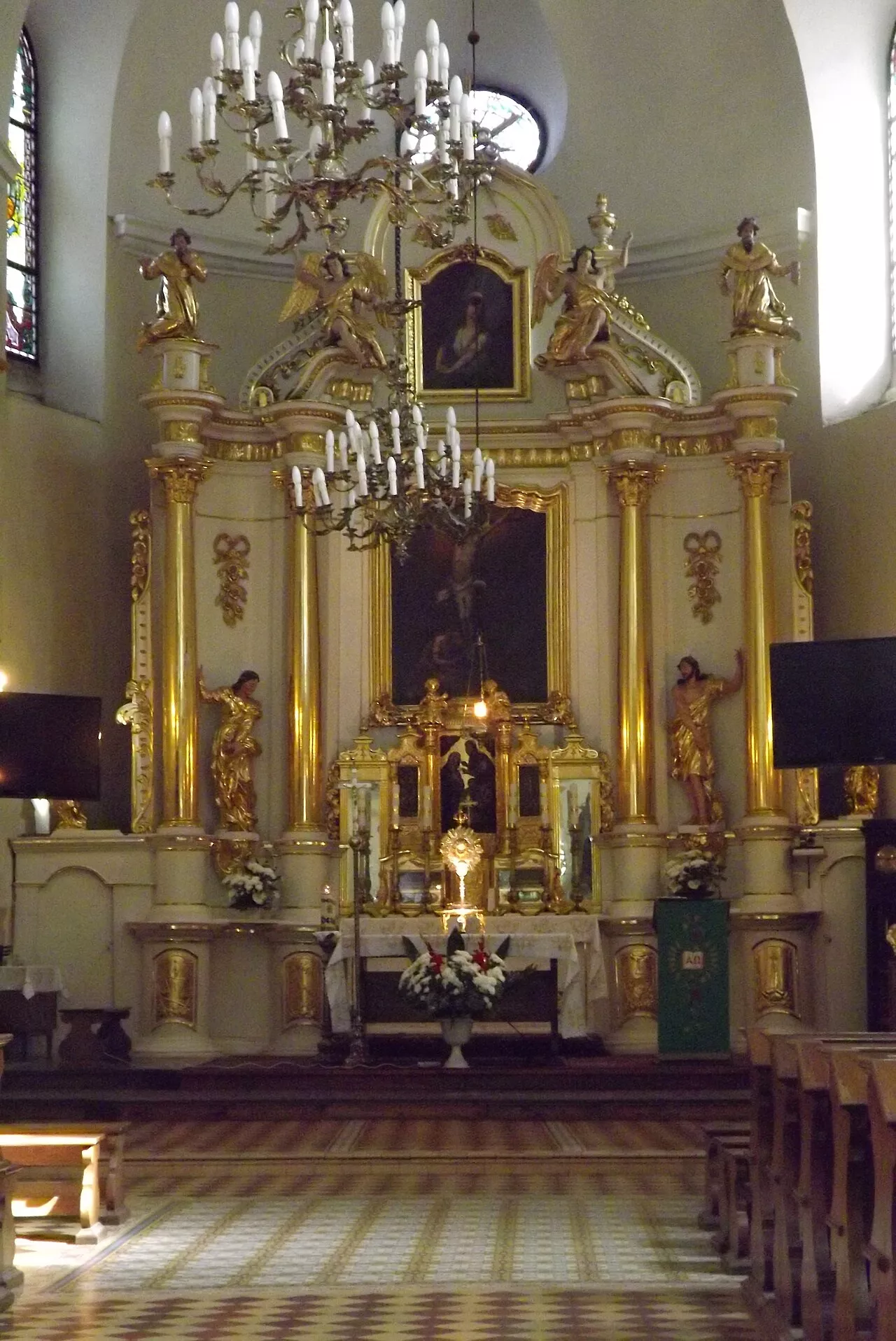
The church has five Baroque altars from the 18th century; the main one features Rococo elements. There are old icons and sculptures here, as well as Baroque portraits of King Jan III Sobieski and Wacław Żewuski, the heir of Łęczna. Both chapels preserve fragments of Renaissance stucco decoration. Beneath the church is a crypt where several owners of the city from the Noskowski and Firlej families are buried.
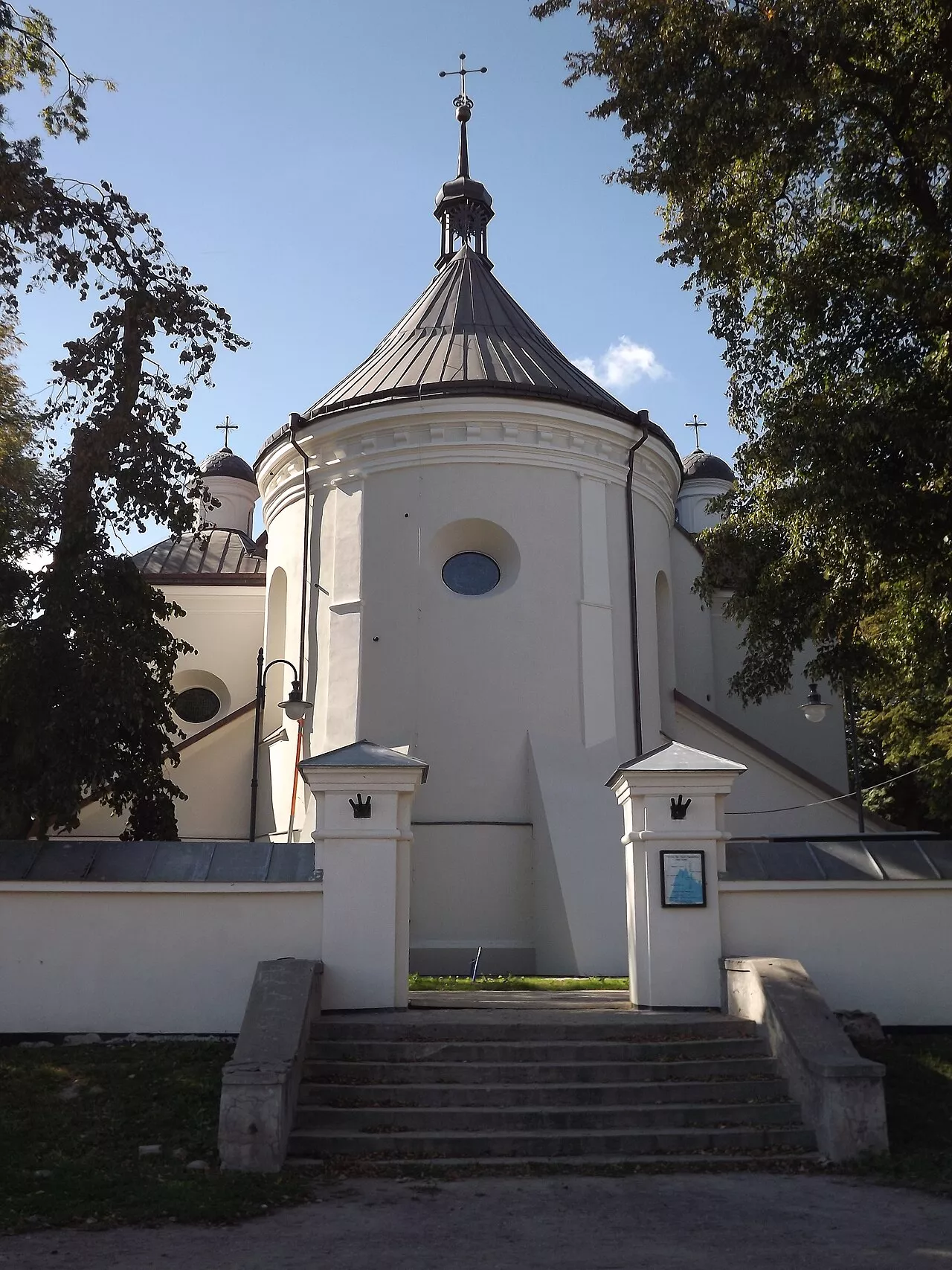
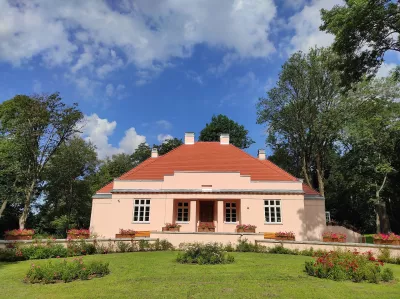
Nearby stands a late Baroque quadrangular bell tower, built between 1781 and 1805. Its original bells have not survived: three new ones were hung in 1959, and a fourth in 1966. Next to the church is a wooden former rectory dating from around 1858 and a brick mansio, which now serves as the rectory.
How to Get There
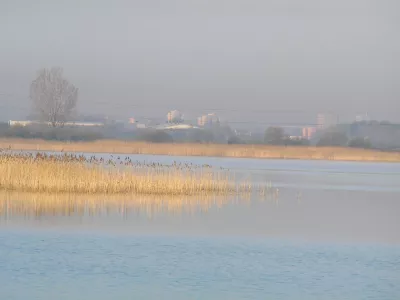
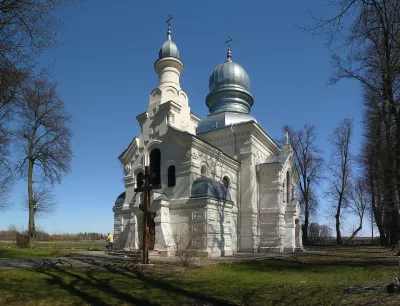
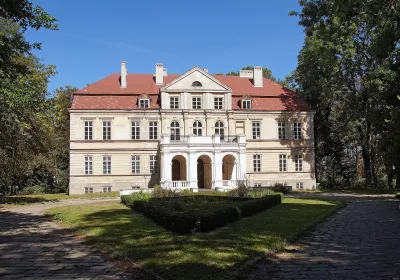
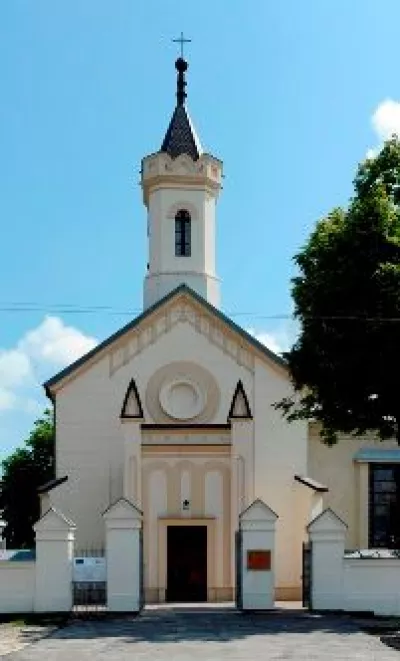
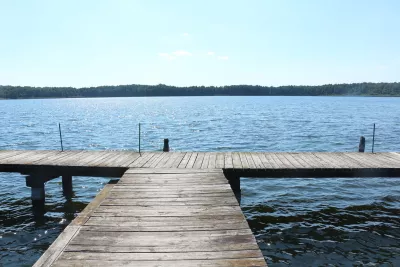
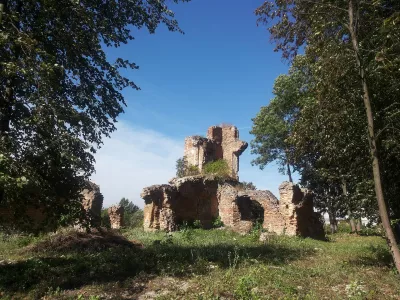
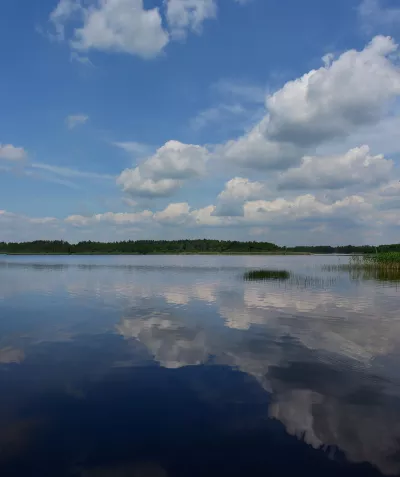
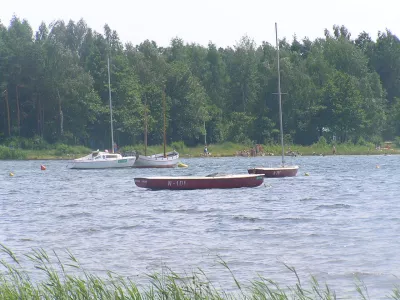
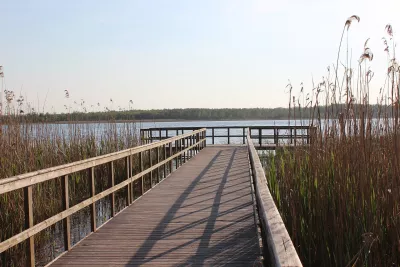
Buses run from Lublin to Łęczna, and by car it takes about 30 minutes. At the foot of the hill is the Great Synagogue, and a few kilometers away are the church in Kiany, the palace ruins in Zawieprzyce, and the Lakhert estate in Czehanki. To the northeast of the town begin the lake district — Piaseczno, Roguzno, Drativ. For Ukrainian citizens, this is Poland: a foreign passport is required.