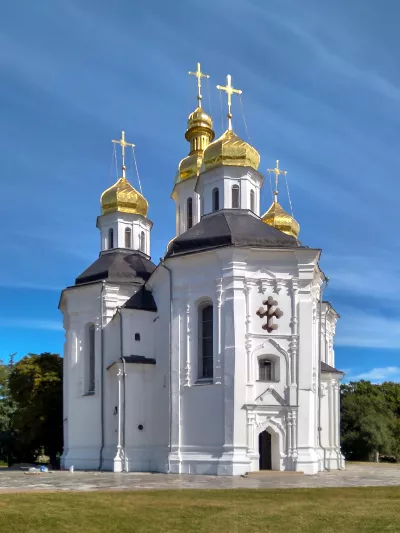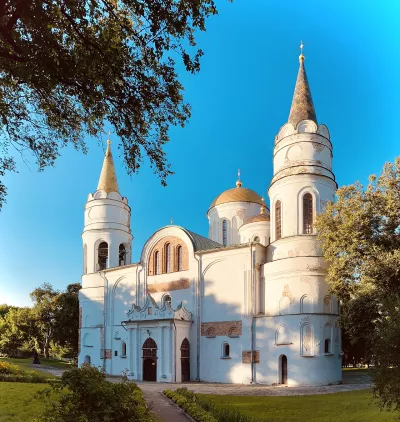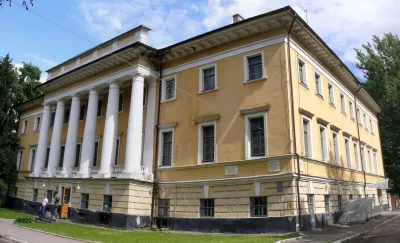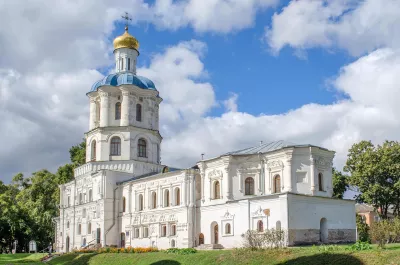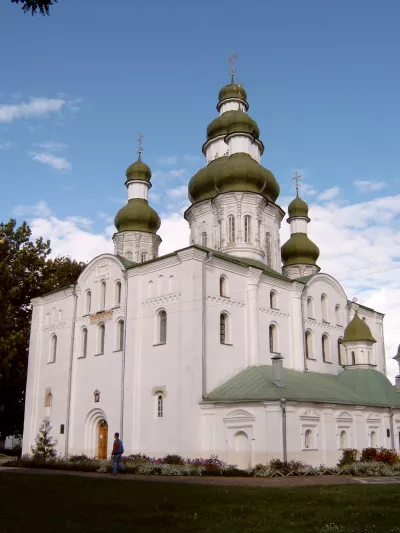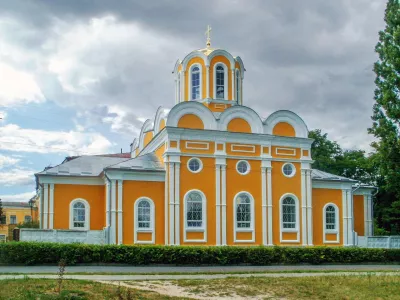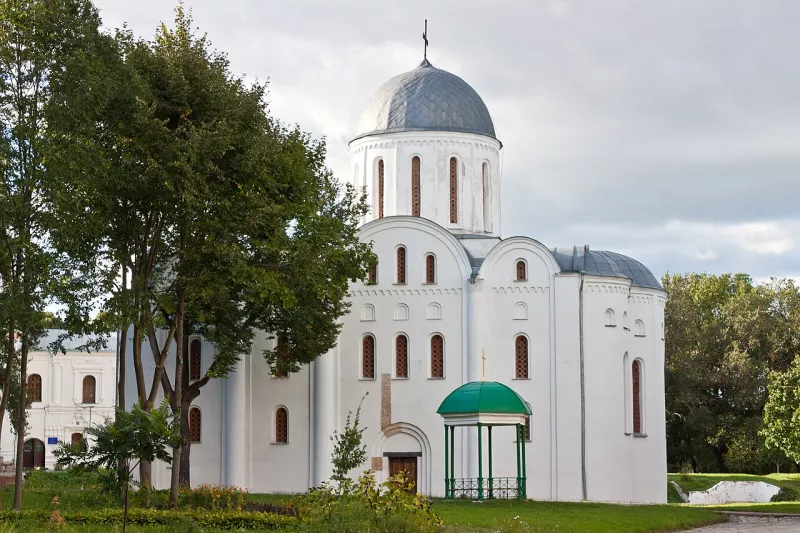

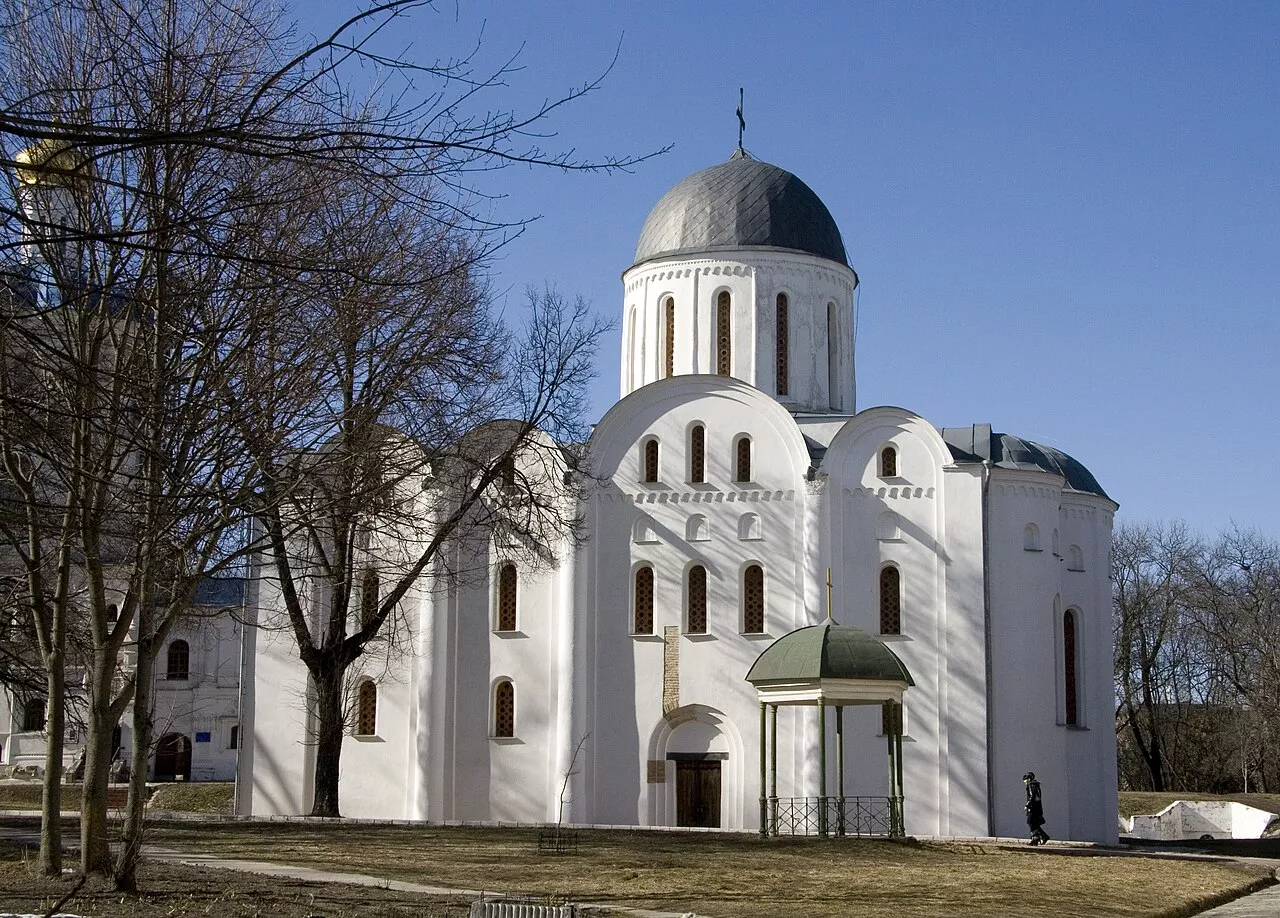
The St. Boris and Gleb Cathedral is the second ducal temple on the Chernihiv Val, located next to the Transfiguration Cathedral. It is younger than the Saviour by about a century and was built in the 12th century as a mausoleum. Today, it is a museum of the Chernihiv Ancient Reserve and the House of Choral Heritage, where sacred music is performed. The cathedral's main relic is the silver Royal Doors, commissioned by Hetman Ivan Mazepa.
Memory of a Son
In 1115, the Chernihiv Prince David Svyatoslavych took part in the translation of the relics of Saints Boris and Gleb to a new stone church in Vyshhorod. Five years later, in 1120, his son Rostyslav died, and in his memory, David began building a cathedral in Chernihiv in honor of these saints, and nearby, a mausoleum for himself. In 1123, the prince was buried right here.
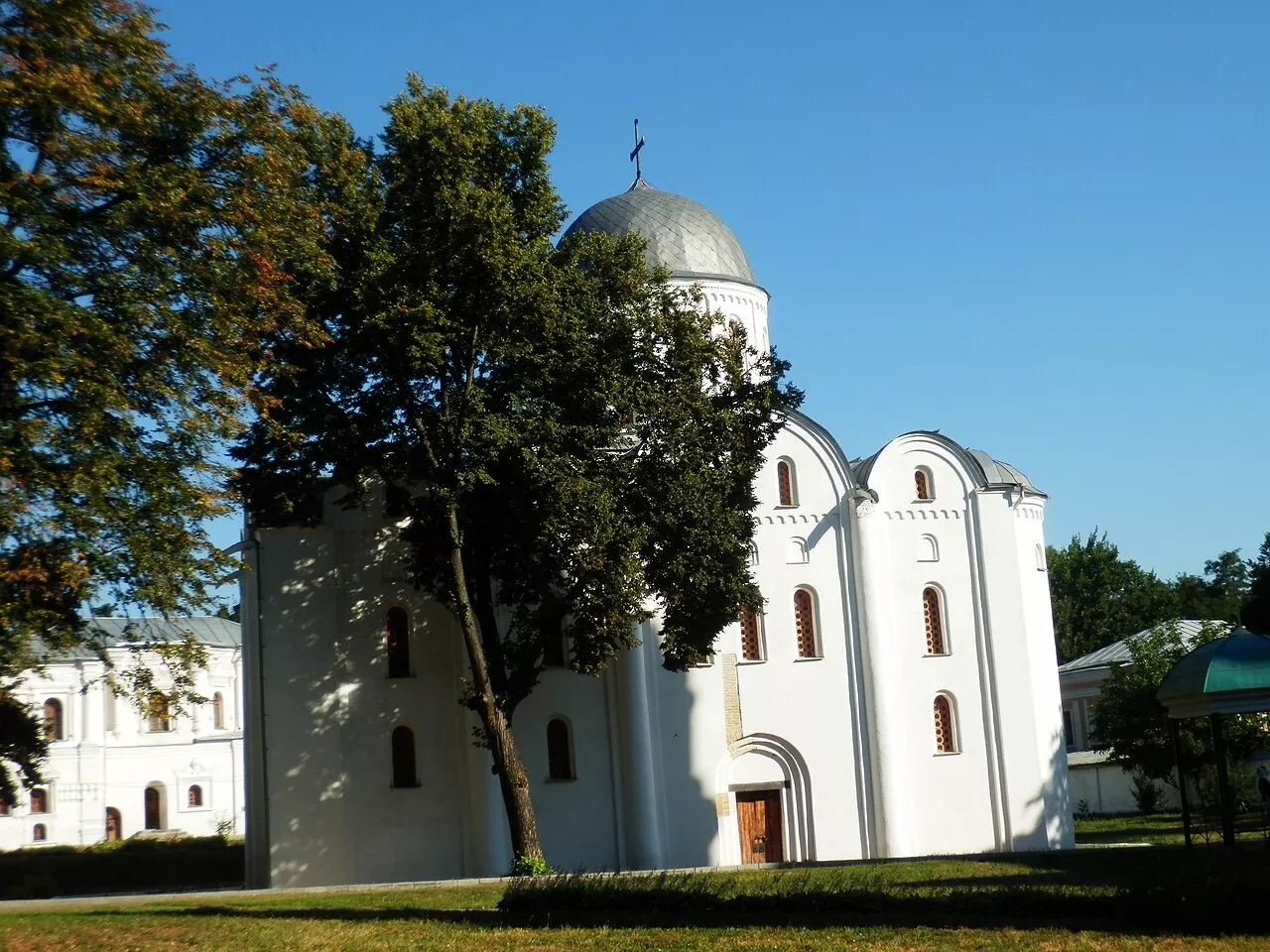
The church is single-domed, with six pillars, three naves, and three apses, measuring approximately 15.5 by 23.4 meters. Archaeologists have found the foundations of the galleries that once surrounded the cathedral. They were not rebuilt because it is unknown what they looked like, but their outlines have been marked on the ground.
Church, Cathedral, Ruin, and Rebirth
The fate of the cathedral was turbulent. After the Mongol attack in 1239, it was restored, and in 1611, during the Polish capture of Chernihiv, it burned down. In the 1620s, the Dominicans received the church and rebuilt it as a Catholic church with a bell tower and a monastery. After the Khmelnytsky Uprising, the monks left, and in 1659, Lazar Baranovych made the cathedral a Orthodox cathedral church once again. Chernihiv bishops lived nearby, and later the Chernihiv Collegium was founded at the monastery.
In 1930, 14 bells were removed from the bell tower, and the cathedral was closed. In August 1941, an aerial bomb hit it, causing the vaults and apses to collapse. In 1952–1958, architect Mykola Kholostenko rebuilt the church in the forms of the pre-Mongol era, and it is precisely this severe and ancient appearance that the cathedral retains today.
Silver Doors and the "Silver Idol"
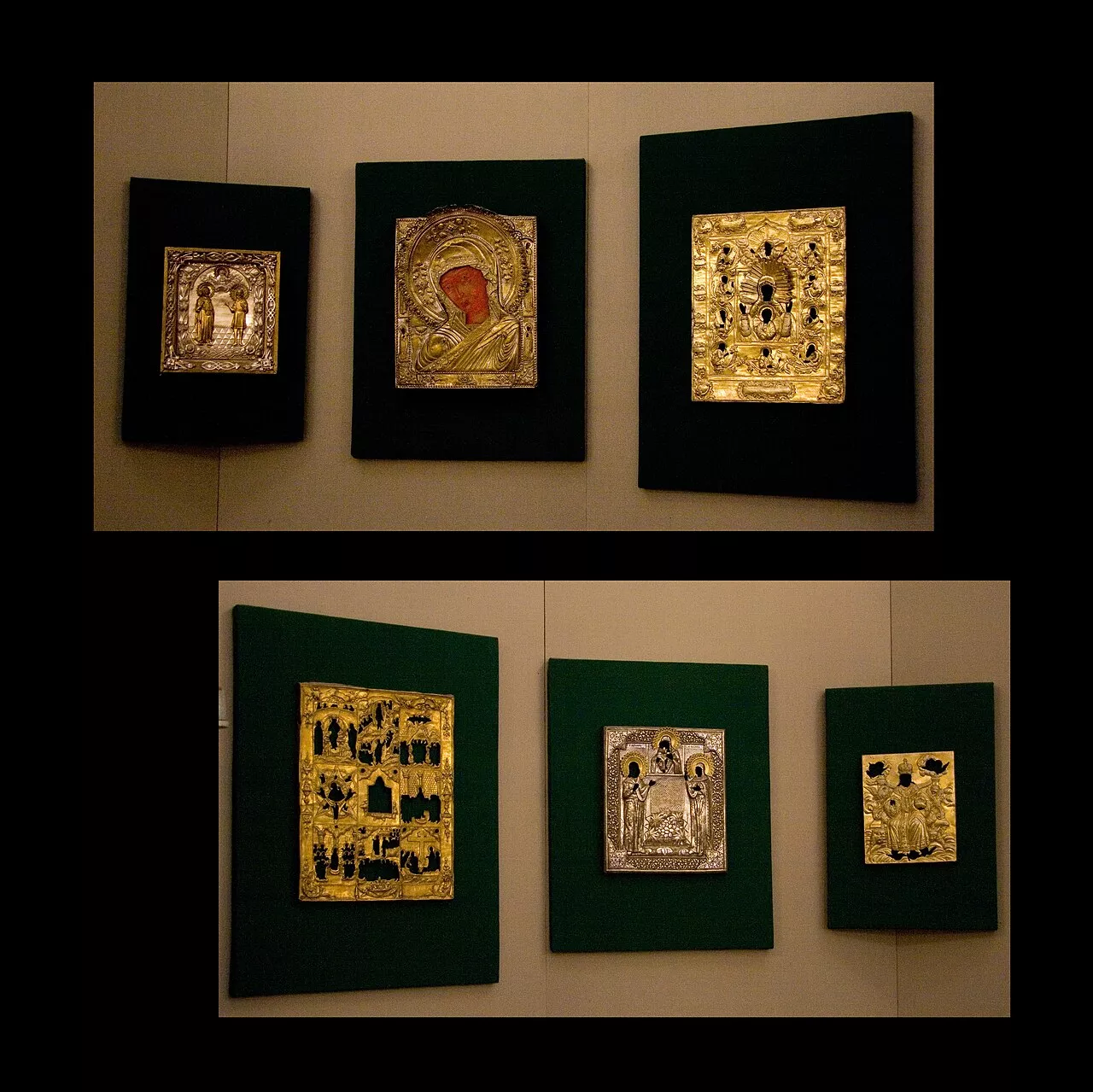
Ivan Mazepa commissioned silver Royal Doors for the cathedral in the German city of Augsburg. They were crafted by master Philipp Jakob Drentwett. At the bottom of the leaf is the hetman's coat of arms, and on a plaque is the date 1702. Between the figures of the evangelists are medallions with the Annunciation and the "Tree of Jesse" rising up to the figure of Christ in gilded rays. The marks of the Augsburg master were only identified in the 1980s.
An old story is associated with the doors: supposedly, while digging a foundation pit for the bell tower in 1701, a silver idol was found, and its silver went into making the doors. Analysis has shown that the doors are made of 875-grade silver, which was common for European jewelers of that time, so it is impossible to prove or disprove the legend.
How to Get There
The cathedral stands on the Val, on Preobrazhenska Street, next to the Transfiguration Cathedral and the collegium. It is a 10–15 minute walk from the city center. These places are connected by the "Val and Tretiak" walk, and a general overview of the city can be found in the article "Chernihiv: The Ukrainian Ravenna on the Desna."