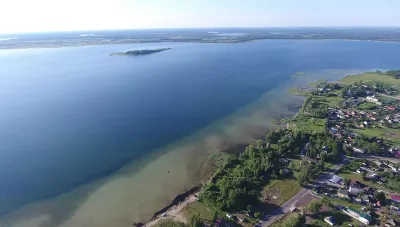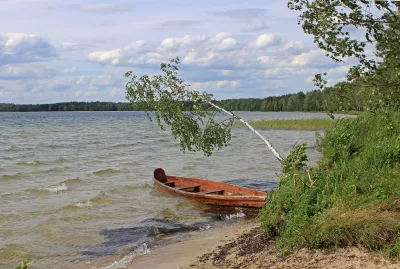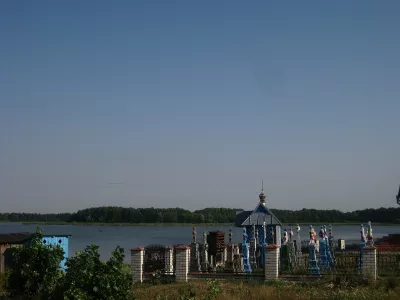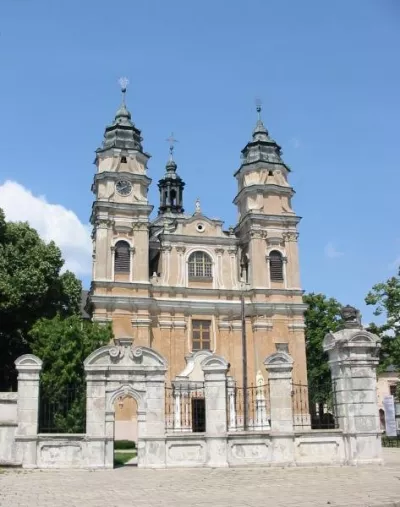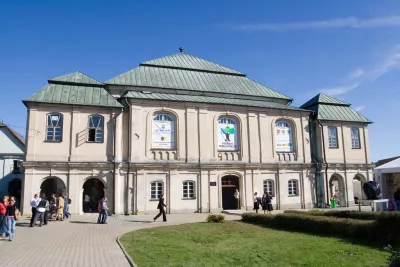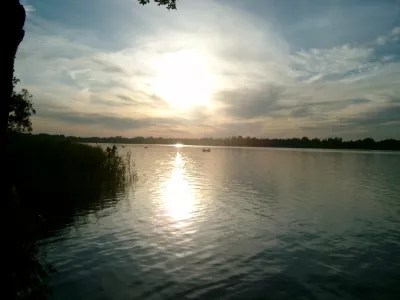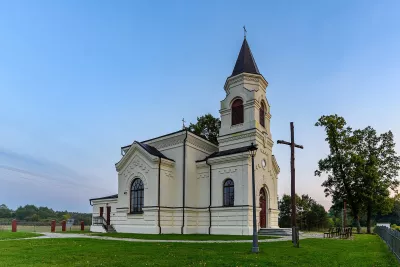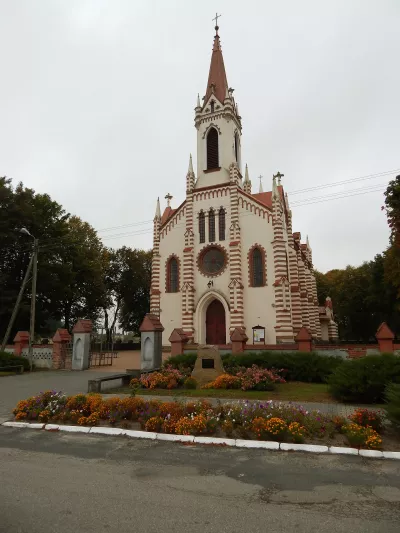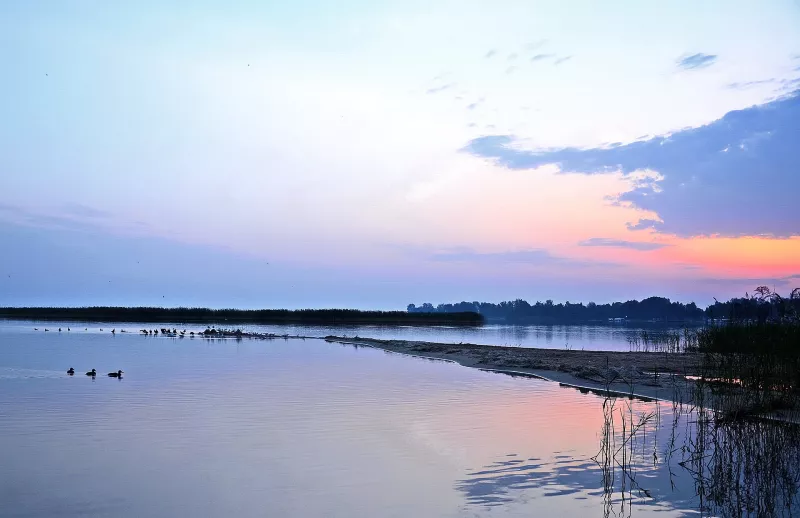
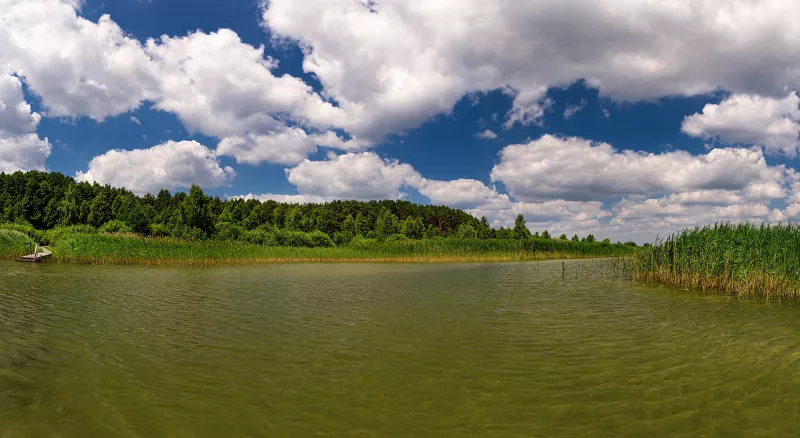
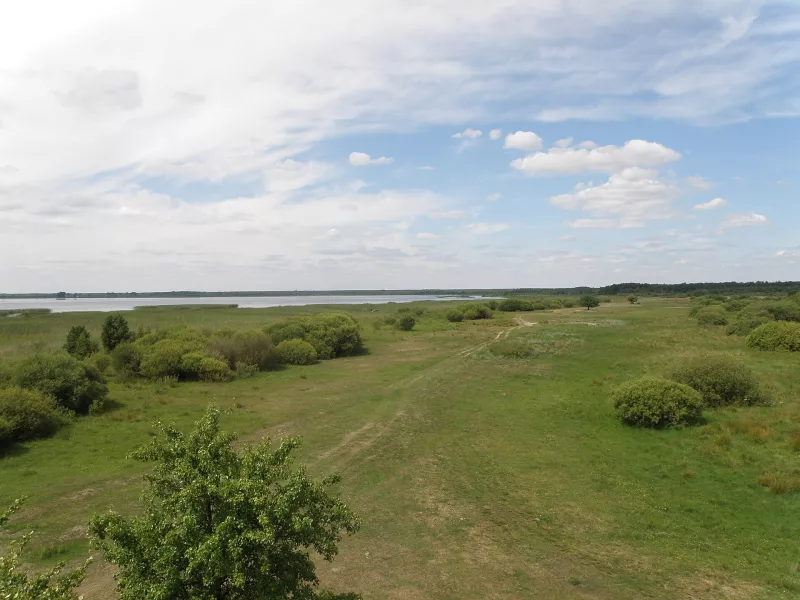
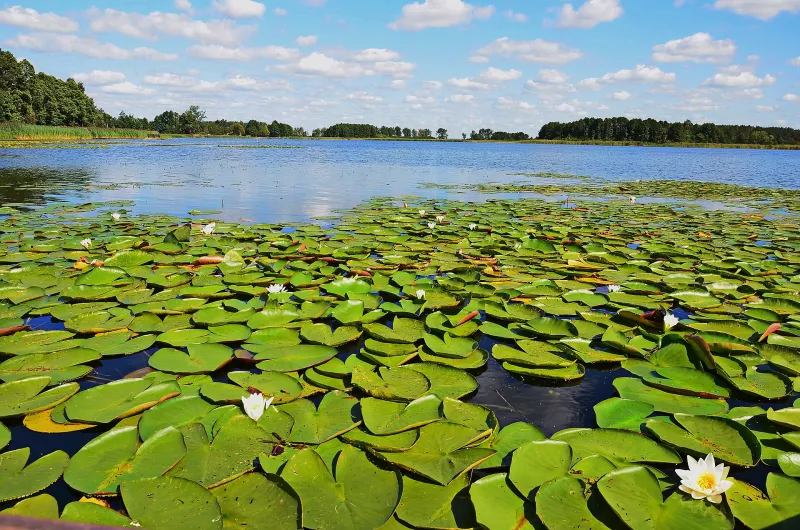
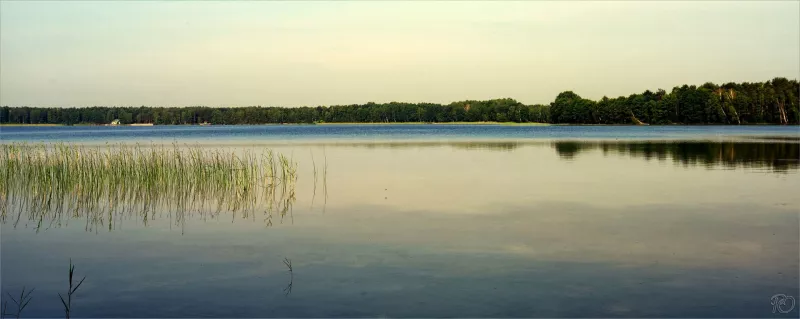
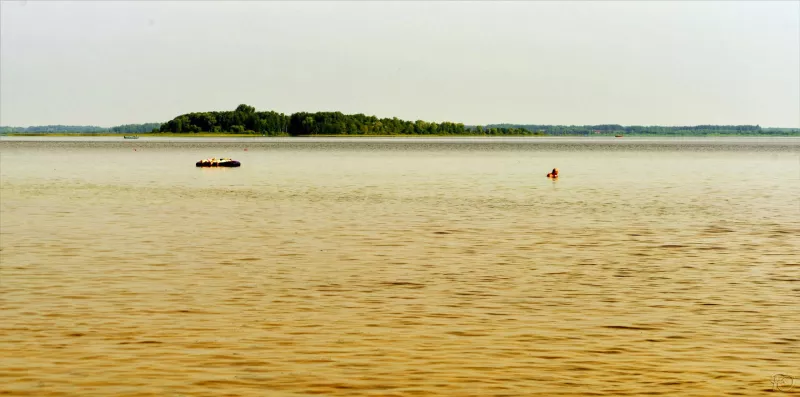
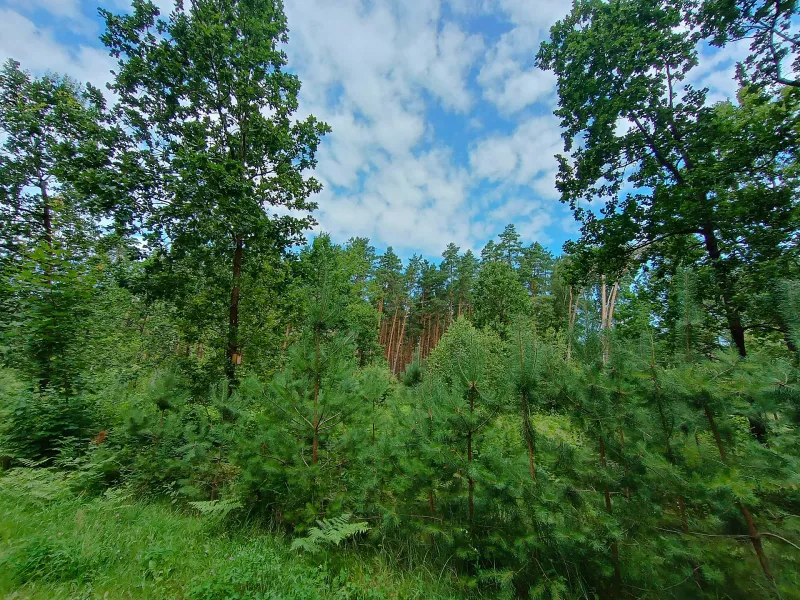
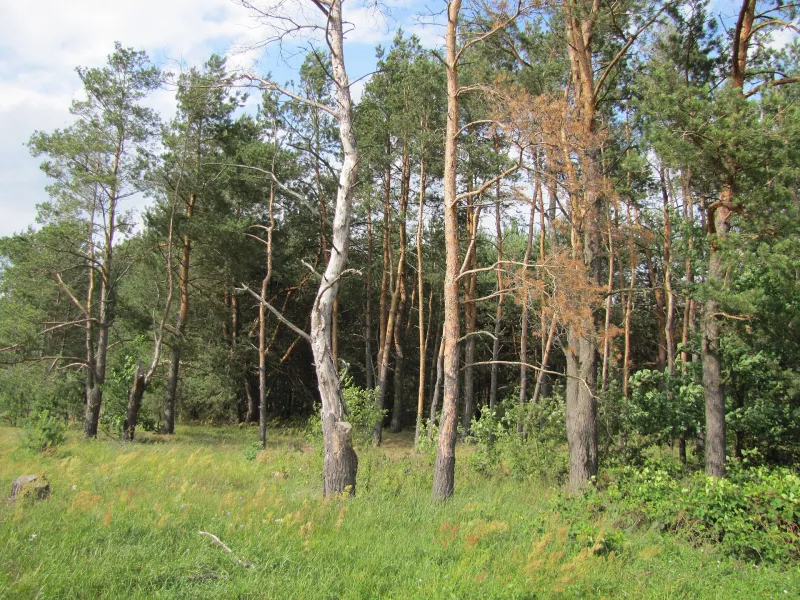

The Shatsk Lakes are a group of over thirty lakes in the northwest of Volyn, in Kovel Raion, around the urban-type settlement of Shatsk. This is the interfluve of the Prypiat and the Zakhidnyi Buh, the westernmost corner of Ukrainian Polissia: it is about eleven kilometres from here to the border with Belarus, and seventeen to the Polish one. Among pine forests, meadows and bogs lies Svityaz, the deepest natural lake in Ukraine, and around it are Pulemetske, Luky, Lucimer, Pisochnчне, Krymne and another two dozen smaller water bodies.
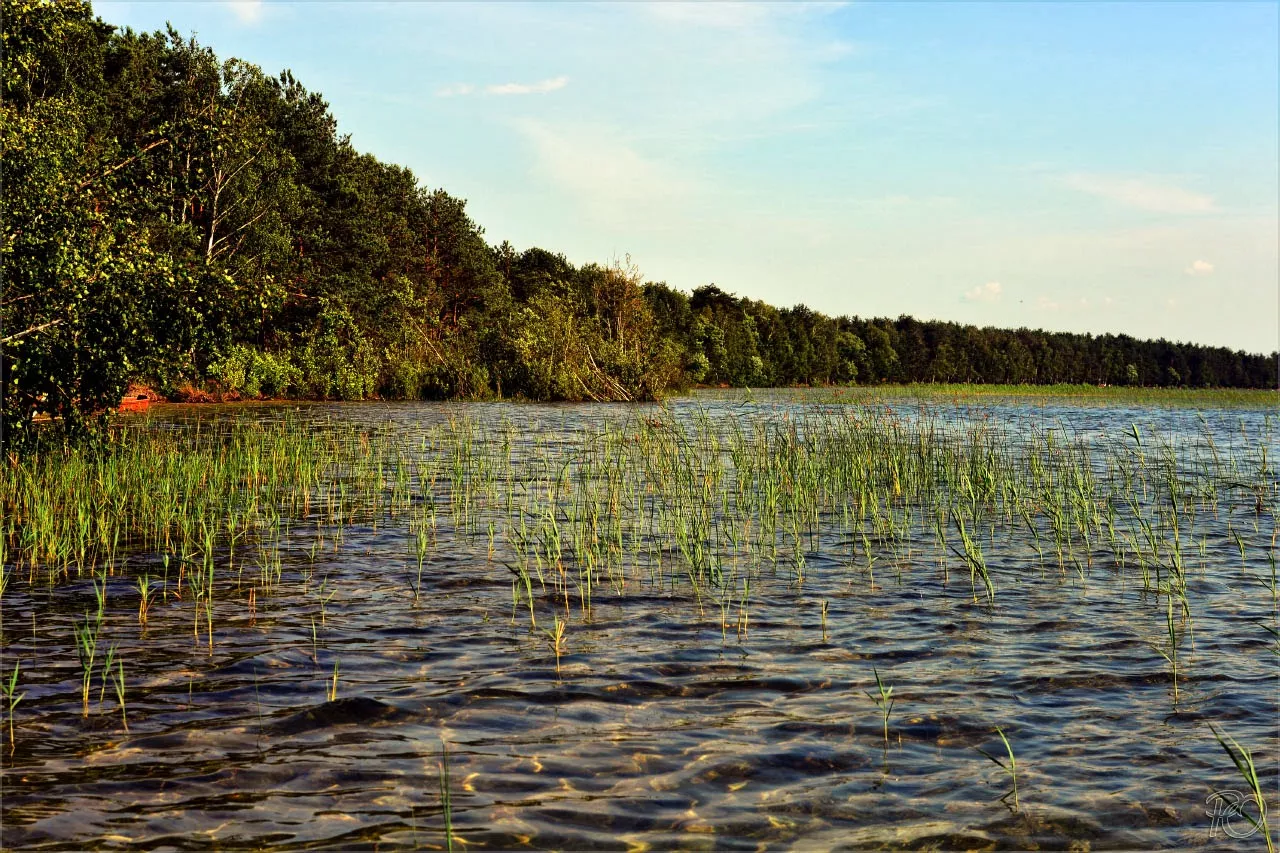
Most of the lakes are protected by the Shatsk National Nature Park. In summer, people come here to swim from all over the country; in spring and autumn, for silence, birds and fish; and in winter, fishermen go out onto the ice. Below is where it is, which lakes are worth knowing, what the region around is like and how to plan a trip.
Where to look on the map
The lakes lie in Volyn Oblast, in the very northwest of Ukraine: about 85 kilometres by road to Kovel, and over 150 to Lutsk. The center of the region is the settlement of Shatsk, the main resort places are the Hryada tract in Shatsk itself, the village of Svityaz, the Hushove tract, Melnyky near Pisochne, and Pulmo near Pulemetske Lake. The center of the lake group is approximately 51.50° north latitude and 23.84° east longitude, that is Svityaz.
The T-03-02 road passes through Shatsk: to the south it leads to Liuboml and the M-07 Kyiv — Kovel — Yahodyn highway. There is no railway near the lakes; the nearest stations are Liuboml (about 33 kilometres away) and the major hub of Kovel. Administratively, this is the Shatsk settlement hromada of Kovel Raion — read more about the raion in the article Kovel Raion.
Where the lakes came from
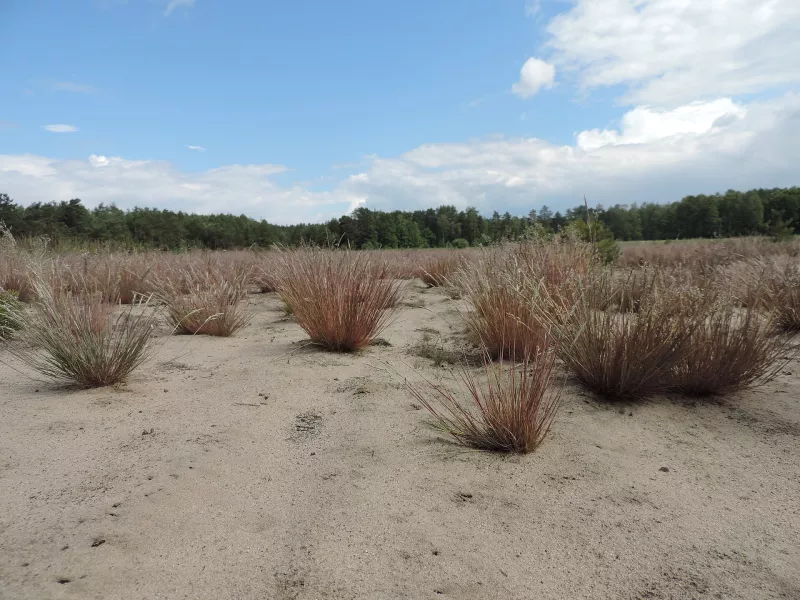
The lakes lie on the sandy plain of Polissia, and beneath it is a layer of chalk. Scientists have two versions of their origin. The first: these are the remnants of a large water body that formed after the retreat of the Dnieper glacier more than a hundred thousand years ago, and karst — the dissolution of chalk by groundwater — subsequently deepened the basins. The second: the lakes are purely karstic, and the depressions are associated with the movement of Earth's crust blocks. Karst is precisely what explains the deep funnels at the bottom of Svityaz — up to 38 metres.
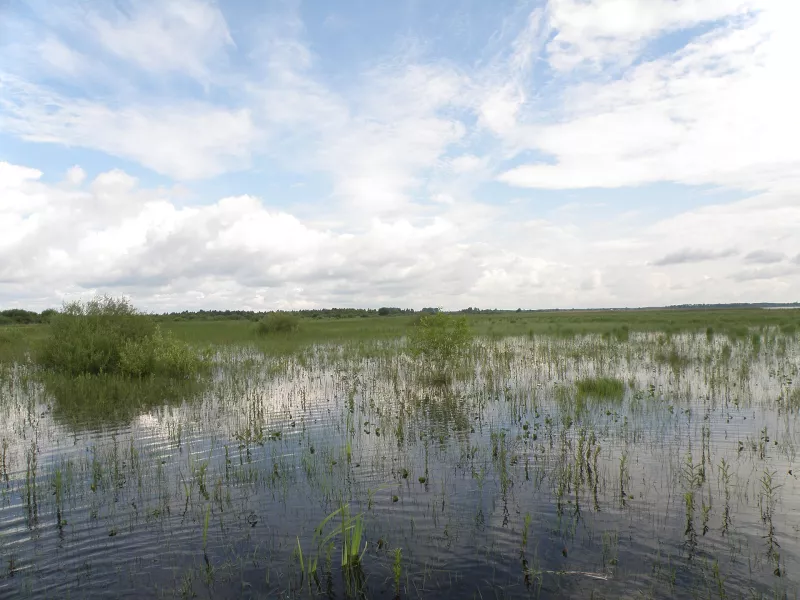
The lakes are fed by groundwater from the chalk horizon, rains and surface runoff, while some water bodies are connected by channels and canals. Water mineralization is low, quality is good: there are no major polluters nearby. The color of the water changes from yellowish-green in shallow lakes to emerald in deep ones, the bottom is mostly sandy or sandy-muddy, occasionally with peat and sapropel. The main European watershed also passes here: part of the waters flows to the Baltic Sea via the Zakhidnyi Buh, and part to the Black Sea via the Prypiat.
Lakes worth knowing
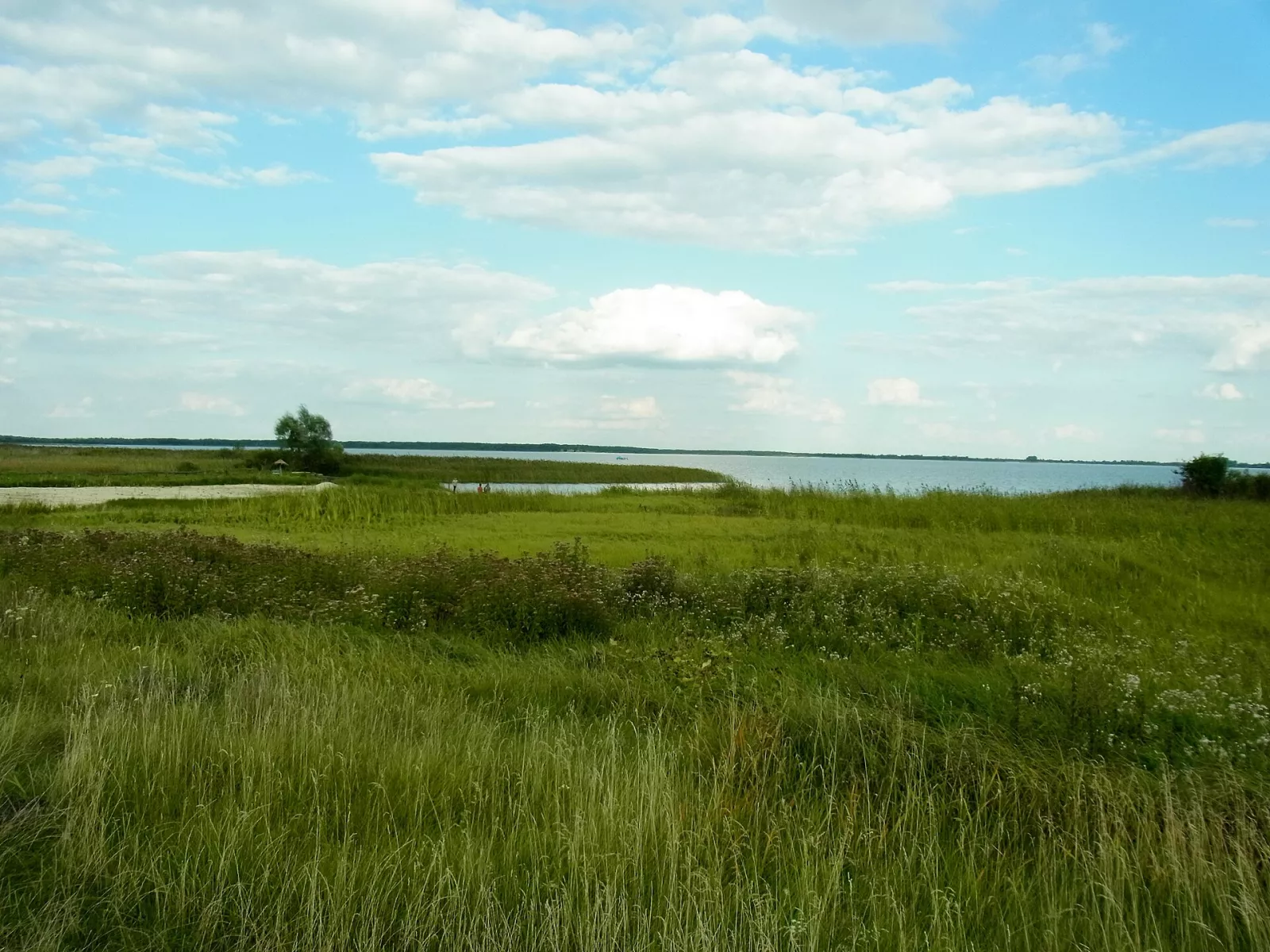
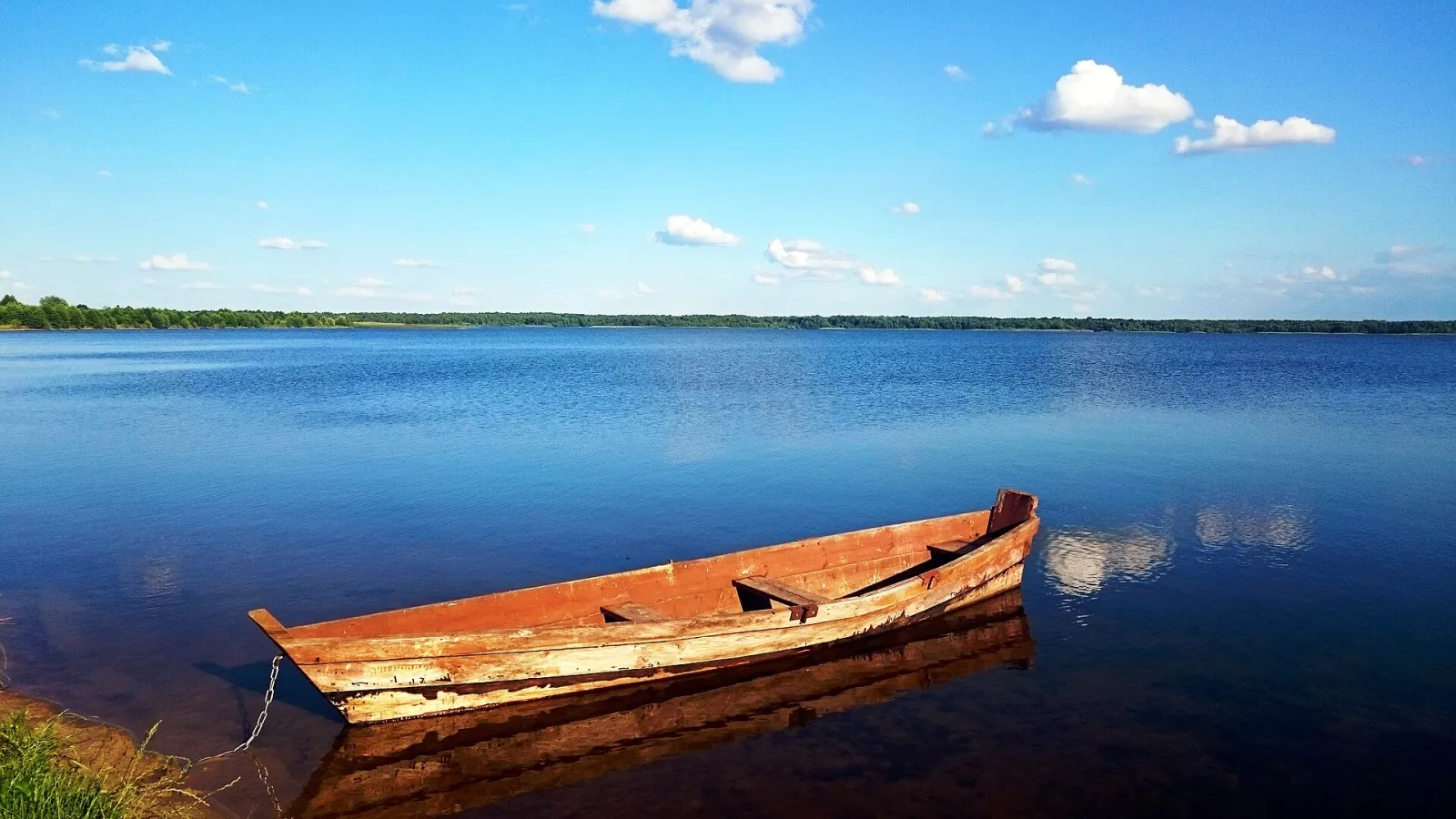
- Svityaz — the largest and deepest: area over 25 square kilometres, depth — 58.4 metres. In the middle is an island with an area of seven hectares, and along the shores are the sandy beaches of Hryada, Svityaz and Hushove. Standing on the shore is the Peter and Paul Svityaz Men's Monastery.
- Pulemetske — the second largest, over 16 square kilometres, situated between Pulmo and Pulemets, right near the border. The shores are even and sandy, the depth is up to 19 metres, and it is often windy here.
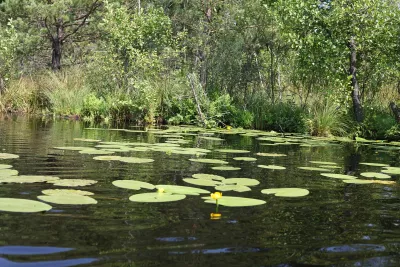
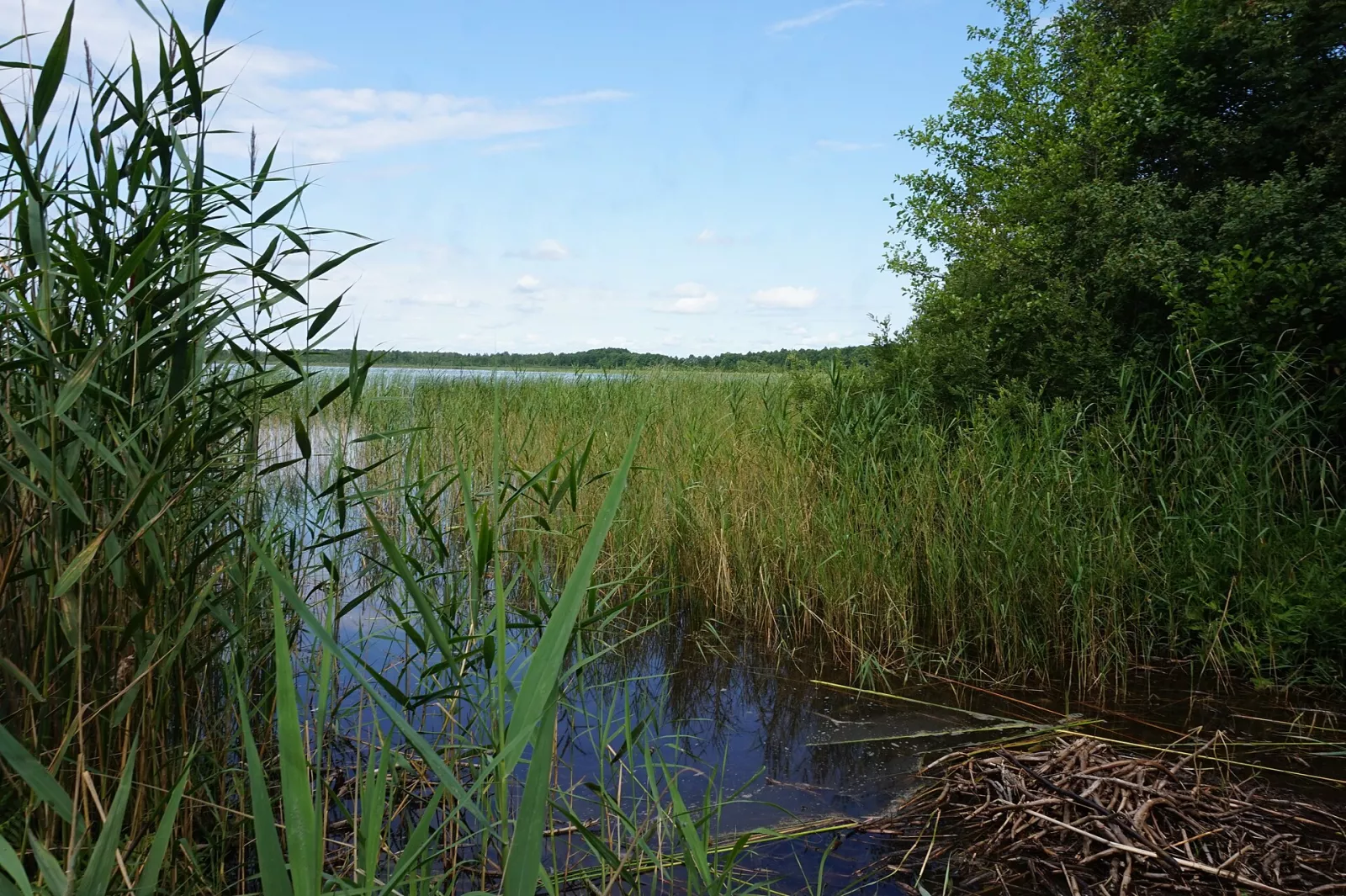
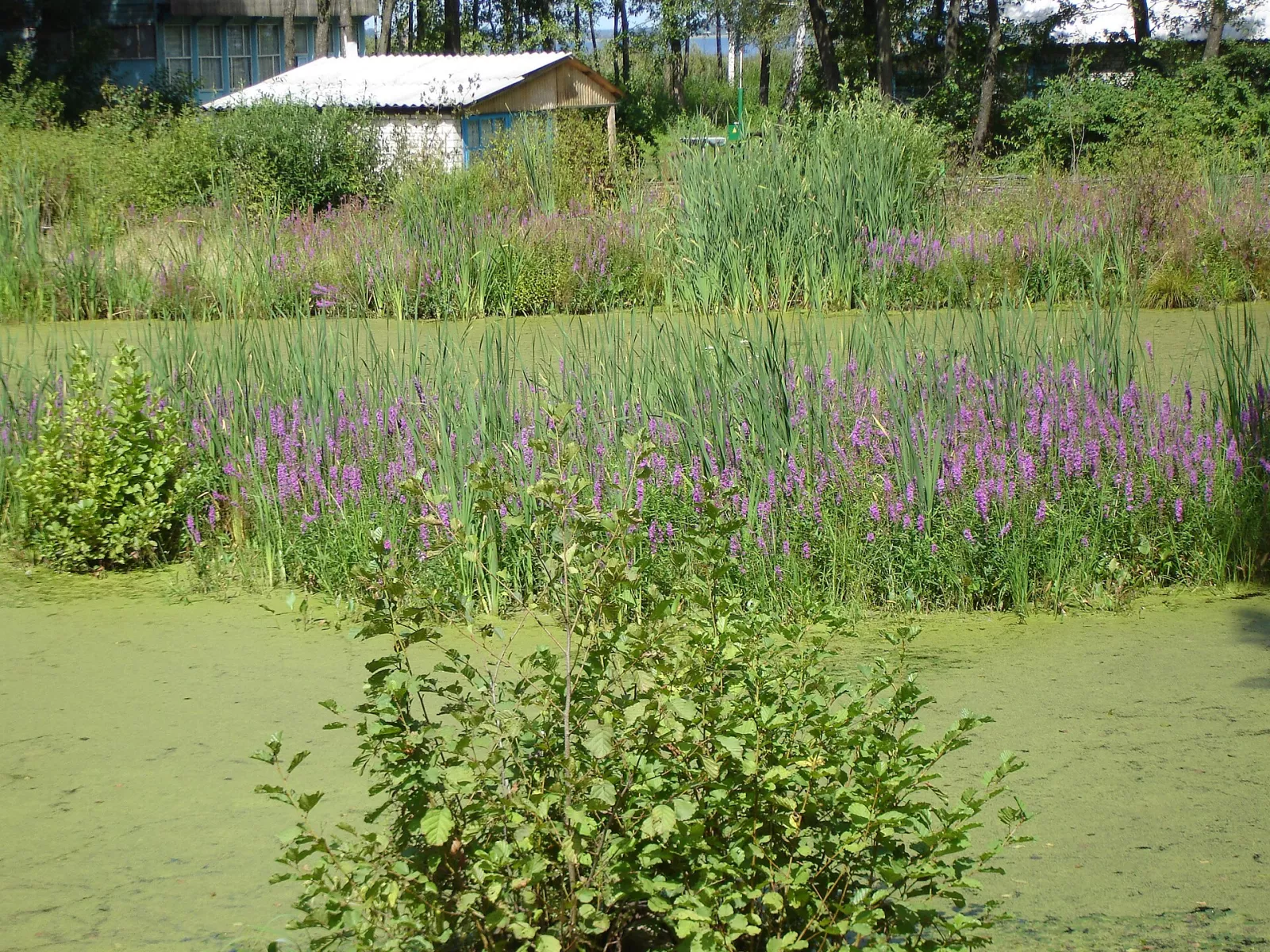
- Luky — large (6.8 square kilometres) but shallow, with indented bays and marshy shores. A place for birds and quiet recreation without the hustle and bustle of beaches.
- Peremut — connected to Luky by a strait and lying within the park's protected zone: without beaches, featuring rich bottom silt and wild shores.
- Luzymer — on the southeastern outskirts of Shatsk, with an area of over four square kilometres. A fortified settlement from the 11th to 14th centuries has been preserved on its shore, offering a fine view of the water and the forest.
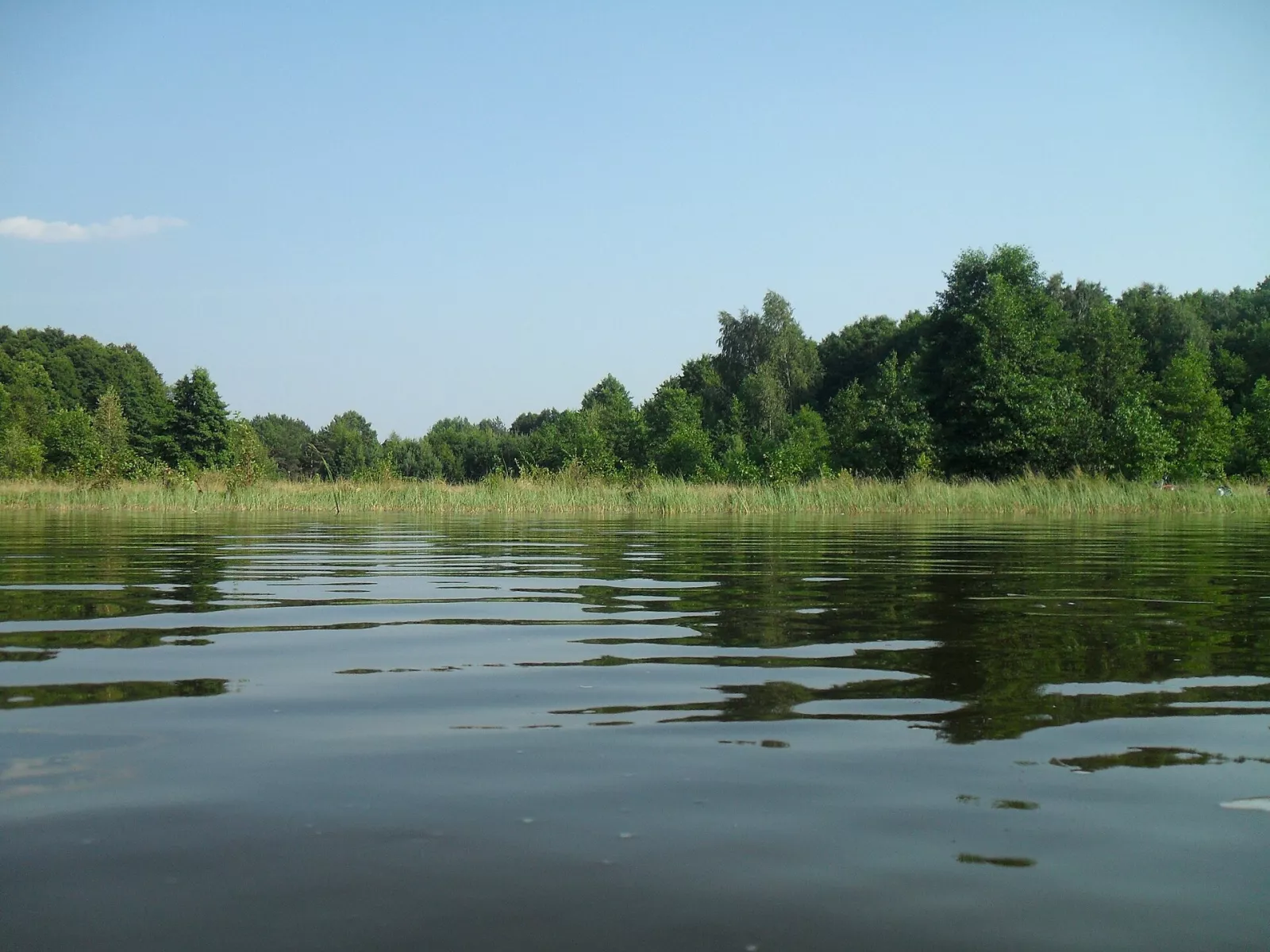
- Pisochne — a small lake near Melnyky with the clearest water among the Shatsk Lakes, a white sandy bottom and a pine forest all around.
- Krymne — a quiet karst lake not far from Melnyky, up to six metres deep, with low shores. It is connected by a canal to the upper reaches of the Ryta River.
- Ostrivyanske — a rural lake near Ostrivya in the north of the park, connected by canals to Pulemetske and Luky.
- Velyke Chorne — a forest lake, to which the ecological trail „PARK“ leads.
- Rytets — a tiny lake near Koshar, known for its unusual „floating“ bottom and local legends.
- Velyke Pishchanske — a lake near the village of Pishcha within a hydrological reserve, together with the neighbouring Maly Pishchanske.
- Velyke Zhoranske — further south, near Liuboml: small, but deep, up to twenty metres, with sandy shores.
National Park
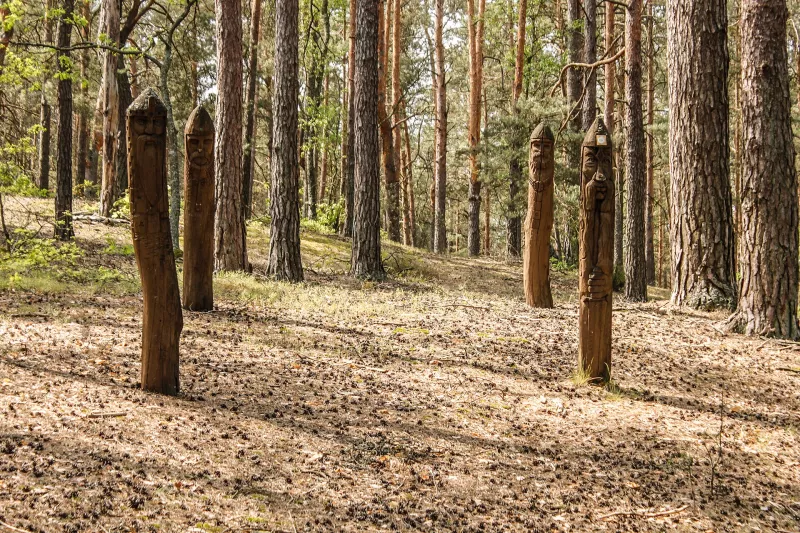
Shatsk National Nature Park was established on December 28, 1983, to preserve the lakes and the forests surrounding them. Today, the park covers nearly 49,000 hectares, with over 6,300 hectares consisting of 23 lakes. Since 1995, the Shatsk Lakes wetlands have been included in the Ramsar List of Wetlands of International Importance, and the park itself is part of the UNESCO Shatsk Biosphere Reserve and the West Polissia Transboundary Biosphere Reserve, shared with Poland and Belarus. The park administration is located in the village of Svityaz.
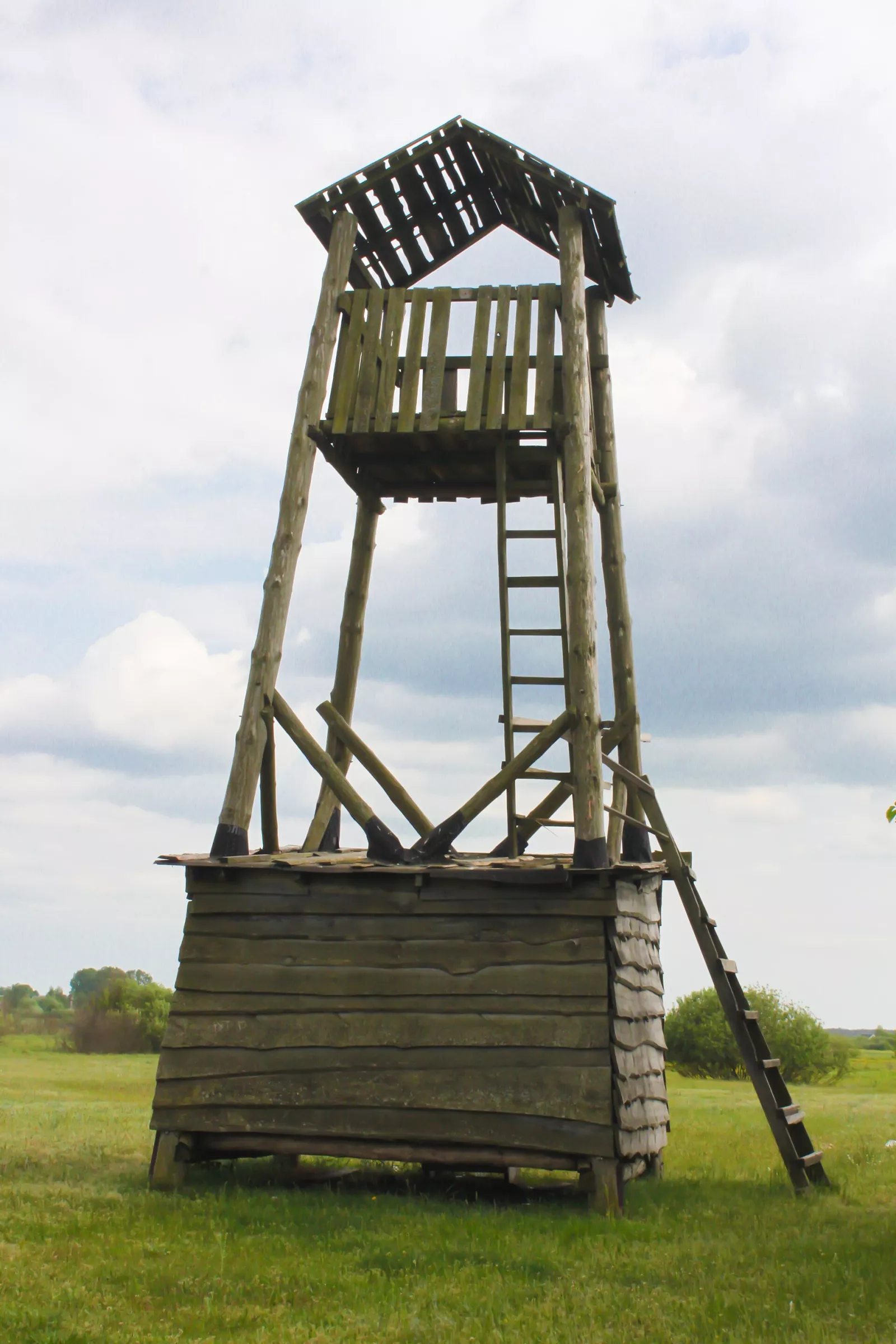
The park is home to about 790 species of vascular plants and 333 species of vertebrates, including 241 bird species and 44 mammal species. Wild ducks, geese, and swans nest on the shores of the lakes, and 33 animal species in the park are listed in the Red Data Book of Ukraine. Nature is best explored via eco-trails: Svityazyanka to Buzhnya Bay, Lisova Pisnya between Peremut and Pisochne, and Two Lakes around Pisochne and Peremut.
What Tourism Is Like Here
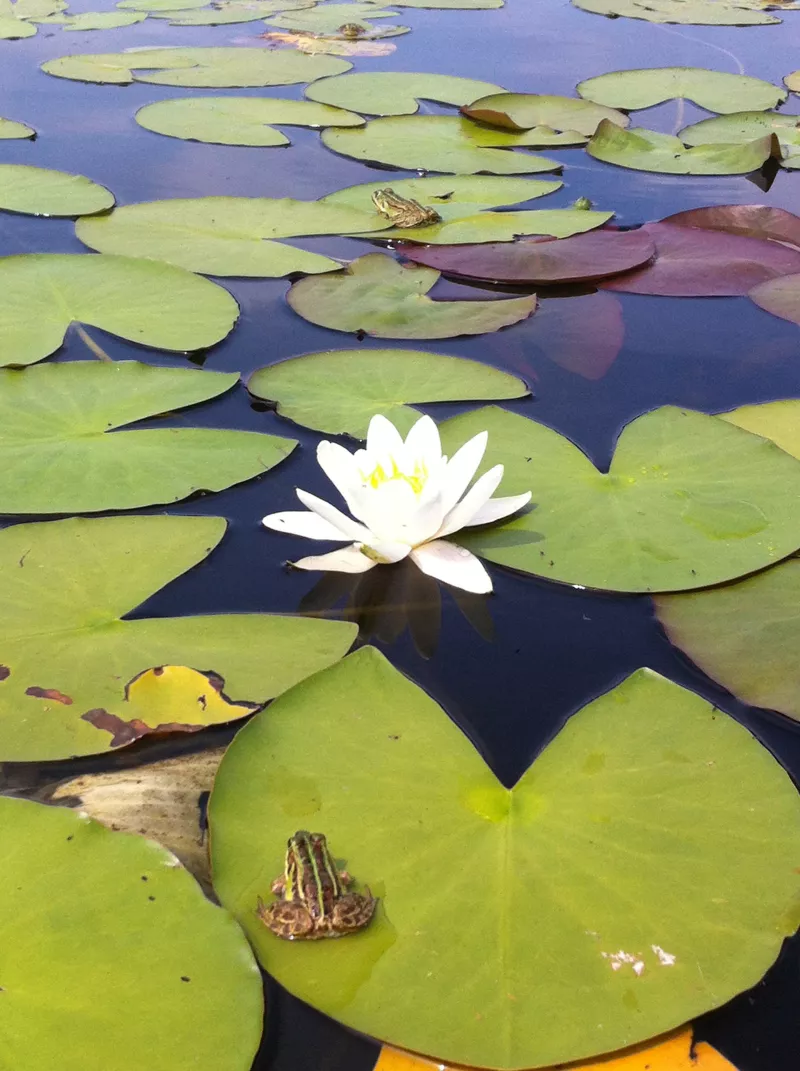
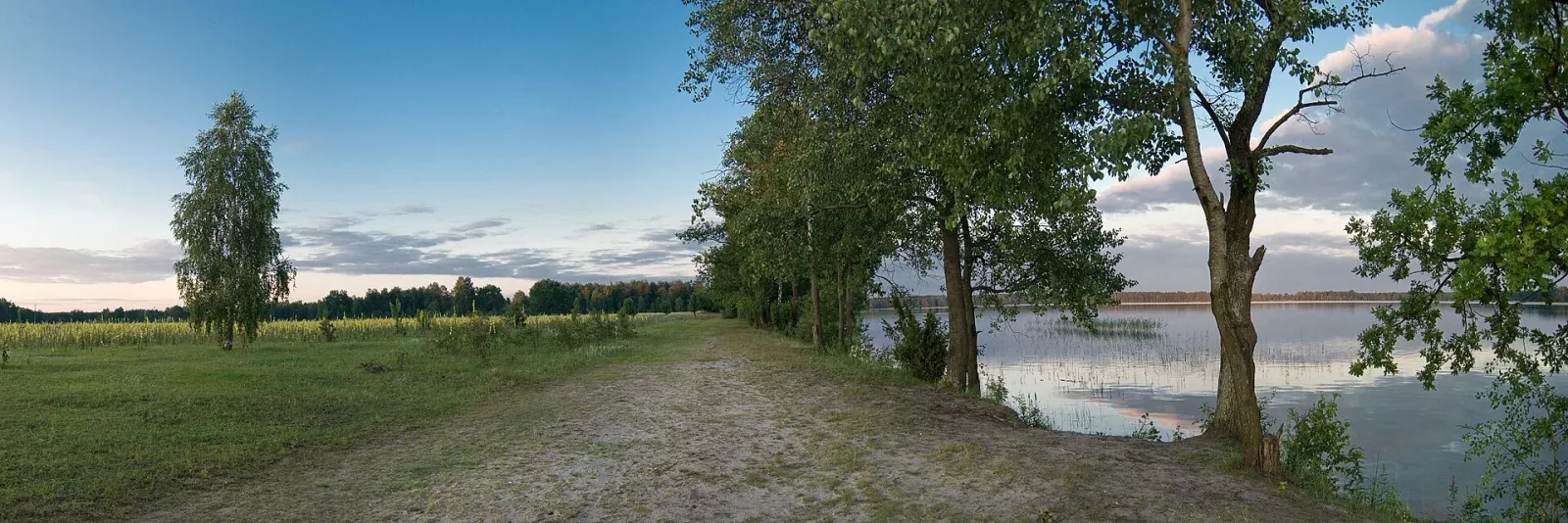
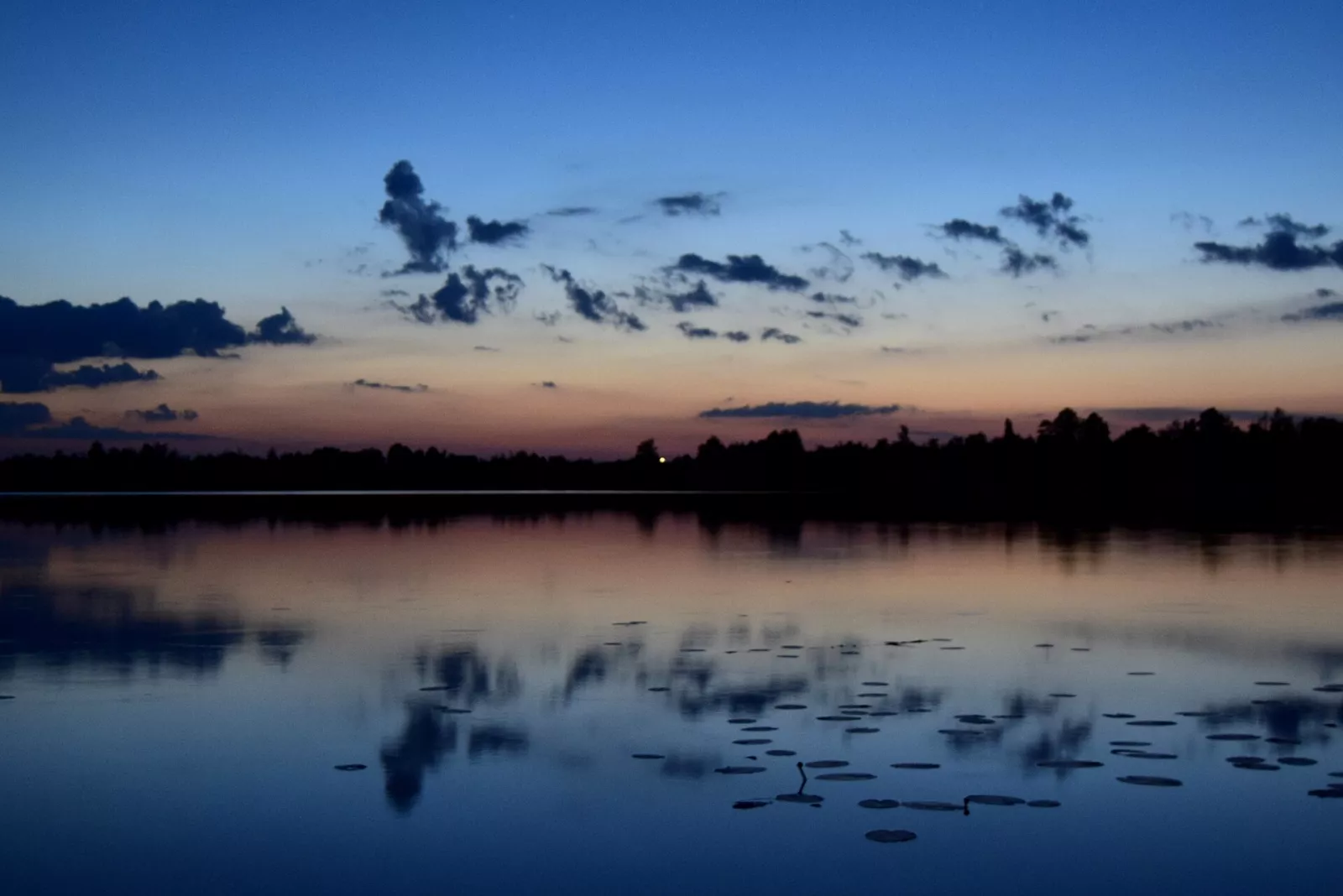
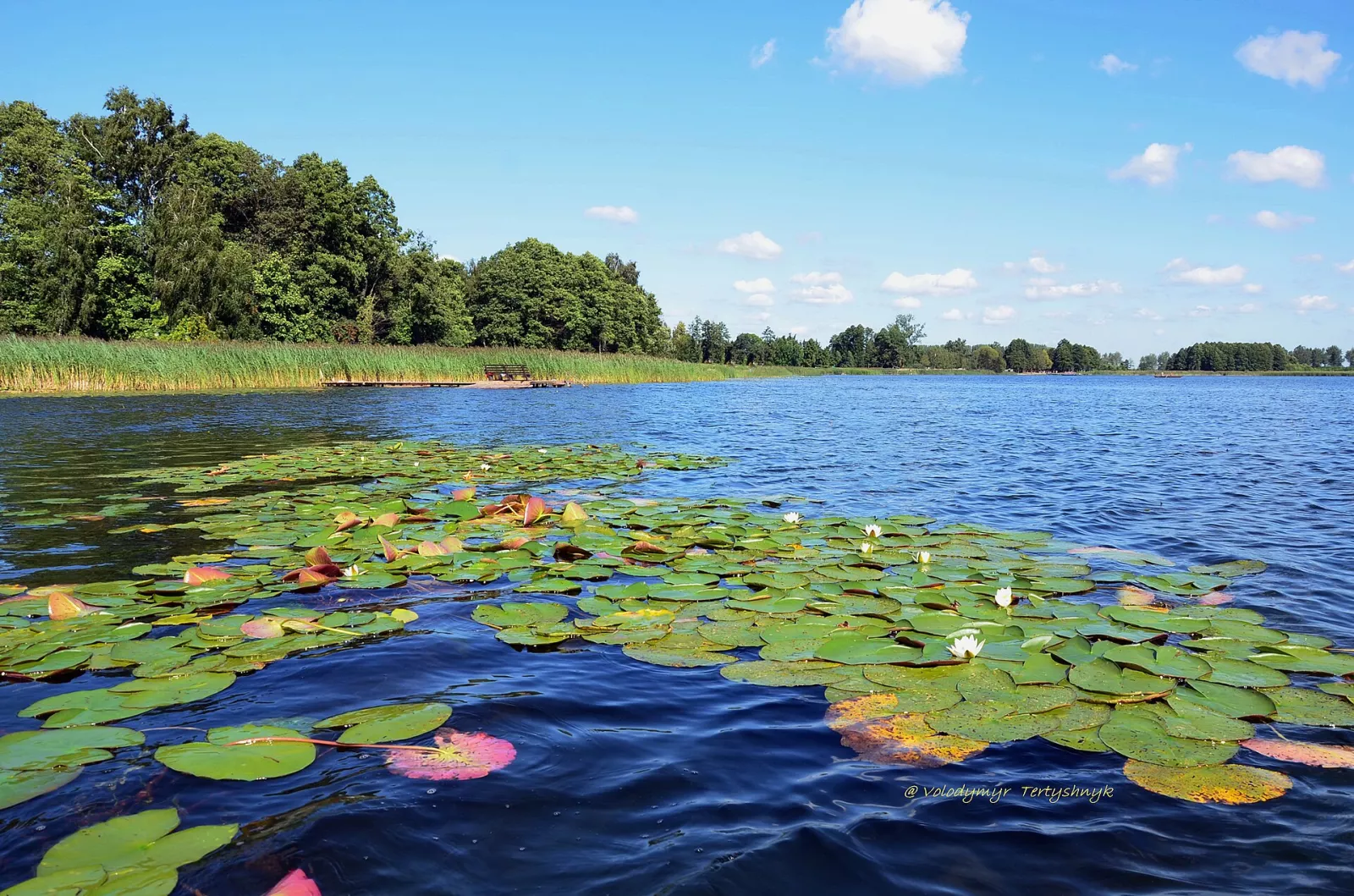
Resort life is concentrated in the four recreation zones of the park: Hryda, Svityaz, Hushove, and Pisochne. Here you will find sandy beaches, pine forests right behind your back, and the shallow shores of Svityaz, where you can walk far out into the water—very convenient for families with children. Cycling routes are laid out around the lakes, and boats sail across Svityaz to the island. Those seeking tranquility head to Luky, Ostrivyanske, or Krymne, where there are almost no beaches, but plenty of reeds, water lilies, and birds.
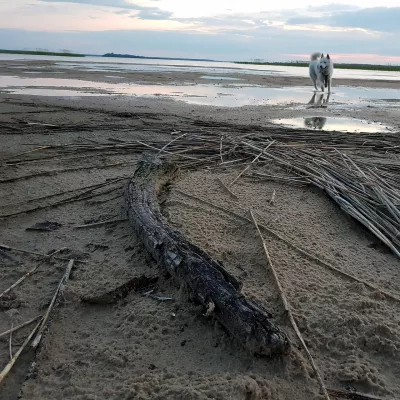
Svityaz is also famous for its doughnuts: in 2024, the Svityaz doughnut was added to the list of intangible cultural heritage of Volyn Oblast. The water level in the lakes changes from year to year: after dry seasons, Svityaz noticeably became shallow, and in rainy years the water returned.
Shatsk Park is a nature conservation area. Campfires are only lit in designated places, cars are not driven up to the water, and entry into the conservation zone without park permission is prohibited. This is a border region, so be sure to carry your identification documents, and do not stray from marked roads and trails in the forest.
Fishing
The Shatsk Lakes have long fed local fishermen. Pike, perch, roach, rudd, bream, tench, crucian carp, common carp, catfish, loach, and eel can be found here, and new species were introduced to some lakes in the past: the channel catfish into Svitiaz, Pulemetske, and Krymne; zander and grass carp into Liutsymer and Velyke Chorne; and peled whitefish into Pulemetske. Whitefish, locally called ripus, is also caught in Pulemetske.
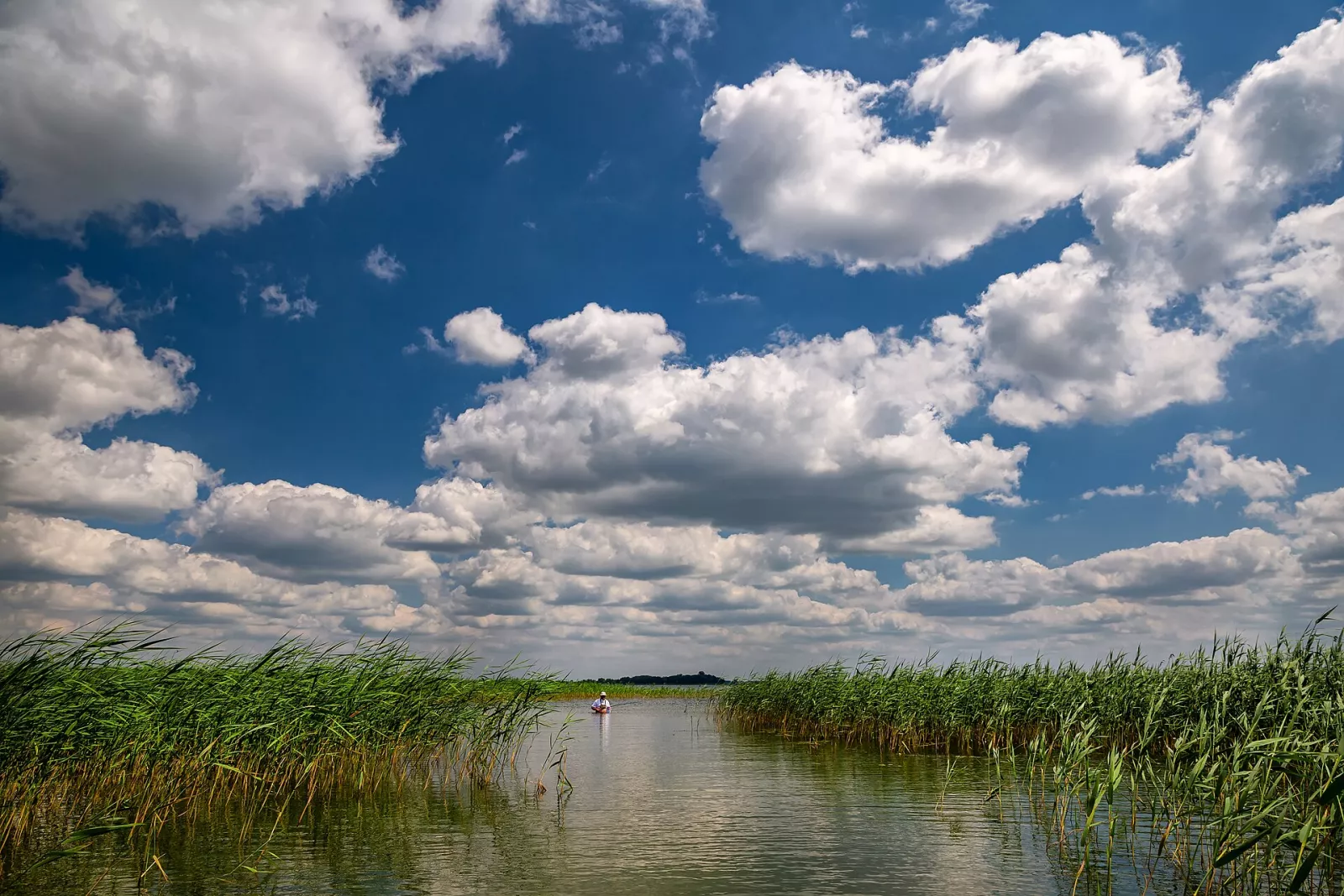
On the deep lakes of Svitiaz and Pulemetske, anglers look for bream and pike from a boat; on the shallow Luka, near the reeds and water lilies; and on the transparent Pisochne, fish are cautious, so it is better to fish in the morning or evening with light tackle. In winter, when the ice holds, ice-fishing enthusiasts go out onto the lakes. Fishing in the national park is allowed only in designated areas, while fishing is prohibited in the strict nature reserve zone, such as on Peremut. General fishing regulations apply, and fishing in wintering pits is prohibited starting November 1 — list and map of pits.
How to plan a trip
How to get there by train, bus, or car from Kyiv, Lviv, Kharkiv, Dnipro, Rivne, Zhytomyr, and Lutsk is described in the article How to get to the Shatsk Lakes. When the water is warm, when it is quiet and uncrowded, and what to do in autumn and winter are covered in the article When is the best time to visit the Shatsk Lakes.
Where to swim can be found in the article Beaches of the Shatsk Lakes, where to stay in Where to stay at the Shatsk Lakes, how to enjoy a vacation with little children in The Shatsk Lakes with children, and what to see in the surrounding area in What to see around the Shatsk Lakes.
You can check bus schedules toward Shatsk on the pages of the Kovel bus station and the Lutsk bus station, and trains on the page of the Kovel railway station. Before setting off, it is useful to check the power outage schedule in Volyn and air raid alerts, and if you are heading to Poland after visiting the lakes, check the border queues. Other places in the district can be found in the Kovel Raion section of the guide.
The Shatsk Lakes on video
A report by Suspilne Lutsk about the most visited Shatsk Lakes: Svitiaz, Chorne, Liutsymer, Pisochne, Pulemetske, and Luka-Peremut.