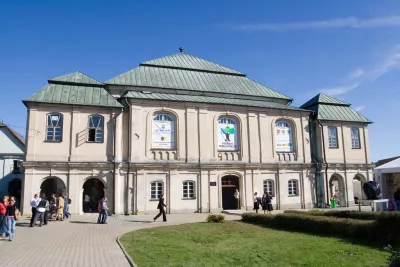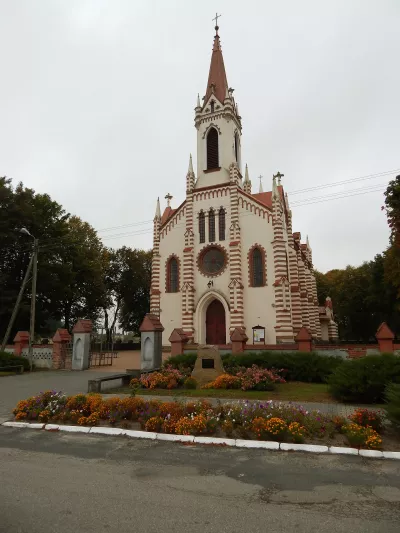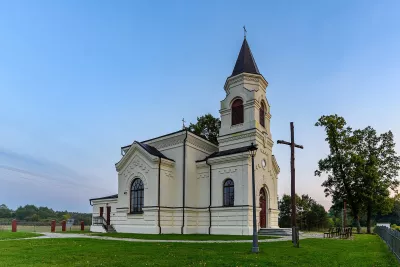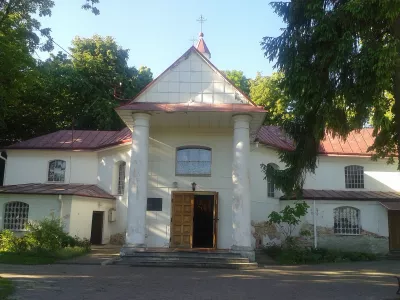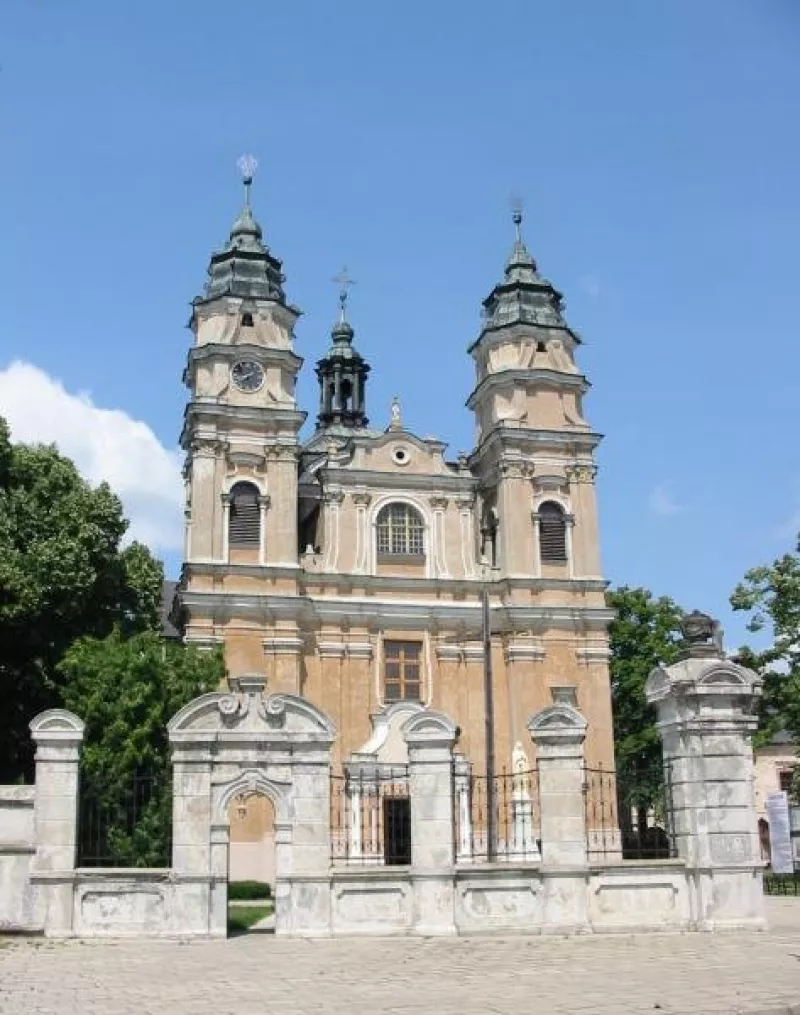
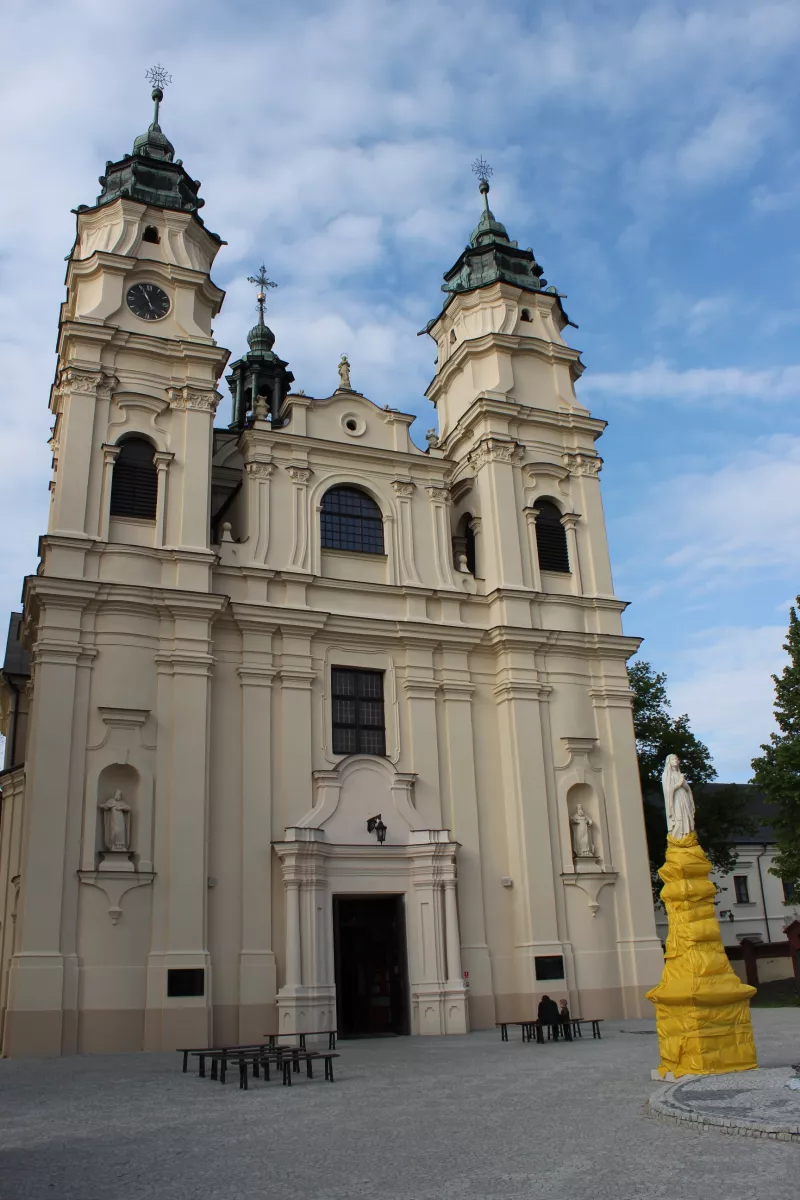
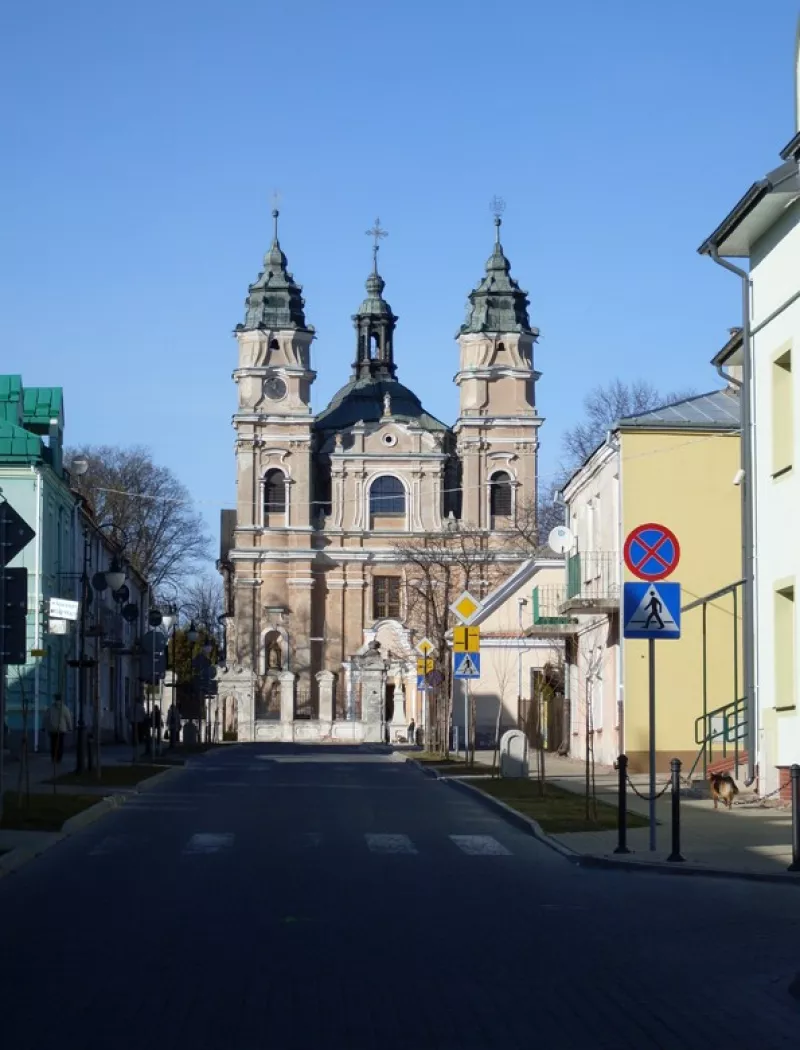
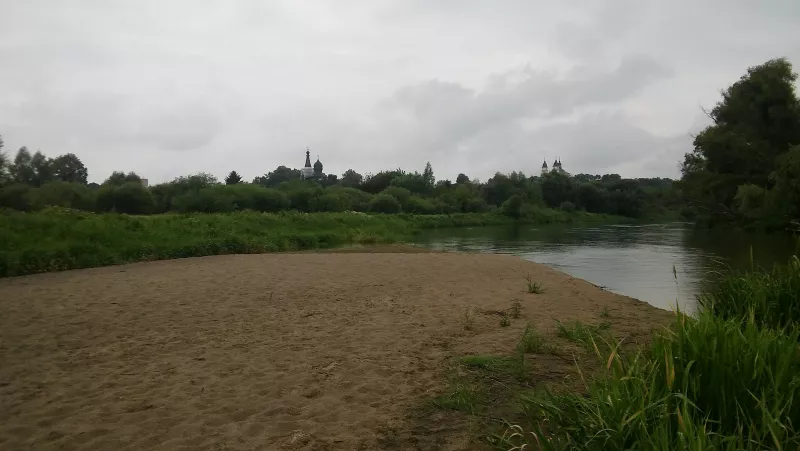

The Church of St. Louis is the main Catholic church of Włodawa and one of the finest late Baroque monuments in eastern Poland. It stands on a high bank above the Bug River, on Klasztorna Street, next to the building of the former Pauline monastery. The two towers of the facade can be seen from afar—both from the town and from the river floodplain. Together with the synagogues and the Orthodox church, the church forms the famous "town of three cultures" that Włodawa is proud of to this day.
Pociej's Foundation
At the end of the 17th century, Włodawa belonged to the Lithuanian hetman Ludwik Konstanty Pociej. In 1698, he invited the Paulines—an order whose main monastery stands on Jasna Góra in Częstochowa—to the town and founded a monastery for them. According to legend, the church was built as thanksgiving for his salvation: political opponents had attacked the hetman while he was traveling to the king in Warsaw, and he survived. The first church, built of wood, burned down in 1705. Later, construction began on a stone church, which was named in honor of St. Louis—the heavenly patron of the founder.
The present building was erected in the 1740s and early 1750s to a design by Paolo Antonio Fontana, court architect to the Sanguszko princes. Construction was supervised by Tomasz Reszler. Fontana also designed similar churches in Chełm and Lubartów, so the Włodawa church belongs to a whole group of late Baroque sanctuaries in the Lublin region. The interior decoration continued for several more decades.
An Octagon Under a Dome
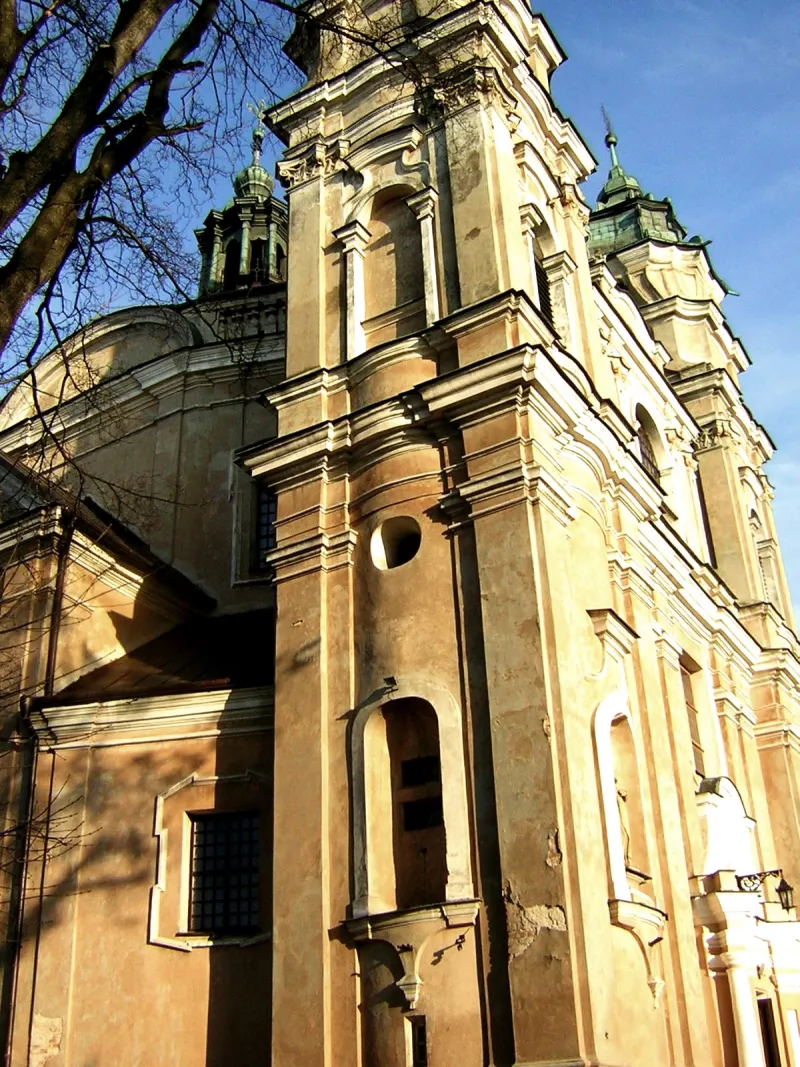
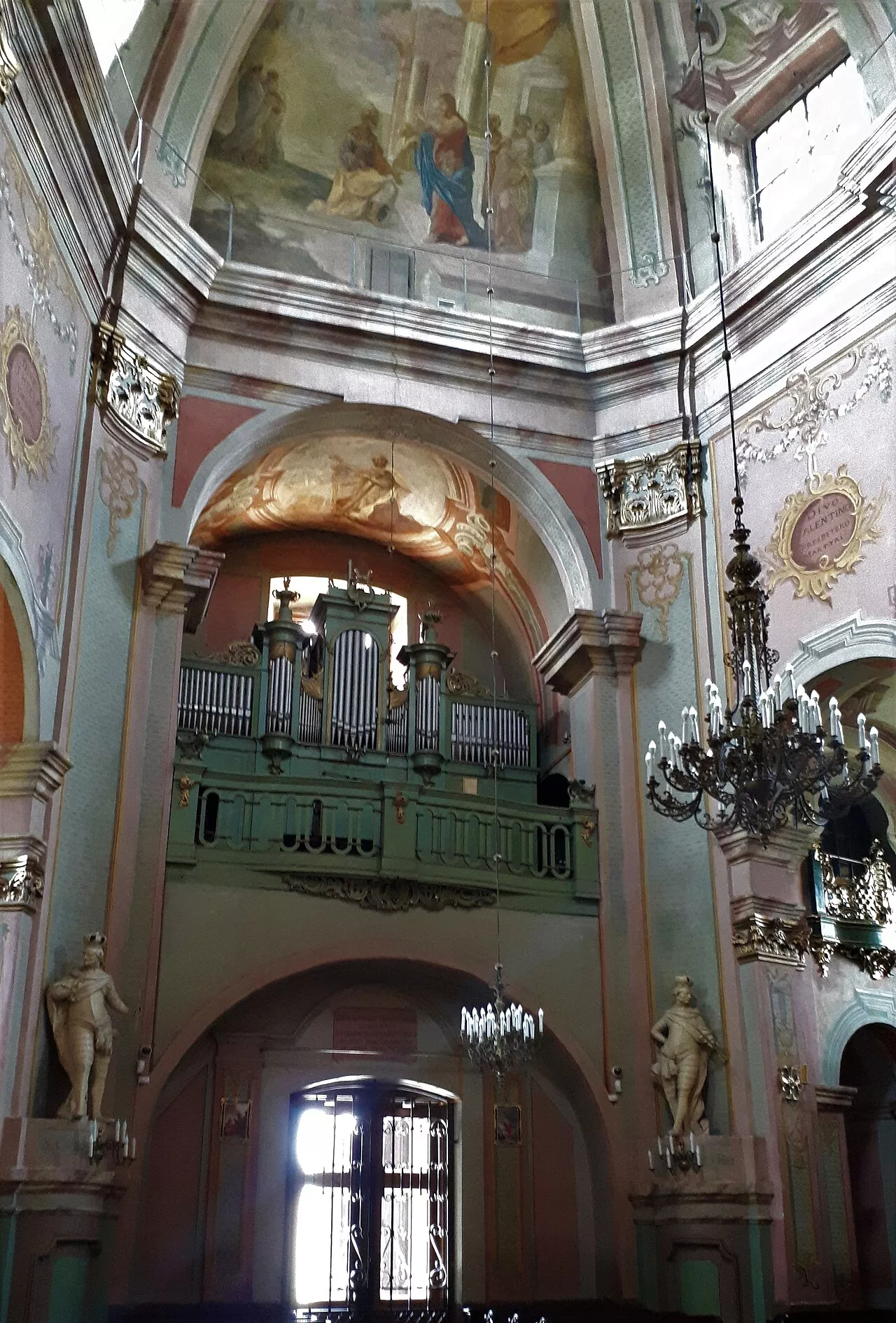
The most unusual feature of the church is its floor plan. The nave is octagonal, inscribed in an ellipse, rather than elongated as in most Pauline churches. In front, it is framed by two square towers topped with shaped domes, and behind by a rectangular presbytery. Above the nave is a mansard domed roof with an openwork lantern. Inside, tall arches open up the space to the presbytery, choir loft, and transept arms, while lower ones lead to four diagonal chapels.
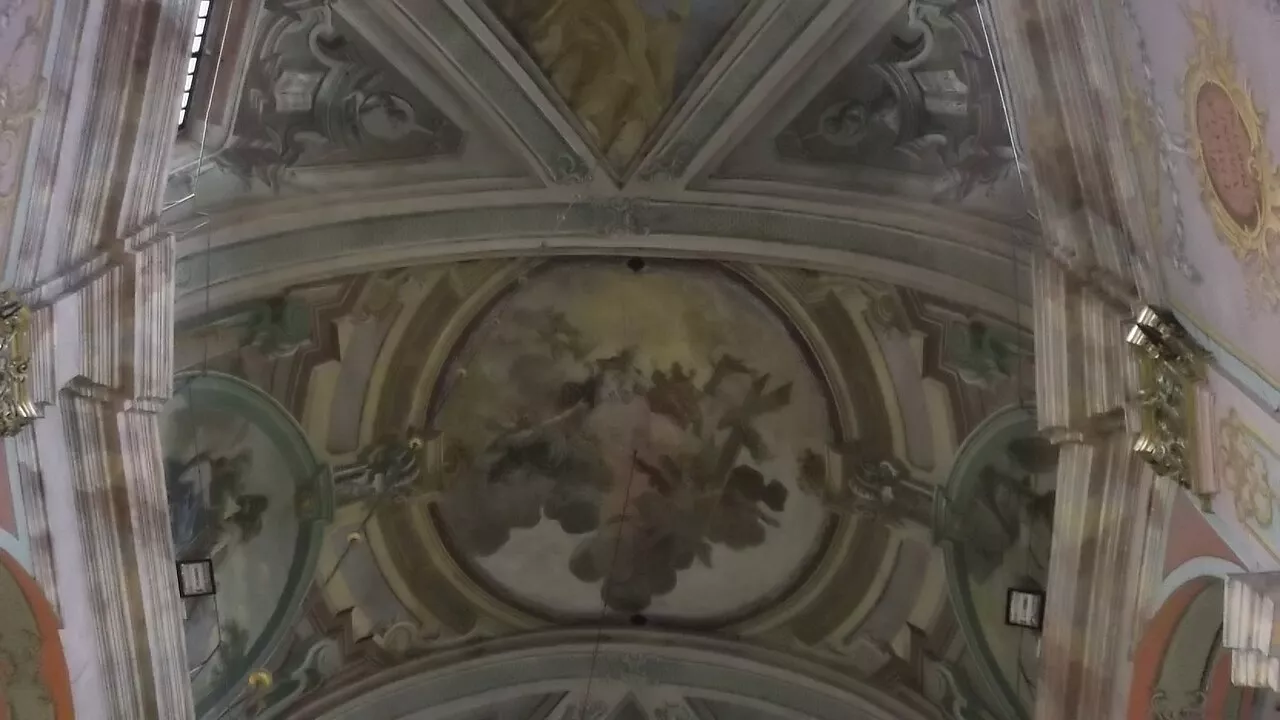
The walls and vaults are fully covered with murals from 1780–1786, attributed to Gabriel Sławiński and Antoni Dobrzeniewski. The altars, pulpit, and baptismal font are Rococo in style, dating from the same period. The figures of the four Fathers of the Church were carved by the workshop of Maciej Polejowski, while the main altar, baptismal font, and crucifix were created by the workshop of Michał Filewicz. Beneath the church are crypts where the monks were buried.
After the Closure of the Monastery
In 1864, following the January Uprising, the Russian authorities suppressed the Pauline monastery in Włodawa. The church remained parish-run, and the monks returned only 128 years later—in 1992—and have been caring for the parish ever since. In 1978, a Sunday Mass was filmed inside the church for Claude Lanzmann's documentary "Shoah".
How to Get There
Włodawa lies 50 km north of Chełm and about 90 km east of Lublin; from Volhynia, the most convenient route is via the Yahodyn–Dorohusk border crossing. Remember that this is Poland: a valid passport is required. The church stands on Klasztorna Street, a few minutes' walk from the market square. Nearby is the museum in the synagogues of Włodawa, and the town's landmarks are connected by the Three Cultures Trail. Located 3 km to the south, in Orchówek, is the Baroque Sanctuary of Our Lady of Consolation. Read more about the region in the article Polish Polissia.